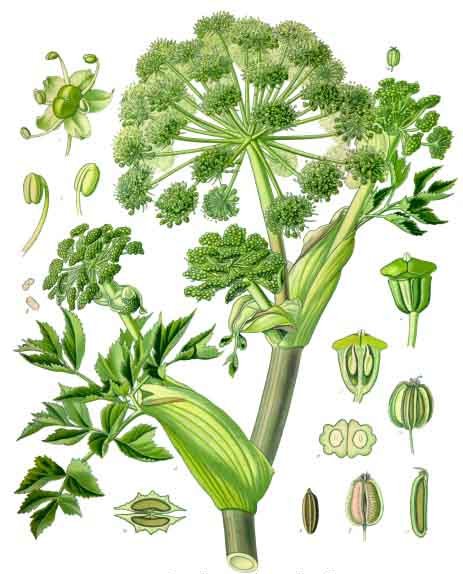
Western Herbalism
Garden Angelica
Angelica archangelica
Also known as Angelicae Radix, Angelica.
Traditionally used in Western herbal medicine photosensitizing - avoid prolonged sun/UV exposure short-term use recommended resembles poisonous Apiaceae plants - expert identification needed for wildcrafting

Ask Herbert about Garden Angelica. Herbert is the master herbalist inside Bountiful Herbs: he answers from this plate and eleven hundred others, with dosing, pairing and cautions. Your first ten questions are free.
Ask HerbertActions
Indications what the tradition reached for it in
- Colic
- Menstrual irregularities
- Bronchial illness
- Pelvic congestion
- Dyspeptic complaints
- Bronchitis
- Abdominal cramps
- Nausea
- Loss of appetite
- Menstrual cramps
- Cough
- Gas
- Colds
- Dyspepsia
- Feeling of fullness
- Gastrointestinal spasms
- Fever
- Bloating
- Flatulent dyspepsia
- Indigestion
- Abdominal distension
- Amenorrhea
- Cramps
- Debility
- Digestive discomfort
- Edema
- Fatigue
- Flatulence
- Fluid retention
- Inflammation
Safety
Pregnancy: Not for use in pregnancy
Breastfeeding: Lactation (source flag notSafeInLactation)
The record lists 4 contraindications; open the plate in the library to read them in full.
Dosing as the sources wrote it
| Preparation | As written | Metric |
|---|---|---|
| Dried root/rhizome | Dried root/rhizome 0.3-12 g/day | 300-12000 mg |
| dried leaf | dried leaf 0.4-5 g 3x/day | 400-5000 mg |
| dried seed | dried seed 1-2 g 3x/day | 1000-2000 mg |
| tincture | tincture (1:5 in 50% ethanol) 1-3 mL up to 2x/day | 1-3 mL |
| decoction | decoction 1-3 g in 250 mL water simmer 15-20 min, 1-2x/day | 1000-3000 mg |
| Dried leaf 2-5 g by infusion three times daily | 2000-5000 mg |
Doses are reproduced from the sources for practitioners and are not a recommendation for any person.
From the sources
Clinical Notes. Traditionally used in Western herbal medicine photosensitizing - avoid prolonged sun/UV exposure short-term use recommended resembles poisonous Apiaceae plants - expert identification needed for wildcrafting
Properties and Uses. The roots are grayish-brown outwardly, and nearly white within. They have a peculiar aromatic and pungent odor, and a pungent taste. Their properties seem to depend in part upon an oleo-resinous material.
Action, Medical Uses, and Dosage. Aromatic, stimulant, carminative diaphoretic, expectorant, diuretic, and emmenagogue. Used in flatulent colic and heart-burn, and nervous headache. The root has been candied and eaten. It is said to promote the menstrual discharge. In diseases of the urinary organs, calculi and passive dropsy, it is used as a diuretic, in decoction with uva ursi and Eupatorium purpureum. Dose of the powder, 30 to 60 grains; of the decoction, 2 to 4 ounces, 3 or 4 times a day. The Archangelica officinalis, Hoffmann (Angelica Archangelica, Linné), may be substituted for the above.
primary-actions. Garden Angelica acts primarily as: Carminative, Expectorant, Stomachic, Diaphoretic, Diuretic, Antispasmodic. Secondary actions include Bitter tonic, Emmenagogue, Anti-inflammatory, Analgesic.
Drawn from Cook's Physio-Medical Dispensatory; King's American Dispensatory, 18th edition (Felter and Lloyd), and the Bountiful Herbs editorial.
In formulas
Garden Angelica stands in 104 documented formulas in the library, among them giàng huo shèng shĩ tǎng, ging bí tāng, shí shén tàng, jing jiè lián giáo tàng, huáng lóng táng, xin jia huáng lóng tàng.
Often paired with
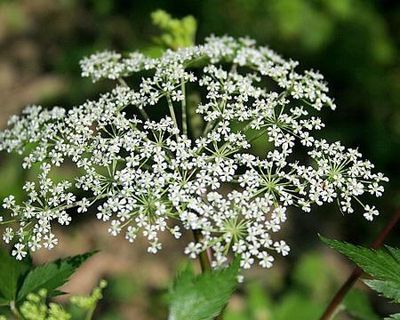 Dong QuaiAngelica sinensis
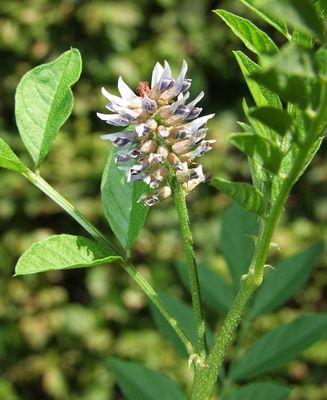 Licorice rootGlycyrrhiza glabra
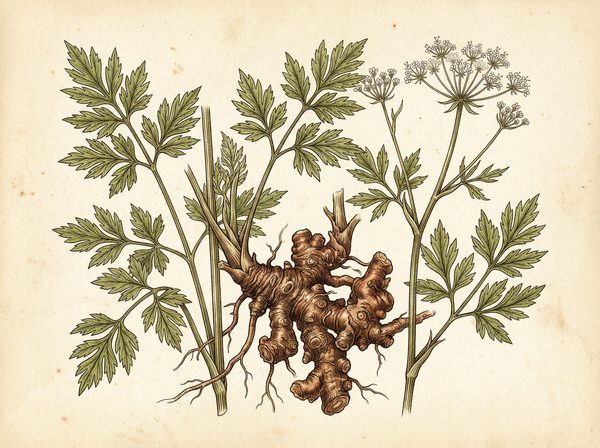 Sichuan Lovage RhizomeLigusticum chuanxiong
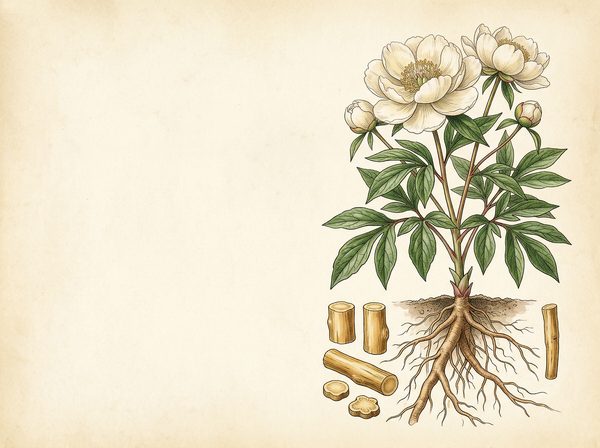 White PeonyPaeonia lactiflora
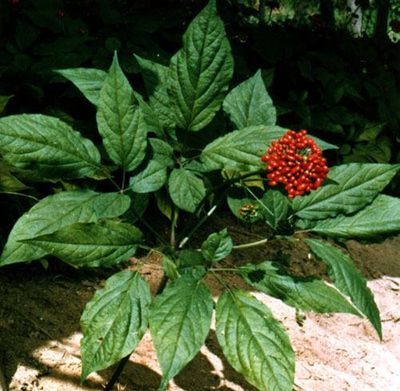 GinsengPanax ginseng
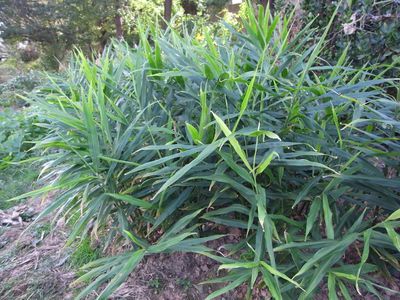 GingerZingiber officinale
Nearby on the shelf
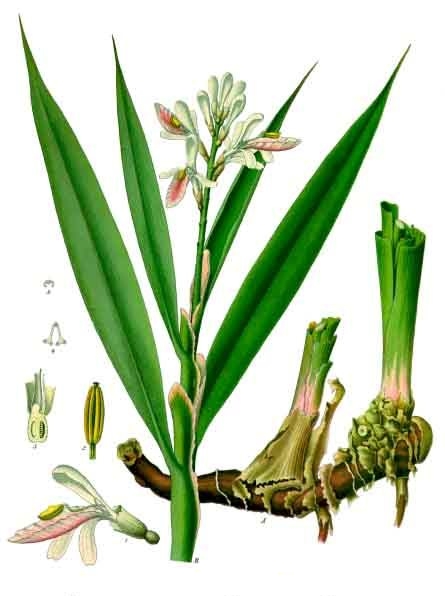 GalangalAlpinia officinarum
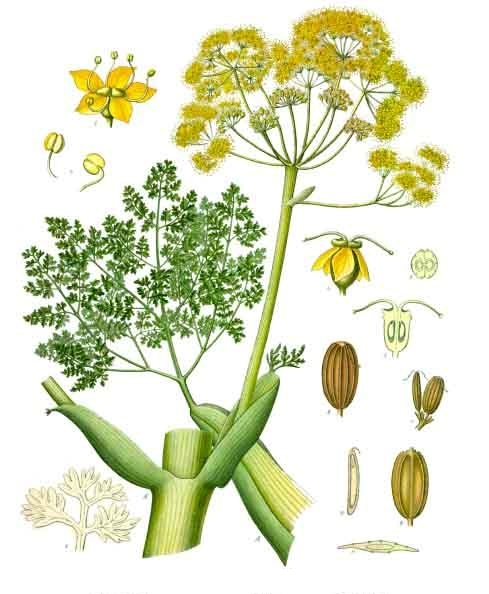 GalbanumGalbanum officinale
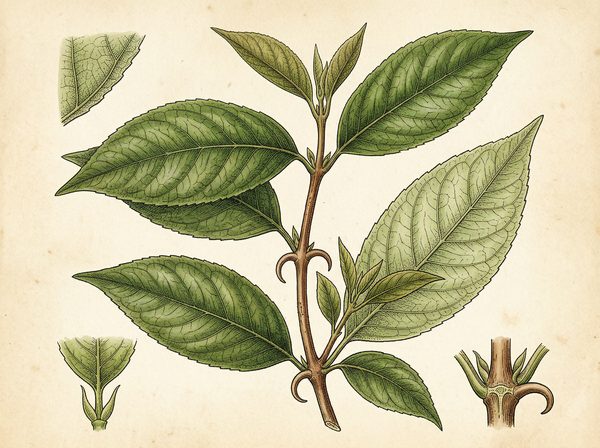 GambirUncaria gambir
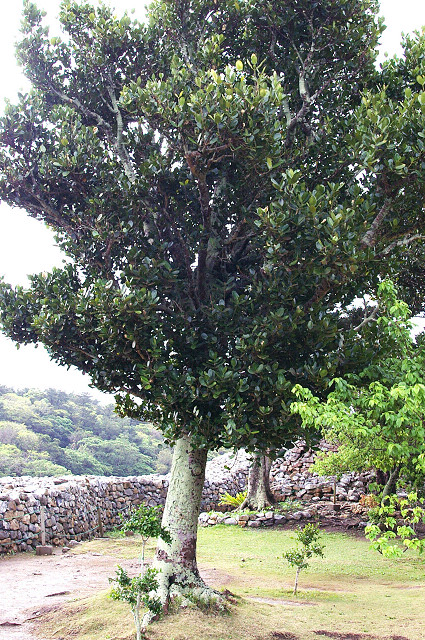 GambogeCambogia
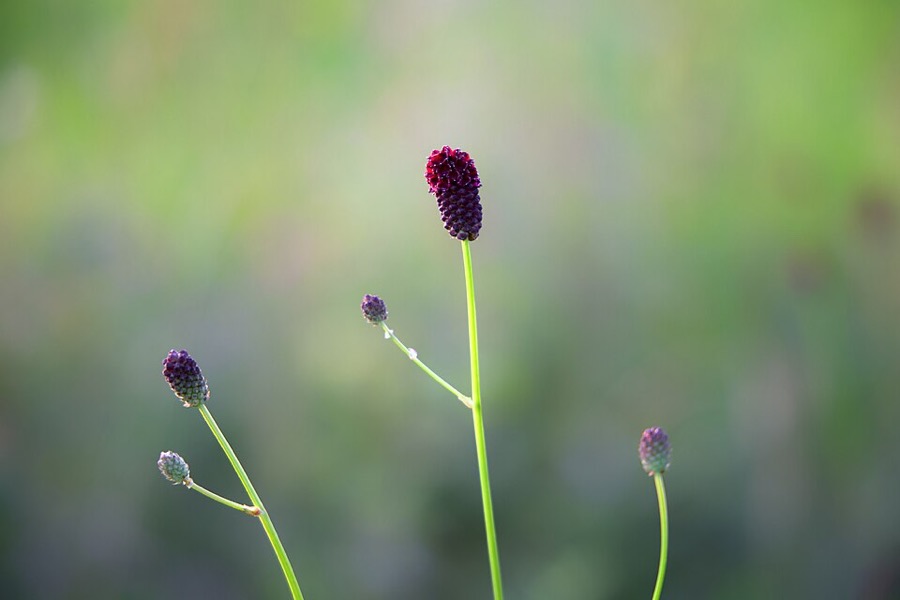 Garden BurnetSanguisorba officinalis
 Garden cressLepidium sativum
 Garden silkweedAsclepias currasavica
 GarlicAllium sativum
The whole plate is in the library. The compass, Compare, the Sky of eleven hundred plants and the formulary open with an email address and a password, free, with the formula builder and its safety engine. Herbert without limit, his formulating, clients, the handouts and the labels are the paid room.
Open the library, free