Western Herbalism
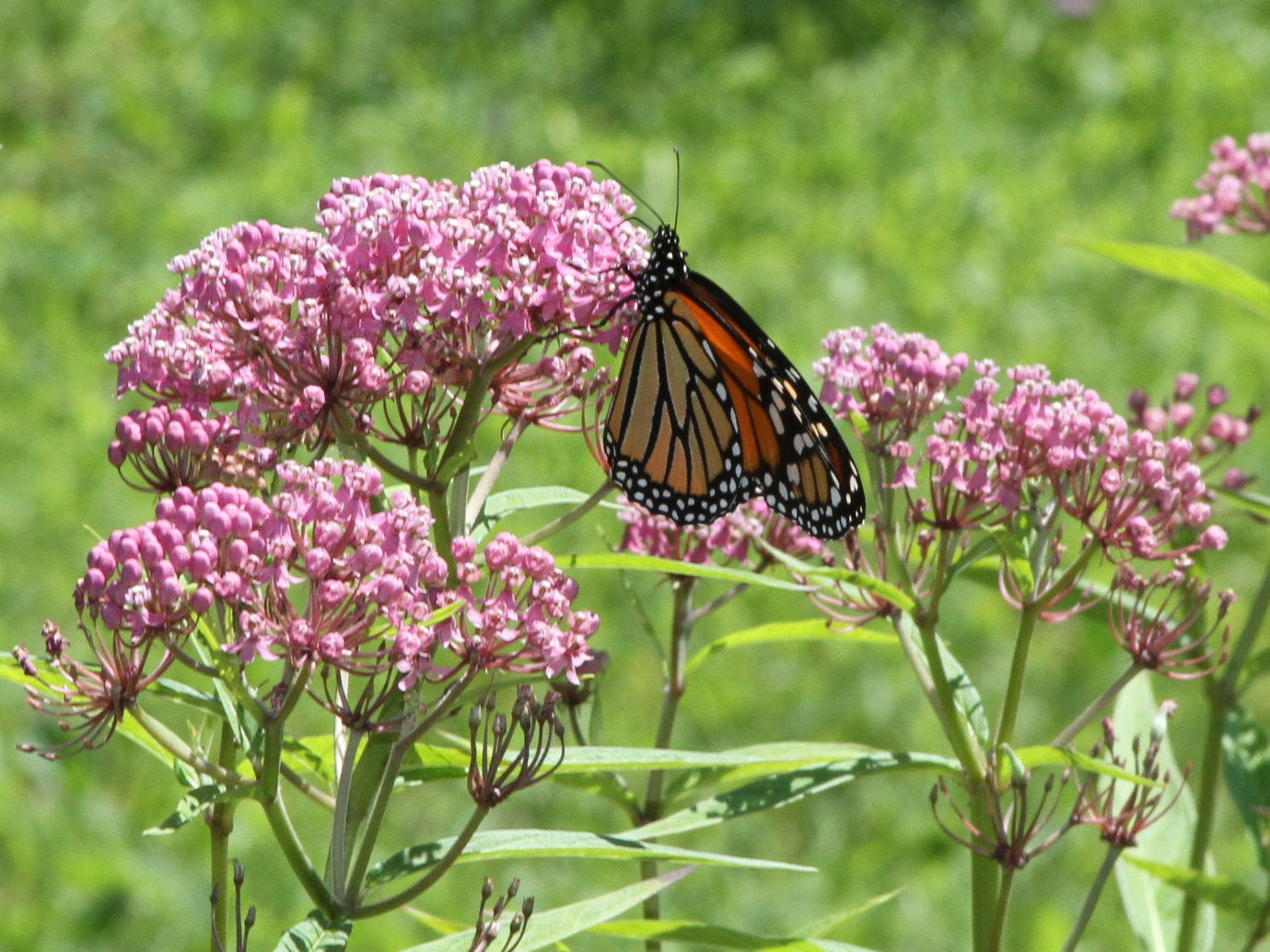
Garden silkweed
Asclepias currasavica
Also known as Bloodflower, Scarlet milkweed, Mexican milkweed, Tropical milkweed, Wild ipecac.
Asclepias currasavica, commonly called bloodflower or garden silkweed, is a small shrubby milkweed native to the American tropics and widely naturalized and cultivated as an ornamental for its bright scarlet and yellow flowers. Physiomedical and some Eclectic practitioners of the nineteenth century used the root as a close relative of pleurisy root (Asclepias tuberosa), employing it for feverish chest complaints, though it was recognized to act more forcibly on the bowel and, in the fresh state, as an emetic. The plant belongs to the milkweed group and, like others in the genus, contains cardiac glycoside constituents that call for caution.

Ask Herbert about Garden silkweed. Herbert is the master herbalist inside Bountiful Herbs: he answers from this plate and eleven hundred others, with dosing, pairing and cautions. Your first ten questions are free.
Ask HerbertActions
Indications what the tradition reached for it in
- Pleurisy and pleuritic chest pain
- Bronchitis with dry, tight cough
- Feverish colds with chest involvement
- Constipation accompanying feverish illness
- Dysentery (historical use)
- Intestinal worms (historical, ethnobotanical use)
- Skin warts and fungal lesions (topical latex, historical)
- Catarrhal fever with pleuritic stitch
Specific indications
Feverish chest complaint with dry cough and a pleuritic stitch, where a relaxing action on both chest and bowel is wanted
Used in place of Asclepias tuberosa when a more decidedly cathartic and emetic action is desired, always combined with a diffusive stimulant to prevent excessive purging or griping
Safety
Recognised toxicity. This plant carries a toxicity flag in the record; it is for trained practitioners only.
Low dose botanical. Used in drop doses in the classical practice; not a plant to dose freely.
Pregnancy: Avoid in pregnancy: the plant's cardenolide content and cathartic action make it unsuitable, and there is no safety data to support use.
Breastfeeding: Avoid during lactation given the cardiac glycoside content and lack of safety data.
The record lists 5 contraindications; open the plate in the library to read them in full.
In practice
Historical physiomedical writers regarded the root of this species as interchangeable with pleurisy root for relaxing the chest and encouraging a gentle sweat in feverish, pleuritic conditions, but noted it was more likely to move the bowels strongly unless combined with a diffusive stimulant such as ginger or cayenne to direct its action outward rather than downward.
Dosing as the sources wrote it
| Preparation | As written | Metric |
|---|---|---|
| Historical decoction (not recommended for routine modern use) | traditionally 1-2 g dried root in decoction, used with caution | 1000-2000 mg |
| Tincture (1:5, historical use only) | 0.5-1 mL, used rarely and with close monitoring | 0.5-1 mL |
Doses are reproduced from the sources for practitioners and are not a recommendation for any person.
From the sources
Overview. Asclepias currasavica, commonly called bloodflower or garden silkweed, is a small shrubby milkweed native to the American tropics and widely naturalized and cultivated as an ornamental for its bright scarlet and yellow flowers. Physiomedical and some Eclectic practitioners of the nineteenth century used the root as a close relative of pleurisy root (Asclepias tuberosa), employing it for feverish chest complaints, though it was recognized to act more forcibly on the bowel and, in the fresh state, as an emetic. The plant belongs to the milkweed group and, like others in the genus, contains cardiac glycoside constituents that call for caution.
Clinical Notes. Historical physiomedical writers regarded the root of this species as interchangeable with pleurisy root for relaxing the chest and encouraging a gentle sweat in feverish, pleuritic conditions, but noted it was more likely to move the bowels strongly unless combined with a diffusive stimulant such as ginger or cayenne to direct its action outward rather than downward.
Properties and Uses. Miss L. Dille, M. D., during a residence in Jamaica, became professionally acquainted with this plant. She tells me the roots are in all respects similar to those of the asclepias tuberosa, though she considers the currasavica preferable to the tuberosa.
Description. Natural Order, Asclepiadaceae. This is a half-shrubby species of the silkweed, branching at the base, pubescent, three to five feet high. Leaves lance-linear, acuminate, long. Umbels solitary, lateral, shorter than the leaves, few-flowered. Flowers usually a brilliant scarlet, varying to almost white. It is a native of the West Indies; but is now cultivated in gardens for its stately and brilliant appearance.
Drawn from Cook's Physio-Medical Dispensatory, and the Bountiful Herbs editorial.
Nearby on the shelf
 GambogeCambogia
 Garden AngelicaAngelica archangelica
 Garden BurnetSanguisorba officinalis
 Garden cressLepidium sativum
 GarlicAllium sativum
 Garlic MustardAlliaria petiolata
 GastrodiaGastrodia elata
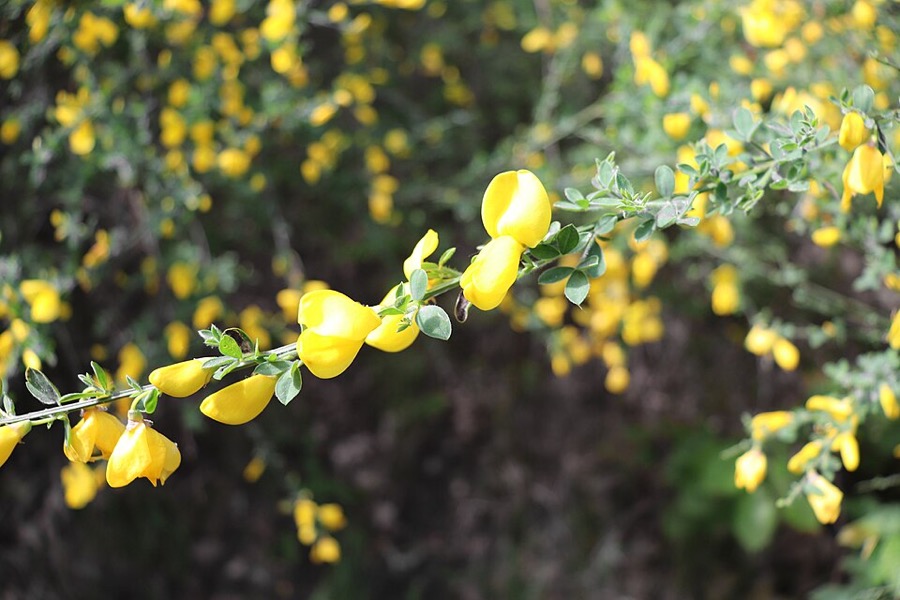 GenistaGenista
The whole plate is in the library. The compass, Compare, the Sky of eleven hundred plants and the formulary open with an email address and a password, free, with the formula builder and its safety engine. Herbert without limit, his formulating, clients, the handouts and the labels are the paid room.
Open the library, free