Western Herbalism
Genista
Genista
Also known as Dyer's greenweed, Wood-waxen, Woodwaxen, Green weed, Dyer's broom, Dyer's weed, Dyer's green-weed.
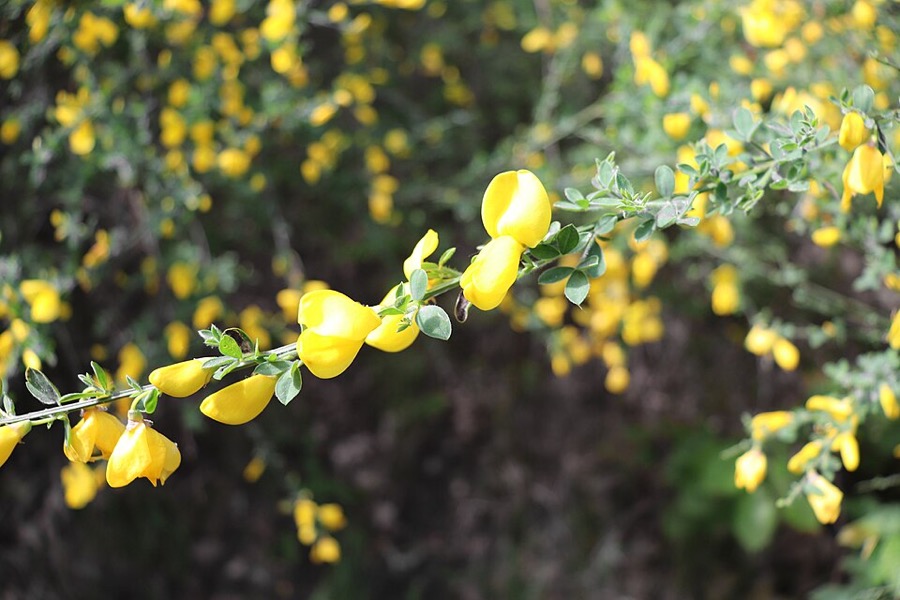
Genista tinctoria is a small deciduous shrub of the pea family, native to Europe and western Asia and long cultivated as a source of yellow dye, from which the isoflavone genistein takes its name. The flowering tops and young seed pods are the parts traditionally used medicinally. It held a place in eclectic and older European herbal practice as a diuretic and mild purgative for dropsical conditions and gouty complaints, though it has largely fallen out of common clinical use today.

Ask Herbert about Genista. Herbert is the master herbalist inside Bountiful Herbs: he answers from this plate and eleven hundred others, with dosing, pairing and cautions. Your first ten questions are free.
Ask HerbertActions
Indications what the tradition reached for it in
- Edema with scanty urine
- Dropsy of cardiac or renal origin
- Gout
- Rheumatic and arthritic pain
- Constipation
- Cystitis
- Urinary gravel
- Sciatica (folk use)
- Jaundice (historic use)
Specific indications
Dropsy with puffy limbs and scanty urine, particularly where circulation is sluggish and elimination poor
Gouty or rheumatic pain that is worse in damp weather and accompanied by constipation and reduced urine output
Safety
Low dose botanical. Used in drop doses in the classical practice; not a plant to dose freely.
Pregnancy: Avoid in pregnancy: contains quinolizidine alkaloids related to cytisine and has a traditional reputation as a uterine stimulant.
Breastfeeding: Avoid in lactation due to insufficient safety data and the presence of alkaloid constituents.
The record lists 7 contraindications; open the plate in the library to read them in full.
In practice
Genista was reached for historically in cases of dropsy where the patient showed swelling of the limbs with scanty, concentrated urine, often alongside sluggish bowel function, the idea being to move fluid out through both kidney and bowel at once.
Dosing as the sources wrote it
| Preparation | As written | Metric |
|---|---|---|
| Infusion of dried flowering tops | 2-4 g dried herb daily as an infusion | 2000-4000 mg |
| Tincture (1:5, 45%) | 1-2 mL three times daily | 1-2 mL |
| Sixty grains of the powdered seeds produce active catharsis, and even emesis, and is the dose generally advised in dropsy. | ||
| An infusion of the flowers has been advantageously employed in gout and rheumatism, and is also stated to have been successful in several cases of albuminuria, in doses of 2 tablespoonfuls every 1 or 2 hours. |
Doses are reproduced from the sources for practitioners and are not a recommendation for any person.
From the sources
Overview. Genista tinctoria is a small deciduous shrub of the pea family, native to Europe and western Asia and long cultivated as a source of yellow dye, from which the isoflavone genistein takes its name. The flowering tops and young seed pods are the parts traditionally used medicinally. It held a place in eclectic and older European herbal practice as a diuretic and mild purgative for dropsical conditions and gouty complaints, though it has largely fallen out of common clinical use today.
Clinical Notes. Genista was reached for historically in cases of dropsy where the patient showed swelling of the limbs with scanty, concentrated urine, often alongside sluggish bowel function, the idea being to move fluid out through both kidney and bowel at once.
Drawn from King's American Dispensatory, 18th edition (Felter and Lloyd), and the Bountiful Herbs editorial.
Nearby on the shelf
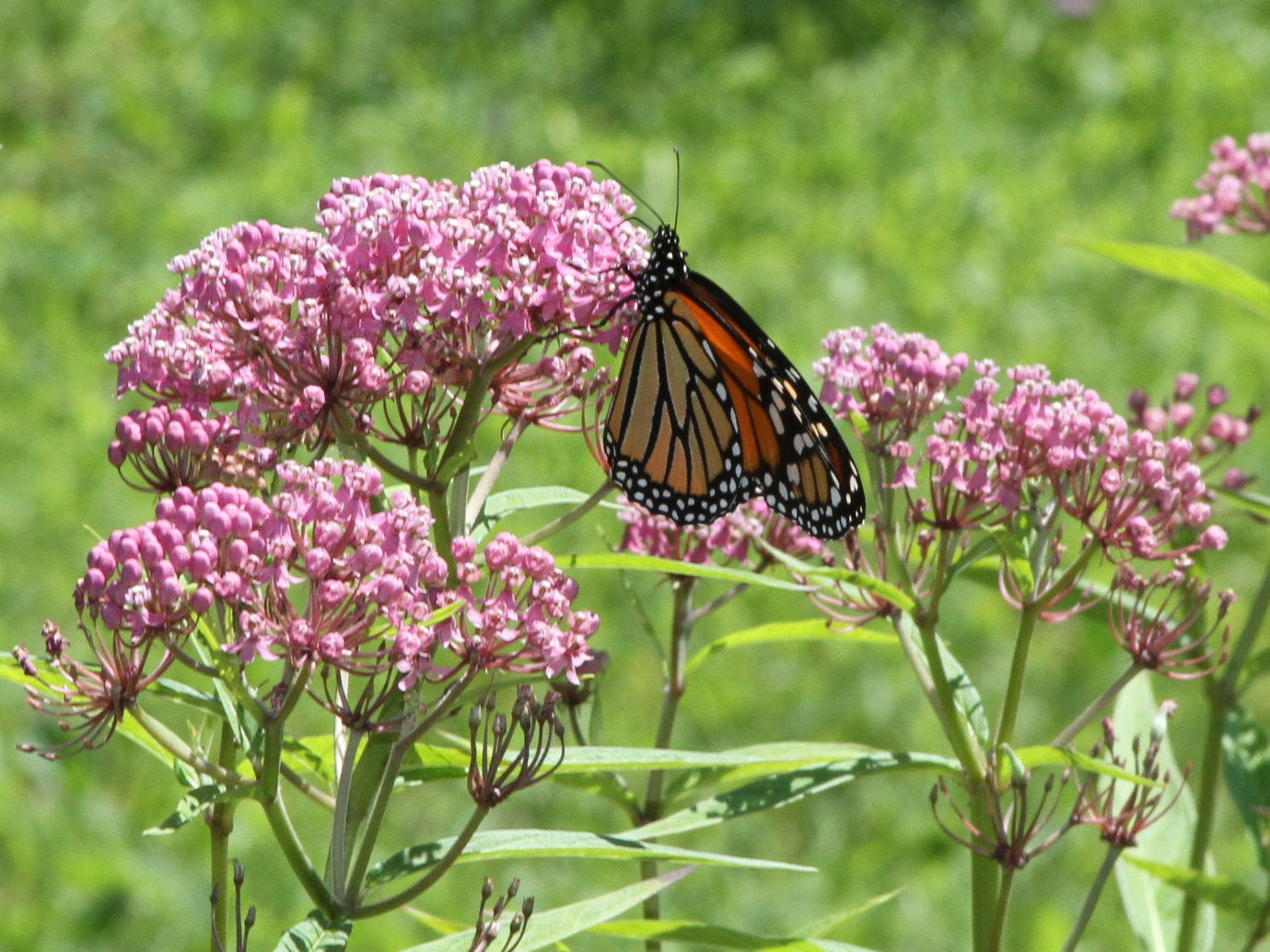 Garden silkweedAsclepias currasavica
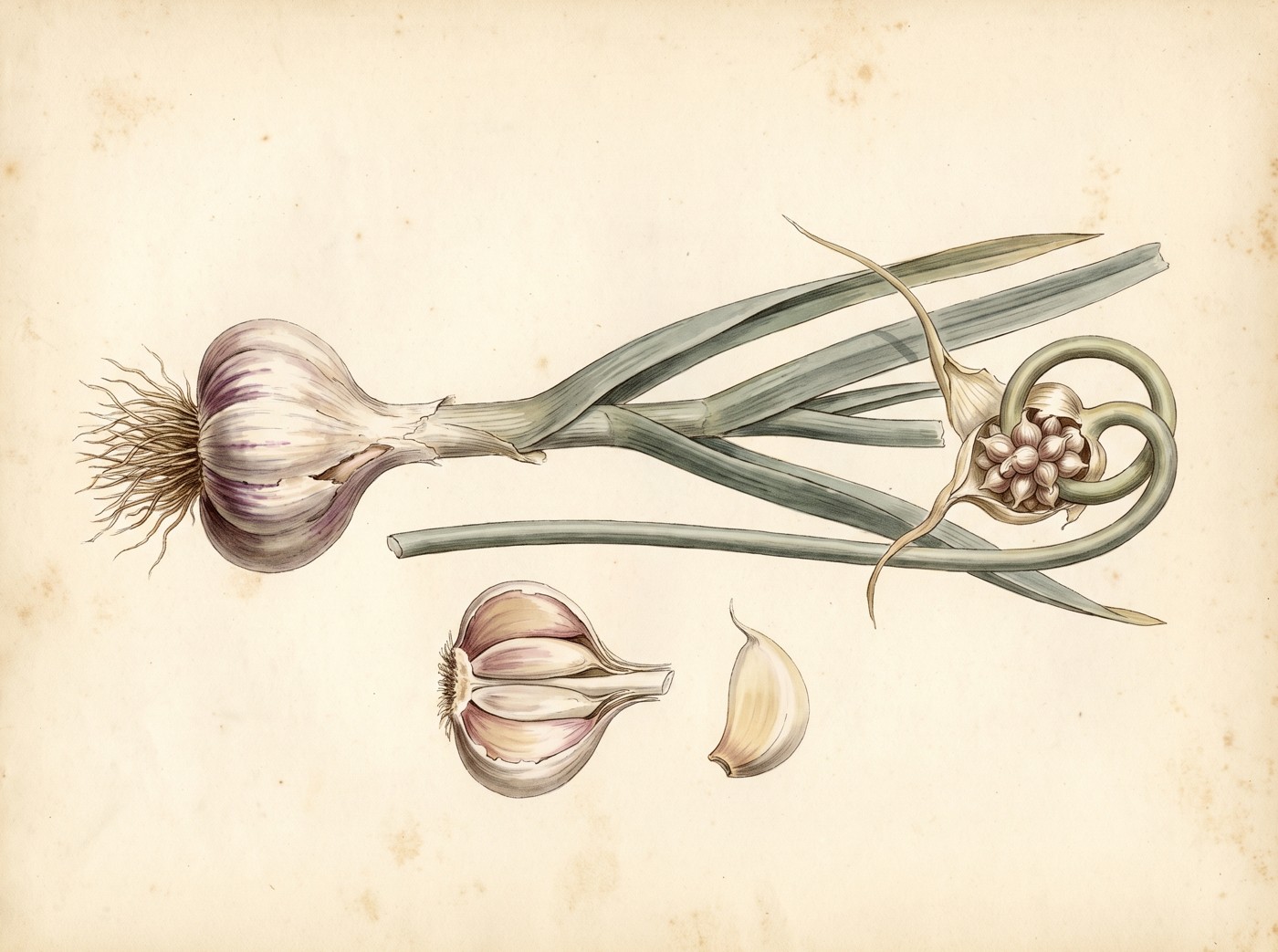 GarlicAllium sativum
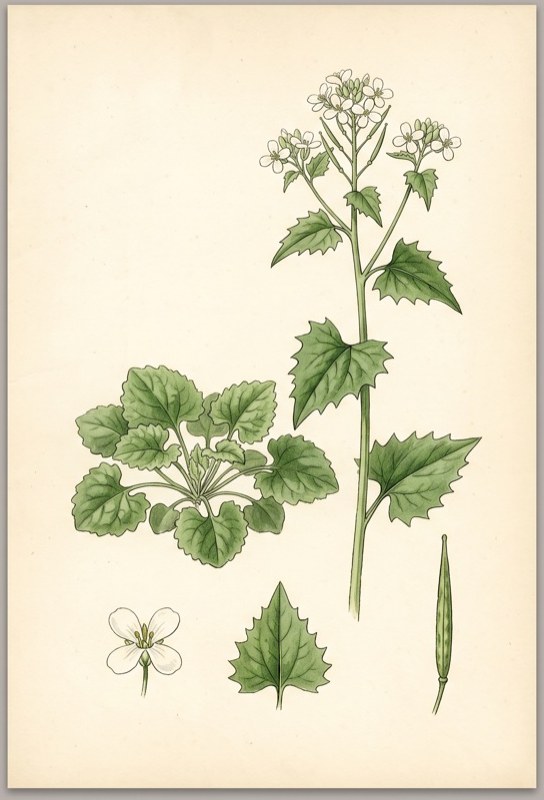 Garlic MustardAlliaria petiolata
 GastrodiaGastrodia elata
 GentianGentiana lutea
 German chamomileMatricaria recutita
 GermanderTeucrium
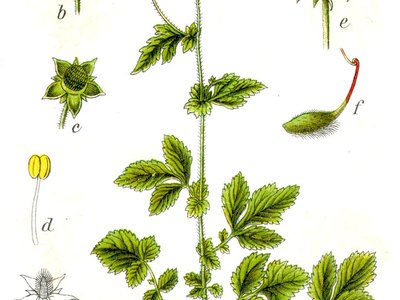 GeumGeum
The whole plate is in the library. The compass, Compare, the Sky of eleven hundred plants and the formulary open with an email address and a password, free, with the formula builder and its safety engine. Herbert without limit, his formulating, clients, the handouts and the labels are the paid room.
Open the library, free