Chinese Herbalism
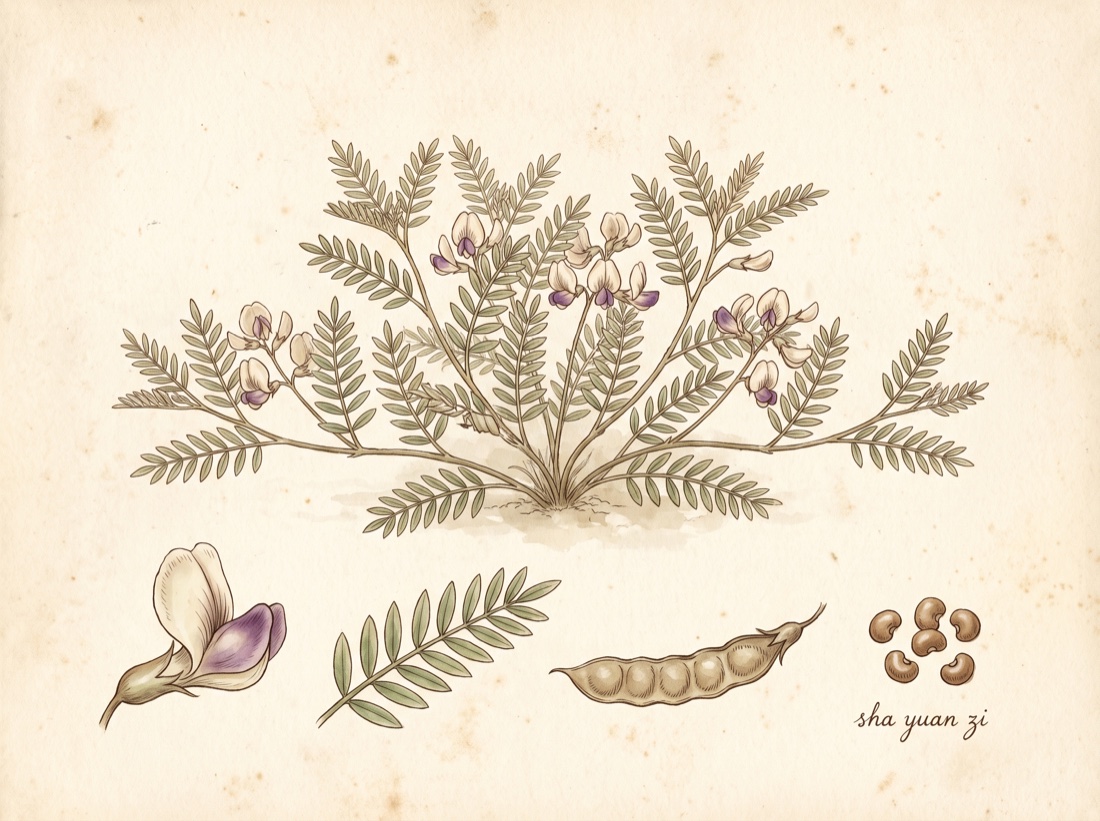
Flatstem milkvetch seed
Phyllolobium chinense
Also known as sha yuan zi, complanatus milkvetch, shā yuàn zǐ, tóng jí lí, shā yuàn jí lí.
Sha yuan zi is the small, flat, kidney-shaped seed of a low-growing milkvetch of the sandy plains of northern China, gathered in autumn from plants of Shaanxi, Shanxi, Inner Mongolia and Gansu. The name recalls the sandy garden district near Tongguan that was its classic source, and the seed has long been ranked among the kidney tonics that also astringe. Botanists now place the plant in Phyllolobium, but every pharmacopoeia and nearly all the literature still call it Astragalus complanatus.

Ask Herbert about Flatstem milkvetch seed. Herbert is the master herbalist inside Bountiful Herbs: he answers from this plate and eleven hundred others, with dosing, pairing and cautions. Your first ten questions are free.
Ask HerbertActions
Indications what the tradition reached for it in
- Spermatorrhea and premature ejaculation from kidney deficiency
- Nocturnal emissions
- Urinary frequency, dribbling and enuresis
- Chronic low back pain with weakness from kidney deficiency
- Impotence with cold and fatigue
- Thin white vaginal discharge from deficiency
- Blurred vision and dizziness from liver and kidney deficiency
- Floaters and eye fatigue in the elderly
- Male subfertility with a deficiency picture (supportive)
Specific indications
A tired, cold, aching lower back with urinary frequency and seminal leakage in a person who is deficient rather than damp
Dim, tiring vision and floaters in someone past middle age whose eyes improve with rest and worsen with strain
Safety
The record lists 5 contraindications; open the plate in the library to read them in full.
In practice
Reach for sha yuan zi when the picture is kidney deficiency with leakage: seminal emission, early ejaculation, urinary dribbling or frequency, thin vaginal discharge, and a lower back that aches from weakness rather than from cold-damp or stasis.
In Chinese medicine
Temperature: warm. Taste: sweet. Channels: Liver, Kidney. Actions: Tonifies the Kidney and assists yang; Secures the essence and restrains leakage of urine and semen; Nourishes Liver blood and brightens the eyes.
Dosing as the sources wrote it
| Preparation | As written | Metric |
|---|---|---|
| Decoction | 9-15 g dried seed daily | 9000-15000 mg |
| Salt-fried seed in decoction | 9-15 g daily | 9000-15000 mg |
| Powder | 3-6 g daily in divided doses | 3000-6000 mg |
Doses are reproduced from the sources for practitioners and are not a recommendation for any person.
From the sources
Overview. Sha yuan zi is the small, flat, kidney-shaped seed of a low-growing milkvetch of the sandy plains of northern China, gathered in autumn from plants of Shaanxi, Shanxi, Inner Mongolia and Gansu. The name recalls the sandy garden district near Tongguan that was its classic source, and the seed has long been ranked among the kidney tonics that also astringe. Botanists now place the plant in Phyllolobium, but every pharmacopoeia and nearly all the literature still call it Astragalus complanatus.
Clinical Notes. Reach for sha yuan zi when the picture is kidney deficiency with leakage: seminal emission, early ejaculation, urinary dribbling or frequency, thin vaginal discharge, and a lower back that aches from weakness rather than from cold-damp or stasis.
Chinese Medicine Profile. Temperature: warm. Taste: sweet. Channels: Liver, Kidney. Actions: Tonifies the Kidney and assists yang; Secures the essence and restrains leakage of urine and semen; Nourishes Liver blood and brightens the eyes.
In formulas
Flatstem milkvetch seed stands in 11 documented formulas in the library, among them shí hú yè guāng wán, jin suo gù jing wán.
Often paired with
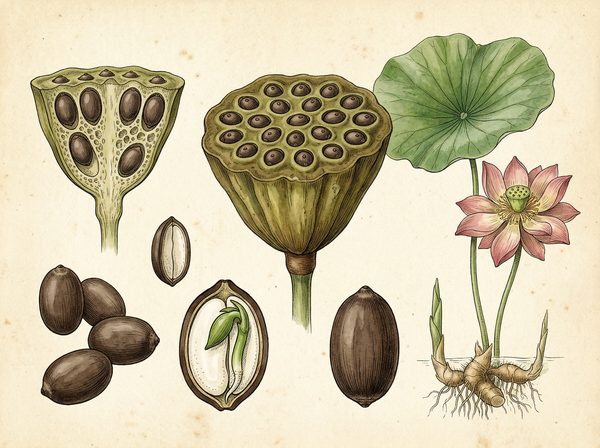 sacred lotusNelumbo nucifera
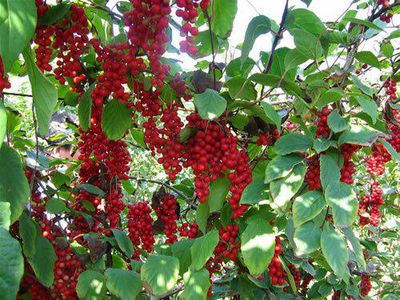 Wu Wei ZiSchisandra chinensis
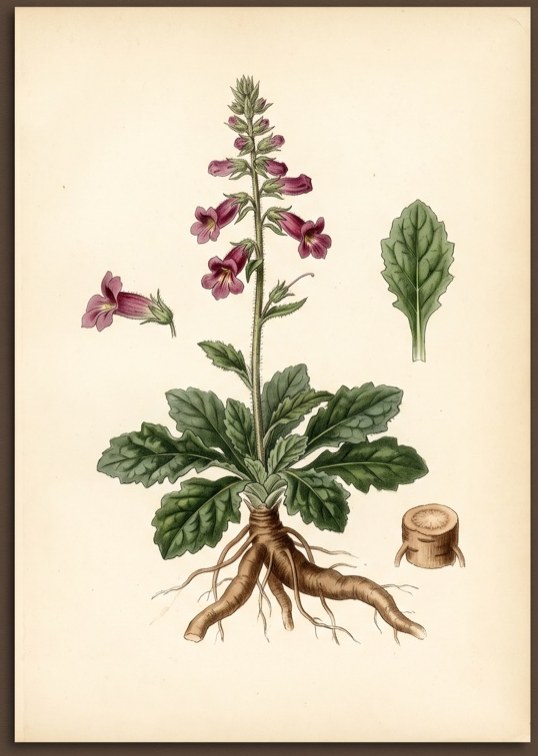 RehmanniaRehmannia glutinosa
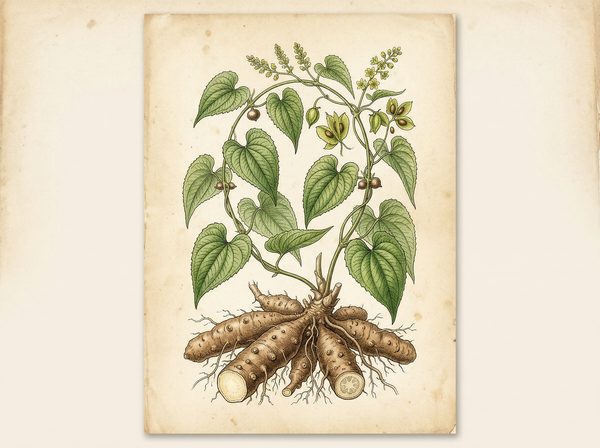 Chinese YamDioscorea opposita
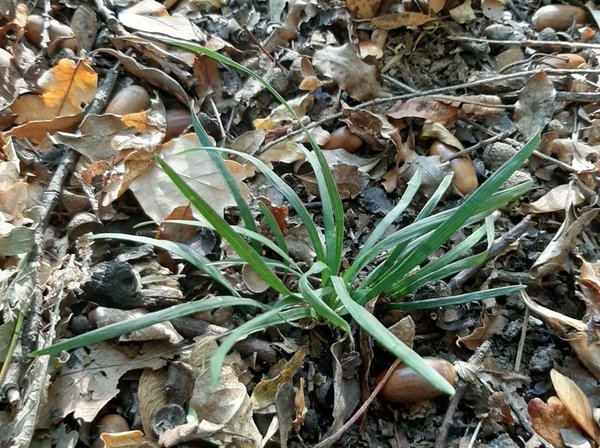 Mai Men DongOphiopogon japonicus
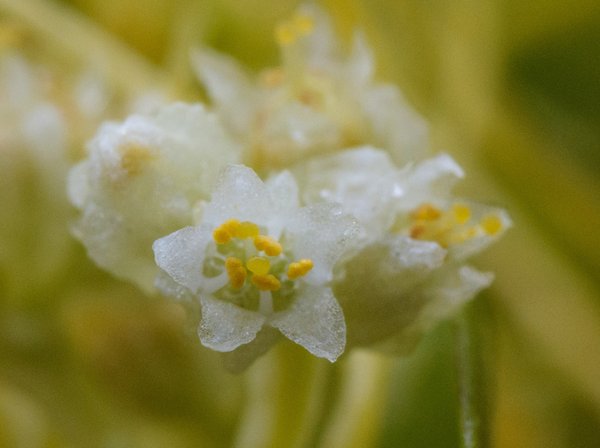 Tu Si ZiCuscuta chinensis
Nearby on the shelf
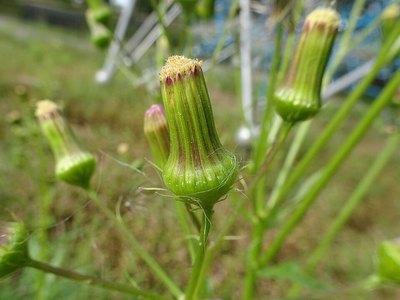 FireweedErechtites hieracifolius
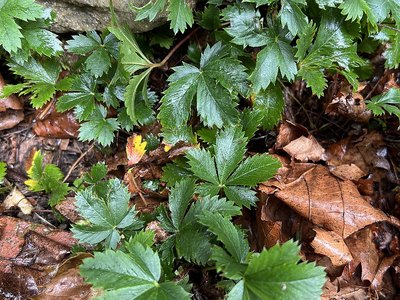 Five-fingerPotentilla canadensis
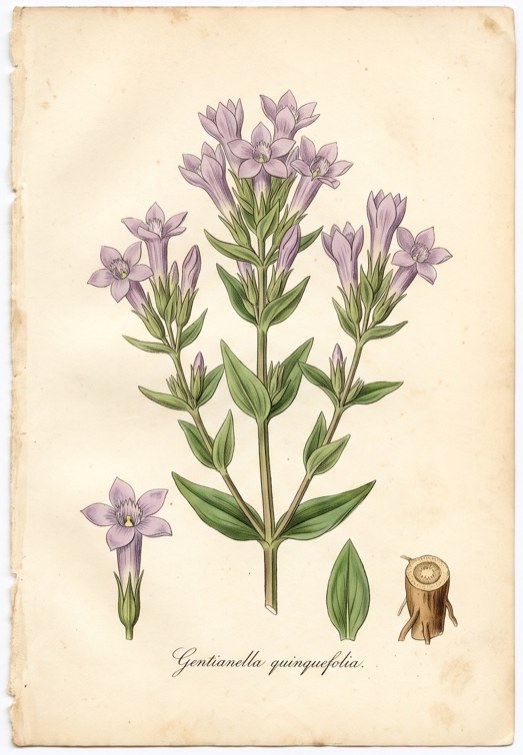 Five-flowered gentianGentiana Quinqueflora
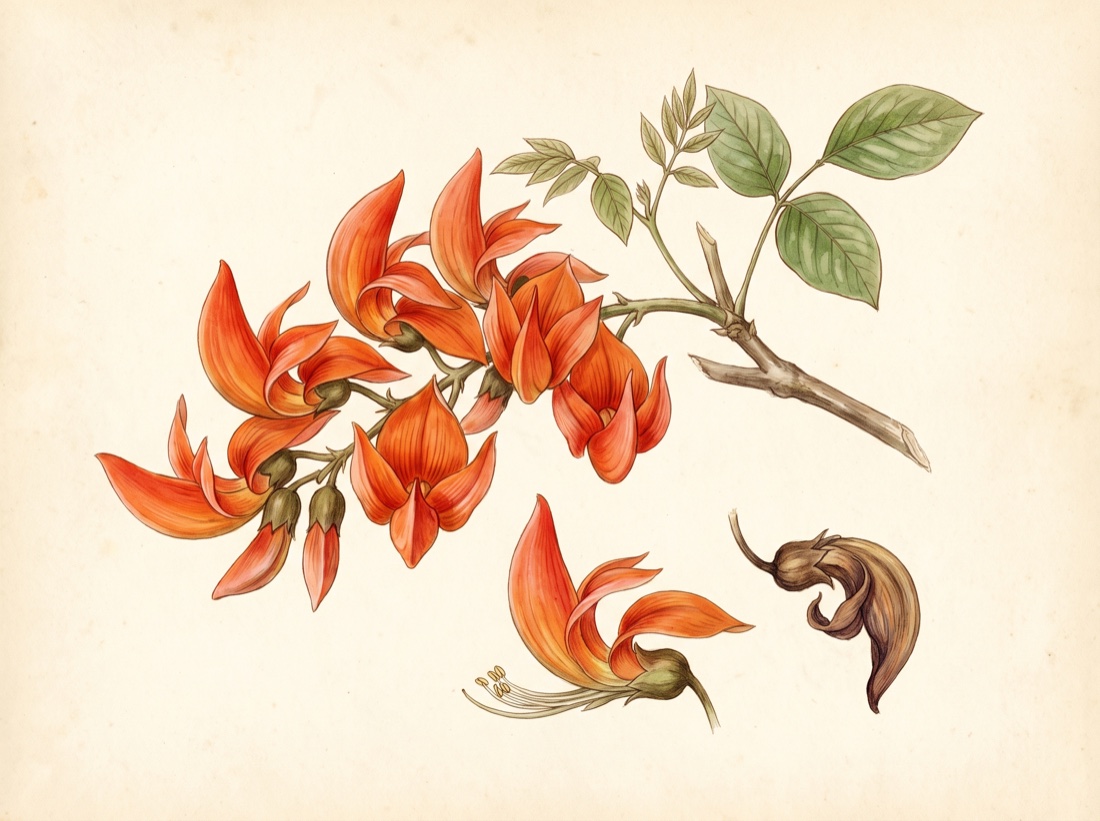 Flame of the forestButea monosperma
 FlaxLinum usitatissimum
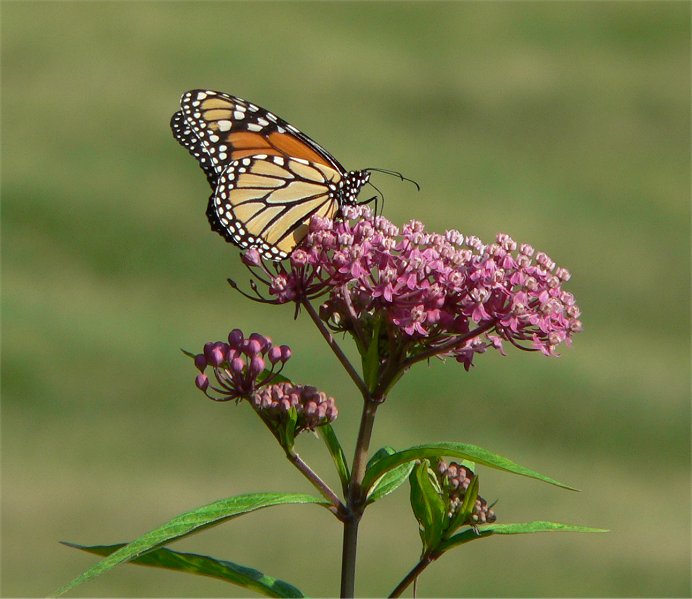 Flesh-colored asclepiasAsclepias Incarnata
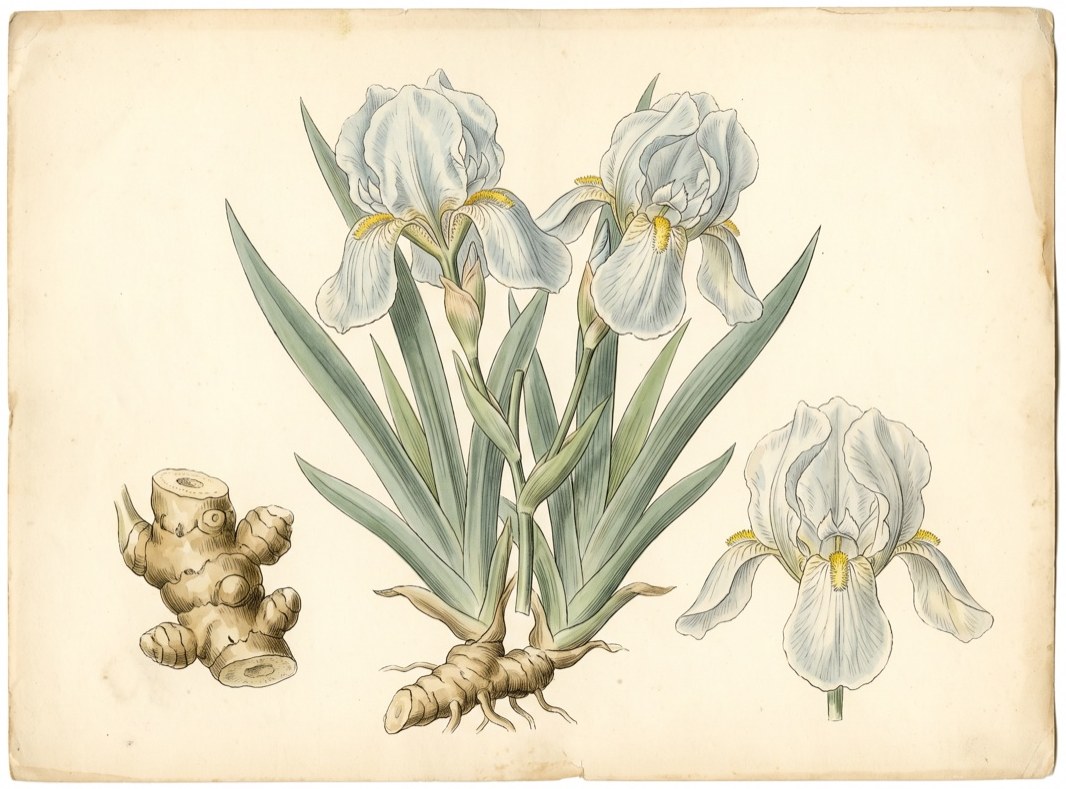 Florentine orrisIris Florentina
 Flowering dogwoodCornus florida
The whole plate is in the library. The compass, Compare, the Sky of eleven hundred plants and the formulary open with an email address and a password, free, with the formula builder and its safety engine. Herbert without limit, his formulating, clients, the handouts and the labels are the paid room.
Open the library, free