Western Herbalism
Balmony
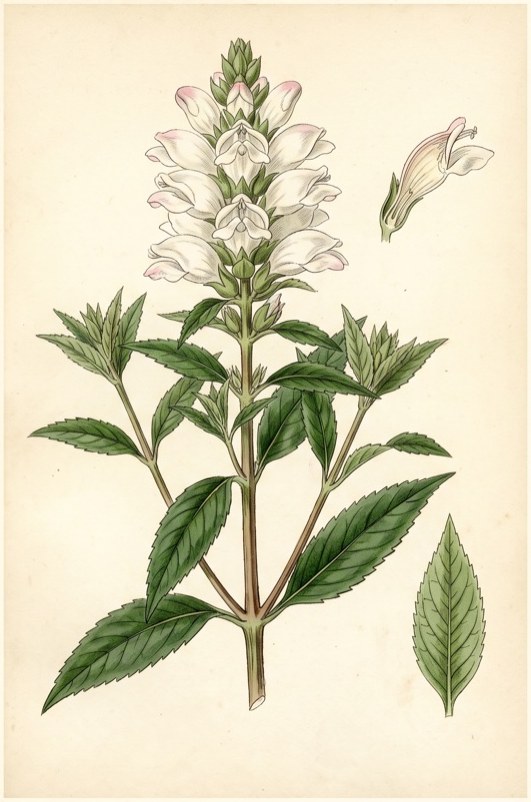
Chelone glabra
Also known as Turtlehead, Snakehead, Shellflower, Turtlebloom, Bitter herb, Salt-rheum weed, Snake-head.
Chelone glabra is a native North American perennial of wet meadows, stream banks and swamps in eastern and central North America, named for its inflated, turtle head shaped white to pale pink flowers. The bitter aerial parts, gathered in flower, were a staple bitter tonic of the physiomedicalist and Eclectic traditions, used to rouse a sluggish liver and digestion much as European gentians and other bitters were used on the other side of the Atlantic.

Ask Herbert about Balmony. Herbert is the master herbalist inside Bountiful Herbs: he answers from this plate and eleven hundred others, with dosing, pairing and cautions. Your first ten questions are free.
Ask HerbertActions
Indications what the tradition reached for it in
- Hepatic torpor
- Jaundice with pale, dry stools
- Dyspepsia with poor appetite
- Chronic constipation from sluggish digestion
- Debility during convalescence
- Intestinal worms in children
- General atony of the digestive tract
- Loss of appetite after illness
- Hemorrhoids (topical)
- Skin eruptions attributed to poor liver clearance
Specific indications
Sluggish digestion with a coated tongue, bitter taste in the mouth, and worsening after fatty food
Constipation with pale, clay colored stools suggesting deficient bile flow
Painful piles soothed by an ointment made from the fresh leaf
Safety
Pregnancy: Not rated in modern safety compendia; traditional sources record no specific warning, but given the absence of safety data it is prudent to avoid routine use in pregnancy beyond culinary bitter amounts.
The record lists 3 contraindications; open the plate in the library to read them in full.
In practice
Balmony belongs to the class of pure bitters: practitioners reached for it when the tongue was coated, appetite poor, and stools pale or infrequent, taking it as this suggested torpid bile flow rather than active inflammation.
Dosing as the sources wrote it
| Preparation | As written | Metric |
|---|---|---|
| Dried leaf infusion | 1-2 g dried aerial parts as an infusion, three times daily before meals | 1000-2000 mg |
| Tincture (1:5, 45%) | 2-4 mL three times daily | 2-4 mL |
| Dose of the powder, five to ten grains, three times a day | 324-648 mg | |
| ion, made of a drachm of the powdered leaves to half a pint of hot water, may be given in doses of half to a whole fluid ounce three times a day | 3888 mg | |
| Dose, 5 to 60 grains. | 324-3888 mg | |
| Dose, 5 to 60 drops. | 0.1-1.2 mL |
Doses are reproduced from the sources for practitioners and are not a recommendation for any person.
From the sources
Overview. Chelone glabra is a native North American perennial of wet meadows, stream banks and swamps in eastern and central North America, named for its inflated, turtle head shaped white to pale pink flowers. The bitter aerial parts, gathered in flower, were a staple bitter tonic of the physiomedicalist and Eclectic traditions, used to rouse a sluggish liver and digestion much as European gentians and other bitters were used on the other side of the Atlantic.
Clinical Notes. Balmony belongs to the class of pure bitters: practitioners reached for it when the tongue was coated, appetite poor, and stools pale or infrequent, taking it as this suggested torpid bile flow rather than active inflammation.
Action and Therapy. A useful remedy for gastro-intestinal debility with hepatic torpor or jaundice. Dyspeptic conditions attending convalescence from prostrating fevers are often aided by it, and it should be studied particularly for vague and shifting pain in the region of the ascending colon, attended with persistent uneasiness and sometimes tormina. We have used it for these conditions with satisfaction. The infusion (1/2 ounce to Water, 16 fluidounces) in small doses, is effective, though disagreeably bitter.
Properties and Uses. The leaves are a strong and permanent bitter, with about equal degrees of relaxing and stimulating properties. They expend the greater portion of their influence on the stomach; but also exert a decided action on the gall ducts, and a more moderate one on the whole alvine canal.
Drawn from Cook's Physio-Medical Dispensatory; Scudder's Specific Medication and Specific Medicines; King's American Dispensatory, 18th edition (Felter and Lloyd); Felter's Eclectic Materia Medica, Pharmacology and Therapeutics, and the Bountiful Herbs editorial.
Often paired with
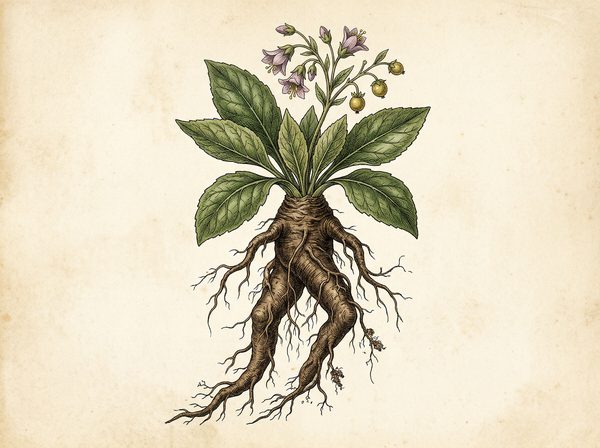 MandrakeMandragora officinarum
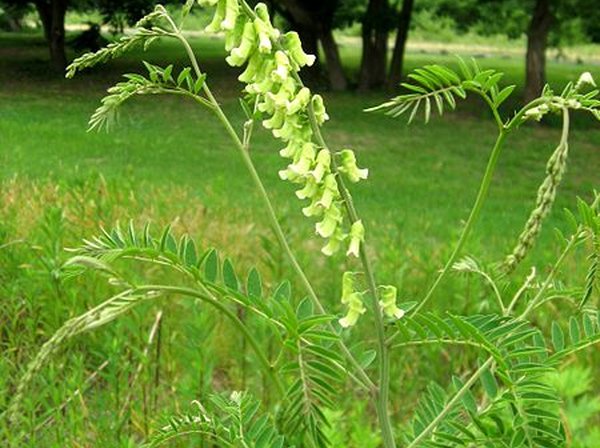 Ku ShenSophora flavescens
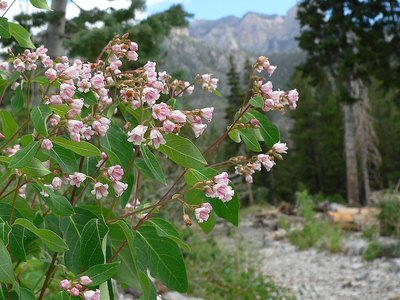 Dog's BaneApocynum Androsaemifolium
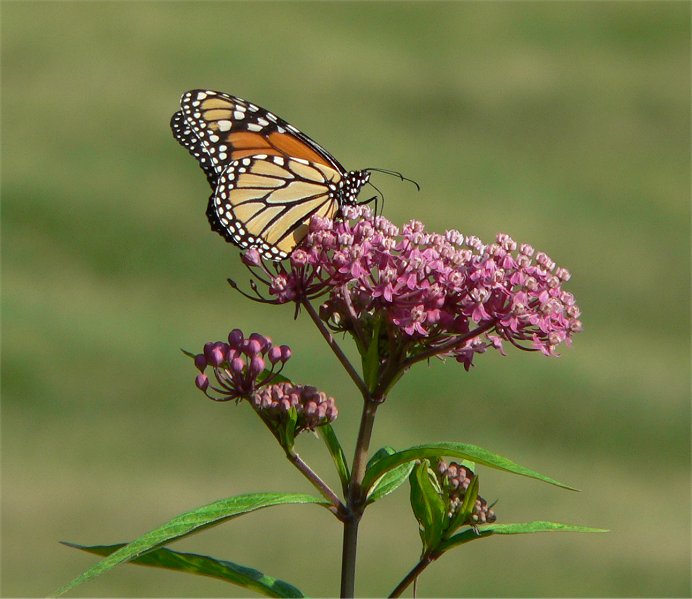 Flesh-colored asclepiasAsclepias Incarnata
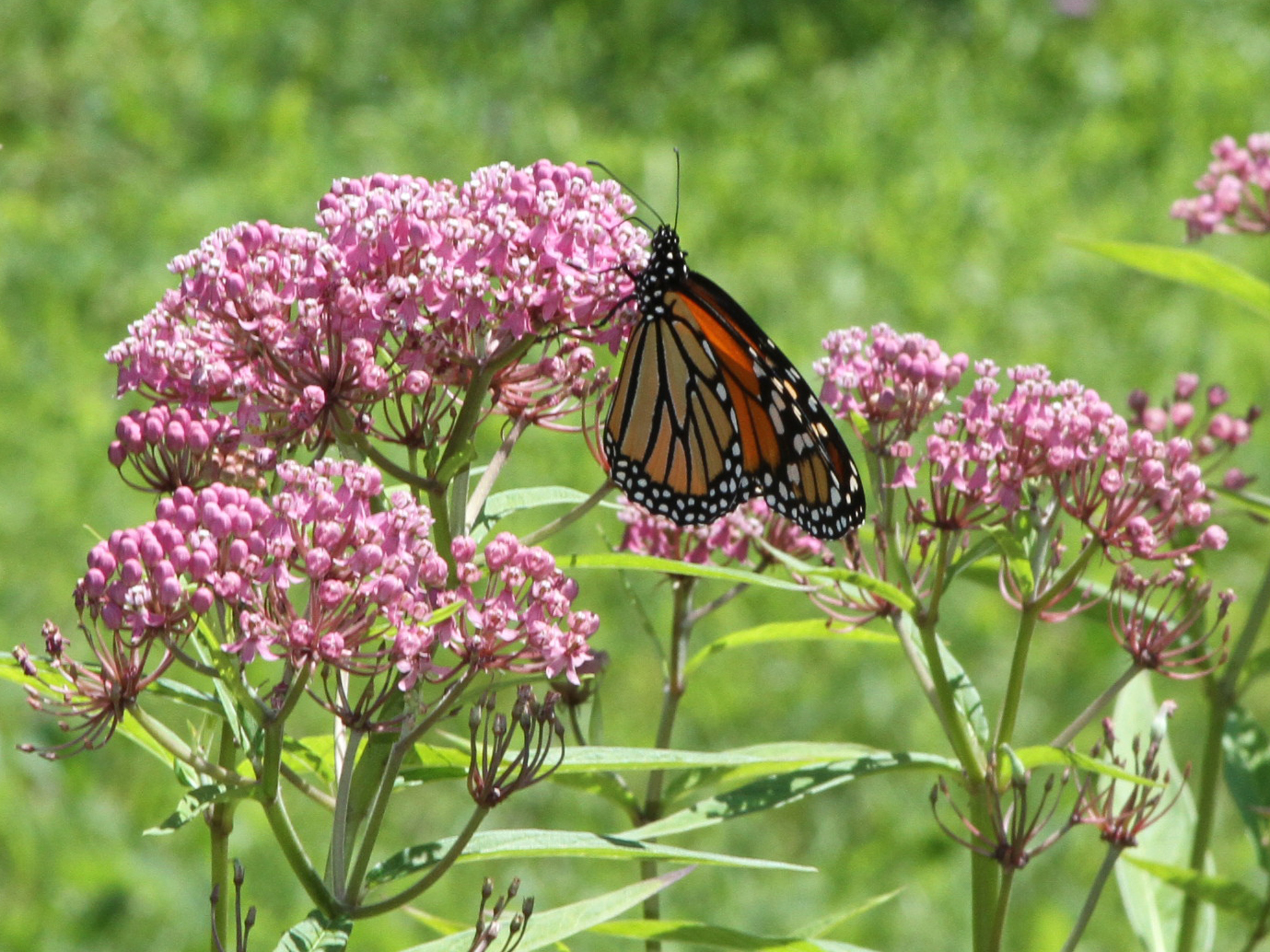 MilkweedAsclepias Cornuti
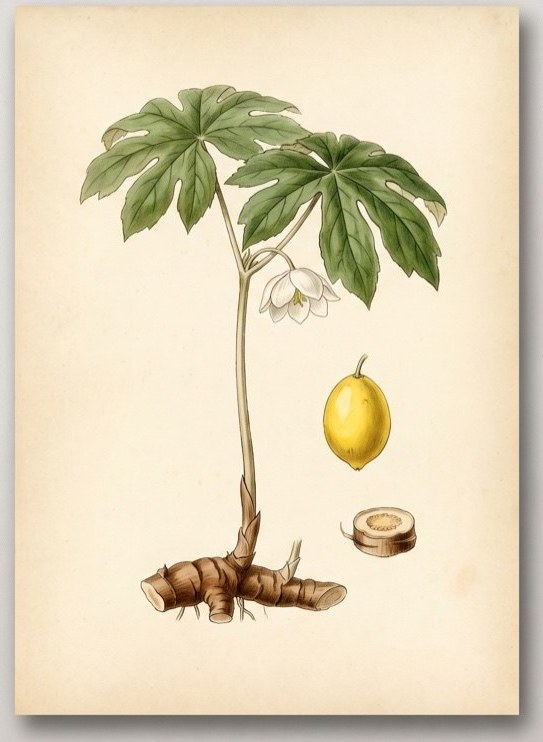 May applePodophyllum peltatum
Nearby on the shelf
 Bai Zi RenPlatycladus orientalis
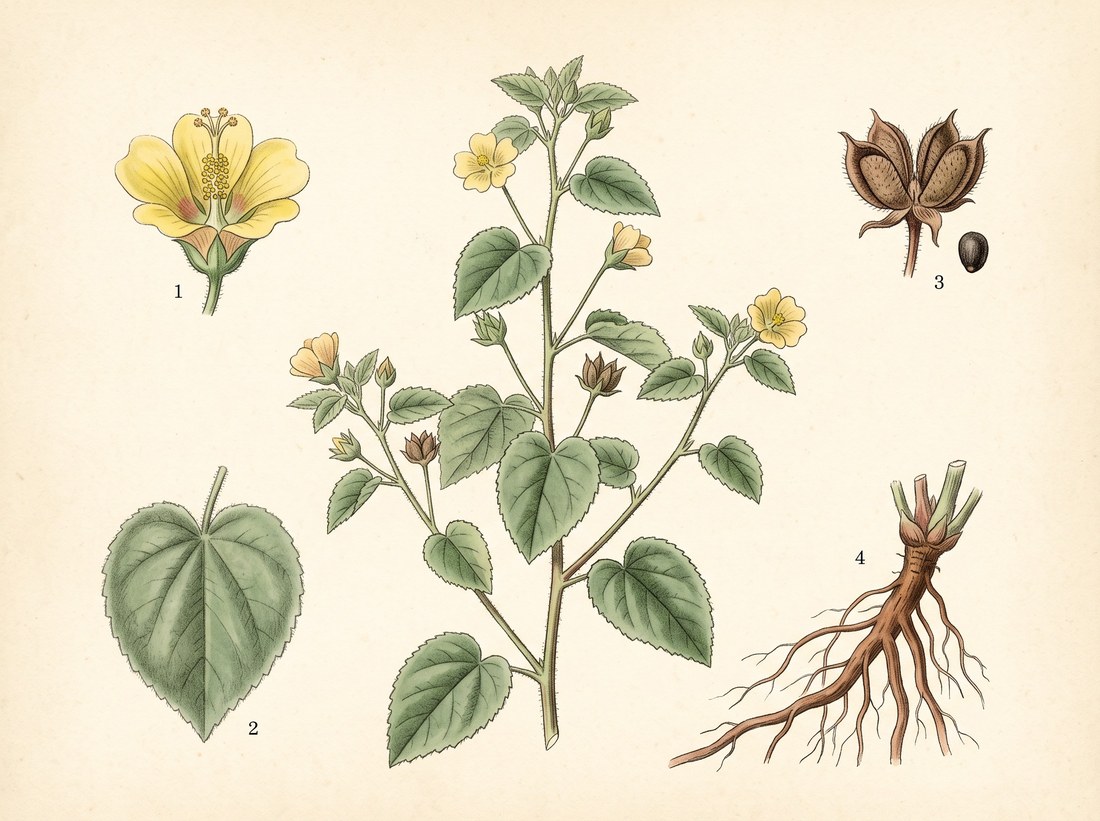 BalaSida cordifolia
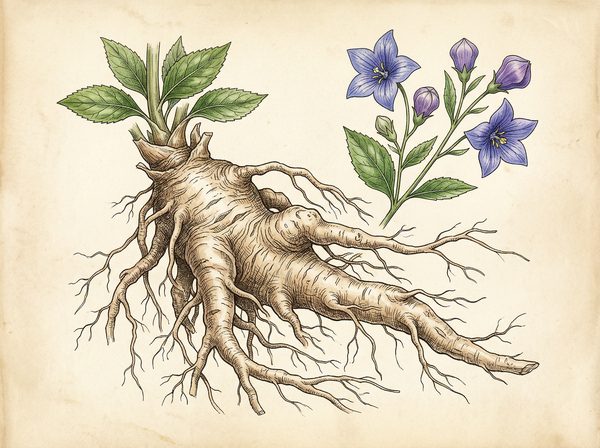 Balloon Flower RootPlatycodon grandiflorus
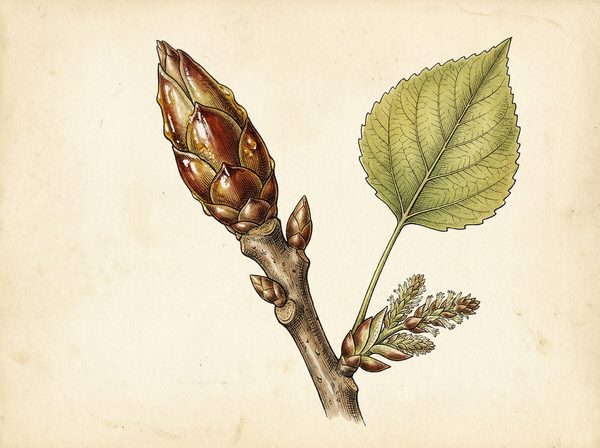 Balm of GileadPopulus balsamifera
 Balsam appleMomordica balsamina
 Balsam firAbies balsamea
 Balsam of PeruMyrospermum peruiferum
 Balsam of PeruBalsamum Peruvianum
The whole plate is in the library. The compass, Compare, the Sky of eleven hundred plants and the formulary open with an email address and a password, free, with the formula builder and its safety engine. Herbert without limit, his formulating, clients, the handouts and the labels are the paid room.
Open the library, free