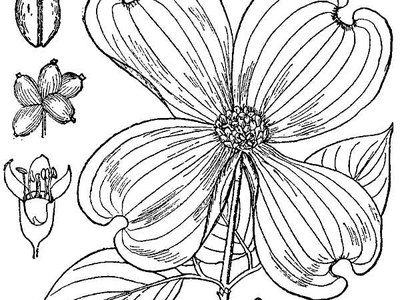
Western Herbalism
Flowering dogwood
Cornus florida
Also known as Dogwood, Flowering cornel, Boxwood, Cornus.
Flowering dogwood is a small North American tree of the Cornaceae, familiar for its showy white or pink bracted spring flowers and scarlet autumn drupes. The bark of the stem and root was the part used by nineteenth century American physiomedical and eclectic practitioners, who valued it as a home grown bitter tonic when imported Peruvian bark (cinchona) was scarce or too costly. It has no established place in modern conventional herbal practice and today is used, if at all, as a historical curiosity within the eclectic materia medica.

Ask Herbert about Flowering dogwood. Herbert is the master herbalist inside Bountiful Herbs: he answers from this plate and eleven hundred others, with dosing, pairing and cautions. Your first ten questions are free.
Ask HerbertActions
Indications what the tradition reached for it in
- Low-grade intermittent fevers
- Convalescence with weak digestion
- Debility with poor appetite
- Mild atonic diarrhea
- Chronic dyspepsia with sluggish digestion
- General tonic support after prolonged illness
- Malaise with cold extremities and poor circulation
- Mild dyspepsia associated with debility
Specific indications
Low, remittent fever with debility and a pale, relaxed tongue, where a bitter tonic is wanted rather than a strong stimulant
Convalescent weakness with poor appetite and slow digestion following a febrile illness
Safety
Pregnancy: Avoid in pregnancy: no modern safety data exist and the herb is not formally rated by any safety authority.
Breastfeeding: Avoid in lactation: no modern safety data exist and the herb is not formally rated by any safety authority.
The record lists 3 contraindications; open the plate in the library to read them in full.
In practice
Eclectic and physiomedical writers reached for dogwood bark as a substitute for cinchona in low, remittent fevers with debility, particularly where the patient was pale, relaxed in tissue tone, and slow to recover appetite. It was given as a decoction or as a bitter tincture, often alongside other tonics such as wild cherry bark or poplar bark, and was thought to support digestion and general recovery during convalescence rather than to break a high fever outright. Because the plant has essentially no modern pharmacological or clinical evidence base, it is reasonable to view it as a minor historical tonic rather than a first line remedy. Practitioners working from period texts should be aware that dosing and preparation details vary considerably between sources, and that safety data are sparse to nonexistent.
Dosing as the sources wrote it
| Preparation | As written | Metric |
|---|---|---|
| Decoction | 2-4 g dried bark daily, simmered gently | 2000-4000 mg |
| Tincture (1:5, 45%) | 1-2 mL three times daily | 1-2 mL |
| Dose of the powdered bark, twenty to thirty grains, three or four times a day | 1296-1944 mg | |
| Dose five to ten grains every three or four hours | 324-648 mg | |
| Dose two to ten grains every four or three hours | 130-648 mg | |
| Dose, from a half to two drams. | 1944-7776 mg |
Doses are reproduced from the sources for practitioners and are not a recommendation for any person.
From the sources
Overview. Flowering dogwood is a small North American tree of the Cornaceae, familiar for its showy white or pink bracted spring flowers and scarlet autumn drupes. The bark of the stem and root was the part used by nineteenth century American physiomedical and eclectic practitioners, who valued it as a home grown bitter tonic when imported Peruvian bark (cinchona) was scarce or too costly. It has no established place in modern conventional herbal practice and today is used, if at all, as a historical curiosity within the eclectic materia medica.
Clinical Notes. Eclectic and physiomedical writers reached for dogwood bark as a substitute for cinchona in low, remittent fevers with debility, particularly where the patient was pale, relaxed in tissue tone, and slow to recover appetite.
Action and Therapy. Cornus is tonic and feebly antiperiodic. In times of scarcity it has been used in lieu of cinchona, or when cinchona or quinine is not tolerated. Its tonic properties may be utilized after fevers, particularly of the periodic type; and it is said to be useful in headache from quinine, pyrosis, and general exhaustion. It is adapted to cases with feeble, relaxed tissues, with weak pulse and sub-normal temperature. It has been suggested as useful in gastric ulcer. The preferred doses are from 5 to 20 drops.
Therapy. This agent is indicated not only to correct the atonic conditions of the glandular structure of the gastro-intestinal apparatus in malaria, but as an antidote to the malarial poison itself. It has marked control over many of the manifestations of malaria. Its influence upon the stomach in these cases increases the appetite at once, improves the character of the digestion and relieves the drowsiness and dullness apt to follow imperfect digestion. It is a tonic in enfeebled conditions of the stomach from whatever cause and improves intestinal digestion.
Drawn from Cook's Physio-Medical Dispensatory; King's American Dispensatory, 18th edition (Felter and Lloyd); Ellingwood's American Materia Medica, Therapeutics and Pharmacognosy; Felter's Eclectic Materia Medica, Pharmacology and Therapeutics, and the Bountiful Herbs editorial.
In formulas
Flowering dogwood stands in 9 documented formulas in the library, among them Muscle Spasm & Cramp Formula, shêng xiàn tâng, shi b wán.
Often paired with
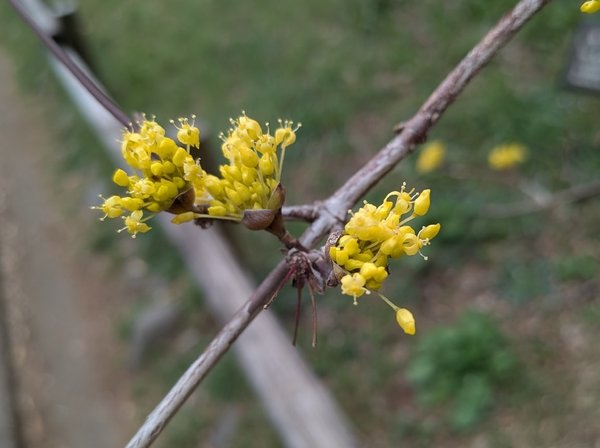 Shan Zhu YuCornus officinalis
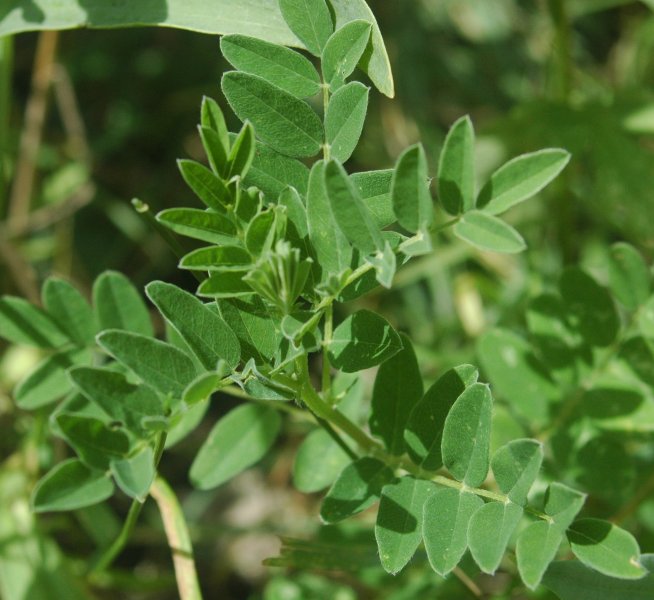 Milk Vetch RootAstragalus membranaceus
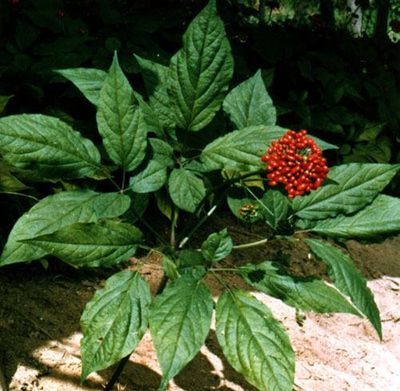 GinsengPanax ginseng
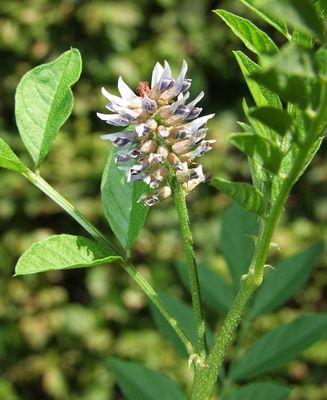 Licorice rootGlycyrrhiza glabra
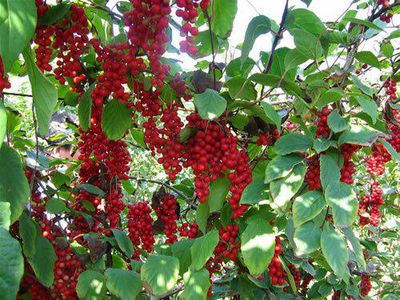 Wu Wei ZiSchisandra chinensis
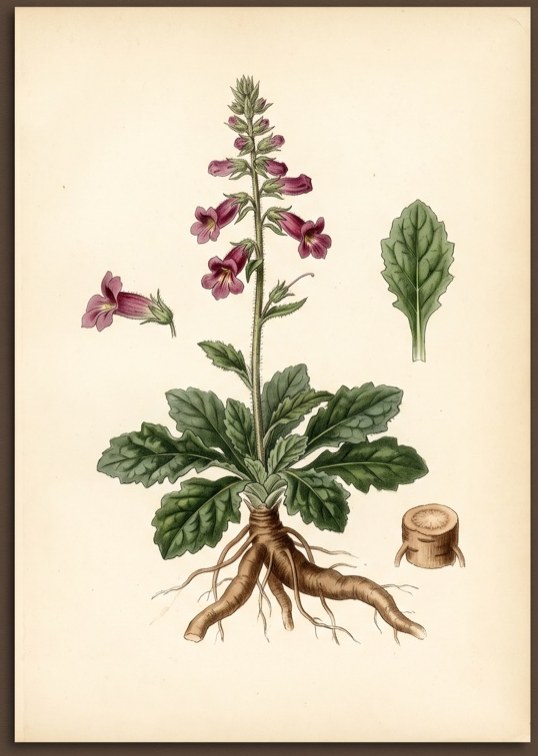 RehmanniaRehmannia glutinosa
Nearby on the shelf
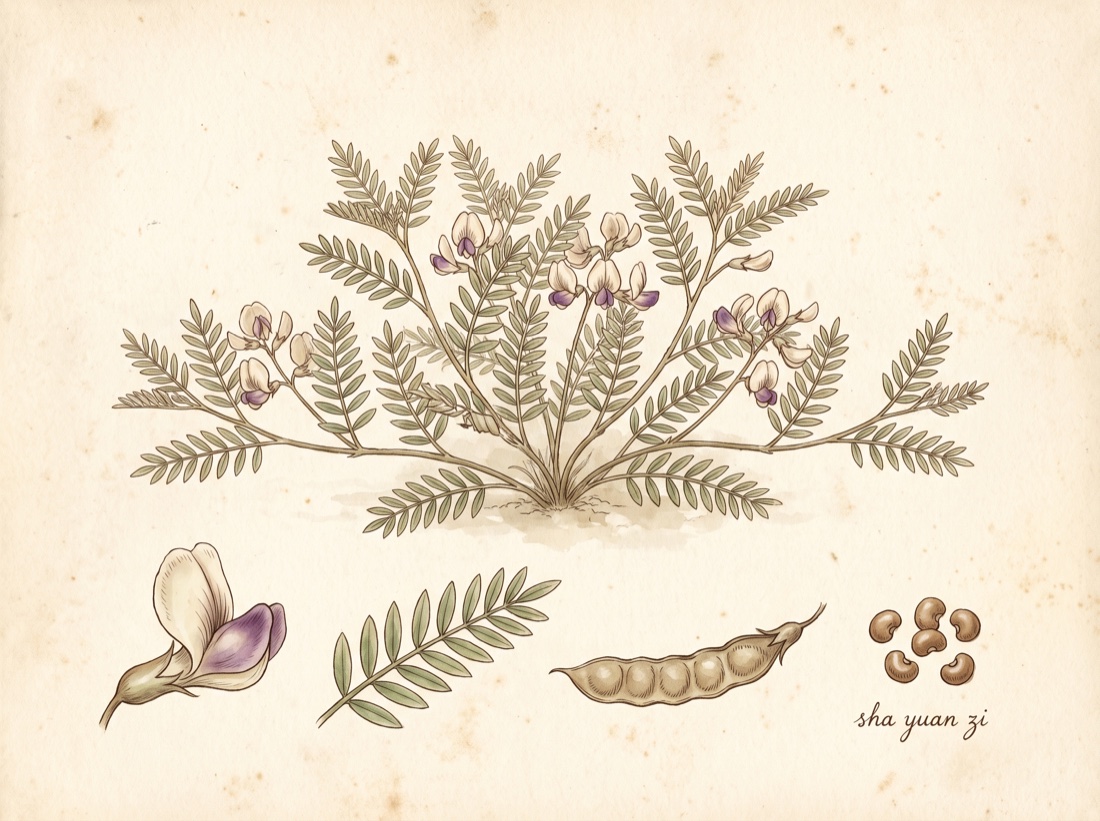 Flatstem milkvetch seedPhyllolobium chinense
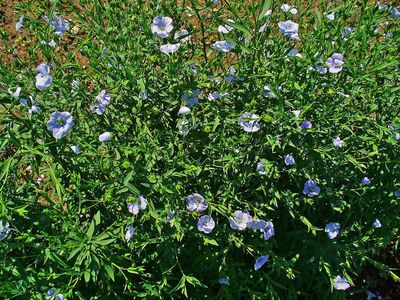 FlaxLinum usitatissimum
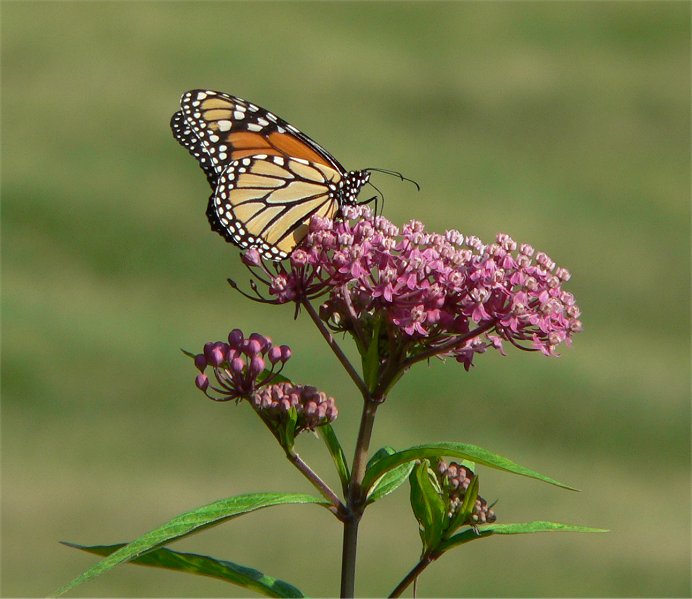 Flesh-colored asclepiasAsclepias Incarnata
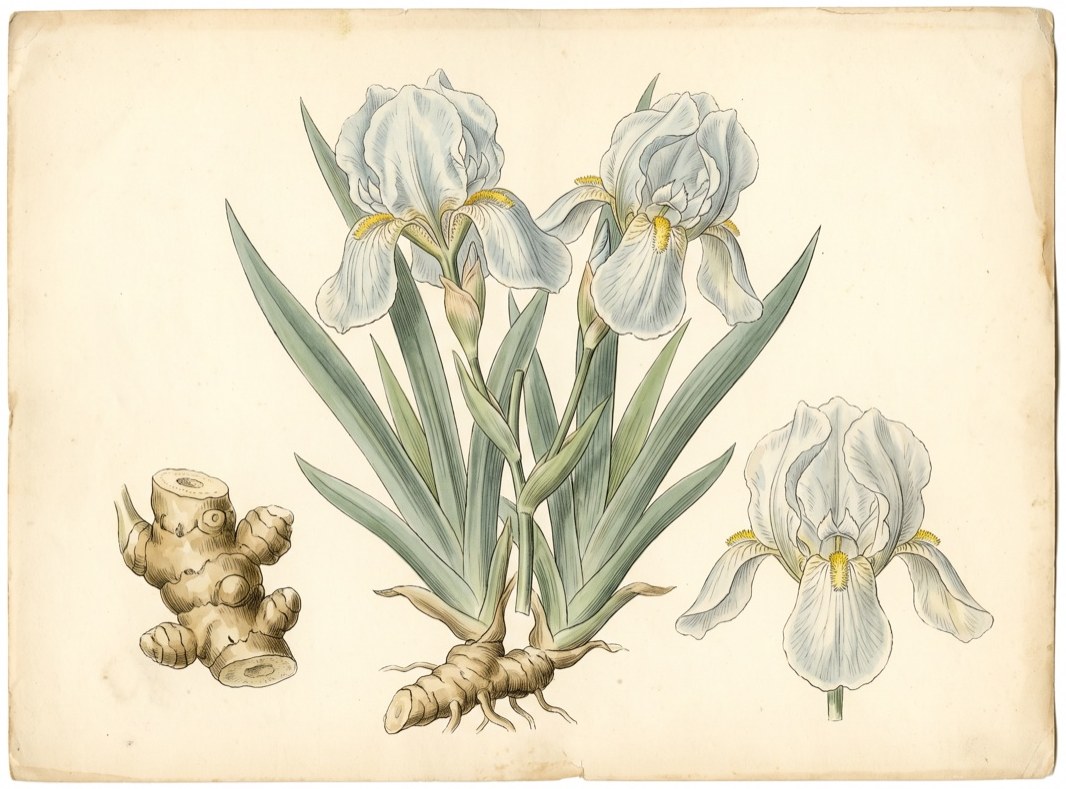 Florentine orrisIris Florentina
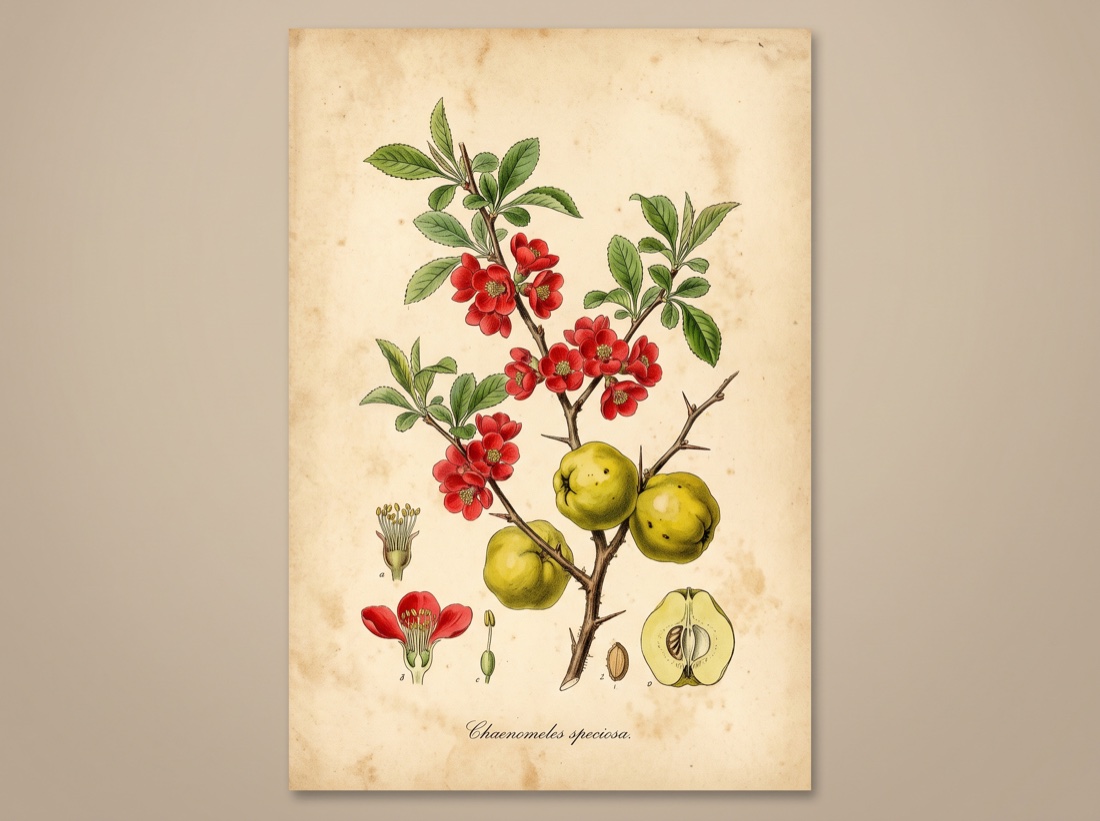 Flowering quinceChaenomeles speciosa
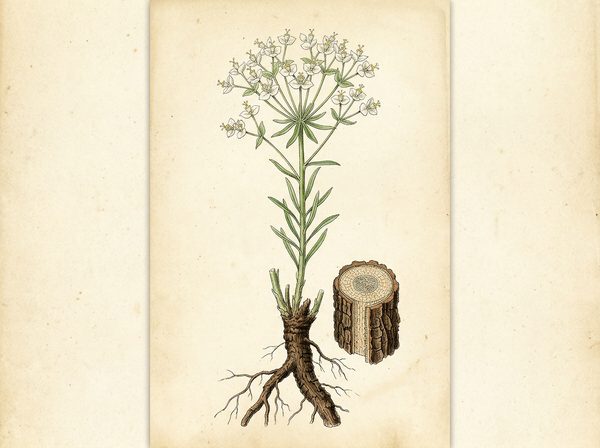 Flowering SpurgeEuphorbia corollata
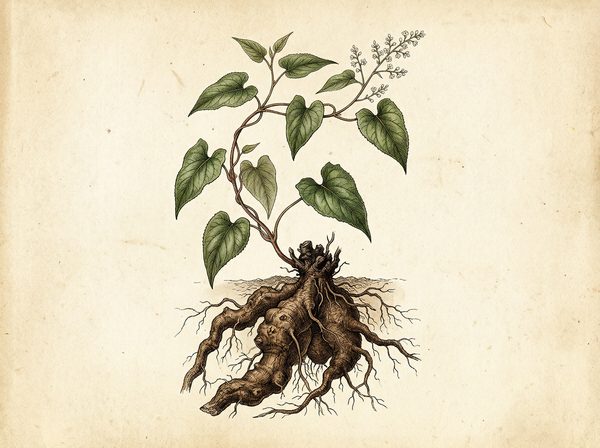 Fo-TiPolygonum multiflorum
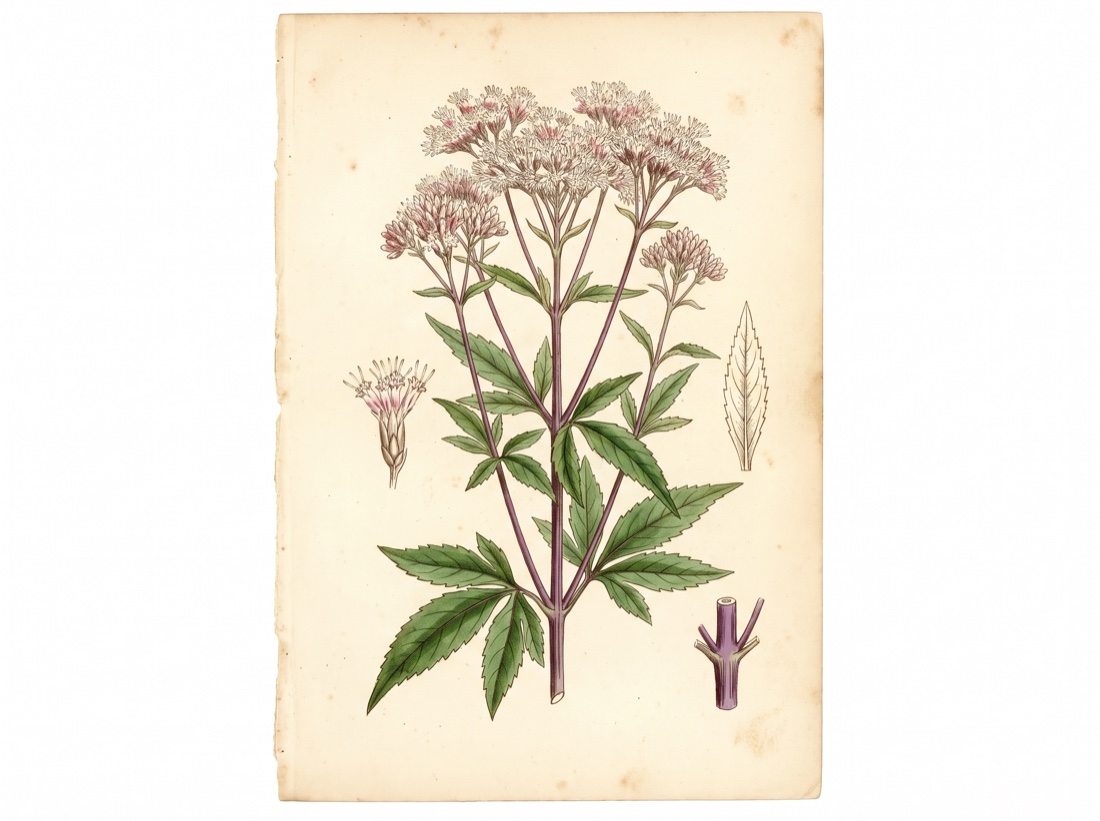 Fortune's eupatoriumEupatorium fortunei
The whole plate is in the library. The compass, Compare, the Sky of eleven hundred plants and the formulary open with an email address and a password, free, with the formula builder and its safety engine. Herbert without limit, his formulating, clients, the handouts and the labels are the paid room.
Open the library, free