Western and Ayurvedic herbalism
Flax
Linum usitatissimum
Also known as flaxseed, linseed, common flax, alsi, Linseed (Lini semina, Br. Pharm, 1885), Atasi, Uma, Kshuma.
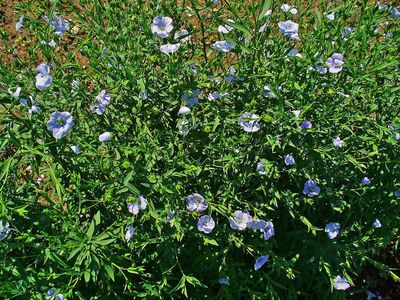
Linum usitatissimum is an annual with slender stems and sky-blue flowers, one of the oldest cultivated plants, grown in India chiefly in Madhya Pradesh, Maharashtra, Uttar Pradesh and Chhattisgarh for its oil-rich seed. Ayurveda names it Atasi and treats the seed as a sweet, heavy, unctuous vata pacifier: a lubricant for a dry bowel and dry joints, a poultice for swellings, and a nourishing oil for the body. Modern interest centers on its alpha-linolenic acid, lignans and soluble fiber.

Ask Herbert about Flax. Herbert is the master herbalist inside Bountiful Herbs: he answers from this plate and eleven hundred others, with dosing, pairing and cautions. Your first ten questions are free.
Ask HerbertActions
Indications what the tradition reached for it in
- Constipation with dry, hard stool
- Irritable bowel with alternating stool and cramping
- High cholesterol and triglycerides
- Hypertension (dietary adjunct)
- Dry, irritated cough and sore throat (seed tea)
- Cystitis and urinary burning (seed tea)
- Menopausal hot flushes and vaginal dryness (adjunct)
- Dry skin and eczema (oil, internal and topical)
- Osteoarthritis and joint stiffness (oil massage and poultice)
- Boils, abscesses and painful swellings (hot poultice)
- Underweight, dry and depleted patients (nutritive)
- Constipation
- Hot flashes
- Cancer prophylaxis
- Uterine fibroids
- Premenstrual syndrome
- Oligomenorrhea
- Gastritis
- Amenorrhea (secondary)
- Menorrhagia
- Irritable bowel syndrome
- Inflammatory bowel disease
- Polycystic ovarian syndrome
- Peptic ulcer disease
- GERD
- Endometriosis
- Amenorrhea
- Dry cough
- Inflammation
- Mucosal irritation
Specific indications
A dry, thin, constipated vata patient with hard stool, cracking joints and dry skin who needs lubrication rather than a stimulant laxative
A middle-aged patient with rising blood pressure and cholesterol who wants a dietary measure that also settles the bowel
A boil or abscess that is hard and painful and needs a hot poultice to bring it to a head
A menopausal woman with dryness, hot flushes and constipation who cannot or will not take hormones
Safety
The record lists 8 contraindications; open the plate in the library to read them in full.
In practice
Atasi is a vata herb through and through: use it where there is dryness, roughness, hardness and cold. For constipation a tablespoon of freshly ground seed is taken with warm water or stirred into gruel, followed by plenty of fluid, and the effect builds over a few days.
In Ayurveda
Rasa: madhura (sweet), tikta (bitter). Virya: ushna (heating). Vipaka: katu (pungent). Guna: guru (heavy), snigdha (unctuous), picchila (slimy). Dosha: pacifies vata; increases kapha and pitta in excess. Karma: vatahara (pacifies vata); snehana (oleating, lubricating); brimhana (nourishing, builds tissue); balya (strengthening); vrishya (aphrodisiac); anulomana (regulates downward movement of the bowel); shothahara (reduces swelling, topical); vedanasthapana (relieves pain, topical); vranaropana (heals wounds and boils, topical); twachya (good for the skin); grahi (mildly binding, in some texts). Classical indications: vatavyadhi (rheumatic and neurological disorders); sandhivata (osteoarthritis); vibandha (constipation with dryness); shotha (swelling, topical); vidradhi (abscess, topical poultice); vrana (wounds and ulcers); kasa (cough with dryness); pratishyaya (chronic rhinitis); mutrakrichra (painful urination); daha (burning, as external application); kshaya (wasting); shukrakshaya (deficient semen). The seed is roasted and powdered, soaked whole as a mucilaginous drink, or ground with hot water into a poultice; the cold-pressed oil is used as a vata-pacifying massage oil and in small amounts internally; the seed is boiled into a soothing decoction for cough and urinary burning. Classical formulations: Atasi taila, Atasi lepa, Atasi churna, Atasi kwatha, Atasi bija upanaha (poultice). Described in: Charaka Samhita, Sushruta Samhita, Ashtanga Hridaya, Bhavaprakasha Nighantu, Dhanvantari Nighantu, Raja Nighantu, Kaiyadeva Nighantu, Ayurvedic Pharmacopoeia of India.
Dosing as the sources wrote it
| Preparation | As written | Metric |
|---|---|---|
| Churna | 10-30 g freshly ground seed daily with warm water or in food | 10000-30000 mg |
| Kwatha | 50-100 mL seed decoction twice daily | 50-100 mL |
| Taila, internal | 5-15 mL cold-pressed oil daily | 5-15 mL |
| Taila, topical | 10-20 mL oil massaged into joints or dry skin | 10-20 mL |
| Upanaha, topical | 30-60 g hot seed paste applied as a poultice | 30000-60000 mg |
| Flax oil | 1-3 Tbs/d added to food, do NOT heat flax oil |
Doses are reproduced from the sources for practitioners and are not a recommendation for any person.
From the sources
Overview. Linum usitatissimum is an annual with slender stems and sky-blue flowers, one of the oldest cultivated plants, grown in India chiefly in Madhya Pradesh, Maharashtra, Uttar Pradesh and Chhattisgarh for its oil-rich seed. Ayurveda names it Atasi and treats the seed as a sweet, heavy, unctuous vata pacifier: a lubricant for a dry bowel and dry joints, a poultice for swellings, and a nourishing oil for the body. Modern interest centers on its alpha-linolenic acid, lignans and soluble fiber.
Clinical Notes. Cancer prophylactic for uterine, ovarian, breast, cervical and prostate Increase ovulation rates, lengthens luteal phase, and increases progesterone to estrogen ratio Make ground flax into paste to form poultice add water, ingesting flax can cause bowel obstruction
Clinical Notes. Atasi is a vata herb through and through: use it where there is dryness, roughness, hardness and cold. For constipation a tablespoon of freshly ground seed is taken with warm water or stirred into gruel, followed by plenty of fluid, and the effect builds over a few days.
Action and Therapy. External. Flaxseed and its oil are emollient. A flaxseed poultice ( Cataplasma Lini) applied early upon inflamed and painful surfaces will relieve pain, cause relaxation, and sometimes resolution. If applied after pus begins to form it will hasten suppuration.
Drawn from Cook's Physio-Medical Dispensatory; King's American Dispensatory, 18th edition (Felter and Lloyd); Felter's Eclectic Materia Medica, Pharmacology and Therapeutics, and the Bountiful Herbs editorial.
Often paired with
 SugarSaccharum
 TurpentineOleum Terebinthinae
 lemonCitrus limon
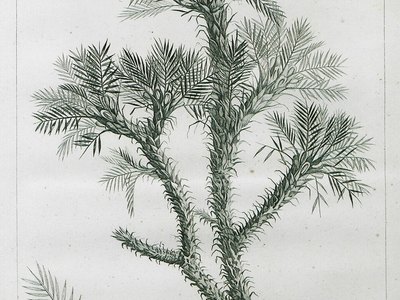 TragacanthAstragalus verus
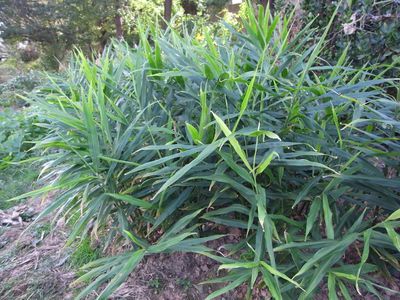 GingerZingiber officinale
 OrangeOrange
Nearby on the shelf
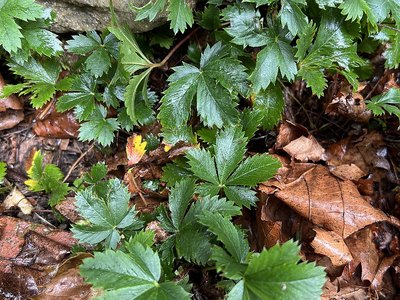 Five-fingerPotentilla canadensis
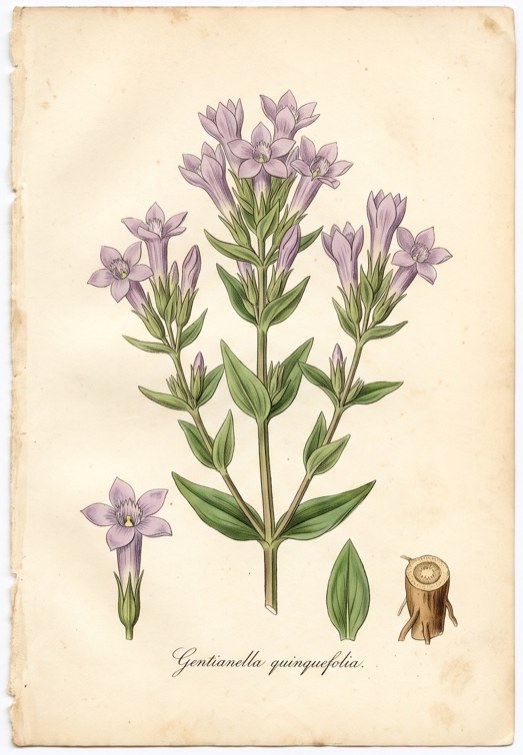 Five-flowered gentianGentiana Quinqueflora
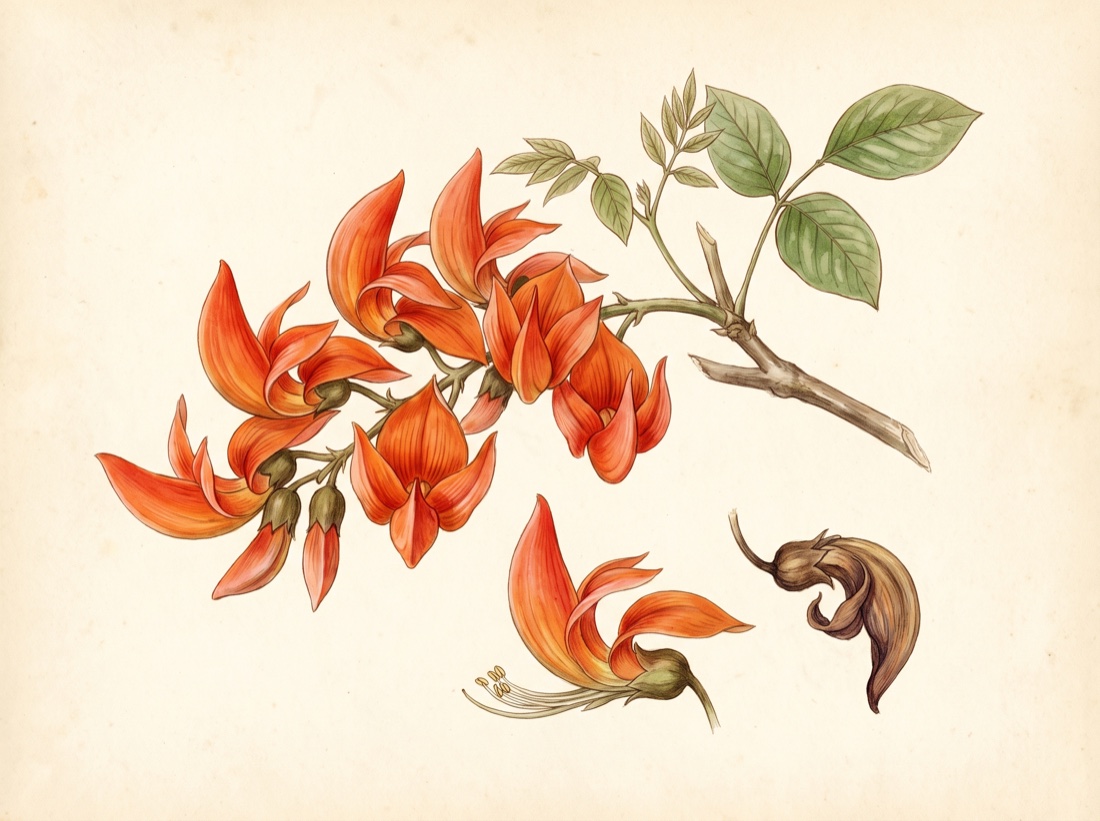 Flame of the forestButea monosperma
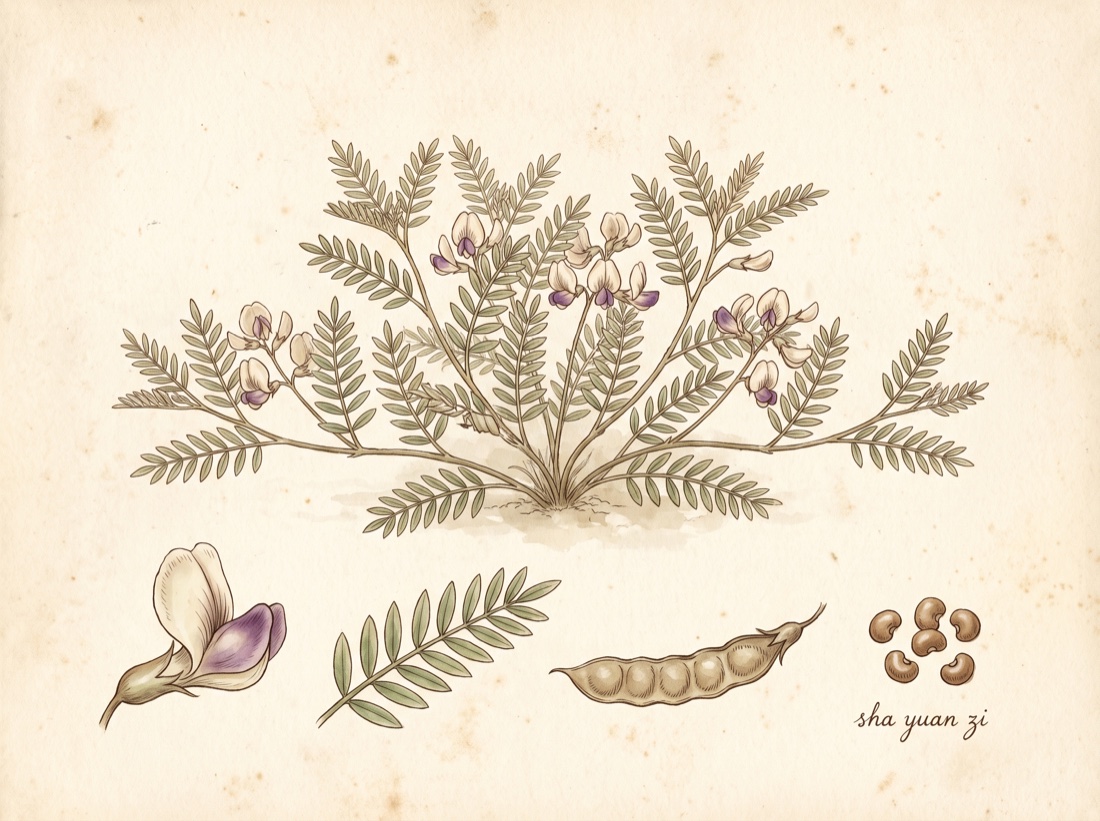 Flatstem milkvetch seedPhyllolobium chinense
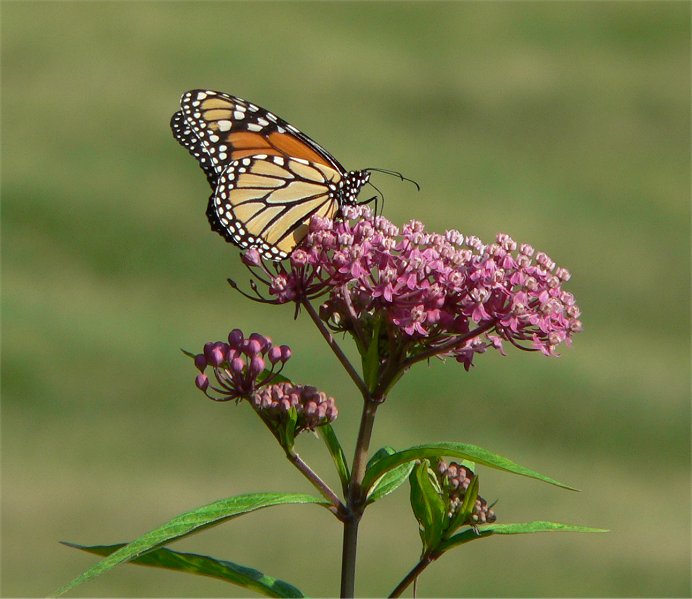 Flesh-colored asclepiasAsclepias Incarnata
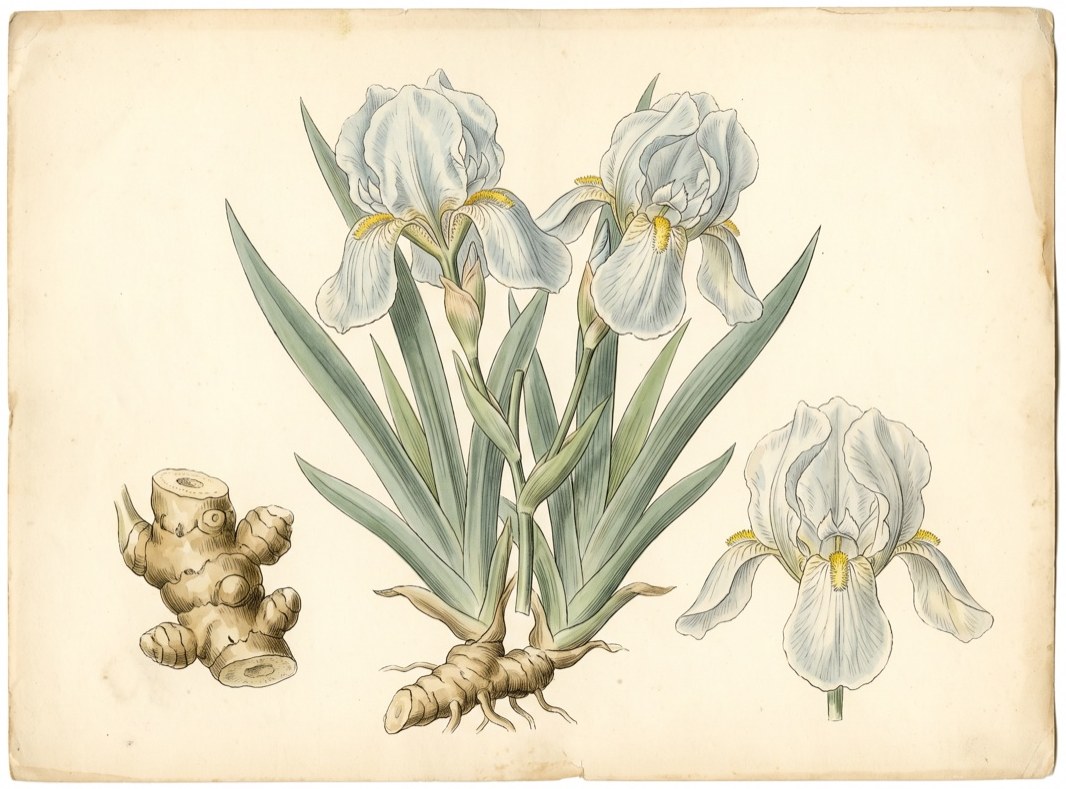 Florentine orrisIris Florentina
 Flowering dogwoodCornus florida
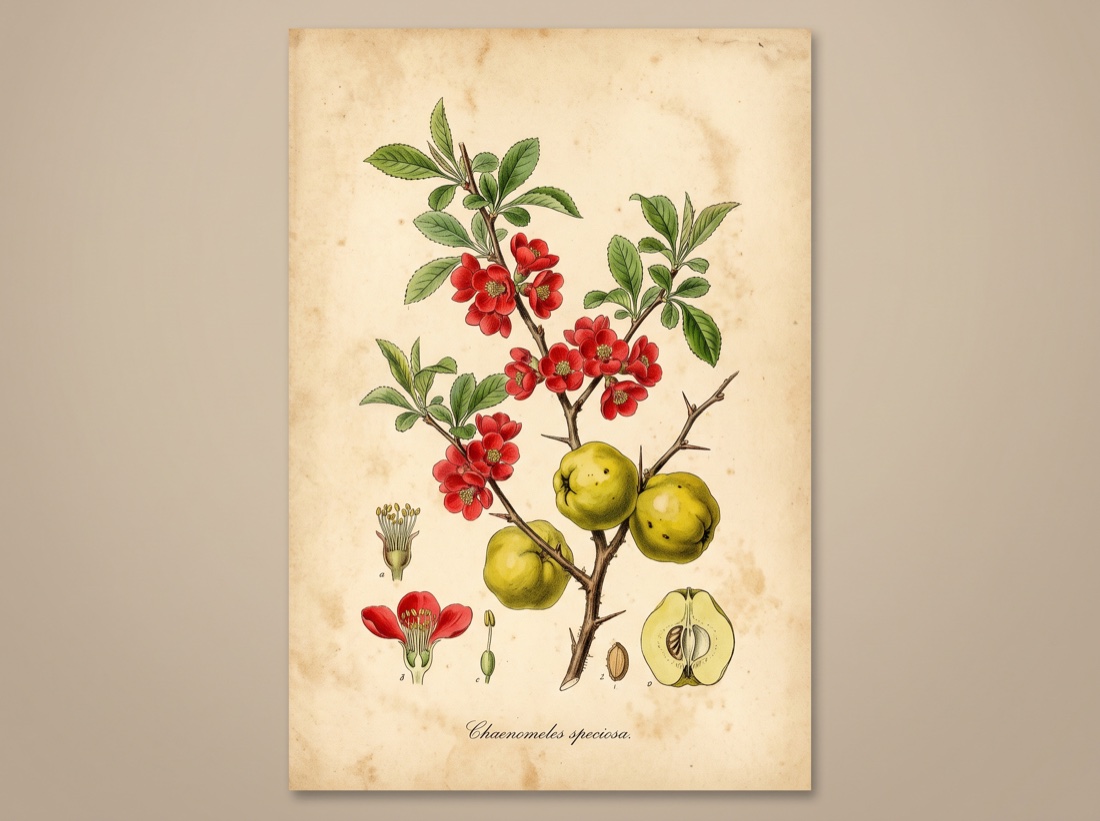 Flowering quinceChaenomeles speciosa
The whole plate is in the library. The compass, Compare, the Sky of eleven hundred plants and the formulary open with an email address and a password, free, with the formula builder and its safety engine. Herbert without limit, his formulating, clients, the handouts and the labels are the paid room.
Open the library, free