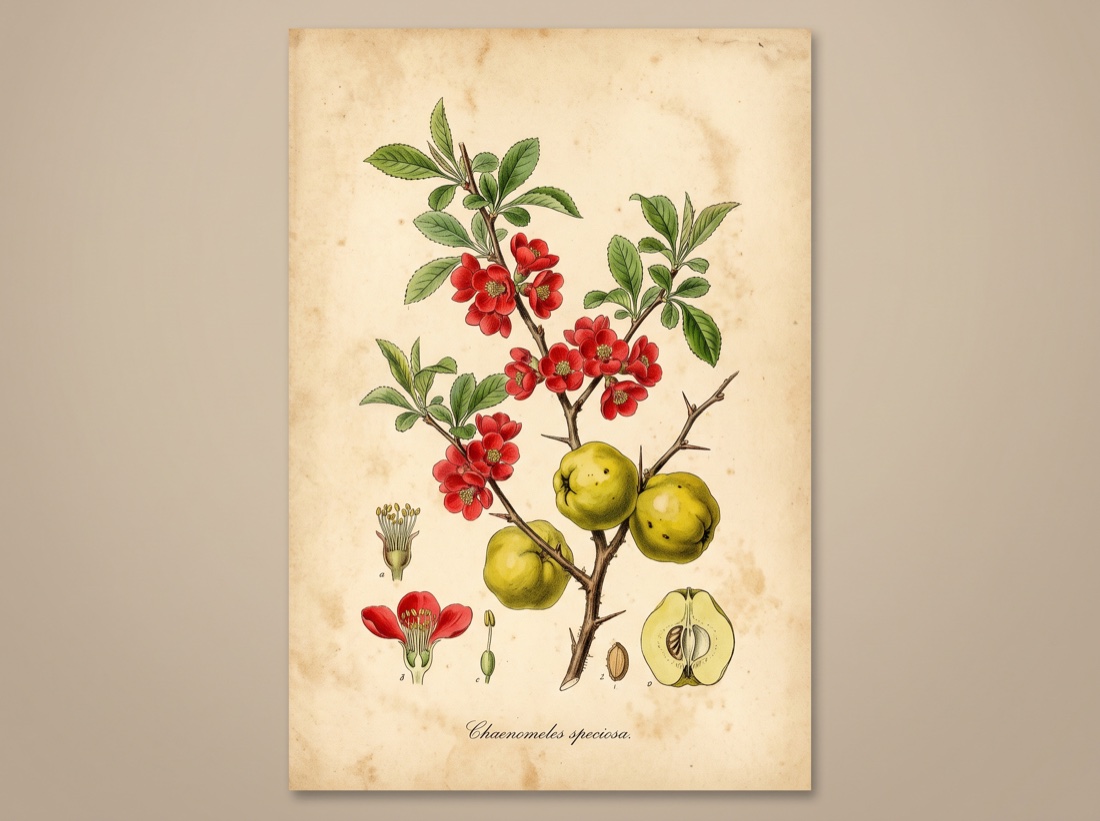
Chinese Herbalism
Flowering quince
Chaenomeles speciosa
Also known as Chinese flowering quince, Chinese quince fruit, chaenomeles fruit, mu gua, japonica (garden name), mù guā, zhòu pí mù guā.
Chaenomeles speciosa is a thorny deciduous shrub of the rose family, native to China and grown in gardens worldwide for its early scarlet blossom. The nearly ripe fruit, split and dried until the skin wrinkles (hence zhou pi mu gua), is the Chinese drug mu gua, not to be confused with papaya, which shares the Chinese name. It is the classic herb for relaxing the sinews in damp conditions and stopping cramps of the legs and abdomen; the Anhui product (Xuan mu gua) is considered the best.

Ask Herbert about Flowering quince. Herbert is the master herbalist inside Bountiful Herbs: he answers from this plate and eleven hundred others, with dosing, pairing and cautions. Your first ten questions are free.
Ask HerbertActions
Indications what the tradition reached for it in
- Damp bi with joint pain, stiffness, and heavy aching limbs
- Calf and foot cramps, especially at night or after diarrhea
- Leg qi with swelling, heaviness, and weakness of the lower legs
- Sudden turmoil disorder: vomiting and diarrhea with abdominal and calf cramping
- Rheumatoid arthritis and osteoarthritis (adjunct)
- Muscle tension and spasm in the back and legs
- Indigestion with dampness, bloating, and poor appetite
- Hyperuricemia and gout (modern, animal data)
- Lumbar and knee weakness with dampness
- Peripheral neuropathy with cramping (as part of formula)
Specific indications
Painful calf cramps that seize the leg at night, with heavy, damp-feeling lower limbs and a sour taste preference
Joint pain worse in humid weather with stiffness that eases slowly with movement, in a patient with a sluggish, damp digestion
Acute gastroenteritis where the vomiting and diarrhea are accompanied by painful cramping in the abdomen and calves
Safety
The record lists 5 contraindications; open the plate in the library to read them in full.
In practice
Mu gua is the herb to remember for cramping and for damp bi. Sour and warm, it gathers and relaxes at once: sour to soften tight sinews, warm to dry the dampness that makes limbs heavy and joints ache in humid weather.
In Chinese medicine
Temperature: warm. Taste: sour. Channels: Liver, Spleen. Actions: Relaxes the sinews and unblocks the collaterals; Harmonizes the Stomach and transforms dampness; Stops cramping of the calves and abdomen in sudden turmoil disorder (vomiting and diarrhea); Treats leg qi (damp swelling and heaviness of the lower limbs); Astringes and generates fluids in a small measure, softening its warmth.
Dosing as the sources wrote it
| Preparation | As written | Metric |
|---|---|---|
| Decoction | 6-9 g dried fruit daily in decoction | 6000-9000 mg |
| Tincture (1:5, 30%) | 2-4 mL three times daily | 2-4 mL |
| Powder in capsules | 1-2 g powdered fruit twice daily | 1000-2000 mg |
Doses are reproduced from the sources for practitioners and are not a recommendation for any person.
From the sources
Overview. Chaenomeles speciosa is a thorny deciduous shrub of the rose family, native to China and grown in gardens worldwide for its early scarlet blossom. The nearly ripe fruit, split and dried until the skin wrinkles (hence zhou pi mu gua), is the Chinese drug mu gua, not to be confused with papaya, which shares the Chinese name. It is the classic herb for relaxing the sinews in damp conditions and stopping cramps of the legs and abdomen; the Anhui product (Xuan mu gua) is considered the best.
Clinical Notes. Mu gua is the herb to remember for cramping and for damp bi. Sour and warm, it gathers and relaxes at once: sour to soften tight sinews, warm to dry the dampness that makes limbs heavy and joints ache in humid weather.
Chinese Medicine Profile. Temperature: warm. Taste: sour. Channels: Liver, Spleen. Actions: Relaxes the sinews and unblocks the collaterals; Harmonizes the Stomach and transforms dampness; Stops cramping of the calves and abdomen in sudden turmoil disorder (vomiting and diarrhea); Treats leg qi (damp swelling and heaviness of the lower limbs); Astringes and generates fluids in a small measure, softening its warmth.
In formulas
Flowering quince stands in 17 documented formulas in the library, among them shí wèi xiāng rú yn, zhù jing wán jia jiǎn fang, cán shĩ tǎng, shi pí yin, j ming sǎn.
Often paired with
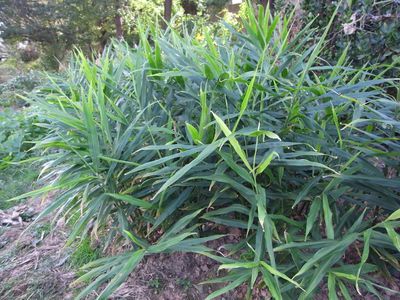 GingerZingiber officinale
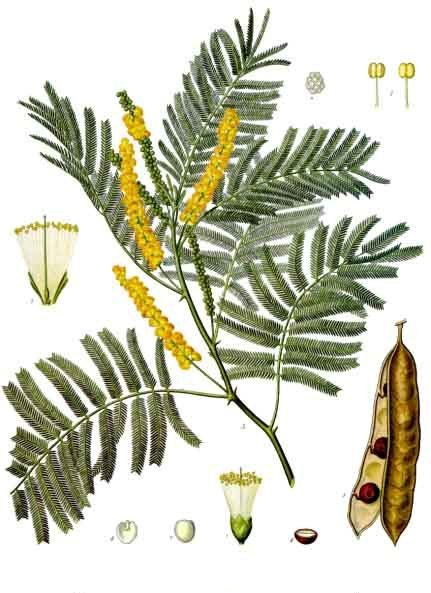 cutch treeAcacia catechu
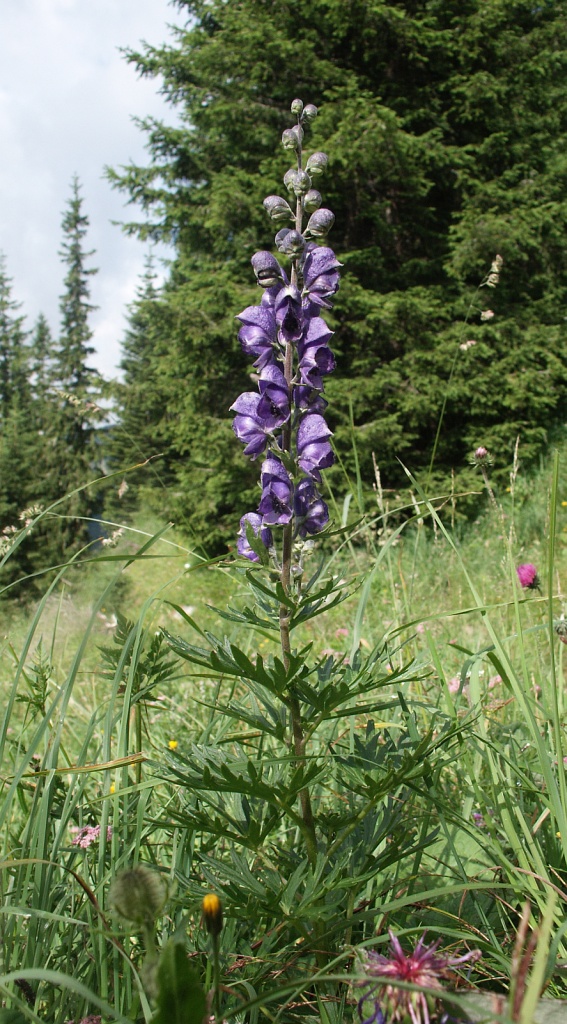 Indian aconiteAconitum ferox
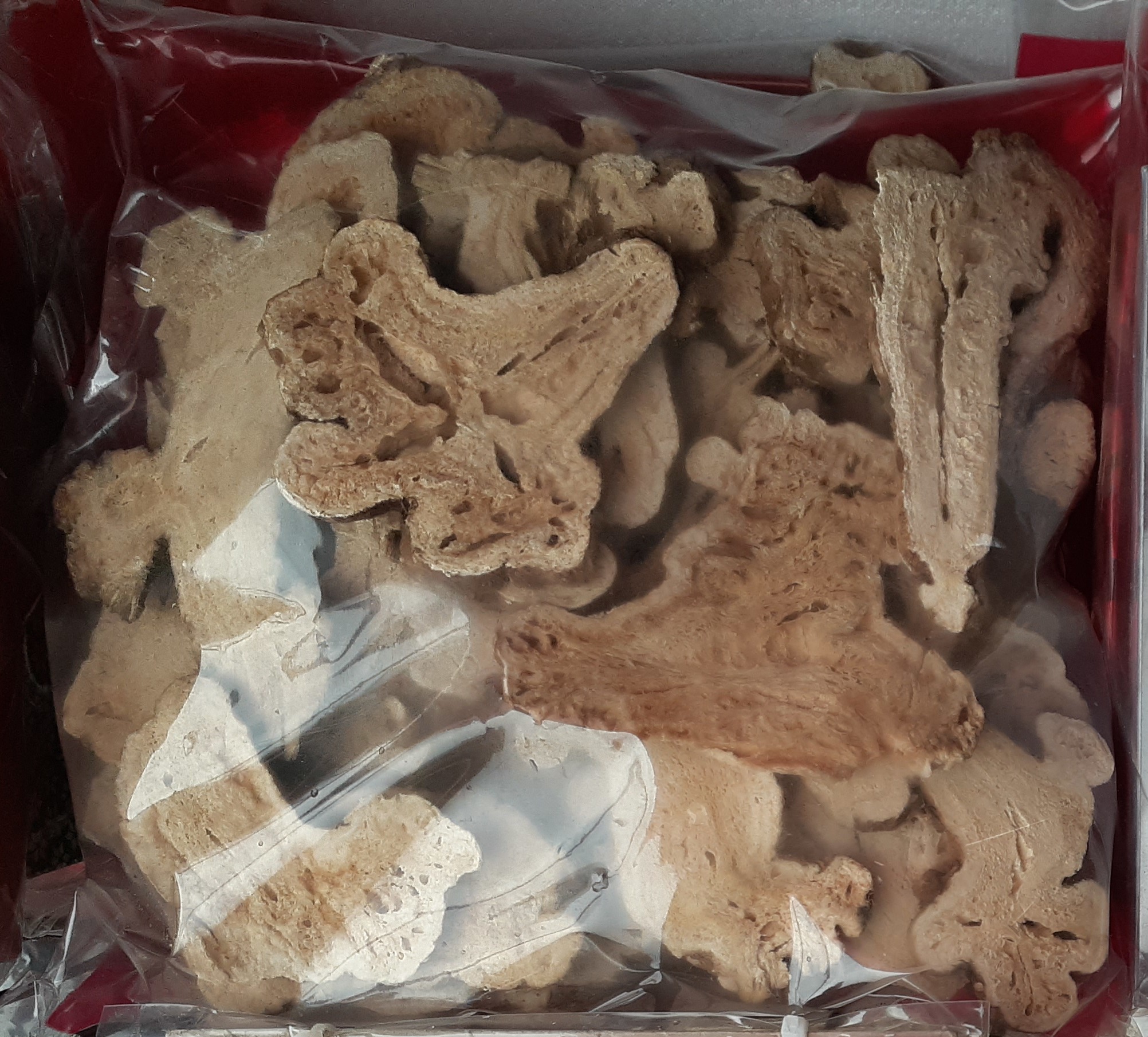 Bai ZhuAtractylodes macrocephala
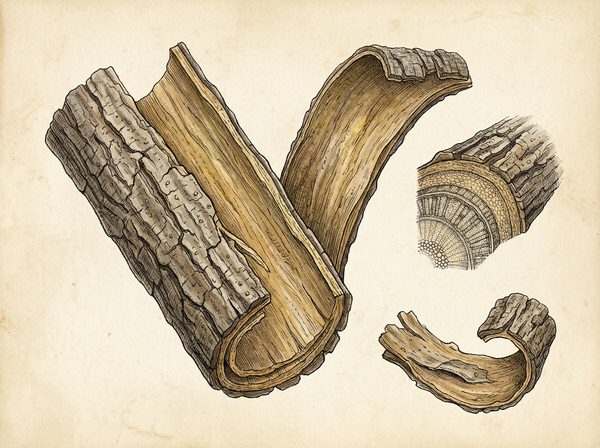 Magnolia BarkMagnolia officinalis
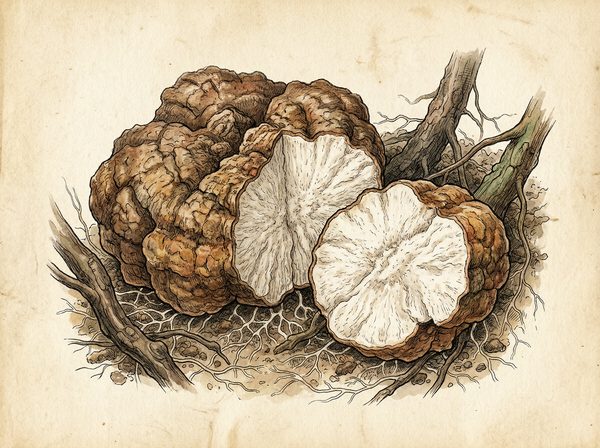 PoriaWolfiporia extensa
Nearby on the shelf
 FlaxLinum usitatissimum
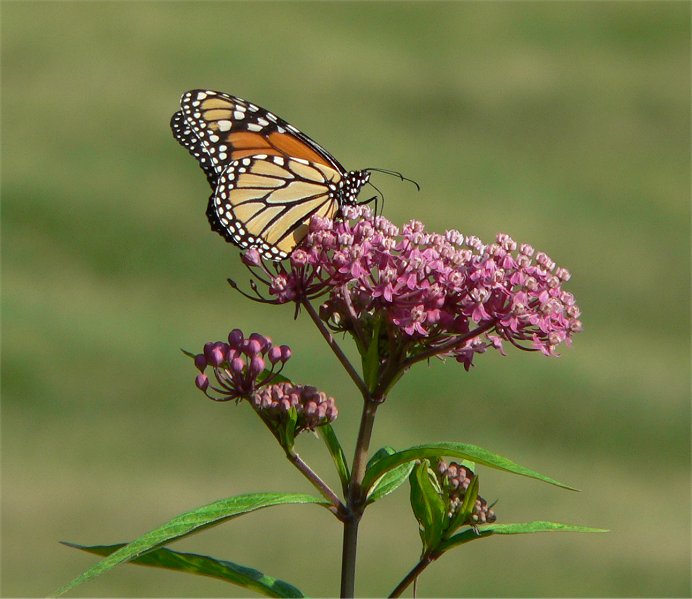 Flesh-colored asclepiasAsclepias Incarnata
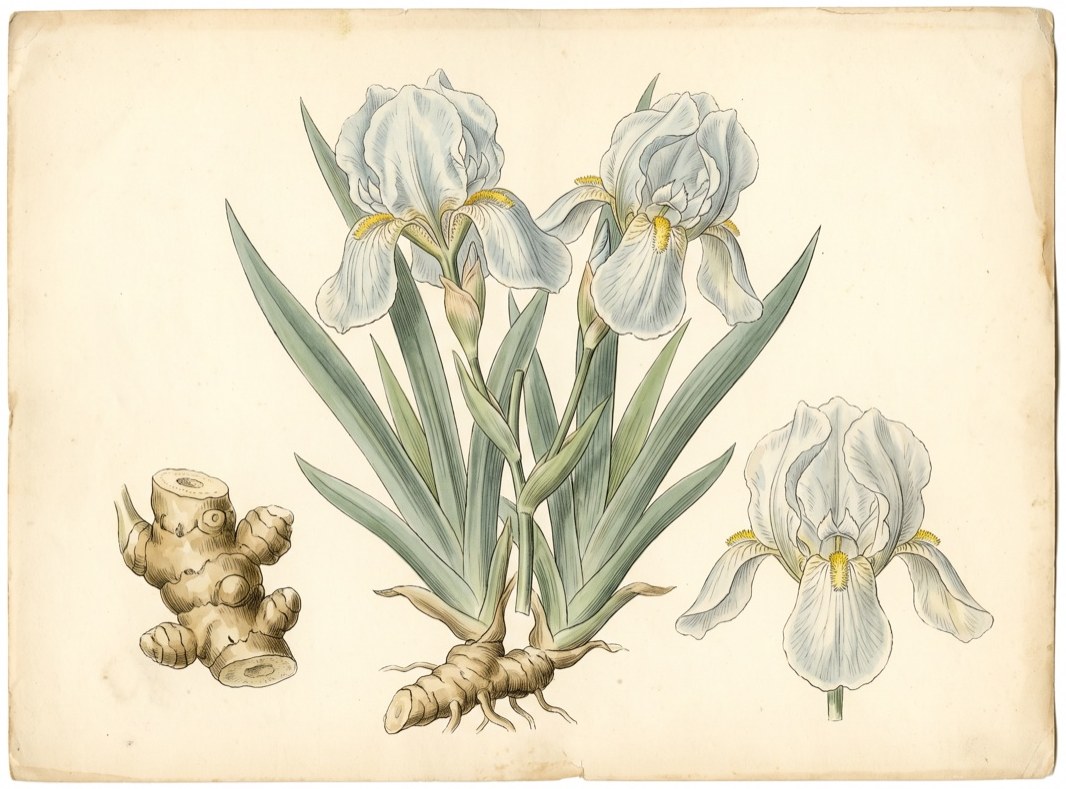 Florentine orrisIris Florentina
 Flowering dogwoodCornus florida
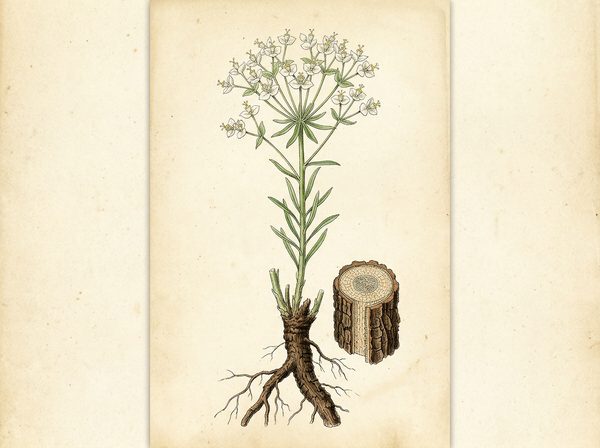 Flowering SpurgeEuphorbia corollata
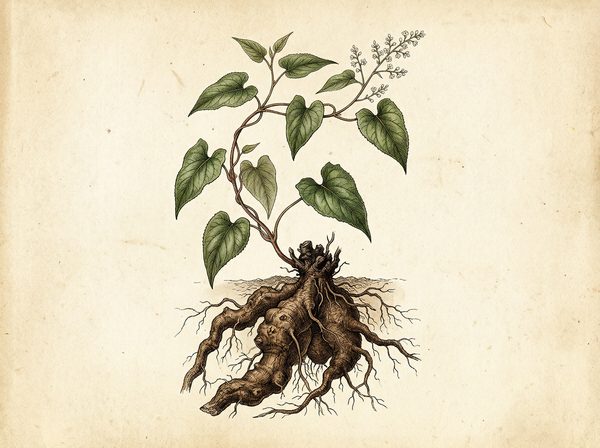 Fo-TiPolygonum multiflorum
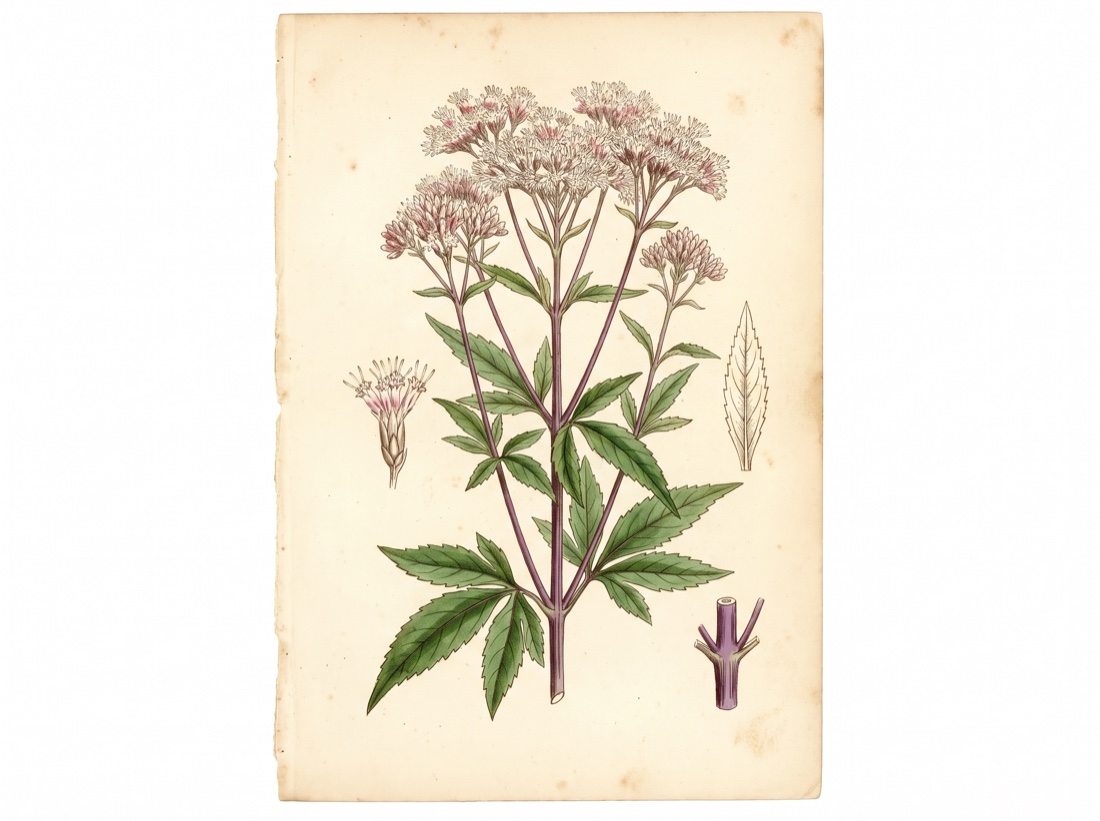 Fortune's eupatoriumEupatorium fortunei
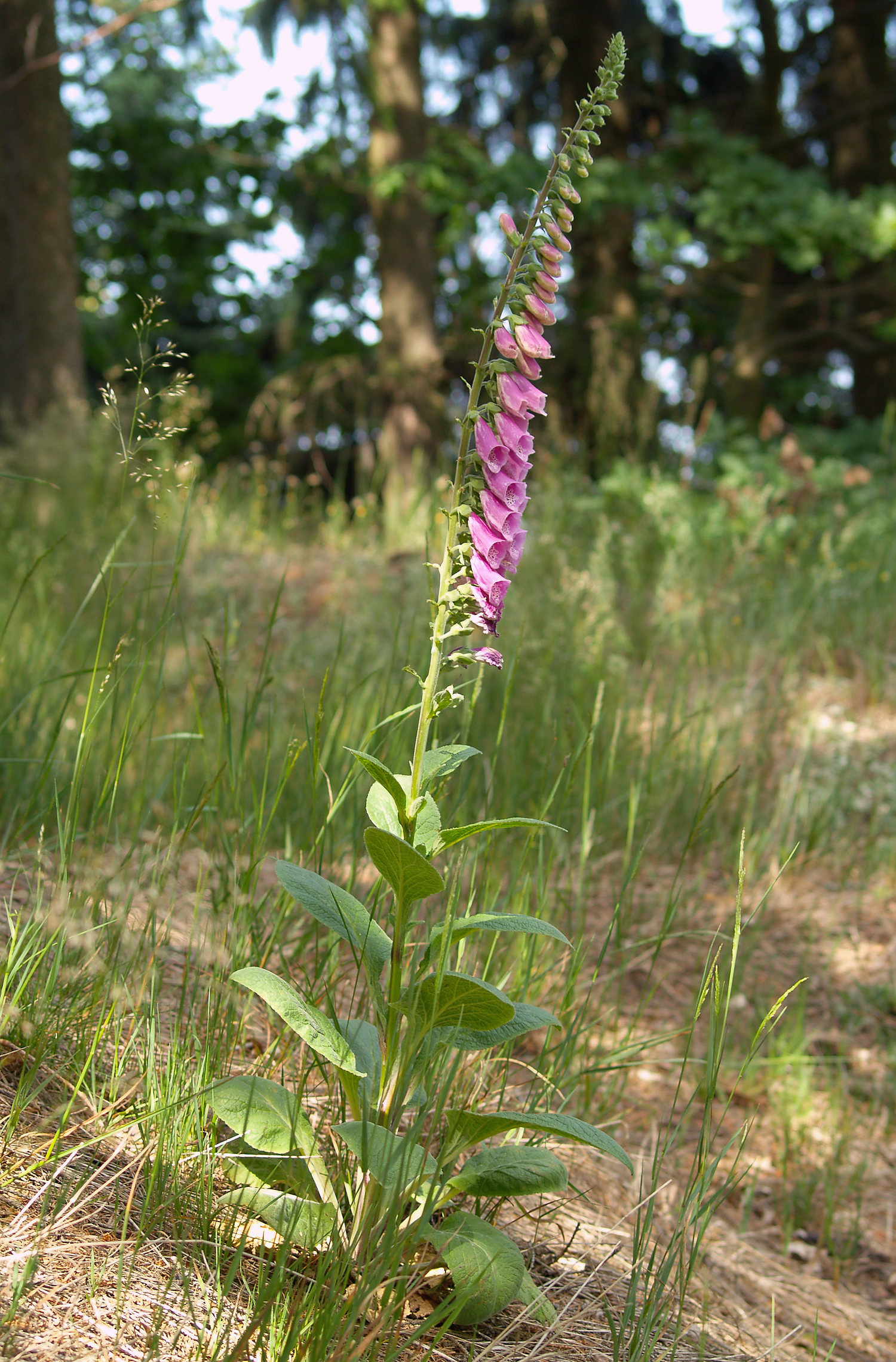 FoxgloveDigitalis purpurea
The whole plate is in the library. The compass, Compare, the Sky of eleven hundred plants and the formulary open with an email address and a password, free, with the formula builder and its safety engine. Herbert without limit, his formulating, clients, the handouts and the labels are the paid room.
Open the library, free