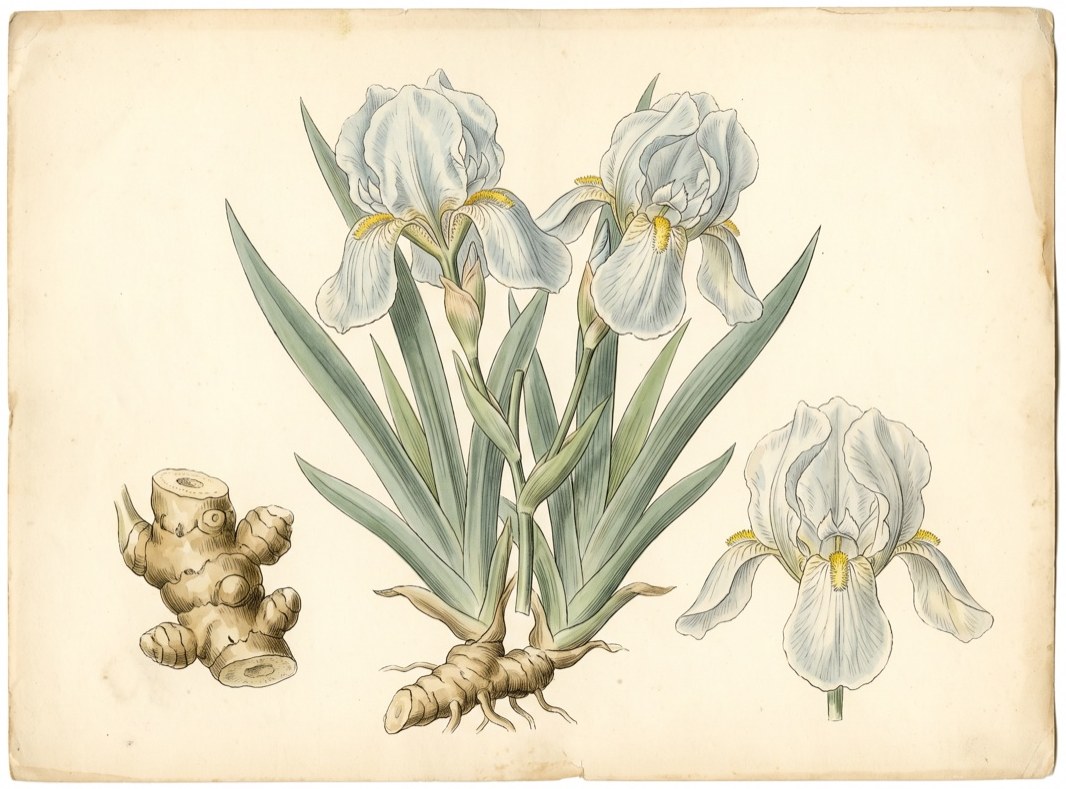
Western Herbalism
Florentine orris
Iris Florentina
Also known as Orris root, White flag iris, Florentine iris.
Iris florentina is a rhizomatous iris of the Mediterranean region, cultivated for centuries chiefly in Tuscany, prized for its rhizome which, once dried and aged for a year or more, develops the sweet, violet-like fragrance associated with orris root. Though best known today as a fixative and scent note in perfumery and sachets, the dried rhizome held a place in nineteenth century eclectic and European domestic medicine as an expectorant and mild stimulant to secretion. Only the aged, dried rhizome is used medicinally; the fresh root is acrid and unsuitable for internal use.

Ask Herbert about Florentine orris. Herbert is the master herbalist inside Bountiful Herbs: he answers from this plate and eleven hundred others, with dosing, pairing and cautions. Your first ten questions are free.
Ask HerbertActions
Indications what the tradition reached for it in
- Chronic bronchitis with thick mucus
- Non-productive or wheezy cough
- Teething discomfort in infants
- Hoarseness
- Halitosis
- Nasal catarrh
- Amenorrhea (traditional use)
- Sluggish digestion with poor appetite
Specific indications
Chronic, loose cough with copious mucus that is difficult to raise, in a patient who feels chilly and congested
An infant cutting teeth, given the whole dried peeled rhizome to gnaw for gum relief and mild analgesic, aromatic comfort
Safety
Low dose botanical. Used in drop doses in the classical practice; not a plant to dose freely.
Pregnancy: Avoid in pregnancy given its traditional reputation as an emmenagogue and uterine stimulant, a use that has never been formally assessed for safety.
The record lists 5 contraindications; open the plate in the library to read them in full.
In practice
Orris root found its main clinical use in chronic, loose coughs and catarrhal states of the chest and throat, given as a powder, syrup, or lozenge to help loosen and bring up mucus that the patient could not easily raise on their own.
Dosing as the sources wrote it
| Preparation | As written | Metric |
|---|---|---|
| Powdered dried rhizome | 0.5-2 g daily, in syrup, lozenge, or as a simple | 500-2000 mg |
| Tincture (1:5, dried aged rhizome) | 1-2 mL up to three times daily | 1-2 mL |
| Whole dried rhizome for teething | one piece given to chew under adult supervision, discarded once softened or splintered | |
| From 5 to 15 grains constitutes a dose of the powdered root. | 324-972 mg |
Doses are reproduced from the sources for practitioners and are not a recommendation for any person.
From the sources
Overview. Iris florentina is a rhizomatous iris of the Mediterranean region, cultivated for centuries chiefly in Tuscany, prized for its rhizome which, once dried and aged for a year or more, develops the sweet, violet-like fragrance associated with orris root. Though best known today as a fixative and scent note in perfumery and sachets, the dried rhizome held a place in nineteenth century eclectic and European domestic medicine as an expectorant and mild stimulant to secretion. Only the aged, dried rhizome is used medicinally; the fresh root is acrid and unsuitable for internal use.
Clinical Notes. Orris root found its main clinical use in chronic, loose coughs and catarrhal states of the chest and throat, given as a powder, syrup, or lozenge to help loosen and bring up mucus that the patient could not easily raise on their own.
Drawn from King's American Dispensatory, 18th edition (Felter and Lloyd), and the Bountiful Herbs editorial.
Often paired with
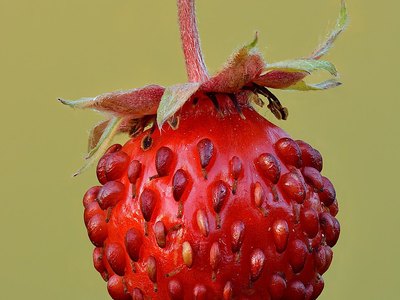 Wild strawberryFragaria vesca
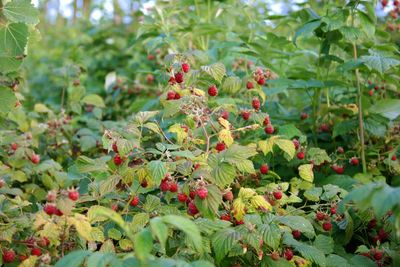 Red raspberryRubus idaeus
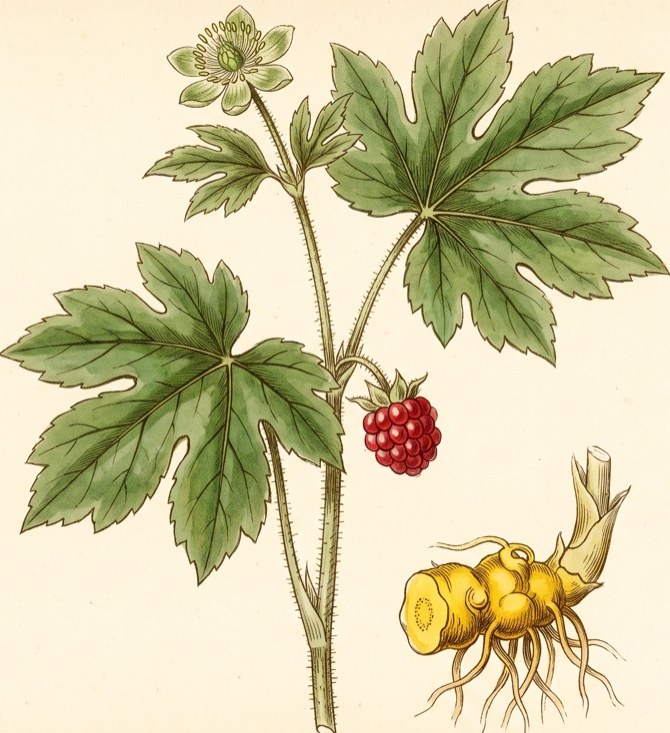 GoldensealHydrastis canadensis
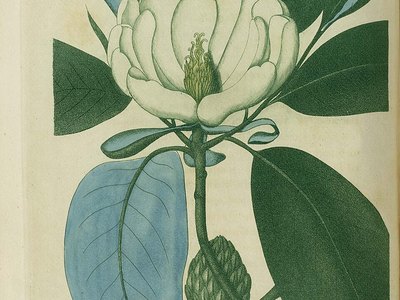 Sweet magnoliaMagnolia glauca
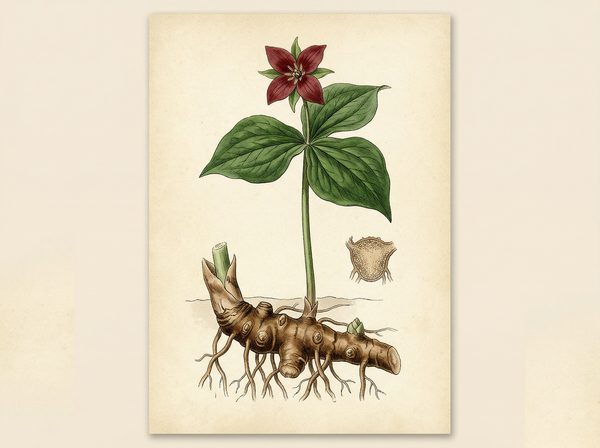 Beth RootTrillium erectum
 RaspberryRubus ideas
Nearby on the shelf
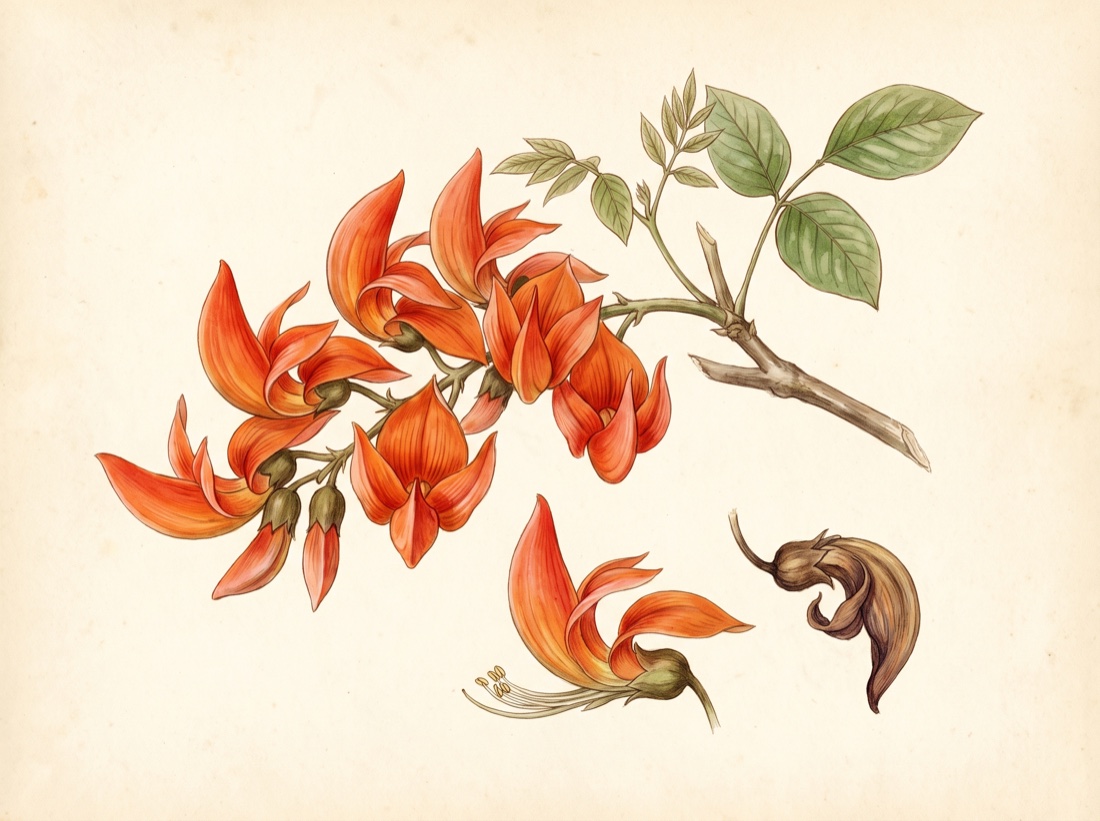 Flame of the forestButea monosperma
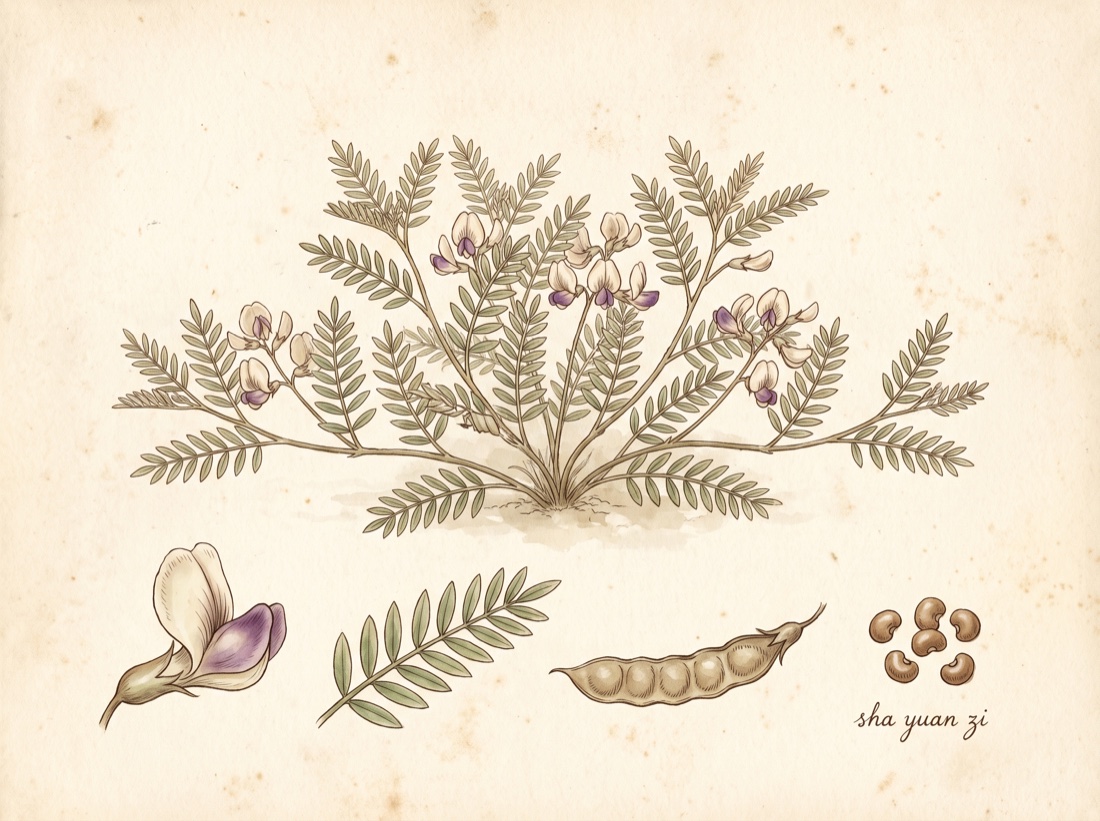 Flatstem milkvetch seedPhyllolobium chinense
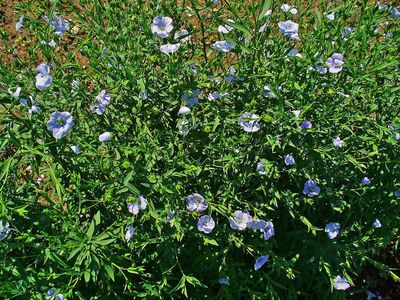 FlaxLinum usitatissimum
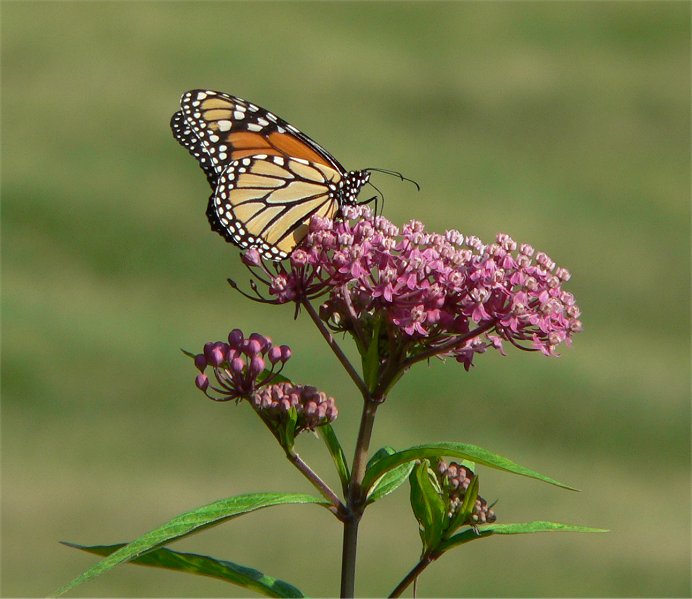 Flesh-colored asclepiasAsclepias Incarnata
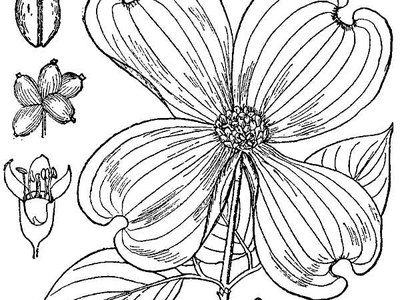 Flowering dogwoodCornus florida
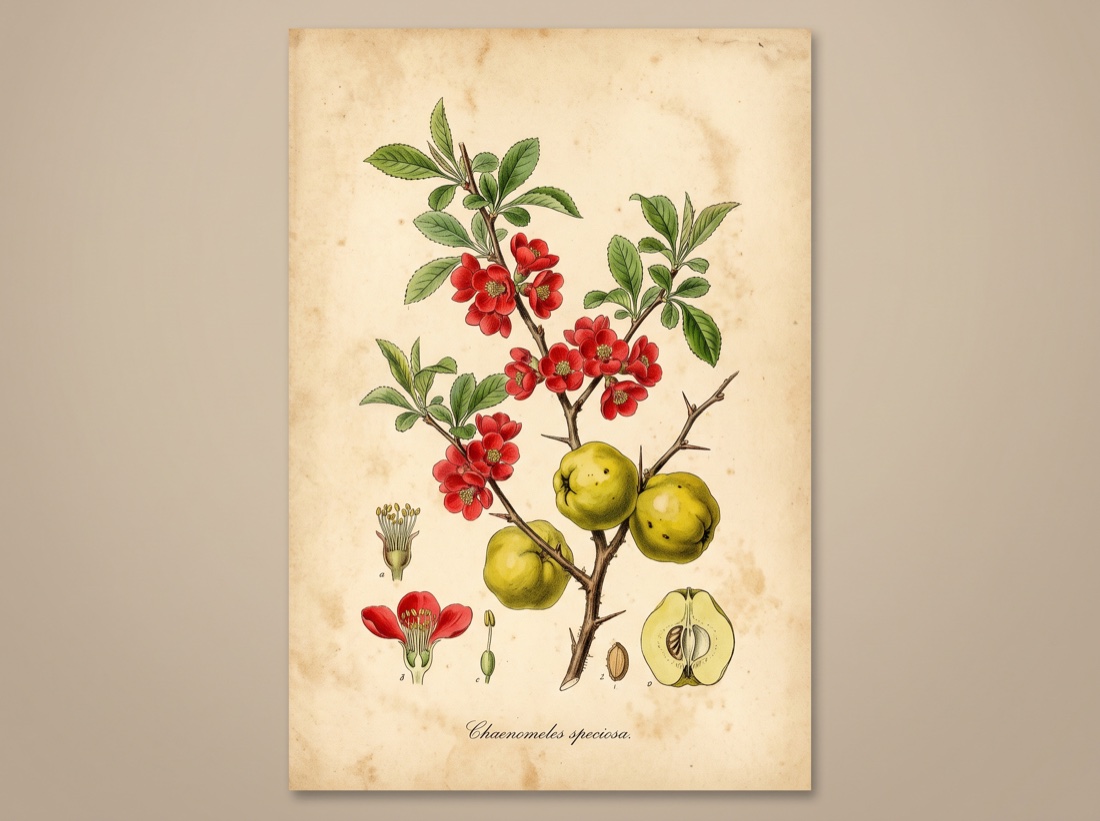 Flowering quinceChaenomeles speciosa
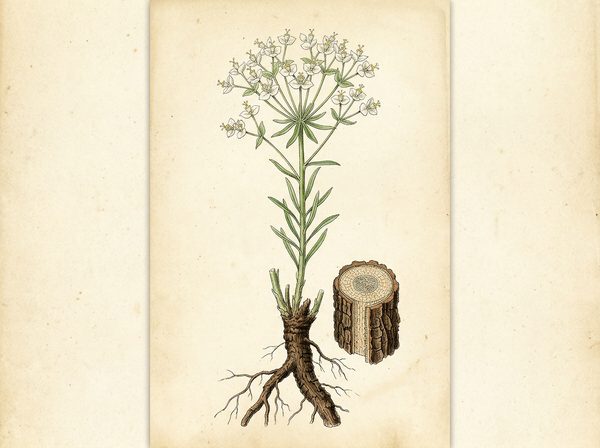 Flowering SpurgeEuphorbia corollata
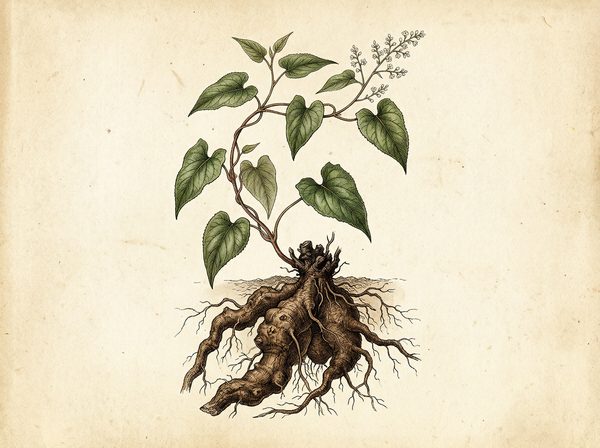 Fo-TiPolygonum multiflorum
The whole plate is in the library. The compass, Compare, the Sky of eleven hundred plants and the formulary open with an email address and a password, free, with the formula builder and its safety engine. Herbert without limit, his formulating, clients, the handouts and the labels are the paid room.
Open the library, free