Western Herbalism
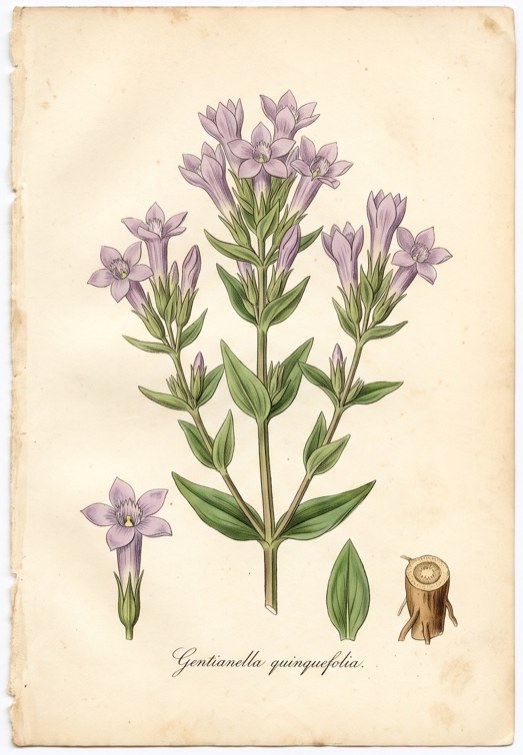
Five-flowered gentian
Gentiana Quinqueflora
Also known as Stiff gentian, Gall-weed, Ague weed.
Gentianella quinquefolia is a small annual or biennial gentian native to open woods and meadows of eastern North America, historically classed among the true gentians before its reclassification into the genus Gentianella. The dried aerial parts (tops) and root were used by nineteenth century American eclectic physicians much as European gentian root was used, as a simple bitter tonic. It never achieved wide official standing but was regarded by eclectic writers as a home-grown substitute worthy of more attention than it received.

Ask Herbert about Five-flowered gentian. Herbert is the master herbalist inside Bountiful Herbs: he answers from this plate and eleven hundred others, with dosing, pairing and cautions. Your first ten questions are free.
Ask HerbertActions
Indications what the tradition reached for it in
- Dyspepsia
- Poor appetite
- Atonic digestion
- Chronic catarrh with mucous discharge
- Mucous diarrhea
- Convalescence after illness
- General debility
- Sluggish digestion in the elderly
- Chronic gastritis with low secretory tone
Specific indications
Weak, enfeebled digestion with a poor appetite and a tendency to loose, mucoid stools
Low-grade, recurring feverishness with periodicity in a person of feeble digestive tone
Safety
Pregnancy: Avoid therapeutic doses in pregnancy, since safety data for this species are lacking and strong bitters are traditionally avoided in pregnancy on general grounds.
Breastfeeding: Avoid therapeutic doses during lactation in the absence of safety data specific to this plant.
The record lists 4 contraindications; open the plate in the library to read them in full.
In practice
This is a straightforward bitter, used in the same clinical situations as other gentians: a weak or capricious appetite, sluggish digestion, and the general debility of convalescence. Eclectic practitioners favored it particularly where there was a chronic mucous discharge, whether from the bowel as a loose, mucoid stool, or from the respiratory or urinary mucosa, viewing it as a tonic to enfeebled mucous tissue generally rather than a specific antidiarrheal.
Dosing as the sources wrote it
| Preparation | As written | Metric |
|---|---|---|
| Infusion of dried tops and root | 1-2 g steeped in hot water, three times daily before meals | 1000-2000 mg |
| Tincture (1:5, 45%) | 1-4 mL three times daily before meals | 1-4 mL |
| a saturated tincture of the recent root | Dose of a saturated tincture of the recent root, from 5 to 40 drops. | 0.1-0.8 mL |
Doses are reproduced from the sources for practitioners and are not a recommendation for any person.
From the sources
Overview. Gentianella quinquefolia is a small annual or biennial gentian native to open woods and meadows of eastern North America, historically classed among the true gentians before its reclassification into the genus Gentianella. The dried aerial parts (tops) and root were used by nineteenth century American eclectic physicians much as European gentian root was used, as a simple bitter tonic. It never achieved wide official standing but was regarded by eclectic writers as a home-grown substitute worthy of more attention than it received.
Clinical Notes. This is a straightforward bitter, used in the same clinical situations as other gentians: a weak or capricious appetite, sluggish digestion, and the general debility of convalescence. Eclectic practitioners favored it particularly where there was a chronic mucous discharge, whether from the bowel as a loose, mucoid stool, or from the respiratory or urinary mucosa, viewing it as a tonic to enfeebled mucous tissue generally rather than a specific antidiarrheal.
Action, Medical Uses, and Dosage. Bitter tonic, anthelmintic, and astringent. Formerly much used in dyspepsia, intermittents, dysentery, and all diseases of periodicity. To 2 ounces of the tops and roots, pour on 1 ½ pints of boiling water, and when nearly cold, add ½ pint of brandy.
History. This plant is found growing in dry grounds, especially through the middle and low country of the southern states, flowering in September and October. Said likewise to inhabit Canada, and the western states, but this must be rare. The root is the medicinal part, and the tops are also often employed. They are bitter to the taste, and probably possess the medicinal properties, in a greater or less degree, of the other plants of the same family. Alcohol or boiling water extracts their virtues. None of the American Gentians seem to have been satisfactorily analyzed.
Drawn from King's American Dispensatory, 18th edition (Felter and Lloyd), and the Bountiful Herbs editorial.
Nearby on the shelf
 FigwortScrophularia nodosa
 FireweedEpilobium angustifolium
 FireweedErechtites hieracifolius
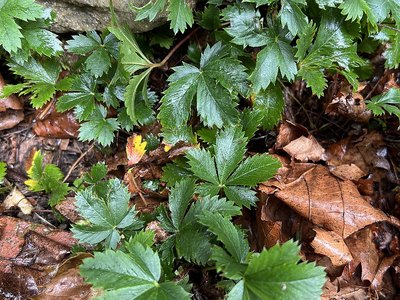 Five-fingerPotentilla canadensis
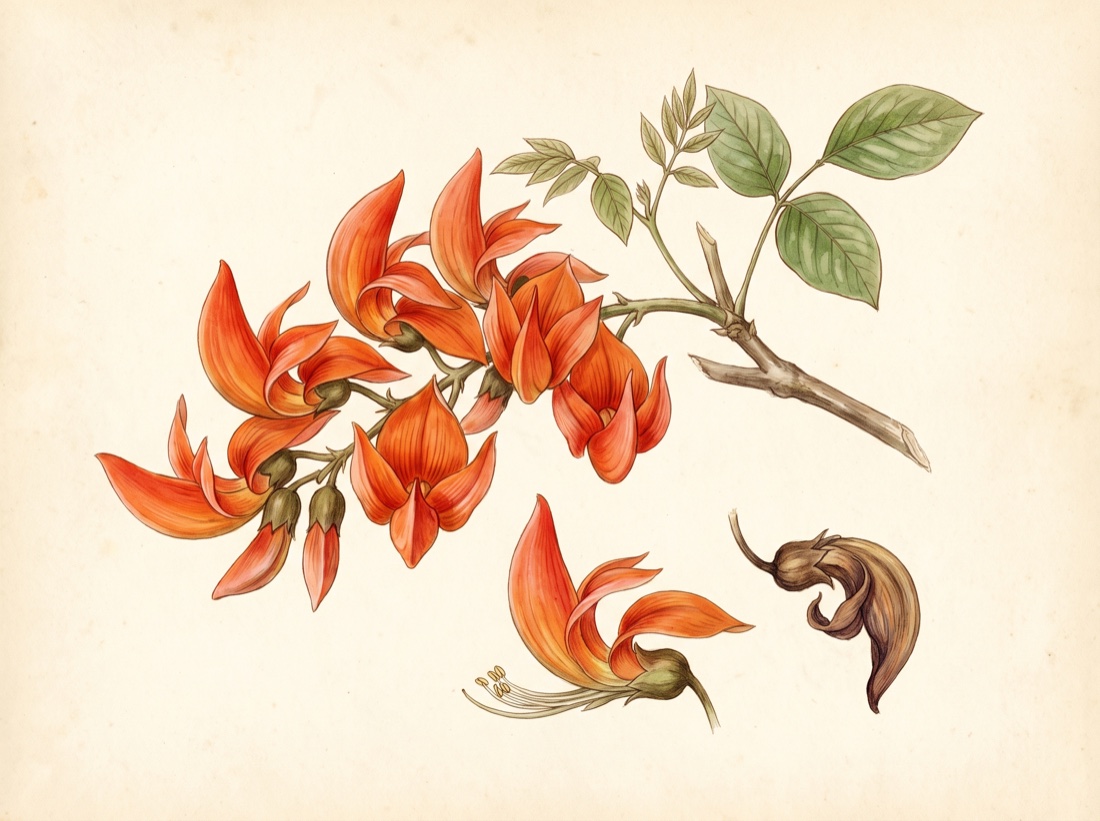 Flame of the forestButea monosperma
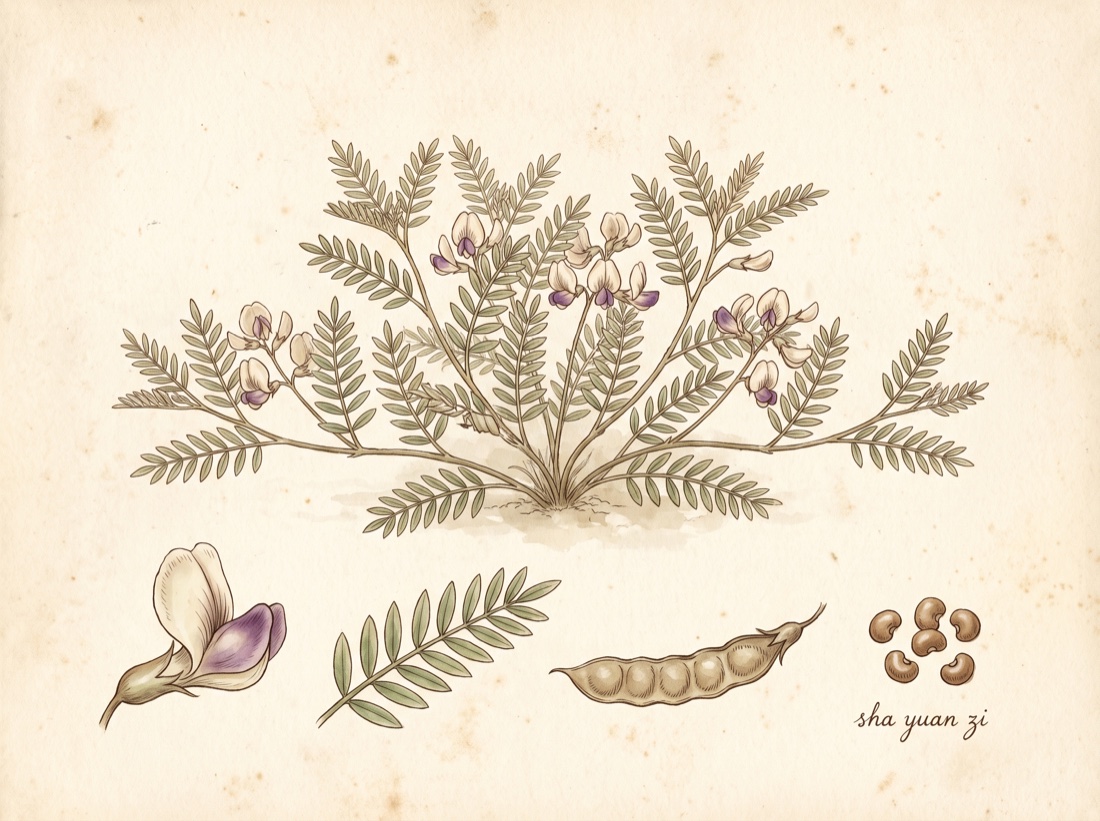 Flatstem milkvetch seedPhyllolobium chinense
 FlaxLinum usitatissimum
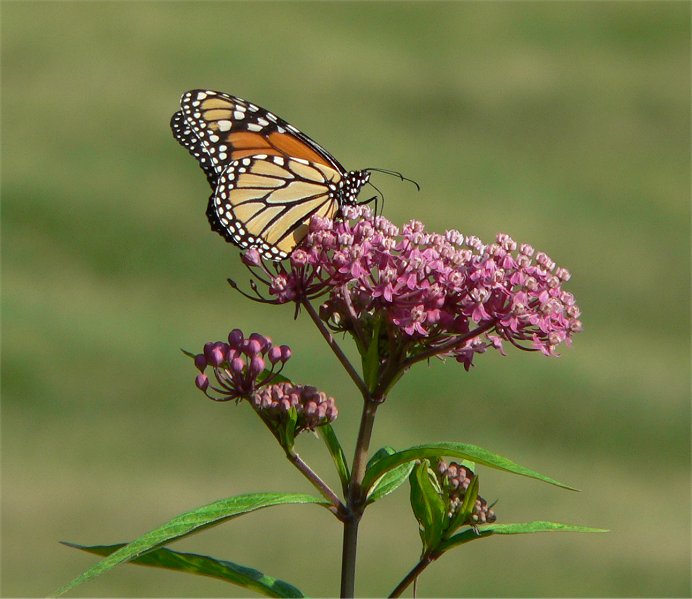 Flesh-colored asclepiasAsclepias Incarnata
The whole plate is in the library. The compass, Compare, the Sky of eleven hundred plants and the formulary open with an email address and a password, free, with the formula builder and its safety engine. Herbert without limit, his formulating, clients, the handouts and the labels are the paid room.
Open the library, free