Western Herbalism
Pink root
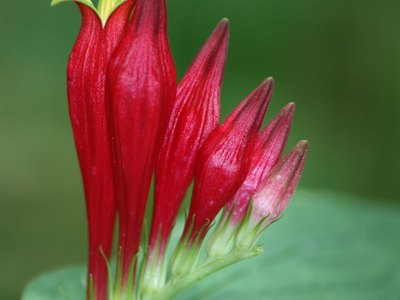
Spigelia marilandica
Also known as Pinkroot, Spigelia, Maryland Pink, Wormgrass, Indian pink, Carolina Pink, Worm-grass.
Spigelia marilandica is a striking perennial native to rich woodlands of the southeastern United States, prized in gardens for its crimson and yellow tubular flowers and in nineteenth century American medicine for its dried root and rhizome. The root was one of the classic Eclectic and physiomedical anthelmintics, used almost exclusively for expelling intestinal roundworms in children. Its use has declined sharply because of a narrow margin between an effective dose and a toxic one, and it is now regarded chiefly as a historical remedy rather than a first-line treatment.

Ask Herbert about Pink root. Herbert is the master herbalist inside Bountiful Herbs: he answers from this plate and eleven hundred others, with dosing, pairing and cautions. Your first ten questions are free.
Ask HerbertActions
Indications what the tradition reached for it in
- Roundworm (ascariasis) infestation
- Intestinal worm infestation with irritability in children
- Restless sleep and teeth grinding attributed to worms
- Itching around the anus from pinworm or roundworm
- Pallor and dark circles under the eyes in a wormy child
- Colicky abdominal pain with worm burden
- Nervous irritability in children with suspected helminthiasis
- Verminous convulsions (historical Eclectic indication)
Specific indications
A child with a known or suspected roundworm burden who is fretful, sleeps poorly, grinds the teeth, and has a bluish tinge under the eyes
Worm infestation accompanied by twitching, dilated pupils, or visual disturbance, calling for extreme caution with dosing
Lumbricoids.
Safety
Recognised toxicity. This plant carries a toxicity flag in the record; it is for trained practitioners only.
Low dose botanical. Used in drop doses in the classical practice; not a plant to dose freely.
Pregnancy: Avoid in pregnancy: not rated in modern safety handbooks, but its narrow toxic margin and alkaloid content make it unsuitable for use in pregnancy.
Breastfeeding: Avoid during lactation: not rated in modern safety handbooks, and the alkaloid content and narrow safety margin argue against use while nursing.
The record lists 5 contraindications; open the plate in the library to read them in full.
In practice
Nineteenth century practitioners reserved pink root for children with a clear roundworm picture: a pale, hollow-eyed look, restless or grinding sleep, an itchy anus, and sometimes a history of passing worms.
Dosing as the sources wrote it
| Preparation | As written | Metric |
|---|---|---|
| Dried root decoction (historical) | 1-2 g dried root decocted, given once daily for one to three days, always combined with a purgative | 1000-2000 mg |
| Tincture (1:5) | 0.5-1 mL once daily for one to three days, historical use only, combined with a purgative | 0.5-1 mL |
| Fluid Extract of Spigelia | Dose, from one-half to two drams. | 1944-7776 mg |
| Dose, 1 to 2 drachms for adults; less for children. | 3888-7776 mg | |
| Specific Medicine Spigelia | Dose, 5 to 60 drops (full dose as anthelmintic). | 0.1-1.2 mL |
| Fluidextractum Spigelia et Senna, Fluidextract of Spigelia and Senna | Dose, 30 to 60 drops. | 0.6-1.2 mL |
Doses are reproduced from the sources for practitioners and are not a recommendation for any person.
From the sources
Overview. Spigelia marilandica is a striking perennial native to rich woodlands of the southeastern United States, prized in gardens for its crimson and yellow tubular flowers and in nineteenth century American medicine for its dried root and rhizome. The root was one of the classic Eclectic and physiomedical anthelmintics, used almost exclusively for expelling intestinal roundworms in children. Its use has declined sharply because of a narrow margin between an effective dose and a toxic one, and it is now regarded chiefly as a historical remedy rather than a first-line treatment.
Clinical Notes. Nineteenth century practitioners reserved pink root for children with a clear roundworm picture: a pale, hollow-eyed look, restless or grinding sleep, an itchy anus, and sometimes a history of passing worms.
Therapy. Pink root is an active and very certain vermifuge, removing the round or lumbricoid intestinal worm. The powdered root (5 to 20 grains for a young child; 1 to 2 drachms for an adult) or the fluidextract, or specific medicine in equivalent dosage may be given twice a day, together with or followed by an active purgative.
Therapy. Spigelia is specific in the removal of intestinal worms. It need not be given in large doses, and if used with proper care, is most effectual. An excellent formula is the following, which contains united action of the two agents: Fluid extract of spigelia, two drams; santonine pulverized fifteen grains; simple elixir, a sufficient quantity to make two ounces.
Drawn from Cook's Physio-Medical Dispensatory; King's American Dispensatory, 18th edition (Felter and Lloyd); Ellingwood's American Materia Medica, Therapeutics and Pharmacognosy; Felter's Eclectic Materia Medica, Pharmacology and Therapeutics, and the Bountiful Herbs editorial.
Often paired with
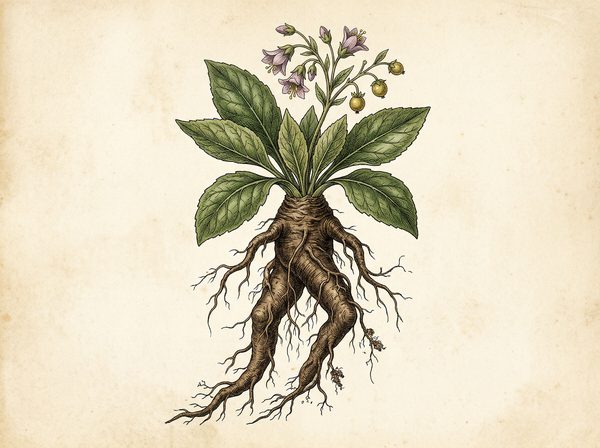 MandrakeMandragora officinarum
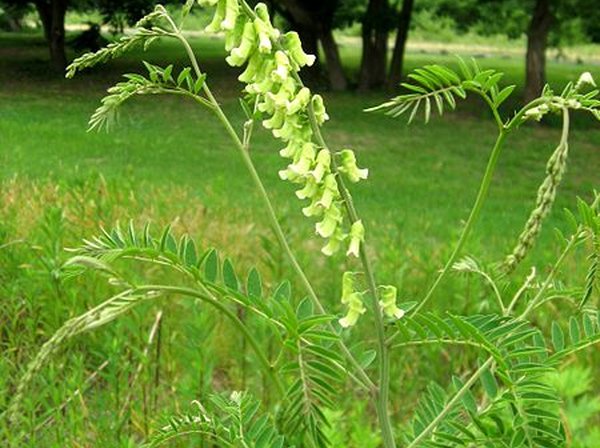 Ku ShenSophora flavescens
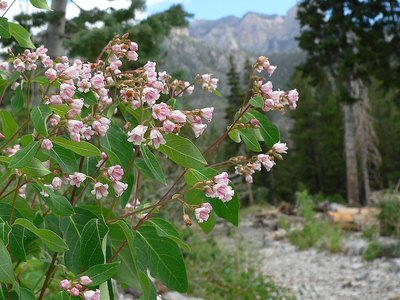 Dog's BaneApocynum Androsaemifolium
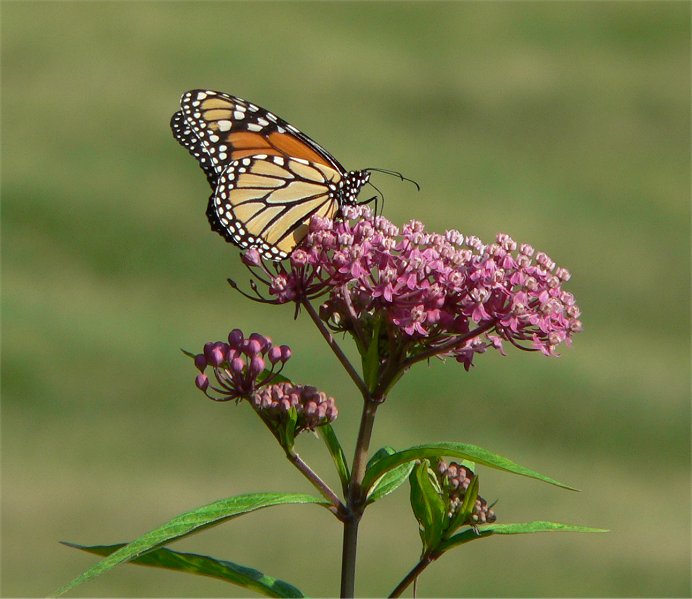 Flesh-colored asclepiasAsclepias Incarnata
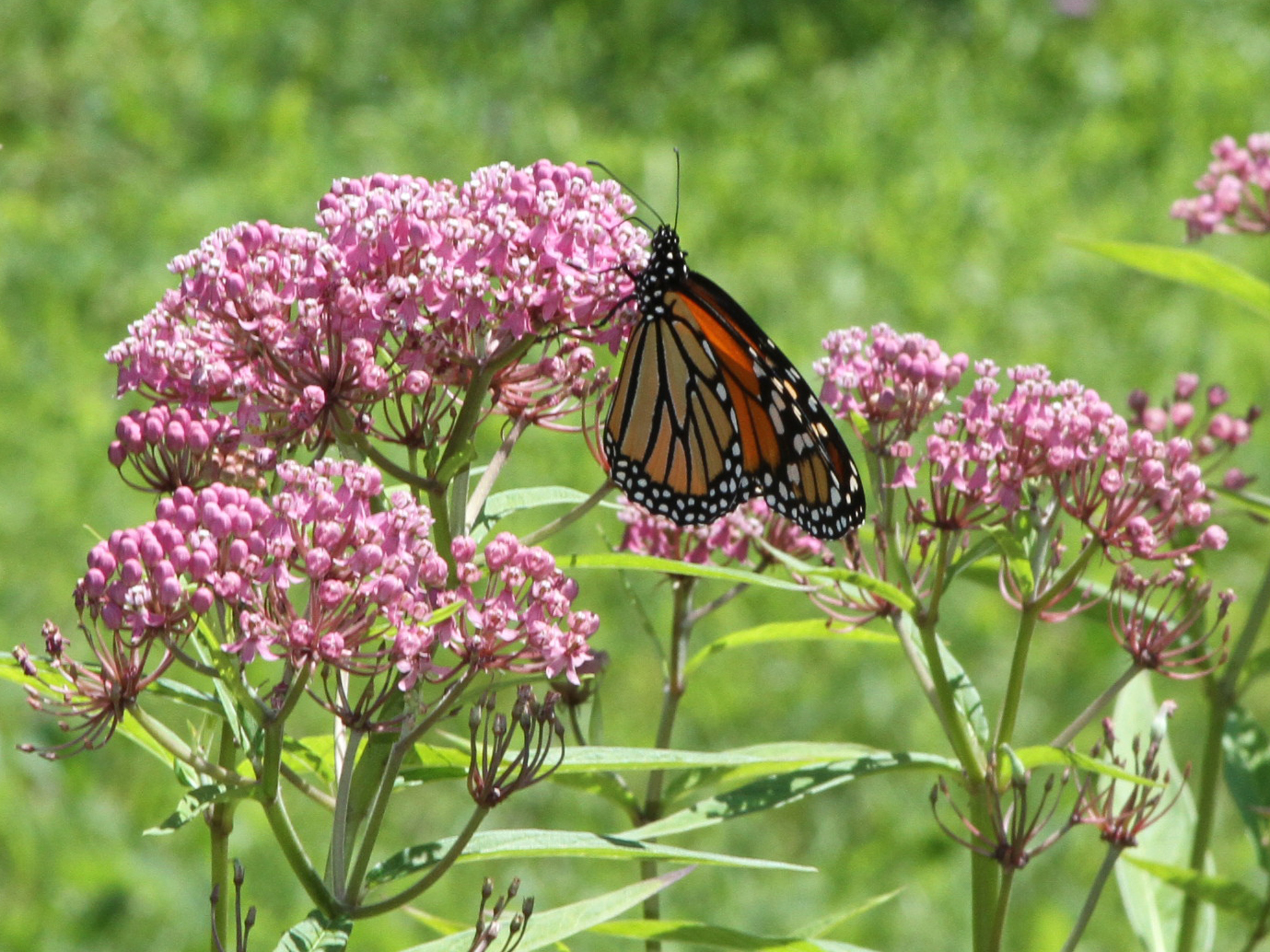 MilkweedAsclepias Cornuti
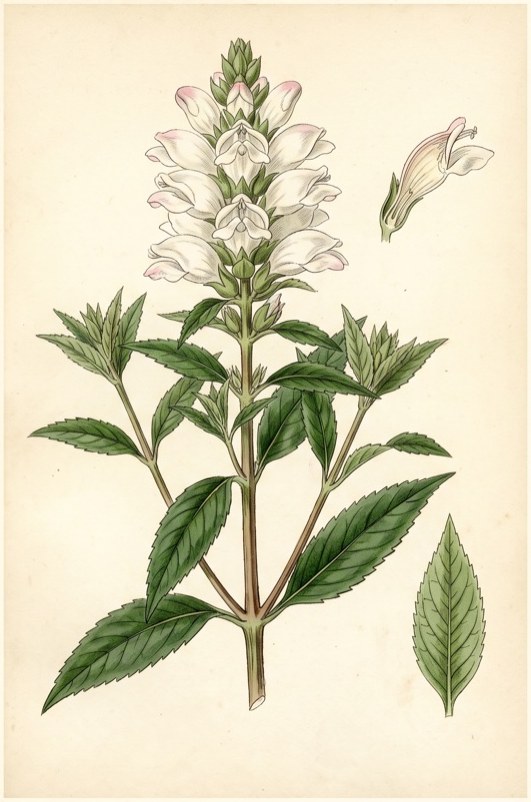 BalmonyChelone glabra
Nearby on the shelf
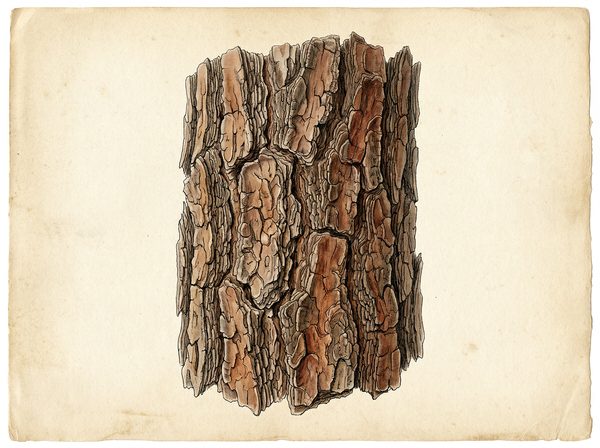 Pine BarkPinus pinaster
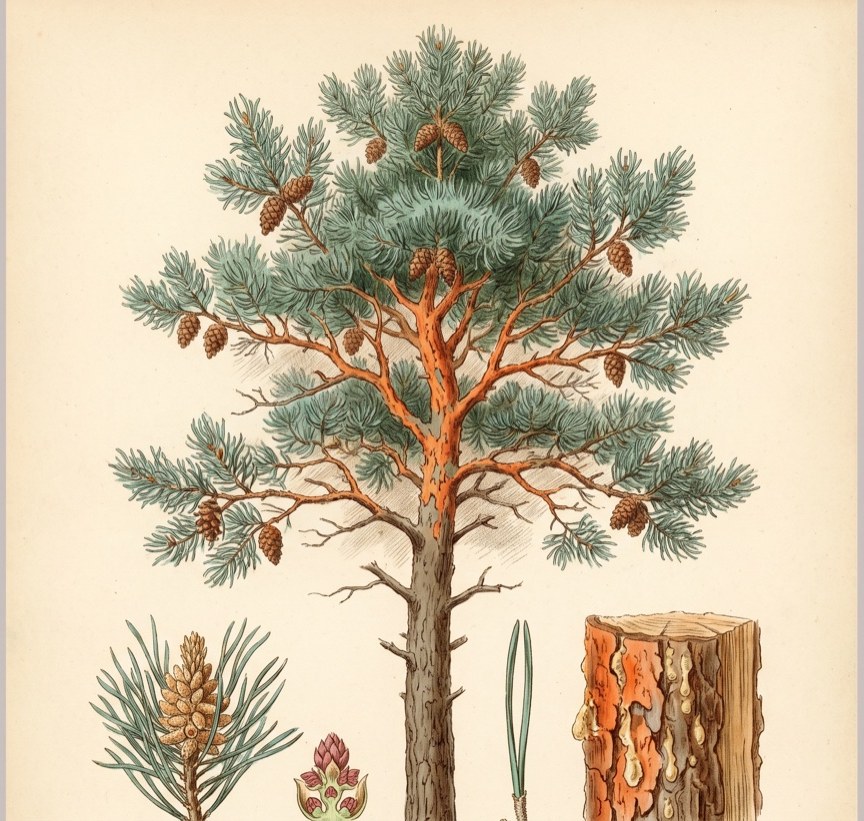 Pine tarPix Liquida
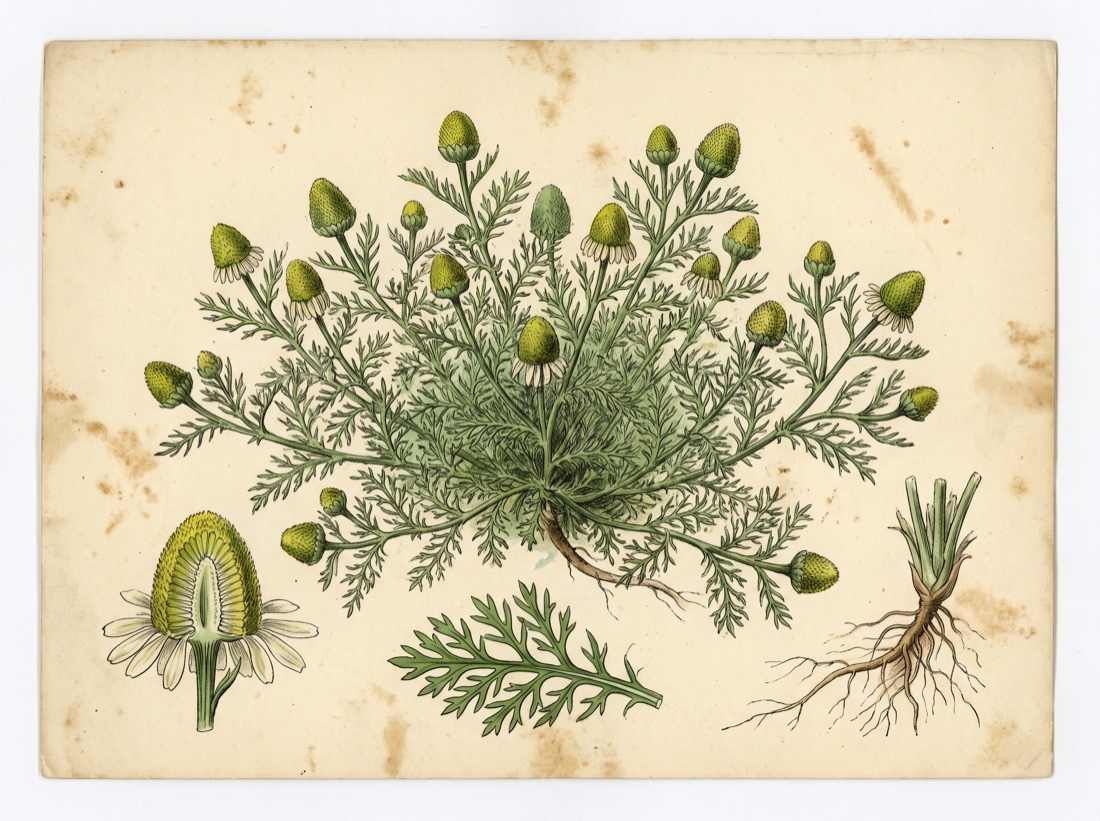 PineappleweedMatricaria discoidea
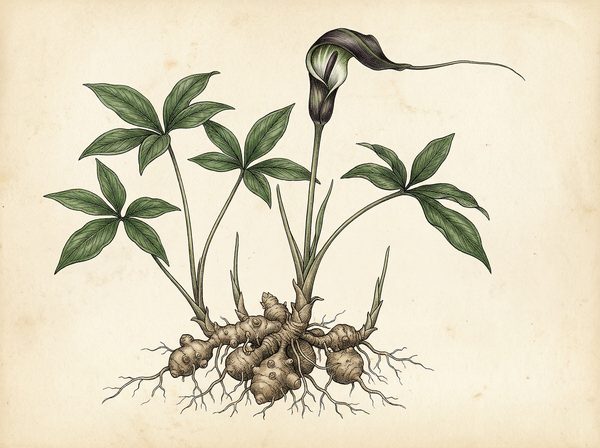 PinelliaPinellia ternata
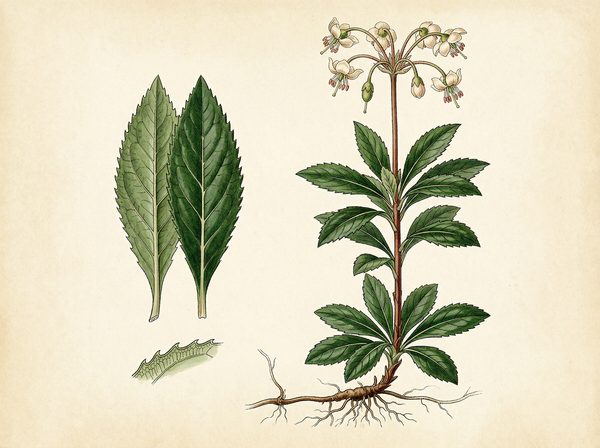 PipsissewaChimaphila umbellata
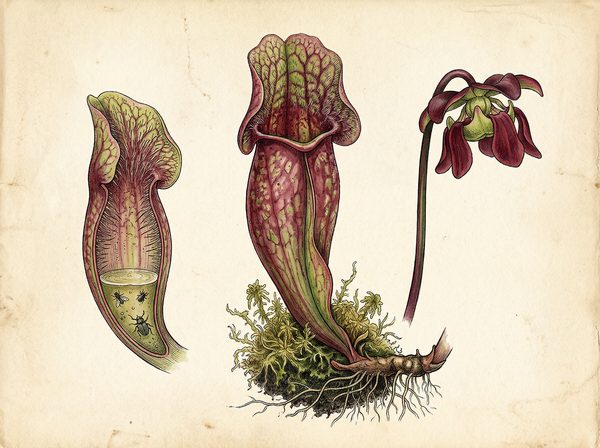 Pitcher PlantSarracenia purpurea
 Plantago afraPlantago afra
 Plantago cordataPlantago cordata
The whole plate is in the library. The compass, Compare, the Sky of eleven hundred plants and the formulary open with an email address and a password, free, with the formula builder and its safety engine. Herbert without limit, his formulating, clients, the handouts and the labels are the paid room.
Open the library, free