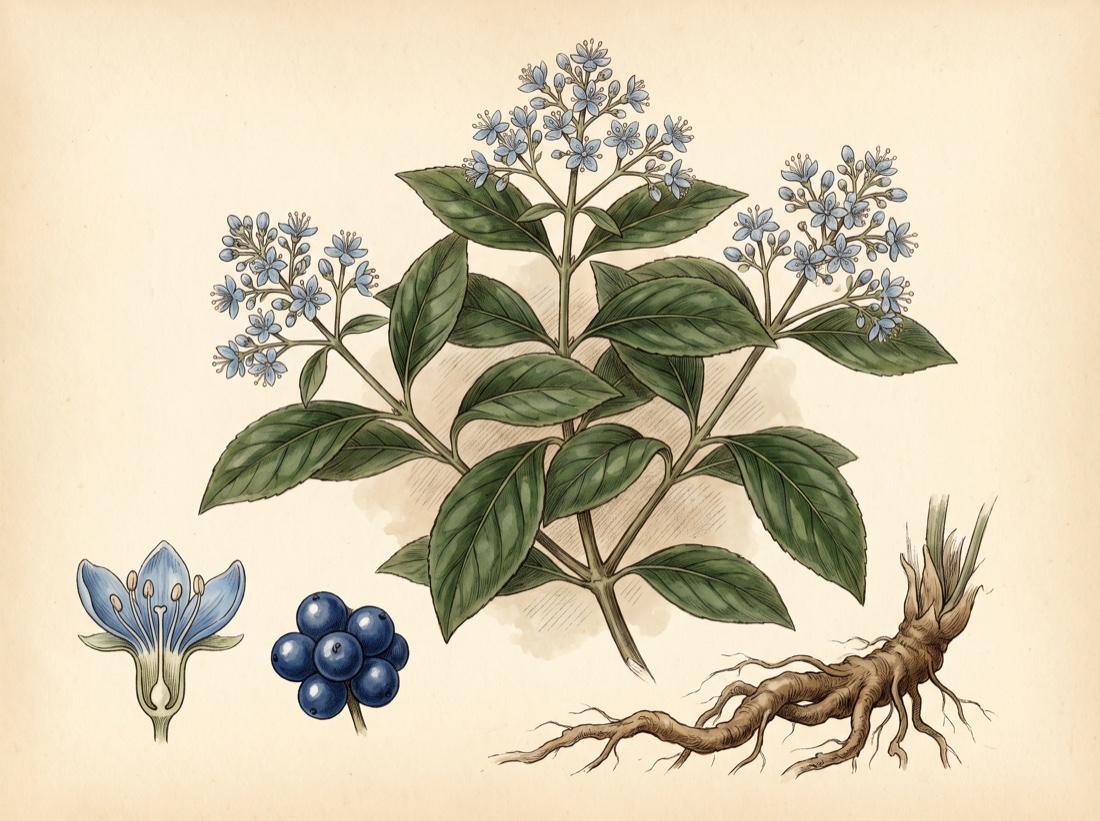
Chinese Herbalism
Chinese quinine
Dichroa febrifuga
Also known as blue evergreen hydrangea, dichroa, chang shan, antifebrile dichroa, cháng shān, shǔ qī (young twigs and leaves).
Chang shan is the root of a blue-flowered evergreen shrub of the hydrangea family that grows in moist mountain forests from central China through the Himalaya to Southeast Asia. It is one of the oldest documented antimalarial herbs; its quinazolinone alkaloid febrifugine was isolated in the 1940s and became the model for the drug halofuginone. In Chinese medicine it is a cold, bitter, toxic herb that cuts short malarial fevers and forces out phlegm by vomiting, used with great care and only briefly.

Ask Herbert about Chinese quinine. Herbert is the master herbalist inside Bountiful Herbs: he answers from this plate and eleven hundred others, with dosing, pairing and cautions. Your first ten questions are free.
Ask HerbertActions
Indications what the tradition reached for it in
- Malaria with periodic chills and fever (historical and adjunct use only)
- Chronic relapsing malarial fever with phlegm
- Phlegm and fluid accumulation in the chest and diaphragm with a full, oppressed feeling
- Retained phlegm needing to be vomited out (classical use, now rare)
- Intermittent fevers of protozoal origin (traditional)
- Coccidiosis in poultry (veterinary, experimental)
- Leishmaniasis (experimental, febrifugine salts)
- Autoimmune and fibrotic disease (halofuginone, a synthetic derivative, not the herb)
Specific indications
A patient with malaria-type fever whose attacks recur on a schedule and who has thick phlegm in the chest, when the herb is given a few hours before the expected attack
Old, stubborn intermittent fever with a coated tongue and fullness under the ribs where phlegm and the pathogen are lodged together
Safety
Recognised toxicity. This plant carries a toxicity flag in the record; it is for trained practitioners only.
Low dose botanical. Used in drop doses in the classical practice; not a plant to dose freely.
The record lists 11 contraindications; open the plate in the library to read them in full.
In practice
Chang shan is a restricted herb. Its antimalarial effect is real but comes with an emetic and hepatotoxic burden that has kept febrifugine out of modern medicine; only the synthetic derivative halofuginone has reached clinical study.
In Chinese medicine
Temperature: cold, toxic. Taste: bitter, acrid. Channels: Lung, Liver, Heart. Actions: Checks malarial fever and interrupts the cycle of chills and fever; Induces vomiting to expel phlegm and retained fluid lodged in the chest and diaphragm.
Dosing as the sources wrote it
| Preparation | As written | Metric |
|---|---|---|
| Decoction (processed root) | 5-10 g wine-fried root daily in decoction for no more than 3-5 days | 5000-10000 mg |
| Powder (processed root) | 1-2 g powdered wine-fried root once daily before the expected fever | 1000-2000 mg |
Doses are reproduced from the sources for practitioners and are not a recommendation for any person.
From the sources
Overview. Chang shan is the root of a blue-flowered evergreen shrub of the hydrangea family that grows in moist mountain forests from central China through the Himalaya to Southeast Asia. It is one of the oldest documented antimalarial herbs; its quinazolinone alkaloid febrifugine was isolated in the 1940s and became the model for the drug halofuginone. In Chinese medicine it is a cold, bitter, toxic herb that cuts short malarial fevers and forces out phlegm by vomiting, used with great care and only briefly.
Clinical Notes. Chang shan is a restricted herb. Its antimalarial effect is real but comes with an emetic and hepatotoxic burden that has kept febrifugine out of modern medicine; only the synthetic derivative halofuginone has reached clinical study.
Chinese Medicine Profile. Temperature: cold, toxic. Taste: bitter, acrid. Channels: Lung, Liver, Heart. Actions: Checks malarial fever and interrupts the cycle of chills and fever; Induces vomiting to expel phlegm and retained fluid lodged in the chest and diaphragm.
In formulas
Chinese quinine stands in 5 documented formulas in the library, among them jié nuè gì bǎo yin, cháng shân yin.
Often paired with
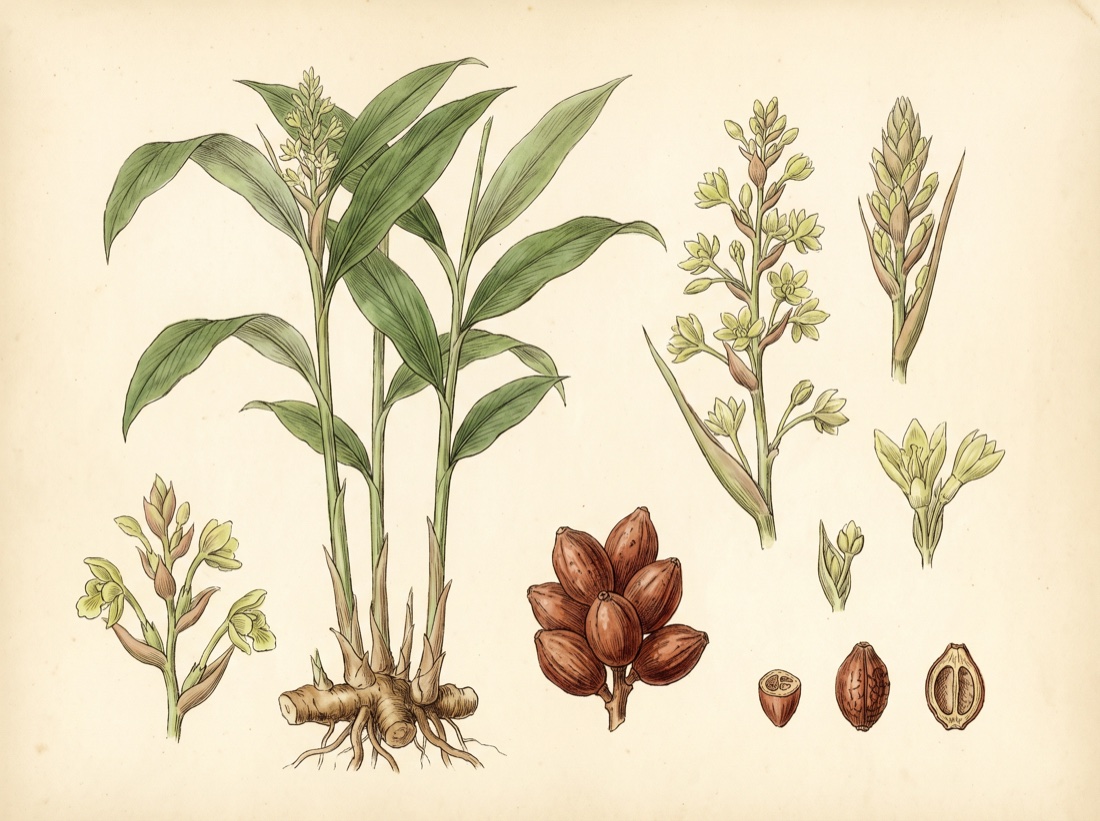 tsao-koAmomum tsao-ko
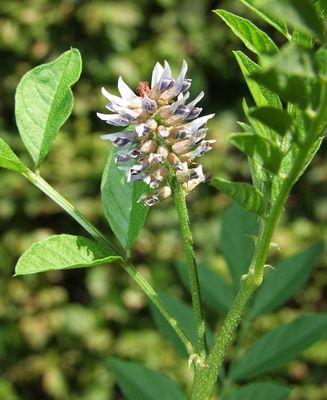 Licorice rootGlycyrrhiza glabra
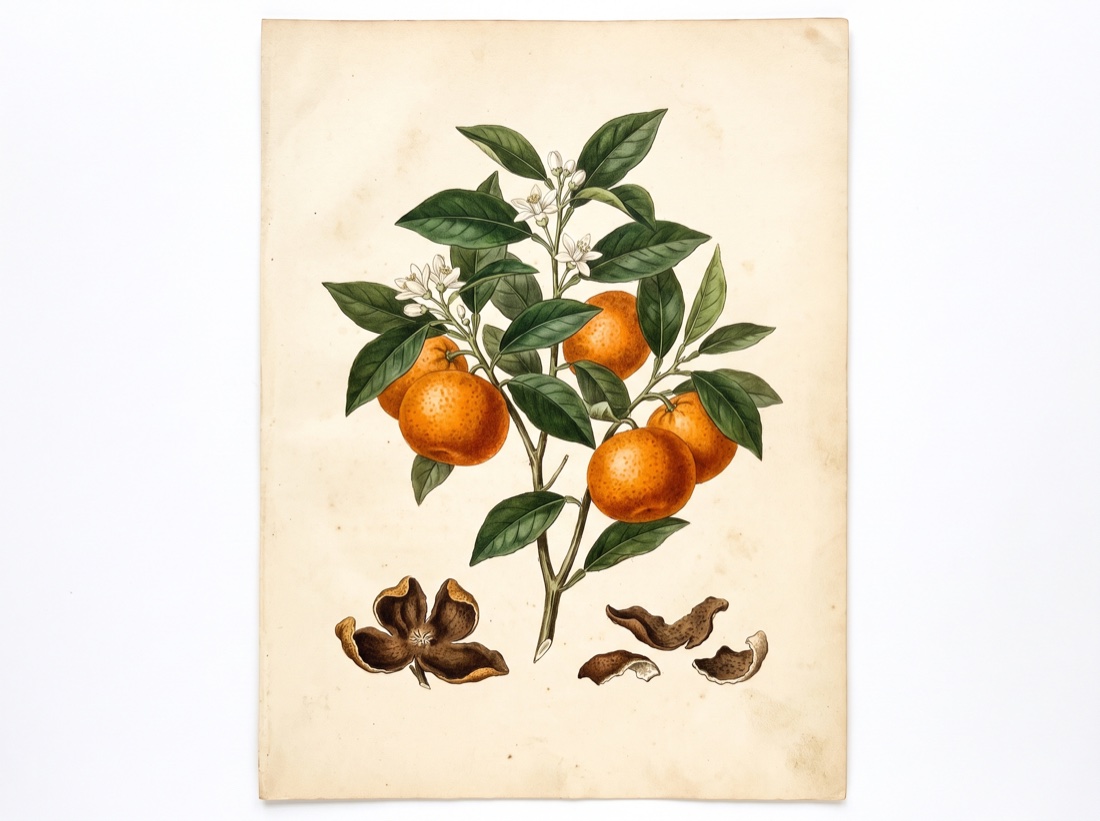 tangerineCitrus reticulata
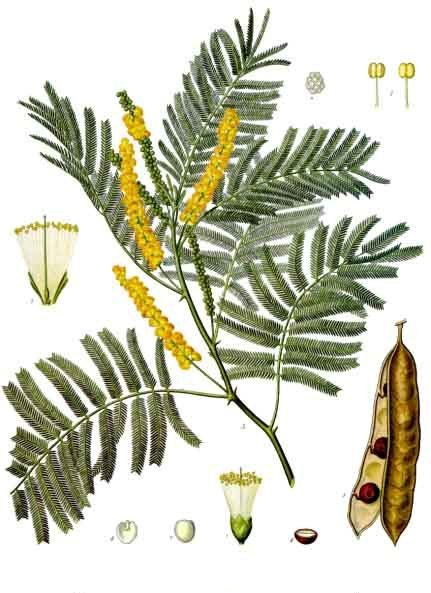 cutch treeAcacia catechu
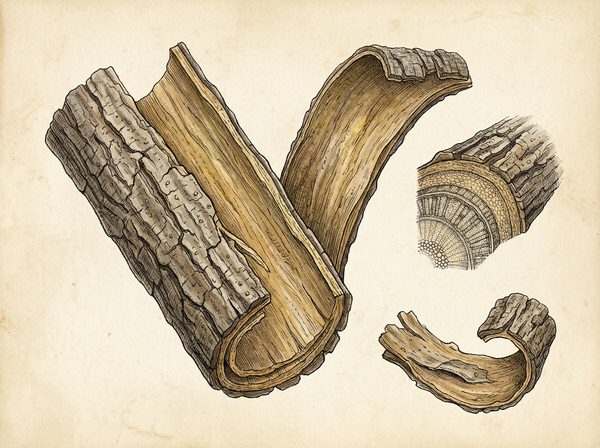 Magnolia BarkMagnolia officinalis
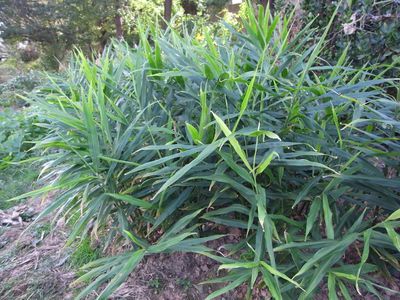 GingerZingiber officinale
Nearby on the shelf
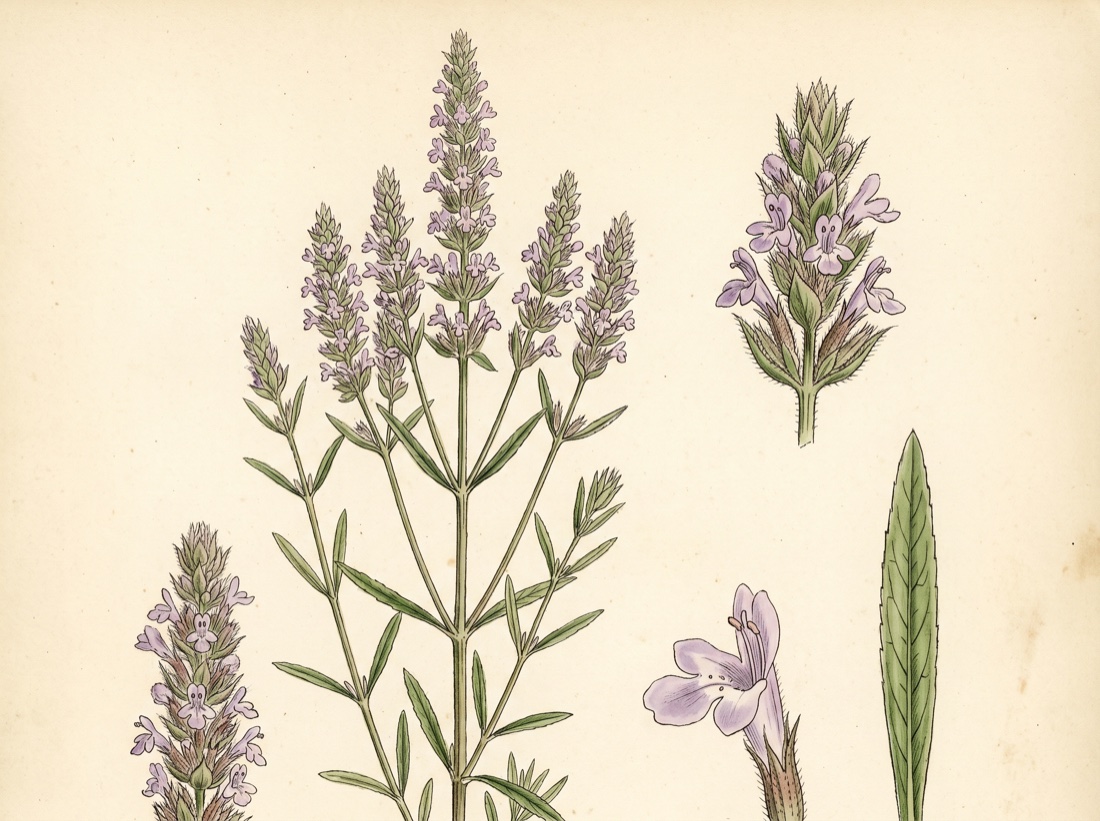 Chinese moslaMosla chinensis
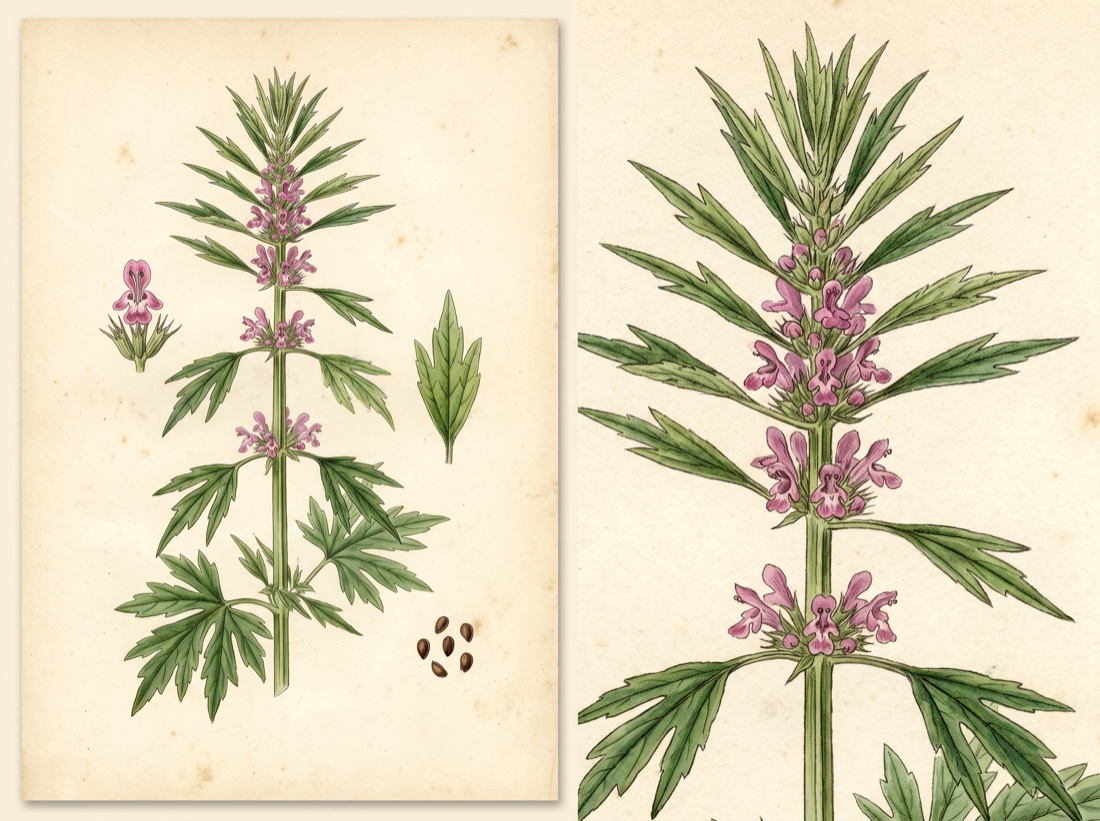 Chinese motherwortLeonurus japonicus
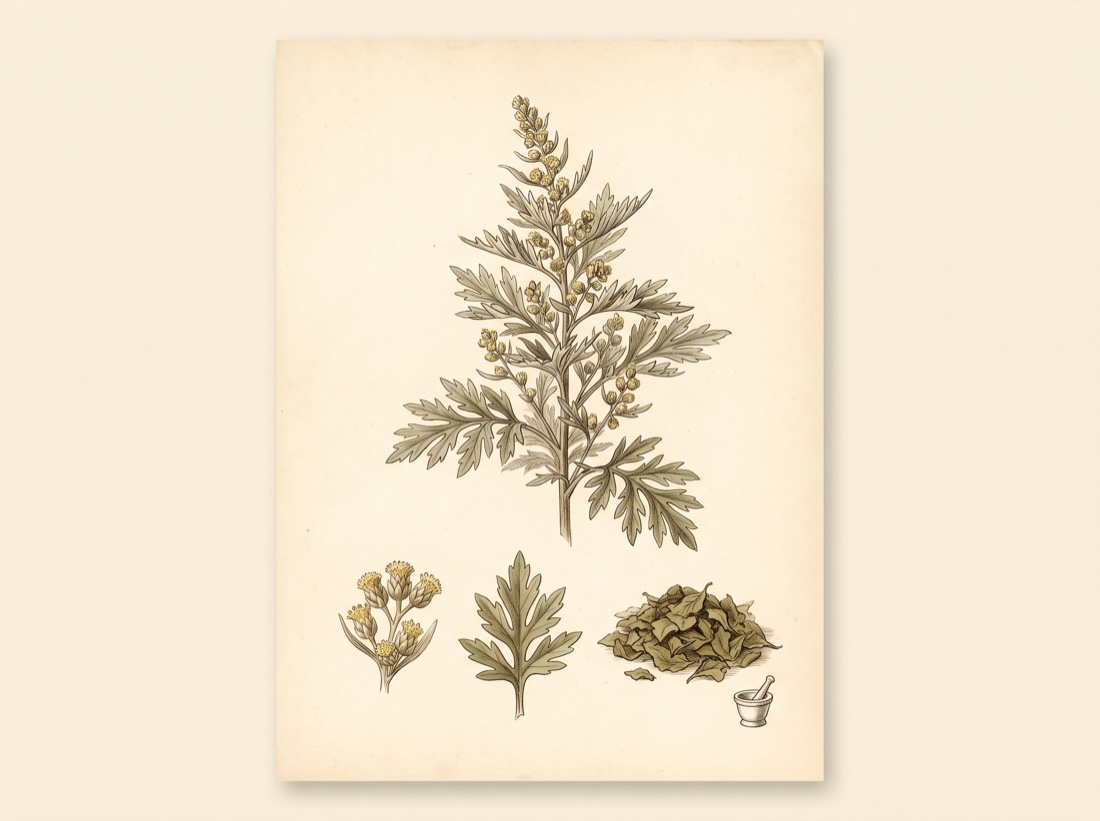 Chinese mugwortArtemisia argyi
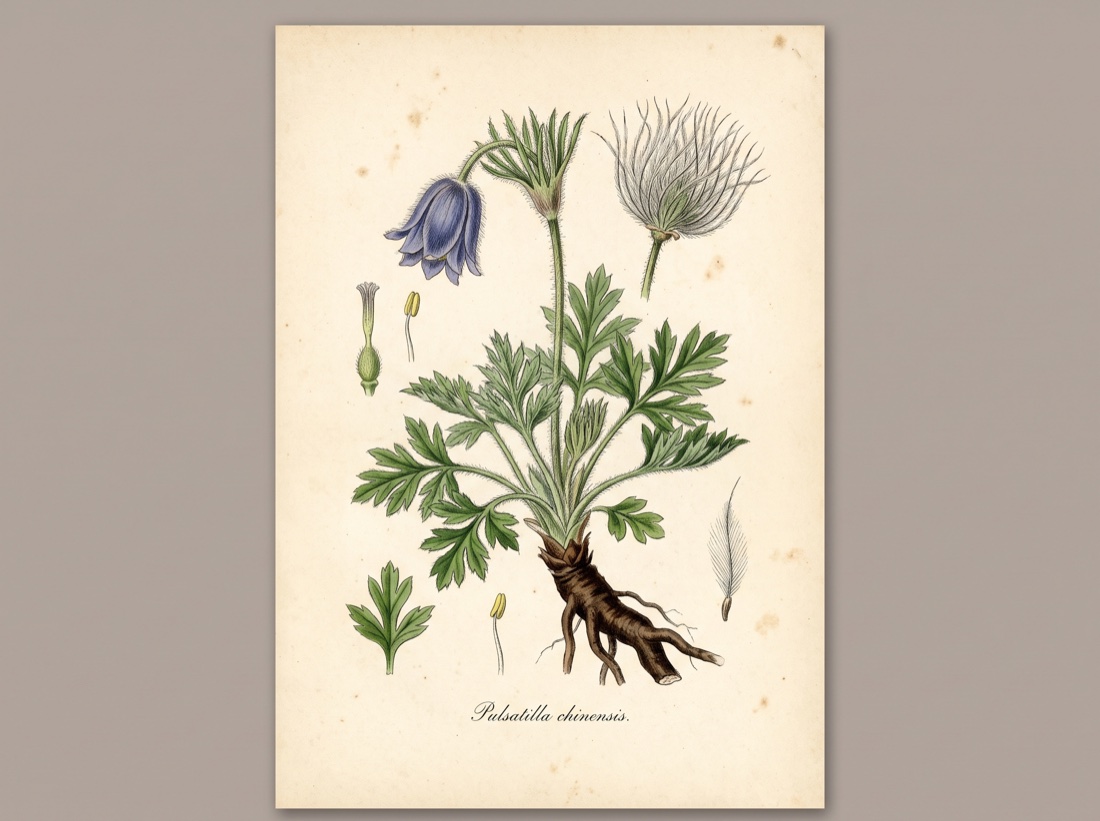 Chinese pulsatillaPulsatilla chinensis
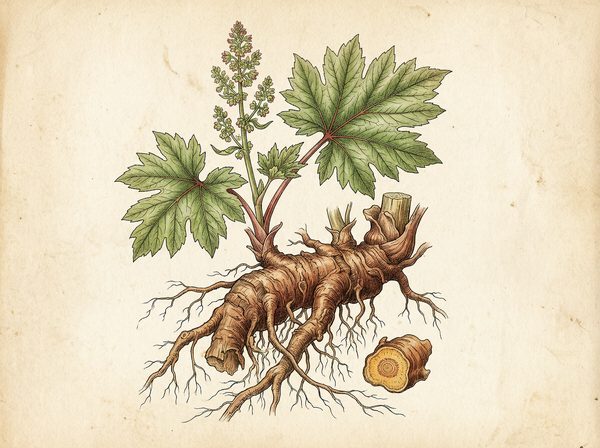 Chinese RhubarbRheum palmatum
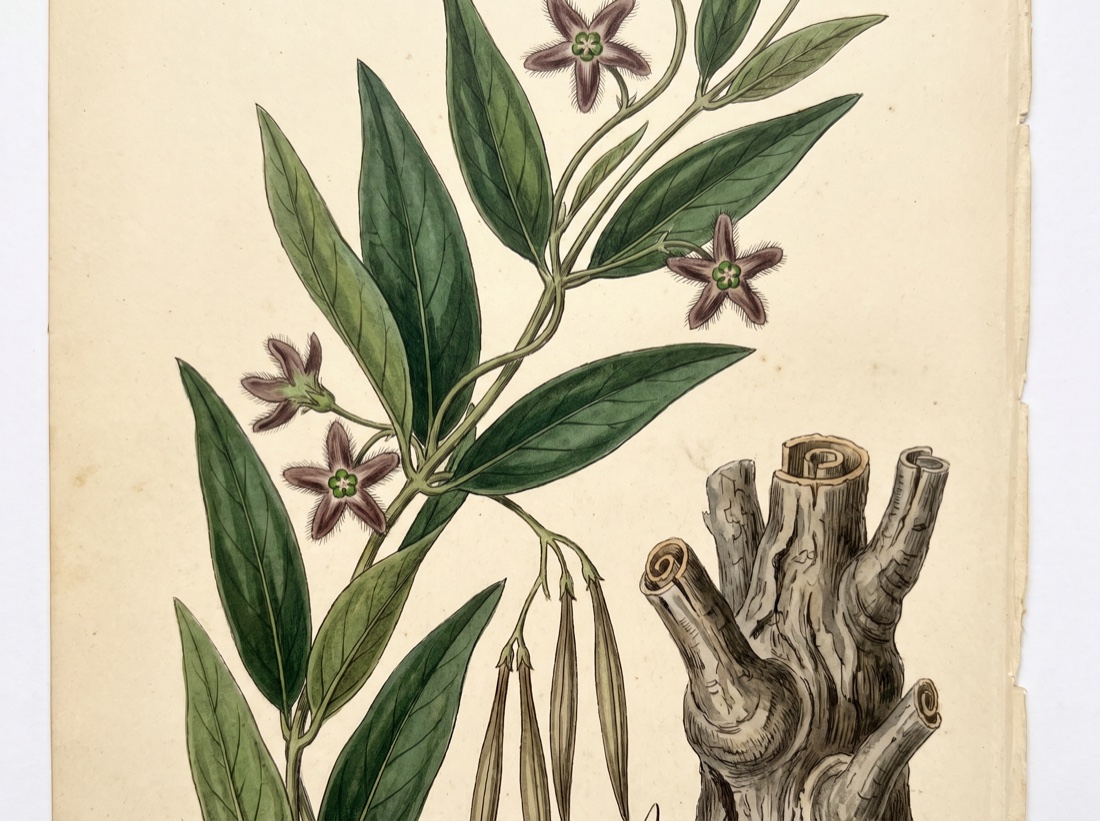 Chinese silk vinePeriploca sepium
 Chinese skullcapScutellaria baicalensis
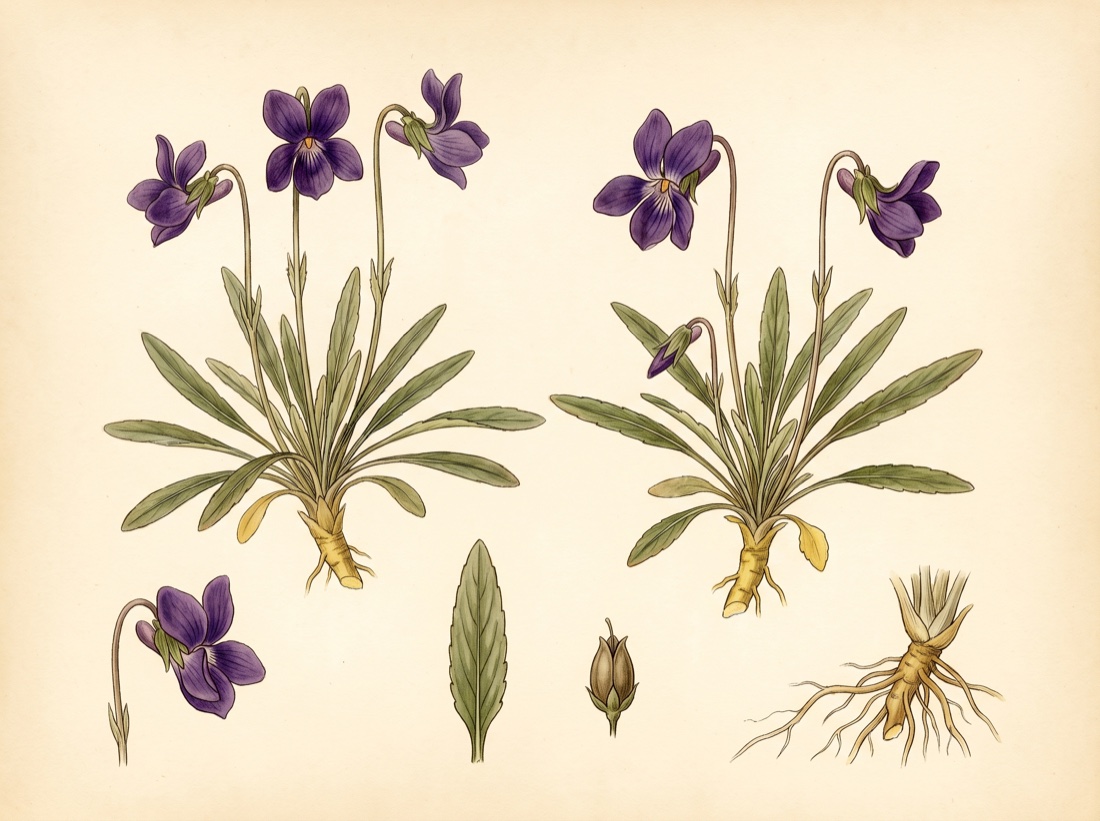 Chinese violetViola philippica
The whole plate is in the library. The compass, Compare, the Sky of eleven hundred plants and the formulary open with an email address and a password, free, with the formula builder and its safety engine. Herbert without limit, his formulating, clients, the handouts and the labels are the paid room.
Open the library, free