Chinese Herbalism
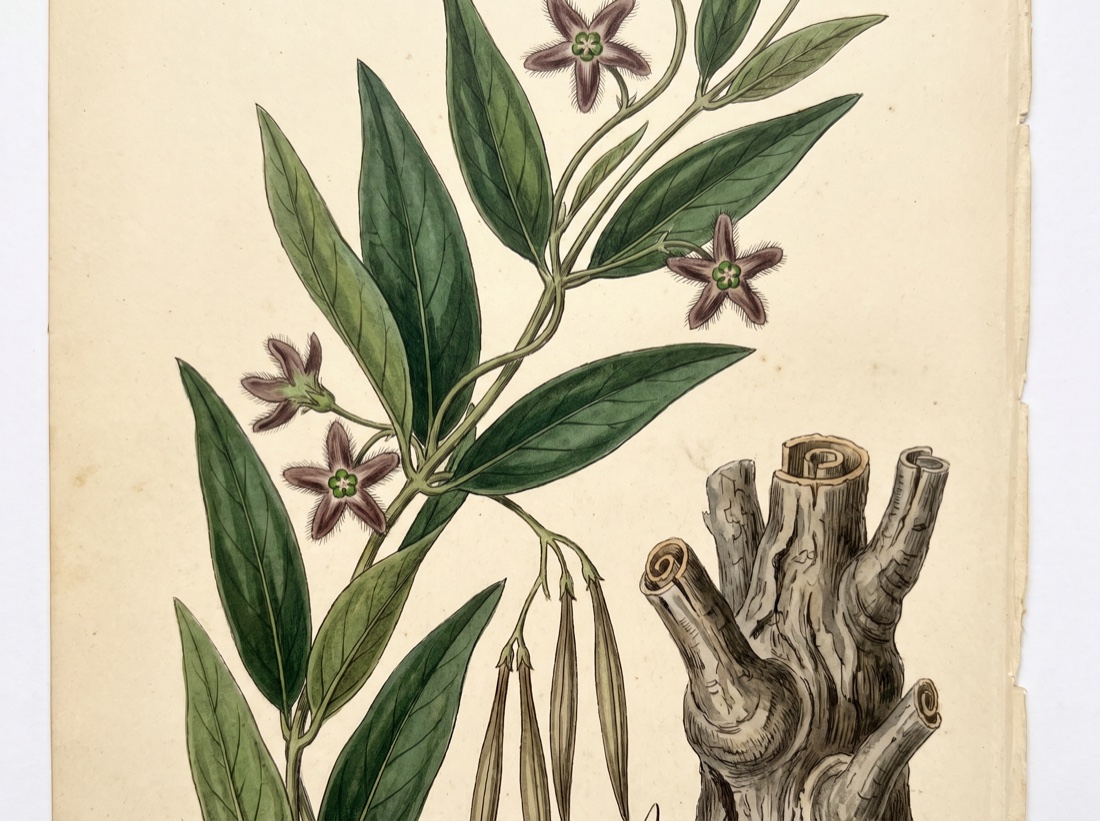
Chinese silk vine
Periploca sepium
Also known as silk vine, periploca, northern wu jia pi (trade name, a source of dangerous confusion), xiāng jiā pí, xiāng wǔ jiā pí, běi wǔ jiā pí.
Chinese silk vine is a twining deciduous shrub of the dogbane family (formerly Asclepiadaceae), common on dry hillsides across northern China. The medicine, xiang jia pi, is the dried root bark, recognized by its strong, sweetish aromatic smell. It has a long use for rheumatic pain and edema, but it is a cardiac glycoside plant and belongs to the restricted group. Its trade names 'xiang wu jia pi' and 'bei wu jia pi' have led to substitution for the harmless wu jia pi (Acanthopanax gracilistylus root bark) with fatal results.

Ask Herbert about Chinese silk vine. Herbert is the master herbalist inside Bountiful Herbs: he answers from this plate and eleven hundred others, with dosing, pairing and cautions. Your first ten questions are free.
Ask HerbertActions
Indications what the tradition reached for it in
- Wind-damp painful obstruction with cold, stiff joints
- Rheumatoid arthritis (short course, in formula)
- Chronic joint pain worse in damp weather
- Weakness and aching of the lower back and knees
- Edema with scanty urine
- Edema of cardiac origin (historical, supervised use only)
- Palpitations with swelling in a weak heart (historical)
- Soft tissue swelling after injury (topical liniment)
- Numbness and heaviness of the limbs from damp
Specific indications
Aching, stiff, cold joints that worsen in damp weather in a patient who also has pitting ankle edema and scanty urine
Lower back and knee weakness with joint pain in an older patient, where a short, supervised course inside a formula is acceptable
Safety
Recognised toxicity. This plant carries a toxicity flag in the record; it is for trained practitioners only.
Low dose botanical. Used in drop doses in the classical practice; not a plant to dose freely.
The record lists 12 contraindications; open the plate in the library to read them in full.
In practice
This is a herb to know so that you can recognize it, avoid it where it does not belong, and use it briefly where it does. The classical picture is cold, damp, aching joints with weakness of the back and knees plus fluid retention, in an older patient with sluggish circulation.
In Chinese medicine
Temperature: warm, toxic. Taste: acrid, bitter. Channels: Liver, Kidney, Heart. Actions: Dispels wind-dampness and relieves painful obstruction in the joints; Strengthens the sinews and bones in weakness of the lower back and knees; Promotes urination and reduces edema, including the swelling of a failing heart in older texts; Mildly strengthens the heart (a cardiac glycoside effect that is also the source of its toxicity).
Dosing as the sources wrote it
| Preparation | As written | Metric |
|---|---|---|
| Decoction (short course only) | 3-6 g dried root bark daily | 3000-6000 mg |
| Powder in pills | 0.5-1.5 g dried root bark daily | 500-1500 mg |
| Liniment (external) | 1:5 tincture applied to unbroken skin twice daily |
Doses are reproduced from the sources for practitioners and are not a recommendation for any person.
From the sources
Overview. Chinese silk vine is a twining deciduous shrub of the dogbane family (formerly Asclepiadaceae), common on dry hillsides across northern China. The medicine, xiang jia pi, is the dried root bark, recognized by its strong, sweetish aromatic smell. It has a long use for rheumatic pain and edema, but it is a cardiac glycoside plant and belongs to the restricted group. Its trade names 'xiang wu jia pi' and 'bei wu jia pi' have led to substitution for the harmless wu jia pi (Acanthopanax gracilistylus root bark) with fatal results.
Clinical Notes. This is a herb to know so that you can recognize it, avoid it where it does not belong, and use it briefly where it does. The classical picture is cold, damp, aching joints with weakness of the back and knees plus fluid retention, in an older patient with sluggish circulation.
Chinese Medicine Profile. Temperature: warm, toxic. Taste: acrid, bitter. Channels: Liver, Kidney, Heart. Actions: Dispels wind-dampness and relieves painful obstruction in the joints; Strengthens the sinews and bones in weakness of the lower back and knees; Promotes urination and reduces edema, including the swelling of a failing heart in older texts; Mildly strengthens the heart (a cardiac glycoside effect that is also the source of its toxicity).
Nearby on the shelf
 Chinese mugwortArtemisia argyi
 Chinese pulsatillaPulsatilla chinensis
 Chinese quinineDichroa febrifuga
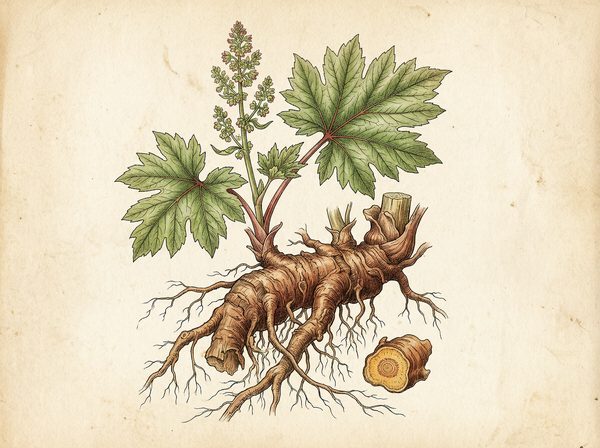 Chinese RhubarbRheum palmatum
 Chinese skullcapScutellaria baicalensis
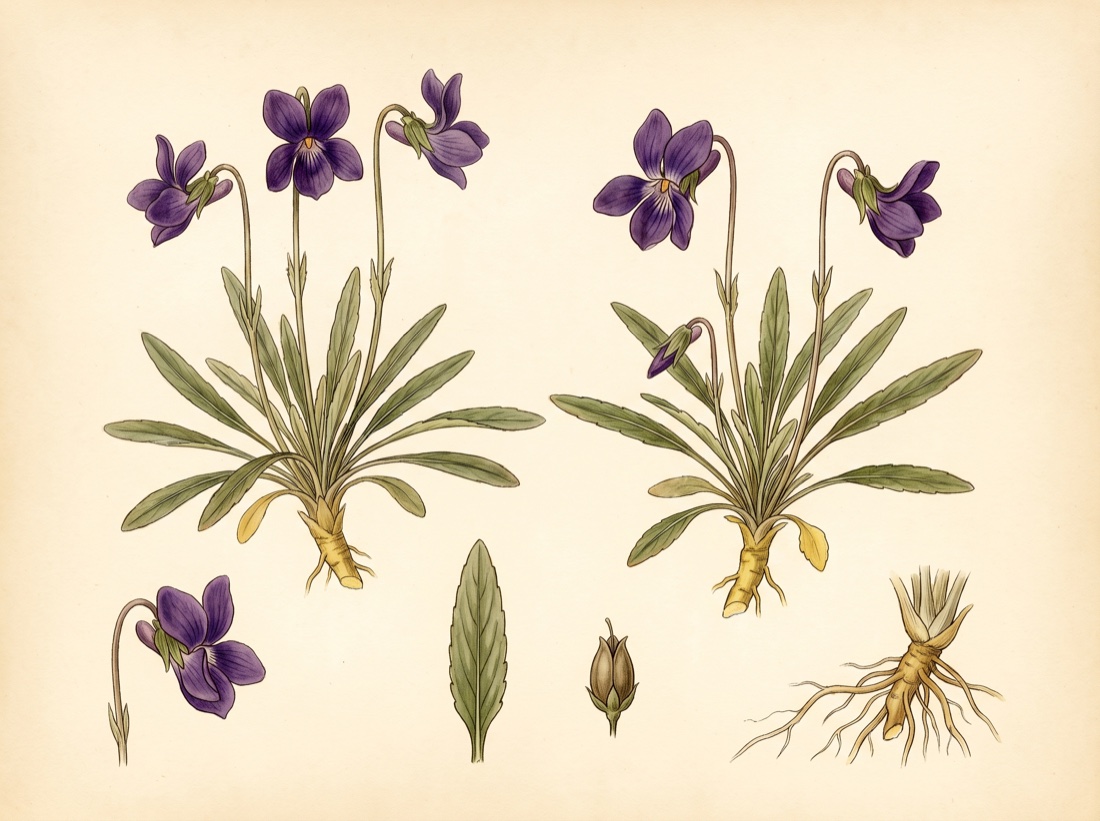 Chinese violetViola philippica
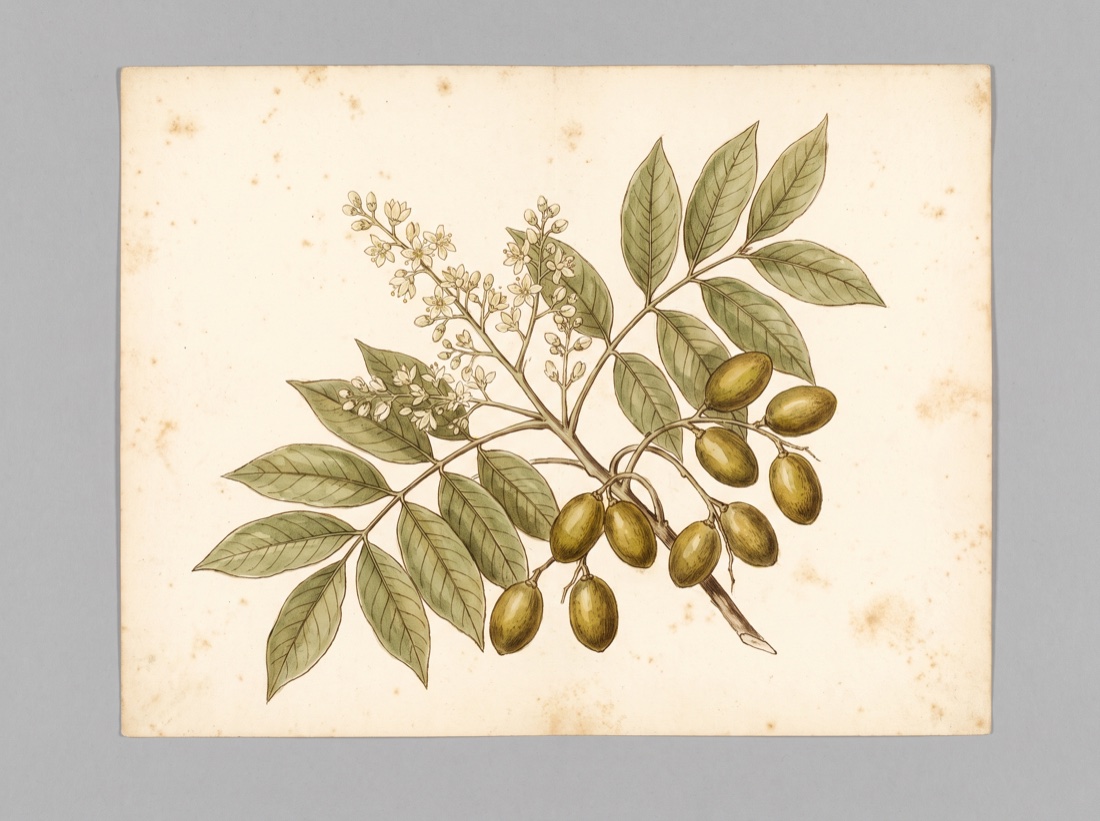 Chinese white oliveCanarium album
 Chinese windmill palmTrachycarpus fortunei
The whole plate is in the library. The compass, Compare, the Sky of eleven hundred plants and the formulary open with an email address and a password, free, with the formula builder and its safety engine. Herbert without limit, his formulating, clients, the handouts and the labels are the paid room.
Open the library, free