Chinese Herbalism
Chinese violet
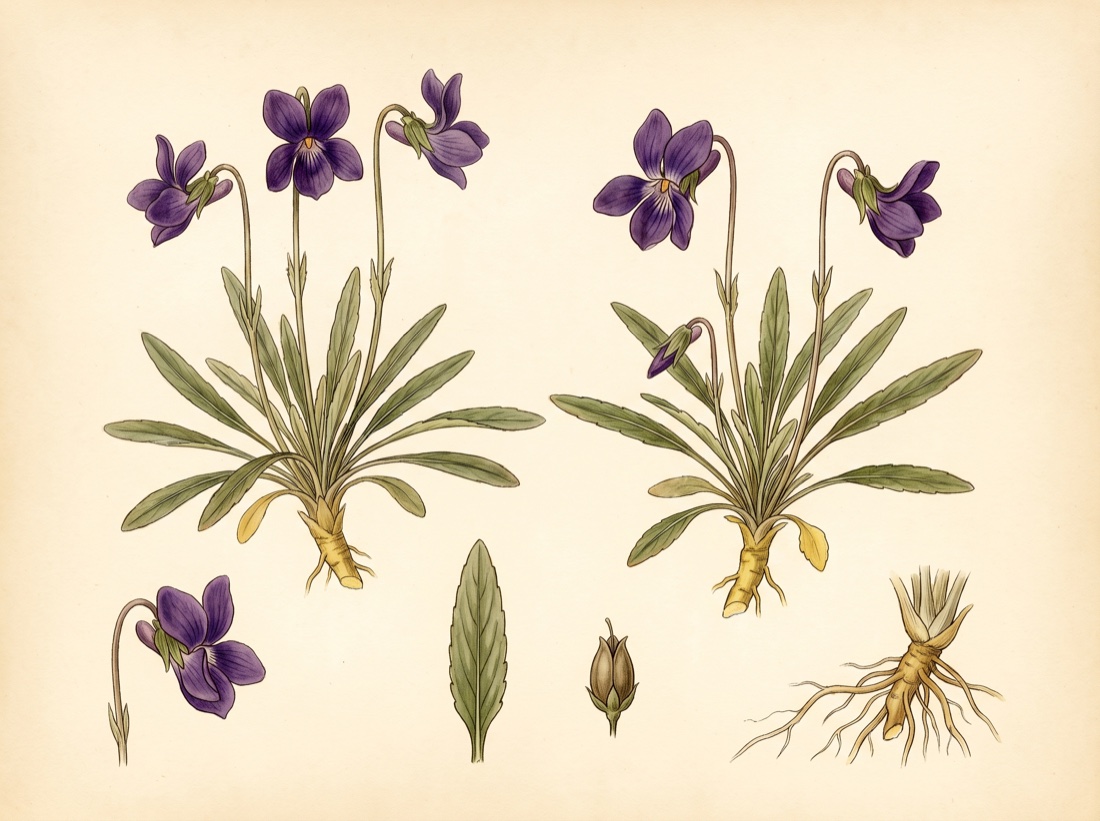
Viola philippica
Also known as purple-flowered violet, Yedo violet, Tokyo violet, zi hua di ding, zǐ huā dì dīng, dì dīng cǎo, jiàn tóu cǎo.
Zi hua di ding is a small stemless violet with purple flowers that grows in lawns, field edges and open ground across China, Korea and Japan. The whole plant is gathered in spring and used fresh or dried. It is one of the standard heat-clearing, toxin-resolving herbs of the Chinese materia medica, most familiar as a member of the classical formula for boils and carbuncles alongside honeysuckle flower, dandelion and wild chrysanthemum. The pharmacopoeia lists it under the name Viola yedoensis, which botanists now treat as the same species as Viola philippica.

Ask Herbert about Chinese violet. Herbert is the master herbalist inside Bountiful Herbs: he answers from this plate and eleven hundred others, with dosing, pairing and cautions. Your first ten questions are free.
Ask HerbertActions
Indications what the tradition reached for it in
- Boils, furuncles and carbuncles with redness, heat and pain
- Acute mastitis
- Cellulitis and erysipelas
- Acute appendicitis and intestinal abscess (in formula, with medical care)
- Acute tonsillitis and sore throat with heat
- Red, swollen, painful eyes from liver fire
- Infected acne and folliculitis
- Snakebite and insect stings (fresh plant applied, alongside medical care)
- Damp-heat jaundice (supporting herb)
- Skin infections resistant to standard antibiotics (adjunct, preclinical support)
Specific indications
A hot, red, raised boil or early carbuncle with a hard core, in a patient who is thirsty and feverish with a red tongue and yellow coat
A breastfeeding mother with a hot, tender, reddened segment of the breast in the first day or two, where the aim is to disperse before an abscess forms
Safety
The record lists 5 contraindications; open the plate in the library to read them in full.
In practice
This is a clean, reliable herb for hot, toxic swellings of the skin and mucous membranes. Think of it when a boil, abscess or stye is red, hot and painful, when mastitis is beginning, or when tonsillitis is fiery.
In Chinese medicine
Temperature: cold. Taste: bitter, acrid. Channels: Heart, Liver. Actions: Clears heat and resolves fire toxin, the action behind its use for hot, red, painful sores; Cools the blood and disperses swelling in boils, carbuncles and abscesses; Clears liver heat from the eyes and throat; Draws out toxin when the fresh plant is crushed and applied to bites and stings.
Dosing as the sources wrote it
| Preparation | As written | Metric |
|---|---|---|
| Decoction | 15-30 g dried whole plant daily | 15000-30000 mg |
| Fresh plant (decoction or juice) | 30-60 g fresh whole plant daily | 30000-60000 mg |
| Poultice or wash (external) | crushed fresh plant or strong decoction applied to the affected area twice daily |
Doses are reproduced from the sources for practitioners and are not a recommendation for any person.
From the sources
Overview. Zi hua di ding is a small stemless violet with purple flowers that grows in lawns, field edges and open ground across China, Korea and Japan. The whole plant is gathered in spring and used fresh or dried. It is one of the standard heat-clearing, toxin-resolving herbs of the Chinese materia medica, most familiar as a member of the classical formula for boils and carbuncles alongside honeysuckle flower, dandelion and wild chrysanthemum. The pharmacopoeia lists it under the name Viola yedoensis, which botanists now treat as the same species as Viola philippica.
Clinical Notes. This is a clean, reliable herb for hot, toxic swellings of the skin and mucous membranes. Think of it when a boil, abscess or stye is red, hot and painful, when mastitis is beginning, or when tonsillitis is fiery.
Chinese Medicine Profile. Temperature: cold. Taste: bitter, acrid. Channels: Heart, Liver. Actions: Clears heat and resolves fire toxin, the action behind its use for hot, red, painful sores; Cools the blood and disperses swelling in boils, carbuncles and abscesses; Clears liver heat from the eyes and throat; Draws out toxin when the fresh plant is crushed and applied to bites and stings.
In formulas
Chinese violet stands in 12 documented formulas in the library, among them wũ wèi xião dú yin, yín hua jiẽ dú tàng, wũ shén tǎng, ging gân yin.
Often paired with
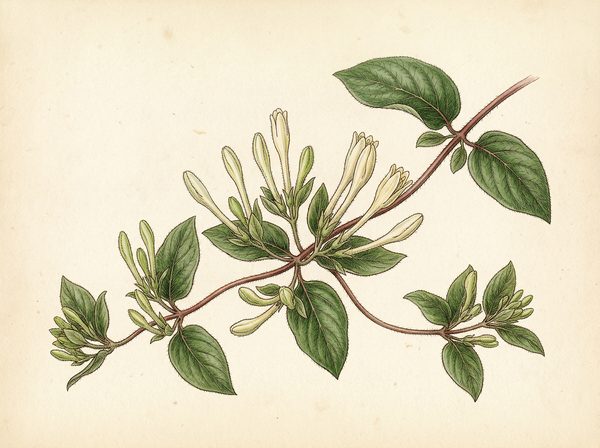 HoneysuckleLonicera japonica
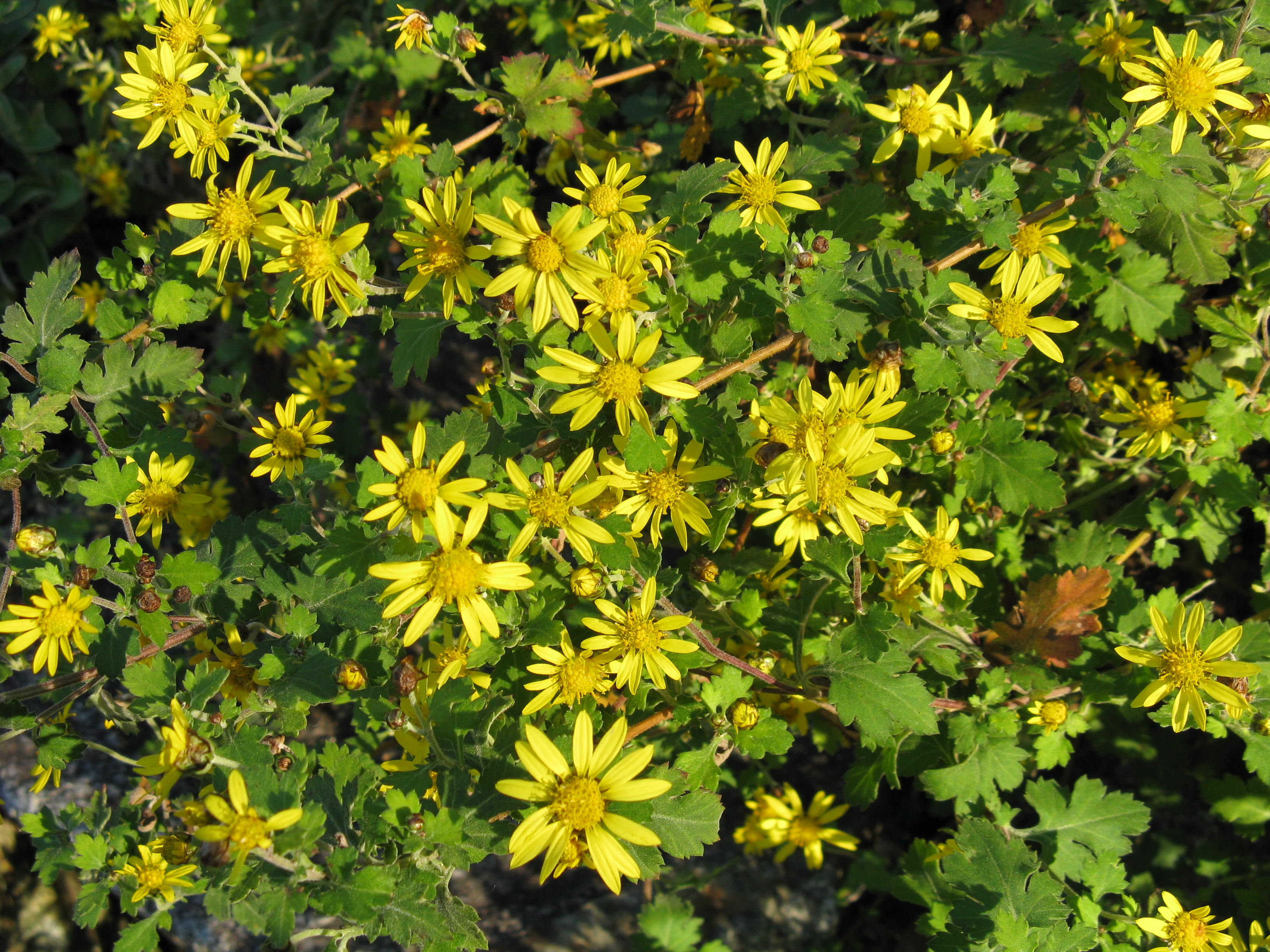 Ye Ju HuaChrysanthemum indicum
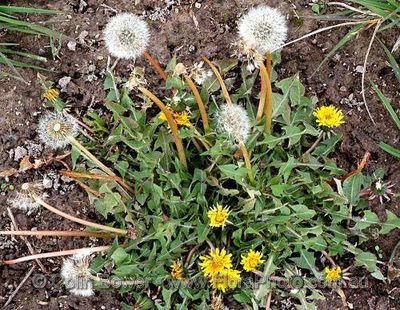 DandelionTaraxacum officinale
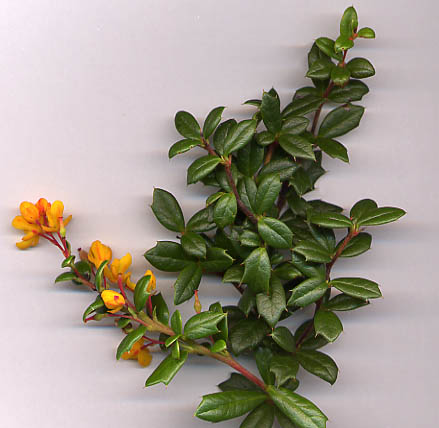 BarberryBerberis vulgaris
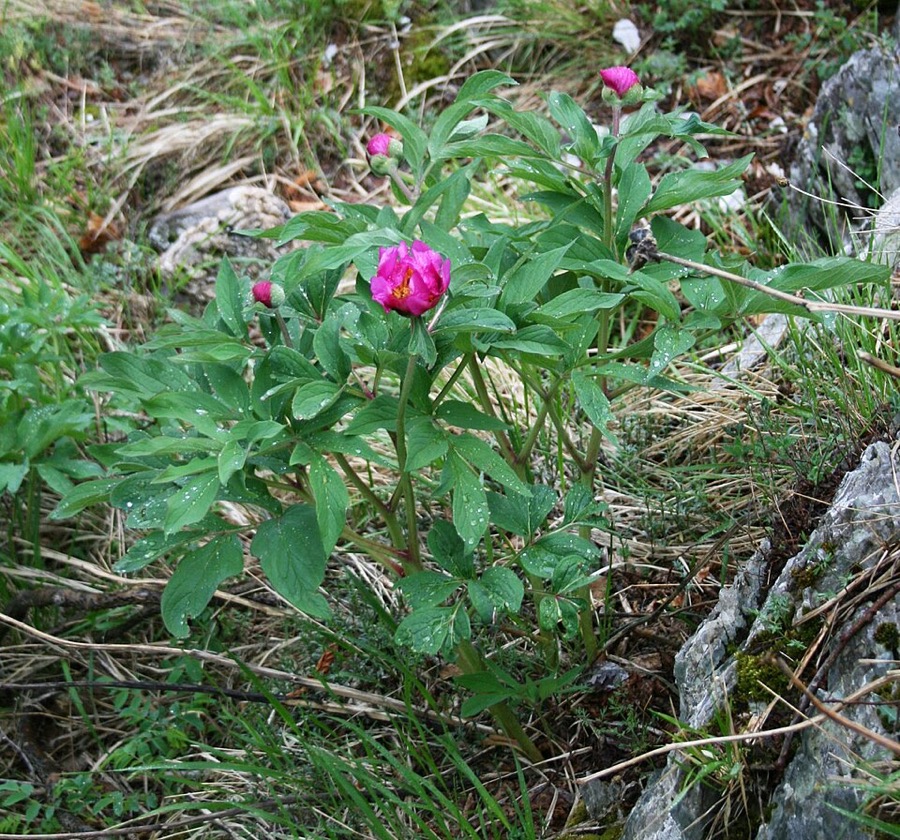 PeonyPeonia officinalis
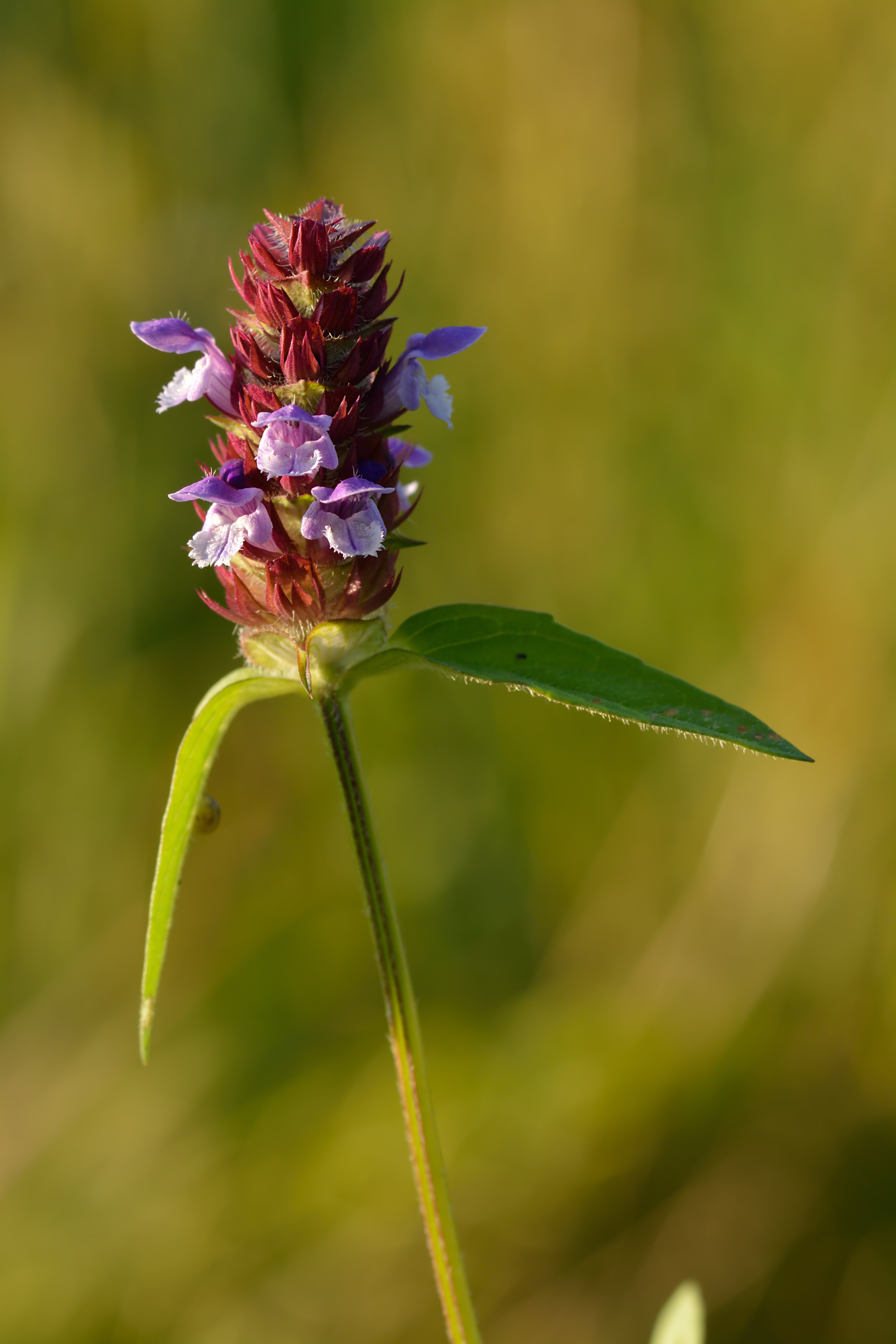 Self-HealPrunella vulgaris
Nearby on the shelf
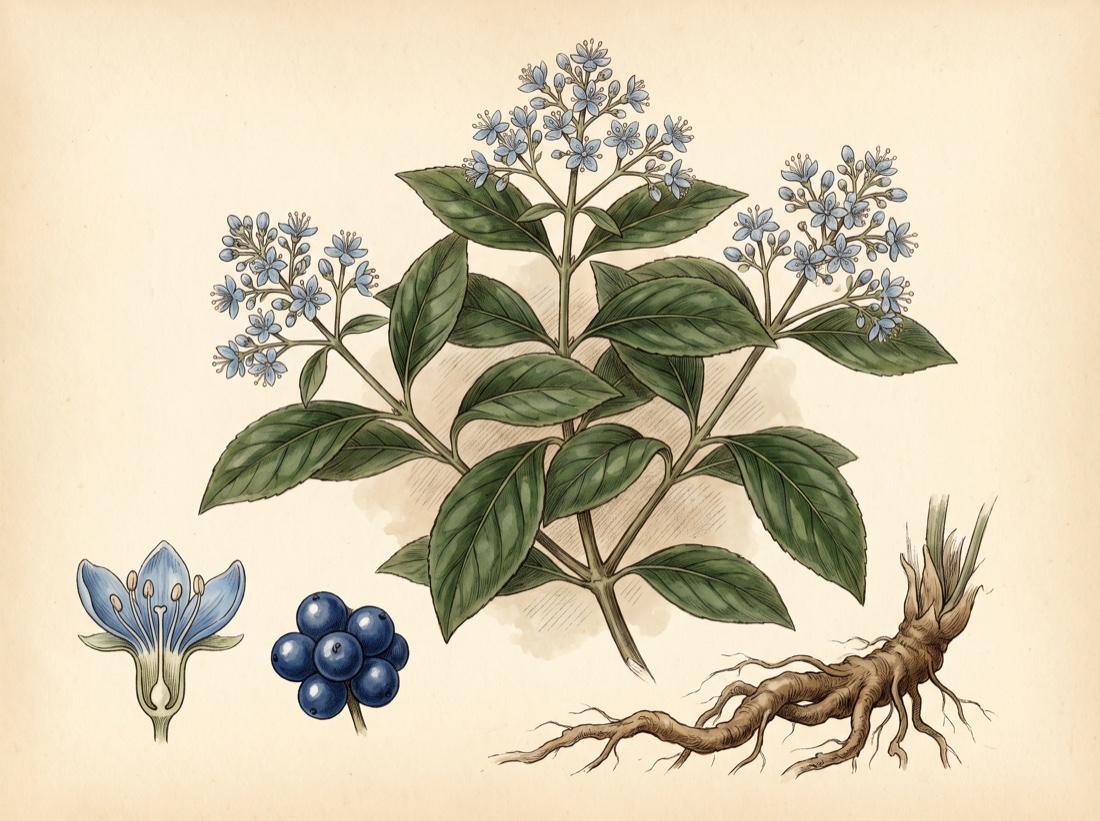 Chinese quinineDichroa febrifuga
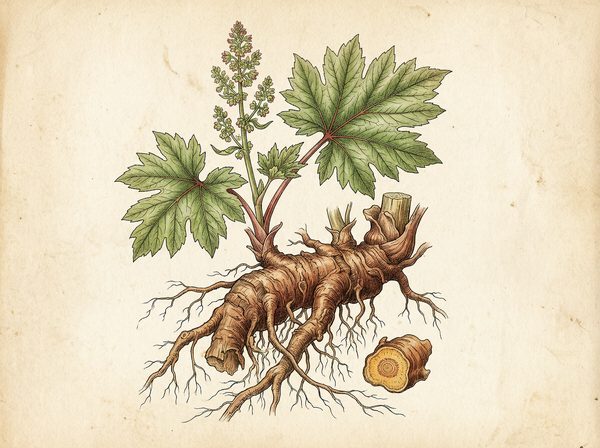 Chinese RhubarbRheum palmatum
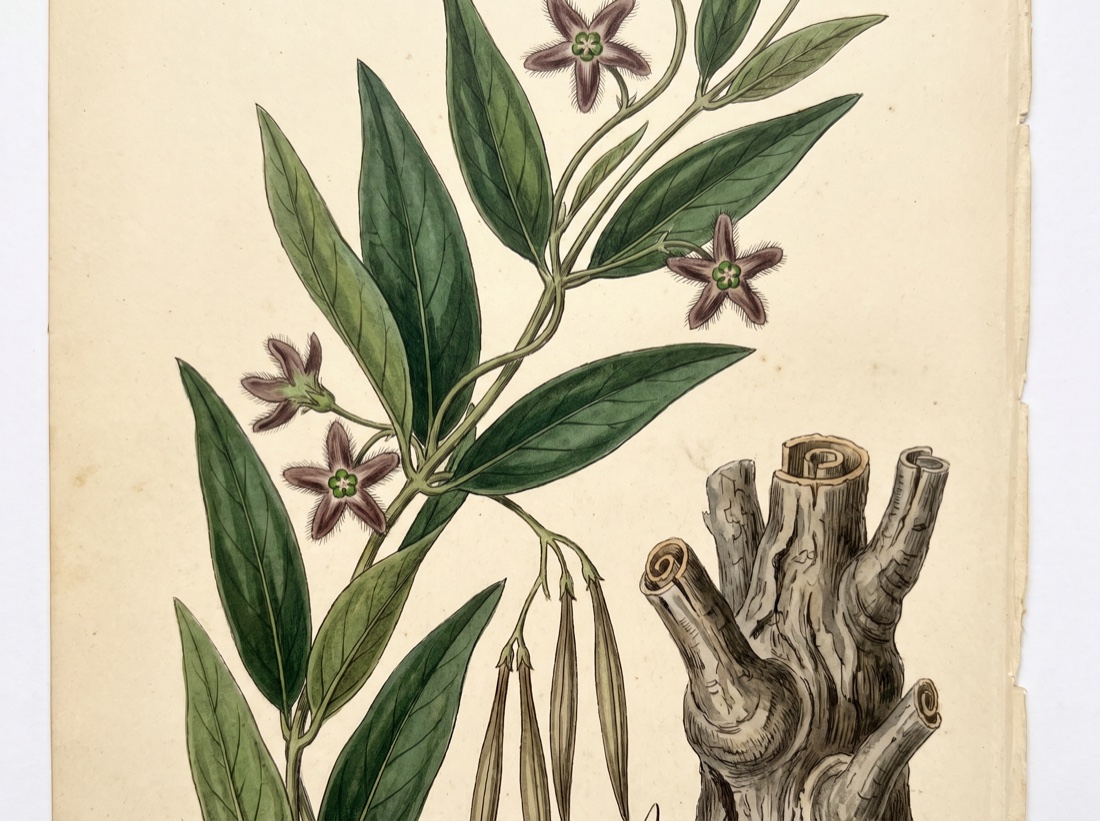 Chinese silk vinePeriploca sepium
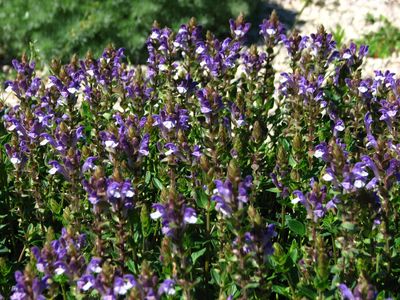 Chinese skullcapScutellaria baicalensis
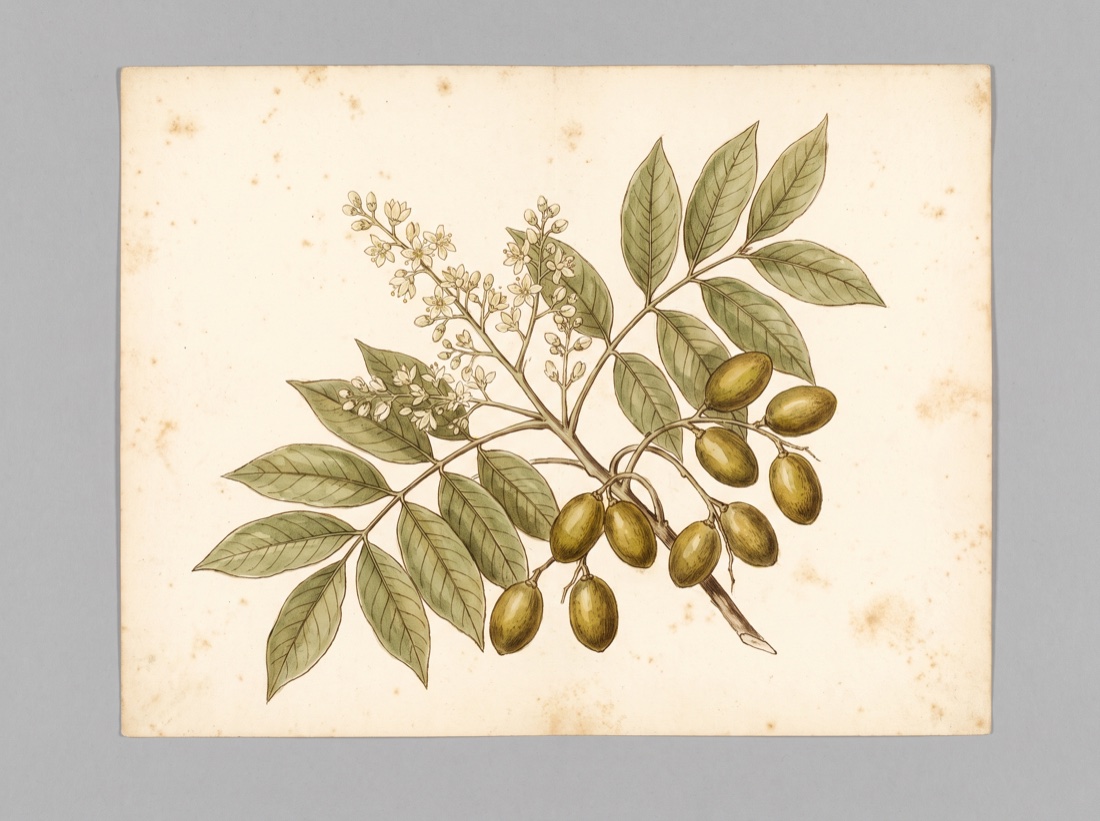 Chinese white oliveCanarium album
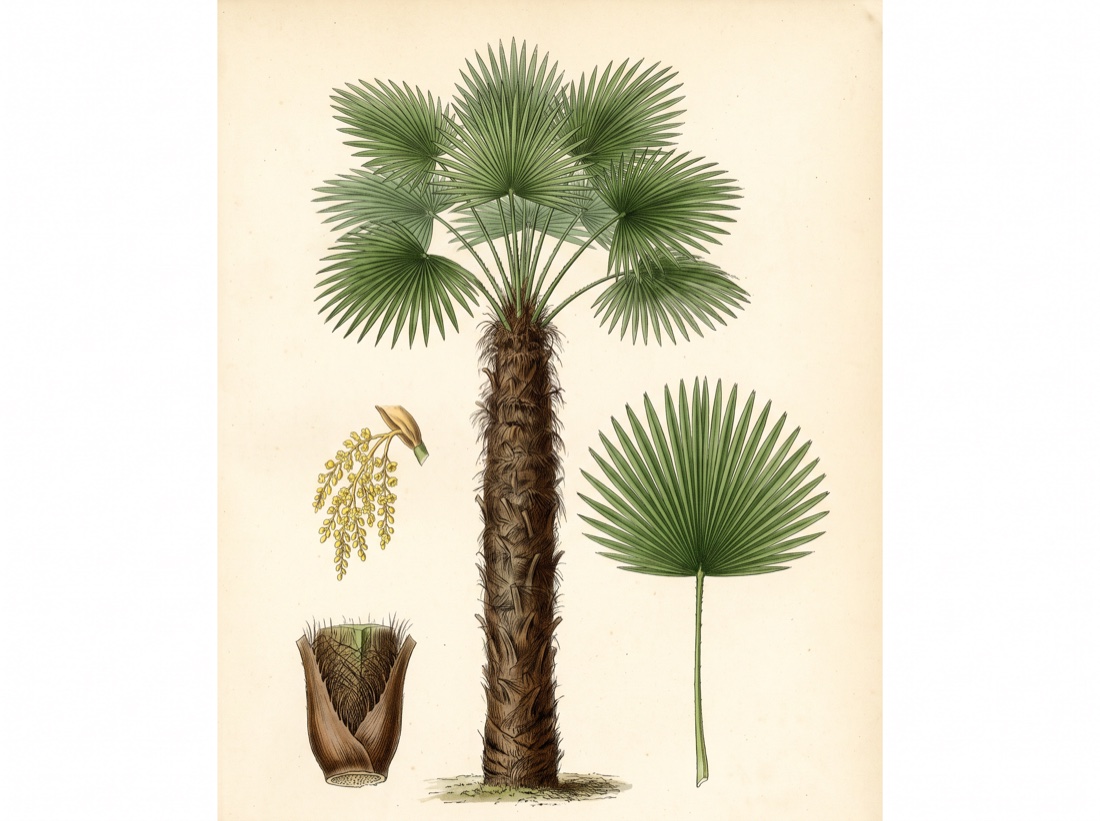 Chinese windmill palmTrachycarpus fortunei
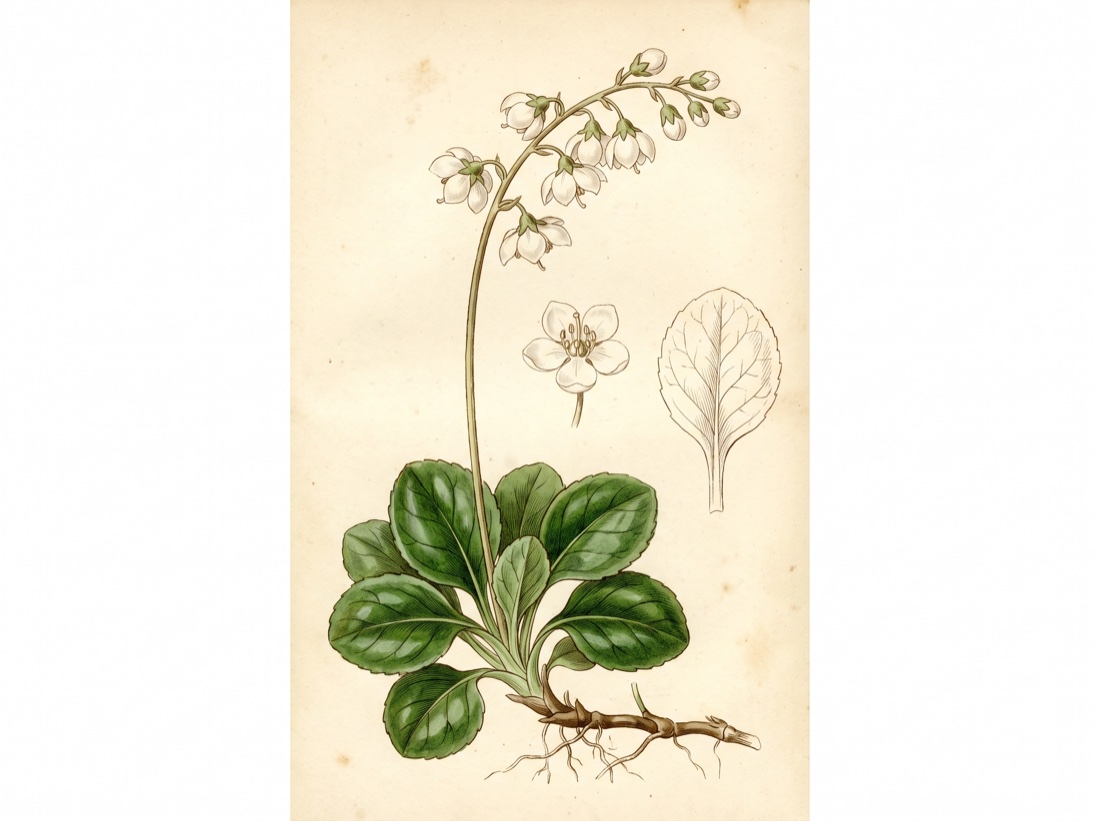 Chinese wintergreenPyrola calliantha
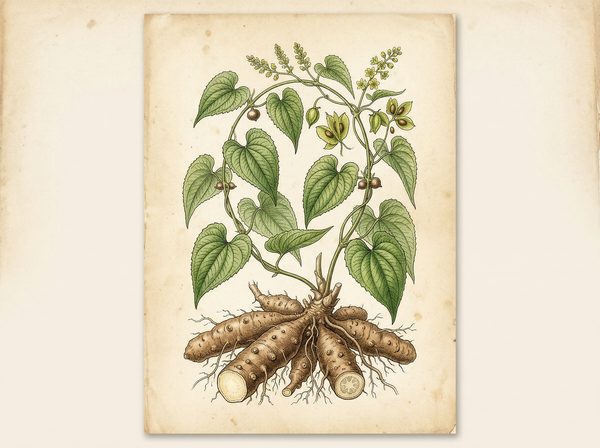 Chinese YamDioscorea opposita
The whole plate is in the library. The compass, Compare, the Sky of eleven hundred plants and the formulary open with an email address and a password, free, with the formula builder and its safety engine. Herbert without limit, his formulating, clients, the handouts and the labels are the paid room.
Open the library, free