Chinese Herbalism
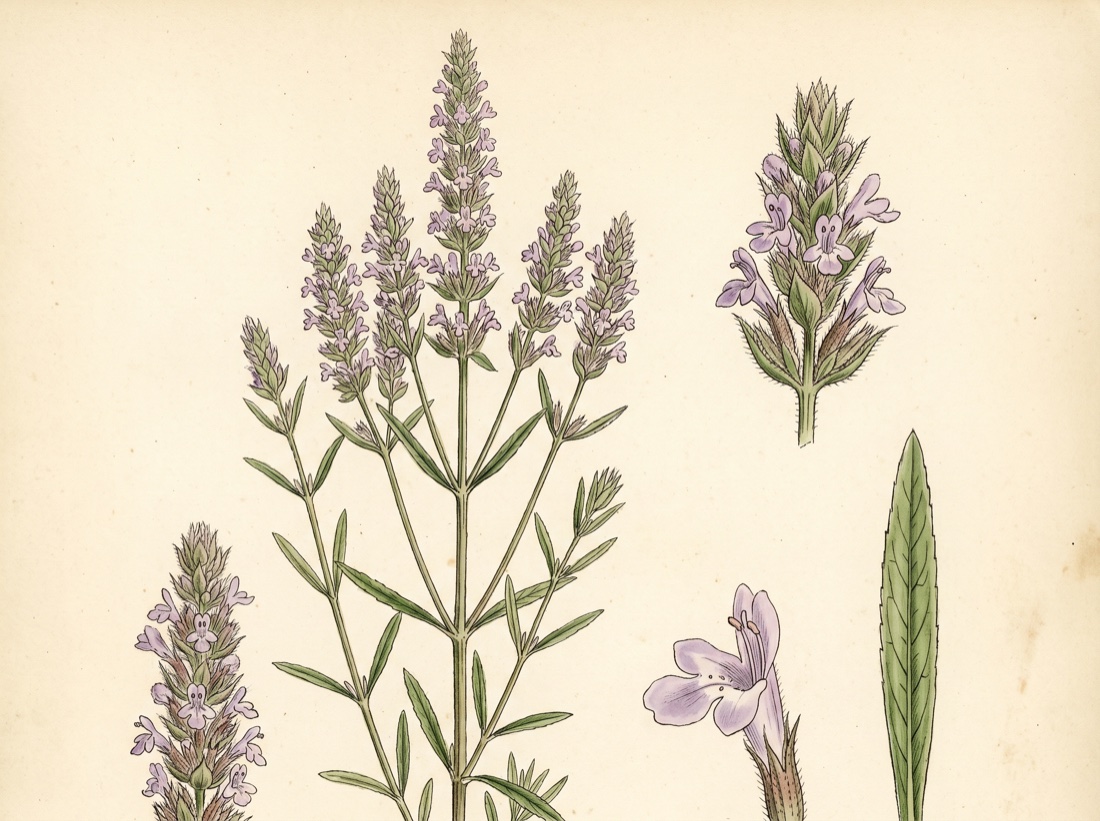
Chinese mosla
Mosla chinensis
Also known as mosla, aromatic madder, Chinese summer mint, xiang ru, xiāng rú, jiāng xiāng rú, shí xiāng rú.
Xiang ru is the dried flowering and fruiting herb of Mosla chinensis, a small aromatic annual mint of hillsides and field margins across central and southern China. The Chinese Pharmacopoeia accepts the wild plant (shi xiang ru) and the cultivated Jiangxi form (jiang xiang ru); historically several Elsholtzia species were also sold under the name and still are in some regions. It is often called the summer ephedra, because it opens the pores and drives out a cold that has been caught in hot, humid weather while also settling the damp-laden stomach.

Ask Herbert about Chinese mosla. Herbert is the master herbalist inside Bountiful Herbs: he answers from this plate and eleven hundred others, with dosing, pairing and cautions. Your first ten questions are free.
Ask HerbertActions
Indications what the tradition reached for it in
- Summer cold with chills, fever, headache and no sweating
- Summerheat-damp with vomiting, diarrhea and abdominal pain
- Chills and fever after chilling in hot weather (air conditioning, cold drinks, swimming)
- Nausea and heavy limbs from damp obstructing the middle burner
- Gastroenteritis with chills in the hot season
- Edema with reduced urination
- Influenza-like illness in summer (adjunctive)
- Damp-type diarrhea with a thick white tongue coating
- Loss of appetite with a sticky mouth in humid weather
- Bad breath and mouth sores from stagnant damp (traditional mouth wash)
Specific indications
A summer cold after sleeping under a fan or drinking iced water: chills, no sweat, heavy head, nausea and loose stools, with a white greasy tongue coat
Vomiting and diarrhea with abdominal cramping in humid heat, where it leads Xiang Ru San with hou po and bai bian dou
Puffy ankles and scanty urine with a damp, sluggish digestion in the hot months
Safety
The record lists 7 contraindications; open the plate in the library to read them in full.
In practice
Xiang ru is a seasonal herb. Reach for it in the hot months when a patient has been chilled from outside while damp sits inside: chills without sweating, headache, a heavy body, nausea, loose stools. Xiang Ru San (xiang ru, hou po, bai bian dou) is the basic prescription, and Xin Jia Xiang Ru Yin adds jin yin hua and lian qiao when heat signs are stronger, with a red throat or a higher fever.
In Chinese medicine
Temperature: slightly warm. Taste: acrid. Channels: Lung, Stomach, Spleen. Actions: Releases the exterior and induces sweating in summerheat-damp with cold; Transforms dampness and harmonizes the middle burner; Promotes urination and reduces edema.
Dosing as the sources wrote it
| Preparation | As written | Metric |
|---|---|---|
| Decoction (brief, taken cool) | 3-10 g dried herb daily | 3000-10000 mg |
| Infusion | 3-6 g dried herb per cup two to three times daily | 3000-6000 mg |
| Tincture (1:5, 45%) | 1-3 mL three times daily | 1-3 mL |
Doses are reproduced from the sources for practitioners and are not a recommendation for any person.
From the sources
Overview. Xiang ru is the dried flowering and fruiting herb of Mosla chinensis, a small aromatic annual mint of hillsides and field margins across central and southern China. The Chinese Pharmacopoeia accepts the wild plant (shi xiang ru) and the cultivated Jiangxi form (jiang xiang ru); historically several Elsholtzia species were also sold under the name and still are in some regions. It is often called the summer ephedra, because it opens the pores and drives out a cold that has been caught in hot, humid weather while also settling the damp-laden stomach.
Clinical Notes. Xiang ru is a seasonal herb. Reach for it in the hot months when a patient has been chilled from outside while damp sits inside: chills without sweating, headache, a heavy body, nausea, loose stools. Xiang Ru San (xiang ru, hou po, bai bian dou) is the basic prescription, and Xin Jia Xiang Ru Yin adds jin yin hua and lian qiao when heat signs are stronger, with a red throat or a higher fever.
Chinese Medicine Profile. Temperature: slightly warm. Taste: acrid. Channels: Lung, Stomach, Spleen. Actions: Releases the exterior and induces sweating in summerheat-damp with cold; Transforms dampness and harmonizes the middle burner; Promotes urination and reduces edema.
In formulas
Chinese mosla stands in 13 documented formulas in the library, among them shí wèi xiāng rú yn, xin jià xiāng rú yìn, rú xing tang, xiǎng rú sắn, sì wèi xiāng rú yin, wũ wù xiāng rú yin.
Often paired with
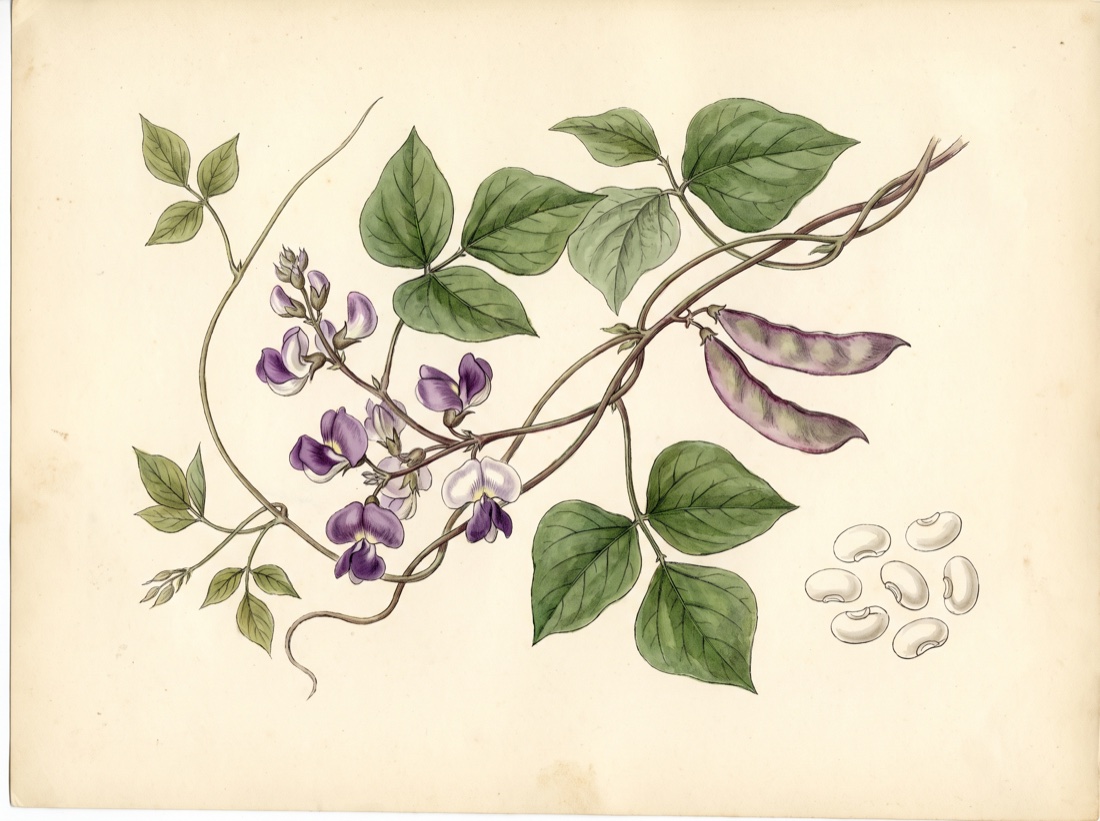 hyacinth beanLablab purpureus
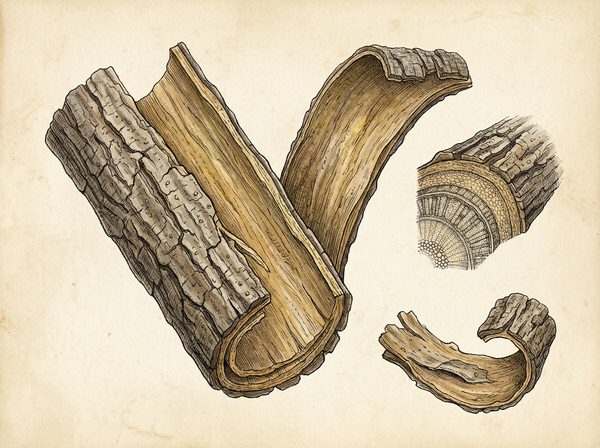 Magnolia BarkMagnolia officinalis
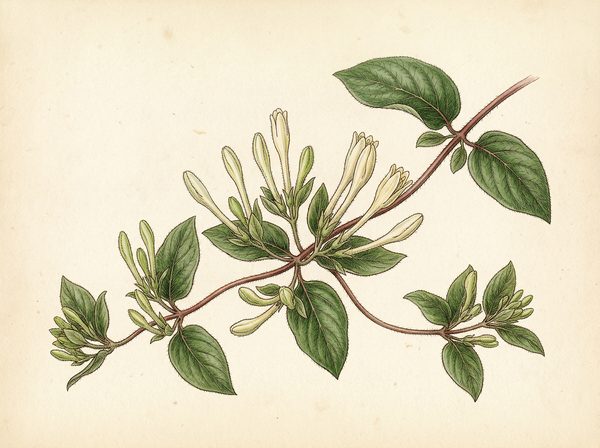 HoneysuckleLonicera japonica
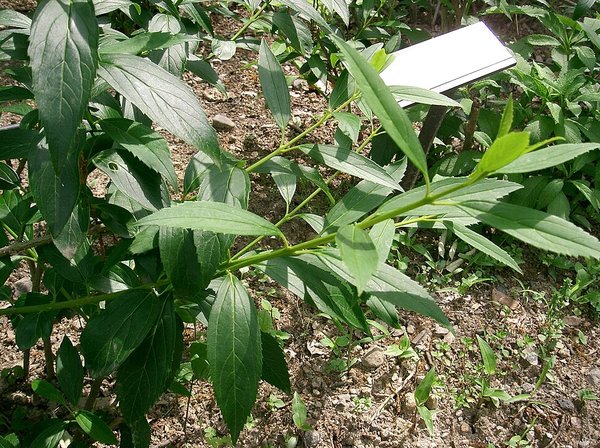 Lian QiaoForsythia suspensa
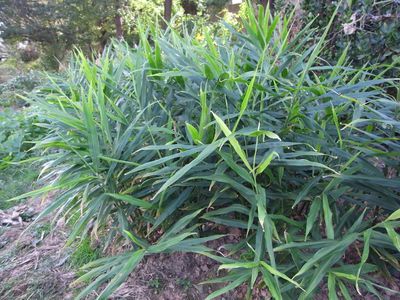 GingerZingiber officinale
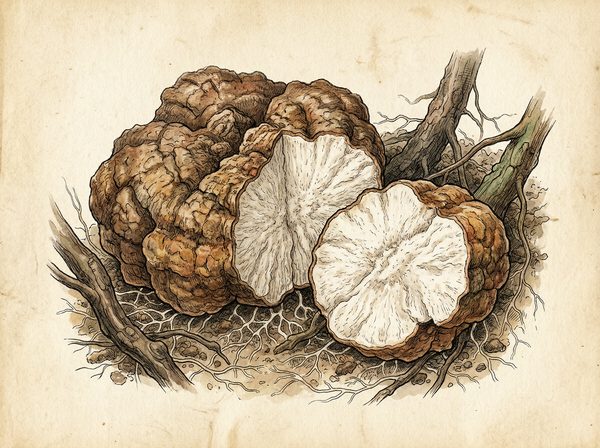 PoriaWolfiporia extensa
Nearby on the shelf
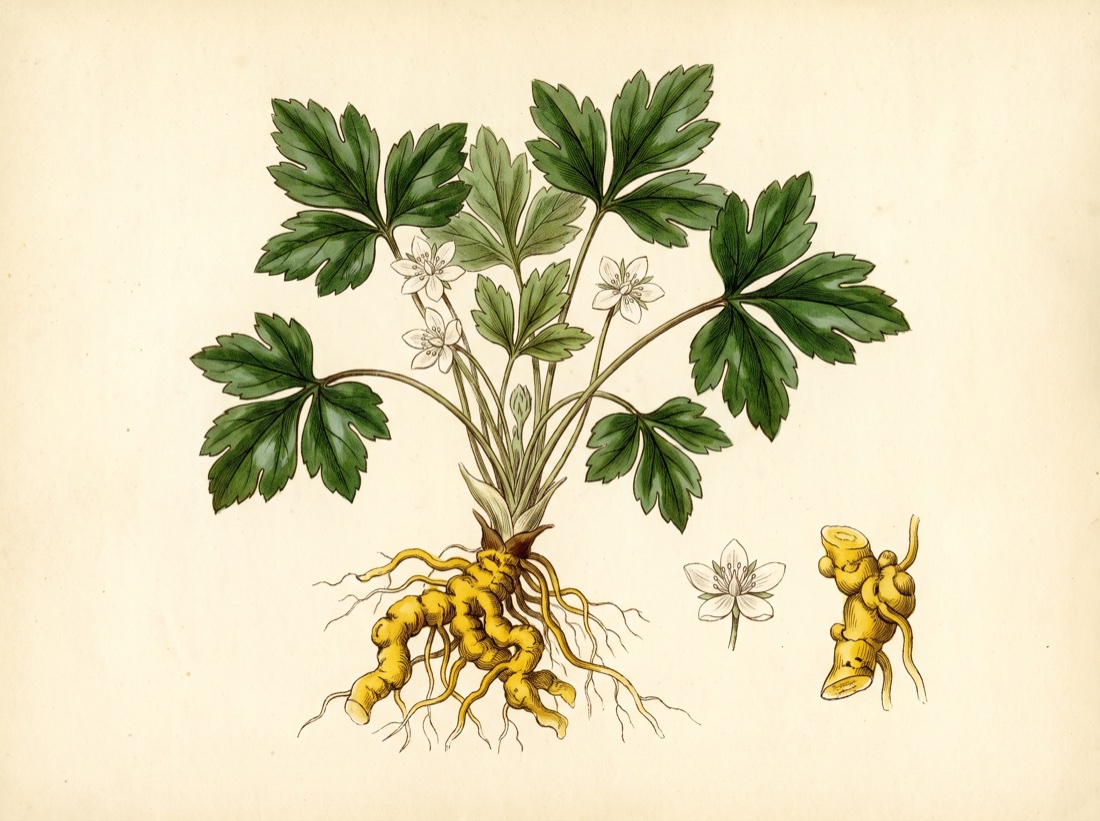 Chinese goldthreadCoptis chinensis
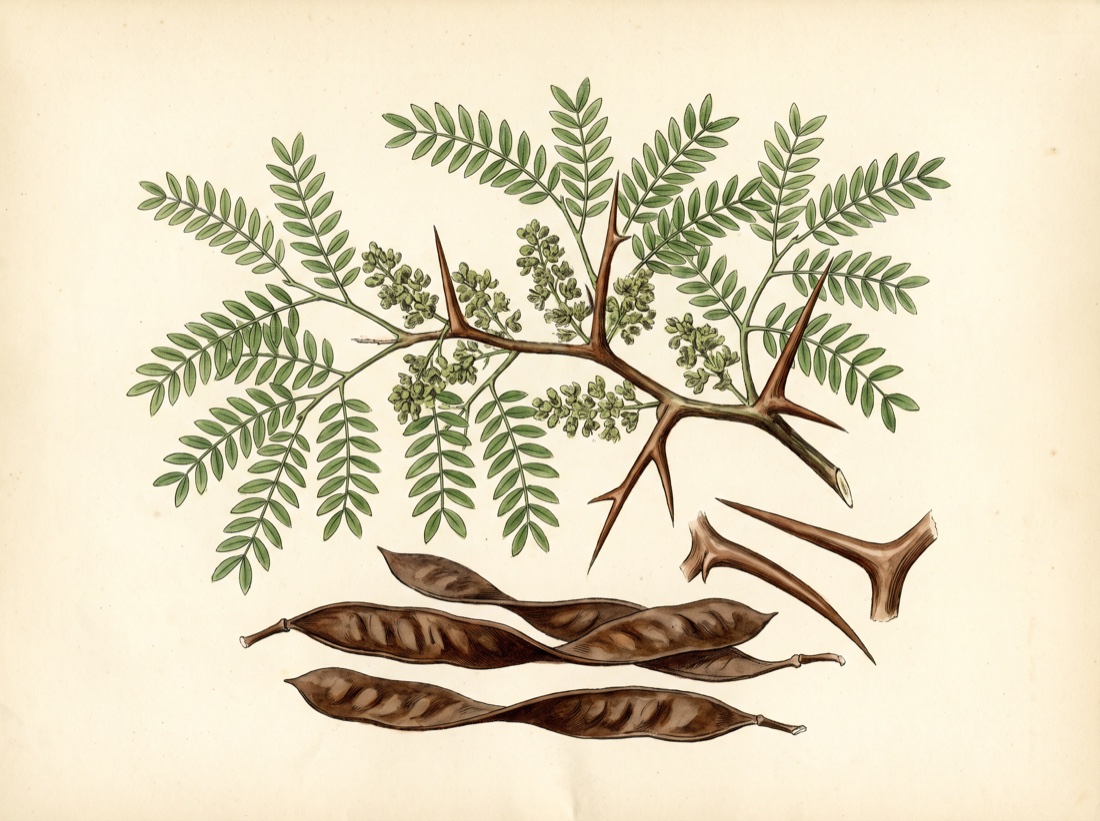 Chinese honey locustGleditsia sinensis
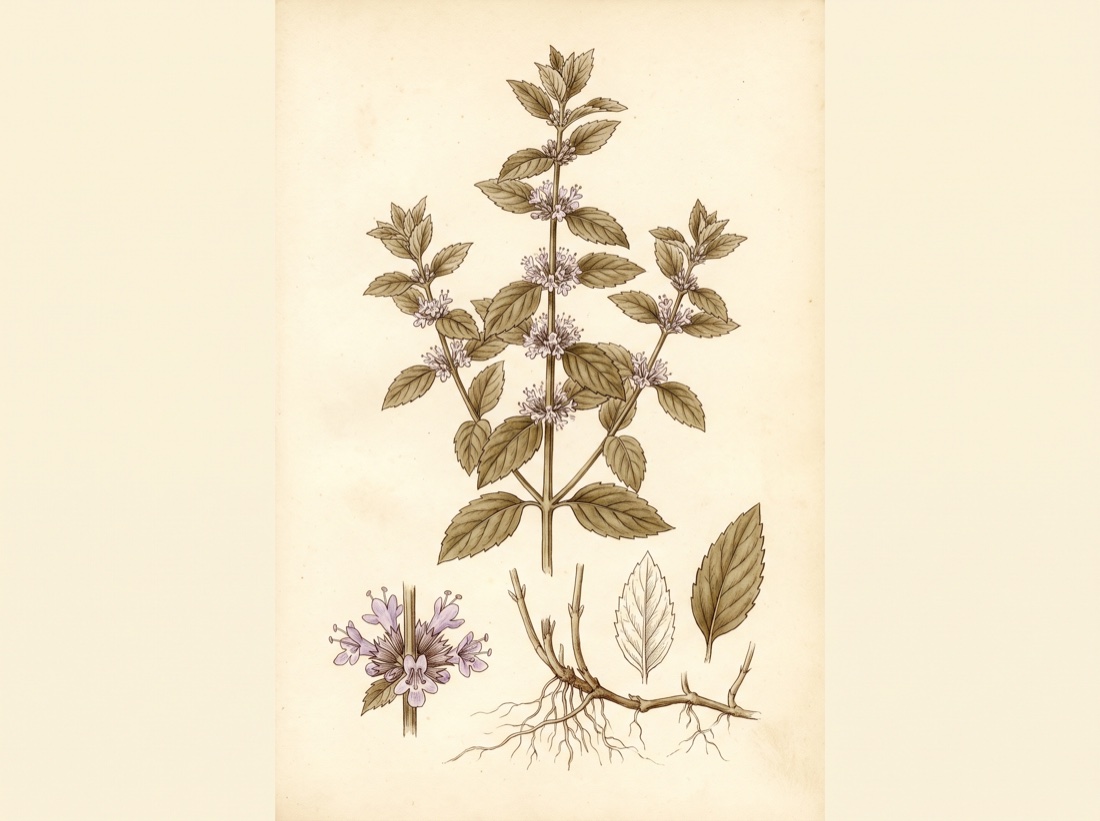 Chinese mintMentha canadensis
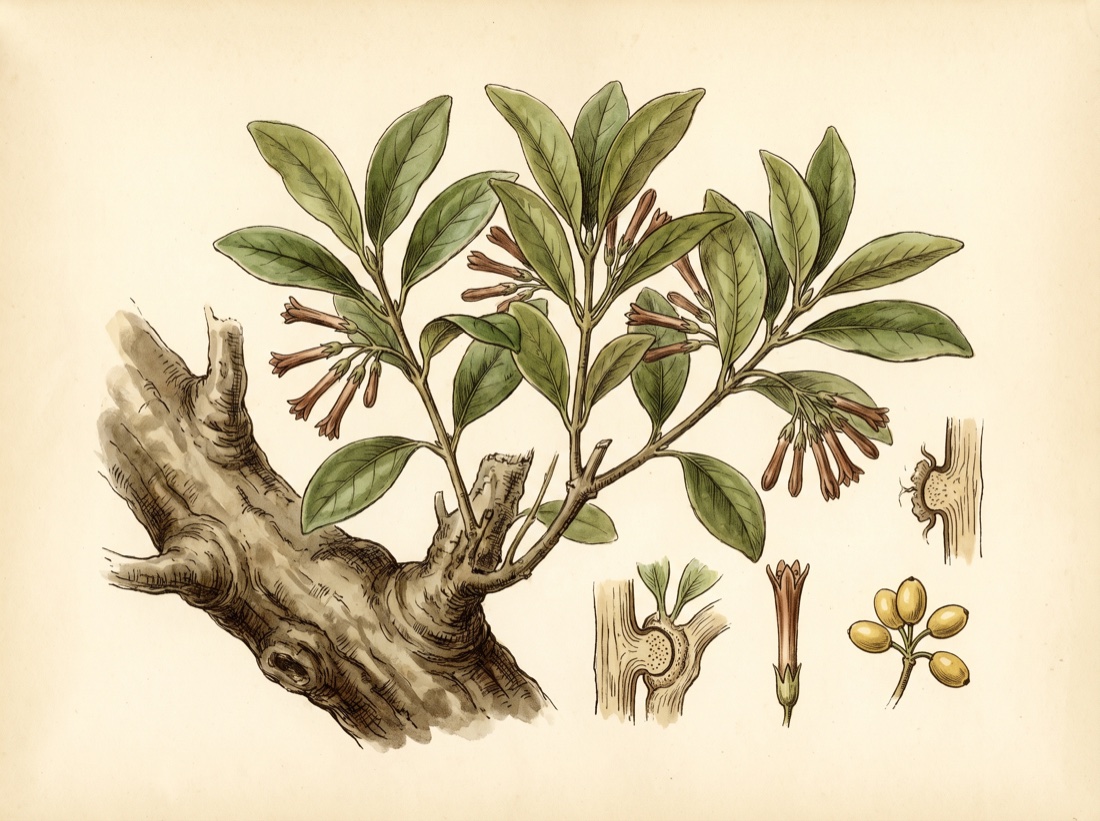 Chinese mistletoeTaxillus chinensis
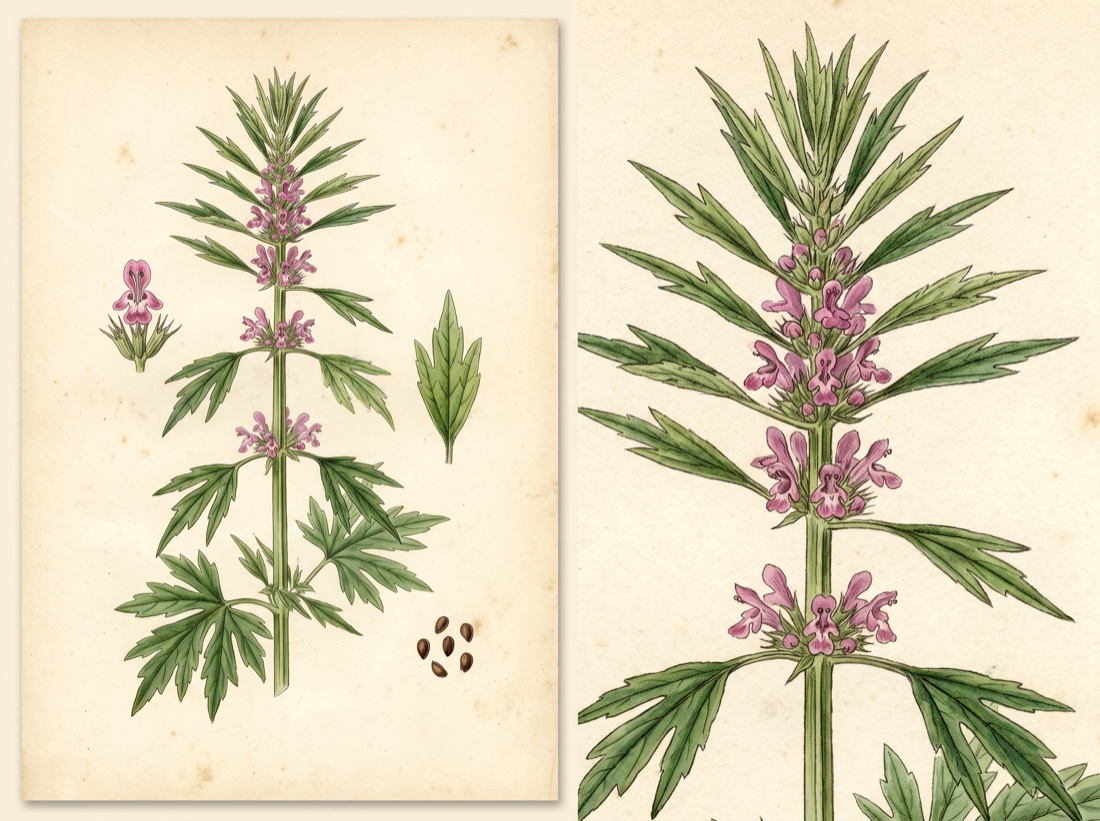 Chinese motherwortLeonurus japonicus
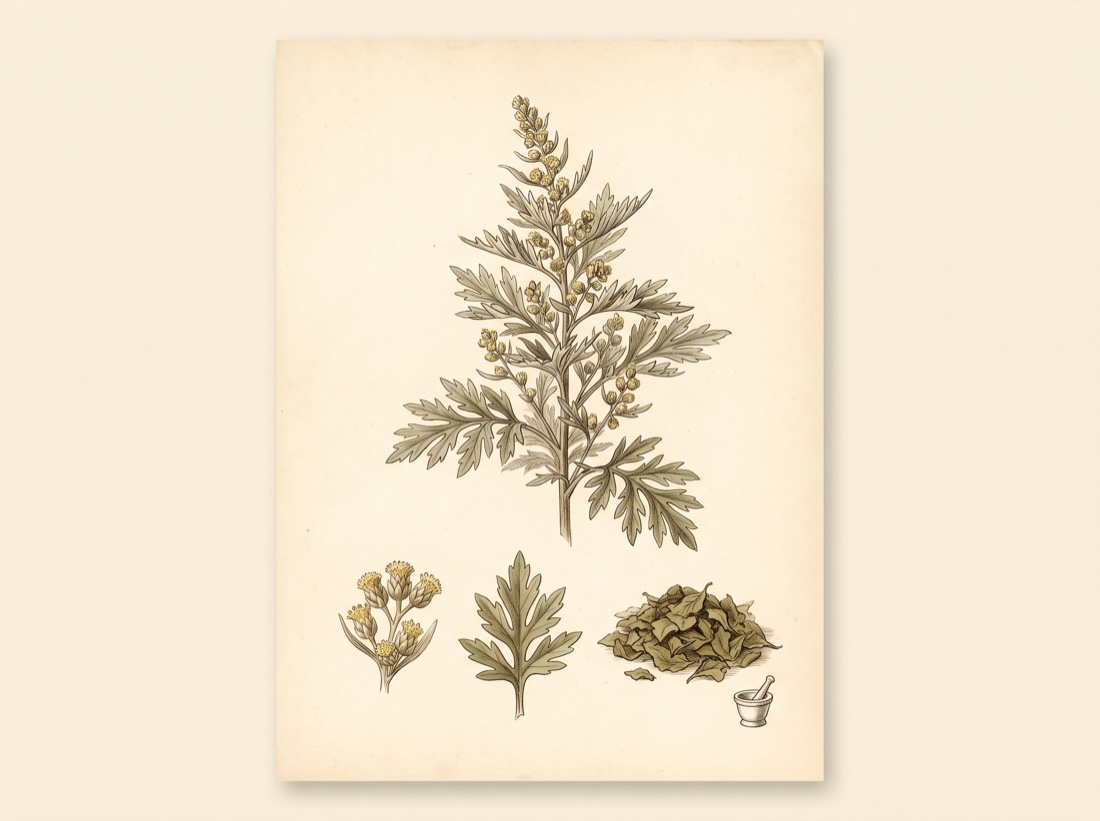 Chinese mugwortArtemisia argyi
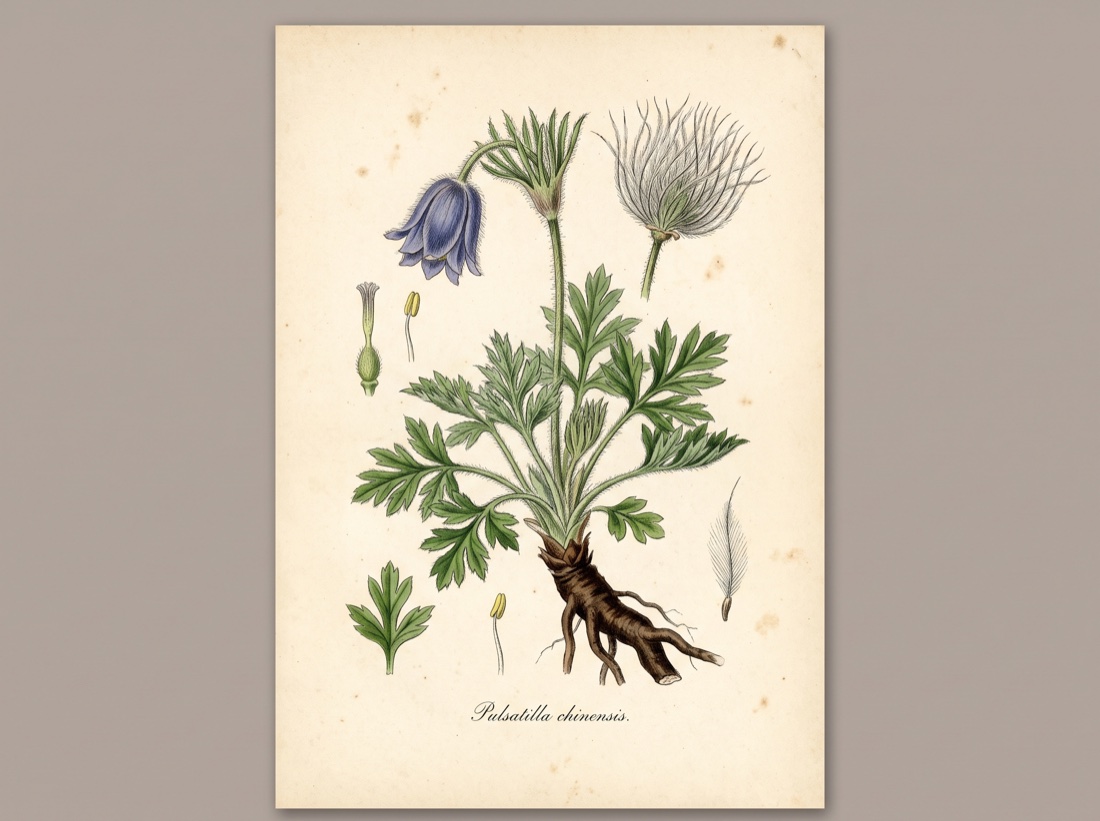 Chinese pulsatillaPulsatilla chinensis
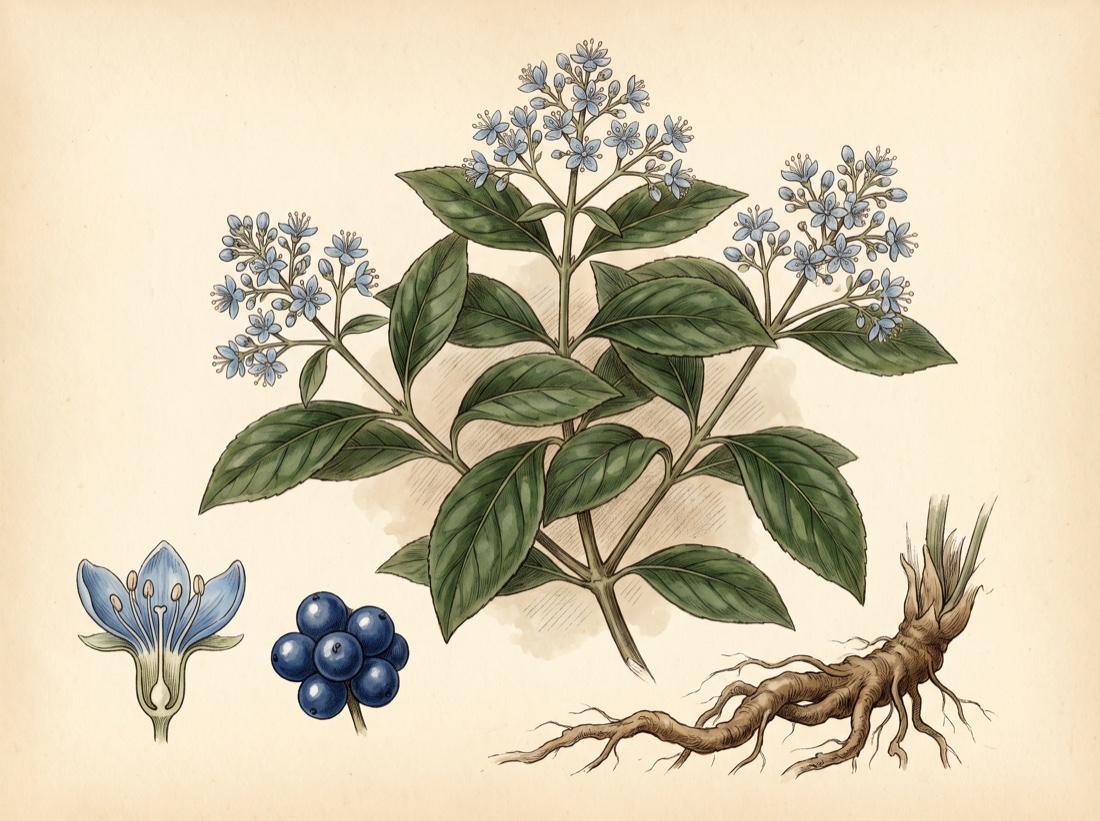 Chinese quinineDichroa febrifuga
The whole plate is in the library. The compass, Compare, the Sky of eleven hundred plants and the formulary open with an email address and a password, free, with the formula builder and its safety engine. Herbert without limit, his formulating, clients, the handouts and the labels are the paid room.
Open the library, free