Chinese Herbalism
Chinese pulsatilla
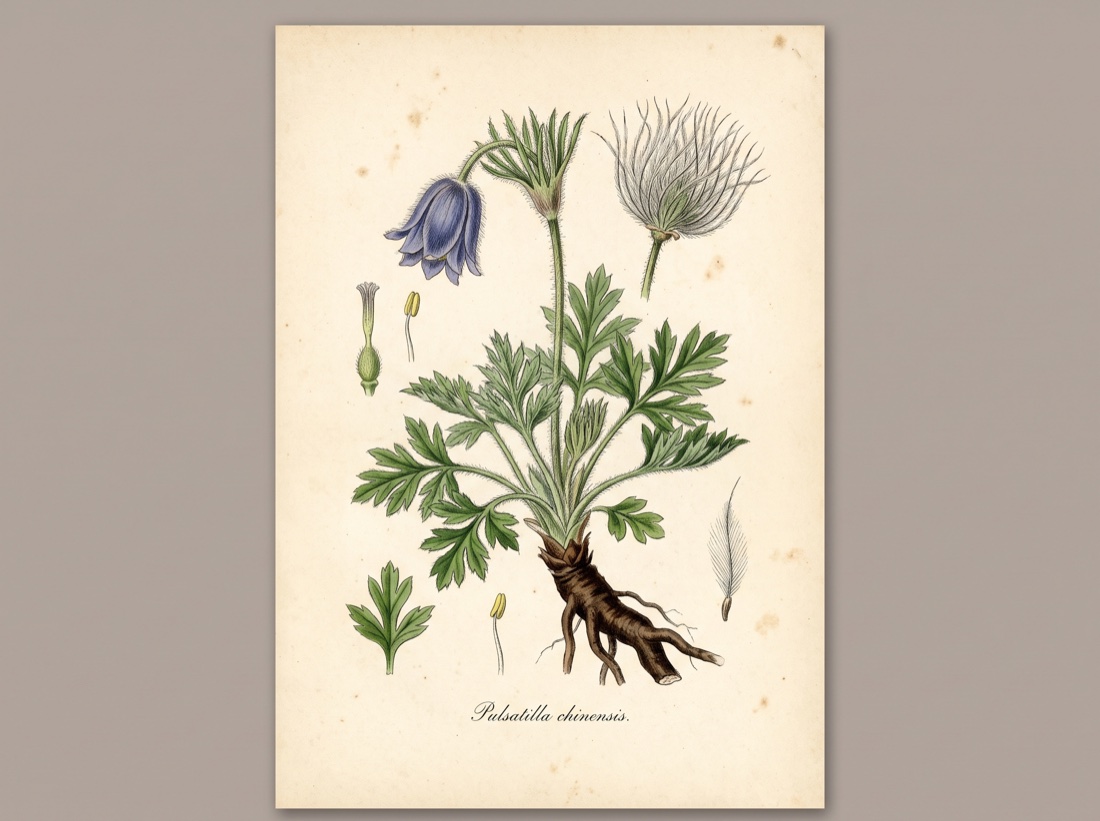
Pulsatilla chinensis
Also known as Chinese anemone, Chinese pasque flower, white-haired old man root, bai tou weng, bái tóu wēng, yě zhàng rén, wēng cǎo.
Bai tou weng is the dried root of Pulsatilla chinensis, a spring-flowering pasque flower of dry grassy hills across northern and eastern China, Korea and eastern Siberia, whose silky seed heads give it the name white-haired old man. It is a different plant from the European Pulsatilla vulgaris and Anemone pulsatilla of Western herbalism and homeopathy, which are used in drop doses for quite different purposes, and it is also listed under the synonym Anemone chinensis. In Chinese medicine it is the defining herb for hot, bloody dysentery and the chief ingredient of Bai Tou Weng Tang.

Ask Herbert about Chinese pulsatilla. Herbert is the master herbalist inside Bountiful Herbs: he answers from this plate and eleven hundred others, with dosing, pairing and cautions. Your first ten questions are free.
Ask HerbertActions
Indications what the tradition reached for it in
- Acute bacterial dysentery with blood and pus in the stool, tenesmus and fever
- Amoebic dysentery
- Damp-heat diarrhea with burning anus
- Ulcerative colitis flares with bloody stool and heat signs
- Trichomonas vaginitis and damp-heat leukorrhea (internal and as a wash)
- Hemorrhoids with bleeding and heat
- Postpartum dysentery with heat (in Bai Tou Weng Jia Gan Cao E Jiao Tang)
- Scrofula and hot swollen lymph nodes (traditional)
- Nosebleed from blood heat (traditional)
- Malaria-type fevers (historical)
Specific indications
Frequent small stools of blood and mucus with painful straining, abdominal cramping, thirst and fever, a red tongue with a yellow greasy coat and a rapid pulse
Yellow, foul, itchy vaginal discharge with a damp-heat picture, treated with the decoction inside and a cooled wash outside
Safety
Recognised toxicity. This plant carries a toxicity flag in the record; it is for trained practitioners only.
Low dose botanical. Used in drop doses in the classical practice; not a plant to dose freely.
The record lists 10 contraindications; open the plate in the library to read them in full.
In practice
The classic use is Bai Tou Weng Tang: bai tou weng with huang lian, huang bai and qin pi for damp-heat dysentery with blood, pus, tenesmus and fever, with gan cao and e jiao added for the weakened or postpartum patient.
In Chinese medicine
Temperature: cold. Taste: bitter. Channels: Stomach, Large Intestine. Actions: Clears heat and resolves toxin in the intestines; Cools the blood and stops dysentery with blood and pus; Drains damp-heat from the lower burner and the genital region; Kills parasites, used mainly against amoebae and trichomonas.
Dosing as the sources wrote it
| Preparation | As written | Metric |
|---|---|---|
| Decoction | 9-15 g dried root daily in decoction | 9000-15000 mg |
| Decoction, acute dysentery | 15-30 g dried root daily in decoction for up to 7 days | 15000-30000 mg |
| Retention enema | 15-30 g decocted in 300 mL water, reduced to 100 mL, given cooled once daily | 15000-30000 mg |
| Vaginal wash | 30 g decocted in 500 mL water, cooled, used as a wash or douche once daily | 30000-30000 mg |
Doses are reproduced from the sources for practitioners and are not a recommendation for any person.
From the sources
Overview. Bai tou weng is the dried root of Pulsatilla chinensis, a spring-flowering pasque flower of dry grassy hills across northern and eastern China, Korea and eastern Siberia, whose silky seed heads give it the name white-haired old man. It is a different plant from the European Pulsatilla vulgaris and Anemone pulsatilla of Western herbalism and homeopathy, which are used in drop doses for quite different purposes, and it is also listed under the synonym Anemone chinensis. In Chinese medicine it is the defining herb for hot, bloody dysentery and the chief ingredient of Bai Tou Weng Tang.
Clinical Notes. The classic use is Bai Tou Weng Tang: bai tou weng with huang lian, huang bai and qin pi for damp-heat dysentery with blood, pus, tenesmus and fever, with gan cao and e jiao added for the weakened or postpartum patient.
Chinese Medicine Profile. Temperature: cold. Taste: bitter. Channels: Stomach, Large Intestine. Actions: Clears heat and resolves toxin in the intestines; Cools the blood and stops dysentery with blood and pus; Drains damp-heat from the lower burner and the genital region; Kills parasites, used mainly against amoebae and trichomonas.
Conservation. Wild populations in parts of northern China have declined from collecting pressure and grazing; cultivated material is increasingly available and should be preferred.
In formulas
Chinese pulsatilla stands in 9 documented formulas in the library, among them bái tóu wèng tāng, bái tóu wêng jia gan cǎo ẽ jiào tang, jia wèi bái tou wêng tàng.
Often paired with
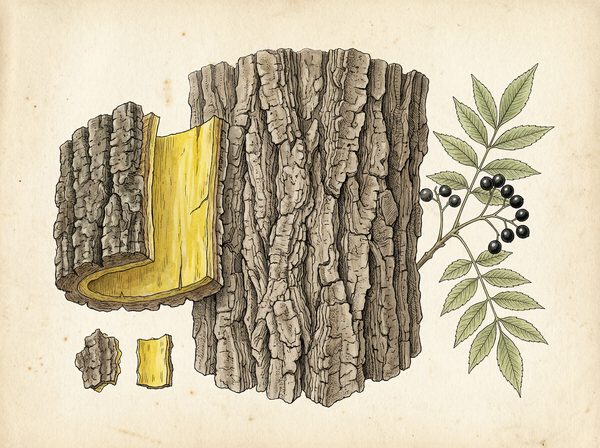 Huang BaiPhellodendron amurense
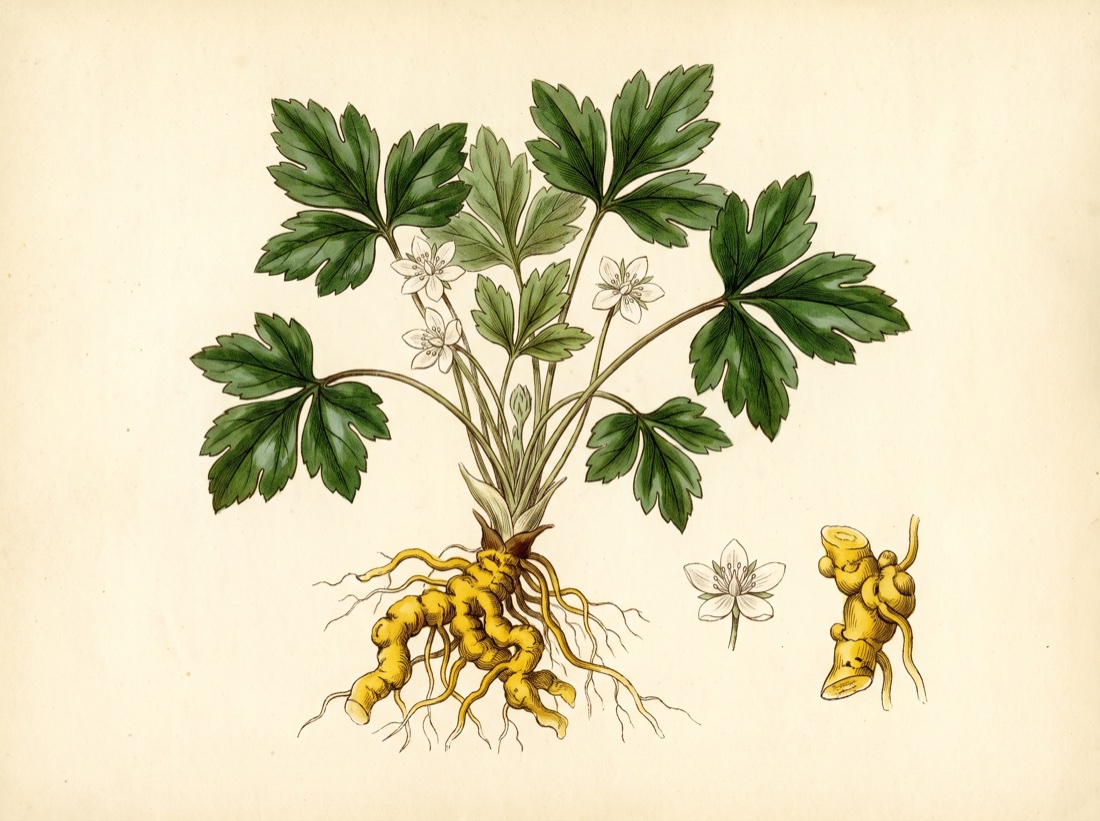 Chinese goldthreadCoptis chinensis
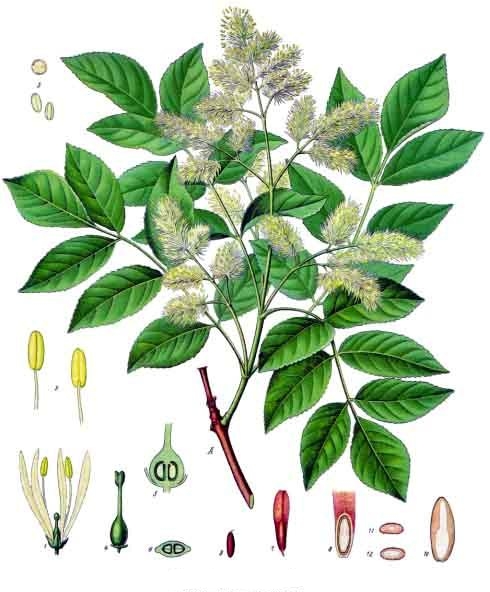 AshFraxinus excelsior
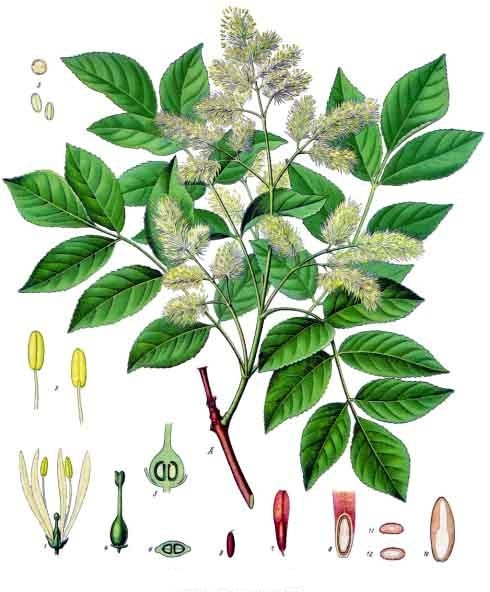 White ashFraxinus americana
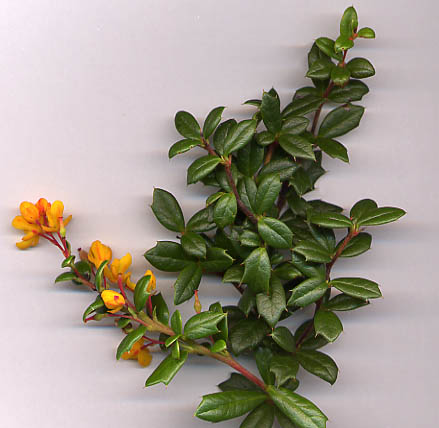 BarberryBerberis vulgaris
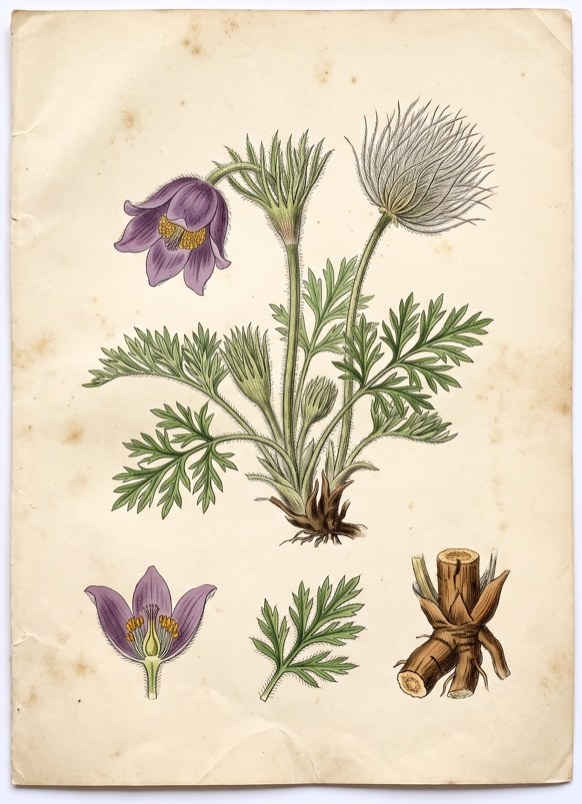 Pasque flowerPulsatilla vulgaris
Nearby on the shelf
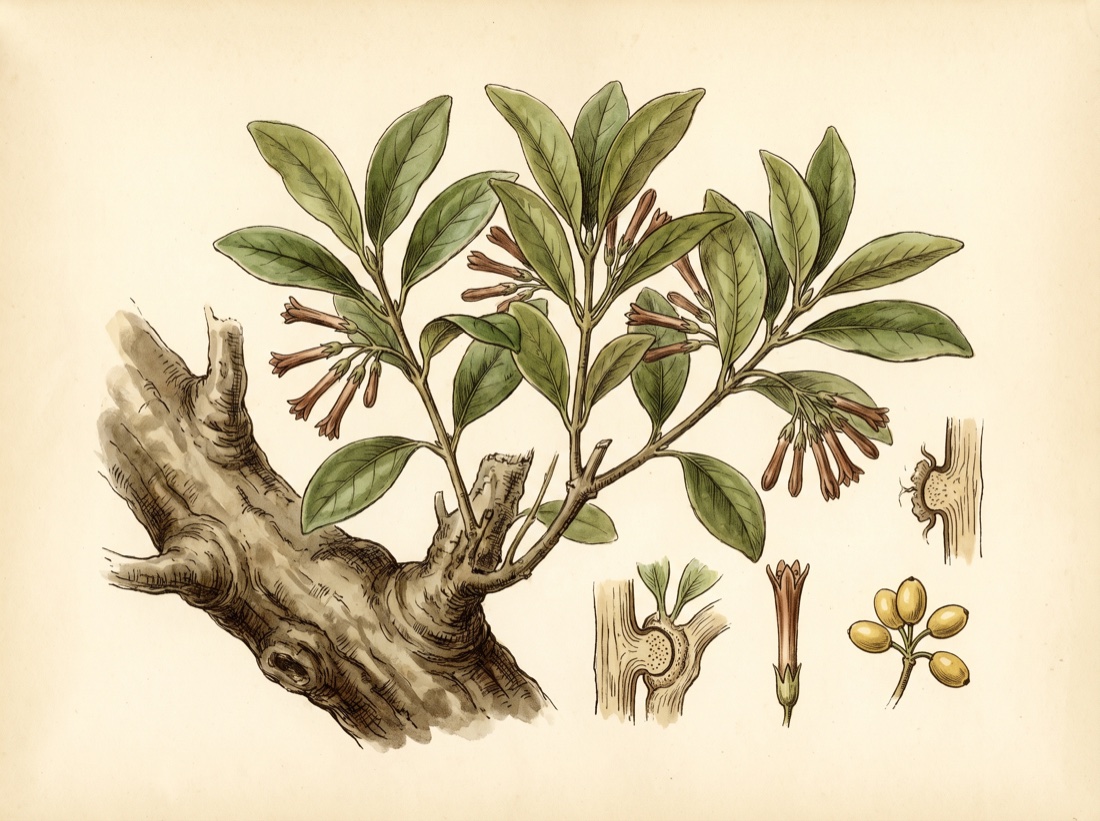 Chinese mistletoeTaxillus chinensis
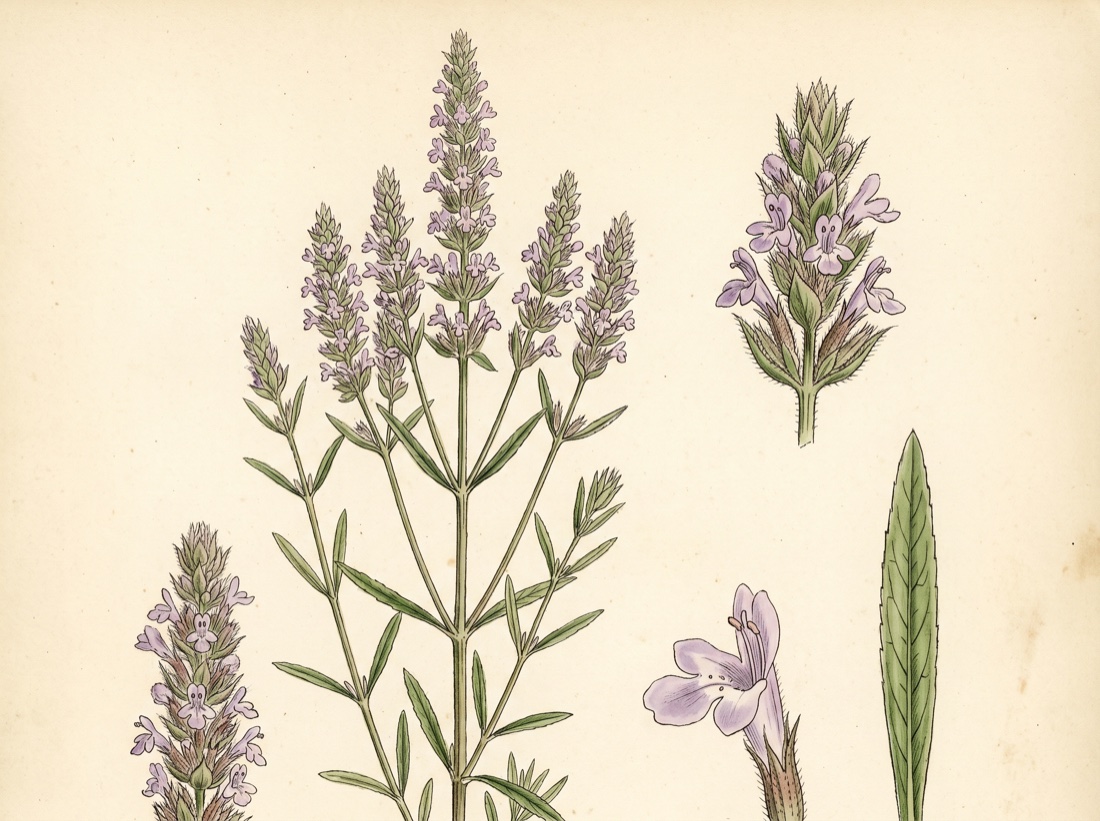 Chinese moslaMosla chinensis
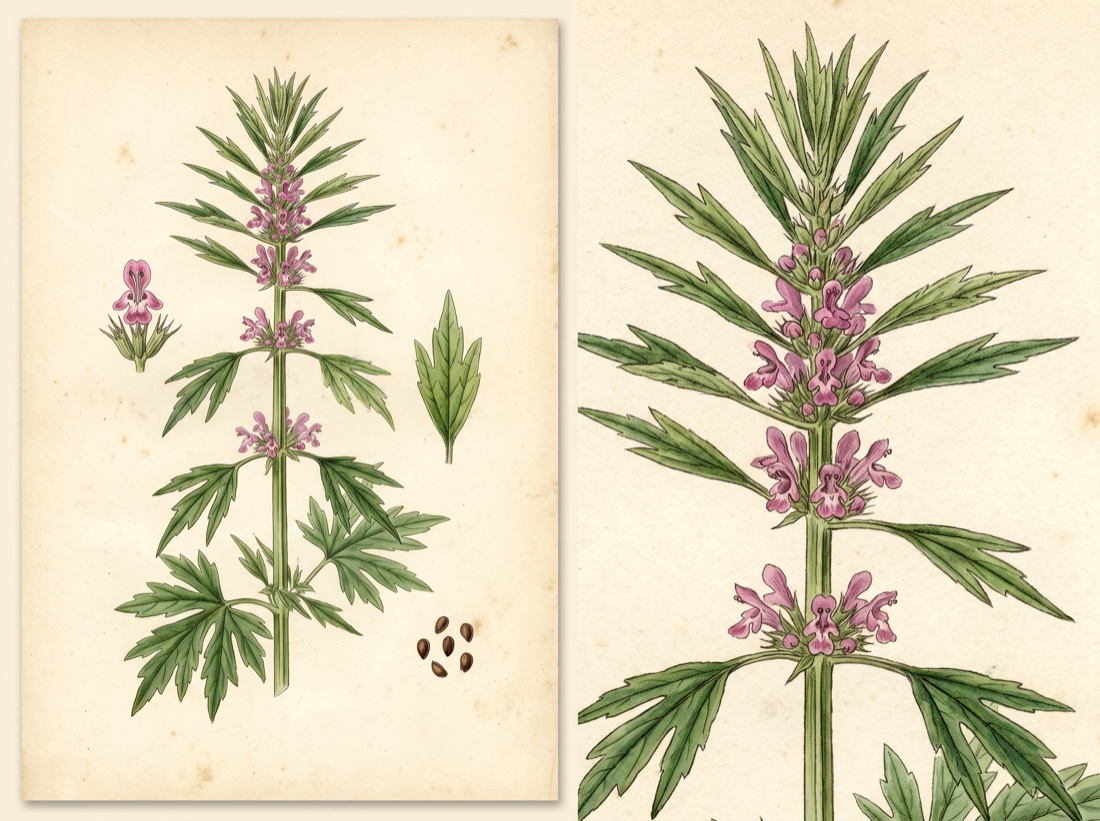 Chinese motherwortLeonurus japonicus
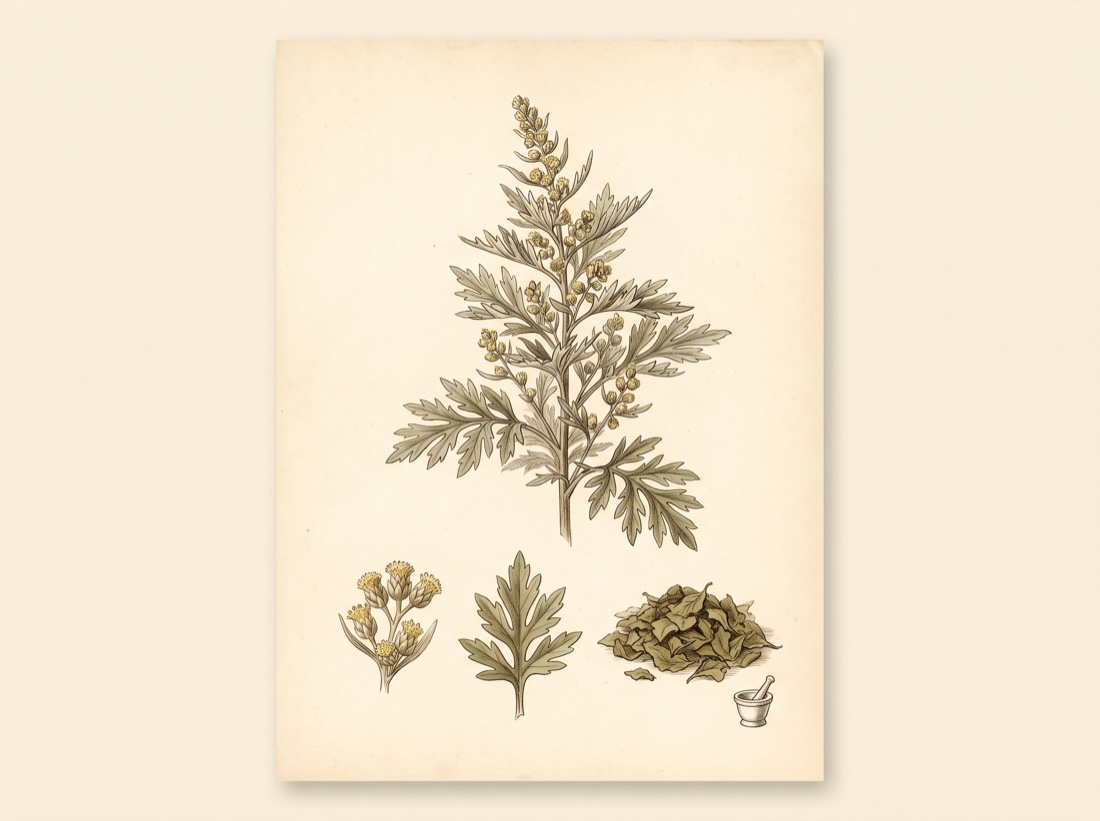 Chinese mugwortArtemisia argyi
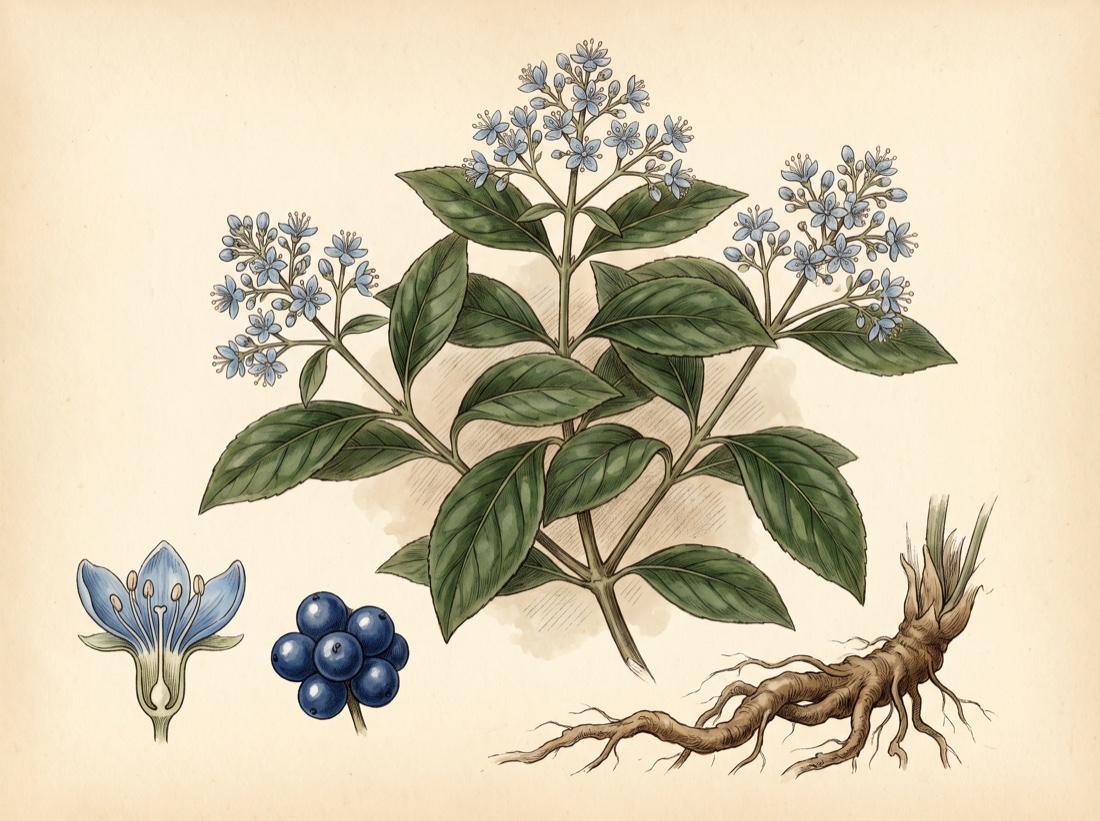 Chinese quinineDichroa febrifuga
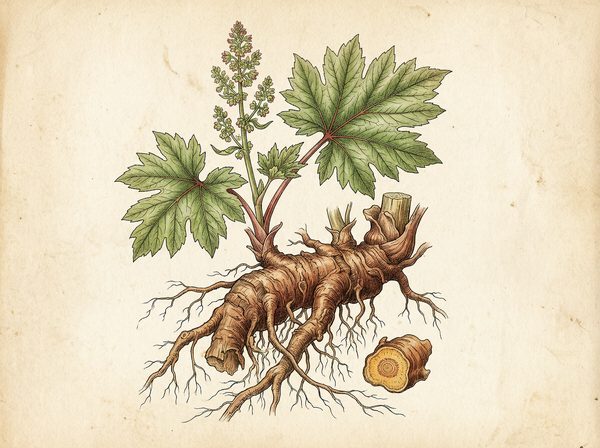 Chinese RhubarbRheum palmatum
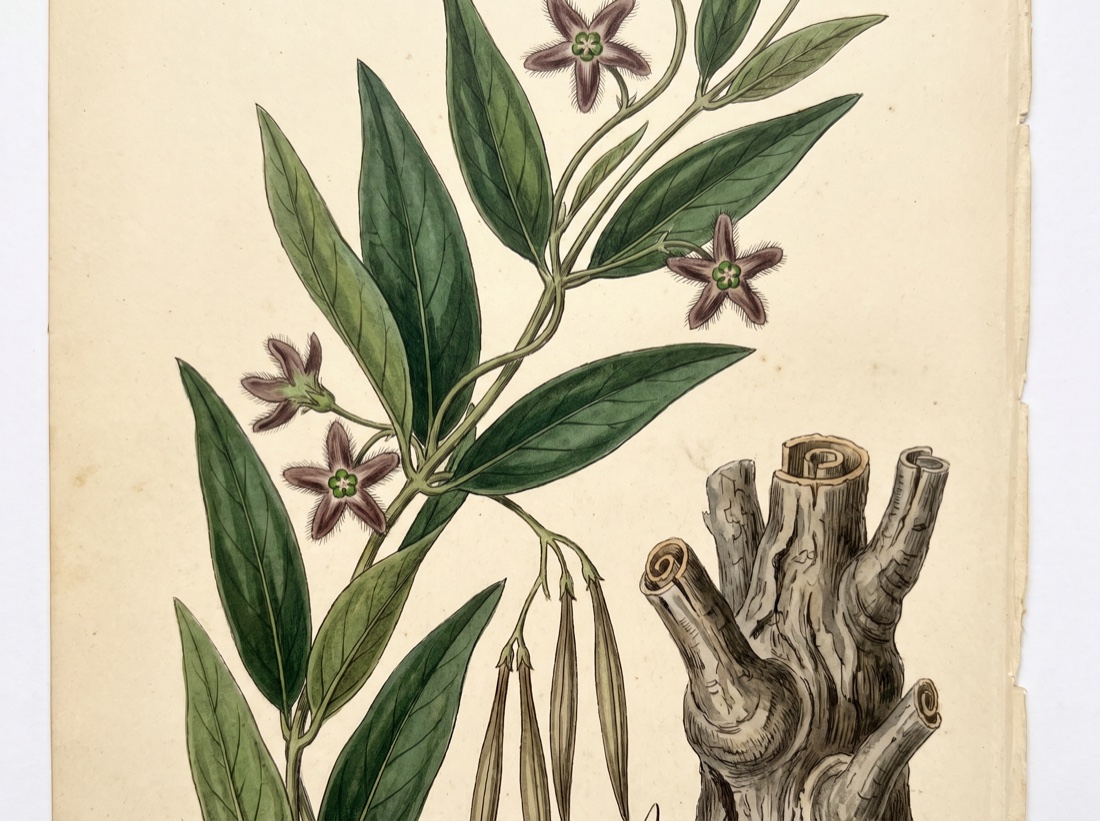 Chinese silk vinePeriploca sepium
 Chinese skullcapScutellaria baicalensis
The whole plate is in the library. The compass, Compare, the Sky of eleven hundred plants and the formulary open with an email address and a password, free, with the formula builder and its safety engine. Herbert without limit, his formulating, clients, the handouts and the labels are the paid room.
Open the library, free