Chinese Herbalism
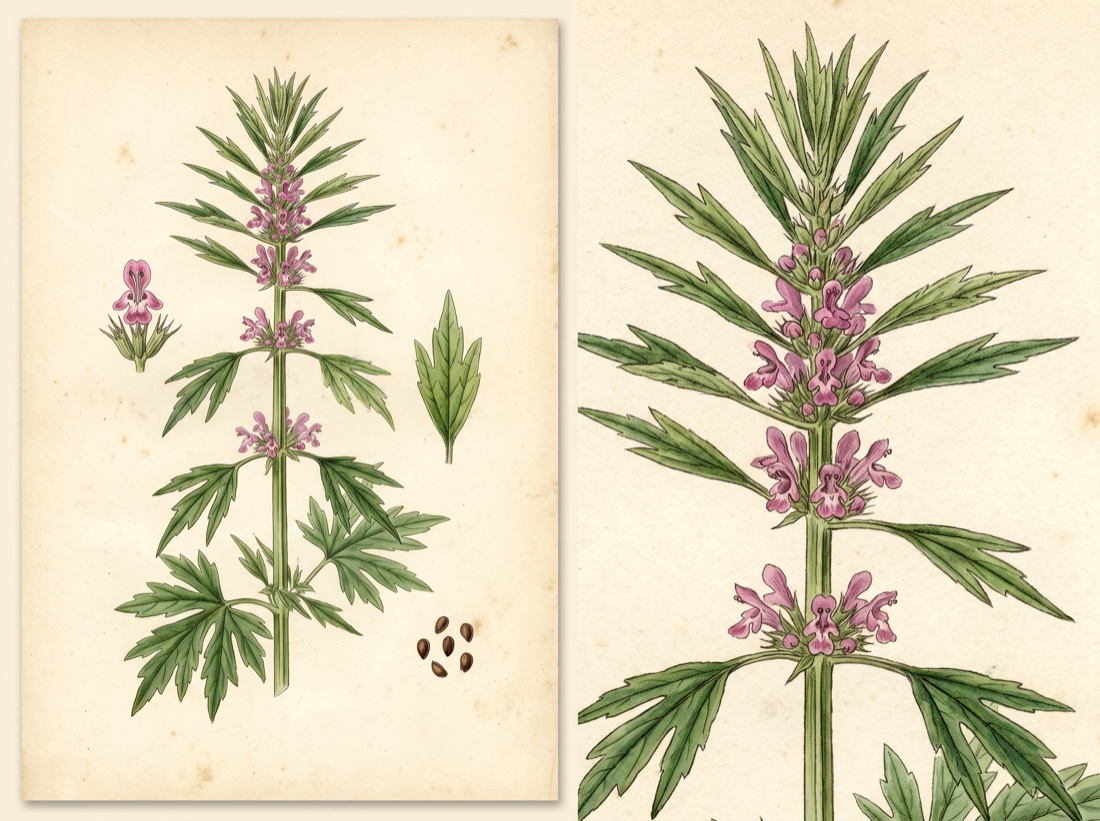
Chinese motherwort
Leonurus japonicus
Also known as Asian motherwort, Oriental motherwort, yi mu cao, yì mǔ cǎo.
Yi mu cao is the Asian motherwort, an annual or biennial mint with deeply cut leaves and whorls of small pink flowers, growing in fields and roadsides across China, Japan, Korea and temperate Asia. The fresh or dried aerial parts, gathered in early flowering, are the pharmacopoeial drug. Its name means the herb that benefits mothers, and it has been the standard blood-moving remedy for menstrual and postpartum disorders in Chinese medicine for over a thousand years, with a secondary role as a cooling diuretic and a detoxifying herb for sores.

Ask Herbert about Chinese motherwort. Herbert is the master herbalist inside Bountiful Herbs: he answers from this plate and eleven hundred others, with dosing, pairing and cautions. Your first ten questions are free.
Ask HerbertActions
Indications what the tradition reached for it in
- Dysmenorrhea with dark clotted flow
- Amenorrhea from blood stasis
- Irregular menstruation
- Retained lochia with postpartum abdominal pain
- Slow uterine involution after birth or miscarriage
- Edema with scanty urine
- Acute nephritic edema (adjunct)
- Hematuria from heat
- Boils, abscesses and sores
- Hypertension with stasis signs (adjunct)
- Traumatic bruising and swelling
- Abdominal masses of blood stasis (adjunct)
Specific indications
Postpartum woman with lingering dark lochia and cramping low abdominal pain that eases once clots pass
Painful periods with dark clotted blood, premenstrual pelvic heaviness and puffiness that resolves with the flow
Edema and scanty urination in a patient who also carries menstrual stasis signs, so that water and blood need moving together
Safety
The record lists 6 contraindications; open the plate in the library to read them in full.
In practice
This is the herb for blood stasis and fluid retention arriving together in a gynecological picture: clotted painful periods with premenstrual bloating, retained lochia, or the sluggish uterus after a miscarriage.
In Chinese medicine
Temperature: slightly cold. Taste: acrid, bitter. Channels: Liver, Heart, Bladder. Actions: Invigorates blood, dispels stasis and regulates menstruation; Promotes urination and reduces edema; Clears heat and resolves toxicity in sores and swellings.
Dosing as the sources wrote it
| Preparation | As written | Metric |
|---|---|---|
| Decoction | 9-30 g dried aerial parts daily | 9000-30000 mg |
| Fresh herb decoction (edema) | 12-40 g fresh herb daily | 12000-40000 mg |
| Tincture (1:5, 25%) | 2-4 mL three times daily | 2-4 mL |
| Concentrated paste (yi mu cao gao) | 10 g twice daily | 10000-10000 mg |
Doses are reproduced from the sources for practitioners and are not a recommendation for any person.
From the sources
Overview. Yi mu cao is the Asian motherwort, an annual or biennial mint with deeply cut leaves and whorls of small pink flowers, growing in fields and roadsides across China, Japan, Korea and temperate Asia. The fresh or dried aerial parts, gathered in early flowering, are the pharmacopoeial drug. Its name means the herb that benefits mothers, and it has been the standard blood-moving remedy for menstrual and postpartum disorders in Chinese medicine for over a thousand years, with a secondary role as a cooling diuretic and a detoxifying herb for sores.
Clinical Notes. This is the herb for blood stasis and fluid retention arriving together in a gynecological picture: clotted painful periods with premenstrual bloating, retained lochia, or the sluggish uterus after a miscarriage.
Chinese Medicine Profile. Temperature: slightly cold. Taste: acrid, bitter. Channels: Liver, Heart, Bladder. Actions: Invigorates blood, dispels stasis and regulates menstruation; Promotes urination and reduces edema; Clears heat and resolves toxicity in sores and swellings.
In formulas
Chinese motherwort stands in 13 documented formulas in the library, among them bà zhên yì mũ wán, zhù jing wán jia jiǎn fang, xiong gui tiáo xuè yin, tiàn má gòu tếng yìn.
Often paired with
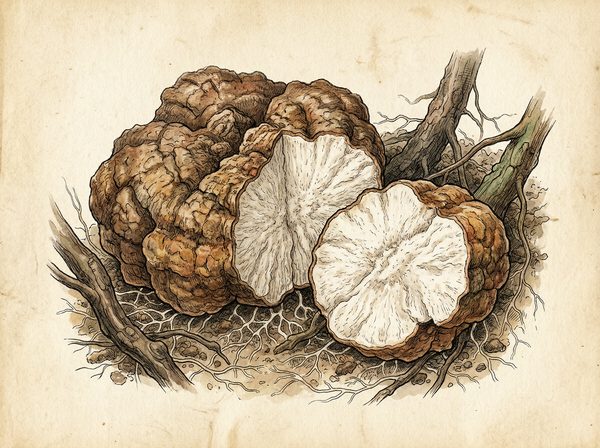 PoriaWolfiporia extensa
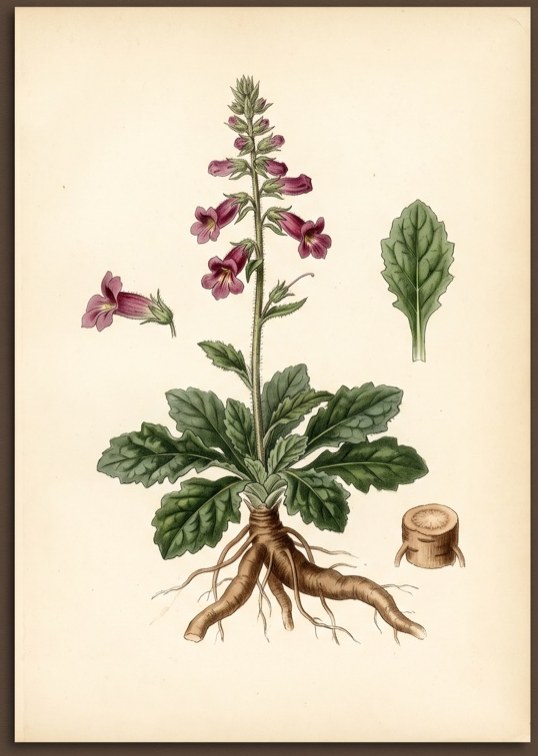 RehmanniaRehmannia glutinosa
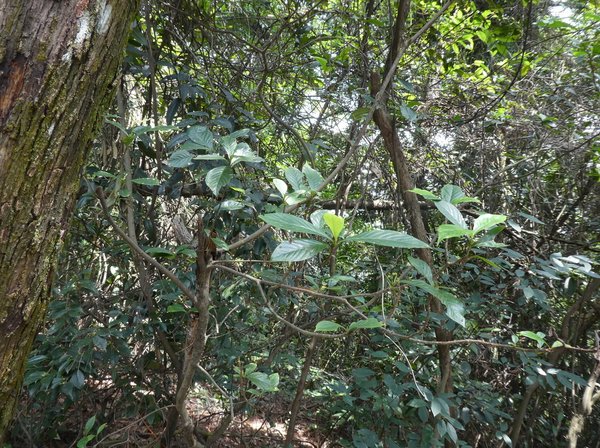 Zhi ZiGardenia jasminoides
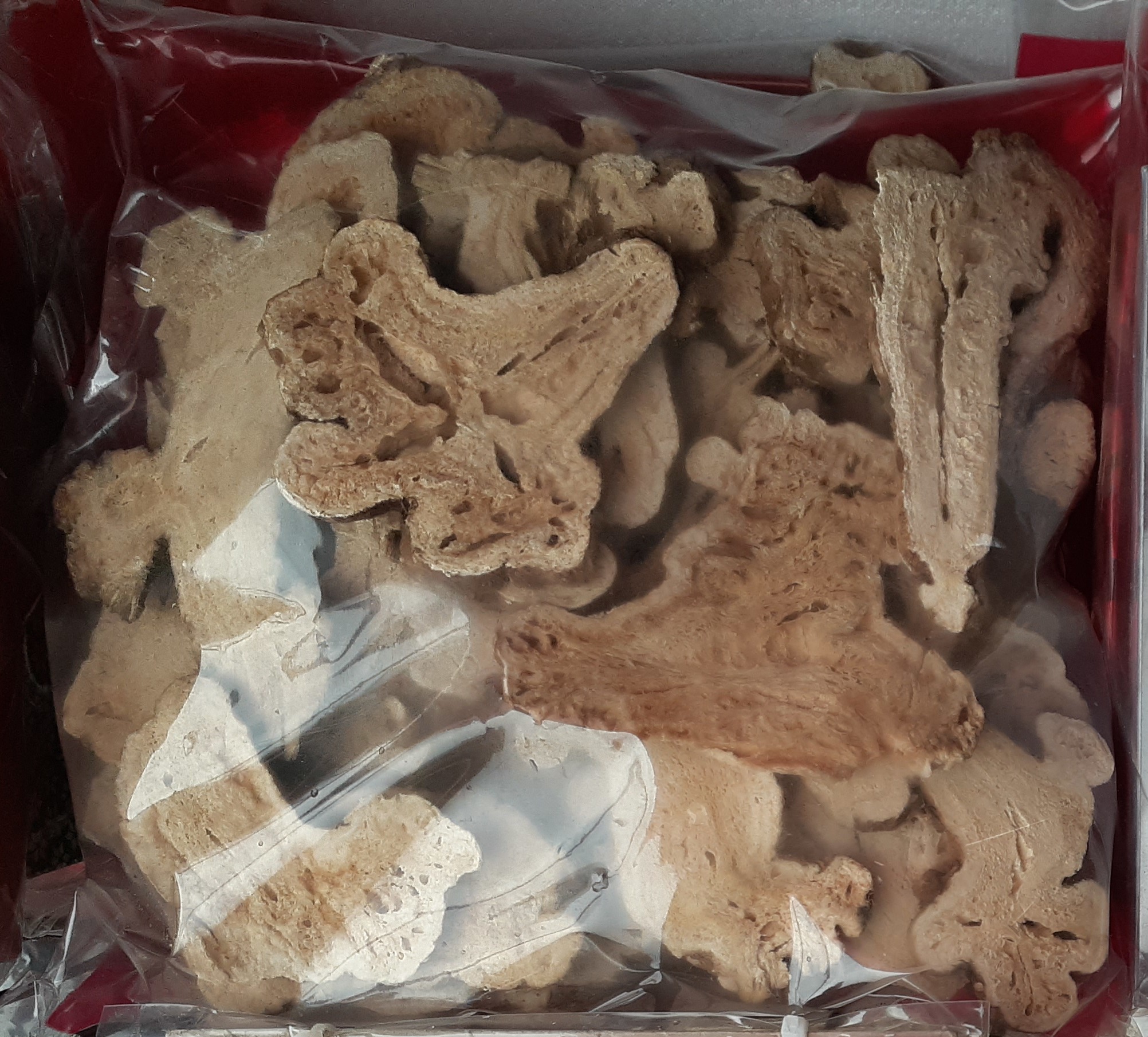 Bai ZhuAtractylodes macrocephala
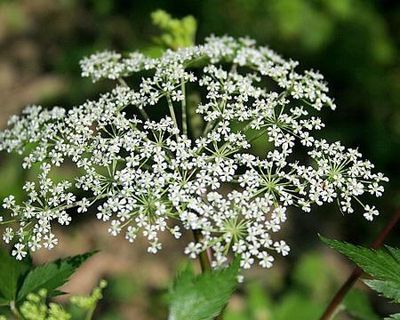 Dong QuaiAngelica sinensis
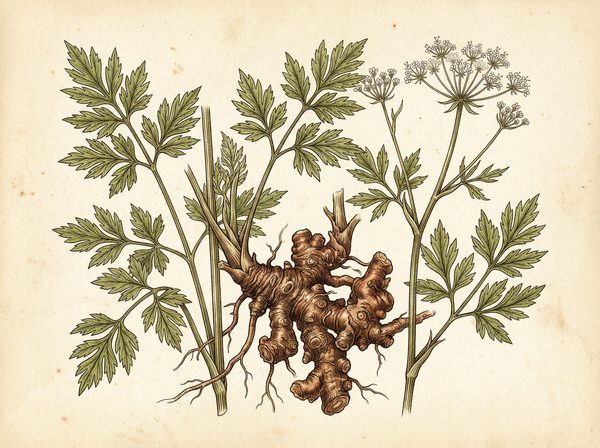 Sichuan Lovage RhizomeLigusticum chuanxiong
Nearby on the shelf
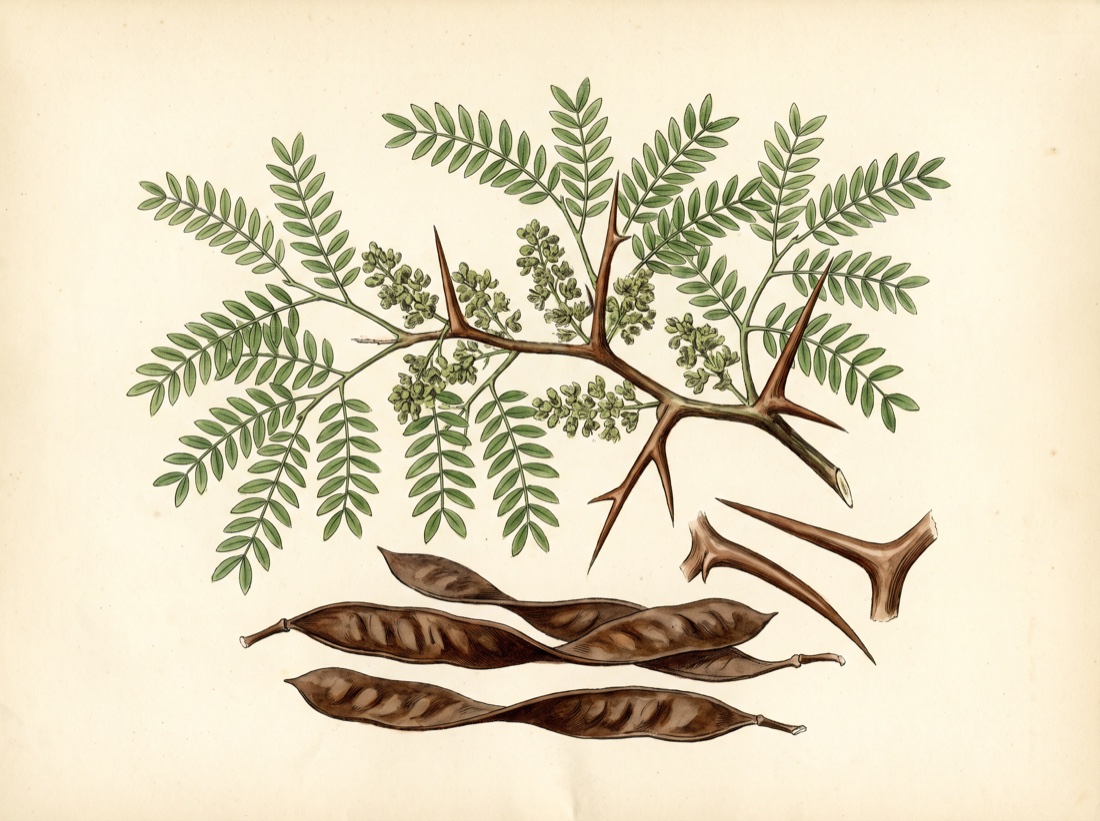 Chinese honey locustGleditsia sinensis
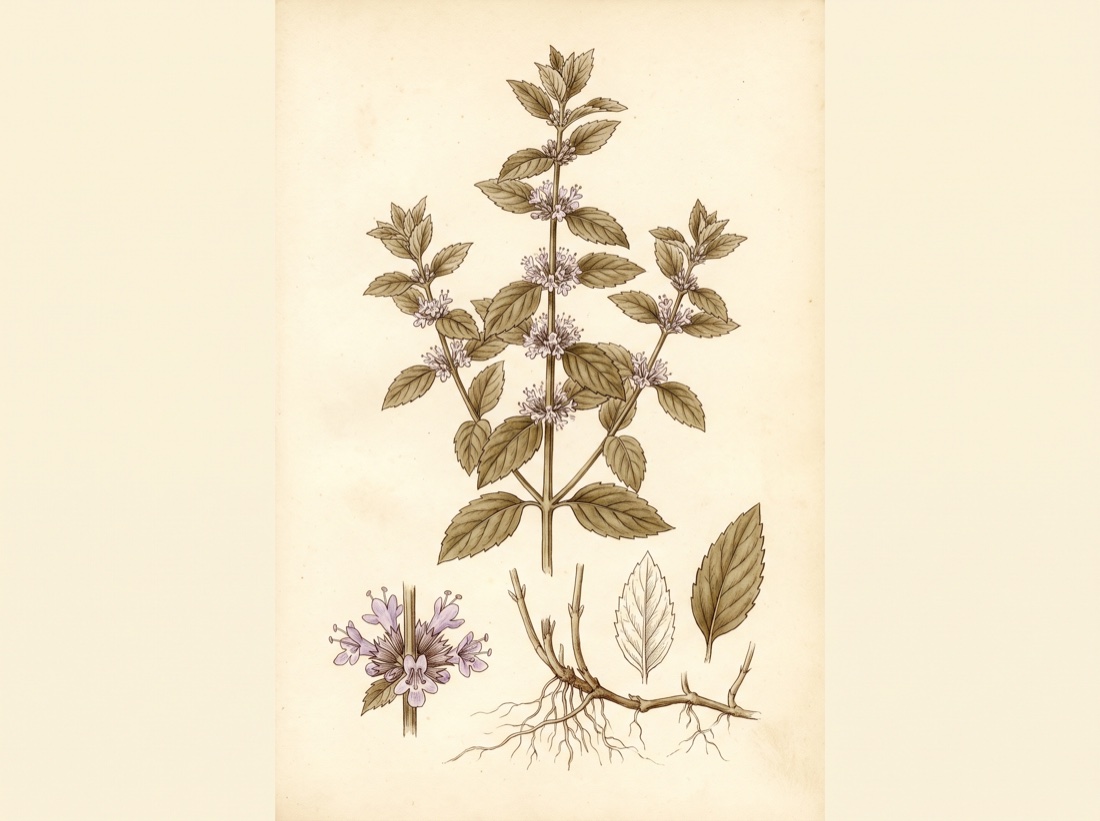 Chinese mintMentha canadensis
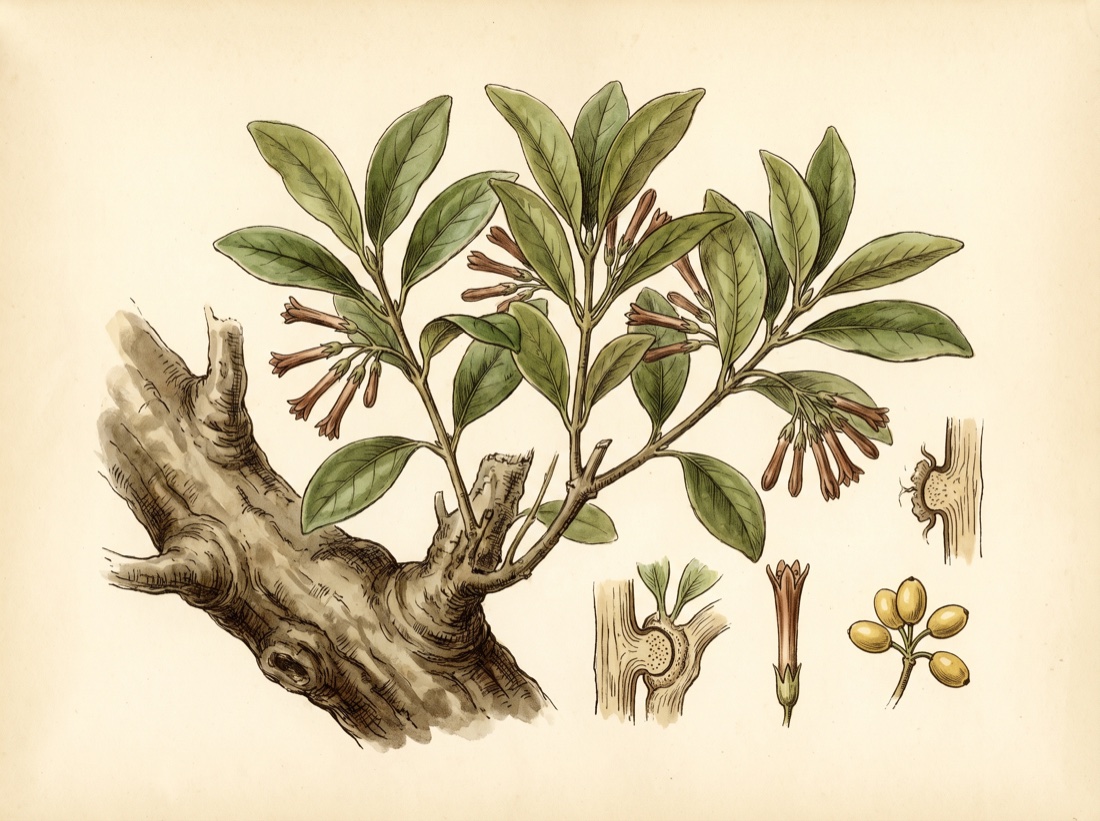 Chinese mistletoeTaxillus chinensis
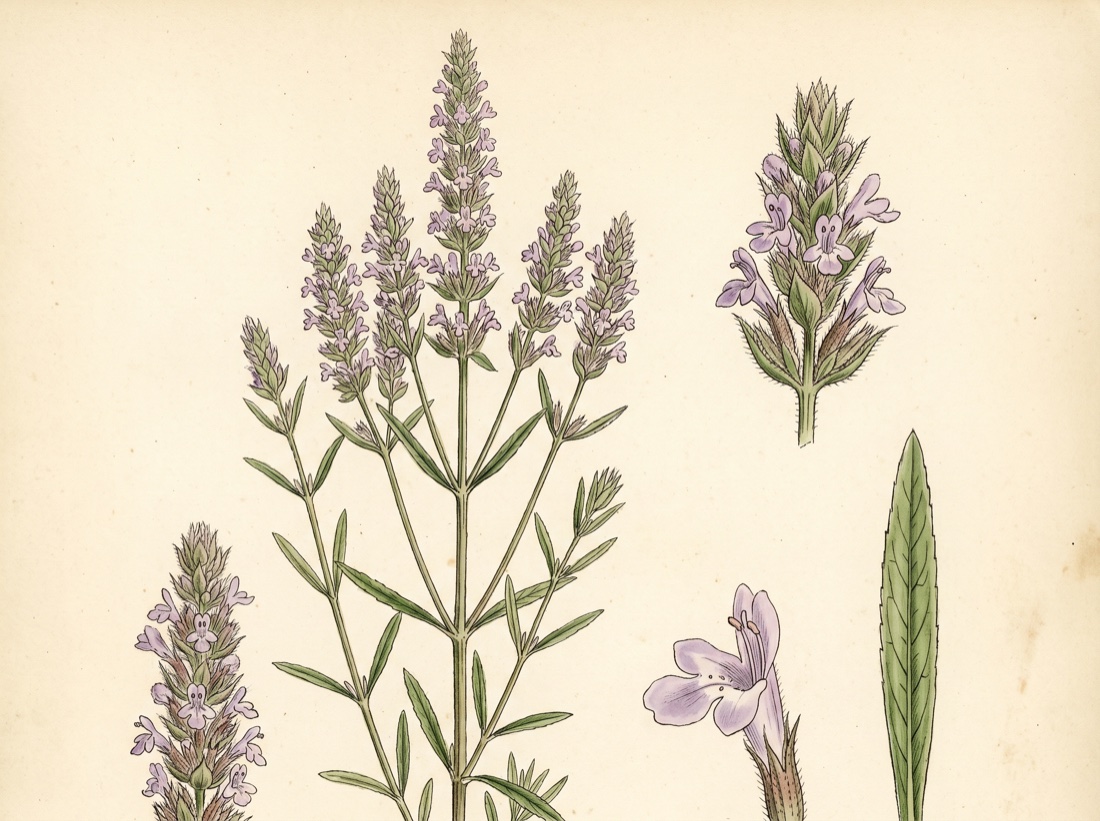 Chinese moslaMosla chinensis
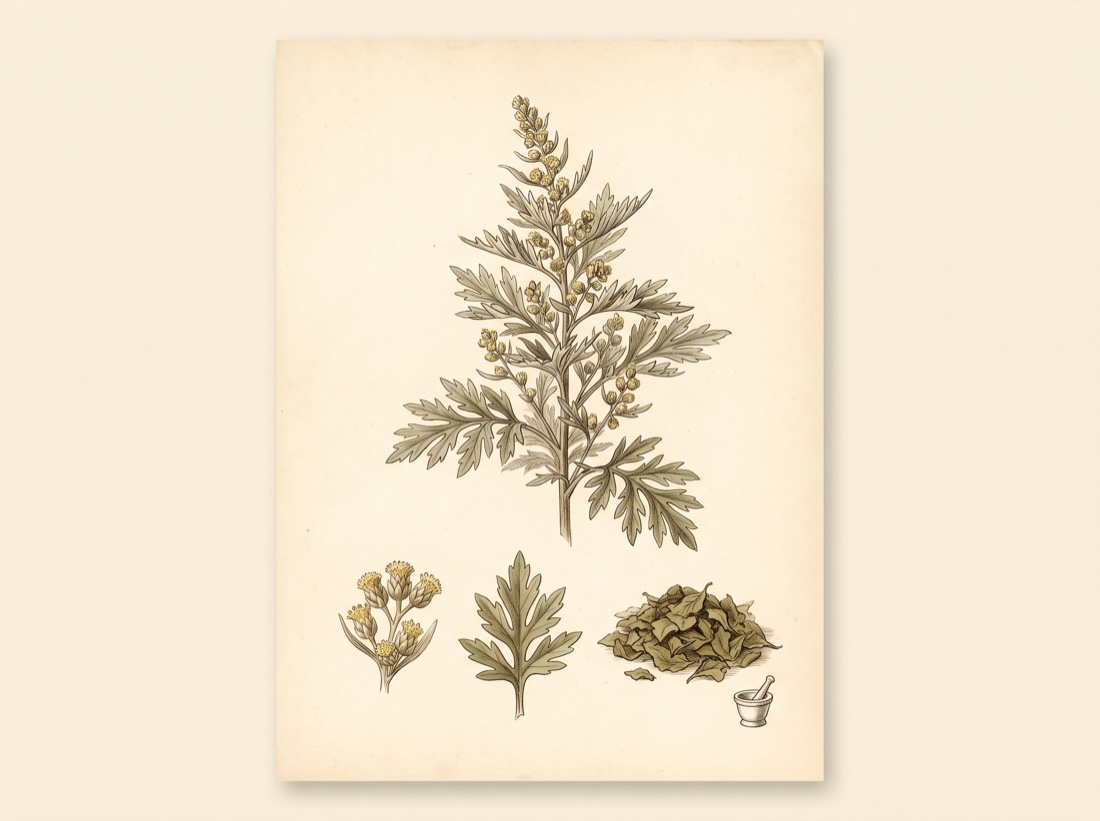 Chinese mugwortArtemisia argyi
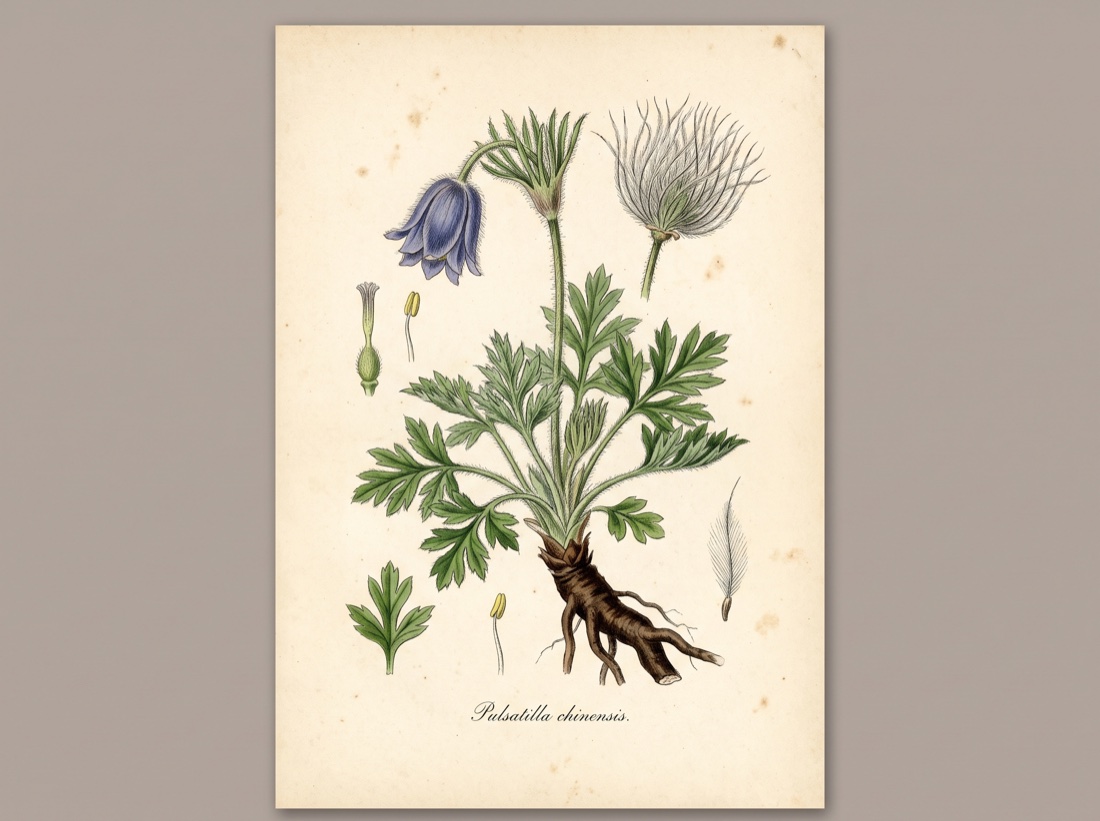 Chinese pulsatillaPulsatilla chinensis
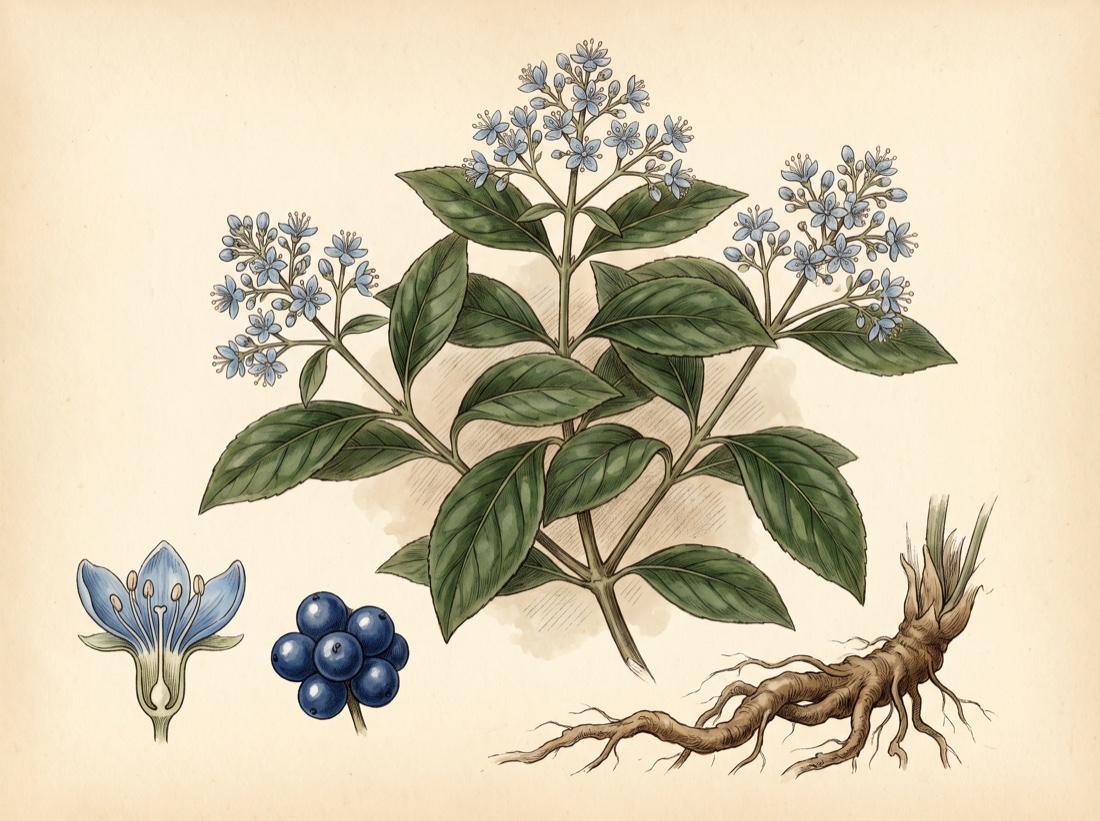 Chinese quinineDichroa febrifuga
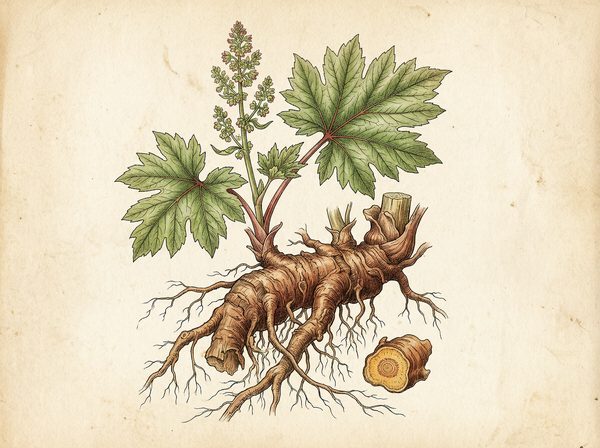 Chinese RhubarbRheum palmatum
The whole plate is in the library. The compass, Compare, the Sky of eleven hundred plants and the formulary open with an email address and a password, free, with the formula builder and its safety engine. Herbert without limit, his formulating, clients, the handouts and the labels are the paid room.
Open the library, free