Chinese Herbalism
Tangerine
Citrus reticulata
Also known as mandarin orange, mandarin, tangerine peel, aged tangerine peel, chen pi, qing pi, ju hong, chén pí, qīng pí, jú hóng.
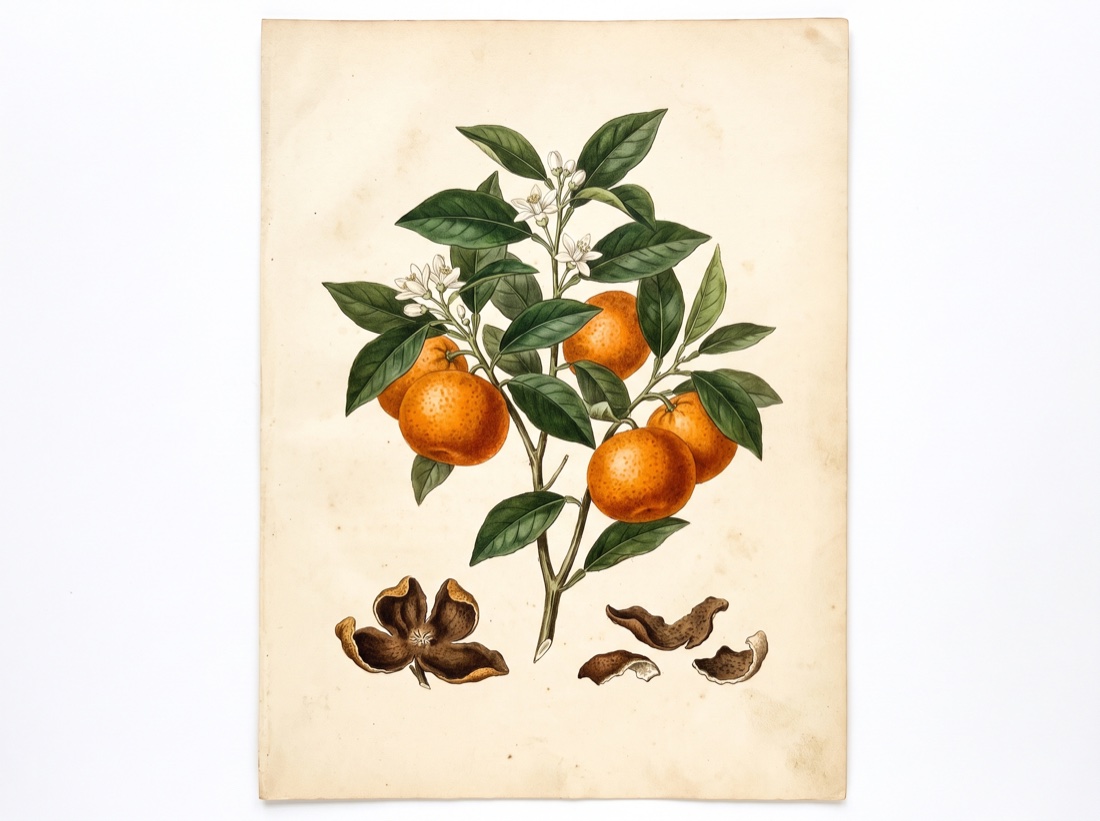
The mandarin or tangerine is a small evergreen tree native to southern China and cultivated throughout the warm temperate world. In Chinese medicine the peel is the medicine that matters: ripe peel aged for at least a year becomes chen pi, one of the most prescribed qi-regulating herbs; the small green immature fruit or peel is qing pi, a stronger, more dispersing herb for the liver; and the thin outer red layer is ju hong, the most aromatic and drying of the three for phlegm. Aged peel from Xinhui in Guangdong is prized; the older the peel, the smoother its action.

Ask Herbert about Tangerine. Herbert is the master herbalist inside Bountiful Herbs: he answers from this plate and eleven hundred others, with dosing, pairing and cautions. Your first ten questions are free.
Ask HerbertActions
Indications what the tradition reached for it in
- Abdominal bloating and distension after meals
- Poor appetite with nausea and a greasy tongue coat
- Belching and hiccup from stomach qi rebellion
- Chronic productive cough with copious white phlegm
- Chest oppression with phlegm-damp
- Vomiting in pregnancy or gastritis, in small doses
- Breast distension, rib-side pain and premenstrual irritability (qing pi)
- Hernia pain and testicular swelling (qing pi, ju he)
- Food stagnation with epigastric fullness (qing pi)
- Loose stools with damp spleen
- Preventing heaviness when taking rich tonic formulas
Specific indications
Bloating, poor appetite and nausea with a thick white greasy coat, where the digestion is damp and sluggish rather than hot
A wet, rattling cough with abundant easily raised white phlegm in a patient who also feels full in the chest and stomach
Sharp, distending pain under the ribs or in the breasts tied to emotional tension, calling for qing pi rather than chen pi
Safety
The record lists 6 contraindications; open the plate in the library to read them in full.
In practice
Chen pi is the workhorse. Add it to almost any formula for a damp, sluggish, bloated digestion, classically with ban xia (Pinellia), fu ling (Poria) and gan cao for phlegm-damp, or with bai zhu, dang shen and fu ling to keep a spleen tonic moving.
In Chinese medicine
Temperature: warm. Taste: acrid, bitter, aromatic. Channels: Spleen, Lung (chen pi, ju hong); Liver, Gallbladder, Stomach (qing pi). Actions: Regulates qi and harmonizes the middle burner; Dries dampness and transforms phlegm; Spreads liver qi and breaks up stagnation (qing pi); Disperses food accumulation and relieves distension (qing pi); Supports the action of tonics by preventing cloying and stagnation.
Dosing as the sources wrote it
| Preparation | As written | Metric |
|---|---|---|
| Decoction (chen pi) | 3-10 g dried aged peel daily in decoction | 3000-10000 mg |
| Decoction (qing pi) | 3-10 g dried immature peel daily in decoction | 3000-10000 mg |
| Decoction (ju hong) | 3-6 g dried outer red peel daily in decoction | 3000-6000 mg |
| Tincture (1:5, 45%) | 2-4 mL three times daily | 2-4 mL |
| Tea | 2-5 g aged peel steeped in 250 mL hot water once or twice daily | 2000-5000 mg |
Doses are reproduced from the sources for practitioners and are not a recommendation for any person.
From the sources
Overview. The mandarin or tangerine is a small evergreen tree native to southern China and cultivated throughout the warm temperate world. In Chinese medicine the peel is the medicine that matters: ripe peel aged for at least a year becomes chen pi, one of the most prescribed qi-regulating herbs; the small green immature fruit or peel is qing pi, a stronger, more dispersing herb for the liver; and the thin outer red layer is ju hong, the most aromatic and drying of the three for phlegm. Aged peel from Xinhui in Guangdong is prized; the older the peel, the smoother its action.
Clinical Notes. Chen pi is the workhorse. Add it to almost any formula for a damp, sluggish, bloated digestion, classically with ban xia (Pinellia), fu ling (Poria) and gan cao for phlegm-damp, or with bai zhu, dang shen and fu ling to keep a spleen tonic moving.
Chinese Medicine Profile. Temperature: warm. Taste: acrid, bitter, aromatic. Channels: Spleen, Lung (chen pi, ju hong); Liver, Gallbladder, Stomach (qing pi). Actions: Regulates qi and harmonizes the middle burner; Dries dampness and transforms phlegm; Spreads liver qi and breaks up stagnation (qing pi); Disperses food accumulation and relieves distension (qing pi); Supports the action of tonics by preventing cloying and stagnation.
In formulas
Tangerine stands in 370 documented formulas in the library, among them ùng gián công chi tāng, hua gài sǎn, má hung dèng shi wei wán, xiang sù sǎn, xiang sù công chi tāng, wũ rén wán.
Often paired with
 Licorice rootGlycyrrhiza glabra
 PoriaWolfiporia extensa
 PinelliaPinellia ternata
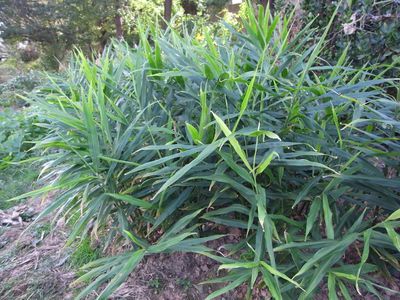 GingerZingiber officinale
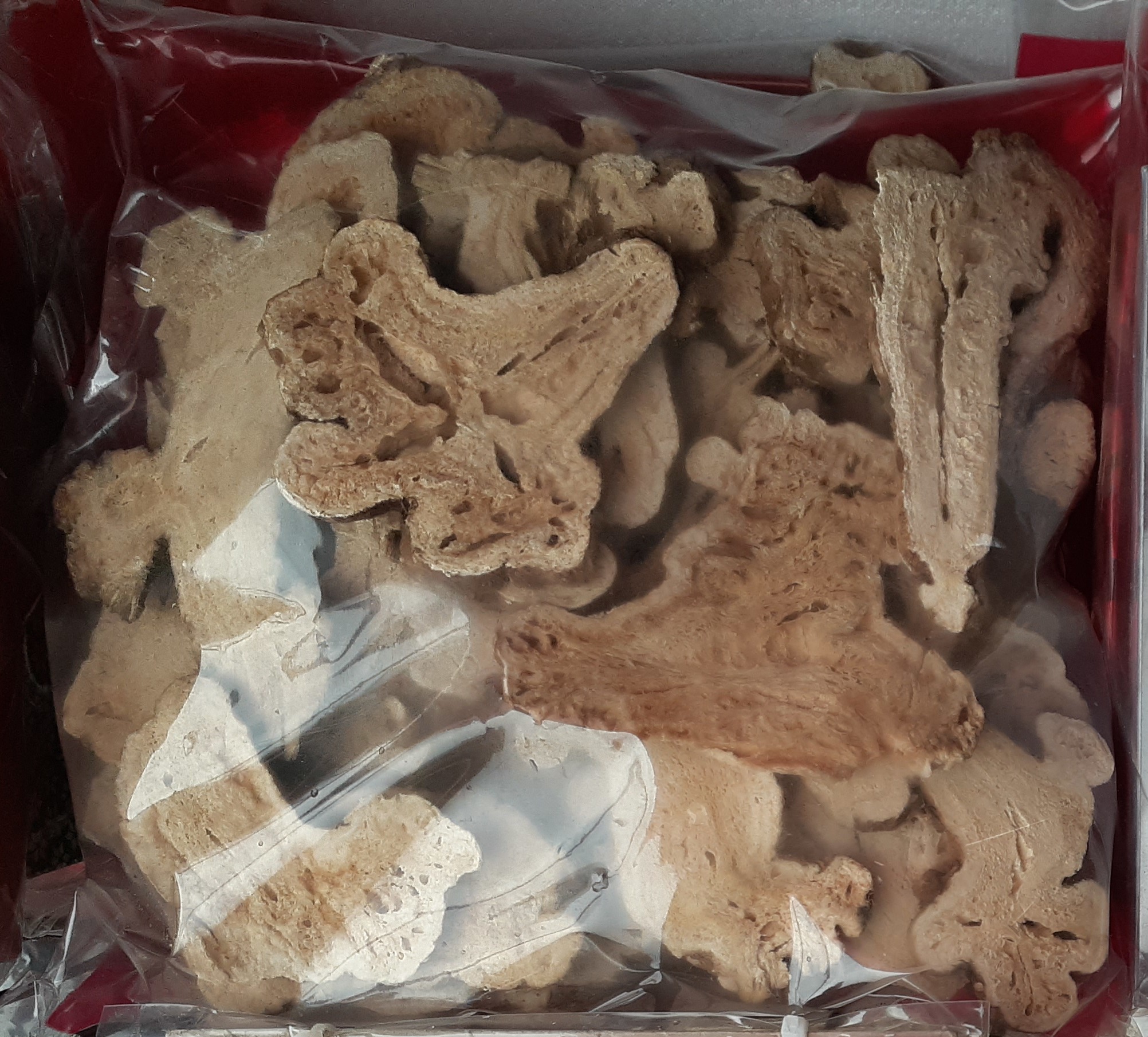 Bai ZhuAtractylodes macrocephala
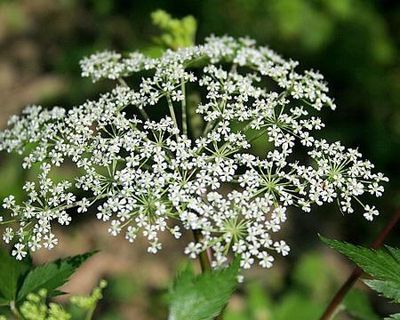 Dong QuaiAngelica sinensis
Nearby on the shelf
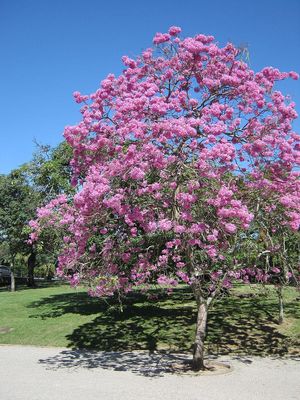 TaheeboTabebuia avellanedae
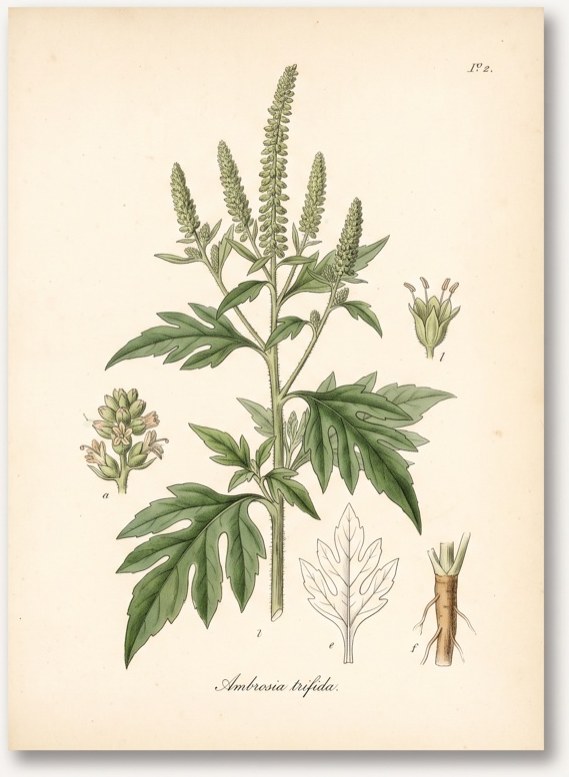 Tall AmbrosiaAmbrosia Trifida
 TamarackLarix Americana
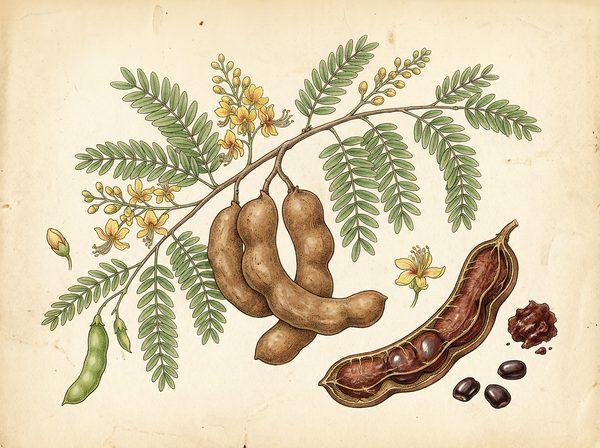 TamarindTamarindus indica
 TansyTanacetum vulgare
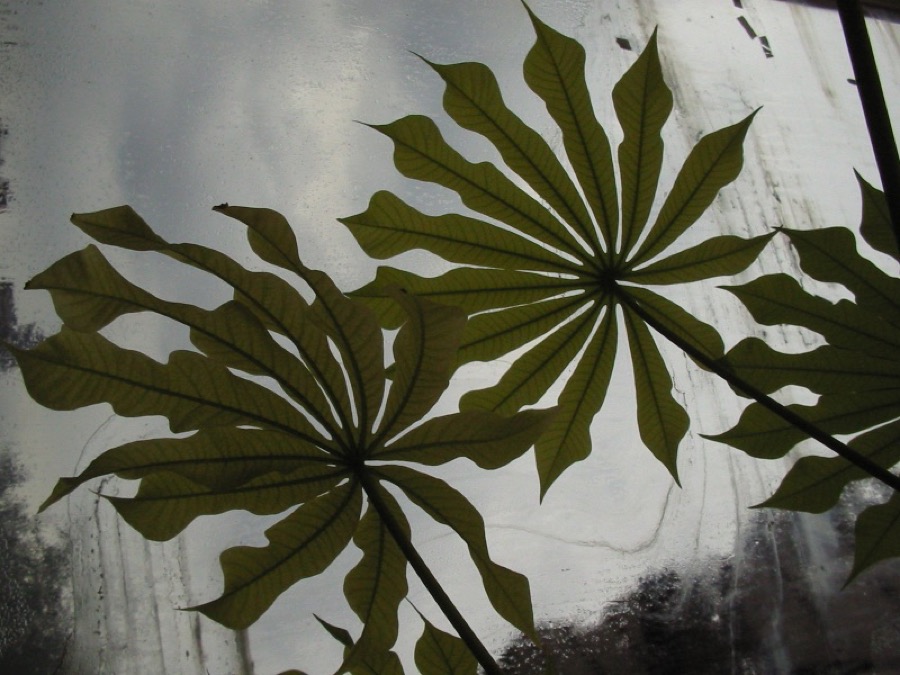 TapiocaManihot
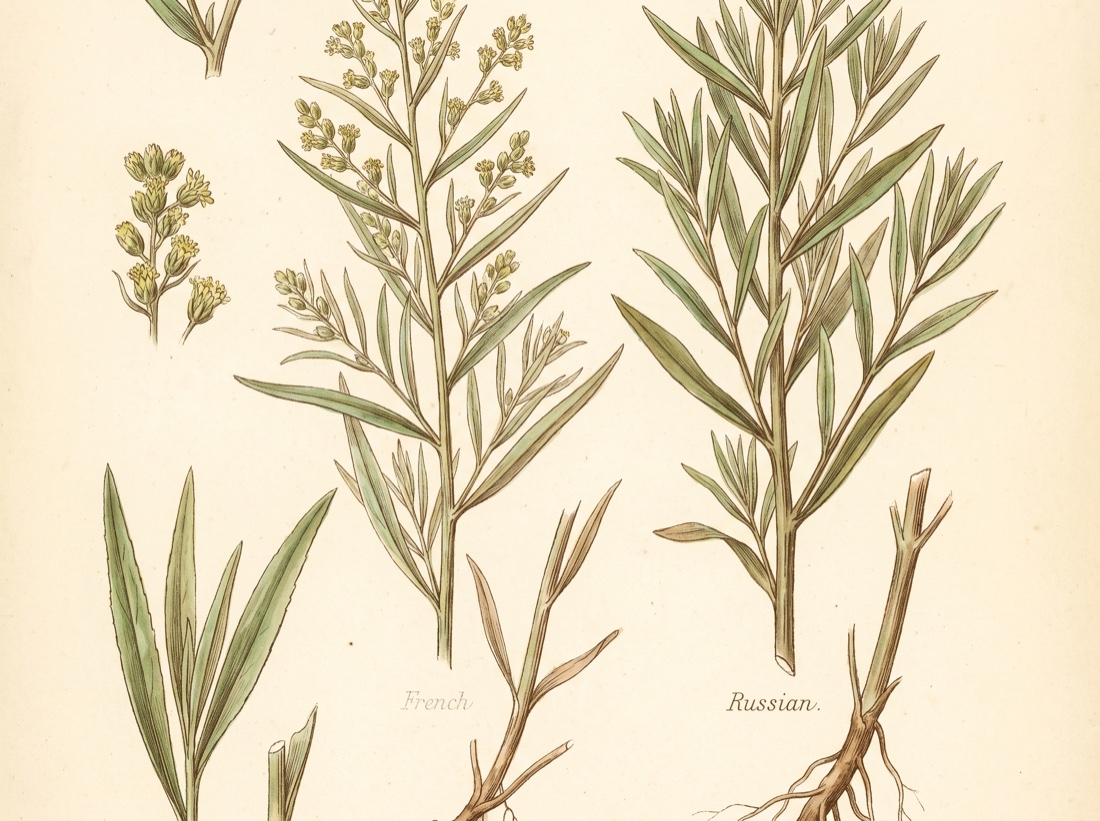 TarragonArtemisia dracunculus
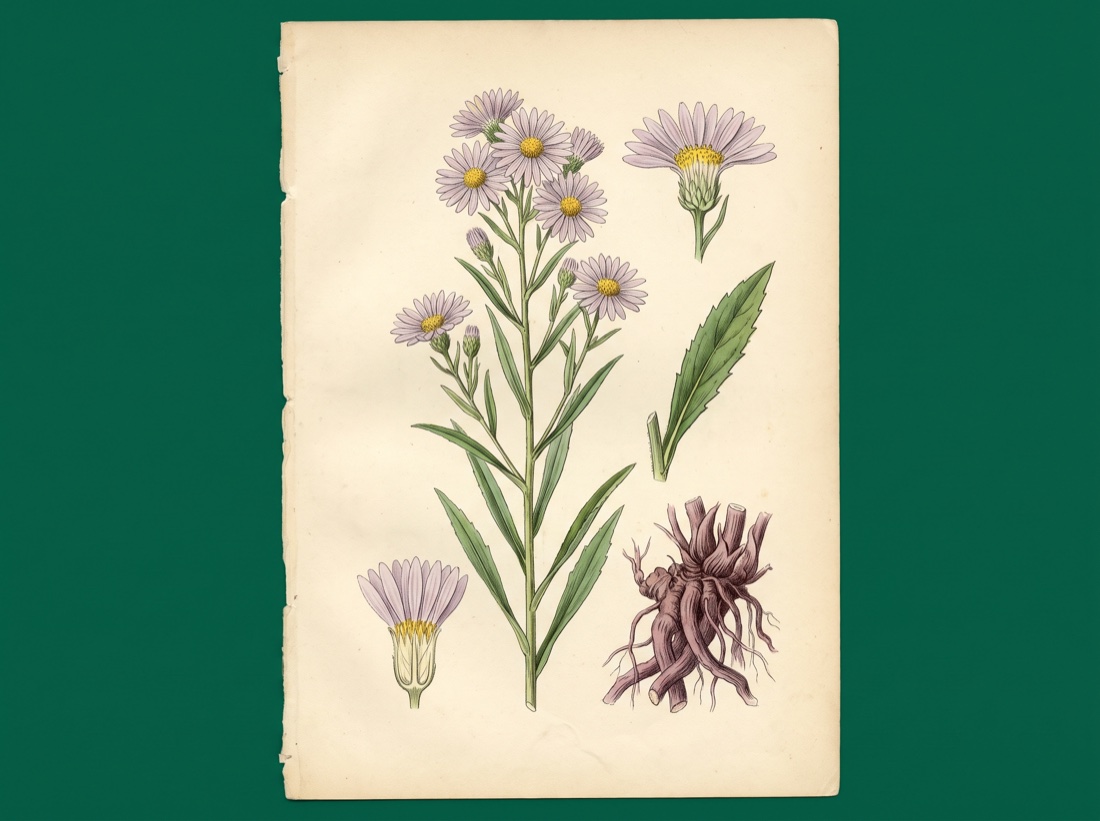 Tatarian asterAster tataricus
The whole plate is in the library. The compass, Compare, the Sky of eleven hundred plants and the formulary open with an email address and a password, free, with the formula builder and its safety engine. Herbert without limit, his formulating, clients, the handouts and the labels are the paid room.
Open the library, free