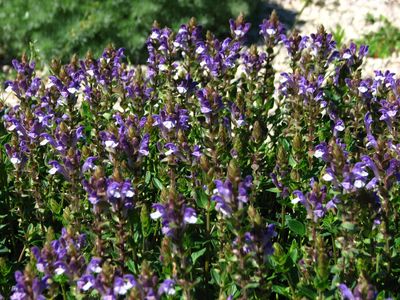
Western and Chinese herbalism
Chinese skullcap
Scutellaria baicalensis
Also known as Huang qin, Baikal skullcap, huáng qín.
TCM=clears heat, dries damp, sedates fire, eliminates toxins, cools blood, indications include damp heat disorders (fever, abdominal fullness, poor appetite, nausea, sensation of heaviness, thirst w/ no desire to drink, tongue-red w/ greasy/yellow coat, pulse-rapid/slippery), jaundice and hepatitis, heat in the middle jiao (sore throat, toothache, oral ulcers, tonsillitis, epigastric burning and discomfort and constipation), damp heat in stomach and intestine (dysentery, burning diarrhea, fever, heat sensations in chest and abdomen, irritability, thirst w/ dry mough, yellow tongue coat and rapid pulse), damp heat in urinary bladder (burning, scanty, painful, dark yellow urine and/or blood in urine), lung heat...

Ask Herbert about Chinese skullcap. Herbert is the master herbalist inside Bountiful Herbs: he answers from this plate and eleven hundred others, with dosing, pairing and cautions. Your first ten questions are free.
Ask HerbertActions
Indications what the tradition reached for it in
- Cancer
- Bursitis
- Tendonitis
- Osteoarthritis
- Rheumatoid arthritis
- Allergies
- Respiratory infection
- Inflammation
- Arthritis
- Hepatitis
- Asthma
- Jaundice
- Injury (acute w/ inflammation)
- Gastrointestinal infection
- Debility
- Fatigue
- Infection
- Liver disease
- Loss of appetite
- Dyspepsia
- Weakness
- Respiratory complaints
- Oxidative stress
- Bone marrow stimulation during chemotherapy
- Vitamin a deficiency
- Cancer prevention
- Cardiovascular disease
- Immune function
- Chronic obstructive pulmonary disease
- Cataracts
Safety
Pregnancy: Pregnancy and Lactation=Lack of data
Breastfeeding: Pregnancy and Lactation=Lack of data
The record lists 1 contraindication; open the plate in the library to read them in full.
Dosing as the sources wrote it
| Preparation | As written | Metric |
|---|---|---|
| Tincture (1:2-1:3) | 3-5 ml TID | 3-5 mL |
| Decoction | 2-3 tsp/c, BID-QID | |
| Powdered | 3-30 g/d | 3000-30000 mg |
| · Dried herb: 6-15 g/day | 6000-15000 mg | |
| · Liquid extract (1:2): 30-60 mL/week or 4.5-8.5 mL/day in divided doses | 30-60 mL | |
| Supplemental intake of beta- carotene ranges from 3 to 30 mg/day, although medicinal doses to treat erythropoietic protoporphyria or prevent a reaction to sun in patients with polymor- phous light eru | 3-30 mg |
Doses are reproduced from the sources for practitioners and are not a recommendation for any person.
From the sources
Clinical Notes. TCM=clears heat, dries damp, sedates fire, eliminates toxins, cools blood, indications include damp heat disorders (fever, abdominal fullness, poor appetite, nausea, sensation of heaviness, thirst w/ no desire to drink, tongue-red w/ greasy/yellow coat, pulse-rapid/slippery), jaundice and hepatitis, heat in the middle jiao (sore throat, toothache, oral ulcers, tonsillitis, epigastric burning and discomfort and constipation), damp heat in stomach and intestine (dysentery, burning diarrhea, fever, heat sensations in chest and abdomen, irritability, thirst w/ dry mough, yellow tongue coat and rapid pulse), damp heat in urinary bladder (burning, scanty, painful, dark yellow urine and/or blood in urine), lung heat...
anti-inflammatory. The root has confirmed anti-inflammatory and anti-arthritic activity, in part through COX-2 inhibition, with a potency likened to phenylbutazone and indomethacin but without their toxicity.
constituents. The yellow root is rich in over 35 flavonoids, chiefly baicalin (6-9%), wogonin, and baicalein, the flavone glycoside baicalin being hydrolyzed by gut bacteria to the well-absorbed aglycone baicalein.
antimicrobial. The root has broad antimicrobial action and is applied for gastrointestinal infections including diarrhea and dysentery, urinary tract infections, and upper respiratory infections with fever.
In formulas
Chinese skullcap stands in 396 documented formulas in the library, among them ging bí tāng, jin wèi giàng huo tàng, dà giang huo tàng, ning sòu wán, ùng sù yin [yòu kē], chái gé lie ji tāng.
Often paired with
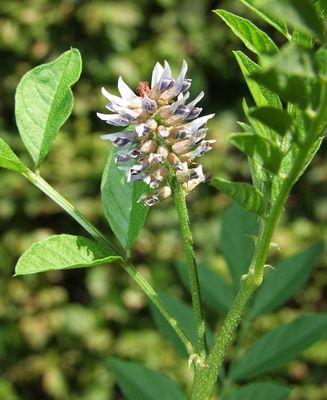 Licorice rootGlycyrrhiza glabra
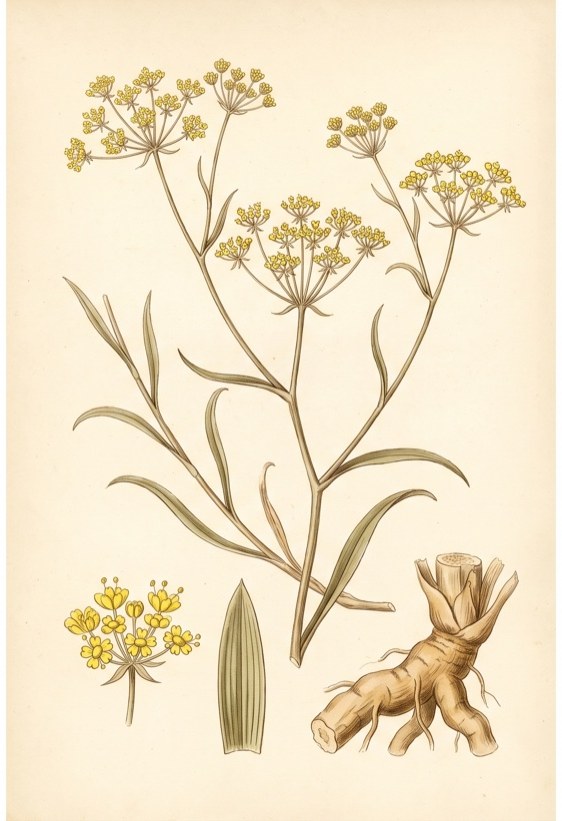 Chai HuBupleurum falcatum
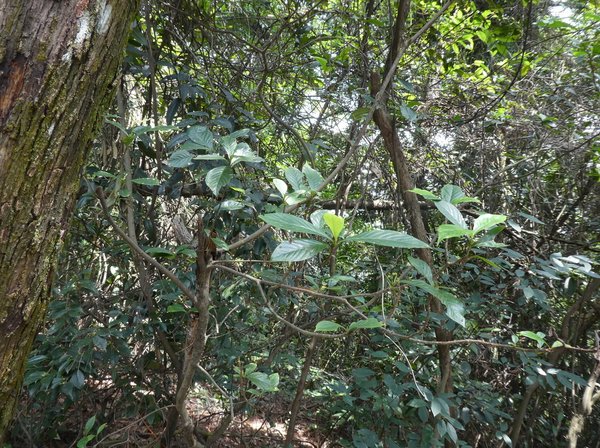 Zhi ZiGardenia jasminoides
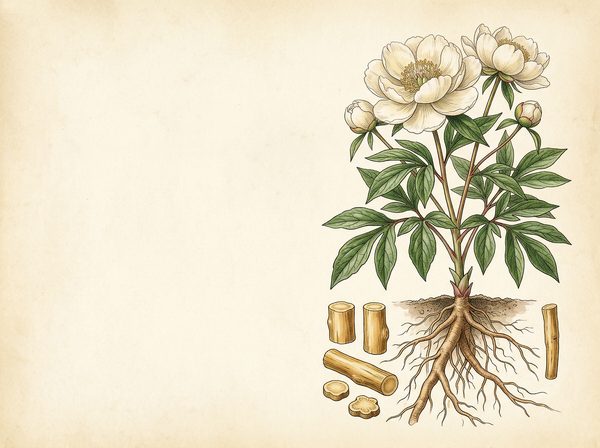 White PeonyPaeonia lactiflora
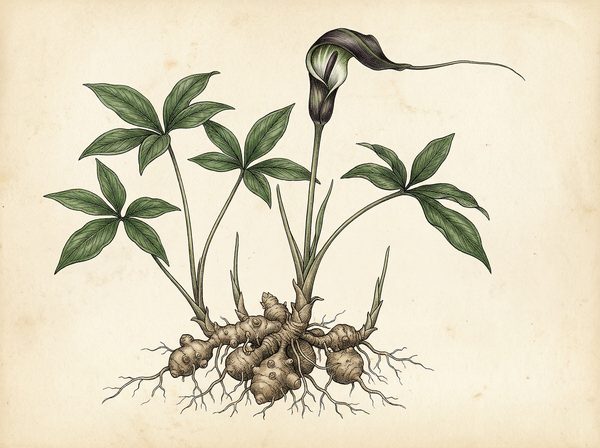 PinelliaPinellia ternata
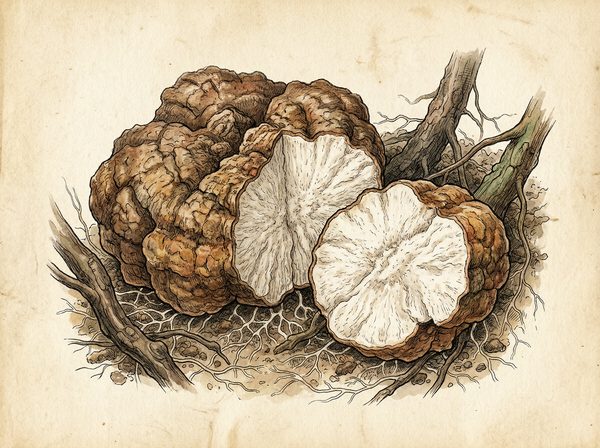 PoriaWolfiporia extensa
Nearby on the shelf
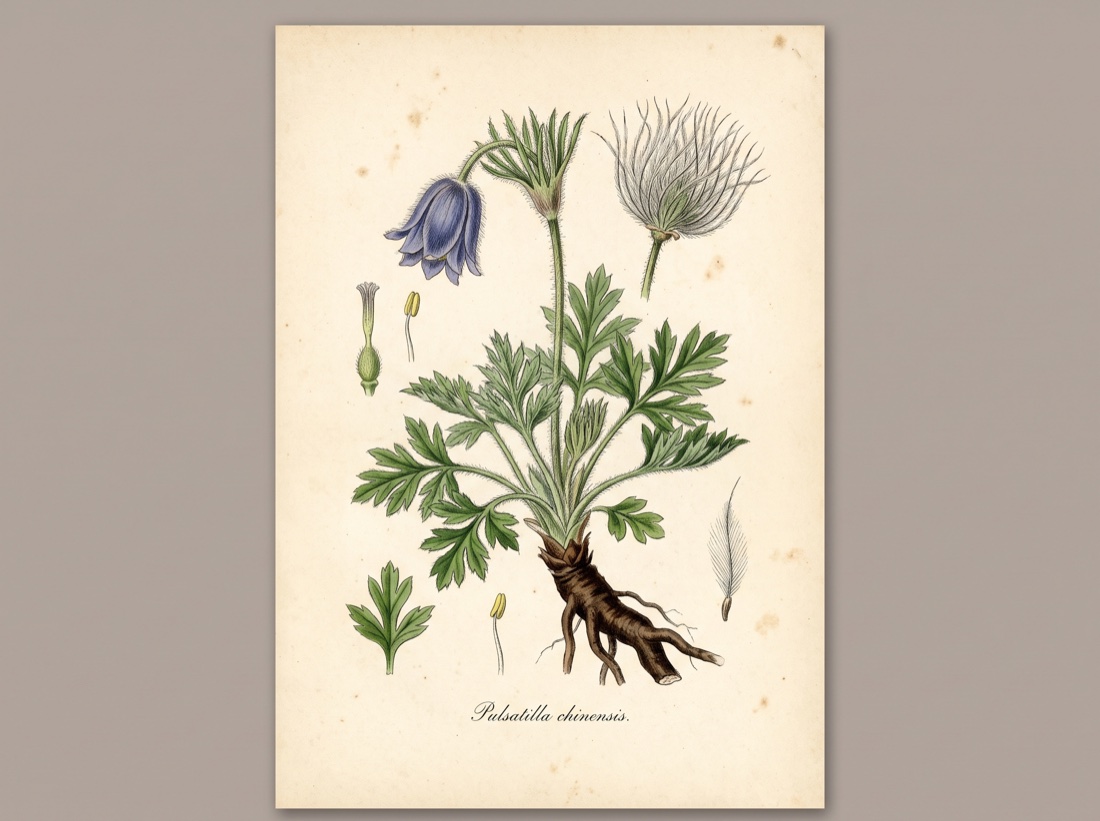 Chinese pulsatillaPulsatilla chinensis
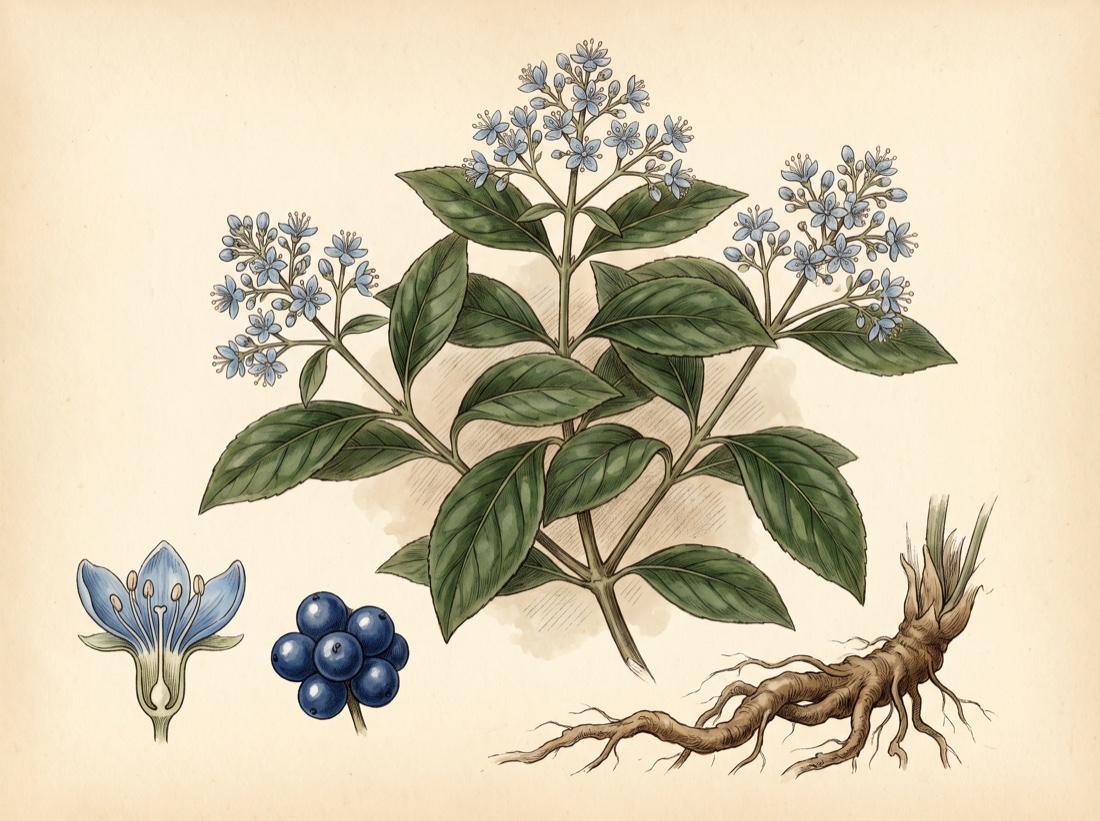 Chinese quinineDichroa febrifuga
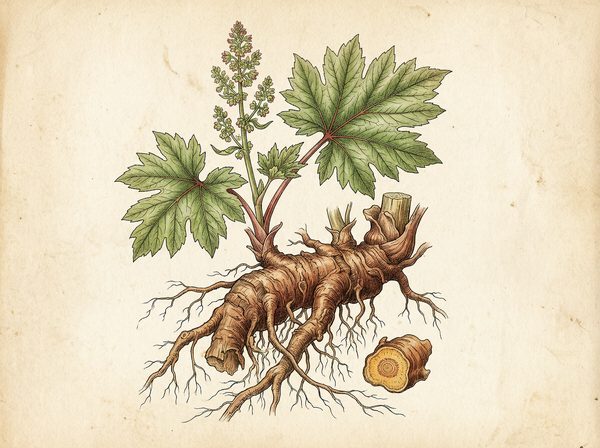 Chinese RhubarbRheum palmatum
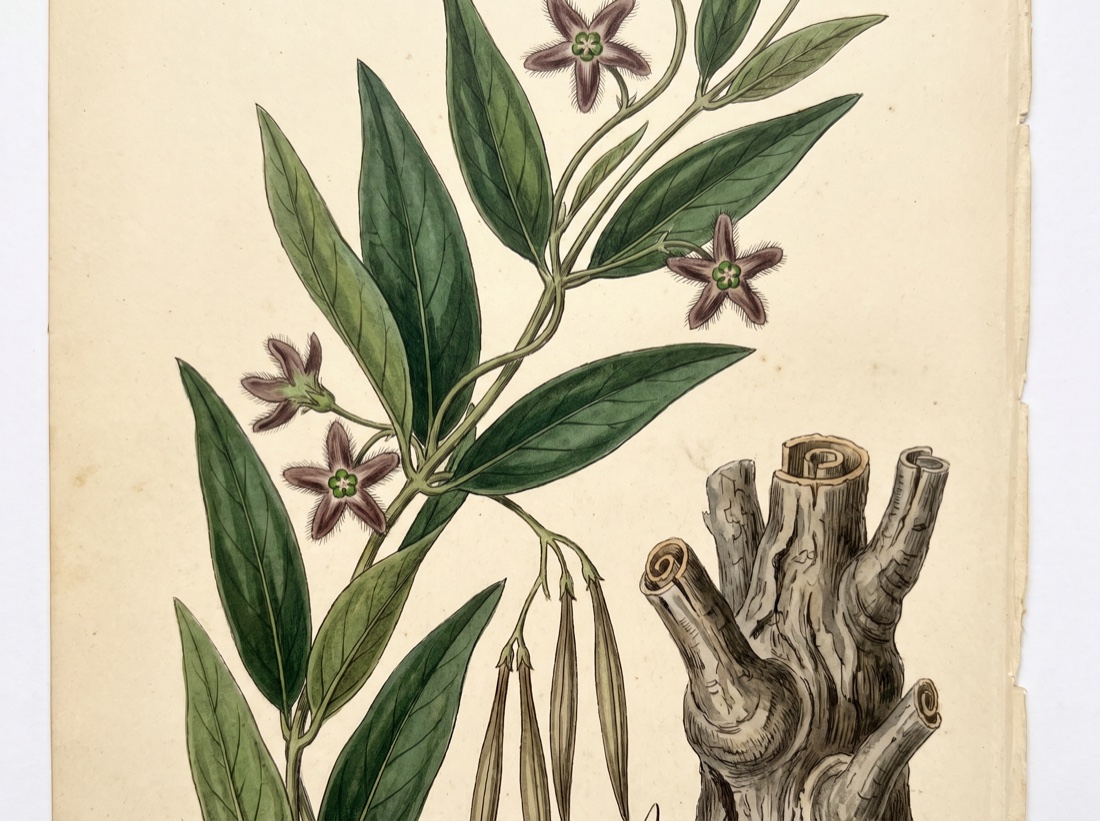 Chinese silk vinePeriploca sepium
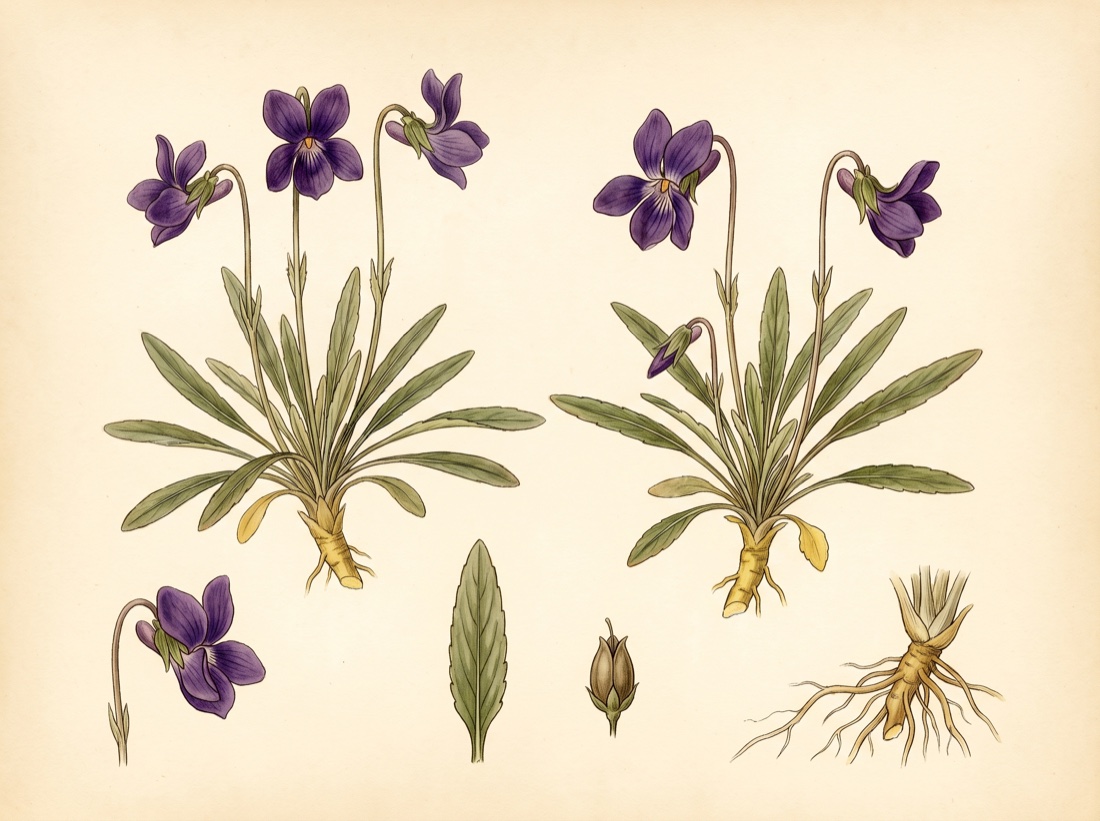 Chinese violetViola philippica
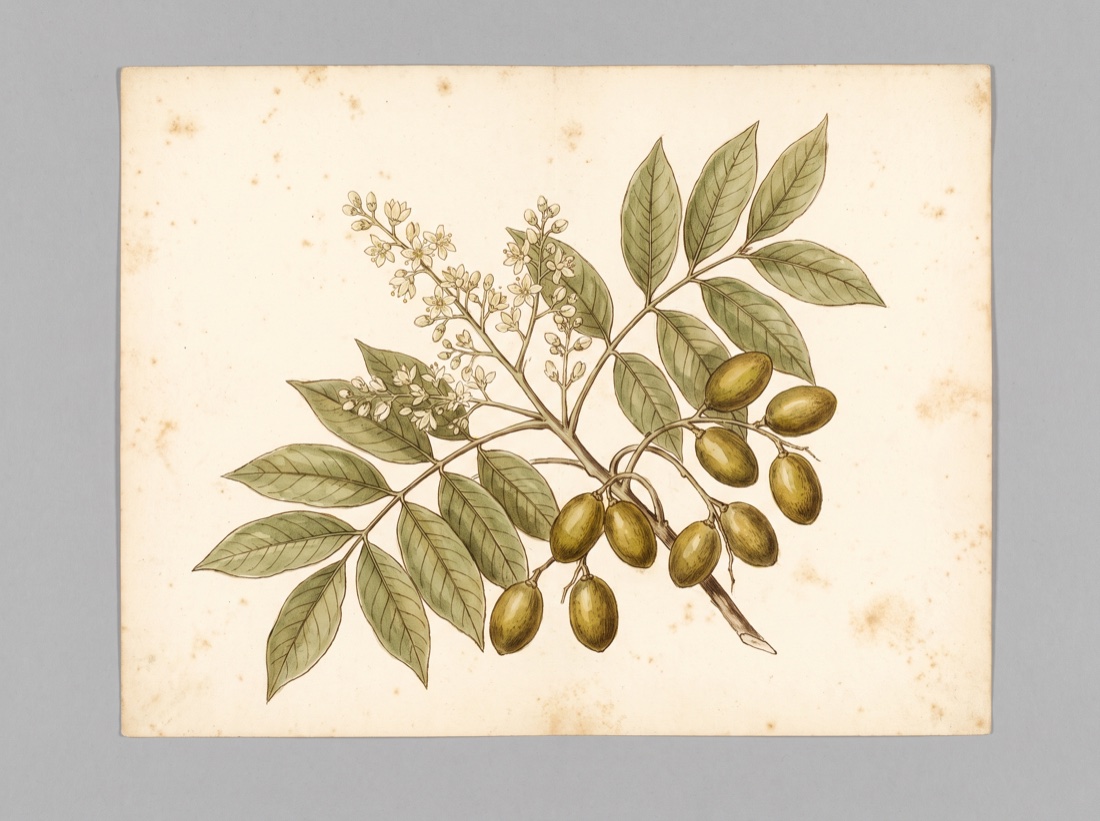 Chinese white oliveCanarium album
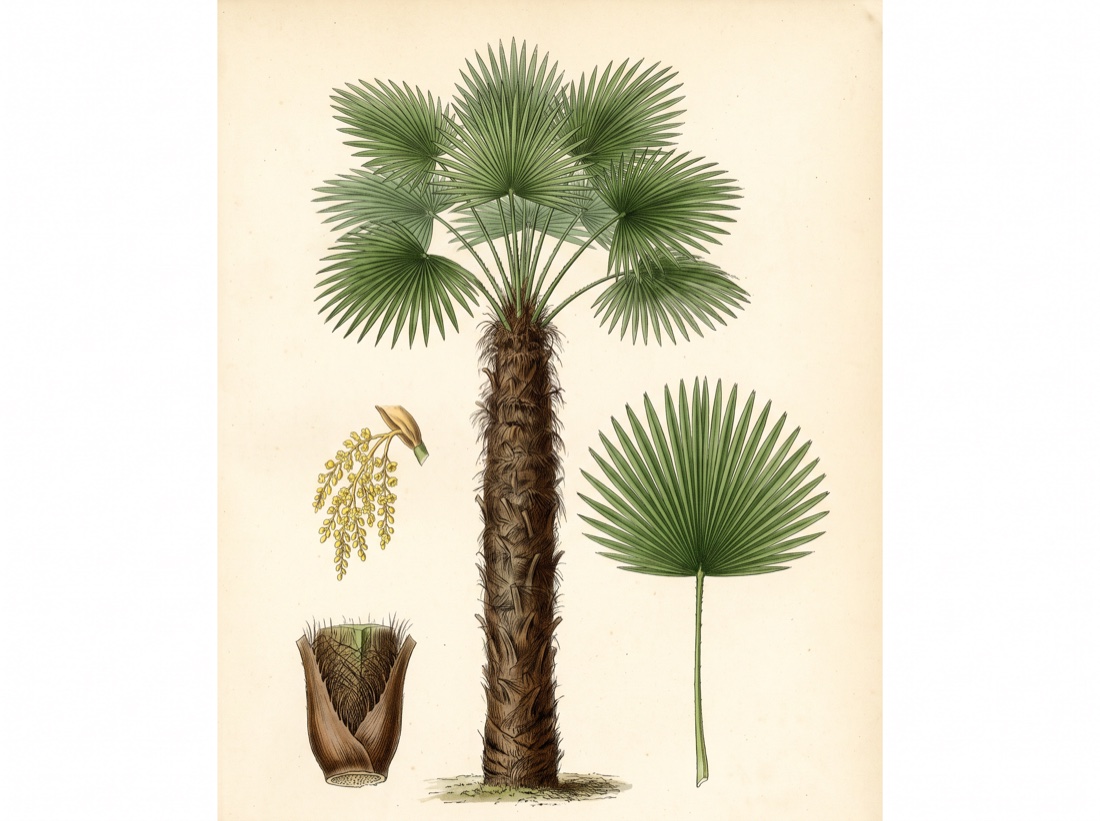 Chinese windmill palmTrachycarpus fortunei
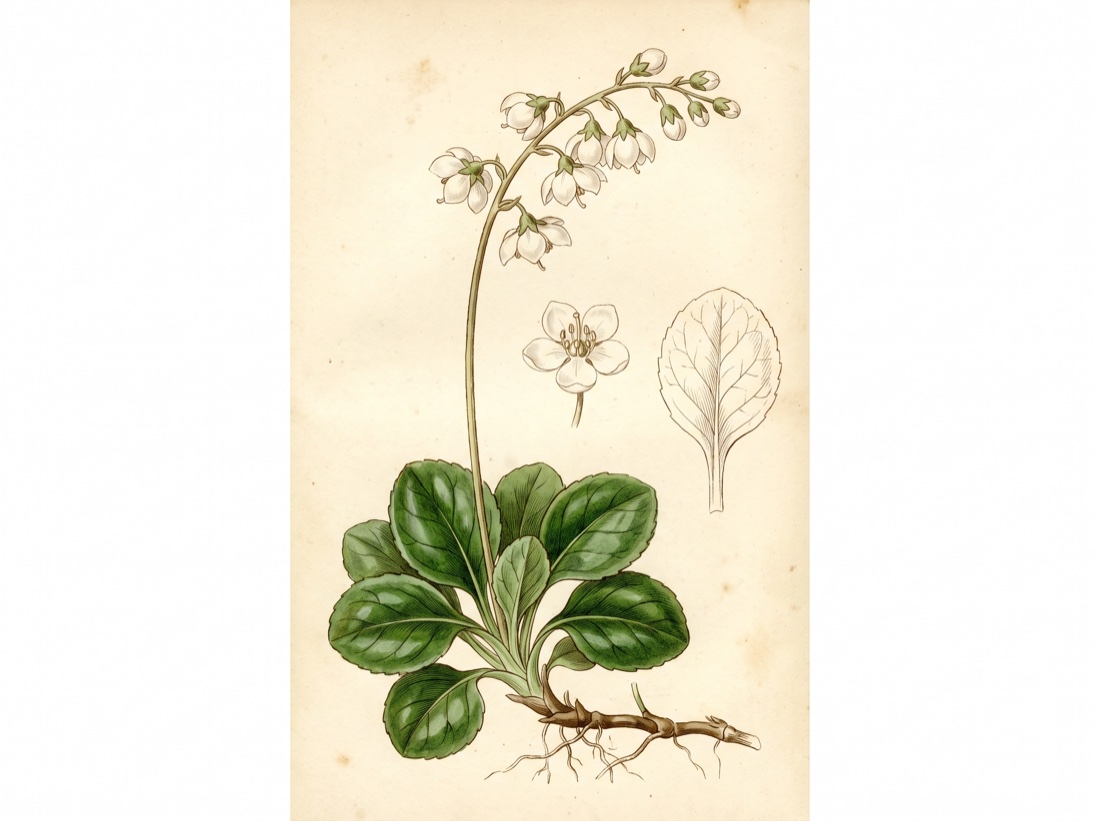 Chinese wintergreenPyrola calliantha
The whole plate is in the library. The compass, Compare, the Sky of eleven hundred plants and the formulary open with an email address and a password, free, with the formula builder and its safety engine. Herbert without limit, his formulating, clients, the handouts and the labels are the paid room.
Open the library, free