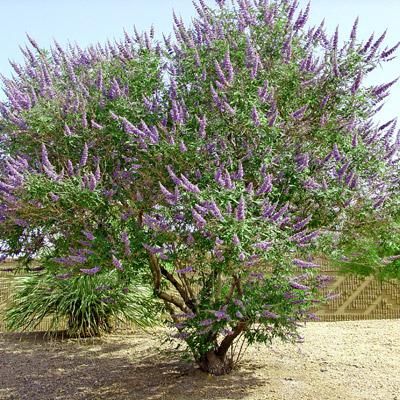
Western Herbalism
Chaste tree
Vitex agnus-castus
Also known as Chaste berry, Monk's pepper, Agni Casti, Chasteberry, Vitex.
Usually used in combination with other herbs May help after discontinuing oral contraceptive pills Use with estrogen dominant conditions to balance estrogen/progesterone ratio Works by increasing dopamine thus decreasing prolactin High dose=increase progesterone, decrease estrogen

Ask Herbert about Chaste tree. Herbert is the master herbalist inside Bountiful Herbs: he answers from this plate and eleven hundred others, with dosing, pairing and cautions. Your first ten questions are free.
Ask HerbertActions
Indications what the tradition reached for it in
- Cysts (ovarian)
- Infertility
- Menopause
- Oligomenorrhea
- Uterine fibroids
- Hyperprolactinemia
- Perimenopause
- Amenorrhea (secondary)
- Polymenorrhea
- Menorrhagia
- Anovulation
- Premenstrual syndrome
- Irritability
- Anxiety
- Mouth ulcers
- Orofacial herpes
- Epilepsy
- Acne
- Endometriosis
- Amenorrhea
- Insufficient lactation
- Nervous tension
- Stress
- Skin conditions
- Low milk supply
- Menstrual problems resulting from corpus luteum deficiency
- Premenstrual symptoms
- Spasmodic dysmenorrhoea
- Menopausal conditions
- Irregularities of the menstrual cycle
Safety
Pregnancy: Limited safety data in pregnancy
Breastfeeding: Use with care while breastfeeding
The record lists 4 contraindications; open the plate in the library to read them in full.
Dosing as the sources wrote it
| Preparation | As written | Metric |
|---|---|---|
| Tincture (1:2-1:3) | 0.5-2 ml BID | 0.5-2 mL |
| Decoction | 1 tsp/c BID | |
| Dosage highly variable. May range for bulk herb 200-2,500 mg/d in divided doses | 200-2500 mg | |
| Standardized extractions contain | Standardized extractions contain 0.5% agnuside or 0.6% aucubin | |
| Fruit 0.5-1.0 g three times daily | 500-1000 mg | |
| (G49) aqueous-alcoholic extracts corresponding to 30 -40 mg daily of dried crushed fruit | 30-40 mg |
Doses are reproduced from the sources for practitioners and are not a recommendation for any person.
From the sources
Clinical Notes. Usually used in combination with other herbs May help after discontinuing oral contraceptive pills Use with estrogen dominant conditions to balance estrogen/progesterone ratio Works by increasing dopamine thus decreasing prolactin High dose=increase progesterone, decrease estrogen
indications. Chaste tree is traditionally indicated for: Cysts (ovarian), Infertility, Menopause, Oligomenorrhea, Uterine fibroids, Hyperprolactinemia, Perimenopause, Amenorrhea (secondary), Polymenorrhea, Menorrhagia, Anovulation, Premenstrual syndrome, Irritability, Anxiety, Mouth ulcers, and 10 further conditions.
dose-reference. Reference preparation/dosing for Chaste tree: Tincture (1:2-1:3)=0.5-2 ml BID; Decoction=1 tsp/c BID; Dosage highly variable. May range for bulk herb 200-2,500 mg/d in divided doses; Standardized extractions contain 0.5% agnuside or 0.6% aucubin; Galactagogue when low dose
safety-cautions. Chaste tree - Contraindications: Premenstrual syndrome D, Pregnancy category B1 (may be taken in 1st trimester for women with progesterone deficiency), Lactation category C, Dopamine receptor antagonists | Side effects: Possible additive effects if taken w/ progesterone, oral contraceptive pills.
In formulas
Chaste tree stands in 20 documented formulas in the library, among them Daśamūlāriṣṭa, Mṛdvīkāriṣṭa, Sārasvatāriṣṭa, Maha Yogarāja Guggulu, Aṇu Taila, Prameha Mihira Taila.
Often paired with
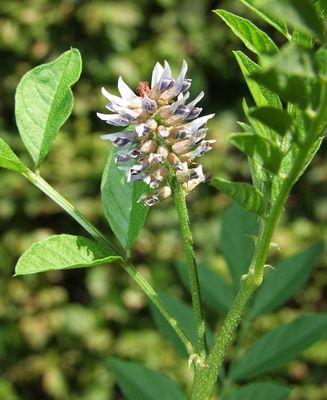 Licorice rootGlycyrrhiza glabra
 nut grassCyperus rotundus
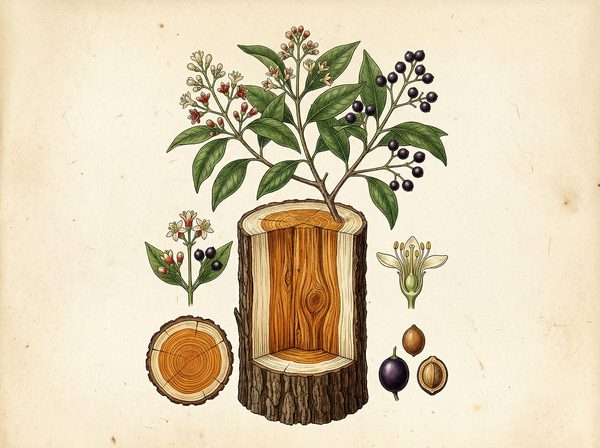 sandalwoodSantalum album
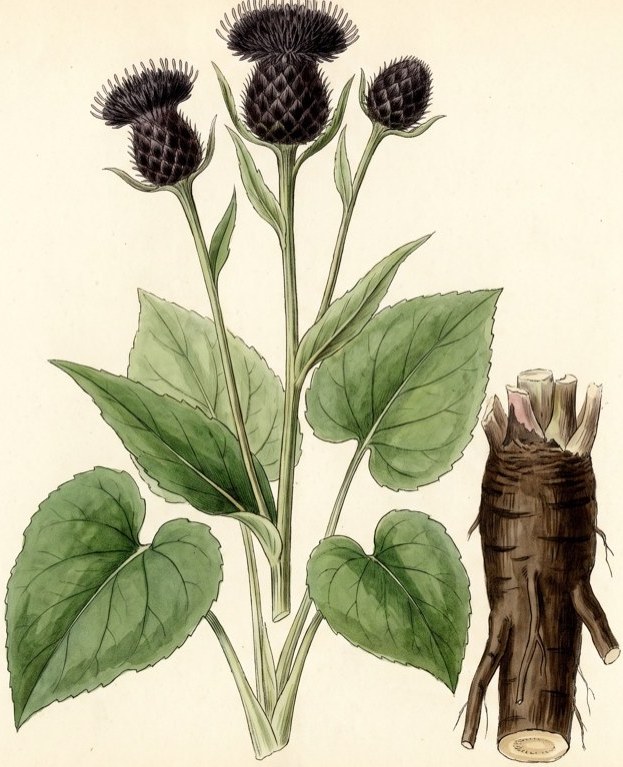 costusSaussurea costus
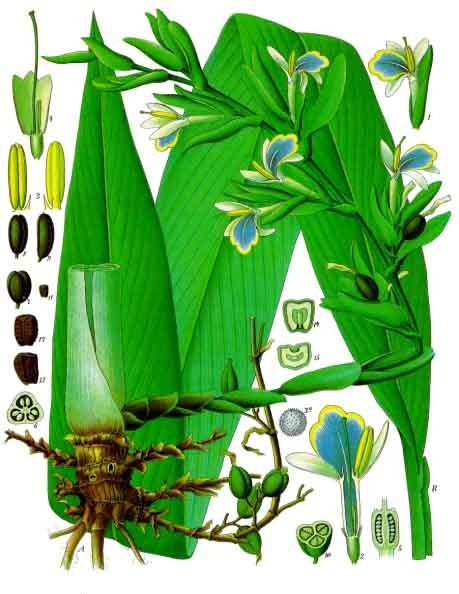 cardamomElettaria cardamomum
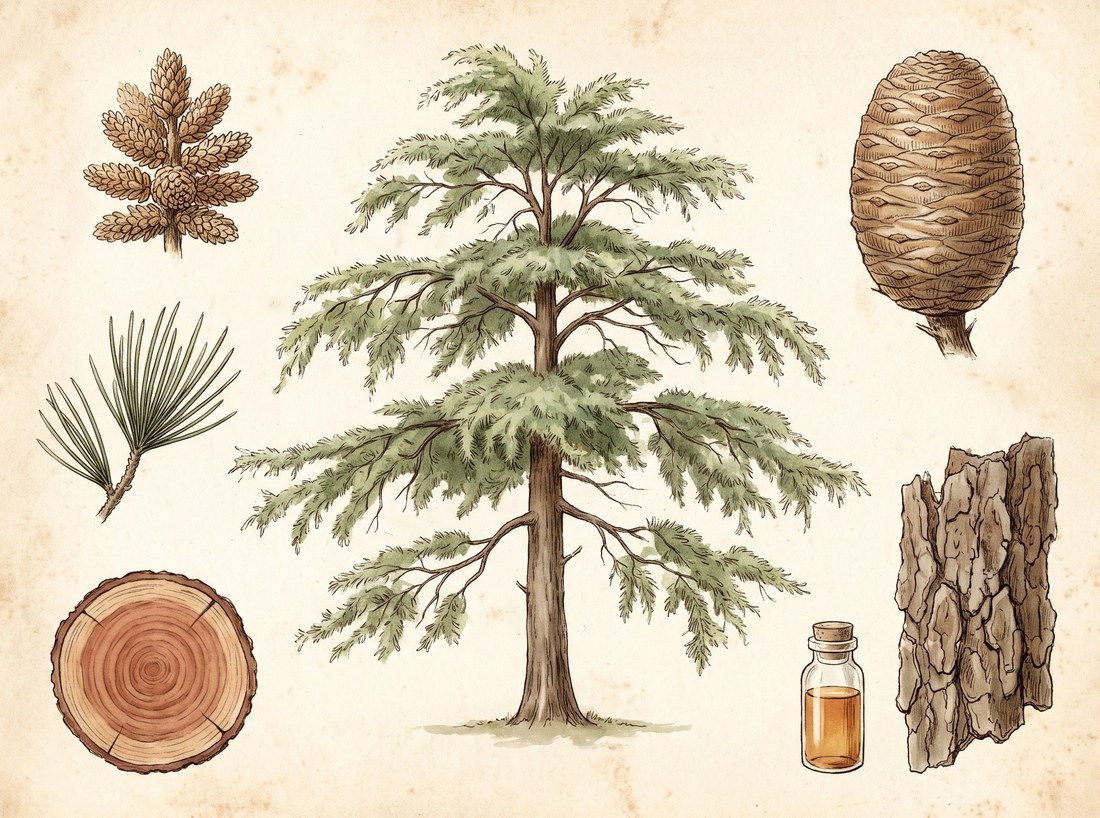 Himalayan cedarCedrus deodara
Nearby on the shelf
 ChamomileChamaemelum nobile
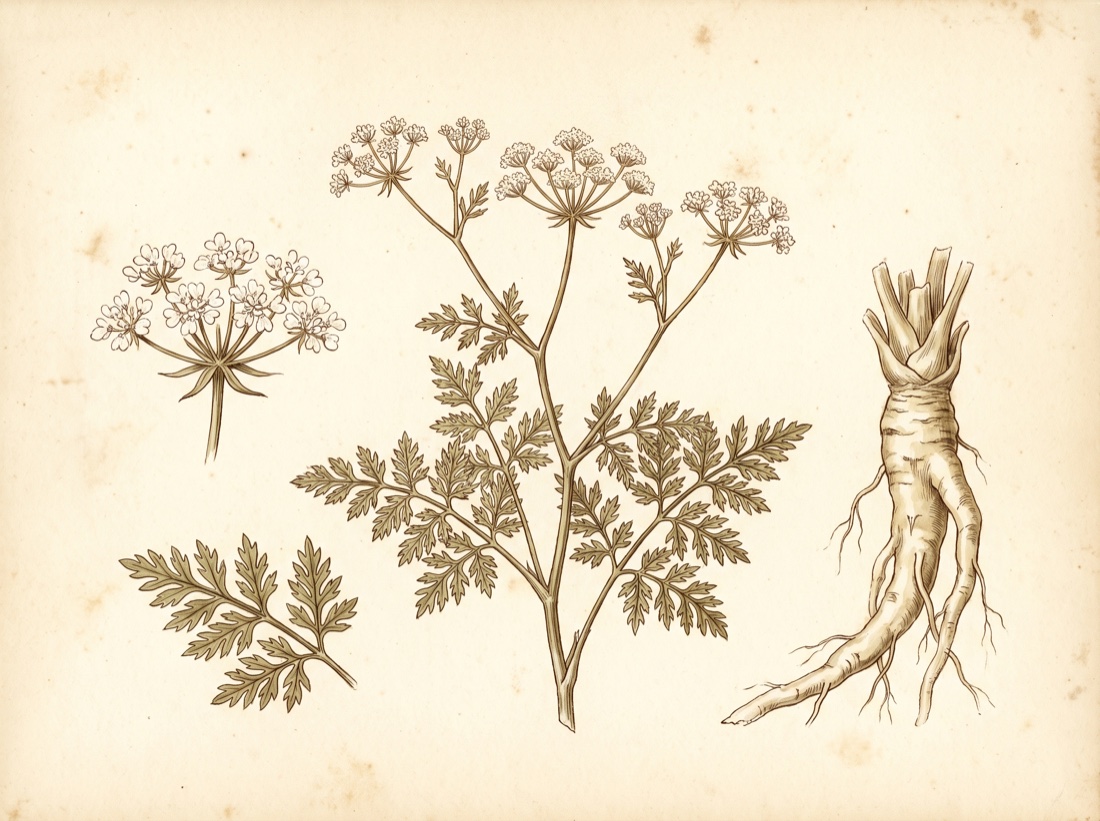 ChangiumChangium smyrnioides
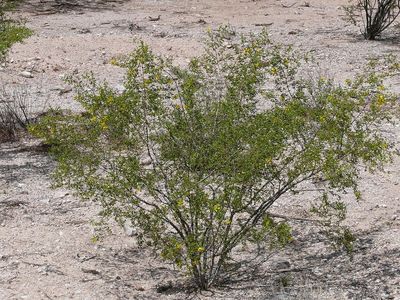 ChaparralLarrea tridentata
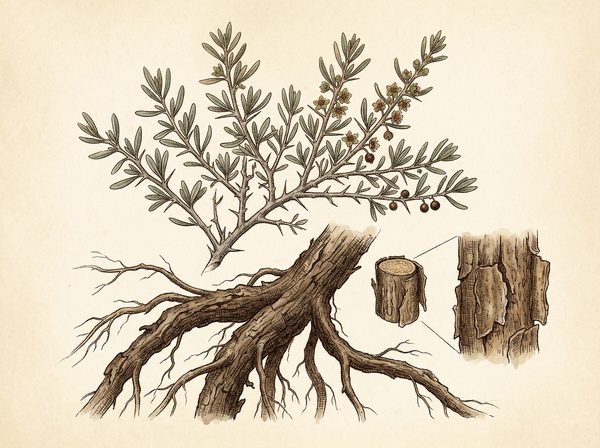 Chaparro AmargosoCastela erecta
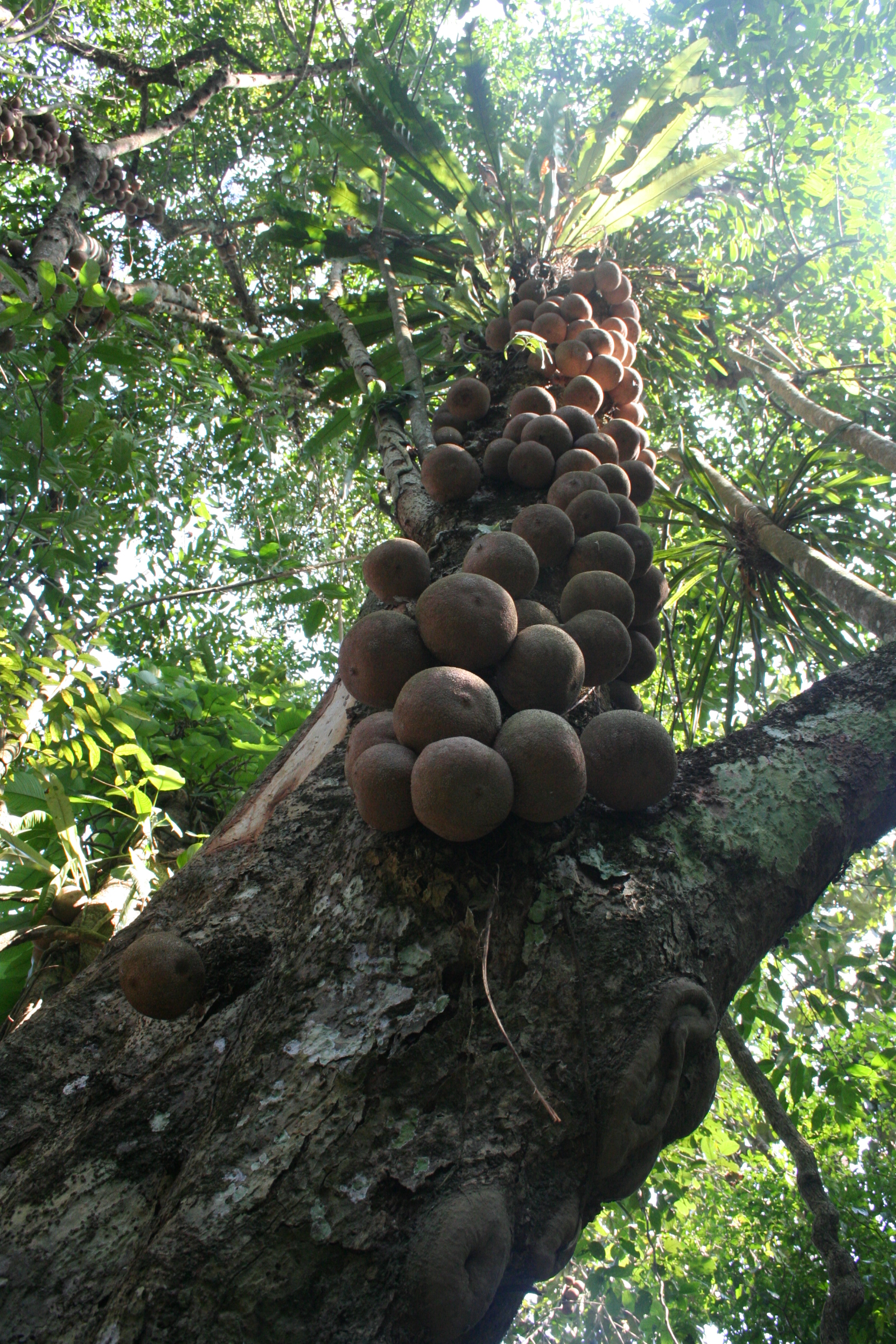 ChaulmoograGynocardia
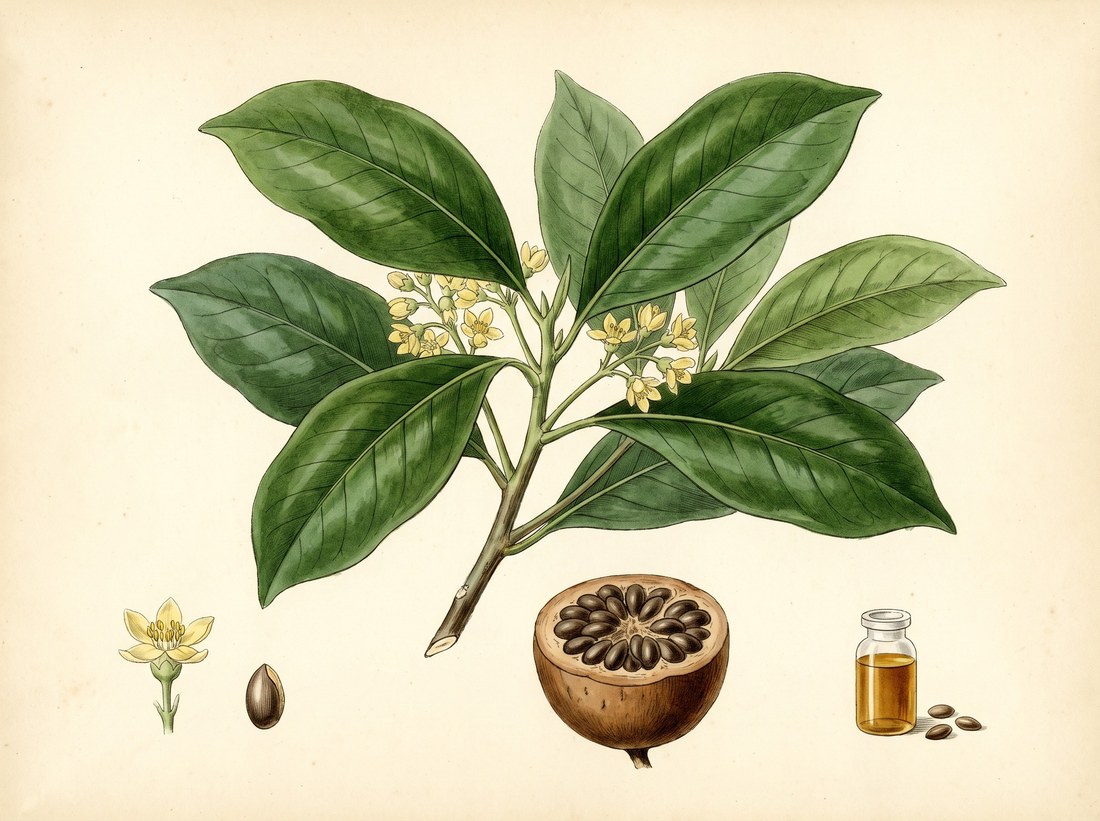 ChaulmoograHydnocarpus laurifolia
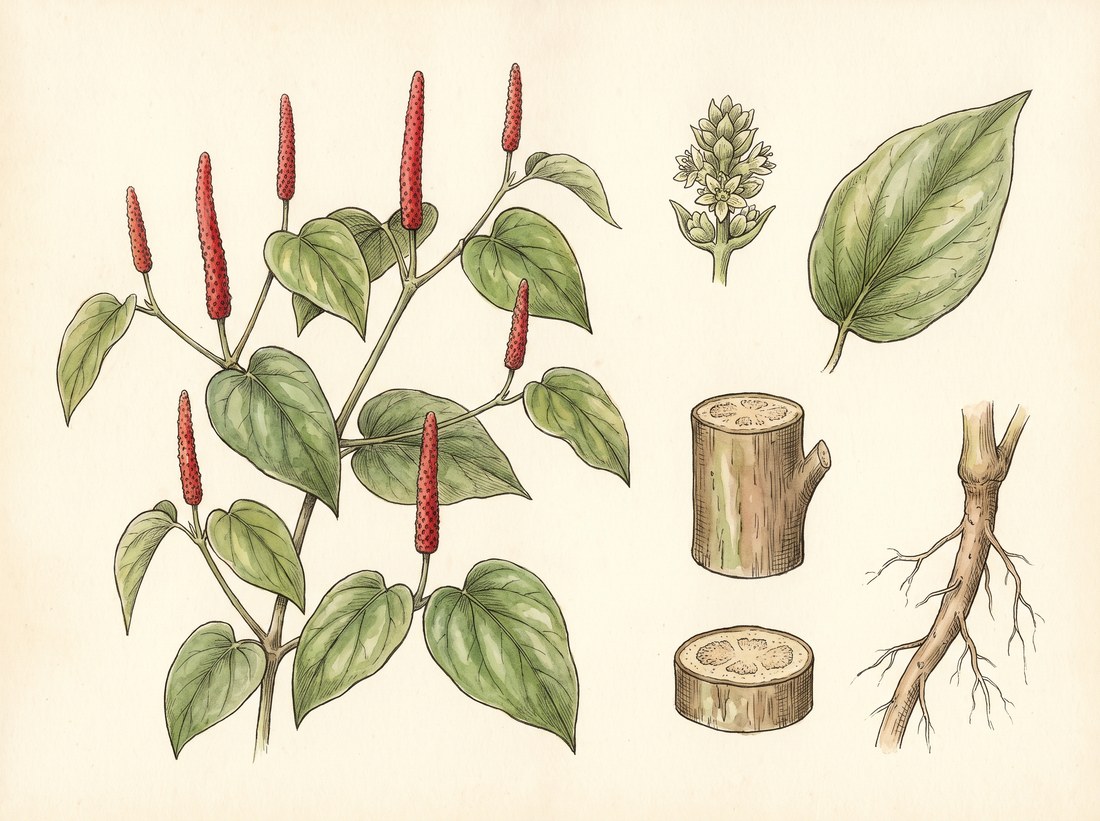 ChavyaPiper chaba
 Chebulic myrobalanTerminalia chebula
The whole plate is in the library. The compass, Compare, the Sky of eleven hundred plants and the formulary open with an email address and a password, free, with the formula builder and its safety engine. Herbert without limit, his formulating, clients, the handouts and the labels are the paid room.
Open the library, free