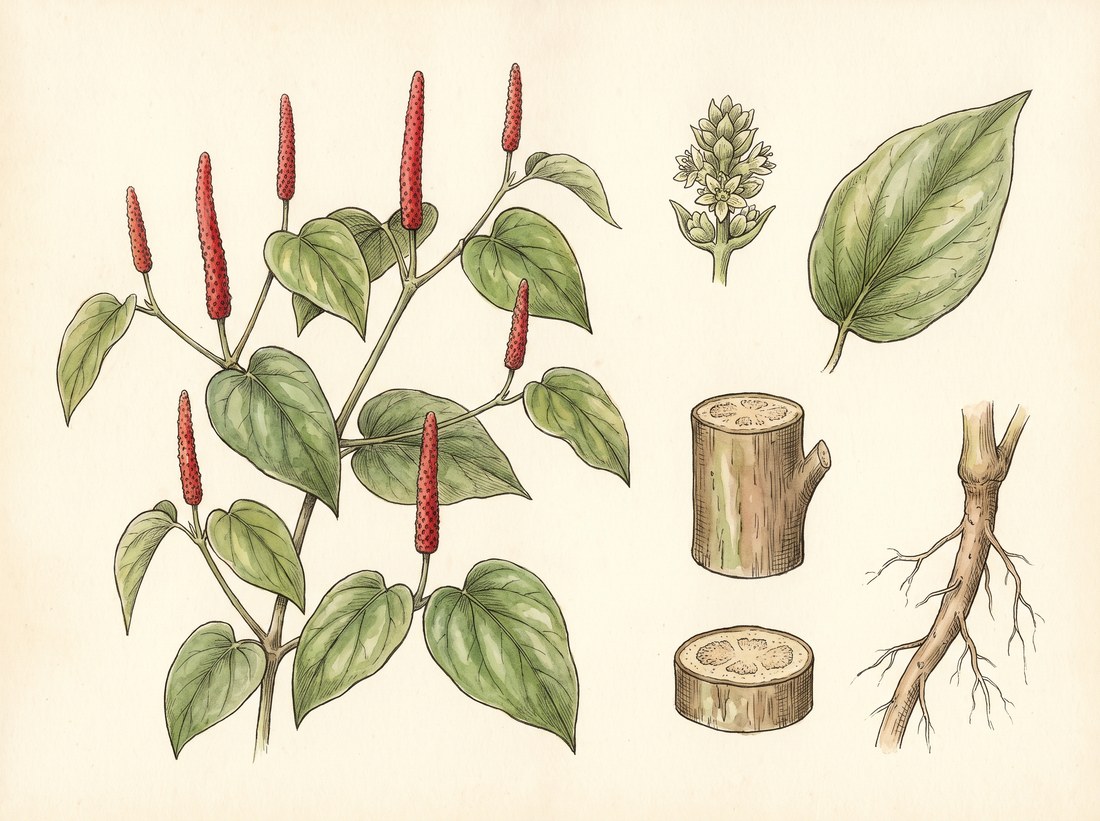
Ayurvedic Herbalism
Chavya
Piper chaba
Also known as Javanese long pepper, Balinese long pepper, chaba pepper, chui jhal, Chavya, Chavika, Chavi.
Piper chaba, accepted by botanists as Piper retrofractum, is a climbing pepper of the humid forests of northeast India, Bangladesh and Southeast Asia, cultivated in Bengal, Assam and Java for its thick aromatic stems and its long red fruiting spikes. Ayurveda uses the dried stem as Chavya, one of the five pungent herbs of the Panchakola group with Pippali, Pippalimoola, Chitraka and Shunthi, the standard combination for kindling digestion and clearing kapha from the gut. It is a hot, sharp, drying digestive in the same family as black and long pepper, with the same piperine chemistry and the same power to carry other medicines into the body.

Ask Herbert about Chavya. Herbert is the master herbalist inside Bountiful Herbs: he answers from this plate and eleven hundred others, with dosing, pairing and cautions. Your first ten questions are free.
Ask HerbertActions
Indications what the tradition reached for it in
- Weak digestion with heaviness, bloating and no appetite
- Colic and abdominal distension after meals
- Chronic gas with a cold, damp constitution
- Hemorrhoids with sluggish bowel (traditional)
- Intestinal worms with poor digestion
- Chronic bronchitis with thick phlegm
- Malabsorption with undigested food in the stool
- Splenic congestion and abdominal fullness (traditional)
- Poor absorption of other herbs (as a carrier in formulas)
- Obesity with sluggish metabolism (adjunct)
Specific indications
A cold, heavy kapha patient who feels full after a few mouthfuls, belches, bloats and has a thick white coating on the tongue
Chronic colic and gas in a vata patient with a cold abdomen that is relieved by warmth and warming spices
Hemorrhoids with a slow bowel and poor digestion, in whom the classical Panchakola group is used to kindle agni
A formula that needs a hot, sharp digestive carrier and where Pippali alone is too oily or too strong
Safety
Breastfeeding: Use with care while breastfeeding
The record lists 8 contraindications; open the plate in the library to read them in full.
In practice
Chavya is almost always a team player. The Ayurvedic physician meets it inside Panchakola and Shadushana, the pungent digestive groups, and inside Chitrakadi vati and Agnitundi vati, the tablets for agnimandya with heaviness, gas and undigested food.
In Ayurveda
Rasa: katu (pungent), tikta (bitter, slight). Virya: ushna (heating). Vipaka: katu (pungent). Guna: laghu (light), ruksha (dry), tikshna (sharp). Dosha: pacifies kapha and vata; aggravates pitta. Karma: deepana (kindles digestion); pachana (digestive, clears ama); rochana (improves taste); anulomana (moves the bowel downward); kaphahara (reduces kapha); vatahara (pacifies vata); shulaprashamana (relieves colic); krimighna (anthelmintic); arshoghna (relieves hemorrhoids); yogavahi (carries other herbs); shvasahara (relieves dyspnea). Classical indications: agnimandya (weak digestion); ajirna (indigestion); gulma (abdominal bloating and mass); udara shula (abdominal colic); arsha (hemorrhoids); krimi (worms); shvasa (dyspnea); kasa (cough); pliharoga (splenic enlargement); grahani (malabsorption); anaha (distension); udara (abdominal enlargement). The dried stem, and by extension the root, is Chavya proper, given as churna with honey or buttermilk and as a member of the great digestive powders and ghees; the fruit is a long pepper used in Gajapippali substitutes and as a spice; both are combined with Pippali, Pippalimoola, Chitraka and Shunthi in the Panchakola group. Classical formulations: Panchakola churna, Shadushana churna, Chitrakadi vati, Chavyadi churna, Agnitundi vati, Dashamoola panchakoladi kwatha, Chyawanprash, Pippalyadi ghrita. Described in: Charaka Samhita, Sushruta Samhita, Ashtanga Hridaya, Bhavaprakasha Nighantu, Dhanvantari Nighantu, Raja Nighantu, Madanapala Nighantu, Kaiyadeva Nighantu, Ayurvedic Pharmacopoeia of India.
Dosing as the sources wrote it
| Preparation | As written | Metric |
|---|---|---|
| Churna | 1-3 g powdered stem once or twice daily before meals with honey or warm water | 1000-3000 mg |
| Kwatha | 40-80 mL decoction twice daily | 40-80 mL |
| Panchakola churna | 1-3 g compound powder twice daily before food | 1000-3000 mg |
| Vati | 250-500 mg tablet of Chitrakadi type compound twice daily before food | 250-500 mg |
Doses are reproduced from the sources for practitioners and are not a recommendation for any person.
From the sources
Overview. Piper chaba, accepted by botanists as Piper retrofractum, is a climbing pepper of the humid forests of northeast India, Bangladesh and Southeast Asia, cultivated in Bengal, Assam and Java for its thick aromatic stems and its long red fruiting spikes. Ayurveda uses the dried stem as Chavya, one of the five pungent herbs of the Panchakola group with Pippali, Pippalimoola, Chitraka and Shunthi, the standard combination for kindling digestion and clearing kapha from the gut. It is a hot, sharp, drying digestive in the same family as black and long pepper, with the same piperine chemistry and the same power to carry other medicines into the body.
Clinical Notes. Chavya is almost always a team player. The Ayurvedic physician meets it inside Panchakola and Shadushana, the pungent digestive groups, and inside Chitrakadi vati and Agnitundi vati, the tablets for agnimandya with heaviness, gas and undigested food.
Ayurvedic Profile. Rasa: katu (pungent), tikta (bitter, slight). Virya: ushna (heating). Vipaka: katu (pungent). Guna: laghu (light), ruksha (dry), tikshna (sharp). Dosha: pacifies kapha and vata; aggravates pitta. Karma: deepana (kindles digestion); pachana (digestive, clears ama); rochana (improves taste); anulomana (moves the bowel downward); kaphahara (reduces kapha); vatahara (pacifies vata); shulaprashamana (relieves colic); krimighna (anthelmintic); arshoghna (relieves hemorrhoids); yogavahi (carries other herbs); shvasahara (relieves dyspnea).
In formulas
Chavya stands in 32 documented formulas in the library, among them Abhayāriṣta, Ayaskṛti, Kuṭajāriṣta, Daśamūlāriṣṭa, Pippalyādyāsava, Mṛdvīkāriṣṭa.
Often paired with
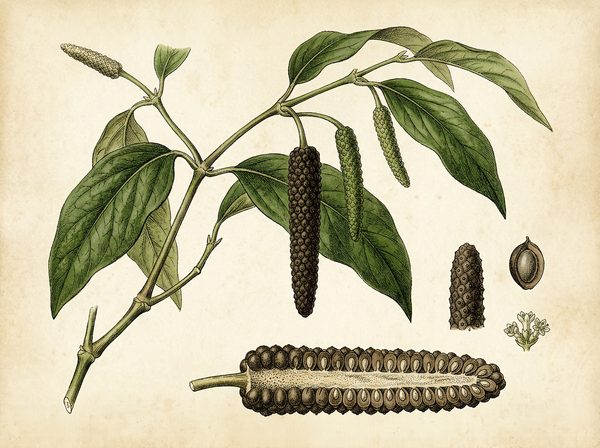 long pepperPiper longum
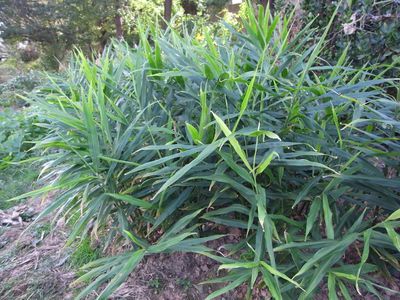 GingerZingiber officinale
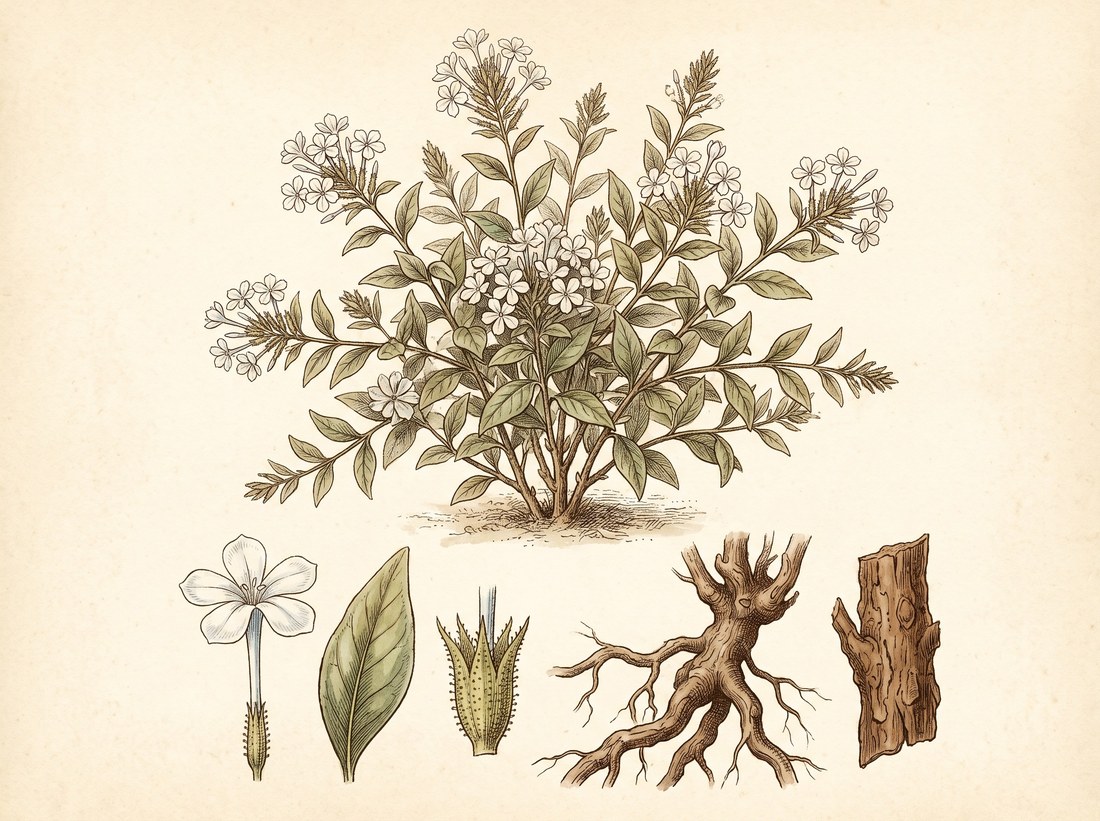 Ceylon leadwortPlumbago zeylanica
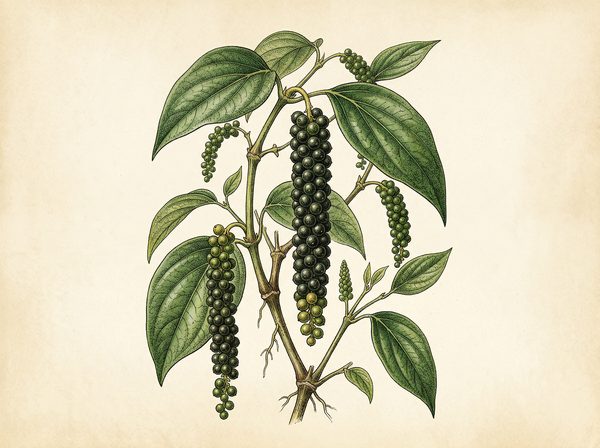 black pepperPiper nigrum
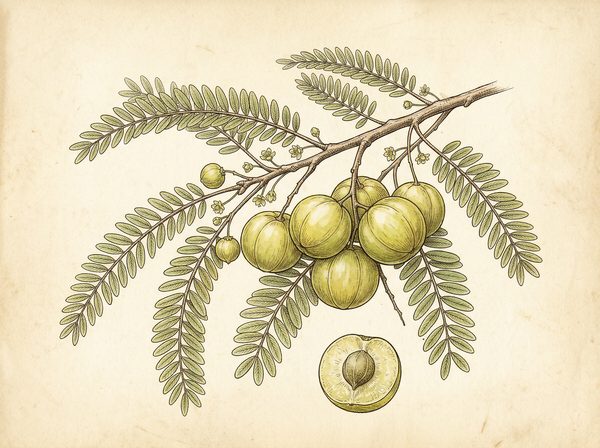 Indian gooseberryPhyllanthus emblica
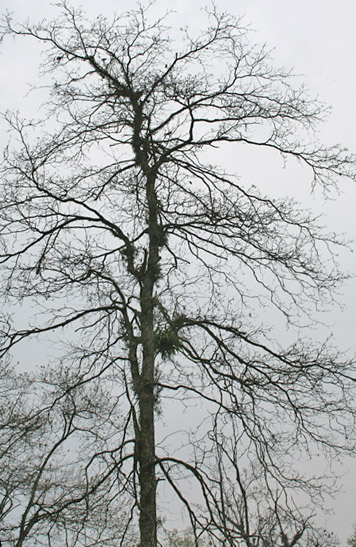 chebulic myrobalanTerminalia chebula
Nearby on the shelf
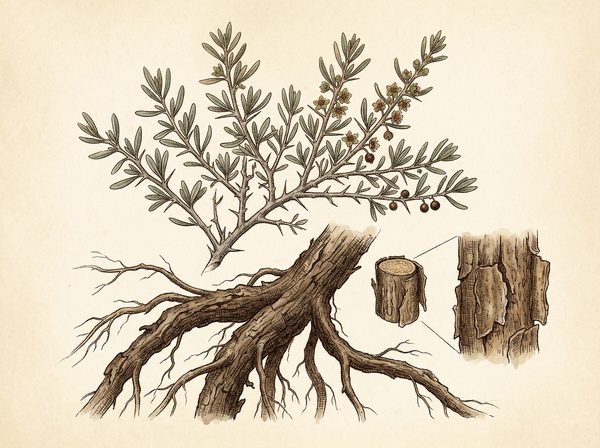 Chaparro AmargosoCastela erecta
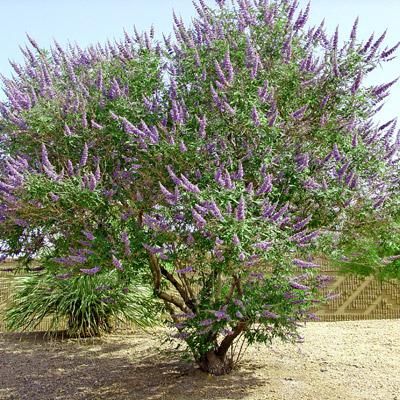 Chaste treeVitex agnus-castus
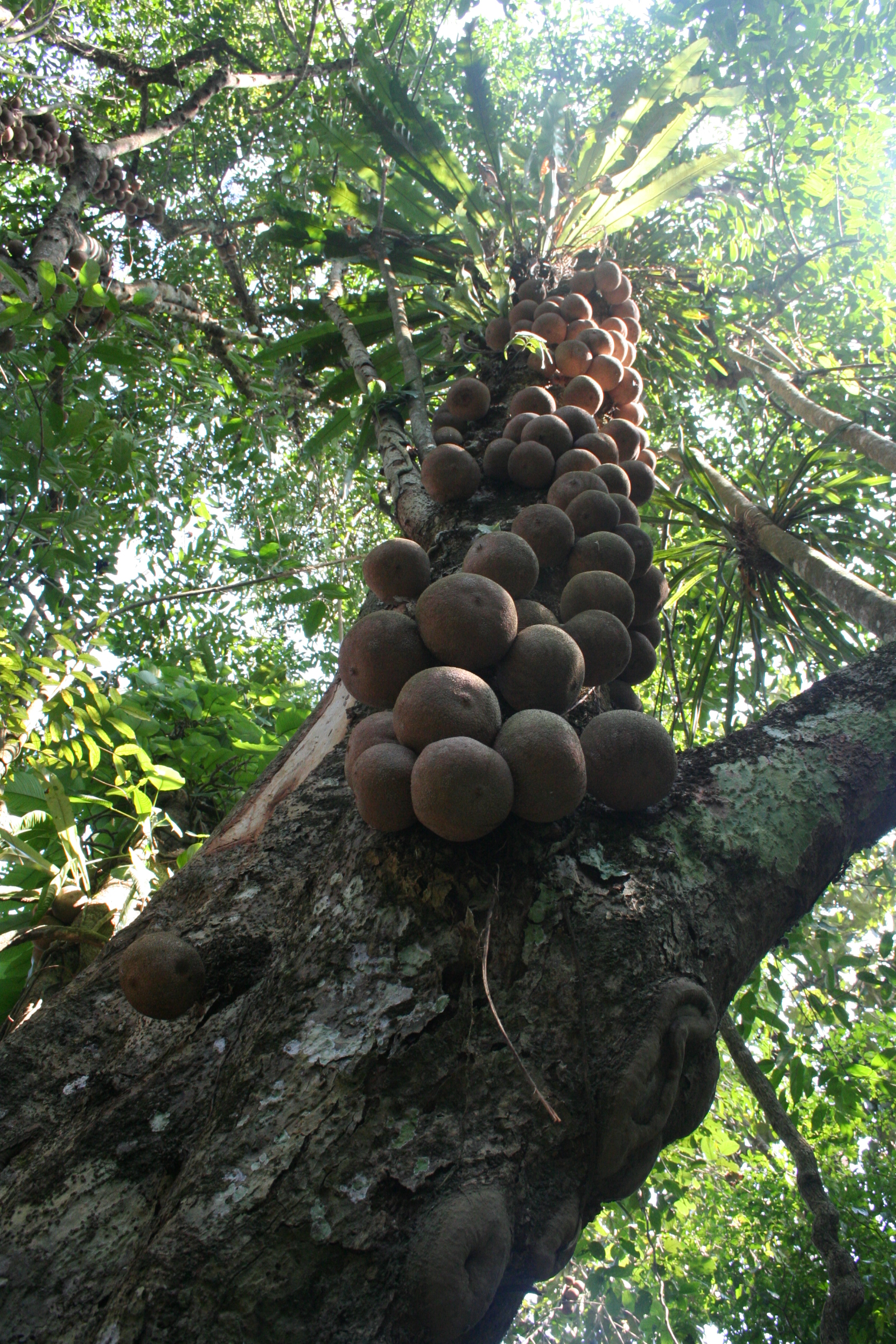 ChaulmoograGynocardia
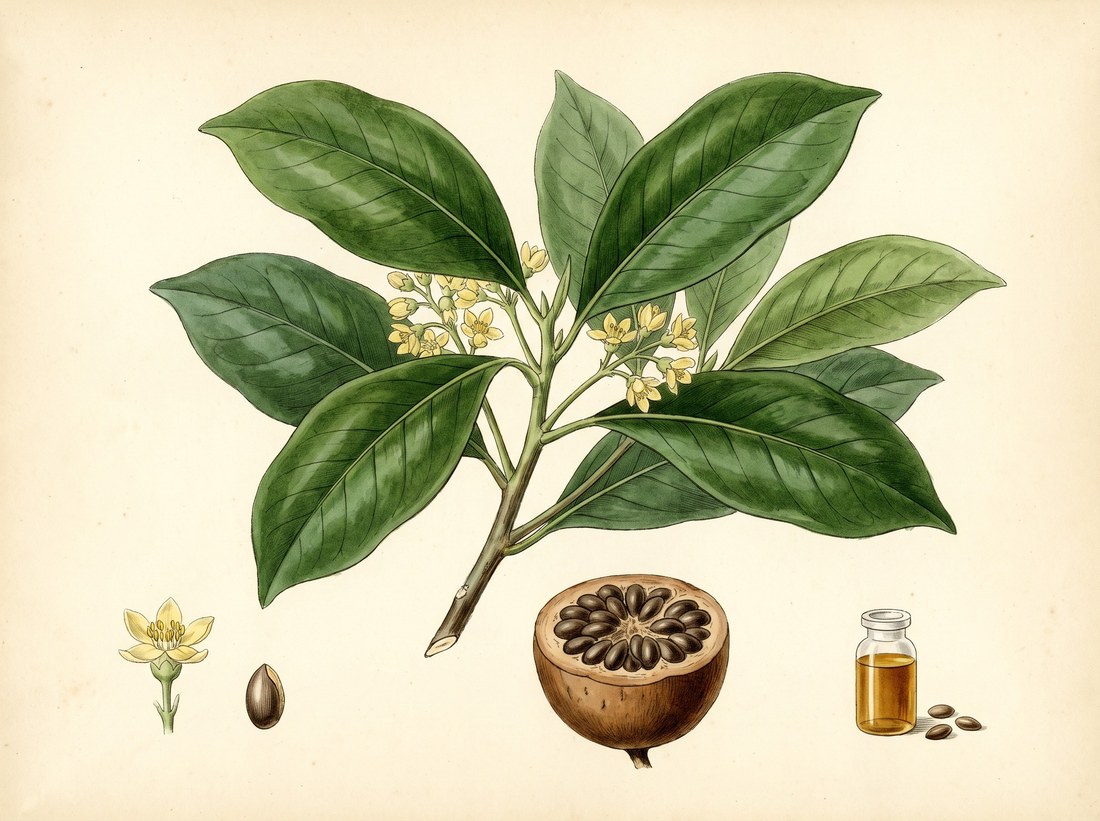 ChaulmoograHydnocarpus laurifolia
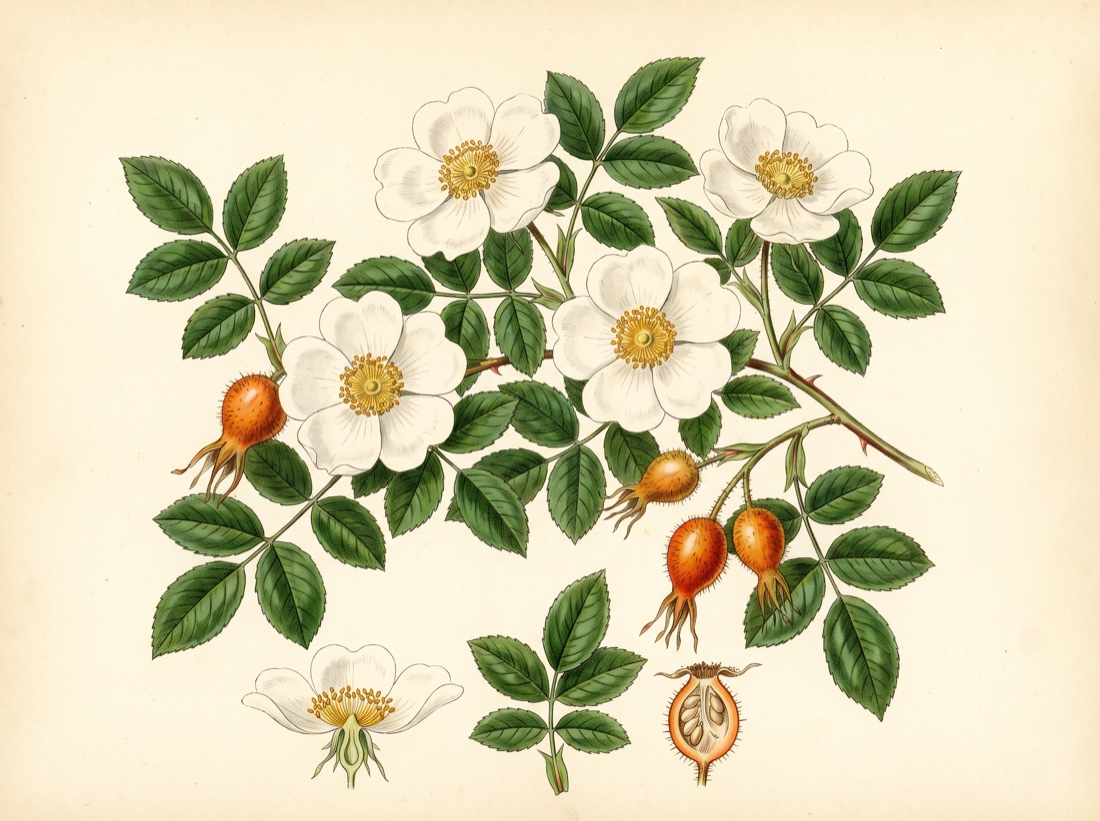 Cherokee roseRosa laevigata
 Cherry-Laurel LeavesLaurocerasi Folia
 ChervilAnthriscus cerefolium
The whole plate is in the library. The compass, Compare, the Sky of eleven hundred plants and the formulary open with an email address and a password, free, with the formula builder and its safety engine. Herbert without limit, his formulating, clients, the handouts and the labels are the paid room.
Open the library, free