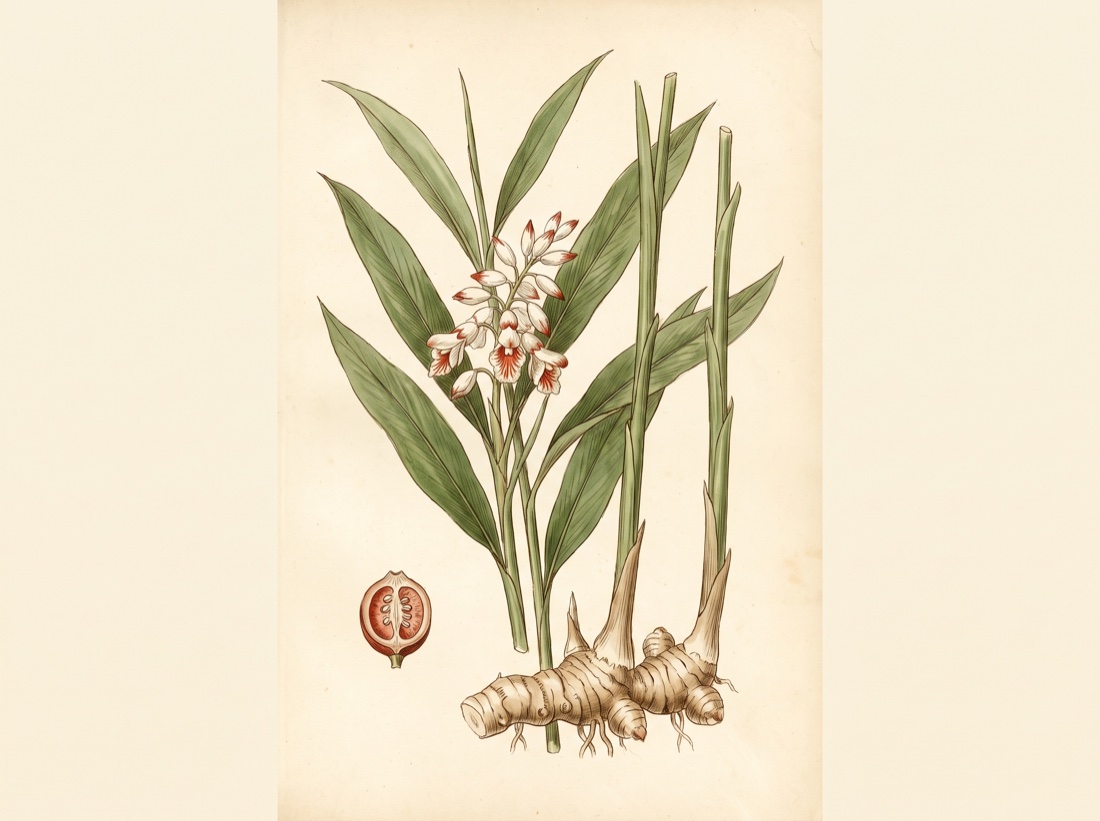
Western and Ayurvedic herbalism
Greater galangal
Alpinia galanga
Also known as galangal, Thai galangal, Siamese ginger, Java galanga, blue ginger, laos, Thai ginger, Java galangal, hóng dòu kòu, liáng jiāng zǐ, Kulanjana.
Alpinia galanga, greater galangal, is a tall rhizomatous ginger of the family Zingiberaceae native to Indonesia and cultivated across Southeast Asia and southern India. The pale, fibrous, sharply aromatic rhizome is a foundation of Thai and Malay cooking and a medicine in Ayurveda and Unani, where it is kulanjan, a warming carminative and aphrodisiac; the small red fruits are used in Chinese medicine as hong dou kou, a warm herb that dries dampness in the Stomach. It is distinct from lesser galangal, Alpinia officinarum, the gao liang jiang of Chinese medicine, which is smaller, redder and hotter.

Ask Herbert about Greater galangal. Herbert is the master herbalist inside Bountiful Herbs: he answers from this plate and eleven hundred others, with dosing, pairing and cautions. Your first ten questions are free.
Ask HerbertActions
Indications what the tradition reached for it in
- Cold, sluggish digestion with bloating
- Nausea and vomiting of cold type
- Nausea of pregnancy (culinary doses)
- Epigastric pain relieved by warmth
- Poor appetite with cold hands and feet
- Chronic gastritis with Helicobacter (adjunct)
- Fungal skin infection (topical)
- Mental fatigue and poor alertness
- Cough with thin white phlegm
- Rheumatic pain with cold (topical and internal)
- Osteoarthritis of the knee and other joints
- Rheumatoid arthritis with cold, stiff, swollen joints (adjunct)
- Low back pain and sciatica of vata-kapha type
- Flatulence, bloating and colic
- Nausea and motion sickness
- Poor appetite with a cold, damp digestion
- Cough with thick mucus and hoarseness
- Bronchitis and asthma with kapha
- Sore throat, loss of voice and bad breath (chewed rhizome)
- Fungal skin infections (topical)
- Low libido with cold and fatigue (traditional)
Specific indications
Bloating and queasy fullness after cold or raw food, with a pale tongue and a desire for warm drinks
Morning grogginess and poor concentration in a patient who wants a lift without the jitter of coffee
Cold, damp abdominal pain with loose stool that improves with a hot water bottle
Nausea, bloating and a cold heavy stomach after rich food in a kapha patient
Safety
The record lists 5 contraindications; open the plate in the library to read them in full.
In practice
Greater galangal belongs with ginger and cardamom in the family of warming aromatic carminatives, and it is chosen when the digestive picture is cold, damp and sluggish: bloating, nausea, a heavy stomach after meals, loose stools, and cold extremities.
In Ayurveda
Rasa: katu (pungent), tikta (bitter). Virya: ushna (heating). Vipaka: katu (pungent). Guna: laghu (light), ruksha (dry), tikshna (sharp). Dosha: pacifies vata and kapha; aggravates pitta. Karma: deepana (kindles digestion); pachana (digests ama); vatahara (pacifies vata); kaphahara (reduces kapha); shothahara (reduces swelling); vedanasthapana (relieves pain); kasahara (relieves cough); shvasahara (relieves dyspnea); svarya (improves the voice); kanthya (good for the throat); mukhashodhana (cleanses the mouth); vajikarana (aphrodisiac); amapachana (digests undigested residue, in Rasnadi formulas). Classical indications: amavata (rheumatoid arthritis); sandhivata (osteoarthritis); vatavyadhi (rheumatic and neurological disorders); kasa (cough); shvasa (asthma, dyspnea); svarabheda (hoarseness); agnimandya (weak digestion); ajirna (indigestion); shula (colic); mukhadaurgandhya (bad breath); jvara (fever with kapha and vata); klaibya (impotence). The dried rhizome is used as churna with honey, as kwatha, chewed as a piece for the throat and voice, and, in the Kerala tradition where it stands as Rasna, as the leading herb of the great anti-rheumatic decoctions and oils; the essential oil and the fruit are used less often. Classical formulations: Rasnadi kwatha (Kerala tradition), Maharasnadi kwatha (Kerala tradition), Rasnasaptaka kwatha (Kerala tradition), Rasnairandadi kwatha (Kerala tradition), Rasnadi churna (Kerala tradition, for the head), Kulanjana churna, Kulanjanadi vati. Described in: Bhavaprakasha Nighantu, Raja Nighantu, Kaiyadeva Nighantu, Ayurvedic Pharmacopoeia of India.
In Chinese medicine
Temperature: warm. Taste: acrid. Channels: Spleen, Stomach. Actions: Fruit (hong dou kou) dries dampness and warms the middle burner; Moves qi in the Stomach and stops vomiting from cold; Dispels cold and relieves epigastric pain; Awakens the Spleen and dispels alcohol stagnation.
Dosing as the sources wrote it
| Preparation | As written | Metric |
|---|---|---|
| Decoction (rhizome) | 3-6 g dried rhizome daily | 3000-6000 mg |
| Powder | 1-3 g dried rhizome daily | 1000-3000 mg |
| Tincture (1:5, 60%) | 2-4 mL three times daily | 2-4 mL |
| Decoction (fruit, hong dou kou) | 3-6 g dried fruit daily | 3000-6000 mg |
| Churna | 1-3 g powdered rhizome twice daily with honey or warm water | 1000-3000 mg |
| Kwatha | 40-80 mL decoction twice daily | 40-80 mL |
Doses are reproduced from the sources for practitioners and are not a recommendation for any person.
From the sources
Overview. Alpinia galanga, greater galangal, is a tall rhizomatous ginger of the family Zingiberaceae native to Indonesia and cultivated across Southeast Asia and southern India. The pale, fibrous, sharply aromatic rhizome is a foundation of Thai and Malay cooking and a medicine in Ayurveda and Unani, where it is kulanjan, a warming carminative and aphrodisiac; the small red fruits are used in Chinese medicine as hong dou kou, a warm herb that dries dampness in the Stomach. It is distinct from lesser galangal, Alpinia officinarum, the gao liang jiang of Chinese medicine, which is smaller, redder and hotter.
Overview. Alpinia galanga is a tall rhizomatous herb of the ginger family native to the moist forests of South and Southeast Asia and cultivated across Kerala, the Western Ghats, Bengal and the eastern states as well as in Thailand and Indonesia, where the fresh rhizome is a kitchen staple. Ayurveda names it Kulanjana and uses the pungent, aromatic rhizome as a heating digestive, expectorant and anti-rheumatic; in Kerala it is the plant dispensed as Rasna, the leading herb of the classical anti-arthritic decoctions. It is a close relative of ginger and turmeric and shares their warming, ama-digesting character.
Clinical Notes. Greater galangal belongs with ginger and cardamom in the family of warming aromatic carminatives, and it is chosen when the digestive picture is cold, damp and sluggish: bloating, nausea, a heavy stomach after meals, loose stools, and cold extremities.
Clinical Notes. Kulanjana is the aromatic for cold, damp, stiff patients. In Kerala practice it stands as Rasna at the head of Rasnadi, Maharasnadi and Rasnasaptaka kwatha, the decoctions given for amavata and sandhivata with stiffness, swelling and heaviness, with Eranda, Guduchi, Devadaru and Shunthi, usually with a pinch of Guggulu or castor oil for the bowel.
In formulas
Greater galangal stands in 36 documented formulas in the library, among them Aśvagandhādyariṣṭa, Kuṭajāriṣta, Candanāsava, Daśamūlāriṣṭa, Devadārvāriṣṭa, Balāriṣṭa.
Often paired with
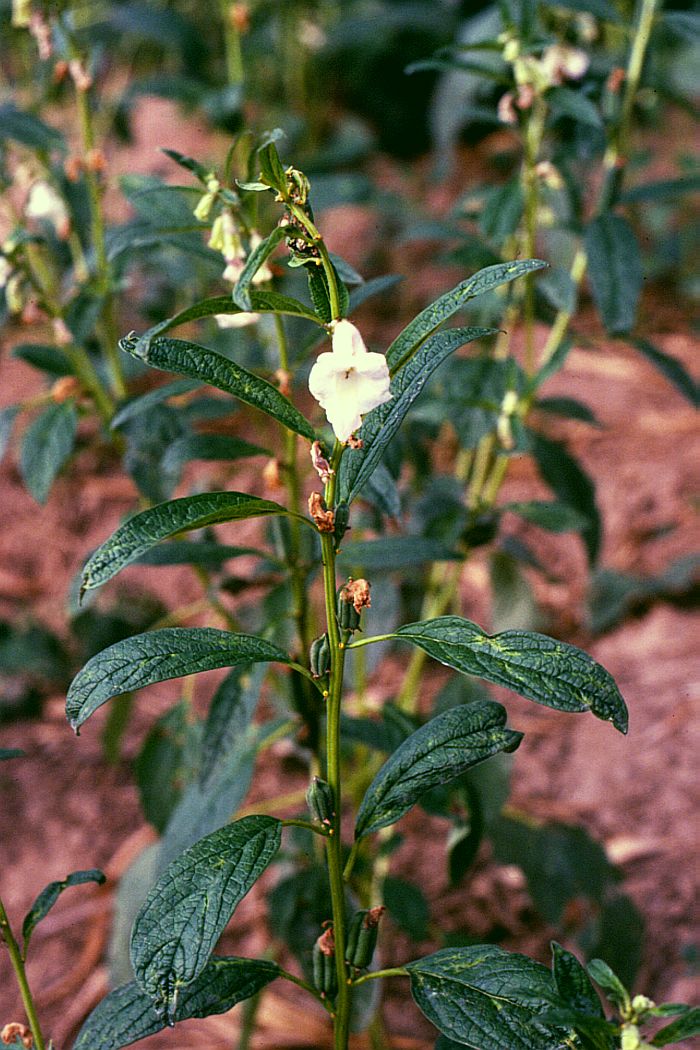 sesameSesamum indicum
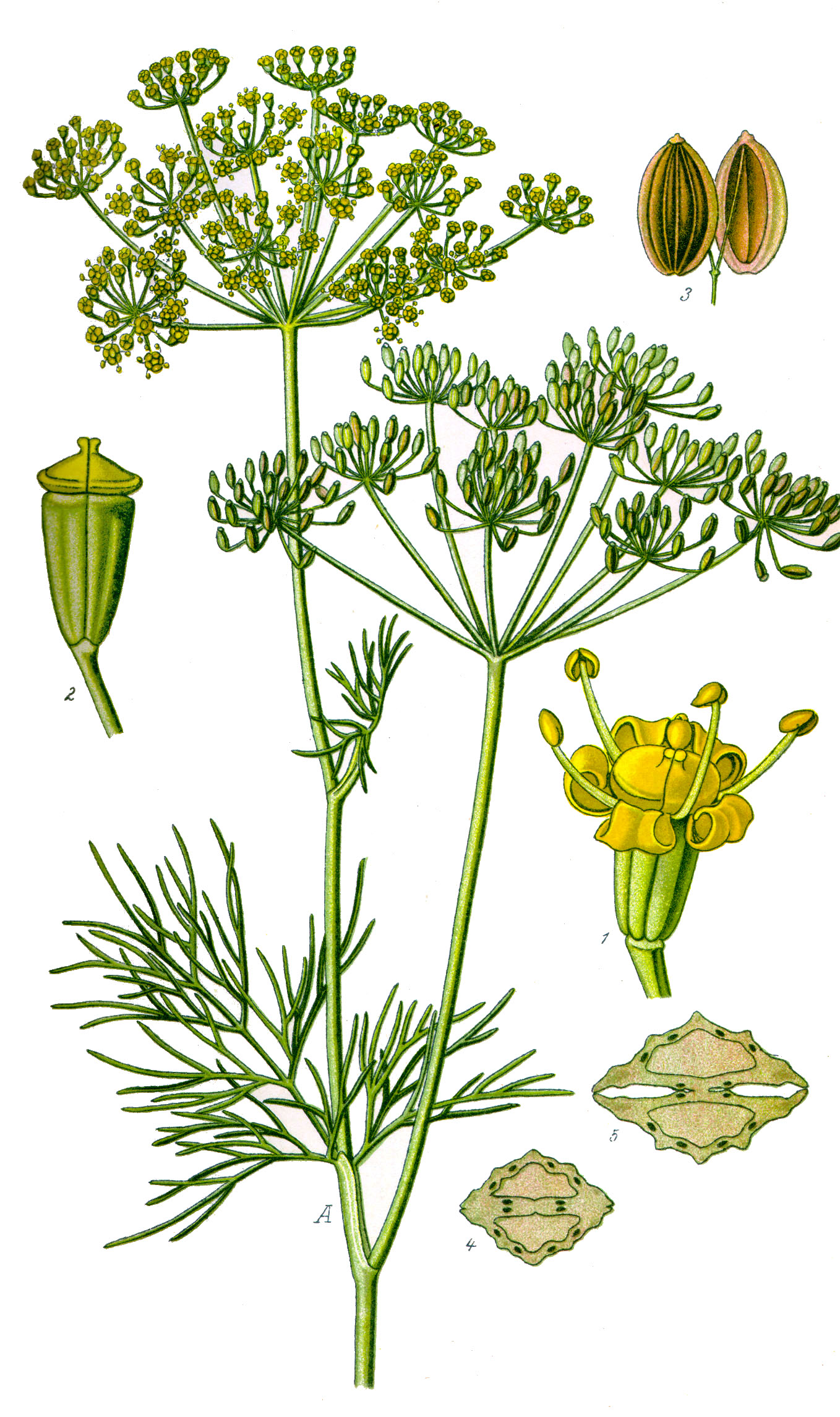 dillAnethum graveolens
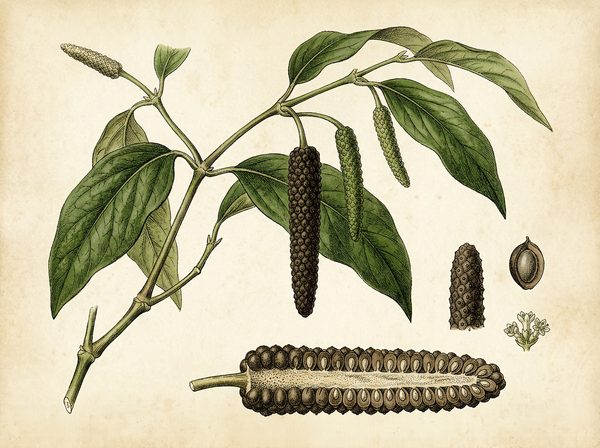 long pepperPiper longum
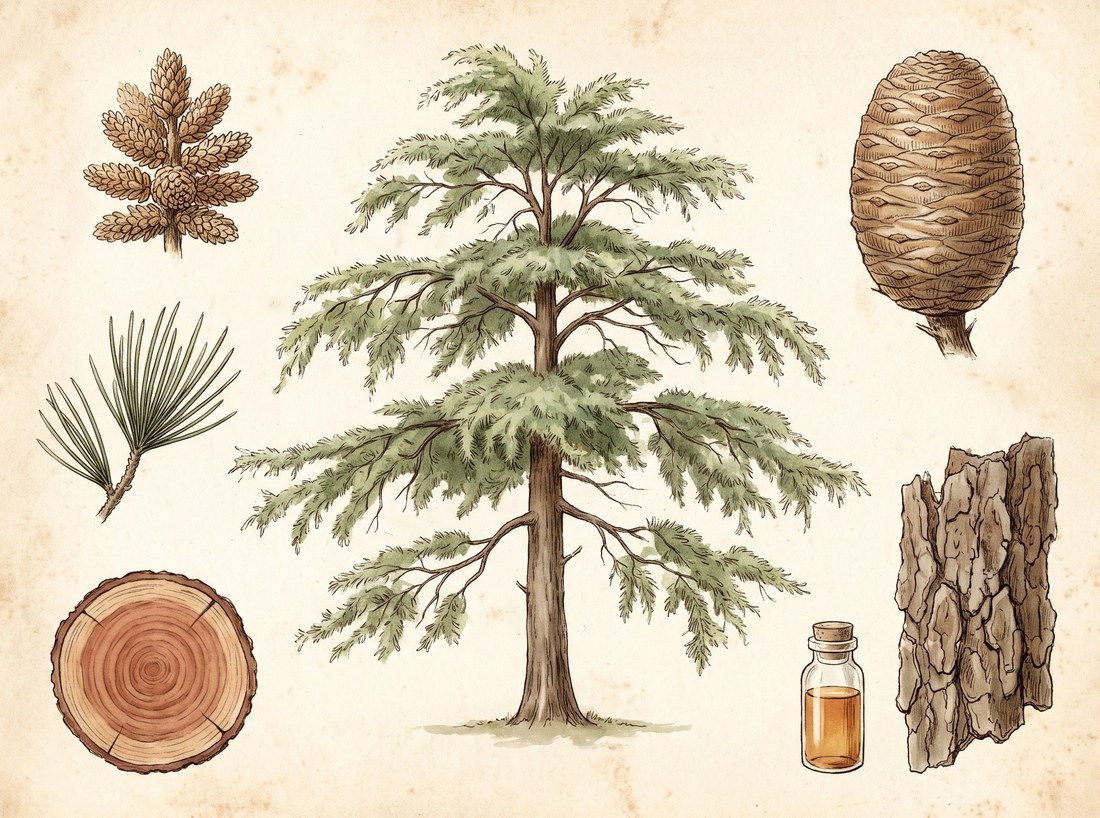 Himalayan cedarCedrus deodara
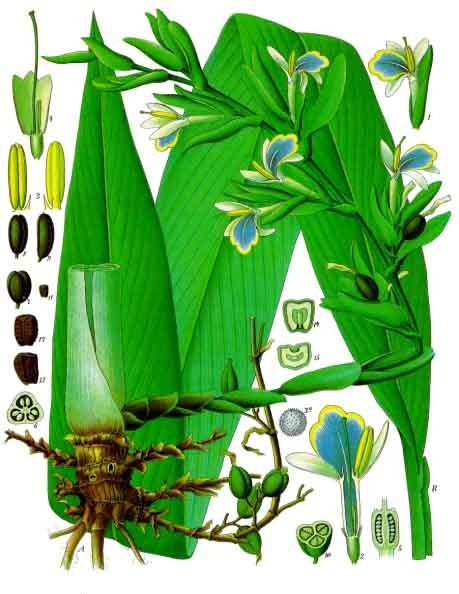 cardamomElettaria cardamomum
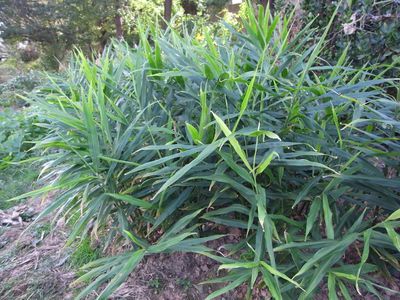 GingerZingiber officinale
Nearby on the shelf
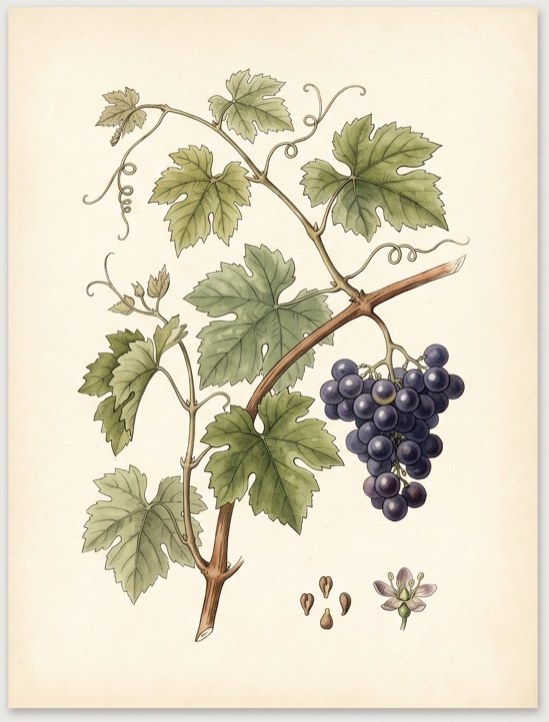 GrapeVitis vinifera
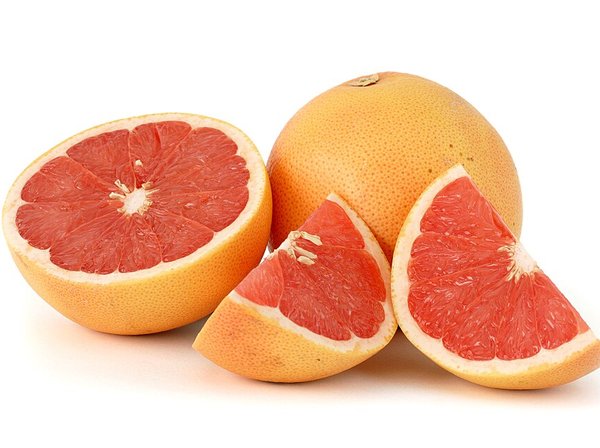 GrapefruitCitrus x paradisi
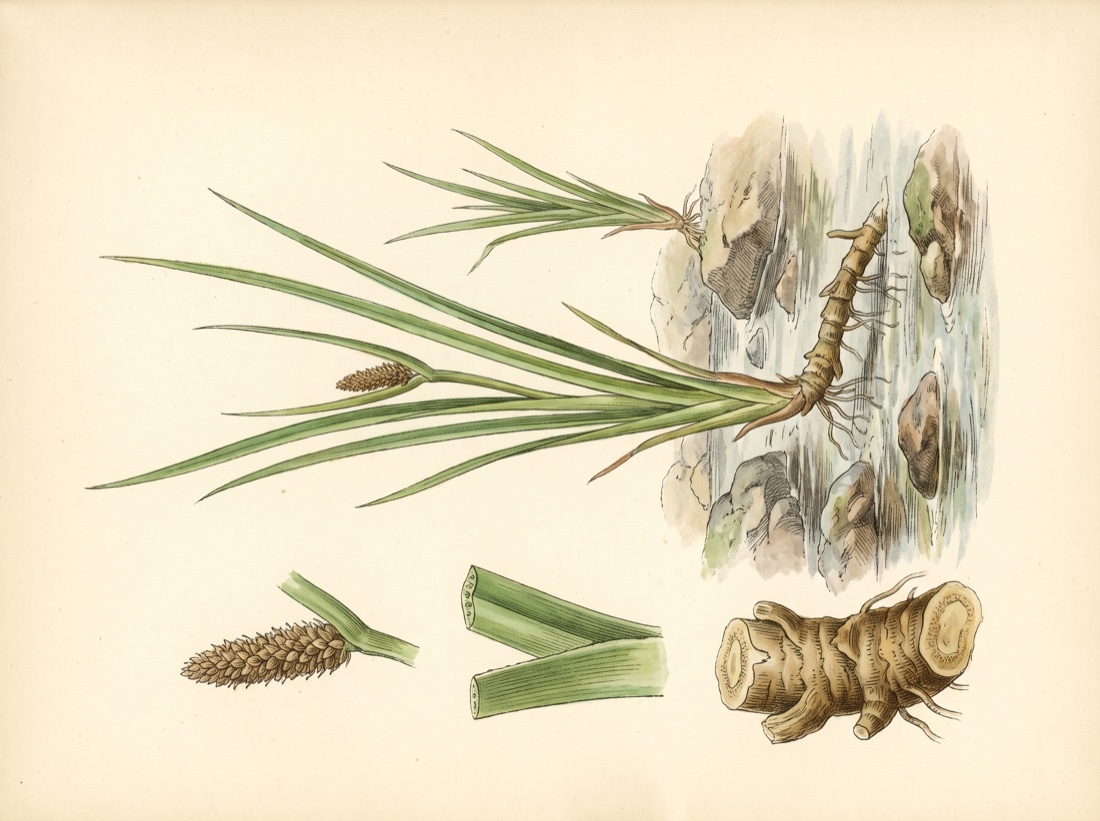 Grass-leaf sweet flagAcorus gramineus
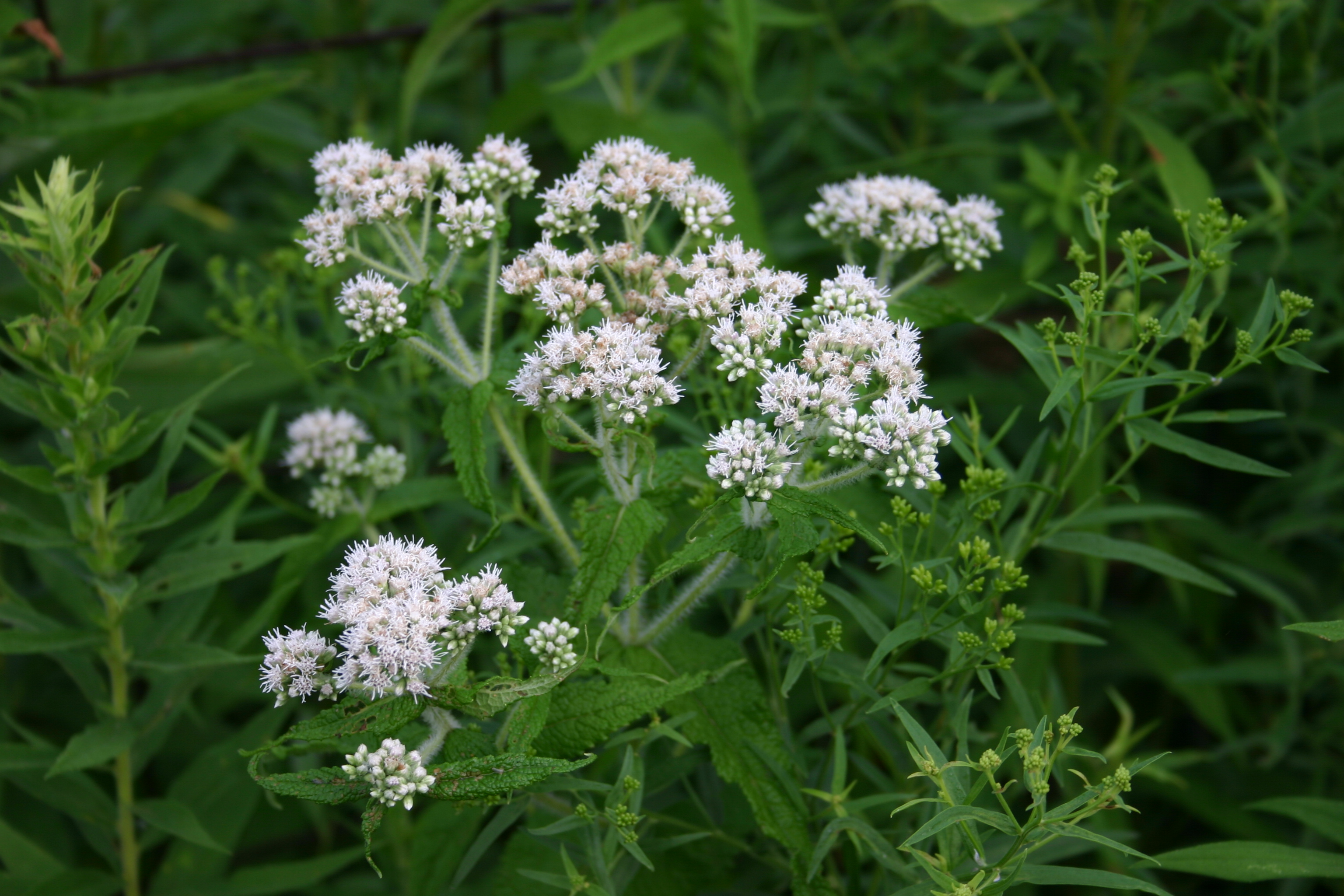 Gravel rootEupatorium purpureum
 Greater periwinkleVinca major
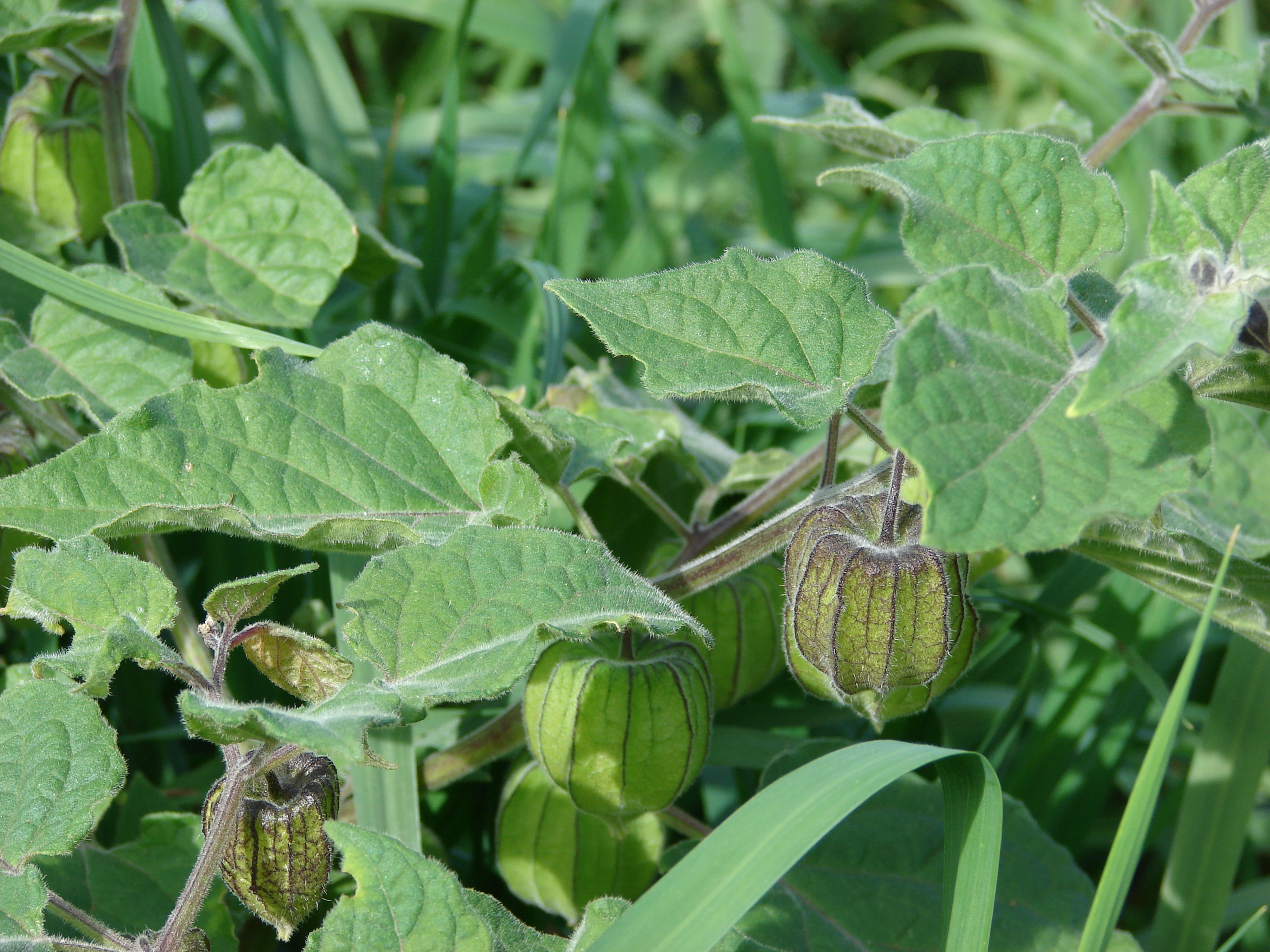 Ground CherryPhysalis
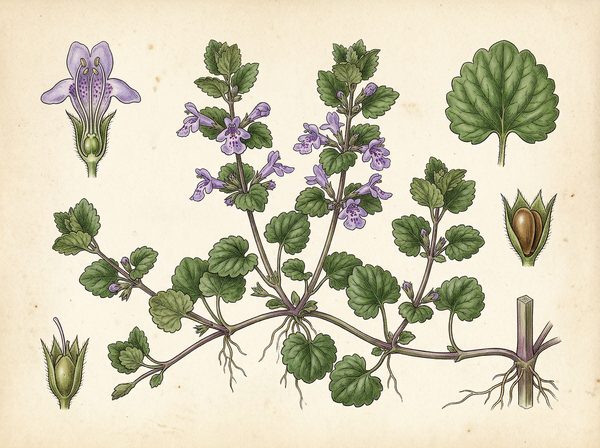 Ground IvyGlechoma hederacea
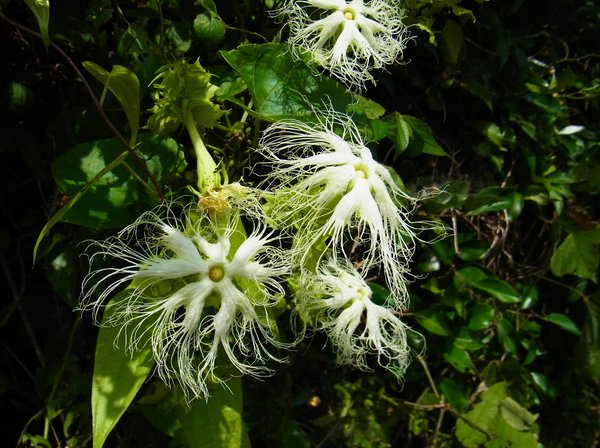 Gua LouTrichosanthes kirilowii
The whole plate is in the library. The compass, Compare, the Sky of eleven hundred plants and the formulary open with an email address and a password, free, with the formula builder and its safety engine. Herbert without limit, his formulating, clients, the handouts and the labels are the paid room.
Open the library, free