Chinese Herbalism
Changium
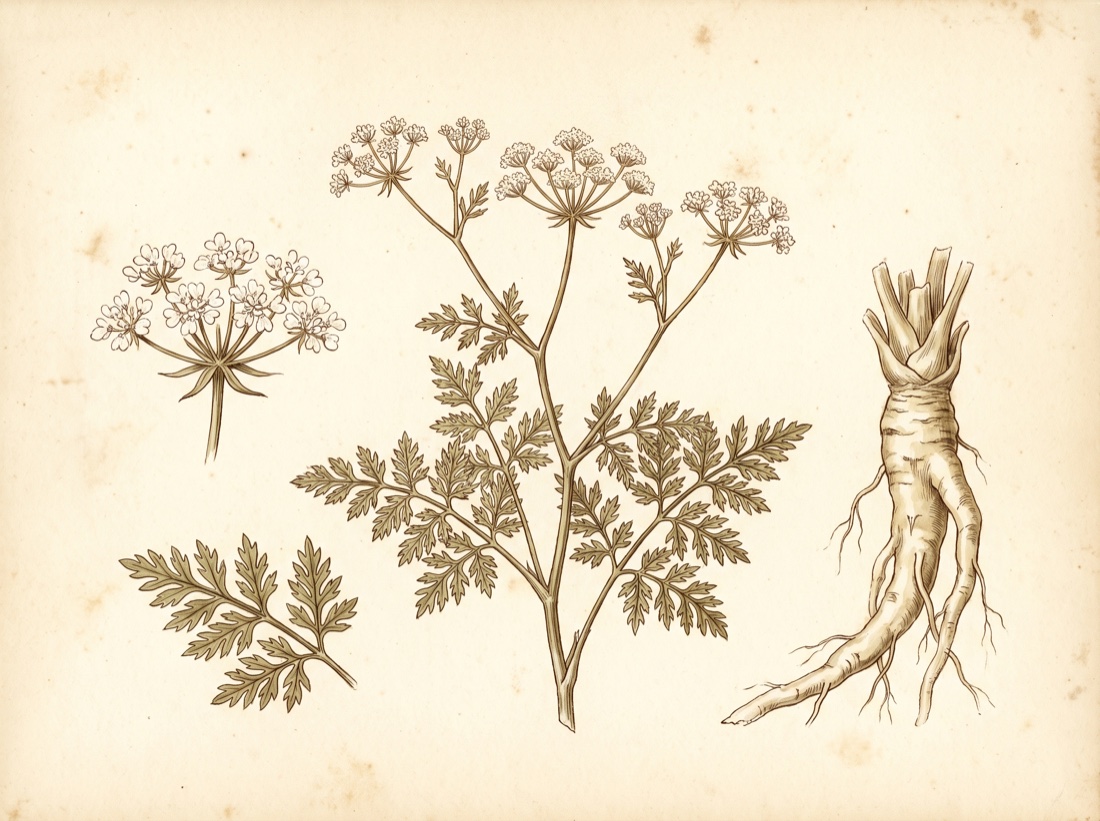
Changium smyrnioides
Also known as ming dang shen, bright codonopsis (literal), míng dǎng shēn.
Ming dang shen is a perennial umbellifer endemic to the lower Yangtze valley of eastern China, where it grows on rocky, shaded hillsides in Jiangsu, Anhui and Zhejiang. The thick, fleshy root is boiled briefly and dried, giving a hard, translucent, yellowish white root that looks a little like codonopsis, which explains the name. Unlike codonopsis it is not a qi tonic but a cool, moistening yin tonic for the lungs and stomach, a regional specialty herb rather than a core pharmacopoeial staple.

Ask Herbert about Changium. Herbert is the master herbalist inside Bountiful Herbs: he answers from this plate and eleven hundred others, with dosing, pairing and cautions. Your first ten questions are free.
Ask HerbertActions
Indications what the tradition reached for it in
- Dry cough with scanty, sticky phlegm
- Chronic cough following a febrile illness
- Dry mouth and throat from lung yin deficiency
- Poor appetite with dry stools and stomach yin deficiency
- Nausea and dry retching in convalescence
- Dizziness and headache from liver yang rising
- Restlessness and poor sleep with yin deficiency
- Swellings, boils and sores (traditional, internal and topical)
Specific indications
A lingering dry, tickling cough after a fever in a thin, thirsty patient whose tongue is red with little coat
Loss of appetite with a dry mouth and hard stools where the stomach needs moistening rather than warming
Safety
The record lists 6 contraindications; open the plate in the library to read them in full.
In practice
Reach for ming dang shen when a cough is dry, thin and lingering, particularly in the aftermath of a fever or a hot, dry season, and when the patient is thirsty and slightly restless. It sits comfortably beside bei sha shen (Glehnia), mai men dong (Ophiopogon) and yu zhu (Polygonatum) in lung-moistening formulas, and beside shi hu (Dendrobium) and bai shao (Paeonia) when the aim is to restore stomach yin and appetite after illness.
In Chinese medicine
Temperature: slightly cold. Taste: sweet, slightly bitter. Channels: Lung, Spleen, Liver. Actions: Moistens the lungs and transforms phlegm; Nourishes stomach yin and harmonizes the middle; Pacifies the liver and settles rising yang; Relieves toxicity from swellings and sores.
Dosing as the sources wrote it
| Preparation | As written | Metric |
|---|---|---|
| Decoction | 6-12 g dried root daily in decoction | 6000-12000 mg |
| Powder | 1.5-3 g powdered root twice daily | 1500-3000 mg |
Doses are reproduced from the sources for practitioners and are not a recommendation for any person.
From the sources
Overview. Ming dang shen is a perennial umbellifer endemic to the lower Yangtze valley of eastern China, where it grows on rocky, shaded hillsides in Jiangsu, Anhui and Zhejiang. The thick, fleshy root is boiled briefly and dried, giving a hard, translucent, yellowish white root that looks a little like codonopsis, which explains the name. Unlike codonopsis it is not a qi tonic but a cool, moistening yin tonic for the lungs and stomach, a regional specialty herb rather than a core pharmacopoeial staple.
Clinical Notes. Reach for ming dang shen when a cough is dry, thin and lingering, particularly in the aftermath of a fever or a hot, dry season, and when the patient is thirsty and slightly restless. It sits comfortably beside bei sha shen (Glehnia), mai men dong (Ophiopogon) and yu zhu (Polygonatum) in lung-moistening formulas, and beside shi hu (Dendrobium) and bai shao (Paeonia) when the aim is to restore stomach yin and appetite after illness.
Chinese Medicine Profile. Temperature: slightly cold. Taste: sweet, slightly bitter. Channels: Lung, Spleen, Liver. Actions: Moistens the lungs and transforms phlegm; Nourishes stomach yin and harmonizes the middle; Pacifies the liver and settles rising yang; Relieves toxicity from swellings and sores.
Conservation. Wild Changium smyrnioides is under national protection in China and has declined markedly through over-harvesting and habitat loss; use cultivated material from Jiangsu, Anhui or Zhejiang.
Nearby on the shelf
 ChagaInonotus obliquus
 Chai HuBupleurum falcatum
 ChaksuChamaecrista absus
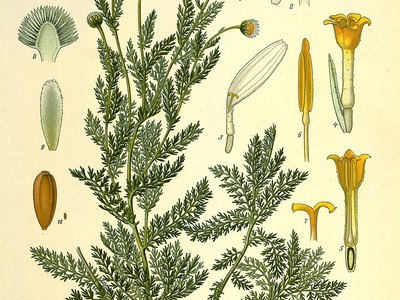 ChamomileChamaemelum nobile
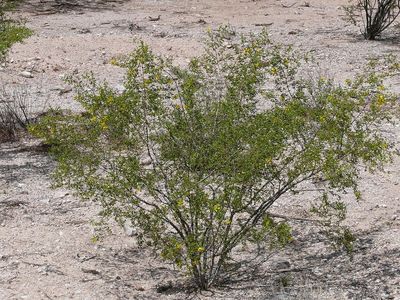 ChaparralLarrea tridentata
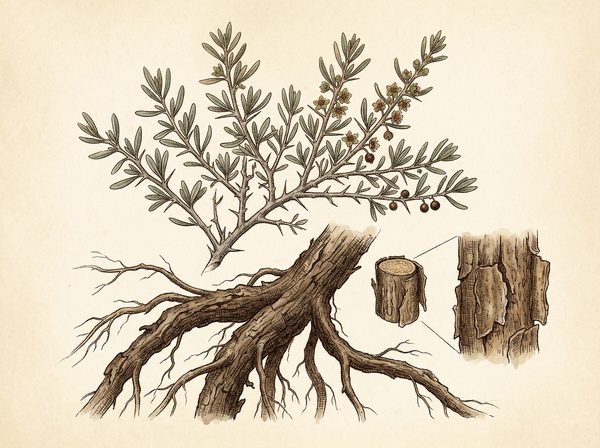 Chaparro AmargosoCastela erecta
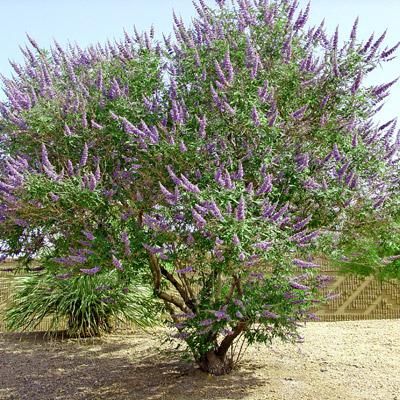 Chaste treeVitex agnus-castus
 ChaulmoograGynocardia
The whole plate is in the library. The compass, Compare, the Sky of eleven hundred plants and the formulary open with an email address and a password, free, with the formula builder and its safety engine. Herbert without limit, his formulating, clients, the handouts and the labels are the paid room.
Open the library, free