Western Herbalism
Chaulmoogra
Gynocardia
Also known as Chaulmugra, Chaulmugra seeds, Chaulmogra, Gynocardia.
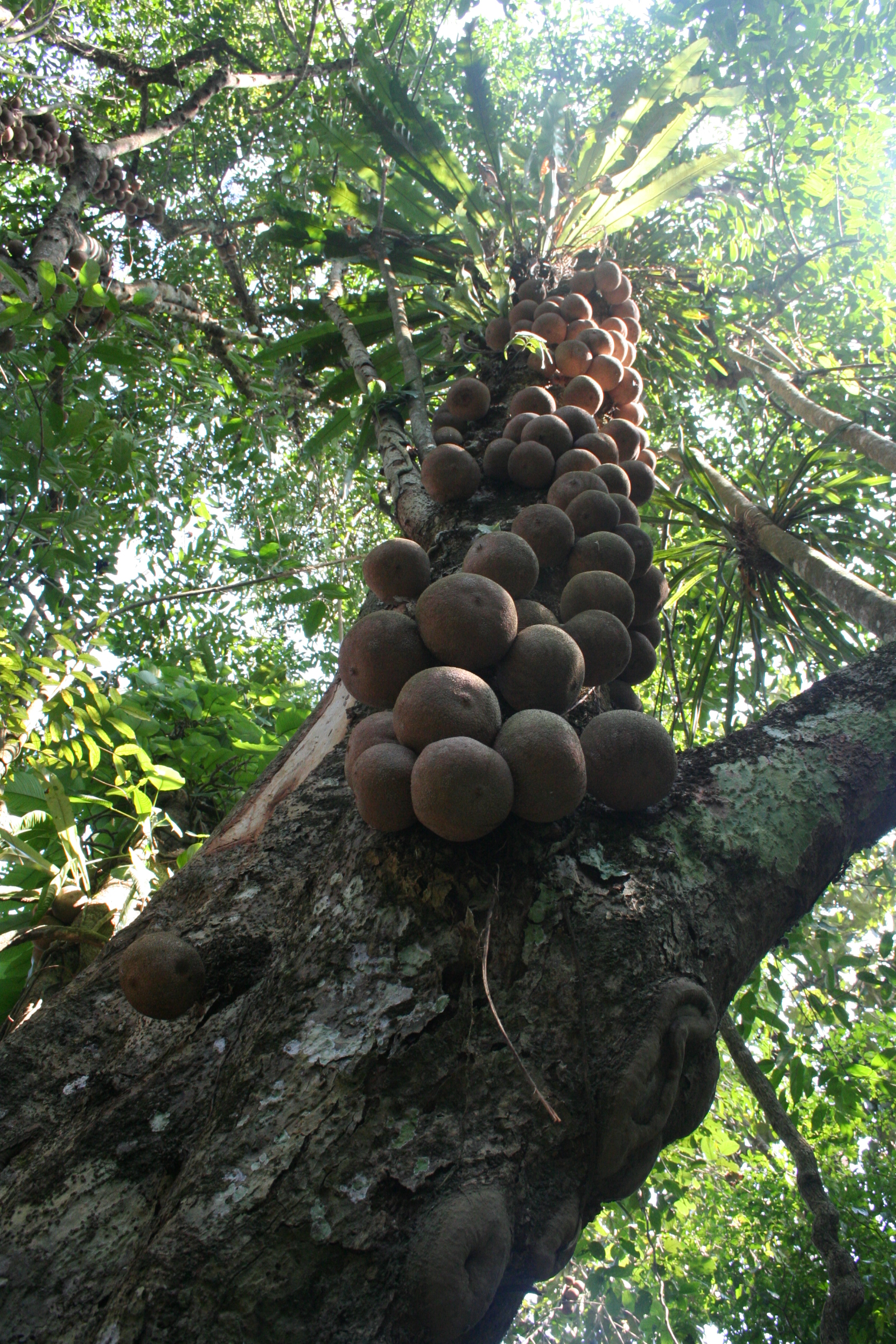
Gynocardia odorata is a tree native to the forests of northeastern India, Bangladesh, and adjacent parts of Southeast Asia, whose oily seeds were one of several botanical sources of the substance historically sold as chaulmoogra oil, the others being various Hydnocarpus species with which it was routinely confused and adulterated in trade. The seed oil, rich in unusual cyclopentenyl fatty acids, became the principal treatment for leprosy across Asia, Africa, and eventually Western medicine from the nineteenth century until the introduction of sulfone drugs in the 1940s. Eclectic physicians in North America used the seeds and oil chiefly as an imported specialty item for leprosy and stubborn skin disease, both applied locally and given by mouth, though supplies were notoriously unreliable and often adulterated with cheaper oils.

Ask Herbert about Chaulmoogra. Herbert is the master herbalist inside Bountiful Herbs: he answers from this plate and eleven hundred others, with dosing, pairing and cautions. Your first ten questions are free.
Ask HerbertActions
Indications what the tradition reached for it in
- Leprosy (historical use)
- Chronic psoriasis
- Eczema
- Ringworm and other tinea infections
- Scrofulous skin disease
- Chronic rheumatism (topical)
- Scabies (historical)
- Indolent ulcers
- Syphilitic skin lesions (historical)
Specific indications
Thickened, scaling, or anesthetic skin patches consistent with leprous or scrofulous skin disease, historically treated with the oil applied locally and given internally in small doses.
Chronic, obstinate ringworm or scaling dermatoses unresponsive to milder alteratives, where a stronger stimulating oil was called for.
Safety
Low dose botanical. Used in drop doses in the classical practice; not a plant to dose freely.
Pregnancy: Avoid in pregnancy: no safety data exist and the oil has a history of gastrointestinal and systemic toxicity at therapeutic doses.
Breastfeeding: Avoid in lactation: no safety data exist for this plant in nursing mothers.
The record lists 7 contraindications; open the plate in the library to read them in full.
In practice
Chaulmoogra oil from Gynocardia and its Hydnocarpus relatives has no meaningful place in contemporary practice; it survives in the materia medica as a historical curiosity and as background for understanding older leprosy literature.
Dosing as the sources wrote it
| Preparation | As written | Metric |
|---|---|---|
| Oil, topical (historical) | 10-30% oil in a carrier applied to affected skin once or twice daily | |
| Oil, oral (historical, obsolete, not recommended) | 0.3-1 mL emulsified oil three times daily, gradually increased as tolerated | 0.3-1 mL |
| Dose, 2 to 3 drops. | 0.04-0.06 mL | |
| They are known as Chaulmoogra (or Chaulmugra), and are said, when powdered, to have been used with advantage in scrofula, skin diseases, and rheumatism, the dose being about 6 grains. | 389 mg | |
| The dose for an infant is 1 or 2 drops daily; for an adult, from 2 to 4 minims, repeated 3 times a day. | 0.04-0.25 mL | |
| Drachm doses are said to have been given without any unpleasant results. |
Doses are reproduced from the sources for practitioners and are not a recommendation for any person.
From the sources
Overview. Gynocardia odorata is a tree native to the forests of northeastern India, Bangladesh, and adjacent parts of Southeast Asia, whose oily seeds were one of several botanical sources of the substance historically sold as chaulmoogra oil, the others being various Hydnocarpus species with which it was routinely confused and adulterated in trade.
Clinical Notes. Chaulmoogra oil from Gynocardia and its Hydnocarpus relatives has no meaningful place in contemporary practice; it survives in the materia medica as a historical curiosity and as background for understanding older leprosy literature.
Action and Therapy. Oil of chaulmugra has given surprisingly good results in leprosy; and it has often failed. The dexterity with which it has been adulterated has probably stamped the medicine with an uncertain reputation. It is used both locally and internally. Many other uses, chiefly local, are ascribed to it, but the agent is seldom employed in this country, though it is of interest to physicians going to countries where leprosy abounds.
Drawn from King's American Dispensatory, 18th edition (Felter and Lloyd); Felter's Eclectic Materia Medica, Pharmacology and Therapeutics, and the Bountiful Herbs editorial.
Nearby on the shelf
 ChangiumChangium smyrnioides
 ChaparralLarrea tridentata
 Chaparro AmargosoCastela erecta
 Chaste treeVitex agnus-castus
 ChaulmoograHydnocarpus laurifolia
 ChavyaPiper chaba
 Chebulic myrobalanTerminalia chebula
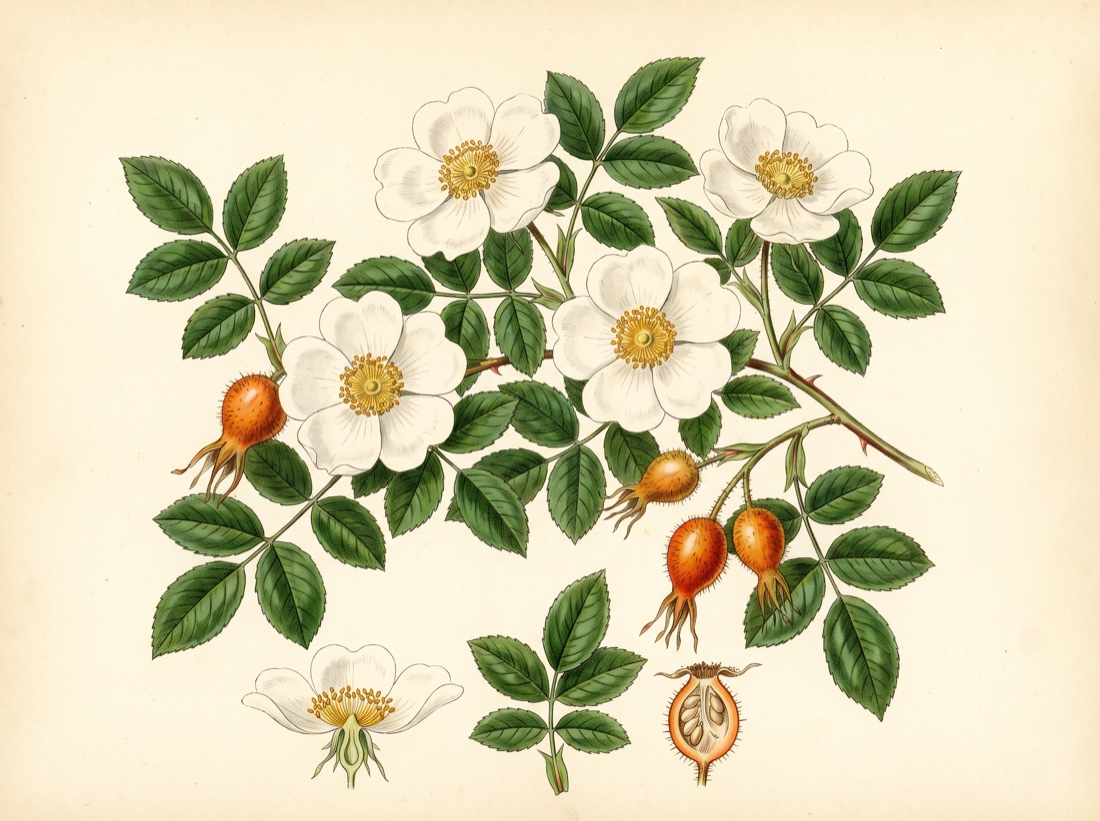 Cherokee roseRosa laevigata
The whole plate is in the library. The compass, Compare, the Sky of eleven hundred plants and the formulary open with an email address and a password, free, with the formula builder and its safety engine. Herbert without limit, his formulating, clients, the handouts and the labels are the paid room.
Open the library, free