Western Herbalism
Cascarilla
Croton eleuteria
Also known as Sweet wood, Cascarilla bark, Sweet bark, Cascarilla-bark tree, Eleuthera-bark tree; Cascarillae cortex (Br.), Cortex eluteriae, Cortex thuris, Sweet-wood tree.
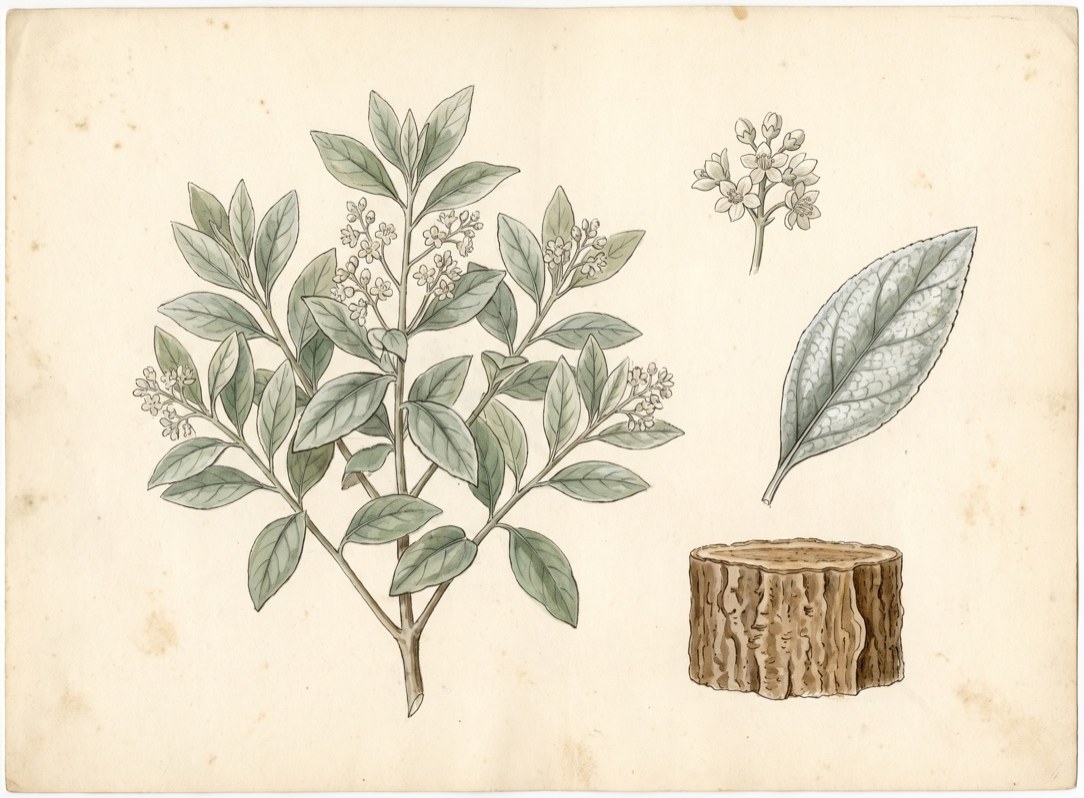
Cascarilla is the aromatic bark of a small shrub or tree native to the Bahamas and the wider Caribbean, a member of the large genus Croton within the Euphorbiaceae. The dried quilled bark, warm and spicy in taste with a fragrant, musk-like odor when burned, has long been valued as a bitter aromatic stomachic. It found a place in the Physiomedicalist materia medica as a warming, tonic bark for weak, relaxed digestion, and it remains familiar today mainly as a flavoring agent in bitters, vermouth, and pipe tobacco.

Ask Herbert about Cascarilla. Herbert is the master herbalist inside Bountiful Herbs: he answers from this plate and eleven hundred others, with dosing, pairing and cautions. Your first ten questions are free.
Ask HerbertActions
Indications what the tradition reached for it in
- Atonic dyspepsia
- Poor appetite
- Flatulent colic
- Nausea
- Chronic diarrhea with weak digestion
- Debility during convalescence
- Bronchitic catarrh (as an adjunct aromatic)
- Intermittent low-grade fevers with digestive weakness (historic use)
Specific indications
Cold, sluggish digestion with flatulence, belching, and nausea, worse for chilling or cold food
Debility and poor appetite following a febrile illness, with a weak, atonic stomach
Safety
Pregnancy: Avoid in pregnancy beyond culinary or flavoring amounts, since no safety data exist for medicinal doses.
Breastfeeding: Avoid medicinal doses during lactation in the absence of safety data; small flavoring amounts are not a concern.
The record lists 3 contraindications; open the plate in the library to read them in full.
In practice
Cascarilla suits the picture of a cold, atonic stomach: poor appetite, flatulence, belching, and a queasy, sluggish digestion that is worse after chilling or eating cold food. Physiomedicalists valued it as a gentle warming tonic and carminative to restore tone to a relaxed gut, often combining it with other aromatic bitters or with more overtly stimulating agents when the whole constitution seemed cold and depressed.
Dosing as the sources wrote it
| Preparation | As written | Metric |
|---|---|---|
| Infusion (short steep) | 1-2 g dried bark as an infusion, up to three times daily | 1000-2000 mg |
| Tincture (1:5, 45%) | 1-3 mL three times daily | 1-3 mL |
| Dose of the powder, ten to twenty grains three or four times a day | 648-1296 mg | |
| Dose, one to two fluid drachms | 3.7-7.39 mL | |
| powder | Dose of the powder, from 20 to 40 grains; of the tincture, from 1 to 4 fluid drachms; of the infusion, from 1 to 4 fluid ounces. | 1296-2592 mg |
Doses are reproduced from the sources for practitioners and are not a recommendation for any person.
From the sources
Overview. Cascarilla is the aromatic bark of a small shrub or tree native to the Bahamas and the wider Caribbean, a member of the large genus Croton within the Euphorbiaceae. The dried quilled bark, warm and spicy in taste with a fragrant, musk-like odor when burned, has long been valued as a bitter aromatic stomachic. It found a place in the Physiomedicalist materia medica as a warming, tonic bark for weak, relaxed digestion, and it remains familiar today mainly as a flavoring agent in bitters, vermouth, and pipe tobacco.
Clinical Notes. Cascarilla suits the picture of a cold, atonic stomach: poor appetite, flatulence, belching, and a queasy, sluggish digestion that is worse after chilling or eating cold food. Physiomedicalists valued it as a gentle warming tonic and carminative to restore tone to a relaxed gut, often combining it with other aromatic bitters or with more overtly stimulating agents when the whole constitution seemed cold and depressed.
Properties and Uses. This is a mild tonic, with pleasant aromatic properties, usually very grateful to the stomach, diminishing excessive mucous secretions, yet not acting as an astringent. Its chief influence is expended upon the stomach; but it at the same time gently sustains the nervous structures, and influences the respiratory organs.
Description. Natural Order, Euphorbiaceae. “A small, compact shrub, three to five feet in height, occasionally a small tree. Stem erect, Unbranched below; bark marked irregularly with grayish stains, and various (mostly crustaceous) lichens.
Drawn from Cook's Physio-Medical Dispensatory; King's American Dispensatory, 18th edition (Felter and Lloyd), and the Bountiful Herbs editorial.
Often paired with
 Ceylon cinnamonCinnamomum zeylanicum
 GentianGentiana lutea
 Bitter OrangeCitrus aurantium
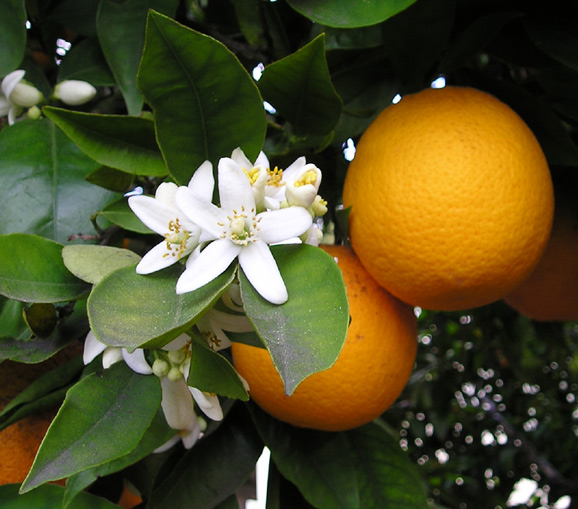 Sweet OrangeCitrus sinensis
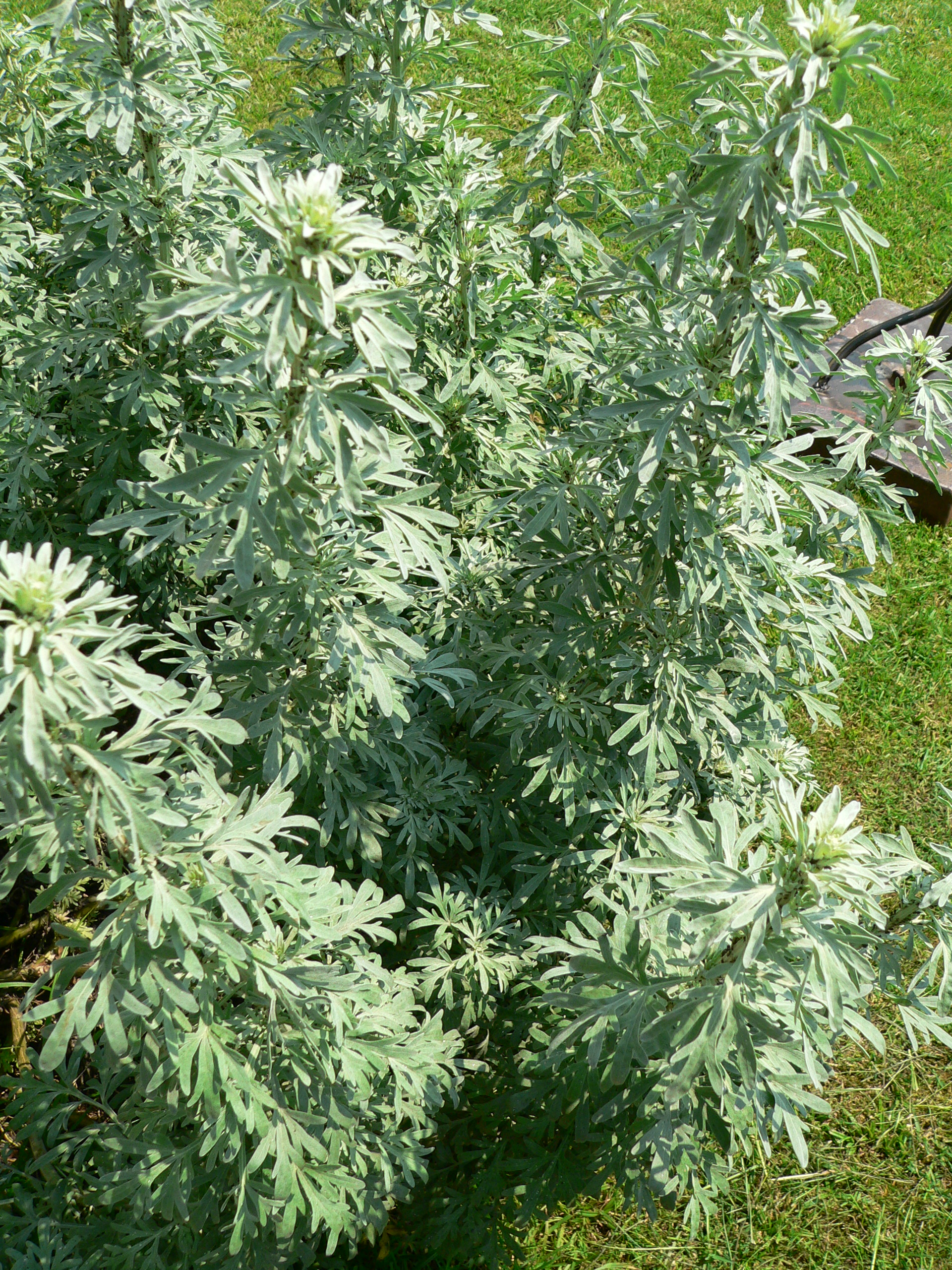 WormwoodArtemisia absinthium
 BuckbeanMenyanthes trifoliata
Nearby on the shelf
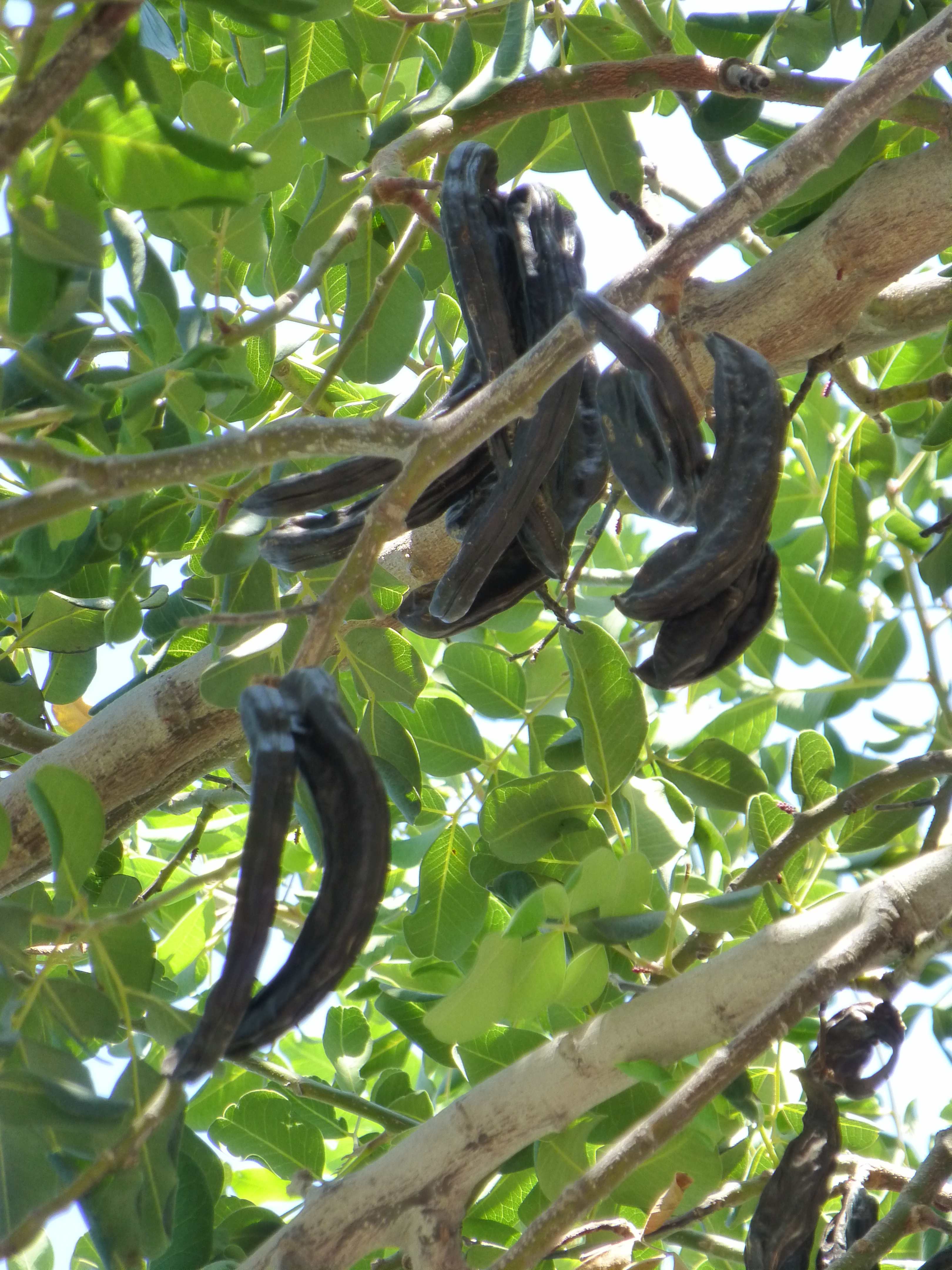 CarobCeratonia siliqua
 Carpesium fruitCarpesium abrotanoides
 CarrotDaucus carota
 Cascara sagradaFrangula purshiana
 CashewAnacardium occidentale
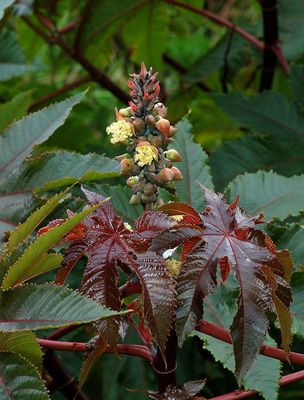 CastorRicinus communis
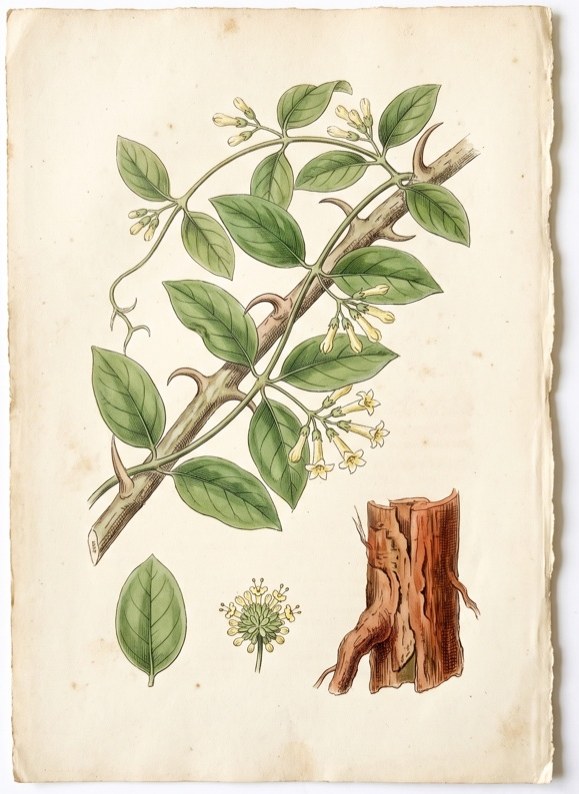 Cat's ClawUncaria tomentosa
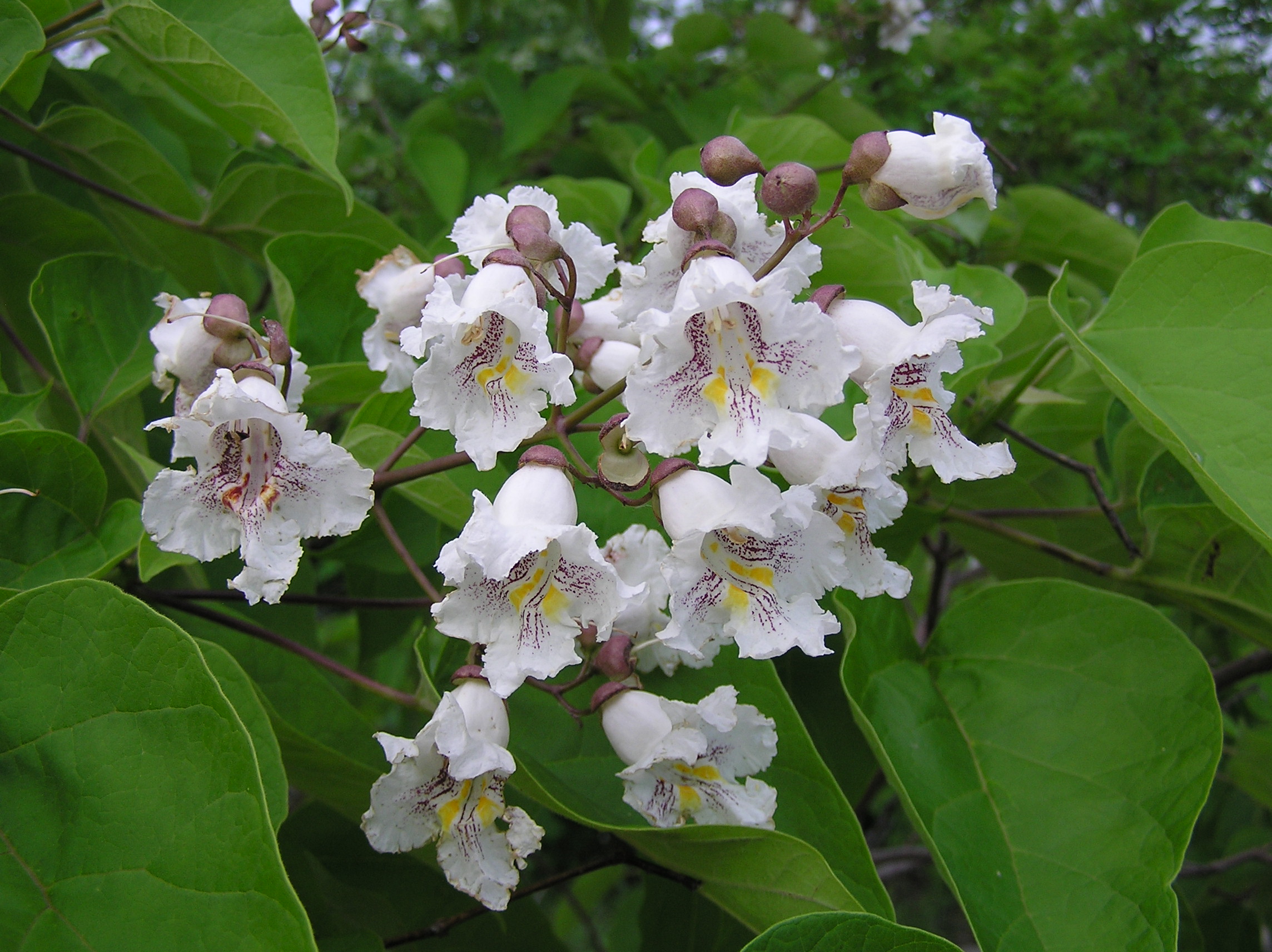 CatalpaCatalpa bignonioides
The whole plate is in the library. The compass, Compare, the Sky of eleven hundred plants and the formulary open with an email address and a password, free, with the formula builder and its safety engine. Herbert without limit, his formulating, clients, the handouts and the labels are the paid room.
Open the library, free