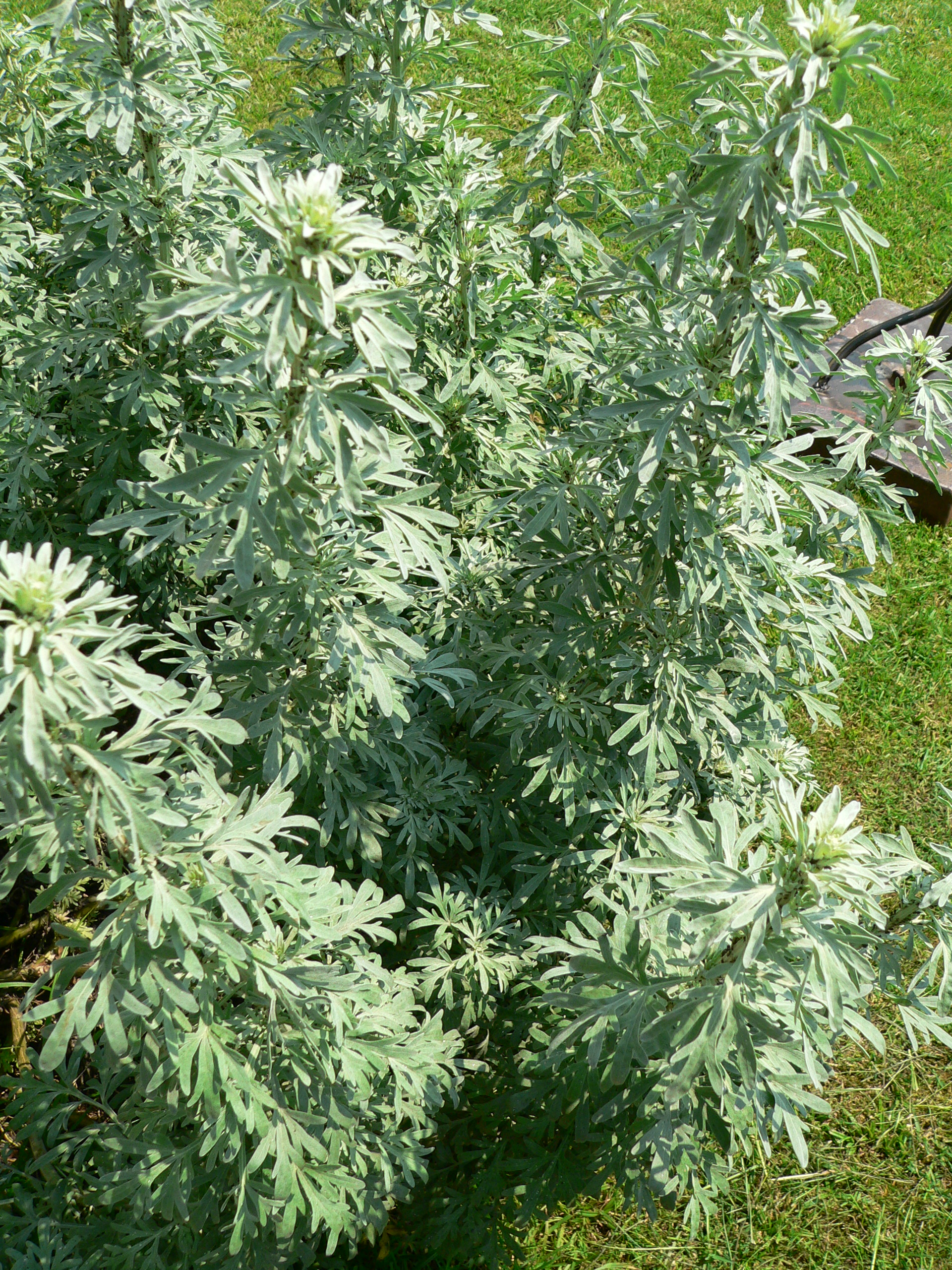
Western Herbalism
Wormwood
Artemisia absinthium
Also known as Absinthium, wormseed.
Traditional herbal medicinal product Use low thujone chemotypes (< 6 mg daily intake) Not for children and adolescents under 18 years Do not use longer than 3-4 weeks without medical advice Complies with Ph. Eur. monograph 1380 /HMPC EU Long-term high-dose essential oil use may cause neurotoxicity (absinthism

Ask Herbert about Wormwood. Herbert is the master herbalist inside Bountiful Herbs: he answers from this plate and eleven hundred others, with dosing, pairing and cautions. Your first ten questions are free.
Ask HerbertActions
Indications what the tradition reached for it in
- Gastric pain
- Flatulence
- Worm infestation
- Loss of appetite
- Fever
- Temporary loss of appetite
- Abdominal cramps
- Nausea
- Splenomegaly
- Gas
- Jaundice
- Mild dyspeptic symptoms
- Intestinal parasites
- Gastritis
- Gallbladder disorders
- Hepatitis
- Bloating
- Anemia
- Indigestion
- Abdominal distension
- Colic
- Debility
- Digestive discomfort
- Fatigue
- Infection
- Intestinal worms
- Liver disease
- Parasites
- Dyspepsia
- Weakness
Safety
Recognised toxicity. This plant carries a toxicity flag in the record; it is for trained practitioners only.
Low dose botanical. Used in drop doses in the classical practice; not a plant to dose freely.
Pregnancy: Not for use in pregnancy
Breastfeeding: Not for use while breastfeeding
The record lists 5 contraindications; open the plate in the library to read them in full.
Dosing as the sources wrote it
| Preparation | As written | Metric |
|---|---|---|
| Herbal tea | Herbal tea (comminuted): 1-1.5 g in 150 ml boiling water as infusion, 2-3x daily (daily max 3 g) | 1000-1500 mg |
| Powdered herbal substance: 0.76 g single dose for dyspepsia, daily max 2.28 g | 760-760 mg | |
| Tincture | Tincture (1:5- ethanol 70% V/V): 1 g single, 3 g daily | 1000-1000 mg |
| Expressed juice | Expressed juice (1:0.5-0.9): 5 ml single, 10 ml daily. For appetite: 30 min before meals | 5-5 mL |
| dyspepsia: after meals. Duration: if no improvement in 2 weeks, see doctor. Thujone daily intake < | ||
| 6 mg /HMPC EU | 6-6 mg |
Doses are reproduced from the sources for practitioners and are not a recommendation for any person.
From the sources
Clinical Notes. Traditional herbal medicinal product Use low thujone chemotypes (< 6 mg daily intake) Not for children and adolescents under 18 years Do not use longer than 3-4 weeks without medical advice Complies with Ph. Eur. monograph 1380 /HMPC EU Long-term high-dose essential oil use may cause neurotoxicity (absinthism
Therapy. External. Absinthium, steeped in vinegar and water, makes an admirable hot fomentation for sprains, bruises and local inflammations. It should not be applied to abraded surfaces. Internal. Small doses of absinthium stimulate the appetite and give tone to the gastric membranes, thus favoring digestion. For this purpose it is sometimes useful in atonic dyspepsia; especially in that form due to alcoholic excesses. Large doses irritate the stomach and give rise to increased action of the heart. Though less agreeable than santonin, it may also be used for the expulsion of the intestinal parasites-Ascaris vermicularis and Ascaris lumbricoides. The oil may be given in doses of 1 to 5 drops.
Properties and Uses. The leaves and flowers were used by the ancients. They are stimulating and relaxing tonics, bitter and strong to the highest degree, and acting upon the stomach and gall-ducts. It improves appetite and digestion, and slightly influences the bowels; for which effects it has been a favorite addition to tonic preparations for low and bilious conditions, intermittents, jaundice, hypochondria, and similar maladies.
Action. Both oil of wormwood and extract of absinth act as nerve depressants upon man. Small doses at first stimulate, larger ones produce headache, and still larger doses induce cerebral disturbances and clonic hysteroidal convulsions.
Drawn from Cook's Physio-Medical Dispensatory; Scudder's Specific Medication and Specific Medicines; King's American Dispensatory, 18th edition (Felter and Lloyd); Felter's Eclectic Materia Medica, Pharmacology and Therapeutics, and the Bountiful Herbs editorial.
In formulas
Wormwood stands in 11 documented formulas in the library, among them ging hão biê jiǎ tǎng.
Often paired with
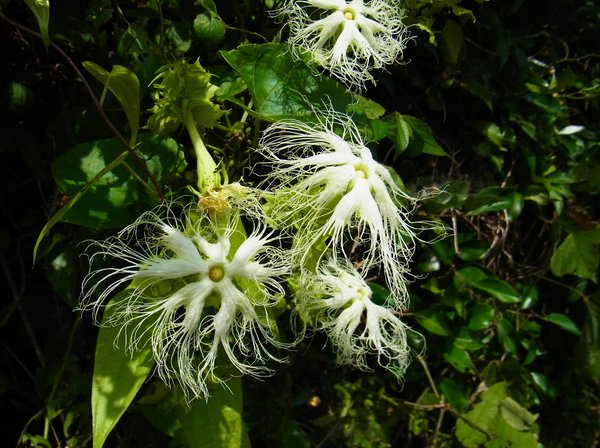 Gua LouTrichosanthes kirilowii
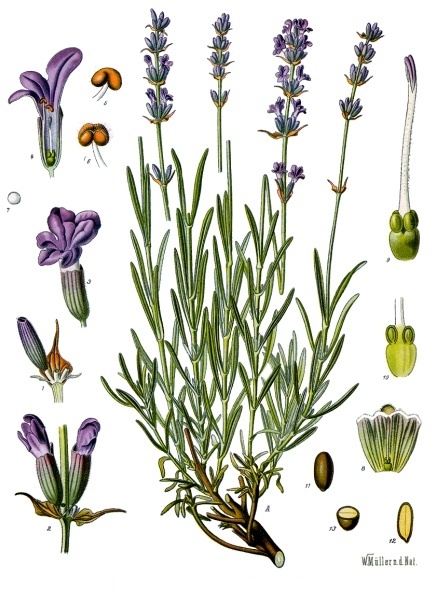 LavenderLavandula spp.
 WormseedChenopodium ambrosioides
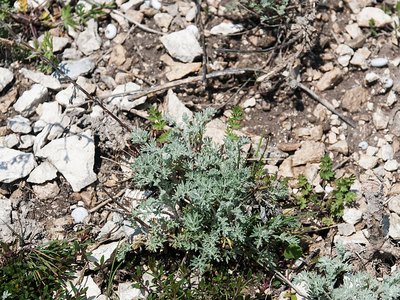 SantonicaArtemisia pauciflora
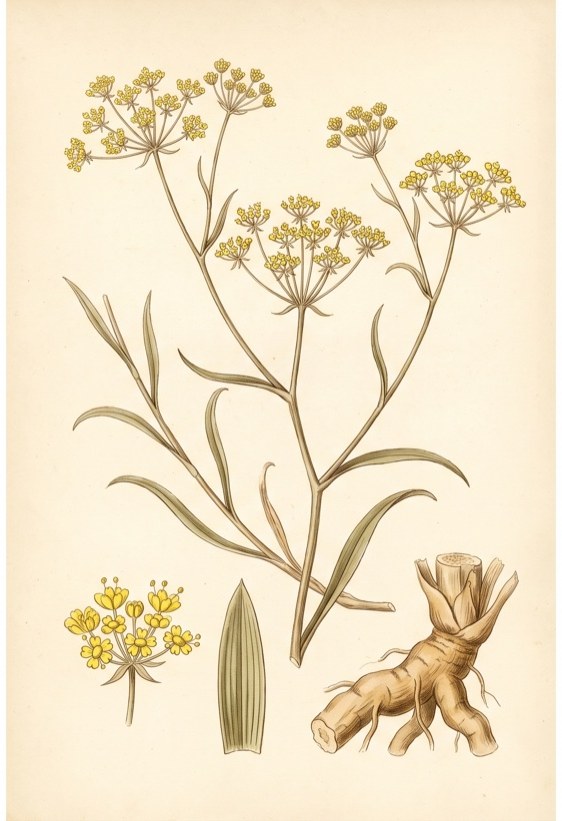 Chai HuBupleurum falcatum
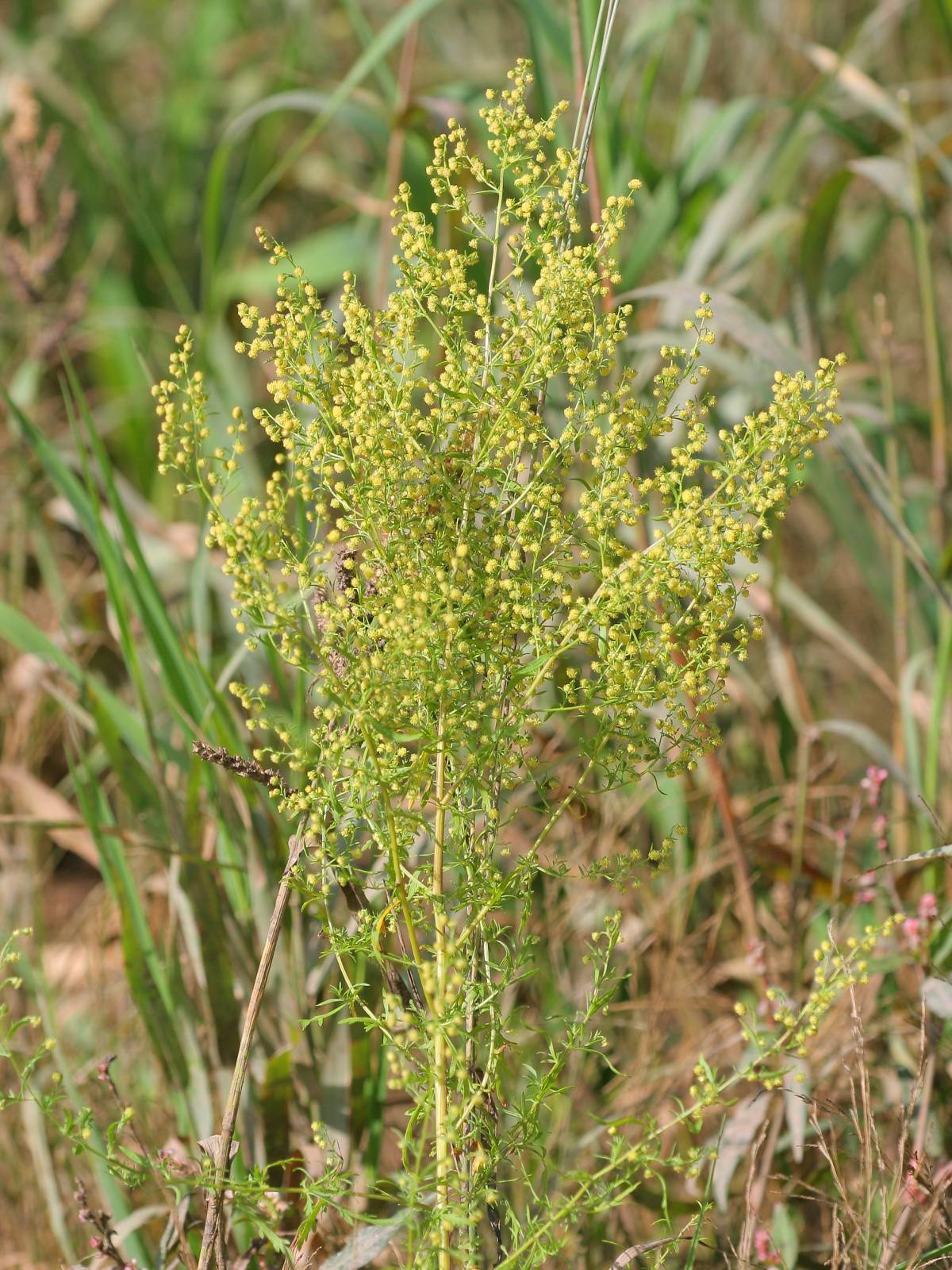 Sweet WormwoodArtemisia annua
Nearby on the shelf
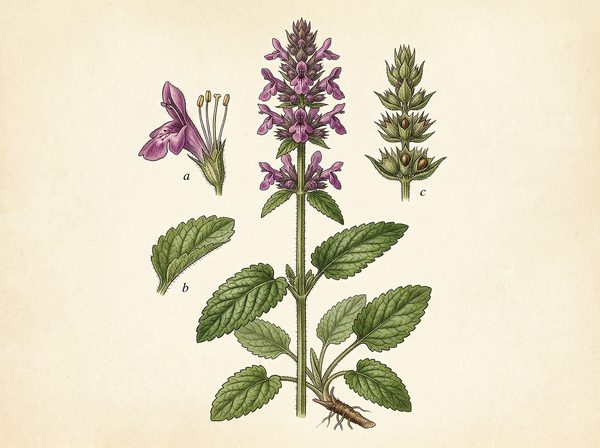 Wood BetonyStachys officinalis
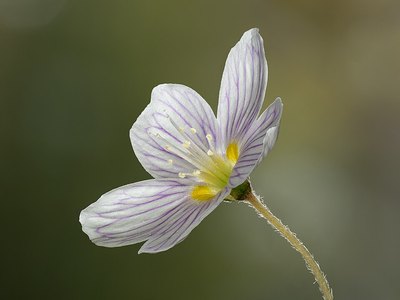 Wood sorrelOxalis acetosella
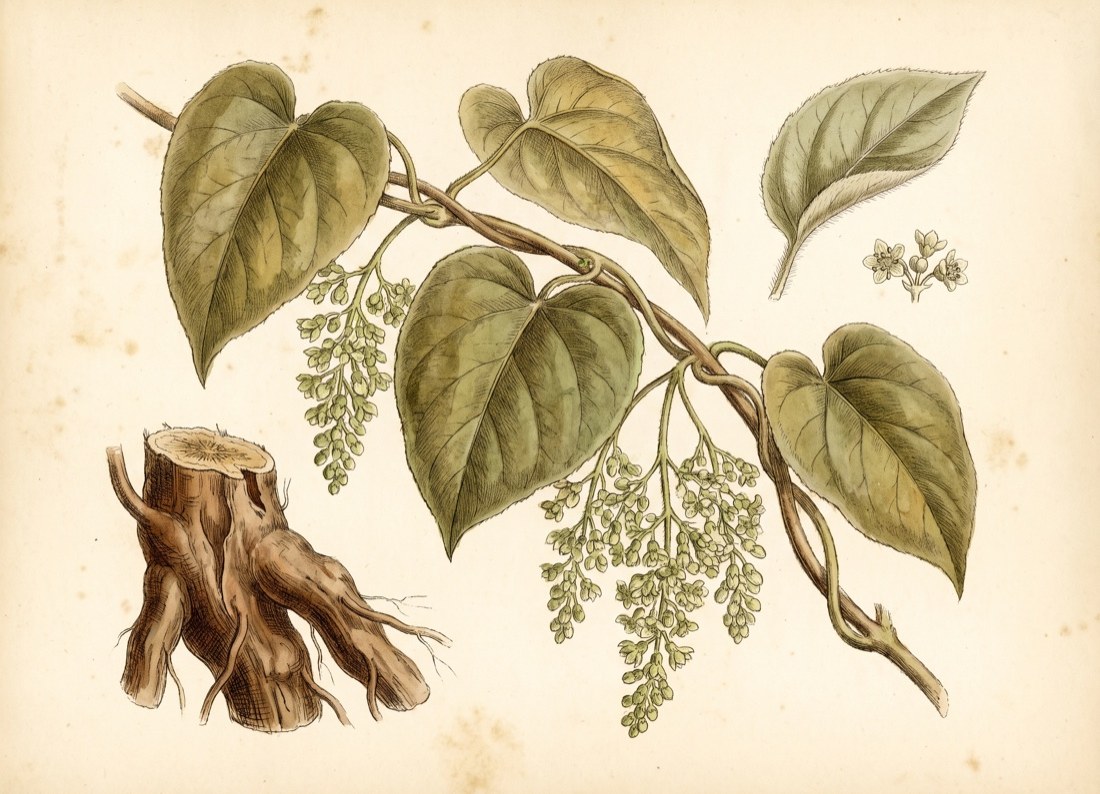 WoorariCurare
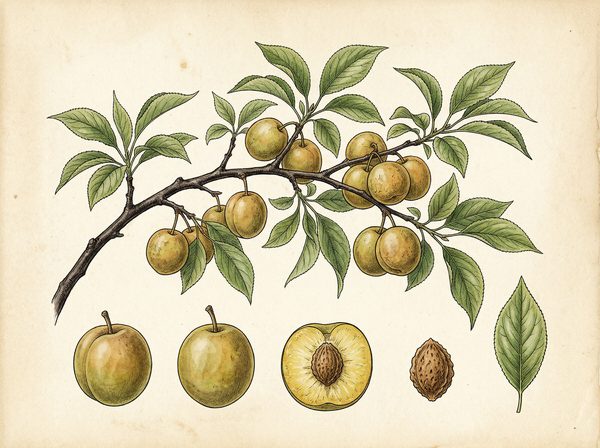 Wu MeiPrunus mume
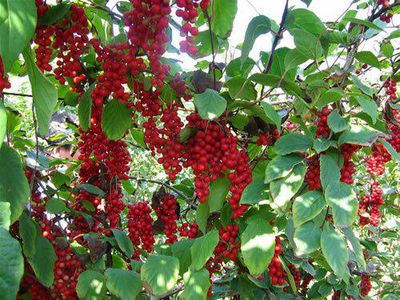 Wu Wei ZiSchisandra chinensis
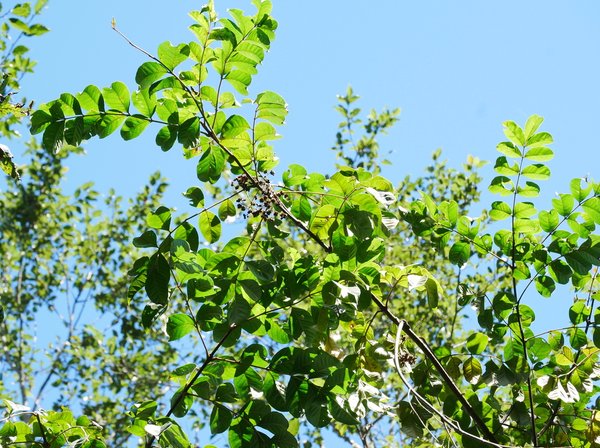 Wu Zhu YuTetradium ruticarpum
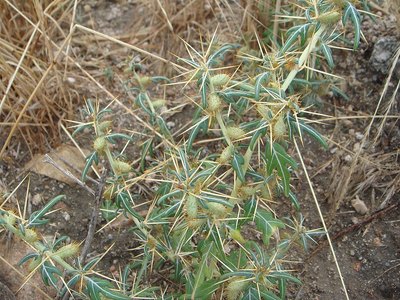 XanthiumXanthium spinosum
The whole plate is in the library. The compass, Compare, the Sky of eleven hundred plants and the formulary open with an email address and a password, free, with the formula builder and its safety engine. Herbert without limit, his formulating, clients, the handouts and the labels are the paid room.
Open the library, free