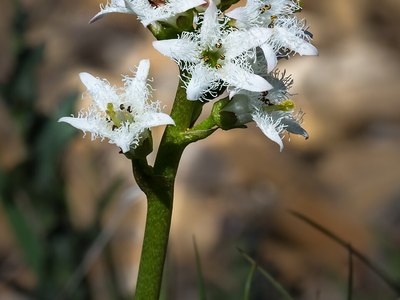
Western Herbalism
Buckbean
Menyanthes trifoliata
Also known as Marsh Trefoil, Menyanthes, Buck-bean, Bog-bean, Water shamrock, Bogbean, shuì cài, míng cài.
The root of buck-bean is relaxing and stimulating, of the tonic character- the stimulating property predominating. Its action is allied to that of the gentiana ochroleuca, but is not so intense. Its main influence is expended on the glandular structures, promoting the flow of bile and urine, acting fairly on the bowels and skin, and in large quantities sometimes proving emetic, as boneset does.

Ask Herbert about Buckbean. Herbert is the master herbalist inside Bountiful Herbs: he answers from this plate and eleven hundred others, with dosing, pairing and cautions. Your first ten questions are free.
Ask HerbertActions
Indications what the tradition reached for it in
- Rheumatism
- Rheumatoid arthritis
- Specifically for muscular rheumatism associated with general asthenia
Safety
Pregnancy: Caution. A modern clinical reference: The safety of bogbean has not been established; In view of the lack of toxicity data and possible purgative action, the use of bogbean during pregnancy and lactation should be avoided.
Breastfeeding: Caution. A modern clinical reference: In view of the lack of toxicity data and possible purgative action, the use of bogbean during pregnancy and lactation should be avoided.
The record lists 2 contraindications; open the plate in the library to read them in full.
Dosing as the sources wrote it
| Preparation | As written |
|---|---|
| Dried leaf 1-2 g or by infusion three times daily | |
| Liquid extract 1-2 mL (1 : 1 in 25% alcohol) three times daily. Tincture 1-3 mL (1 : 5 in 45% alcohol) three times daily | |
| Dose of the powder, as a tonic and gentle hepatic laxative, five to ten grains three times a day | |
| The solid extract in doses of five grains, is still valued highly as an antiperiodic, in Germany | |
| For this purpose, a strong tincture of the fresh leaves may be given in doses of from 1 to 10 minims. | |
| As a tonic, the powdered root or herb may be given in doses of front 10 to 25 grains; of the aqueous extract, 5 or 10 grains; of the infusion (made by infusing 2 drachms of the herb or root in 4 fluid ounces of water at 212° F.), a fluid ounce or two; repeating the dose of either every 3 or 4 hours. |
Doses are reproduced from the sources for practitioners and are not a recommendation for any person.
From the sources
Properties and Uses. The root of buck-bean is relaxing and stimulating, of the tonic character- the stimulating property predominating. Its action is allied to that of the gentiana ochroleuca, but is not so intense. Its main influence is expended on the glandular structures, promoting the flow of bile and urine, acting fairly on the bowels and skin, and in large quantities sometimes proving emetic, as boneset does.
Action, Medical Uses, and Dosage. Buckbean, when recent, and given in large doses, usually causes emesis. It is, when dried, tonic and astringent, or purgative, according to the dose. It is valuable as a tonic where digestion and blood making are impaired, and particularly when there is an associated uterine disease or irregularity, or when following the use of quinine in malarial disorders (Scudder).
Description. Natural Order, Gentianaceae. An odd member of the Gentian family, found in the swamps of Europe, and from Pennsylvania northward and westward, in America. It is a plant with a perennial, creeping root-stalk, half an inch in diameter, dark reddish-brown, sending off numerous small fibers from its under surface; jointed in appearance, and sheathed with the membranous bases of the long petioles.
History. Buckbean is indigenous to this country and Europe, growing in spongy, boggy soils, swamps, ditches, etc., flowering from April to August. The whole plant possesses medicinal properties, but the root and leaves are the parts more generally employed. The whole plant is nearly odorless, but has a very bitter, somewhat aromatic taste. Water, or alcohol, takes up its active properties. Infusions of the leaves, saccharated by adding simple syrup, gelatinize through the presence of pectin; if the latter is removed by alcohol, no gelatinization takes place (see Amer. Jour. Pharm., 1881, p. 360).
Drawn from Cook's Physio-Medical Dispensatory; King's American Dispensatory, 18th edition (Felter and Lloyd), and the Bountiful Herbs editorial.
Often paired with
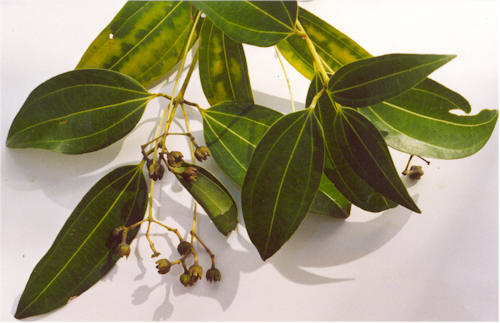 Chinese cinnamonCinnamomum cassia
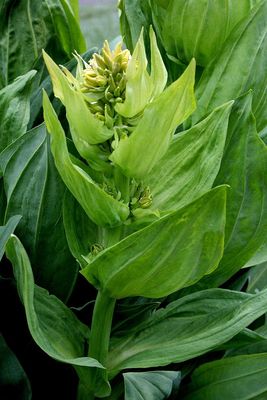 GentianGentiana lutea
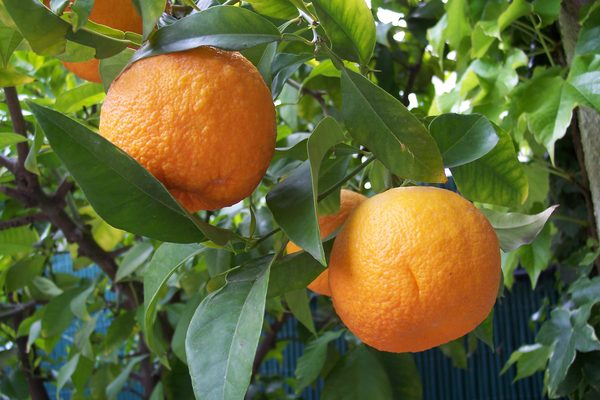 Bitter OrangeCitrus aurantium
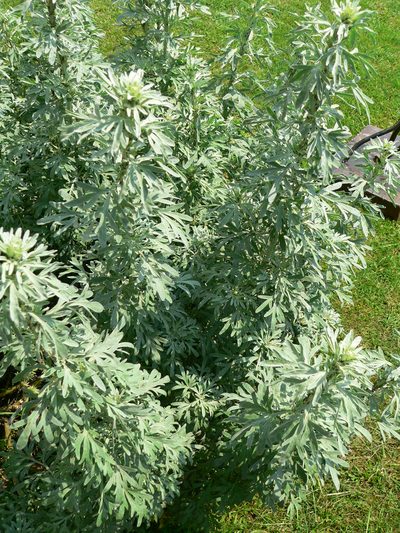 WormwoodArtemisia absinthium
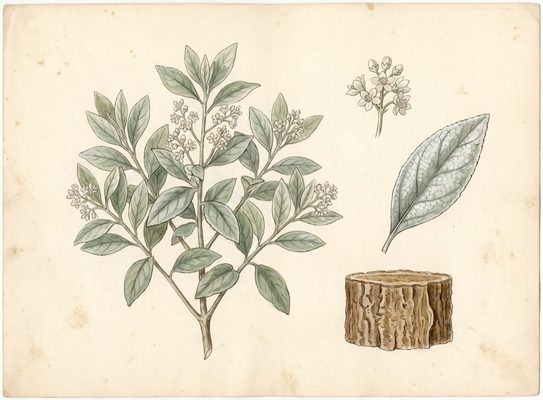 CascarillaCroton eleuteria
Nearby on the shelf
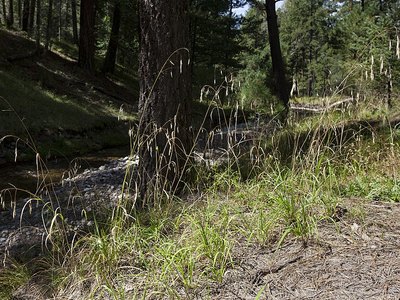 Brome grassBromus ciliatus
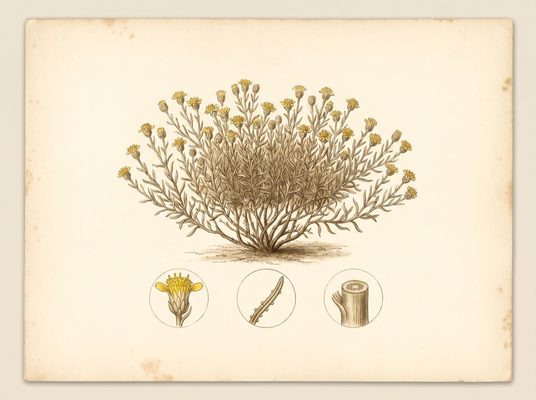 Broom snakeweedGutierrezia sarothrae
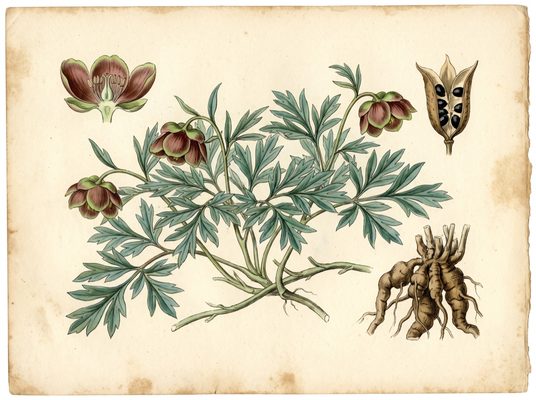 Brown's peonyPaeonia brownii
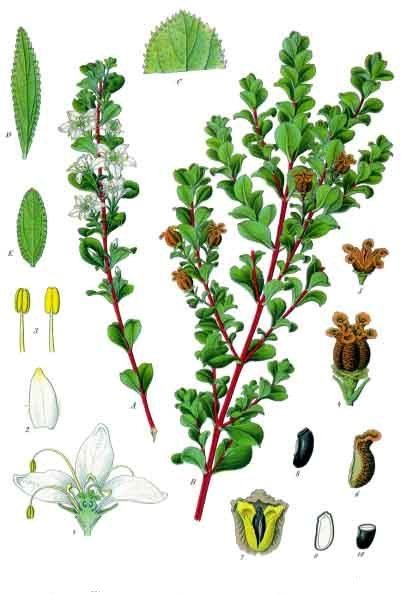 BuchuAgathosma betulina
 BuckthornRhamnus cathartica
 BugleAjuga reptans
 BugleweedLycopus virginicus
 Bulbous buttercupRanunculus bulbosus
The whole plate is in the library. The compass, Compare, the Sky of eleven hundred plants and the formulary open with an email address and a password, free, with the formula builder and its safety engine. Herbert in full, his formulating, clients, the handouts and the labels are the paid room.
Open the library, free