Chinese Herbalism
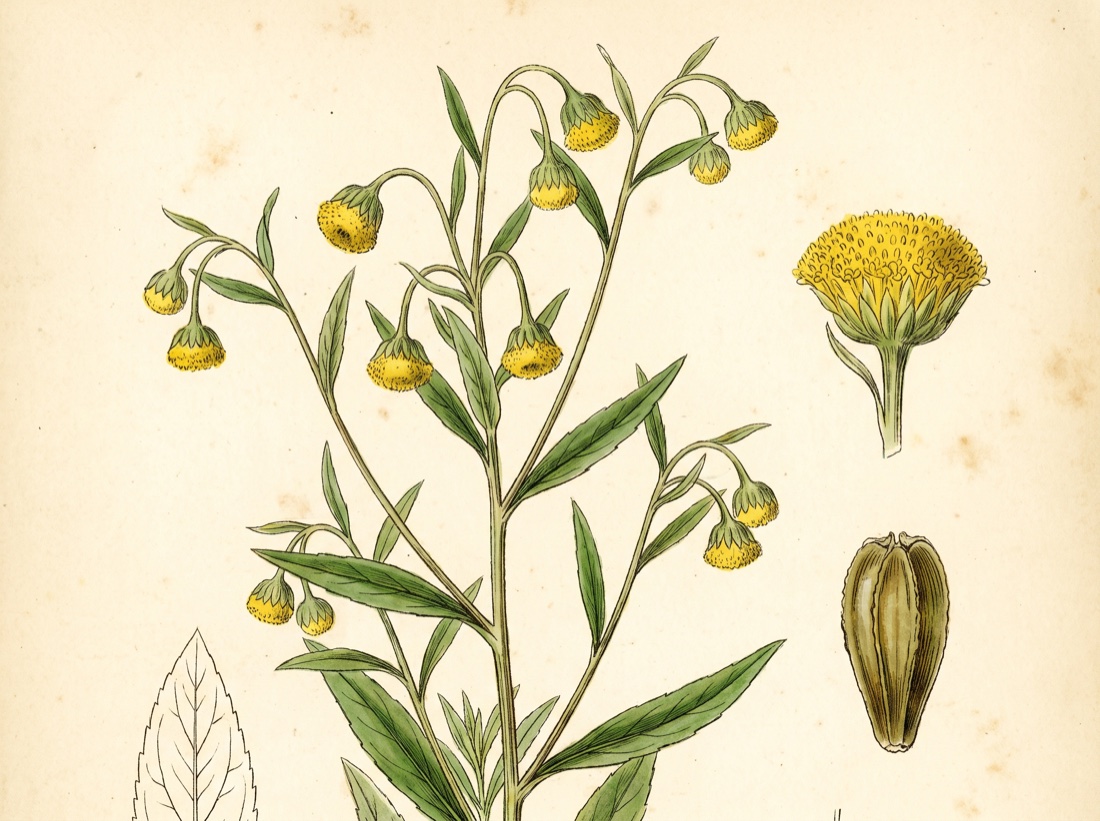
Carpesium fruit
Carpesium abrotanoides
Also known as carpesium, he shi, crane's louse, hè shī.
He shi is the small, dry, ribbed fruit of Carpesium abrotanoides, a weedy composite of woodland margins and stream banks across China, Korea, Japan and the Himalaya. The mature fruits are gathered in autumn, dried and used whole or lightly crushed. In Chinese medicine it belongs to the class of parasite-expelling herbs and is valued because it is relatively mild, kills a broad range of intestinal worms, and helps clear the food stagnation that so often accompanies worm infestation in children.

Ask Herbert about Carpesium fruit. Herbert is the master herbalist inside Bountiful Herbs: he answers from this plate and eleven hundred others, with dosing, pairing and cautions. Your first ten questions are free.
Ask HerbertActions
Indications what the tradition reached for it in
- Roundworm infestation
- Pinworm
- Tapeworm
- Hookworm
- Intermittent abdominal pain around the navel from worms
- Childhood nutritional impairment with distended belly and thin limbs (gan ji)
- Food stagnation with bloating and poor appetite in children
- Anal itching from pinworms (with oral and topical treatment)
- Teething and toothache (traditional folk use of the herb)
Specific indications
A child with a swollen belly, sallow face, erratic appetite and colicky pain around the navel that comes and goes, where worms are suspected or confirmed
Mixed parasite infestation where a broad, gentle anthelmintic is wanted alongside stronger agents such as bing lang and shi jun zi
Safety
Low dose botanical. Used in drop doses in the classical practice; not a plant to dose freely.
The record lists 7 contraindications; open the plate in the library to read them in full.
In practice
He shi is seldom given alone. In the classic anti-parasite pills it is combined with shi jun zi (Quisqualis), bing lang (Areca), ku lian pi (Melia bark), wu mei (mume) and chuan jiao (Zanthoxylum), and modern practice uses the same logic: a broad-spectrum mixture, taken on an empty stomach in the morning for two or three days, followed by a mild purgative or a digestive formula to move the killed worms out.
In Chinese medicine
Temperature: neutral, slightly toxic. Taste: bitter, acrid. Channels: Spleen, Stomach. Actions: Kills intestinal parasites; Reduces food accumulation and the abdominal distension that goes with it; Relieves worm-related abdominal pain.
Dosing as the sources wrote it
| Preparation | As written | Metric |
|---|---|---|
| Decoction | 3-9 g dried fruit daily in decoction | 3000-9000 mg |
| Powder or pill | 1-3 g powdered fruit twice daily for 2-3 days | 1000-3000 mg |
| Children | 0.1-0.2 g powdered fruit per kg body weight daily for 2-3 days | 100-200 mg |
Doses are reproduced from the sources for practitioners and are not a recommendation for any person.
From the sources
Overview. He shi is the small, dry, ribbed fruit of Carpesium abrotanoides, a weedy composite of woodland margins and stream banks across China, Korea, Japan and the Himalaya. The mature fruits are gathered in autumn, dried and used whole or lightly crushed. In Chinese medicine it belongs to the class of parasite-expelling herbs and is valued because it is relatively mild, kills a broad range of intestinal worms, and helps clear the food stagnation that so often accompanies worm infestation in children.
Clinical Notes. He shi is seldom given alone. In the classic anti-parasite pills it is combined with shi jun zi (Quisqualis), bing lang (Areca), ku lian pi (Melia bark), wu mei (mume) and chuan jiao (Zanthoxylum), and modern practice uses the same logic: a broad-spectrum mixture, taken on an empty stomach in the morning for two or three days, followed by a mild purgative or a digestive formula to move the killed worms out.
Chinese Medicine Profile. Temperature: neutral, slightly toxic. Taste: bitter, acrid. Channels: Spleen, Stomach. Actions: Kills intestinal parasites; Reduces food accumulation and the abdominal distension that goes with it; Relieves worm-related abdominal pain.
In formulas
Carpesium fruit stands in 6 documented formulas in the library, among them hua chóng wán.
Often paired with
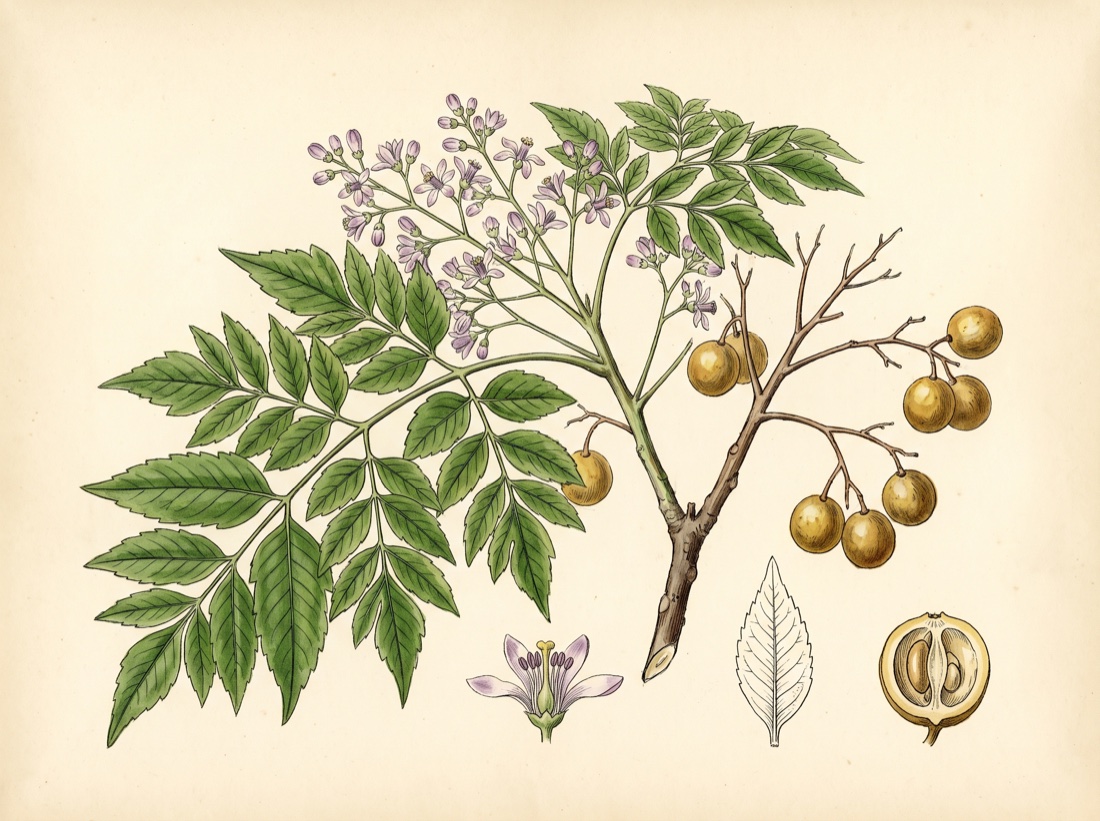 Sichuan chinaberryMelia toosendan
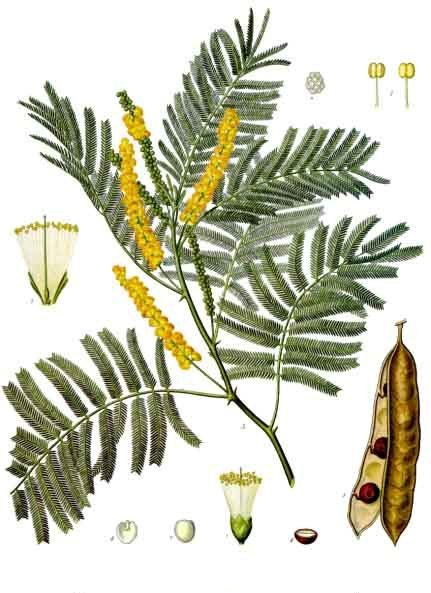 cutch treeAcacia catechu
 Kava kavaPiper methysticum
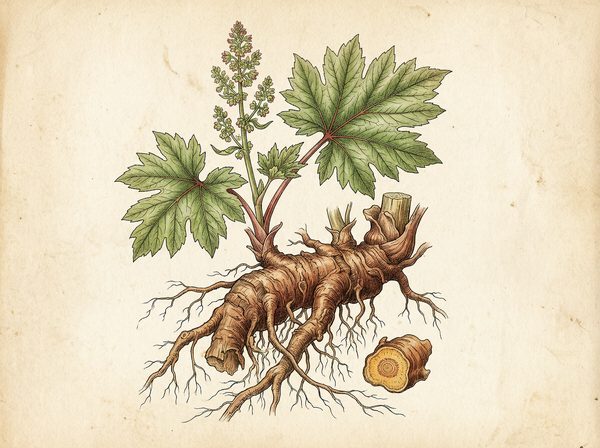 Chinese RhubarbRheum palmatum
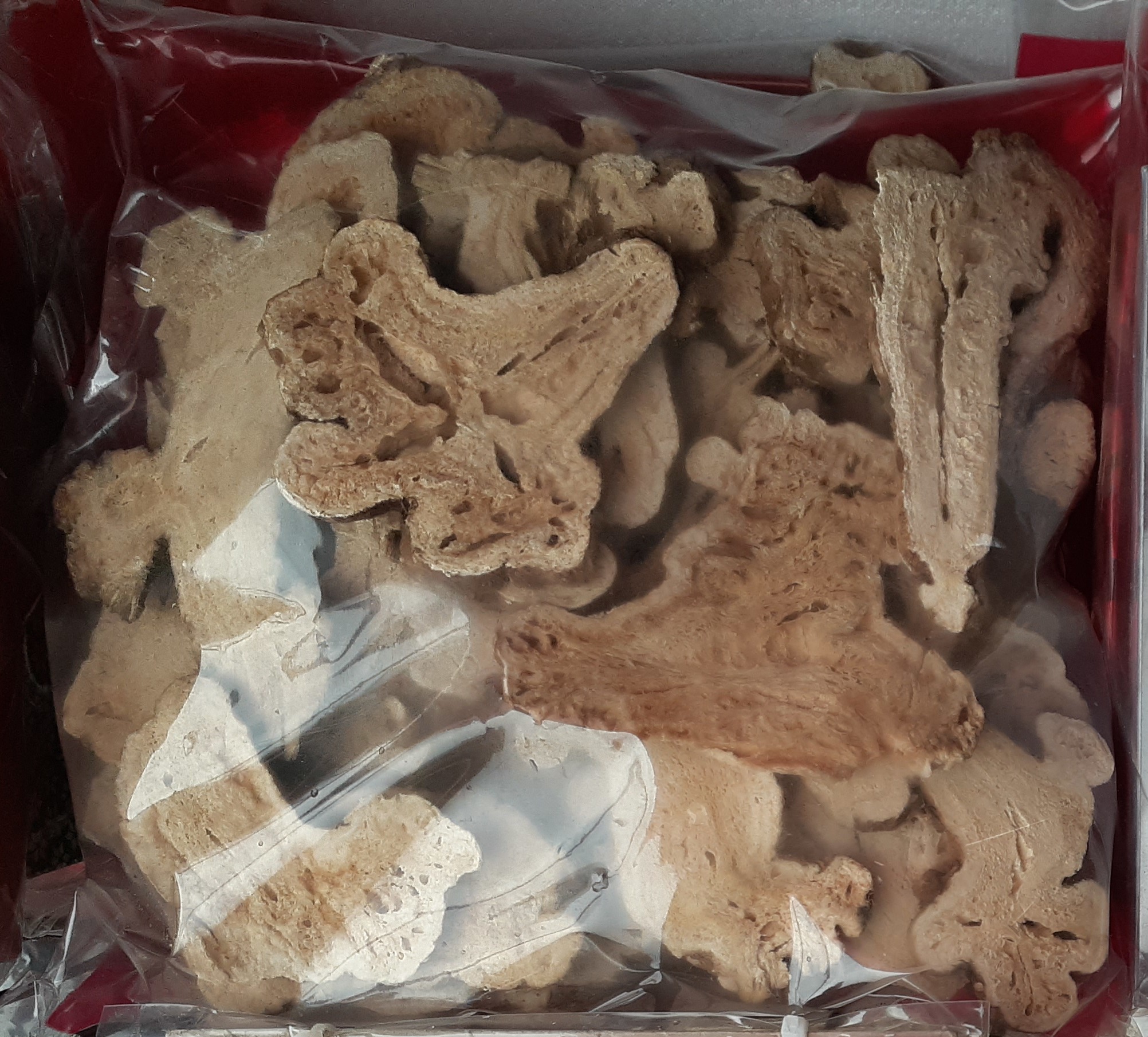 Bai ZhuAtractylodes macrocephala
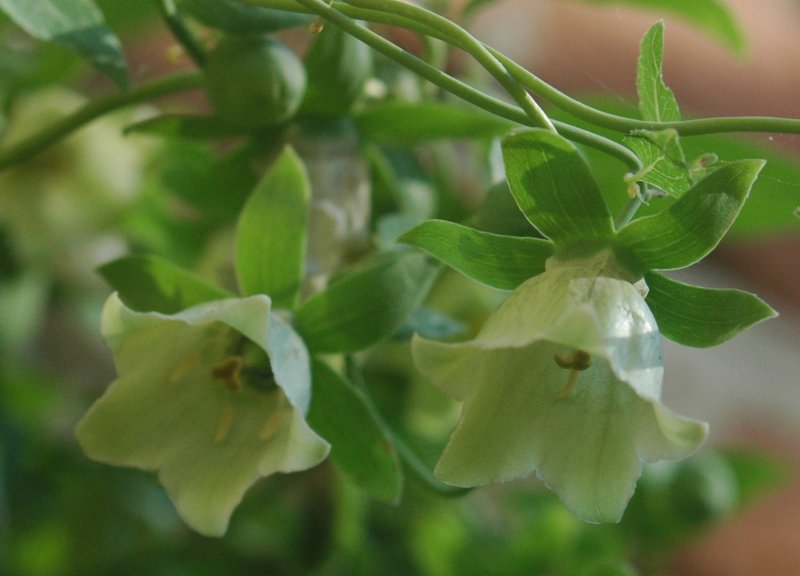 CodonopsisCodonopsis pilosula
Nearby on the shelf
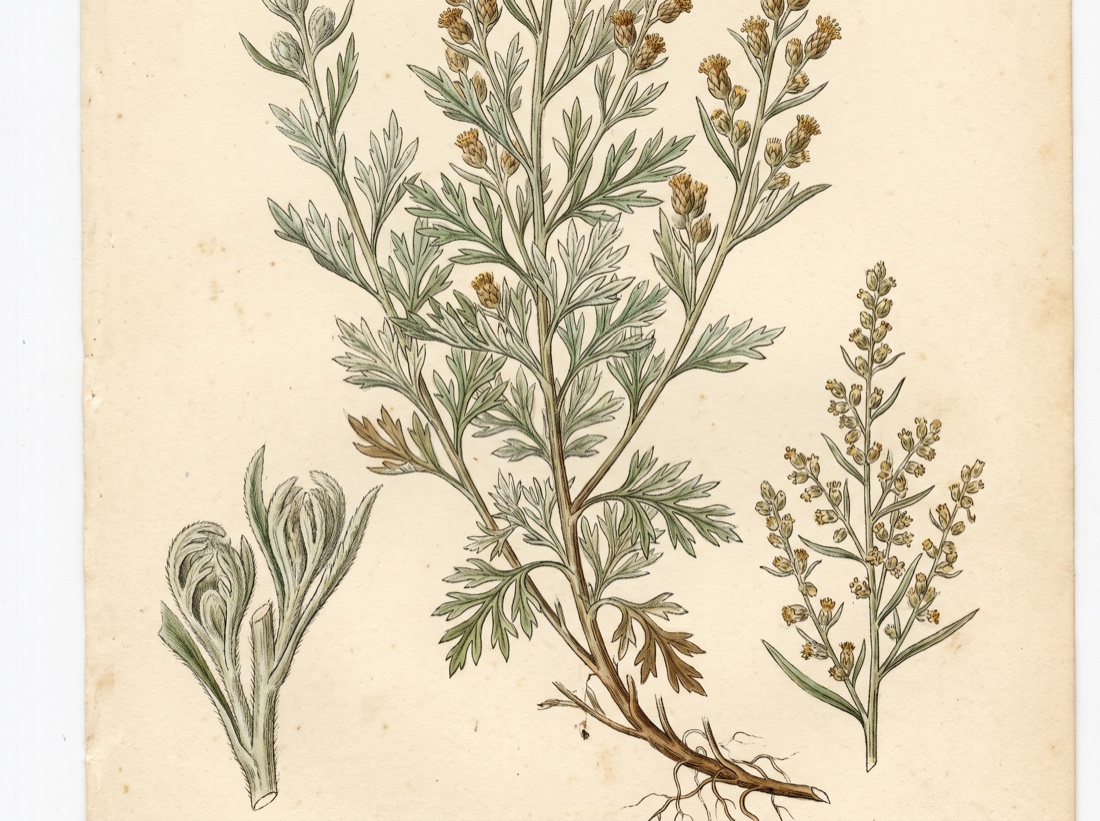 Capillary wormwoodArtemisia capillaris
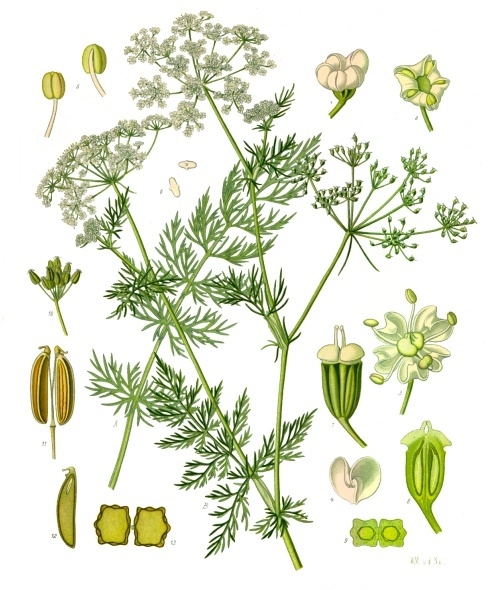 CarawayCarum carvi
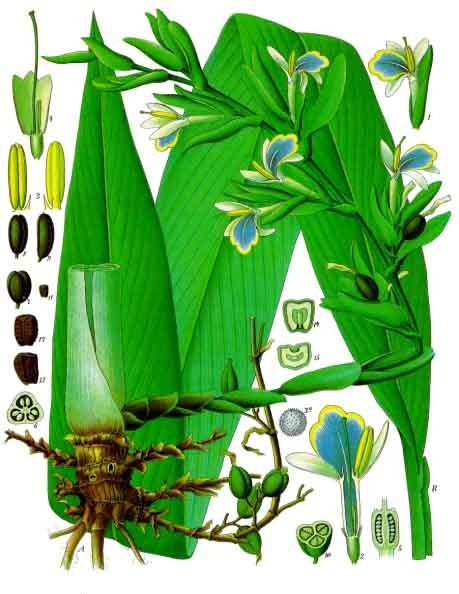 CardamomElettaria cardamomum
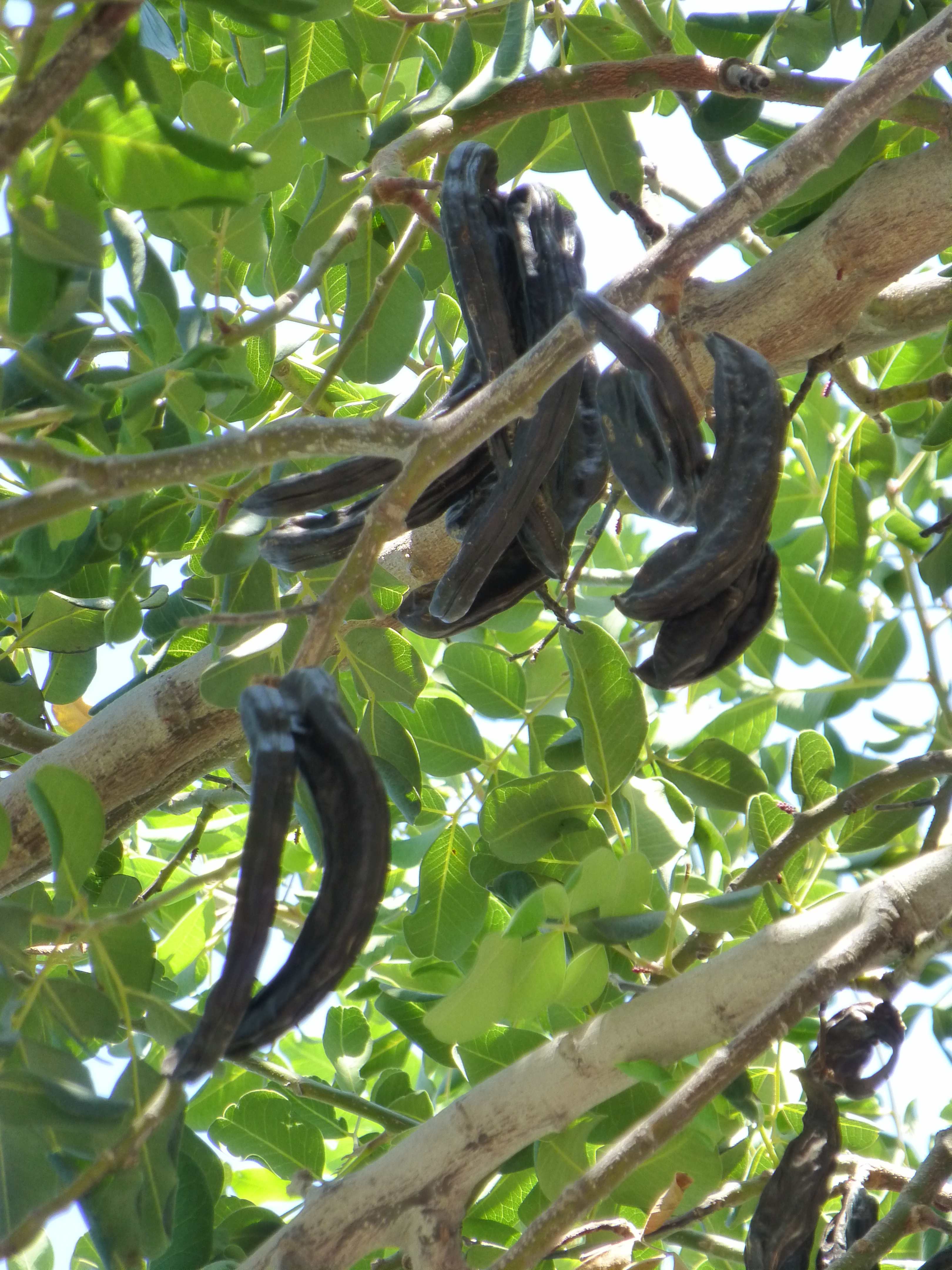 CarobCeratonia siliqua
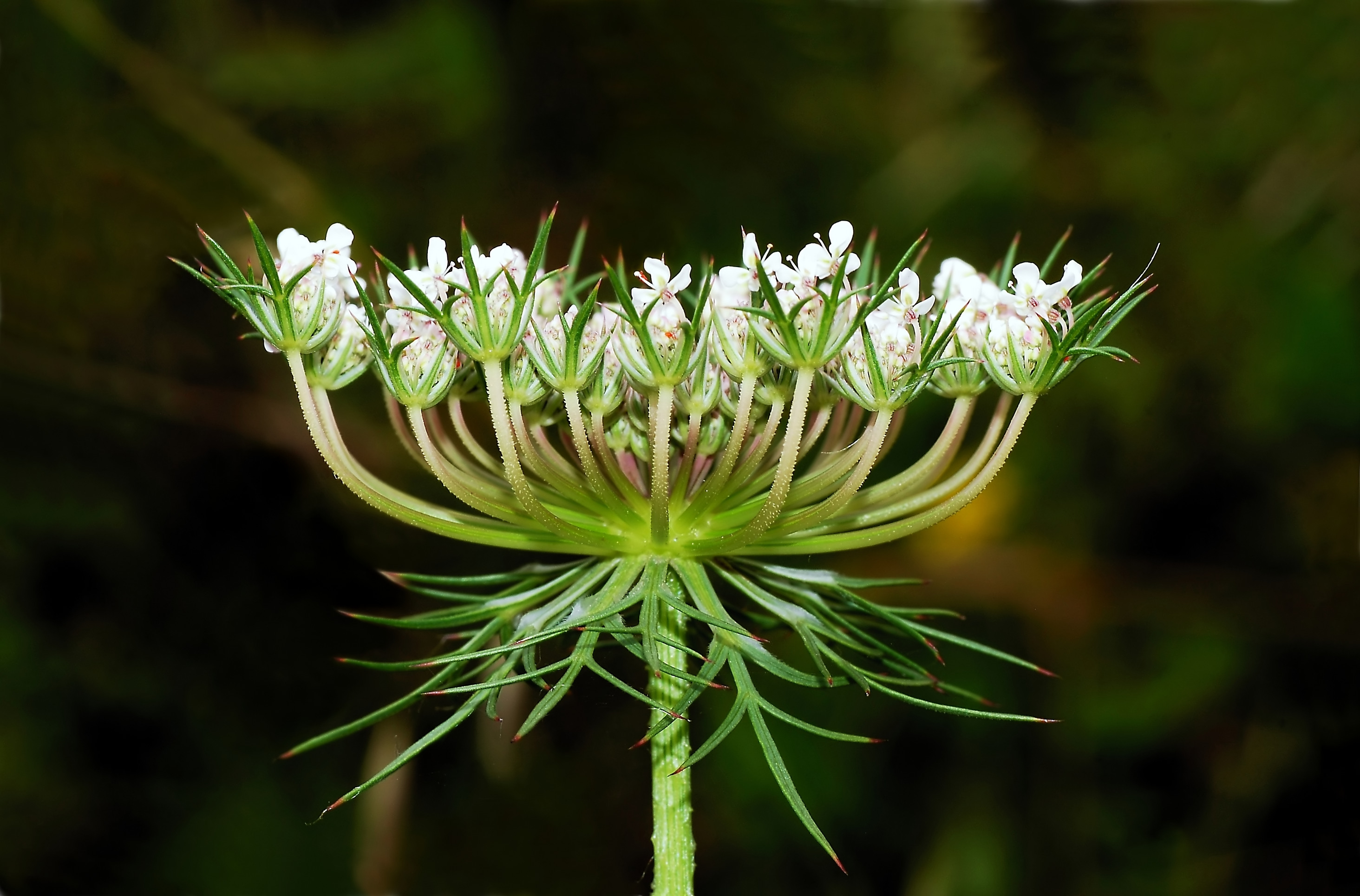 CarrotDaucus carota
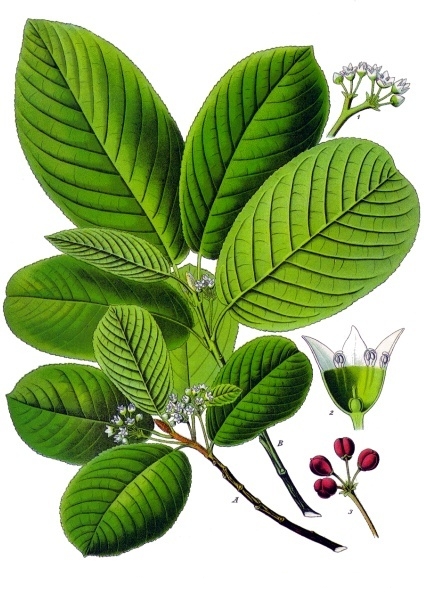 Cascara sagradaFrangula purshiana
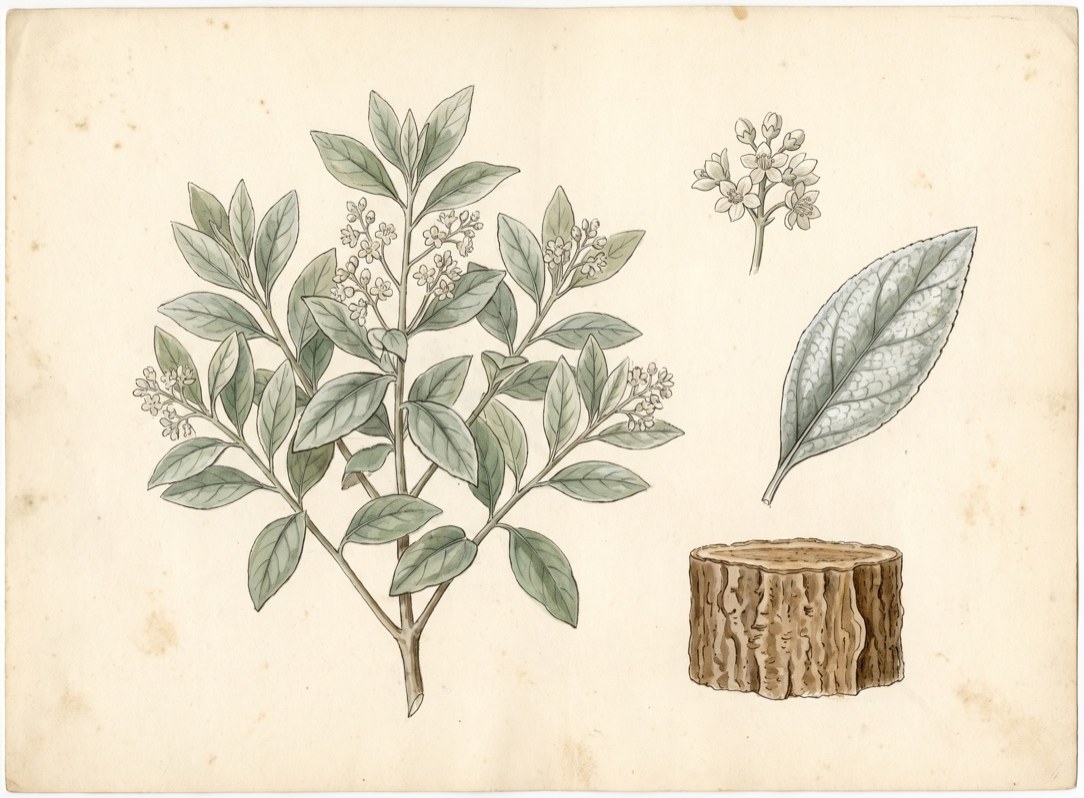 CascarillaCroton eleuteria
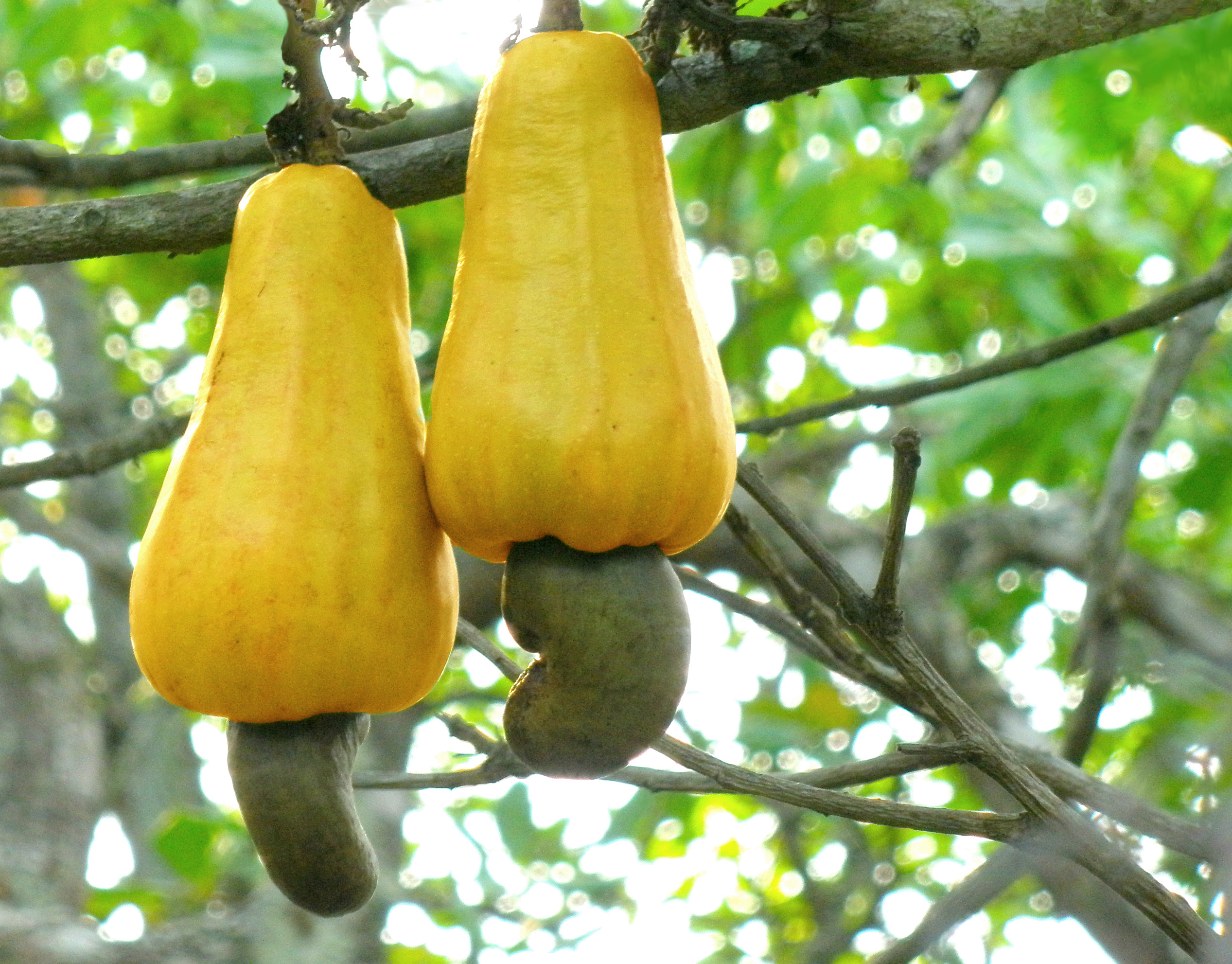 CashewAnacardium occidentale
The whole plate is in the library. The compass, Compare, the Sky of eleven hundred plants and the formulary open with an email address and a password, free, with the formula builder and its safety engine. Herbert without limit, his formulating, clients, the handouts and the labels are the paid room.
Open the library, free