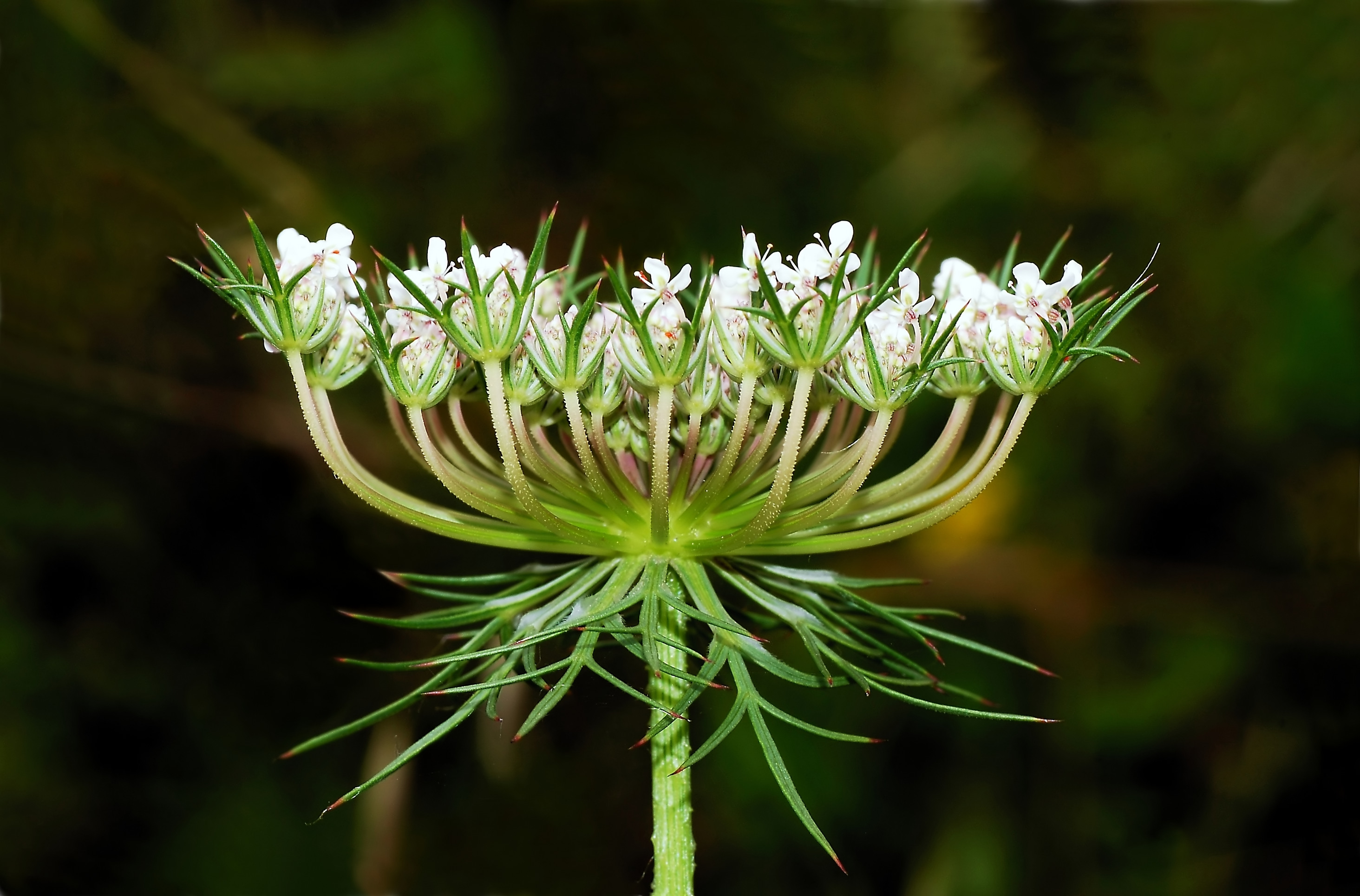
Western and Ayurvedic herbalism
Carrot
Daucus carota
Also known as wild carrot, Queen Anne's lace, bird's nest, carrot seed, Grinjanaka, Garjara, Gajara.
Daucus carota is the carrot, a biennial of the parsley family whose wild form, Queen Anne's lace, grows across Europe, West Asia and the western Himalayan ranges, and whose orange-rooted cultivated form is grown throughout India in the cool season. Ayurveda calls it Grinjanaka or Garjara and uses the root as a sweet, nourishing food-medicine for the eyes, digestion and heat, and the pungent, warming seed as a carminative, diuretic and emmenagogue. The seed is the part with real drug action and the safety cautions.

Ask Herbert about Carrot. Herbert is the master herbalist inside Bountiful Herbs: he answers from this plate and eleven hundred others, with dosing, pairing and cautions. Your first ten questions are free.
Ask HerbertActions
Indications what the tradition reached for it in
- Flatulent dyspepsia and colic
- Water retention and scanty urine
- Gravel and small urinary stones (adjunct)
- Cystitis with burning (seed infusion)
- Delayed or painful menses in a cold constitution (seed)
- Chronic diarrhea and hemorrhoids (cooked root, traditional)
- Poor night vision and dry eyes (root as food)
- Threadworm in children (seed, traditional)
- Gout and uric acid retention (seed and wild herb)
- Convalescence and anemia (root juice)
- Fatty liver and sluggish liver (adjunct, root and seed)
- Urinary calculus
- Lithuria
- Cystitis
- Gout
- Specifically for urinary gravel
- Calculus
- Urinary calculi
- Menstrual irregularities
- Flatulence
- Worm infestation
- Bladder problems
- Abdominal cramps
- Dyspepsia
- Dropsy
- Liver disease
- Gas
- Gastric ulcer
- Cancer
- Muscle pain
Specific indications
A cold, bloated kapha-vata patient with gas, colic and scanty urine who needs a warming aromatic diuretic rather than a cooling one
Delayed, scanty, crampy periods in a chilly young woman with no chance of pregnancy, given a warm seed decoction for the week before the period
Recurrent gravel and burning urine in a patient who eats poorly and drinks little, given seed infusion with ample water alongside dietary change
A pale, tired child or convalescent with poor appetite and dim night vision who does well on fresh carrot juice or halwa as a daily food-medicine
Safety
Pregnancy: Avoid the seed in pregnancy: the AHPA Botanical Safety Handbook places wild carrot seed in class 2b on the basis of its emmenagogue and traditional antifertility use, while the root as a food is entirely safe.
Breastfeeding: Lactation (seed oil)
The record lists 8 contraindications; open the plate in the library to read them in full.
In practice
The Ayurvedic practitioner keeps the root and the seed apart. The root is a food: raw or as juice it is cooling and sweet, given for burning, thirst, weak eyes and convalescence; cooked with ghee and milk as halwa it becomes a warming, building tonic for the thin vata patient in winter, and with cumin and rock salt it settles grahani and hemorrhoids.
In Ayurveda
Rasa: madhura (sweet, root), katu (pungent) and tikta (bitter) in the seed. Virya: ushna (heating), the seed strongly so; the fresh root is only mildly warming and is often used as a cooling food when raw. Vipaka: katu (pungent, seed); madhura (sweet, root). Guna: laghu (light), ruksha (dry), tikshna (sharp, seed). Dosha: pacifies kapha and vata; the seed aggravates pitta in excess, the root is gentler and balances all three in moderation. Karma: deepana (kindles digestion); pachana (digestive); grahi (binds loose stool, root); mutrala (diuretic, seed); artavajanana (promotes menstruation, seed); garbhanirodhaka (contraceptive, seed, folk tradition); chakshushya (good for the eyes, root); krimighna (anthelmintic, seed); shothahara (reduces swelling); hridya (cardiac tonic, root); vatakaphahara (reduces vata and kapha). Classical indications: arsha (hemorrhoids); grahani (chronic malabsorption); agnimandya (weak digestion); mutrakricchra (painful urination); ashmari (urinary stones); shotha (edema); kashtartava (painful menstruation); artavakshaya (scanty menses); netraroga (eye weakness, root); krimi (worms); daha (burning, raw root and juice). The dried ripe fruit, called the seed, is the medicinal part, given as churna, kwatha and cold infusion and yielding a volatile oil; the fresh root is eaten, juiced and made into halwa and pickles as a food-medicine for the eyes, digestion and heat; the leaves and flowering tops of the wild plant are used as a diuretic infusion in regional practice. Classical formulations: Garjara beeja churna, Garjara beeja kwatha, Garjara swarasa, Gajar halwa and murabba (food preparations), Regional diuretic and menstrual churnas containing carrot seed. Described in: Bhavaprakasha Nighantu, Raja Nighantu, Kaiyadeva Nighantu.
Dosing as the sources wrote it
| Preparation | As written | Metric |
|---|---|---|
| Churna (seed) | 1-3 g powdered seed twice daily with warm water | 1000-3000 mg |
| Kwatha (seed) | 50-100 mL seed decoction twice daily | 50-100 mL |
| Swarasa (root) | 100-200 mL fresh root juice daily as a food-medicine | 100-200 mL |
| Phanta (wild herb infusion) | 100-150 mL hot infusion of aerial parts two or three times daily | 100-150 mL |
| Dried herb 2-4 g as an infusion three times daily | 2000-4000 mg | |
| (G6, G7) Liquid extract 2-4 mL (1 : 1 in 25% alcohol) three times daily .(G6, G7) Figure 1 Selected constituents of wild carrot | 2-4 mL |
Doses are reproduced from the sources for practitioners and are not a recommendation for any person.
From the sources
Overview. Daucus carota is the carrot, a biennial of the parsley family whose wild form, Queen Anne's lace, grows across Europe, West Asia and the western Himalayan ranges, and whose orange-rooted cultivated form is grown throughout India in the cool season. Ayurveda calls it Grinjanaka or Garjara and uses the root as a sweet, nourishing food-medicine for the eyes, digestion and heat, and the pungent, warming seed as a carminative, diuretic and emmenagogue. The seed is the part with real drug action and the safety cautions.
Clinical Notes. Distinguish from toxic look-alikes like poison hemlock Traditional 'morning after' contraceptive via seed tea, prevents implantation Preclinical evidence supports actions but clinical trials lacking Chemotype variability by region Aerial parts infusion for diuretic, seeds for carminative/emmenagogue
Clinical Notes. The Ayurvedic practitioner keeps the root and the seed apart. The root is a food: raw or as juice it is cooling and sweet, given for burning, thirst, weak eyes and convalescence; cooked with ghee and milk as halwa it becomes a warming, building tonic for the thin vata patient in winter, and with cumin and rock salt it settles grahani and hemorrhoids.
Properties and Uses. The seeds (in proper botanical language, the fruit) have been used in medicine since the middle centuries. They are a pleasant and diffusive aromatic stimulant, somewhat relaxant, carminative, and acting chiefly upon the kidneys.
Drawn from Cook's Physio-Medical Dispensatory; King's American Dispensatory, 18th edition (Felter and Lloyd), and the Bountiful Herbs editorial.
Nearby on the shelf
 CarawayCarum carvi
 CardamomElettaria cardamomum
 CarobCeratonia siliqua
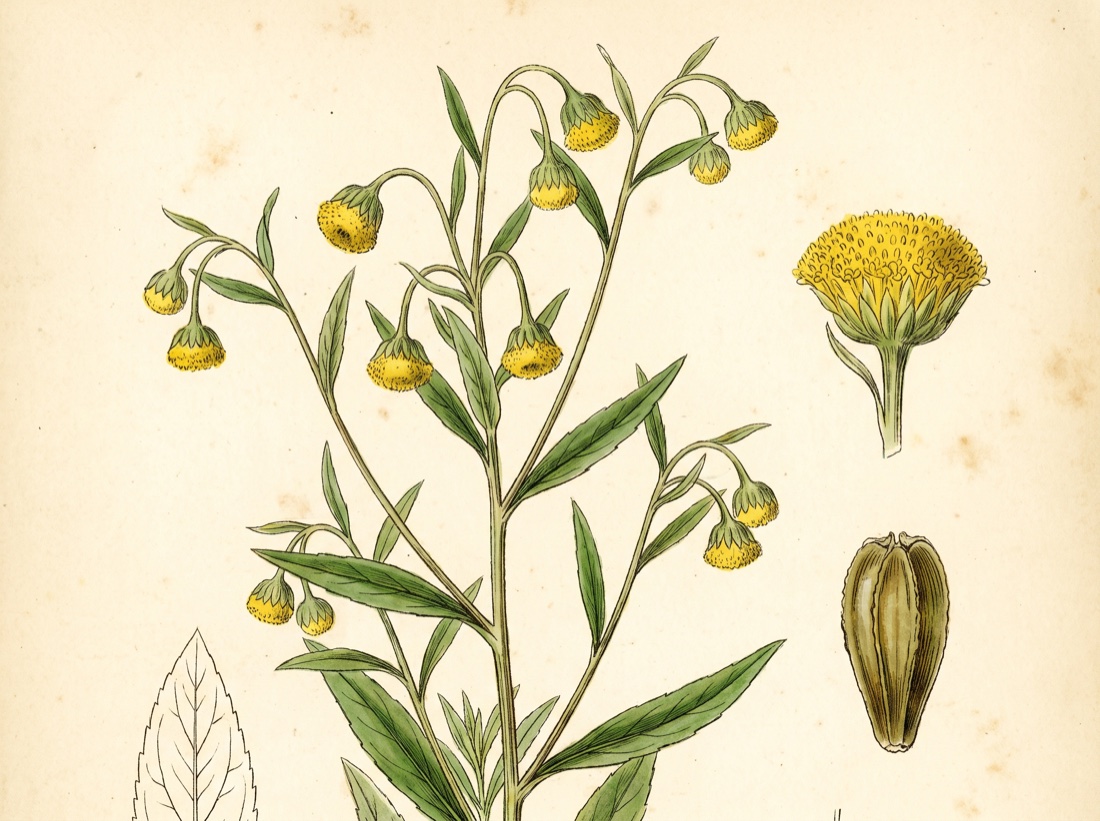 Carpesium fruitCarpesium abrotanoides
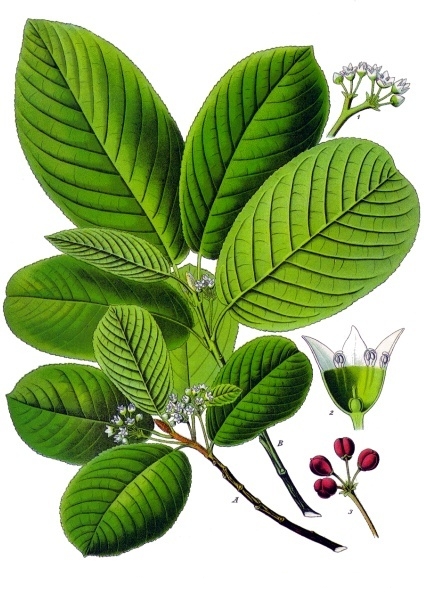 Cascara sagradaFrangula purshiana
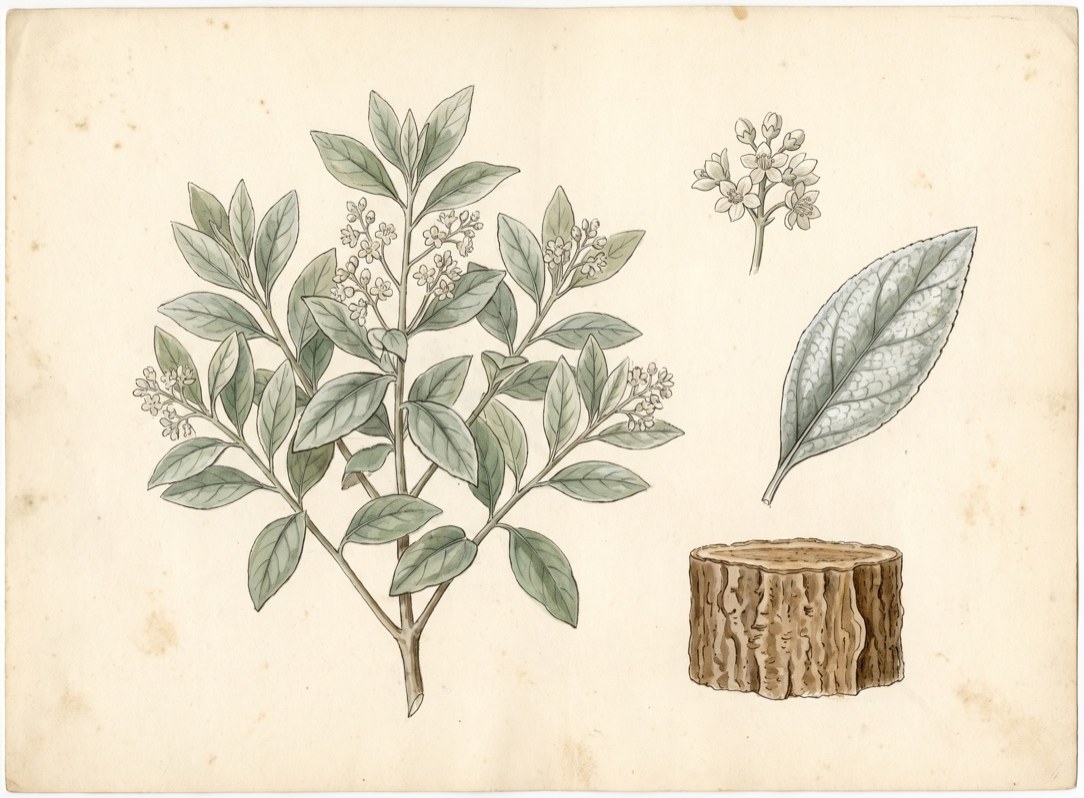 CascarillaCroton eleuteria
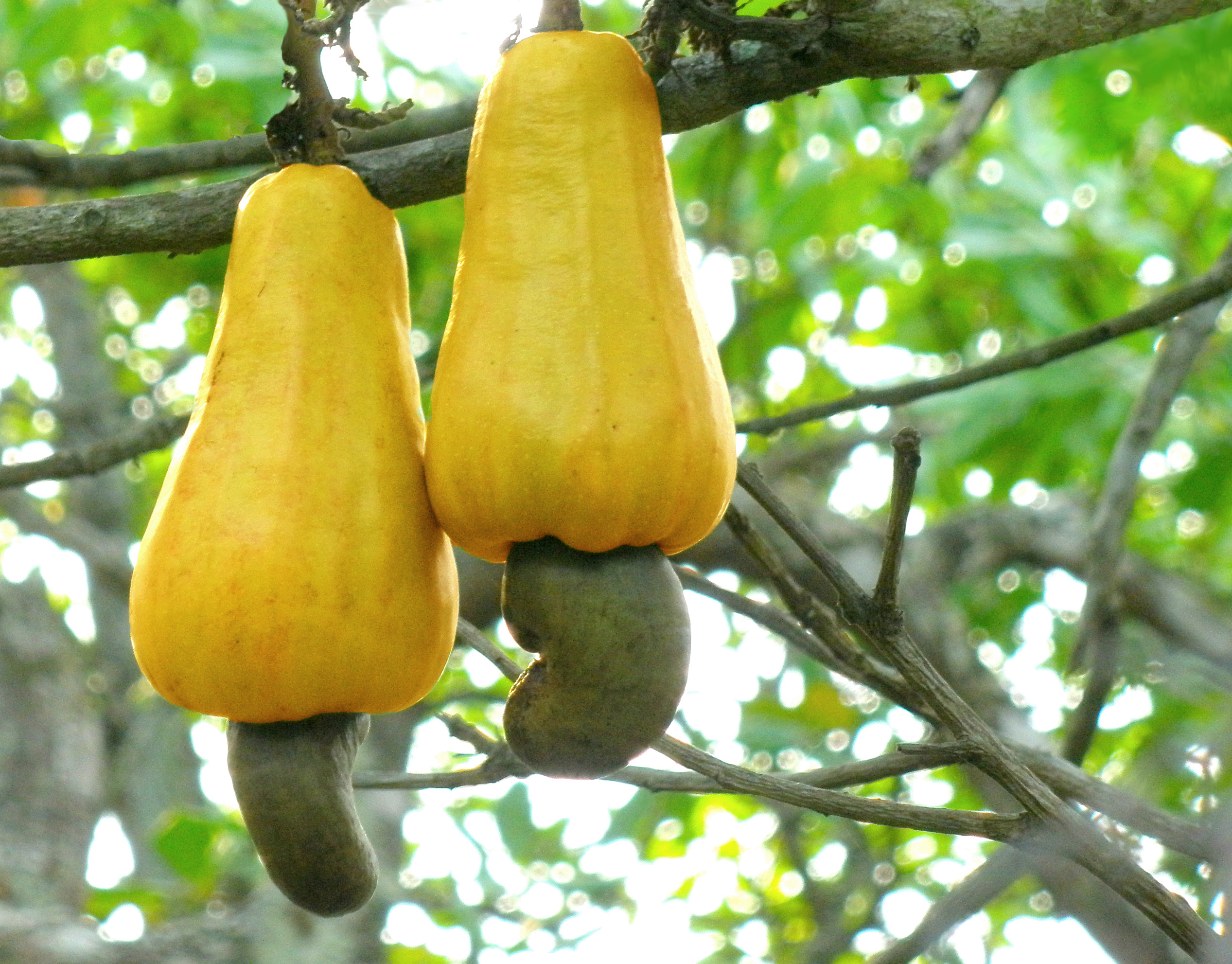 CashewAnacardium occidentale
 CastorRicinus communis
The whole plate is in the library. The compass, Compare, the Sky of eleven hundred plants and the formulary open with an email address and a password, free, with the formula builder and its safety engine. Herbert without limit, his formulating, clients, the handouts and the labels are the paid room.
Open the library, free