Western Herbalism
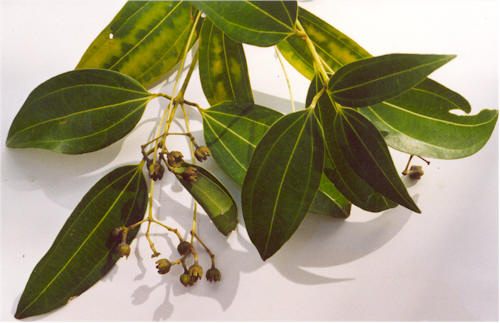
Chinese cinnamon
Cinnamomum cassia
Also known as Rou gui, Cinnamon, Cassia Bark, Cassia Lignea, False Cinnamon, guì pí, ròu guì, guì zhī.
Inner bark used TCM=will tonify kidney yang, dispel cold, warm the spleen, relieve pain & enhance movement of qi & yang, warm middle jiao, treat cold digestive disorders, dispel gas, infuse warmth, dispel blood stagnation, promote blood circulation

Ask Herbert about Chinese cinnamon. Herbert is the master herbalist inside Bountiful Herbs: he answers from this plate and eleven hundred others, with dosing, pairing and cautions. Your first ten questions are free.
Ask HerbertActions
Indications what the tradition reached for it in
- Loss of appetite
- Spastic colon
- Diabetes
- Diarrhea
- Diarrhea (bloody)
- Nausea
- Gas/bloating
- Post-partum hemorrhage
- Hemoptysis
- Menorrhagia
- Vomiting
- Colds
- Dysmenorrhea
- Flu
- Abdominal distension
- Bleeding
- Bloating
- Cold extremities
- Colic
- Cramps
- Debility
- Digestive discomfort
- Fatigue
- Flatulence
- Gas
- Hemorrhage
- Infection
- Muscle spasms
- Poor circulation
- Weakness
Safety
Pregnancy: Caution. Use only for culinary use.
Pregnancy, a modern clinical reference: There are no known problems with the use of cassia during pregnancy, provided that amounts taken do not exceed those generally used in foods; It is not known whether the constituents of cassia are secreted into breast milk
Pregnancy, our record: Caution. Use with caution in pregnancy at medicinal doses.
Breastfeeding: Limited data. No published statement on cassia bark while breastfeeding was found; culinary amounts are widely eaten; medicinal doses have not been studied.
The record lists 2 contraindications; open the plate in the library to read them in full.
Dosing as the sources wrote it
| Preparation | As written | Metric |
|---|---|---|
| Tincture (1:4) | 1-3 ml TID | 1-3 mL |
| Infusion | 1 tsp/c TID | |
| Bulk herb | 1.5-6 g/day | 1500-6000 mg |
| Essential oil | 1-3 gtts TID | |
| Dried bark 0.5-1 g as an infusion three times daily | 500-1000 mg | |
| Oil of cassia (BPC 1949) 0.05 -0.2 mL three times daily. |
Doses are reproduced from the sources for practitioners and are not a recommendation for any person.
From the sources
Clinical Notes. Inner bark used TCM=will tonify kidney yang, dispel cold, warm the spleen, relieve pain & enhance movement of qi & yang, warm middle jiao, treat cold digestive disorders, dispel gas, infuse warmth, dispel blood stagnation, promote blood circulation
action. Cinnamon bark has been found to improve fasting blood glucose and its extracts have been documented as in vitro and in vivo insulin sensitizers that regulate glucose transporter and insulin-signaling gene expression.
action. In Traditional Chinese Medicine the inner bark tonifies kidney yang, dispels cold, warms the spleen and middle jiao, relieves pain, enhances the movement of qi and yang, dispels blood stagnation and promotes blood circulation, treating cold digestive disorders.
action. A water-based cinnamon extract was a potent inhibitor of VEGFR2 kinase activity, blocking VEGF-induced endothelial cell proliferation, migration and tube formation and tumor-induced blood vessel formation in vivo, with procyanidin type A oligomers identified as the active anti-angiogenic components.
In formulas
Chinese cinnamon stands in 379 documented formulas in the library, among them Blood Sugar Support Formula, Syrupus Rhei Et Potassae Compositus, Tinctura Cardamomi Composita, sháo yào tāng, ju yuán jiān, guo qi yin.
Often paired with
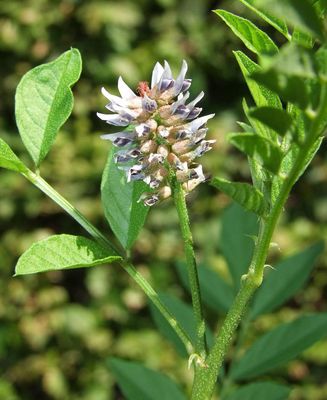 Licorice rootGlycyrrhiza glabra
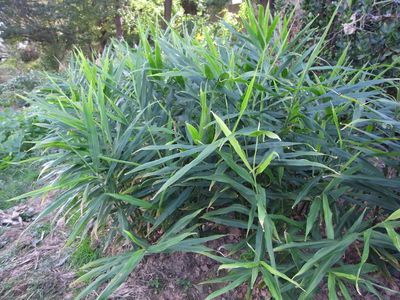 GingerZingiber officinale
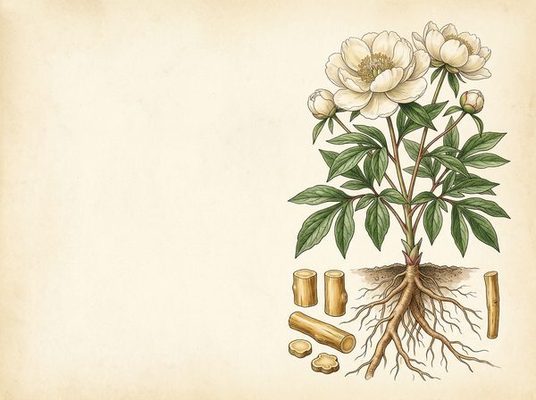 White PeonyPaeonia lactiflora
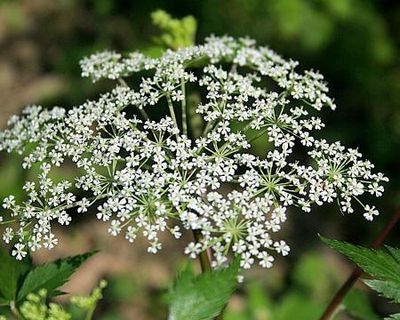 Dong QuaiAngelica sinensis
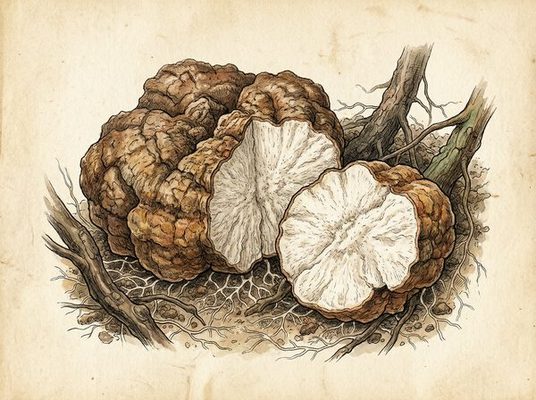 PoriaWolfiporia extensa
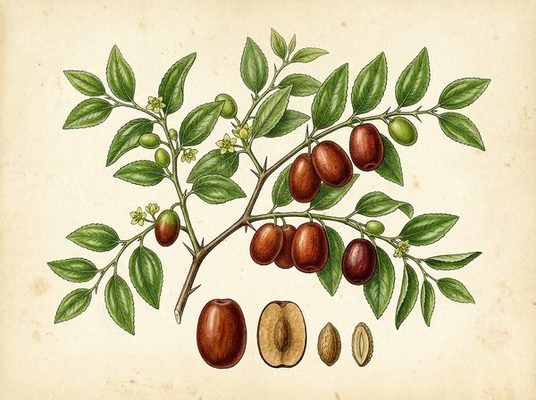 jujubeZiziphus jujuba
Nearby on the shelf
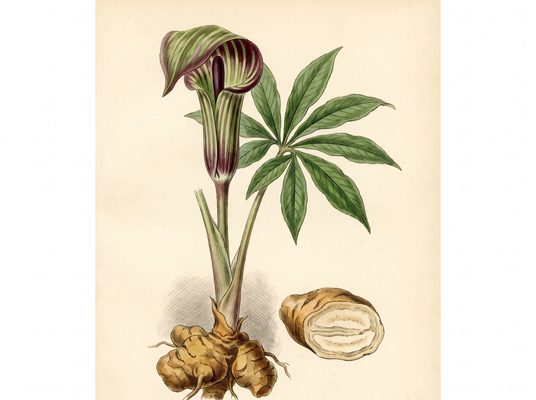 Chinese arisaemaArisaema erubescens
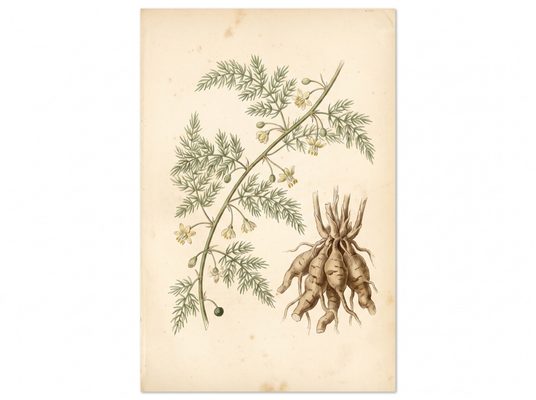 Chinese asparagusAsparagus cochinchinensis
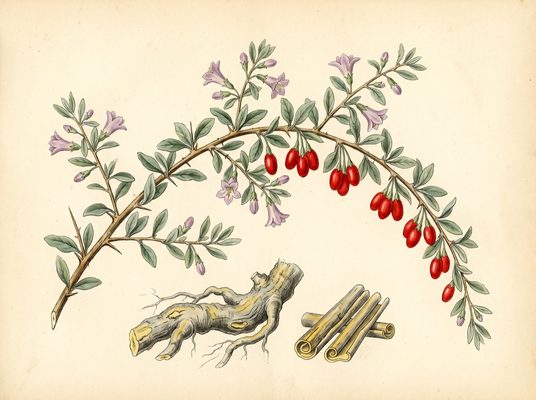 Chinese boxthornLycium chinense
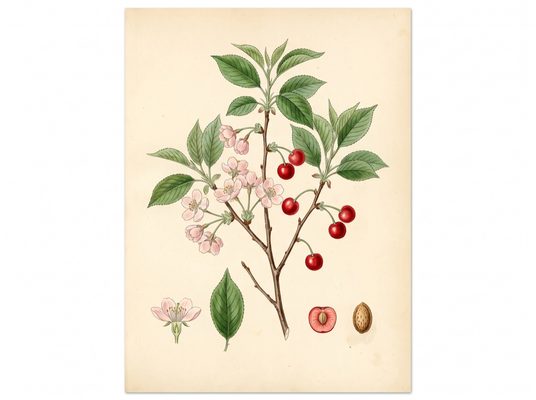 Chinese bush cherryPrunus japonica
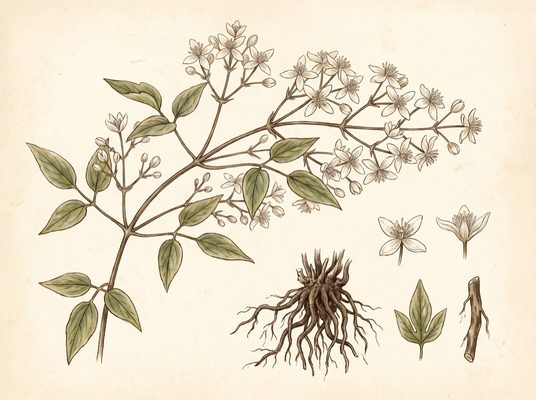 Chinese clematisClematis chinensis
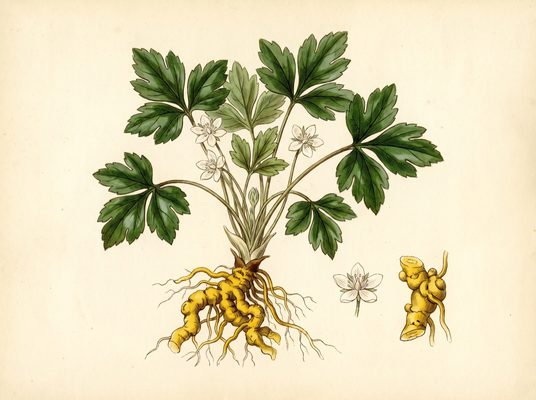 Chinese goldthreadCoptis chinensis
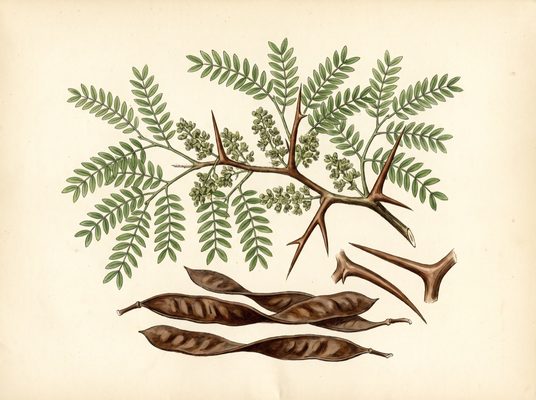 Chinese honey locustGleditsia sinensis
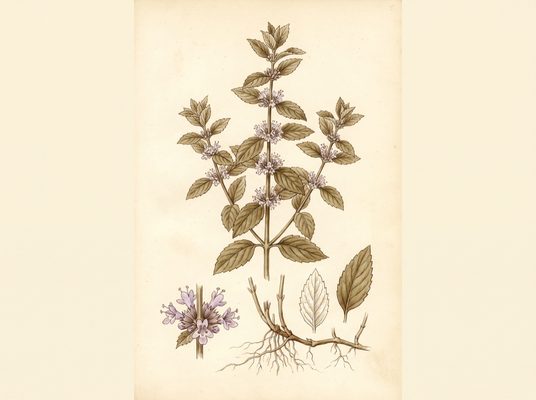 Chinese mintMentha canadensis
The whole plate is in the library. The compass, Compare, the Sky of eleven hundred plants and the formulary open with an email address and a password, free, with the formula builder and its safety engine. Herbert in full, his formulating, clients, the handouts and the labels are the paid room.
Open the library, free