Western Herbalism
Cashew
Anacardium occidentale
Also known as Cashew nut, Cashew apple, Anacardium.
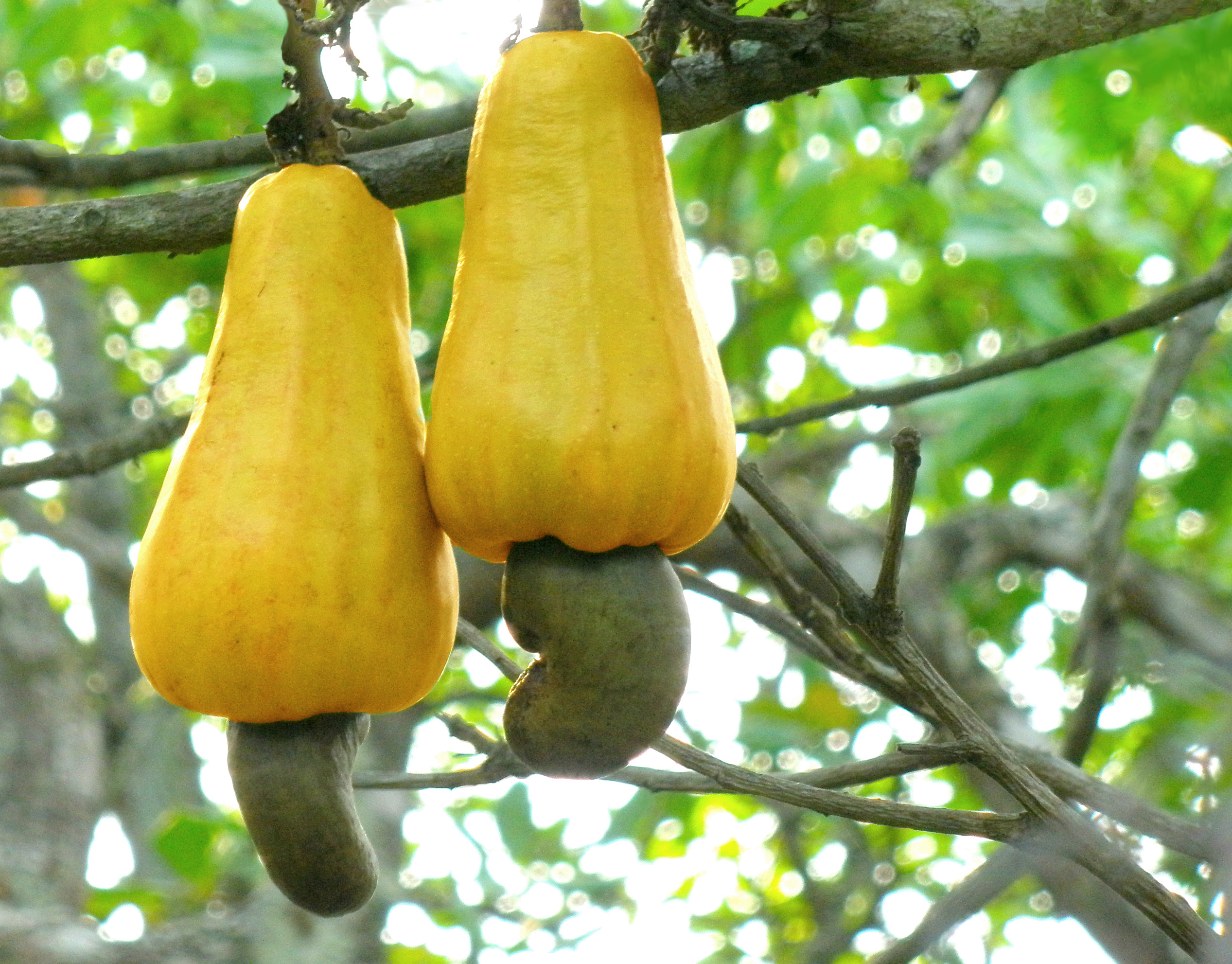
Anacardium occidentale is the cashew tree, a small tropical tree native to northeastern Brazil and now cultivated throughout the tropics for its kidney shaped nut and fleshy pseudofruit, the cashew apple. Eclectic physicians of the nineteenth century worked chiefly with the acrid resin found between the two shells of the nut, and with tinctures made from it, while the roasted nut itself is a familiar food once the caustic shell oil has been removed. In classical homeopathy the genus Anacardium also has a long history as a constitutional remedy for mental and nervous symptoms, most famously prepared from the related marking nut tree, so practitioners should be careful to distinguish which species a given tincture derives from.

Ask Herbert about Cashew. Herbert is the master herbalist inside Bountiful Herbs: he answers from this plate and eleven hundred others, with dosing, pairing and cautions. Your first ten questions are free.
Ask HerbertActions
Indications what the tradition reached for it in
- Corns and calluses
- Warts
- Ringworm and other fungal skin lesions
- Chronic indolent ulcers
- Nervous exhaustion with poor memory (homeopathic tradition)
- Mental confusion with a sense of two conflicting wills (homeopathic tradition)
- Dyspepsia with irritability (homeopathic tradition)
- Skin eruptions from contact with the resin (self limiting, requiring recognition and avoidance)
Specific indications
A hard corn or wart with a thickened, callused base, historically touched with the caustic juice to destroy the lesion
Marked forgetfulness or a feeling of being driven by two opposing impulses, a classic homeopathic keynote for this remedy picture
Safety
Recognised toxicity. This plant carries a toxicity flag in the record; it is for trained practitioners only.
Low dose botanical. Used in drop doses in the classical practice; not a plant to dose freely.
Pregnancy: Avoid the crude resin and undiluted tincture in pregnancy given its caustic and unstudied nature; homeopathic potencies above 6C are generally considered to carry negligible material risk.
Breastfeeding: Avoid the crude resin and undiluted tincture during lactation for the same reasons as pregnancy; conventional homeopathic dilutions are not considered a concern.
The record lists 2 contraindications; open the plate in the library to read them in full.
In practice
The raw resin between the cashew shells (cashew nut shell liquid) is intensely caustic, producing blistering, deep ulceration and slow healing wounds on contact with skin, exactly as the old texts describe.
Dosing as the sources wrote it
| Preparation | As written | Metric |
|---|---|---|
| Homeopathic mother tincture | 0.05-0.1 mL (one-quarter to one drop) up to four or five times daily, historical eclectic dosing | 0.05-0.1 mL |
| Homeopathic dilution | 6C to 30C potency as indicated by the individual case, standard homeopathic dosing | |
| The commonest form of administration is the Homeopathic mother tincture | Dose, from one-fourth of a drop to a drop, four or five times a day. | 0.02-0.02 mL |
| From 1/3 to 2/3 of a drop of homoeopathic mother tincture in water, 4 or 5 times a day, is suggested as the proper dose. | 0.02-0.03 mL |
Doses are reproduced from the sources for practitioners and are not a recommendation for any person.
From the sources
Overview. Anacardium occidentale is the cashew tree, a small tropical tree native to northeastern Brazil and now cultivated throughout the tropics for its kidney shaped nut and fleshy pseudofruit, the cashew apple.
Clinical Notes. The raw resin between the cashew shells (cashew nut shell liquid) is intensely caustic, producing blistering, deep ulceration and slow healing wounds on contact with skin, exactly as the old texts describe.
Therapy. This remedy was first brought. into use, in the treatment of Senegal fever, a peculiar fever of the Tropics, where quinine has proved unavailing. Webster suggests that it may be found of value in the treatment of mental disease, the result of nervous debility, especially that form known as sexual neurasthenia, where there is loss of memory, threatened dementia, failure of the will, great anxiety, and solicitation concerning the condition, with general failure of the nervous power. It has been used in the treatment of some forms of skin disease. There is room for investigation concerning its action.
Physiological Action. The juice of the rind is acrid, corrosive and irritating. Externally it produces blisters, which are apt to be troublesome and difficult of cure. It produces redness, inflammation, swelling and deep ulceration.
Drawn from King's American Dispensatory, 18th edition (Felter and Lloyd); Ellingwood's American Materia Medica, Therapeutics and Pharmacognosy, and the Bountiful Herbs editorial.
Nearby on the shelf
 Carpesium fruitCarpesium abrotanoides
 CarrotDaucus carota
 Cascara sagradaFrangula purshiana
 CascarillaCroton eleuteria
 CastorRicinus communis
 Cat's ClawUncaria tomentosa
 CatalpaCatalpa bignonioides
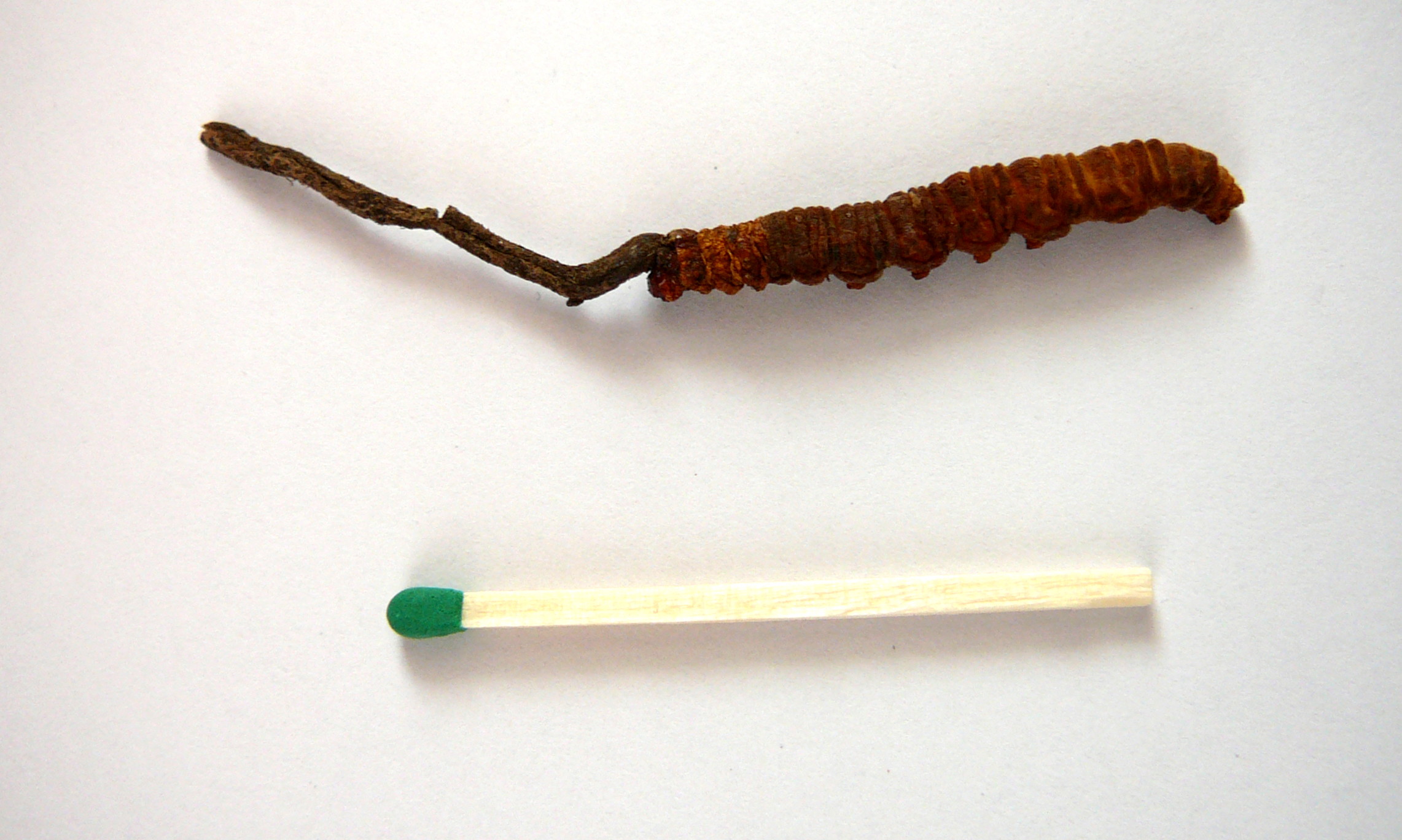 Caterpillar fungusCordyceps sinensis
The whole plate is in the library. The compass, Compare, the Sky of eleven hundred plants and the formulary open with an email address and a password, free, with the formula builder and its safety engine. Herbert without limit, his formulating, clients, the handouts and the labels are the paid room.
Open the library, free