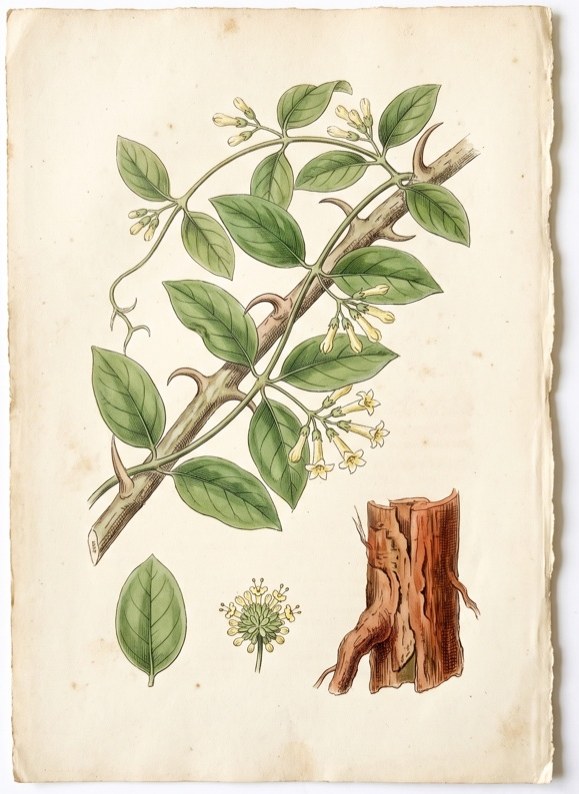
Western Herbalism
Cat's Claw
Uncaria tomentosa
Also known as Uña de Gato, Life-giving Vine of Peru, Savéntaro.
Inner stem bark preferred two chemotypes (pentacyclic vs tetracyclic alkaloids) with differing effects traditionally used by Amazonian indigenous peoples (Asháninka) for centuries adjuvant in mild inflammation and chemotherapy support per ESCOP consult provider for interactions

Ask Herbert about Cat's Claw. Herbert is the master herbalist inside Bountiful Herbs: he answers from this plate and eleven hundred others, with dosing, pairing and cautions. Your first ten questions are free.
Ask HerbertActions
Indications what the tradition reached for it in
- Chemotherapy-induced neutropenia
- Osteoarthritis
- Mild inflammatory conditions
- Parasites
- Dyspepsia
- Viral infections
- Urinary tract infection
- Rheumatoid arthritis
- Gastric ulcer
- Diverticulitis
- Immune support
- Wounds
- Leaky gut syndrome
- Articular pain
- Gastritis
- Crohn's disease
- Tumors
- Cancer adjuvant (breast, terminal)
- Colitis
- Immunodeficiency
- Inflammation
- Recurrent infections
- Ulcers
- Infection
- Arthritis
- Digestive complaints
- Urinary complaints
- Oxidative stress
Safety
Pregnancy: Not for use in pregnancy
Breastfeeding: Use with care while breastfeeding
The record lists 6 contraindications; open the plate in the library to read them in full.
Dosing as the sources wrote it
| Preparation | As written | Metric |
|---|---|---|
| Dry extract | Dry extract 20-100 mg 1-3x daily | 20-100 mg |
| Powdered bark | Powdered bark 150-500 mg capsules 2-4x daily | 150-500 mg |
| Tea | Tea 700-2100 mg/day | 700-2100 mg |
| up to | up to 6-12 months use | |
| Commercial products (tablets, capsules) contain varying amounts of material, ranging from 25 -300 mg standardised extract and from 400 mg to 5 g of plant material | 25-300 mg |
Doses are reproduced from the sources for practitioners and are not a recommendation for any person.
From the sources
Clinical Notes. Inner stem bark preferred two chemotypes (pentacyclic vs tetracyclic alkaloids) with differing effects traditionally used by Amazonian indigenous peoples (Asháninka) for centuries adjuvant in mild inflammation and chemotherapy support per ESCOP consult provider for interactions
indications. Cat's Claw is traditionally indicated for: Chemotherapy-induced neutropenia, Osteoarthritis, Mild inflammatory conditions, Parasites, Dyspepsia, Viral infections, Urinary tract infection, Rheumatoid arthritis, Gastric ulcer, Diverticulitis, Immune support, Wounds, Leaky gut syndrome, Articular pain, Gastritis, and 13 further conditions.
constituents. Notable constituents of Cat's Claw include: Oxindole alkaloids (pentacyclic: pteropodine, speciophylline, mitraphylline, isopteropodine, tetracyclic: rhynchophylline, isorhynchophylline), quinovic acid glycosides, proanthocyanidins, polyphenols.
dose-reference. Reference preparation/dosing for Cat's Claw: Dry extract 20-100 mg 1-3x daily; Powdered bark 150-500 mg capsules 2-4x daily; Tea 700-2100 mg/day; Tincture not specified; up to 6-12 months use
Nearby on the shelf
 Cascara sagradaFrangula purshiana
 CascarillaCroton eleuteria
 CashewAnacardium occidentale
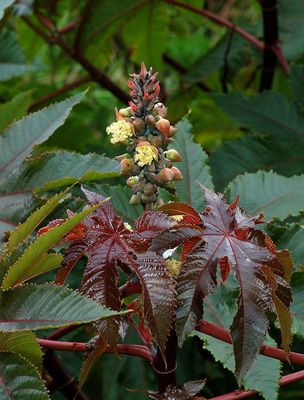 CastorRicinus communis
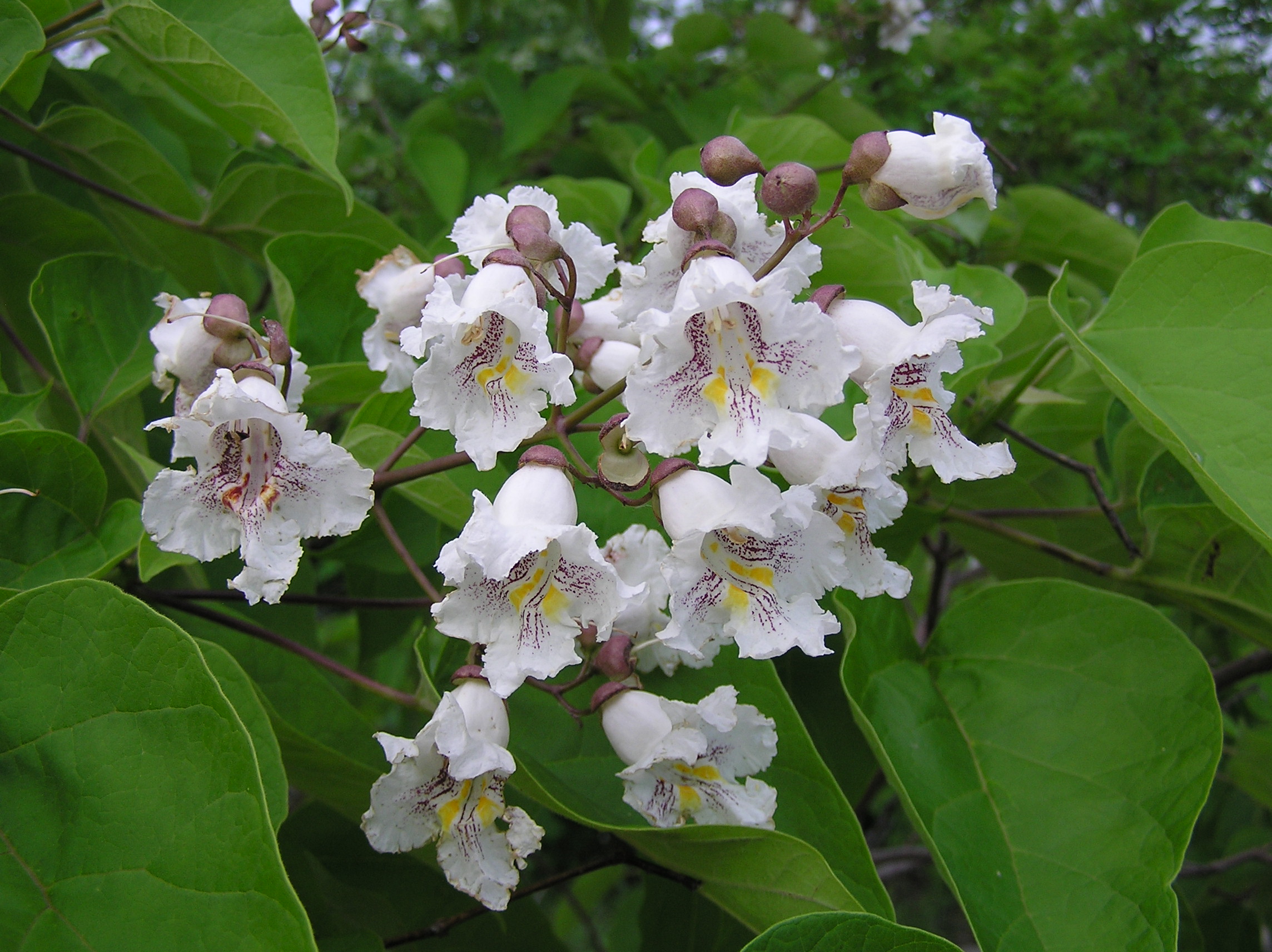 CatalpaCatalpa bignonioides
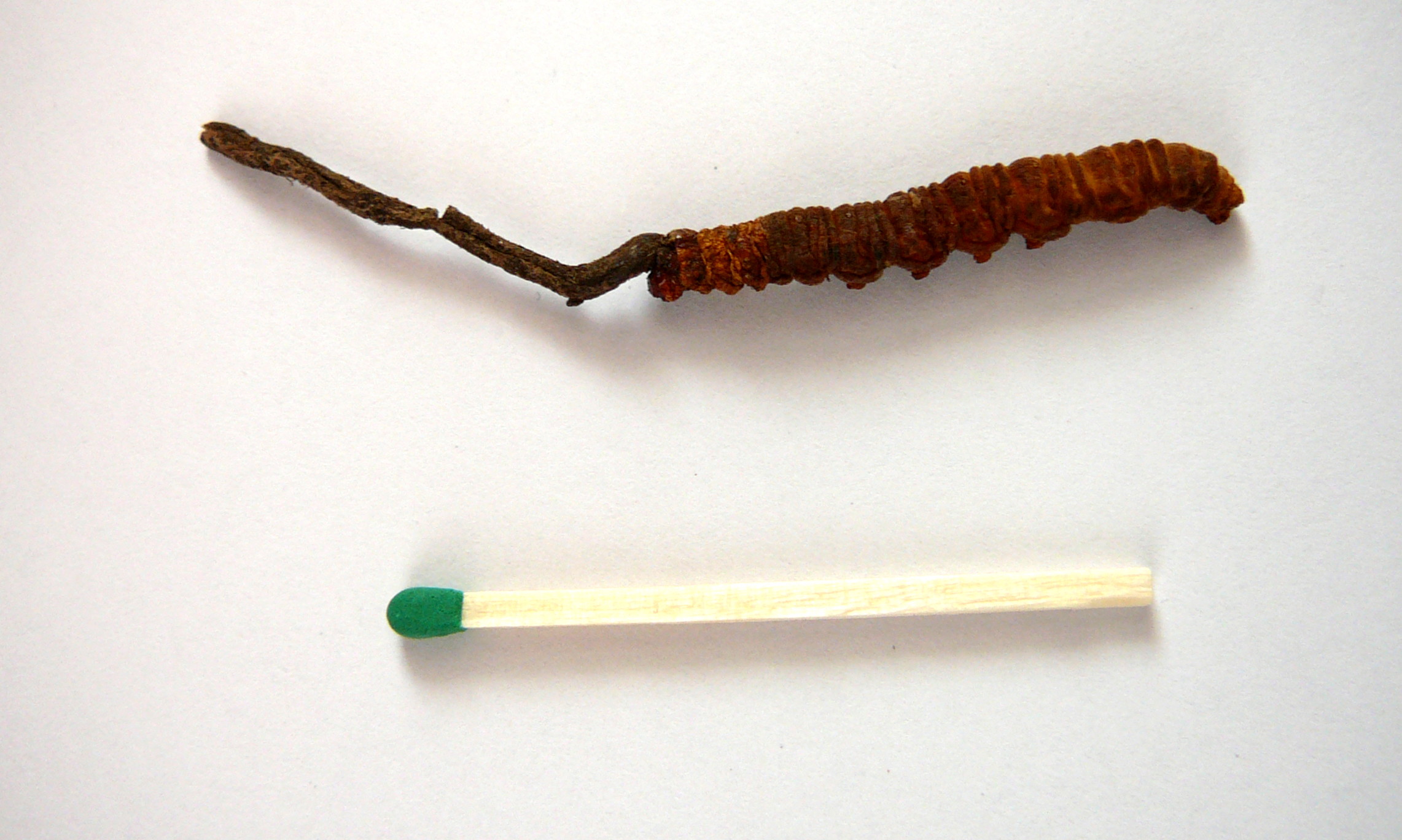 Caterpillar fungusCordyceps sinensis
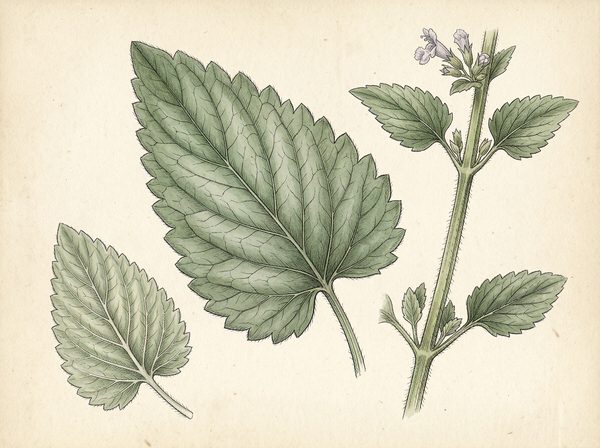 CatnipNepeta cataria
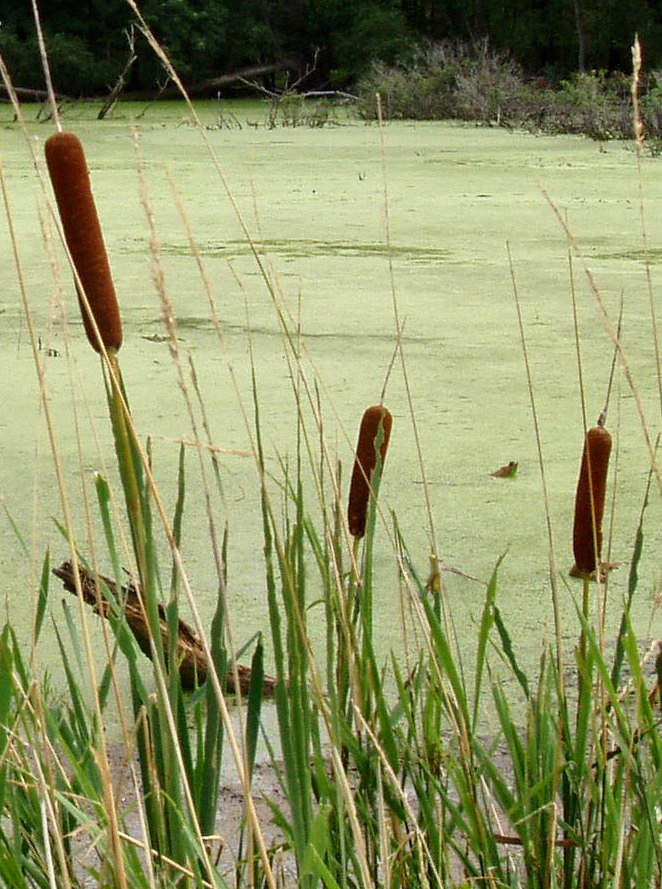 Cattail FlagTypha
The whole plate is in the library. The compass, Compare, the Sky of eleven hundred plants and the formulary open with an email address and a password, free, with the formula builder and its safety engine. Herbert without limit, his formulating, clients, the handouts and the labels are the paid room.
Open the library, free