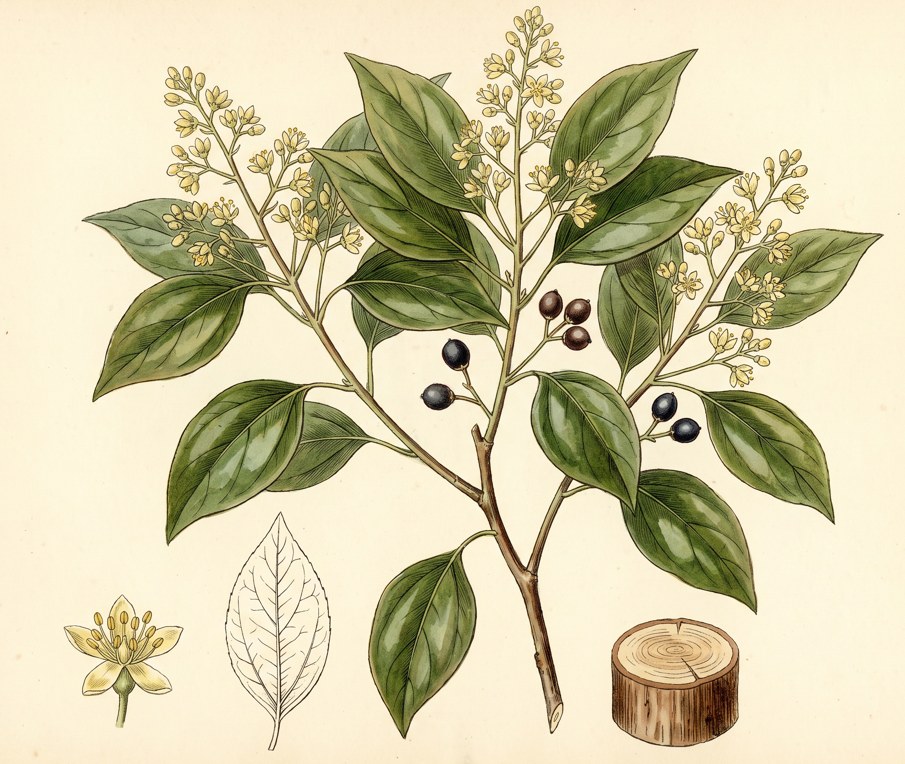
Western and Ayurvedic herbalism
Camphor tree
Cinnamomum camphora
Also known as camphor laurel, camphor, natural camphor, Laurel Camphor, Gum Camphor (it is not a gum), Laurel camphor. (Tree) Camphor laurel, Karpura, Ghanasara, Chandra.
Karpura is the white crystalline camphor obtained by distilling the wood and leaves of the camphor laurel, a large evergreen tree native to southern China, Taiwan and Japan and planted in India in the hills of the Nilgiris, Karnataka, Assam and the northeast. Most camphor in commerce today is synthetic, made from turpentine, while the natural product from the tree is sold in India as Bhimseni or pakva karpura for worship and medicine. Ayurveda classes camphor as cooling despite its sharp aroma, a fragrant, light, scraping substance that relieves burning, itching and bad odor and is used almost entirely on the skin, in the mouth and by inhalation.

Ask Herbert about Camphor tree. Herbert is the master herbalist inside Bountiful Herbs: he answers from this plate and eleven hundred others, with dosing, pairing and cautions. Your first ten questions are free.
Ask HerbertActions
Indications what the tradition reached for it in
- Muscular and joint pain (topical liniment)
- Sprains, strains and bruises (topical)
- Nasal and chest congestion (steam inhalation or chest rub)
- Itching, urticaria and prickly heat (topical)
- Fungal skin infections and tinea (topical)
- Toothache and gum inflammation (tooth powder)
- Halitosis (mouth rinse)
- Insect bites and stings (topical)
- Cold extremities and poor peripheral circulation (massage oil)
- Head heaviness and drowsiness (inhalation)
- Anthrax
- Ocular inflammation
- Sprain
- Whooping cough
- Joint pain
- Cardiac depression
- Flu
- Arrhythmia
- Inflammation
- Bronchitis
- Hypotension
- Pain
- Asthma
- Abdominal cramps
- Muscular rheumatism
- Palpitations
- Respiratory catarrh
- Hysteria
- Toothache
- Oral pain
Specific indications
A stiff, aching kapha type joint that feels cold and better for warmth and rubbing, treated with a camphorated oil massage
Hot, itching, burning skin eruptions in summer that crave a cooling, drying application
A blocked, heavy head with thick nasal mucus that clears with camphor steam
Bad breath and spongy gums in a patient who wants a traditional tooth powder
Safety
Recognised toxicity. This plant carries a toxicity flag in the record; it is for trained practitioners only.
Low dose botanical. Used in drop doses in the classical practice; not a plant to dose freely.
Pregnancy: Not for use in pregnancy
Breastfeeding: Avoid internal use while nursing and do not apply camphor products to the breast; small topical applications elsewhere are unlikely to be harmful.
The record lists 11 contraindications; open the plate in the library to read them in full.
In practice
The Ayurvedic practitioner uses Karpura on the outside and in the air far more than by mouth. A few crystals dissolved in coconut or sesame oil make the classical rub for aching joints, sprains and the stiff neck of kapha and vata; in Karpuradi taila and Arimedadi taila it is joined by warming aromatics and astringent barks for massage and for the gums.
In Ayurveda
Rasa: tikta (bitter), katu (pungent), madhura (sweet). Virya: sheeta (cooling). Vipaka: katu (pungent). Guna: laghu (light), tikshna (sharp), lekhana (scraping). Dosha: pacifies all three doshas, especially pitta and kapha; the natural unprocessed grade is considered stronger. Prabhava: sugandhi and dahaprashamana: an intensely fragrant substance that cools burning and clears the senses on contact. Karma: chakshushya (benefits the eyes); lekhana (scrapes away accumulations); dahaprashamana (relieves burning); trishnanigrahana (relieves thirst); kanthya (benefits the throat); mukhavaishadyakara (freshens the mouth); durgandhahara (removes bad odor); krimighna (kills worms and microbes); kandughna (relieves itching); vedanasthapana (relieves pain, topical); medohara (reduces fat); vishaghna (counters poisons); vrishya (aphrodisiac, in small doses). Classical indications: daha (burning sensation); trishna (thirst); mukhadurgandhya (bad breath); netraroga (eye diseases, as collyrium); kandu (itching); kushtha (skin disease, topical); krimi (worms and infection); medoroga (obesity); shvasa and kasa (dyspnea and cough, as inhalation); shula and sandhishula (colic and joint pain, topical); dantaroga (dental disease); jvara (fever, in small doses). Ayurveda uses the crystalline camphor obtained by steam distillation of the wood and leaves, in two grades: pakva (processed, sublimed) and apakva (natural). It is almost always applied externally in medicated oils, pastes and tooth powders, or inhaled; internal use is limited to minute doses in compound pills and powders. The leaf and wood themselves are not used as drugs. Classical formulations: Karpuradi taila, Arimedadi taila, Dashanasamskara churna, Karpuradi churna, Lavangadi vati, Sitopaladi churna (some regional versions). Described in: Sushruta Samhita, Ashtanga Hridaya, Bhavaprakasha Nighantu, Dhanvantari Nighantu, Raja Nighantu, Kaiyadeva Nighantu, Madanapala Nighantu, Sharngadhara Samhita, Ayurvedic Pharmacopoeia of India.
Dosing as the sources wrote it
| Preparation | As written | Metric |
|---|---|---|
| Taila, topical | 5-10 mL medicated oil containing 3-10 percent camphor massaged into the affected area twice daily | 5-10 mL |
| Steam inhalation | 0.5-1 g camphor dissolved in 1 L hot water, inhaled for 5-10 minutes | 500-1000 mg |
| Tooth powder | 0.5-1 g compound tooth powder containing camphor rubbed on gums once or twice daily | 500-1000 mg |
| Internal, classical | 30-125 mg purified camphor daily in compound, purified material only, short courses under supervision | 30-125 mg |
| External: 3-11% in ointments/rubs (FDA-approved for pain/cough) | ||
| 10-20% semisolid preparations |
Doses are reproduced from the sources for practitioners and are not a recommendation for any person.
From the sources
Overview. Karpura is the white crystalline camphor obtained by distilling the wood and leaves of the camphor laurel, a large evergreen tree native to southern China, Taiwan and Japan and planted in India in the hills of the Nilgiris, Karnataka, Assam and the northeast. Most camphor in commerce today is synthetic, made from turpentine, while the natural product from the tree is sold in India as Bhimseni or pakva karpura for worship and medicine. Ayurveda classes camphor as cooling despite its sharp aroma, a fragrant, light, scraping substance that relieves burning, itching and bad odor and is used almost entirely on the skin, in the mouth and by inhalation.
Clinical Notes. Primarily used externally as rubefacient/counterirritant internal use requires caution due to narrow therapeutic index and toxicity risk multiple chemotypes exist (e.g., camphor-type, linalool-type) affecting composition/safety historical internal stimulant/respiratory aid in low doses FDA approves 3-11% topical monograph review
Clinical Notes. The Ayurvedic practitioner uses Karpura on the outside and in the air far more than by mouth. A few crystals dissolved in coconut or sesame oil make the classical rub for aching joints, sprains and the stiff neck of kapha and vata; in Karpuradi taila and Arimedadi taila it is joined by warming aromatics and astringent barks for massage and for the gums.
Therapy. External. Camphor is stimulant, rubefacient, antipruritic, and feebly antiseptic. Owing to its agreeable odor and pleasant stimulating effects it is largely used, as a powder, in lotions, and ointments, or rubbed up with other solids to produce anodyne and antiseptic liquids.
Drawn from Cook's Physio-Medical Dispensatory; Scudder's Specific Medication and Specific Medicines; King's American Dispensatory, 18th edition (Felter and Lloyd); Ellingwood's American Materia Medica, Therapeutics and Pharmacognosy, and the Bountiful Herbs editorial.
In formulas
Camphor tree stands in 45 documented formulas in the library, among them Karpūrāsava, Mṛdvīkāriṣṭa, Jīrakādi Modaka, Arimedādi Taila, Balā Taila, Balādhātryādi Taila.
Often paired with
 nut grassCyperus rotundus
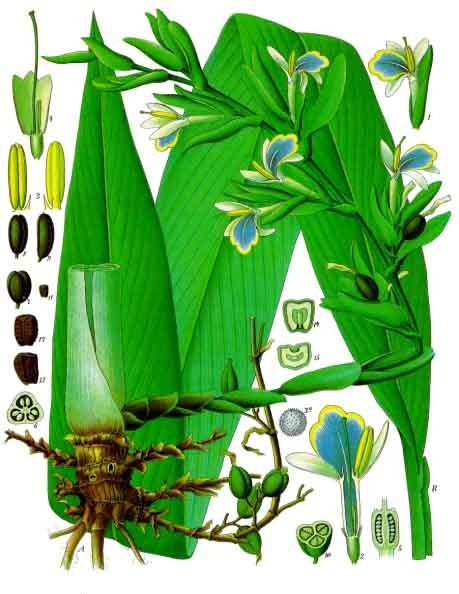 cardamomElettaria cardamomum
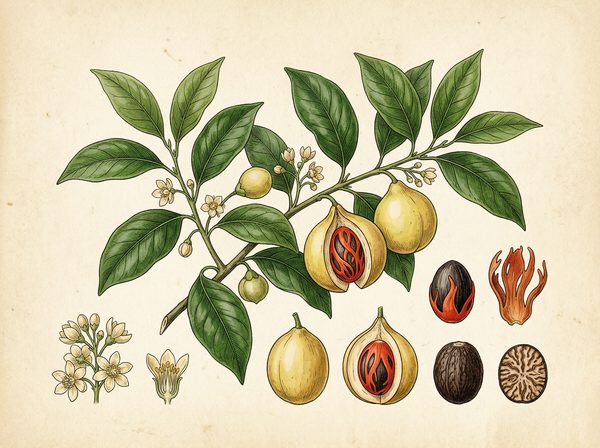 nutmegMyristica fragrans
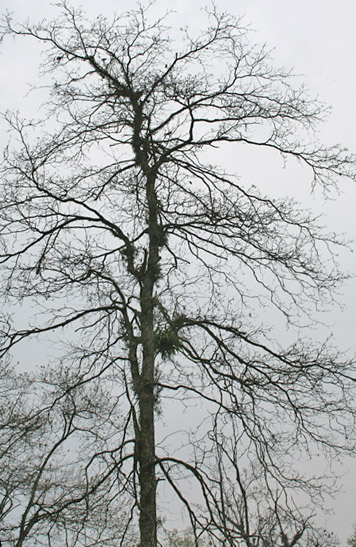 chebulic myrobalanTerminalia chebula
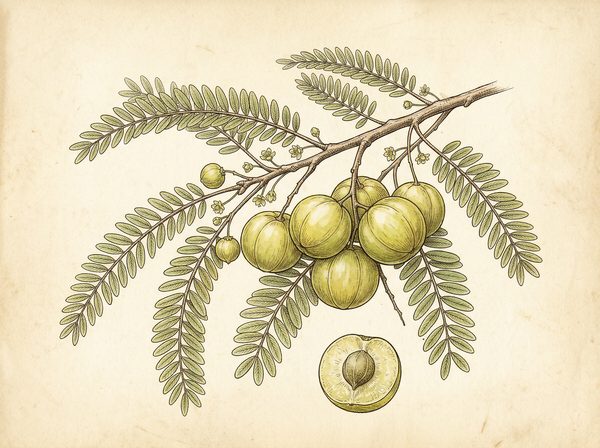 Indian gooseberryPhyllanthus emblica
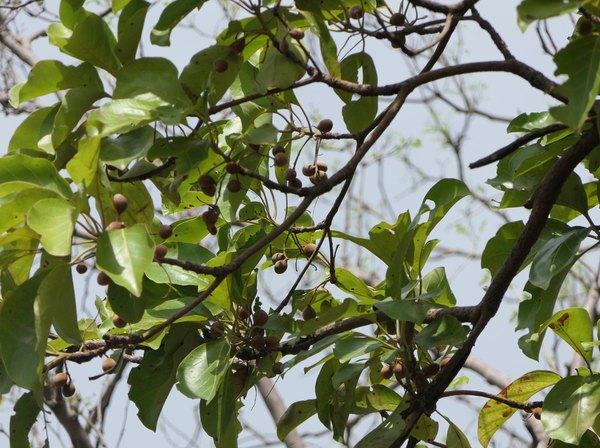 beleric myrobalanTerminalia bellirica
Nearby on the shelf
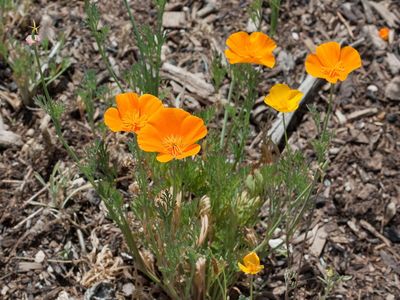 California poppyEschscholzia californica
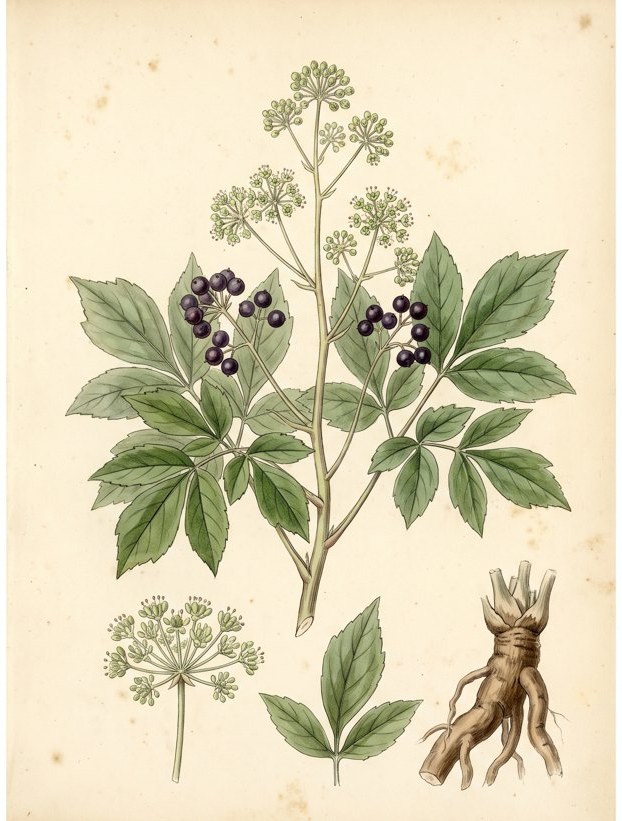 California SpikenardAralia californica
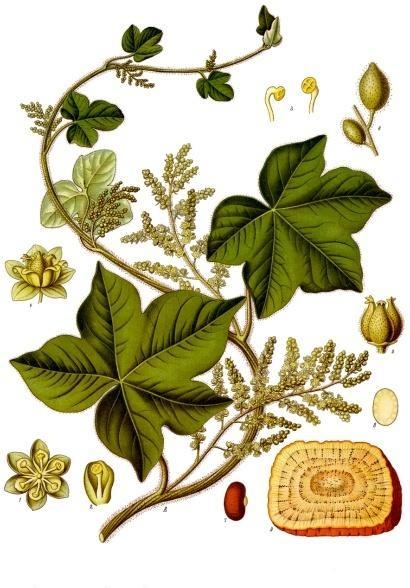 CalumbaJateorrhiza palmata
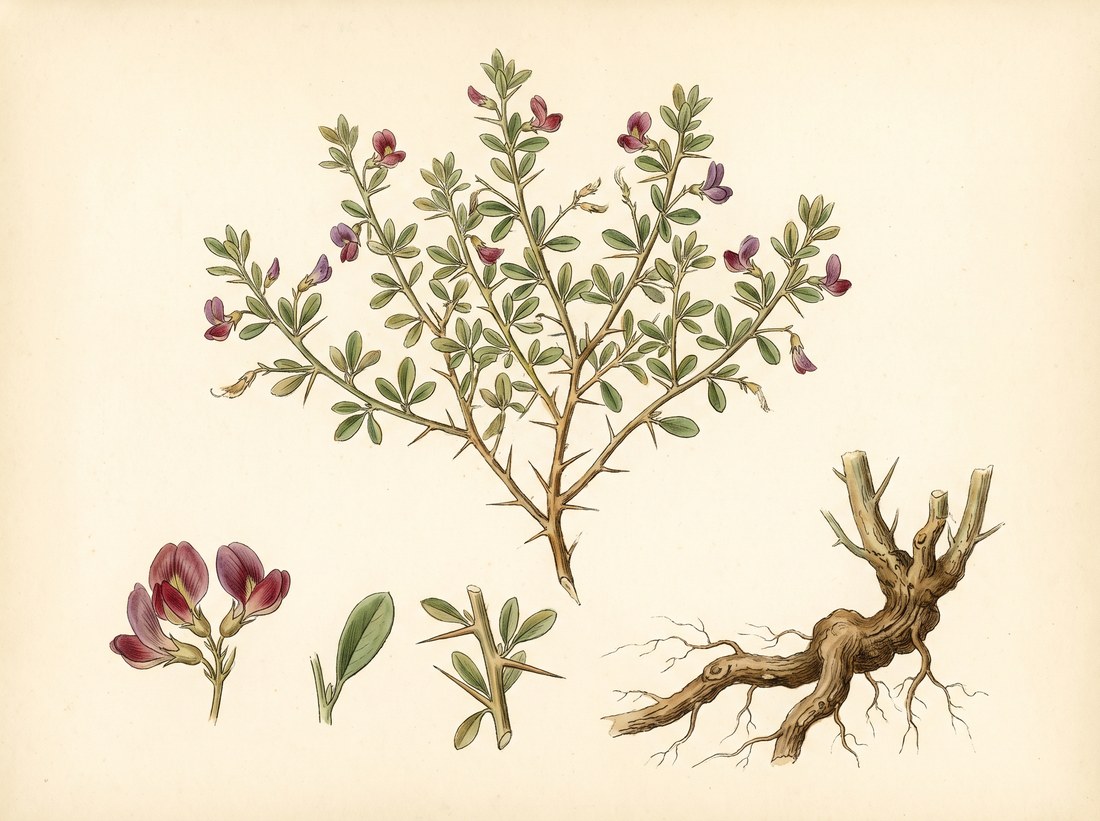 CamelthornAlhagi maurorum
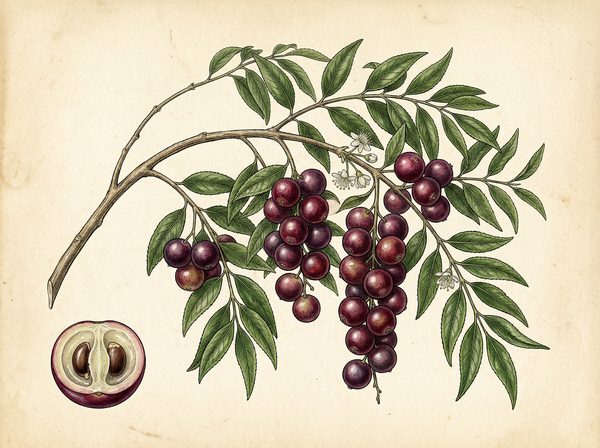 Camu CamuMyrciaria dubia
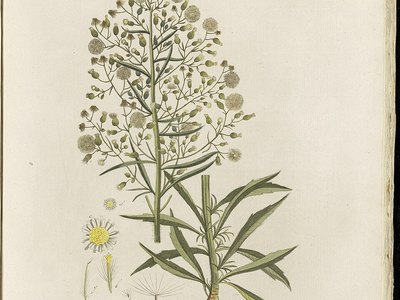 Canada fleabaneErigeron canadense
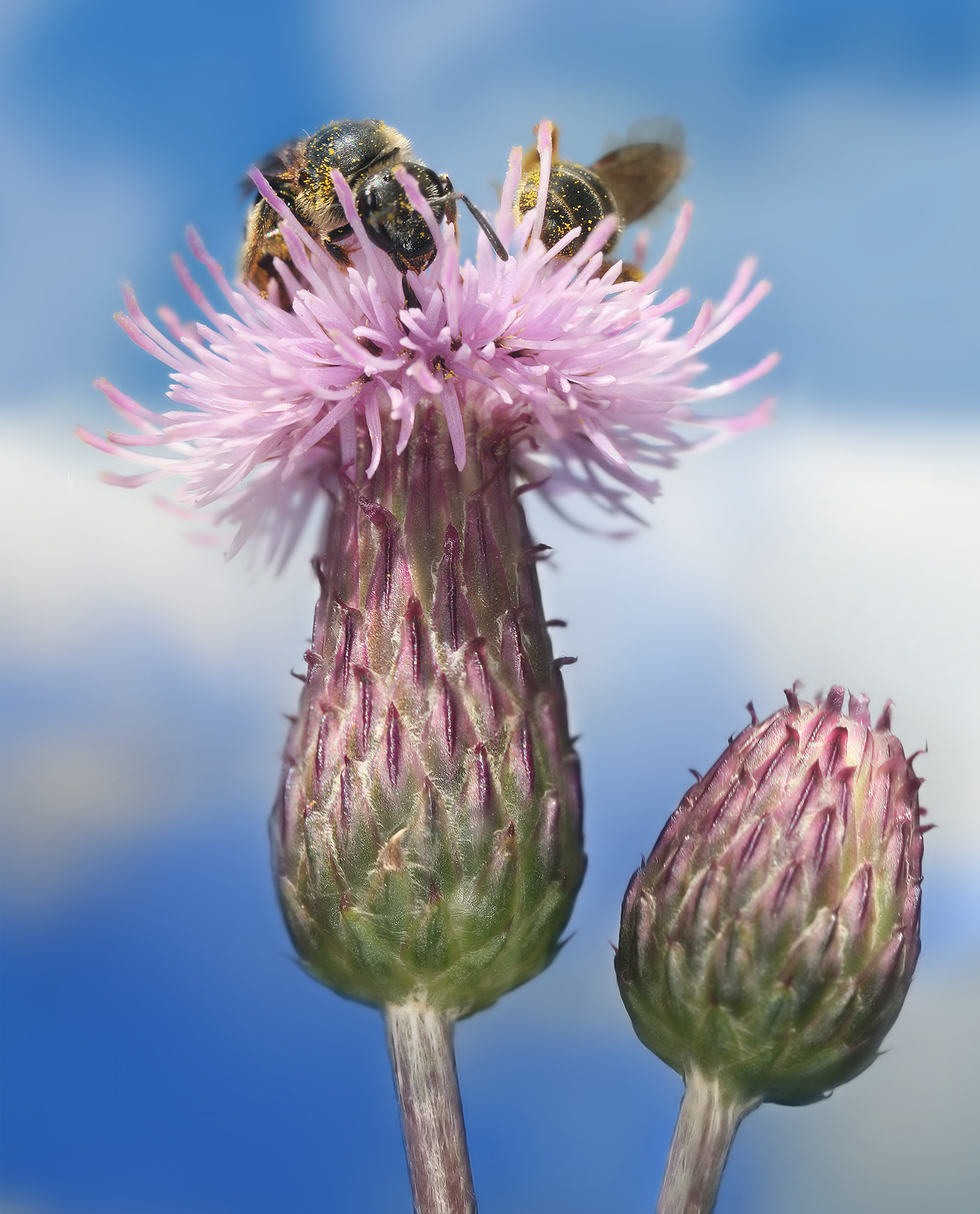 Canada thistleCirsium arvense
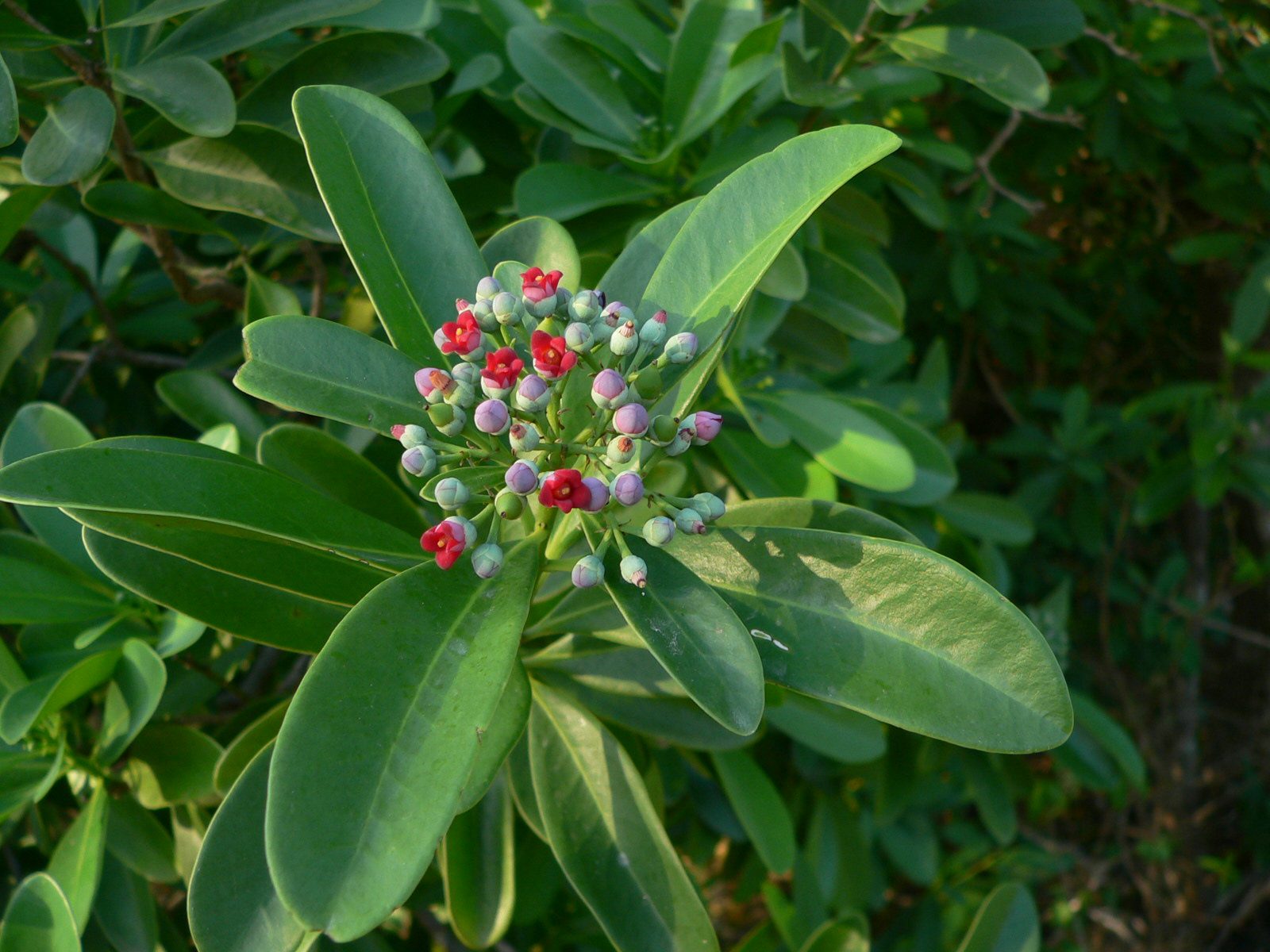 CanellaCanella alba
The whole plate is in the library. The compass, Compare, the Sky of eleven hundred plants and the formulary open with an email address and a password, free, with the formula builder and its safety engine. Herbert without limit, his formulating, clients, the handouts and the labels are the paid room.
Open the library, free