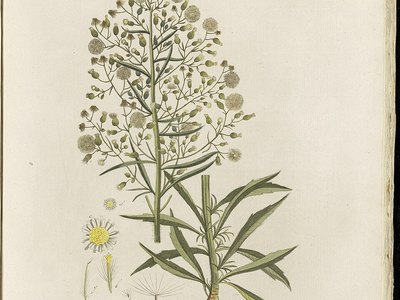
Western Herbalism
Canada fleabane
Erigeron canadense
Also known as Canadian horseweed, Coltstail, Horseweed, Butterweed, Fleabane, Erigeron, Colts-tail, Horse-weed.
Canada fleabane is a common weedy annual of the aster family, native to North America and now naturalized across much of Europe and Asia. The flowering herb and a distilled essential oil (oil of erigeron) were both employed by nineteenth century American Eclectic and physiomedical physicians, chiefly as an astringent hemostatic for passive hemorrhage and as a mild diuretic for gravel and dropsy. It is a minor herb in contemporary practice, largely superseded by more predictable astringents and hemostatics, but it retains a place in the historical materia medica of North American herbalism.

Ask Herbert about Canada fleabane. Herbert is the master herbalist inside Bountiful Herbs: he answers from this plate and eleven hundred others, with dosing, pairing and cautions. Your first ten questions are free.
Ask HerbertActions
Indications what the tradition reached for it in
- Passive uterine hemorrhage
- Menorrhagia
- Hematuria
- Epistaxis
- Bleeding hemorrhoids
- Diarrhea
- Dysentery
- Urinary gravel
- Dropsy (edema) with scanty urine
- Gout and rheumatic pain (topical liniment)
Specific indications
Passive, oozing uterine hemorrhage with a relaxed, atonic womb rather than active bright bleeding
Chronic diarrhea or dysentery with loose, watery stool and general tissue laxity
Scanty, dark urine with a sense of heaviness or dull ache over the kidneys, suggesting gravel
Safety
Low dose botanical. Used in drop doses in the classical practice; not a plant to dose freely.
The record lists 4 contraindications; open the plate in the library to read them in full.
In practice
In the Eclectic literature erigeron was reached for mainly as a styptic for bleeding that was passive rather than forceful: a boggy, relaxed uterus oozing dark blood, hematuria without pain, or bleeding piles, rather than the bright, forceful hemorrhage that called for a more stimulating hemostatic.
Dosing as the sources wrote it
| Preparation | As written | Metric |
|---|---|---|
| Dried herb infusion | 2-4 g dried aerial parts as an infusion, up to three times daily | 2000-4000 mg |
| Tincture (1:5, 45%) | 2-4 mL three times daily | 2-4 mL |
| Essential oil (oil of erigeron) | not recommended for internal use given toxicity; historical doses were 0.05-0.2 mL (1-3 drops), used rarely and with caution | 0.05-0.2 mL |
| Specific Erigeron | Dose, from five to thirty minims. | 0.31-1.85 mL |
| Soluble in an equal quantity of alcohol | Dose, from five to ten minims. | 0.31-0.62 mL |
| Specific Medicine Erigeron | Dose, 1 to 60 drops. | 0.02-1.2 mL |
Doses are reproduced from the sources for practitioners and are not a recommendation for any person.
From the sources
Overview. Canada fleabane is a common weedy annual of the aster family, native to North America and now naturalized across much of Europe and Asia. The flowering herb and a distilled essential oil (oil of erigeron) were both employed by nineteenth century American Eclectic and physiomedical physicians, chiefly as an astringent hemostatic for passive hemorrhage and as a mild diuretic for gravel and dropsy. It is a minor herb in contemporary practice, largely superseded by more predictable astringents and hemostatics, but it retains a place in the historical materia medica of North American herbalism.
Clinical Notes. In the Eclectic literature erigeron was reached for mainly as a styptic for bleeding that was passive rather than forceful: a boggy, relaxed uterus oozing dark blood, hematuria without pain, or bleeding piles, rather than the bright, forceful hemorrhage that called for a more stimulating hemostatic.
Action and Therapy. Erigeron restrains excessive bowel and kidney discharges. An infusion is a deservedly popular remedy for profuse summer diarrheas of infants, especially that of cholera infantum and gastroenteritis. It is indicated by the suddenly gushing and copious evacuations, with cramps, or with but little pain, but often with the presence of slight amounts of blood.
Therapy. It is used also in diarrhea and dysentery with discharges of bloody mucous after the bowels have been evacuated by a proper cathartic, blood-specked and profuse watery discharges of cholera infantum, ecchymosis from injury, chronic gonorrhea with increased discharge of mucus, gleet, leucorrhea, chronic dysentery , chronic diarrhea, uterine leucorrhea, catarrh of the bladder, painful micturition, the urine being acrid, inflaming the parts, gravel dysuria.
Drawn from Cook's Physio-Medical Dispensatory; Scudder's Specific Medication and Specific Medicines; King's American Dispensatory, 18th edition (Felter and Lloyd); Ellingwood's American Materia Medica, Therapeutics and Pharmacognosy, and the Bountiful Herbs editorial.
Often paired with
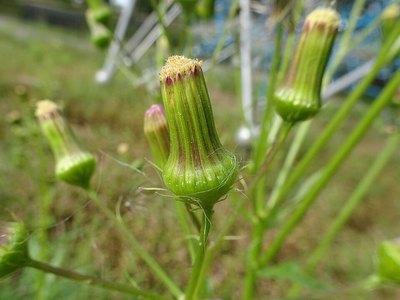 FireweedErechtites hieracifolius
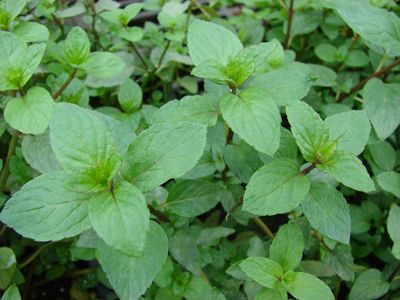 PeppermintMentha piperita
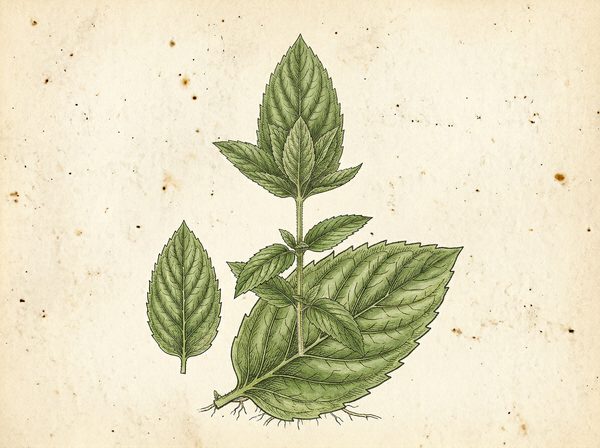 SpearmintMentha spicata
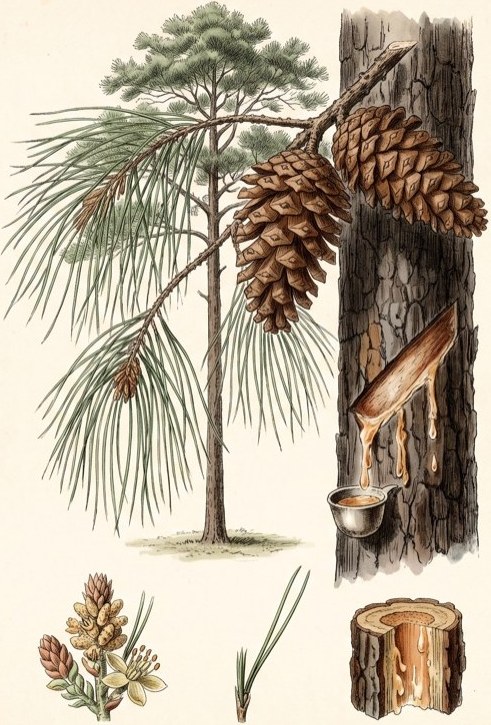 TurpentineOleum Terebinthinae
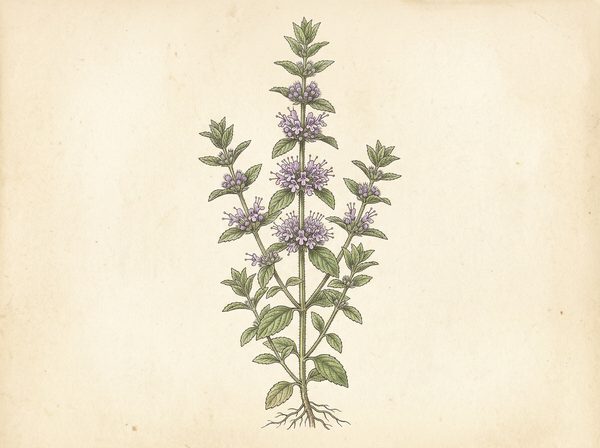 PennyroyalMentha pulegium
 American pennyroyalHedeoma pulegioides
Nearby on the shelf
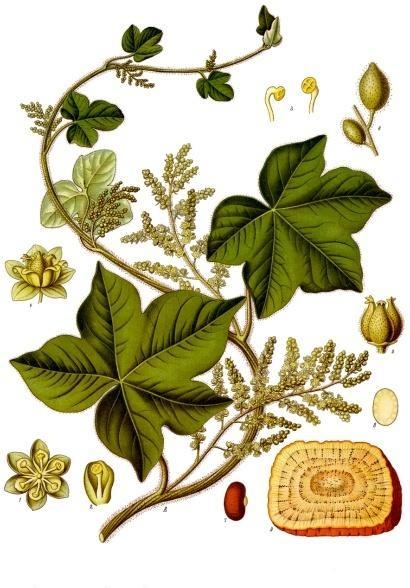 CalumbaJateorrhiza palmata
 CamelthornAlhagi maurorum
 Camphor treeCinnamomum camphora
 Camu CamuMyrciaria dubia
 Canada thistleCirsium arvense
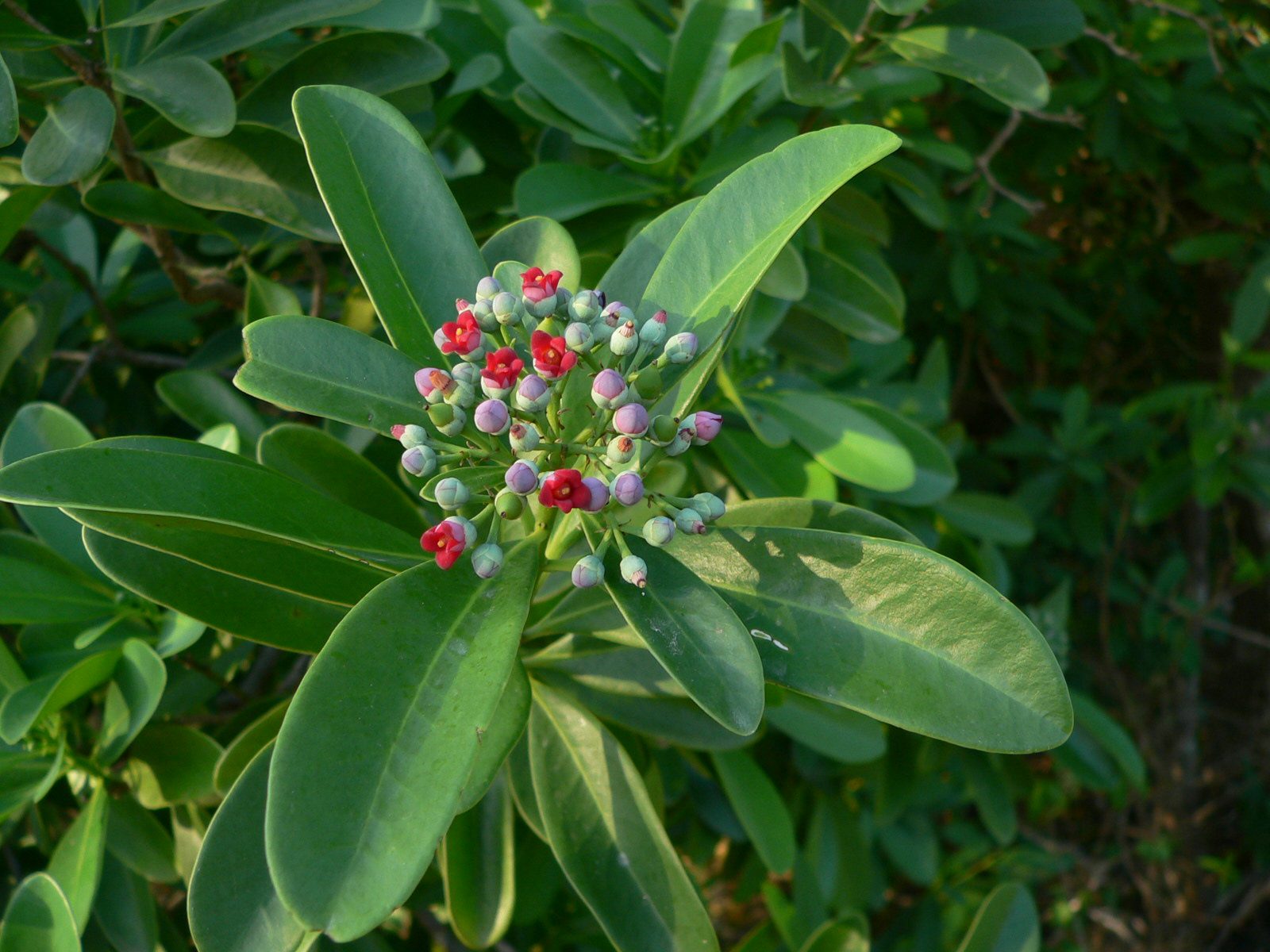 CanellaCanella alba
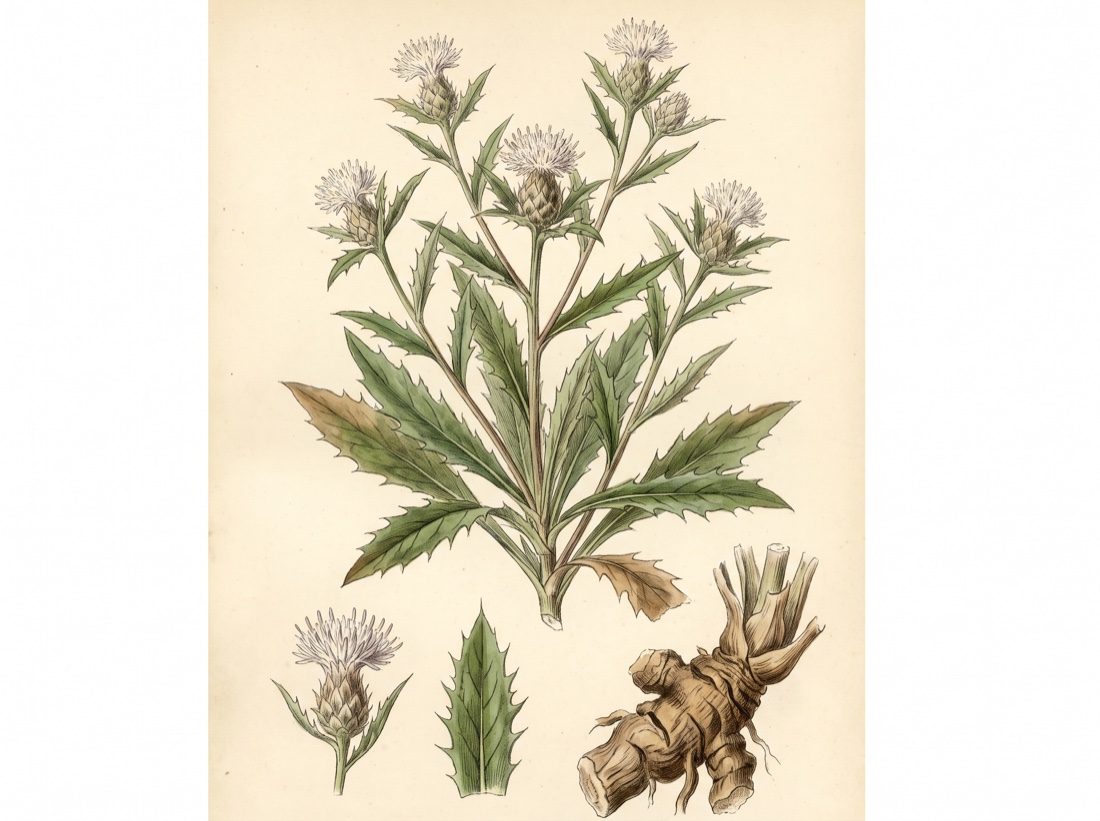 Cang zhuAtractylodes lancea
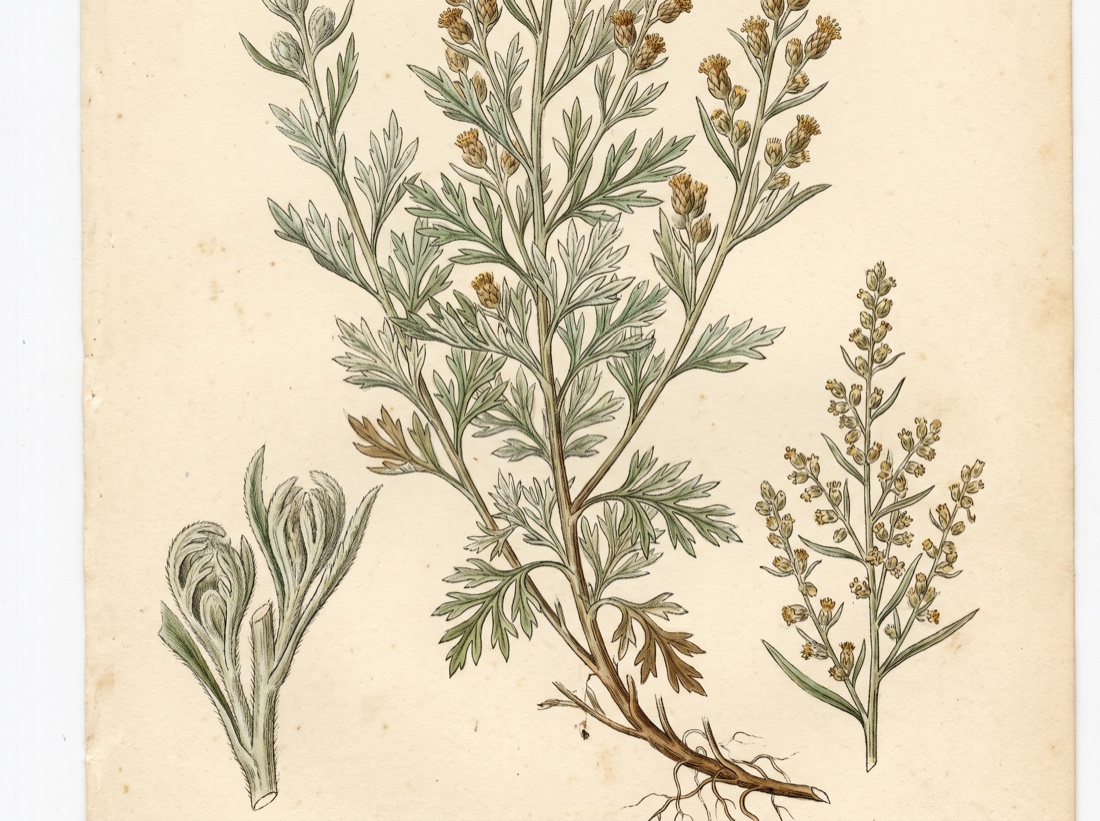 Capillary wormwoodArtemisia capillaris
The whole plate is in the library. The compass, Compare, the Sky of eleven hundred plants and the formulary open with an email address and a password, free, with the formula builder and its safety engine. Herbert without limit, his formulating, clients, the handouts and the labels are the paid room.
Open the library, free