Ayurvedic Herbalism
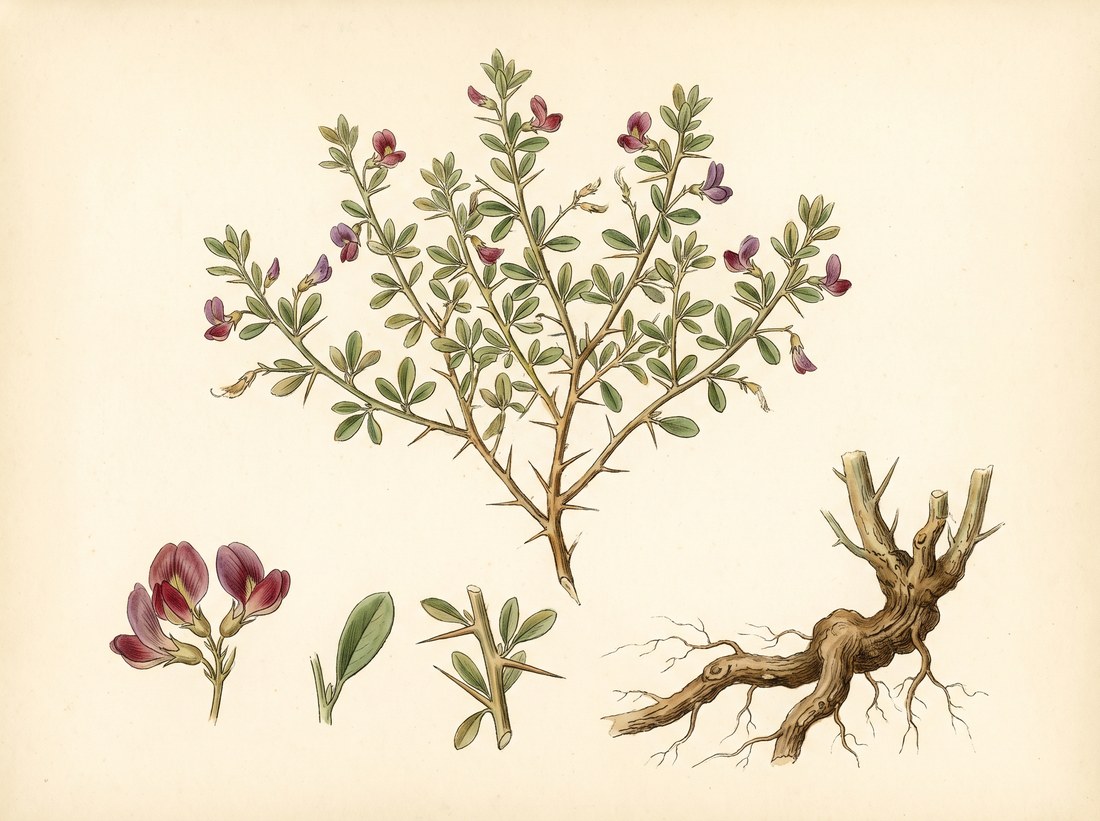
Camelthorn
Alhagi maurorum
Also known as camel thorn, Persian manna plant, caspian manna, Yavasa, Duralabha, Dhanvayasa.
Alhagi maurorum is camelthorn, a spiny, deep-rooted shrub of the pea family that grows on saline and sandy plains from the Mediterranean and Middle East through Iran and Central Asia to Punjab, Rajasthan, Gujarat and the Gangetic plain, where it colonizes fallow fields. In hot weather the stems exude a sweet gum that dries into the manna known as turanjabin. Ayurveda calls the plant Yavasa or Duralabha, a cooling, sweet-bitter herb for fever, thirst, burning, bleeding and urinary troubles, and it is one of the ingredients of Sudarshana churna. The whole plant and the manna are used.

Ask Herbert about Camelthorn. Herbert is the master herbalist inside Bountiful Herbs: he answers from this plate and eleven hundred others, with dosing, pairing and cautions. Your first ten questions are free.
Ask HerbertActions
Indications what the tradition reached for it in
- Fever with thirst, burning and nausea
- Kidney and ureteral stones (adjunct)
- Burning urination and mild cystitis
- Gastritis and peptic ulcer with heat (traditional)
- Bleeding hemorrhoids and passive bleeding
- Dry cough with heat
- Constipation in children and the elderly (manna)
- Hot, itchy skin eruptions
- Summer heat exhaustion with vomiting
- Mouth ulcers (wash and gargle)
Specific indications
A hot, thirsty pitta patient with a low fever, nausea and burning urine who needs cooling without heavy sedation or strong bitters
Small kidney or ureteral stones in a patient who drinks poorly and has burning, scanty urine, given as a decoction with plenty of water
A child or elderly person with dry, hard stool and a hot constitution who does better with the sweet manna than with senna or castor oil
Gastric burning and nausea in a summer fever where cooling, thirst-quenching and antiemetic qualities are wanted together
Safety
The record lists 6 contraindications; open the plate in the library to read them in full.
In practice
Yavasa is a pitta herb: cooling, mildly sweet, lightly bitter and astringent, and dry. The Ayurvedic practitioner reaches for it in hot fevers with thirst, nausea and burning, and in urinary complaints with burning and scanty flow, usually as a kwatha with Guduchi, Musta and Dhanyaka or as a cold infusion in summer.
In Ayurveda
Rasa: madhura (sweet), tikta (bitter), kashaya (astringent). Virya: sheeta (cooling). Vipaka: madhura (sweet). Guna: laghu (light), ruksha (dry). Dosha: pacifies pitta and kapha; may aggravate vata in excess because of its dryness. Karma: pittahara (reduces pitta); raktashodhana (purifies the blood); mutrala (diuretic); dahaprashamana (relieves burning); jvarahara (reduces fever); chardinigrahana (stops vomiting); trishnanigrahana (quenches thirst); kasahara (relieves cough); rechana (mild laxative, the manna); medohara (reduces fat, traditional). Classical indications: raktapitta (bleeding disorders); jvara (fever); daha (burning sensation); chardi (vomiting); trishna (thirst); kasa (cough); mutrakricchra (painful urination); ashmari (urinary stones); arsha (hemorrhoids); kushtha (skin disease); visarpa (spreading skin inflammation); vibandha (constipation, the manna). The whole plant, mainly the thorny aerial parts, is used as churna and kwatha and as a cooling cold infusion (hima); the sweet manna that dries on the stems in hot weather is collected as Yavasa sharkara or turanjabin and given as a mild laxative and cooling expectorant, especially for children. The root is used in some regions. Classical formulations: Duralabhadi kwatha, Sudarshana churna, Yavasadi kwatha, Yavasa sharkara (manna), Brihat Sudarshana churna. Described in: Charaka Samhita, Sushruta Samhita, Ashtanga Hridaya, Bhavaprakasha Nighantu, Dhanvantari Nighantu, Raja Nighantu, Kaiyadeva Nighantu, Ayurvedic Pharmacopoeia of India.
Dosing as the sources wrote it
| Preparation | As written | Metric |
|---|---|---|
| Churna | 3-6 g powdered whole plant twice daily with water or honey | 3000-6000 mg |
| Kwatha | 50-100 mL decoction twice daily | 50-100 mL |
| Hima (cold infusion) | 50-100 mL cold infusion twice daily in hot weather | 50-100 mL |
| Manna (Yavasa sharkara) | 5-10 g dissolved in warm water or milk at bedtime | 5000-10000 mg |
| Standardized extract | 500-1000 mg hydroalcoholic extract daily in divided doses | 500-1000 mg |
Doses are reproduced from the sources for practitioners and are not a recommendation for any person.
From the sources
Overview. Alhagi maurorum is camelthorn, a spiny, deep-rooted shrub of the pea family that grows on saline and sandy plains from the Mediterranean and Middle East through Iran and Central Asia to Punjab, Rajasthan, Gujarat and the Gangetic plain, where it colonizes fallow fields. In hot weather the stems exude a sweet gum that dries into the manna known as turanjabin. Ayurveda calls the plant Yavasa or Duralabha, a cooling, sweet-bitter herb for fever, thirst, burning, bleeding and urinary troubles, and it is one of the ingredients of Sudarshana churna. The whole plant and the manna are used.
Clinical Notes. Yavasa is a pitta herb: cooling, mildly sweet, lightly bitter and astringent, and dry. The Ayurvedic practitioner reaches for it in hot fevers with thirst, nausea and burning, and in urinary complaints with burning and scanty flow, usually as a kwatha with Guduchi, Musta and Dhanyaka or as a cold infusion in summer.
Ayurvedic Profile. Rasa: madhura (sweet), tikta (bitter), kashaya (astringent). Virya: sheeta (cooling). Vipaka: madhura (sweet). Guna: laghu (light), ruksha (dry). Dosha: pacifies pitta and kapha; may aggravate vata in excess because of its dryness.
In formulas
Camelthorn stands in 1 documented formula in the library, among them Kāṅkāyana Guṭikā.
Often paired with
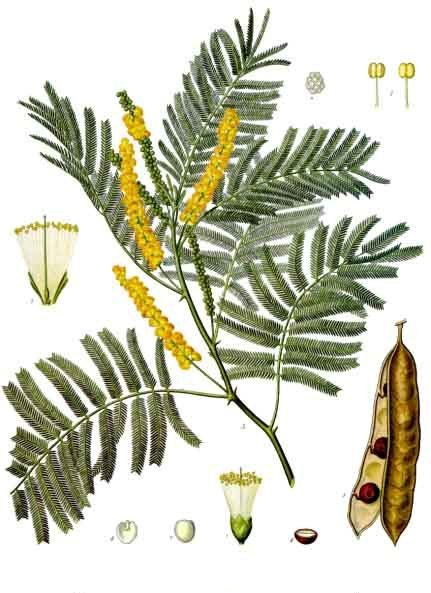 cutch treeAcacia catechu
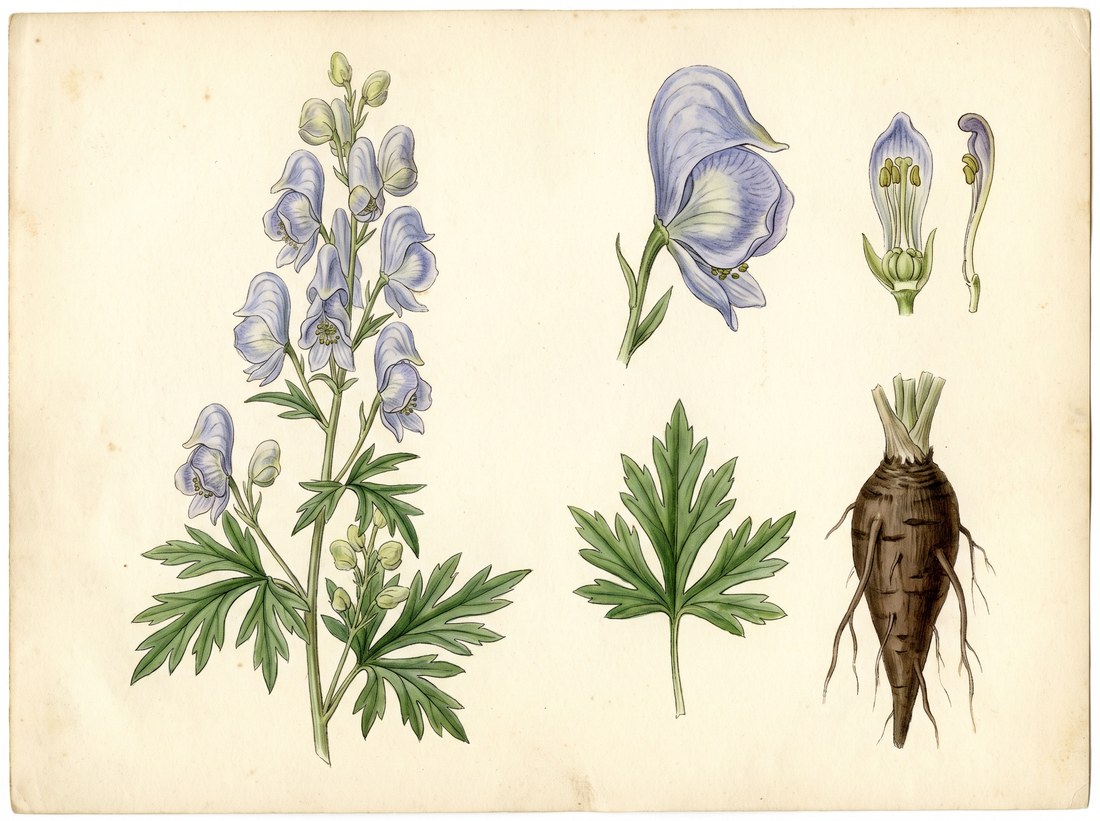 Indian ateesAconitum heterophyllum
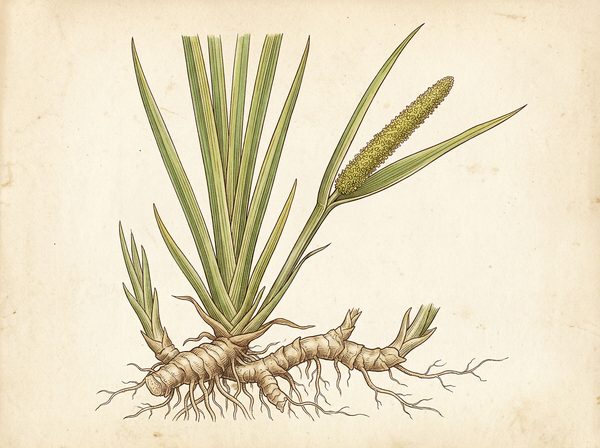 sweet flagAcorus calamus
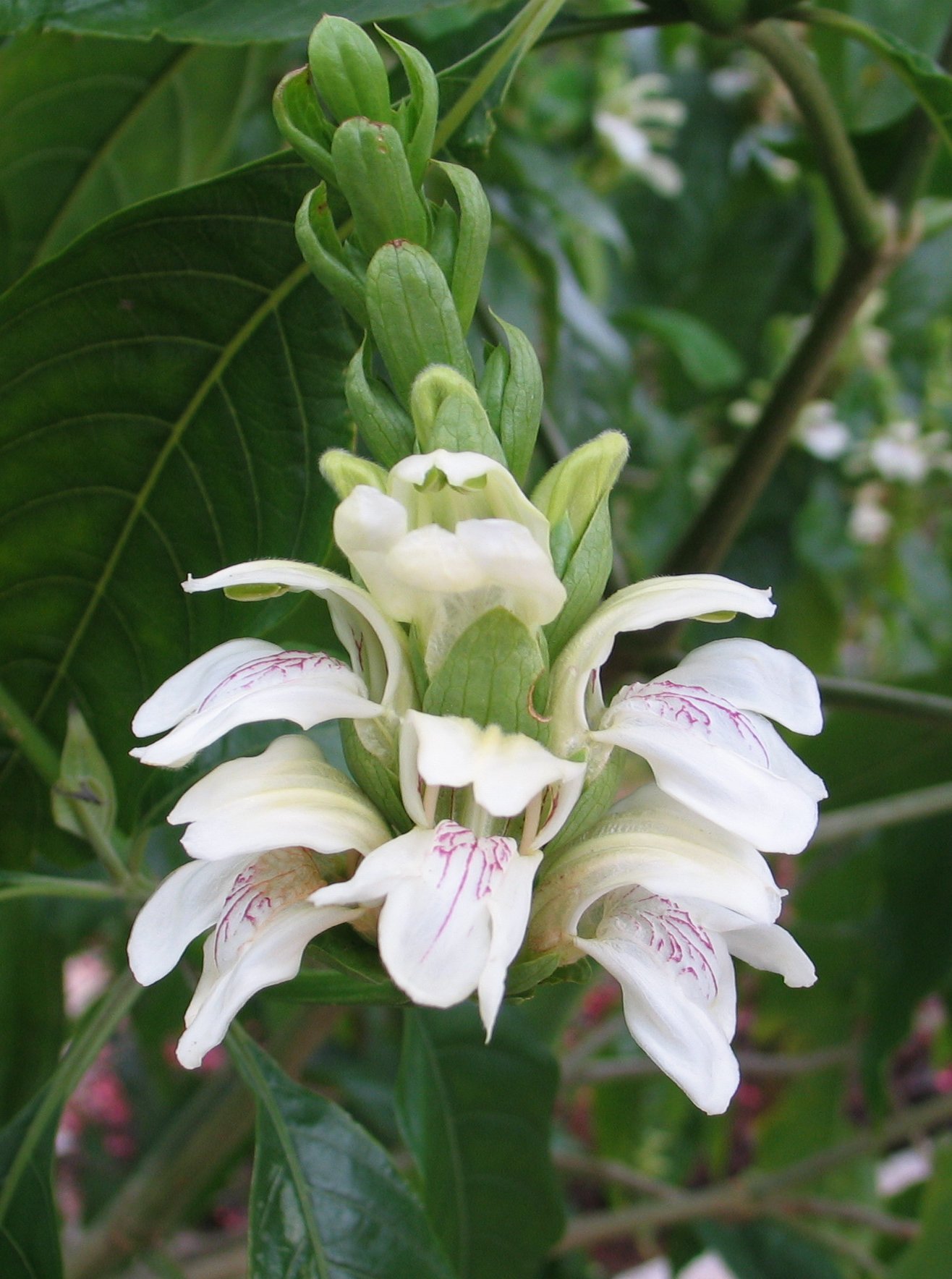 vasakaAdhatoda vasica
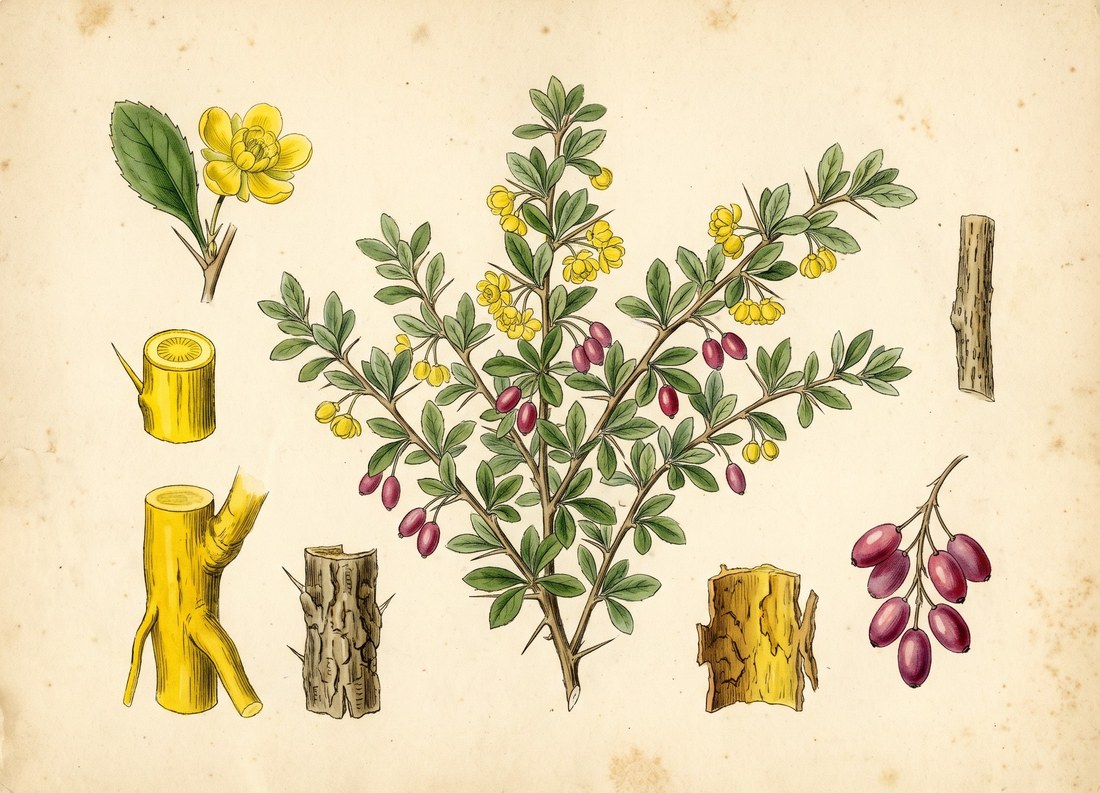 Indian barberryBerberis aristata
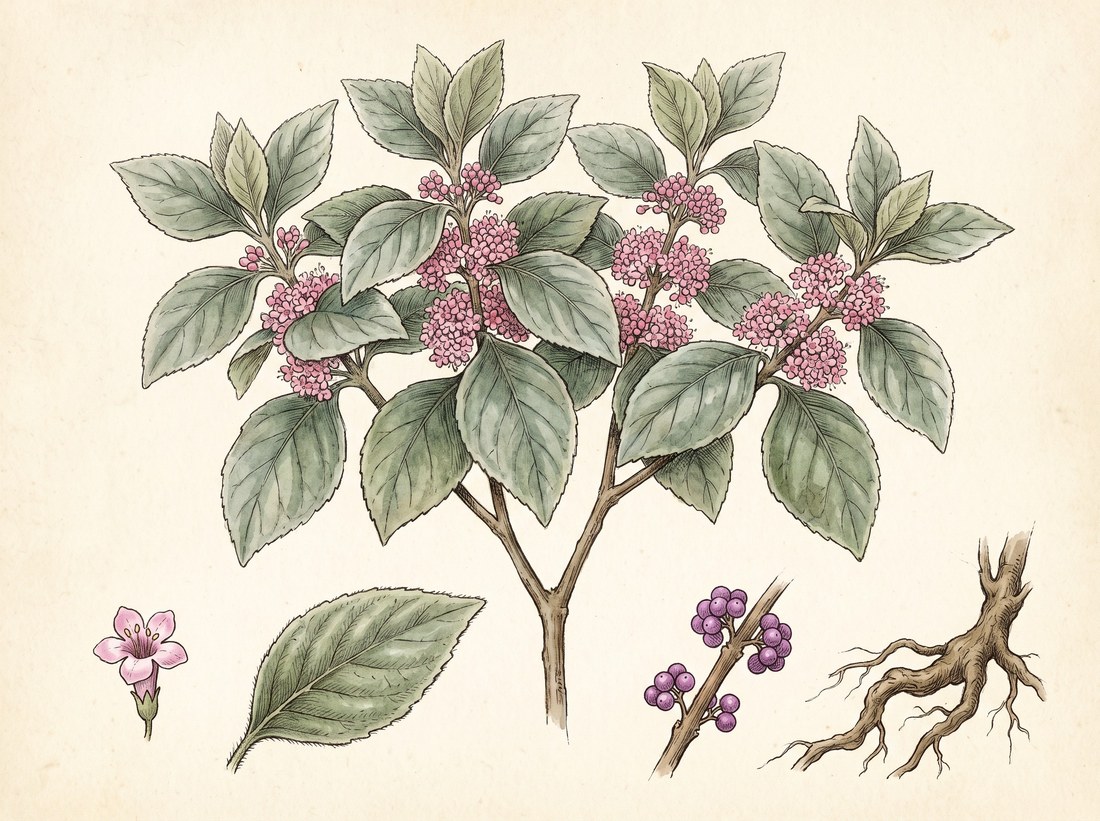 beautyberryCallicarpa macrophylla
Nearby on the shelf
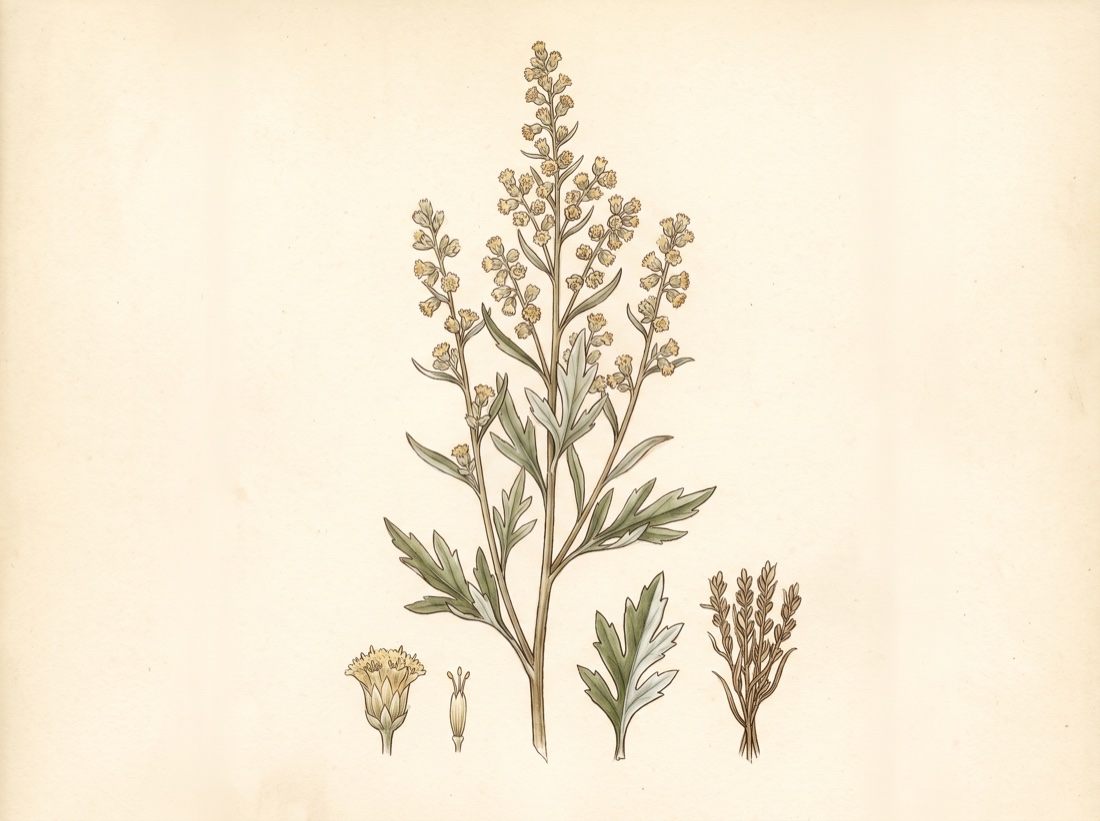 California mugwortArtemisia douglasiana
 California poppyEschscholzia californica
 California SpikenardAralia californica
 CalumbaJateorrhiza palmata
 Camphor treeCinnamomum camphora
 Camu CamuMyrciaria dubia
 Canada fleabaneErigeron canadense
 Canada thistleCirsium arvense
The whole plate is in the library. The compass, Compare, the Sky of eleven hundred plants and the formulary open with an email address and a password, free, with the formula builder and its safety engine. Herbert without limit, his formulating, clients, the handouts and the labels are the paid room.
Open the library, free