Western Herbalism
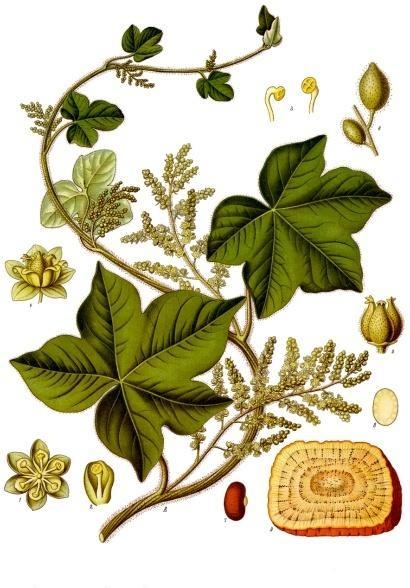
Calumba
Jateorrhiza palmata
Also known as Columbo, Columba, Colombo root, Colombo, Fishberries, Indian Berries.
Calumba is the dried root of Jateorhiza palmata, a climbing vine of the Menispermaceae native to the forests of East Africa, particularly Mozambique and Madagascar, and long exported to Europe as a trade root. It has no history of use in African traditional medicine comparable to its later adoption; it entered Western practice through colonial trade and became a staple simple bitter of eclectic and physiomedical dispensatories in the nineteenth century. The root is valued for a pure, unaromatic bitterness free of tannin, making it gentler on an irritable stomach than many other bitter tonics.

Ask Herbert about Calumba. Herbert is the master herbalist inside Bountiful Herbs: he answers from this plate and eleven hundred others, with dosing, pairing and cautions. Your first ten questions are free.
Ask HerbertActions
Indications what the tradition reached for it in
- Anorexia
- Atonic dyspepsia
- Convalescent debility
- Chronic gastritis without acute inflammation
- Nausea and vomiting including in pregnancy
- Flatulent colic
- General digestive weakness in the elderly
- Mild diarrhea associated with poor digestion
- Intestinal worms (adjunctive)
Specific indications
Weak appetite and sluggish digestion where the stomach is sensitive and cannot tolerate more acrid or irritating bitters
Nausea of pregnancy or of debility, when a gentle, non-stimulating bitter is needed
Enfeebled stomach with indigestion, or feeble digestion; anorexia and debility.
Safety
The record lists 3 contraindications; open the plate in the library to read them in full.
In practice
Calumba is reached for when a bitter tonic is needed but the patient's stomach is too irritable or atonic to tolerate a stronger, more astringent bitter such as gentian or hydrastis. It was historically favored in convalescence, in the nausea of pregnancy, and in low-grade tropical or infectious diarrhea, where its lack of tannin meant it would not further bind or irritate an already compromised gut.
Dosing as the sources wrote it
| Preparation | As written | Metric |
|---|---|---|
| Powdered root | 0.3-1 g three times daily before meals | 300-1000 mg |
| Tincture (1:5, 45%) | 2-4 mL three times daily before meals | 2-4 mL |
| Fluid extract (1:1) | 0.3-2 mL three times daily before meals | 0.3-2 mL |
| Dose of the powder, ten to twenty grains three times a day | 648-1296 mg | |
| Dose, eight to twelve fluid drachms three times a day | 29.57-44.36 mL | |
| Extractum Calumbae Fluidum, Fluid Extract of Calumba | Dose, from three to thirty minims. | 0.18-1.85 mL |
Doses are reproduced from the sources for practitioners and are not a recommendation for any person.
From the sources
Overview. Calumba is the dried root of Jateorhiza palmata, a climbing vine of the Menispermaceae native to the forests of East Africa, particularly Mozambique and Madagascar, and long exported to Europe as a trade root. It has no history of use in African traditional medicine comparable to its later adoption; it entered Western practice through colonial trade and became a staple simple bitter of eclectic and physiomedical dispensatories in the nineteenth century. The root is valued for a pure, unaromatic bitterness free of tannin, making it gentler on an irritable stomach than many other bitter tonics.
Clinical Notes. Calumba is reached for when a bitter tonic is needed but the patient's stomach is too irritable or atonic to tolerate a stronger, more astringent bitter such as gentian or hydrastis. It was historically favored in convalescence, in the nausea of pregnancy, and in low-grade tropical or infectious diarrhea, where its lack of tannin meant it would not further bind or irritate an already compromised gut.
Therapy. The least irritating and one of the best of the simple bitters and of especial value in atony of the stomach with poor appetite and feeble digestion. It is especially valuable in convalescence from acute fevers and other disorders in which there is lack of desire for food and poor digestion, with pain or without pain, immediately upon eating.
Action and Therapy. External. A violent, poisonous parasiticide for animal and vegetable parasites, to destroy head lice and the itch mite, and relieve scald head, sycosis barbae, trichophytosis, tinea versicolor and other parasitic skin diseases.
Drawn from Cook's Physio-Medical Dispensatory; King's American Dispensatory, 18th edition (Felter and Lloyd); Ellingwood's American Materia Medica, Therapeutics and Pharmacognosy; Felter's Eclectic Materia Medica, Pharmacology and Therapeutics, and the Bountiful Herbs editorial.
Often paired with
 White HorehoundMarrubium vulgare
 BonesetEupatorium perfoliatum
 Pleurisy rootAsclepias tuberosa
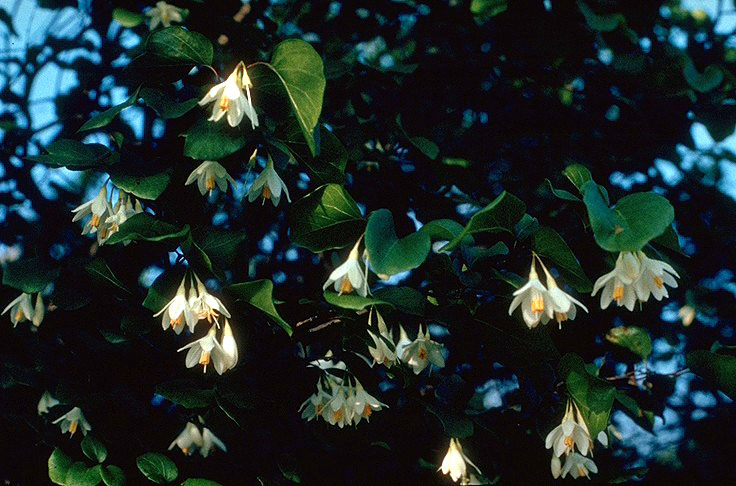 StoraxStyrax officinale
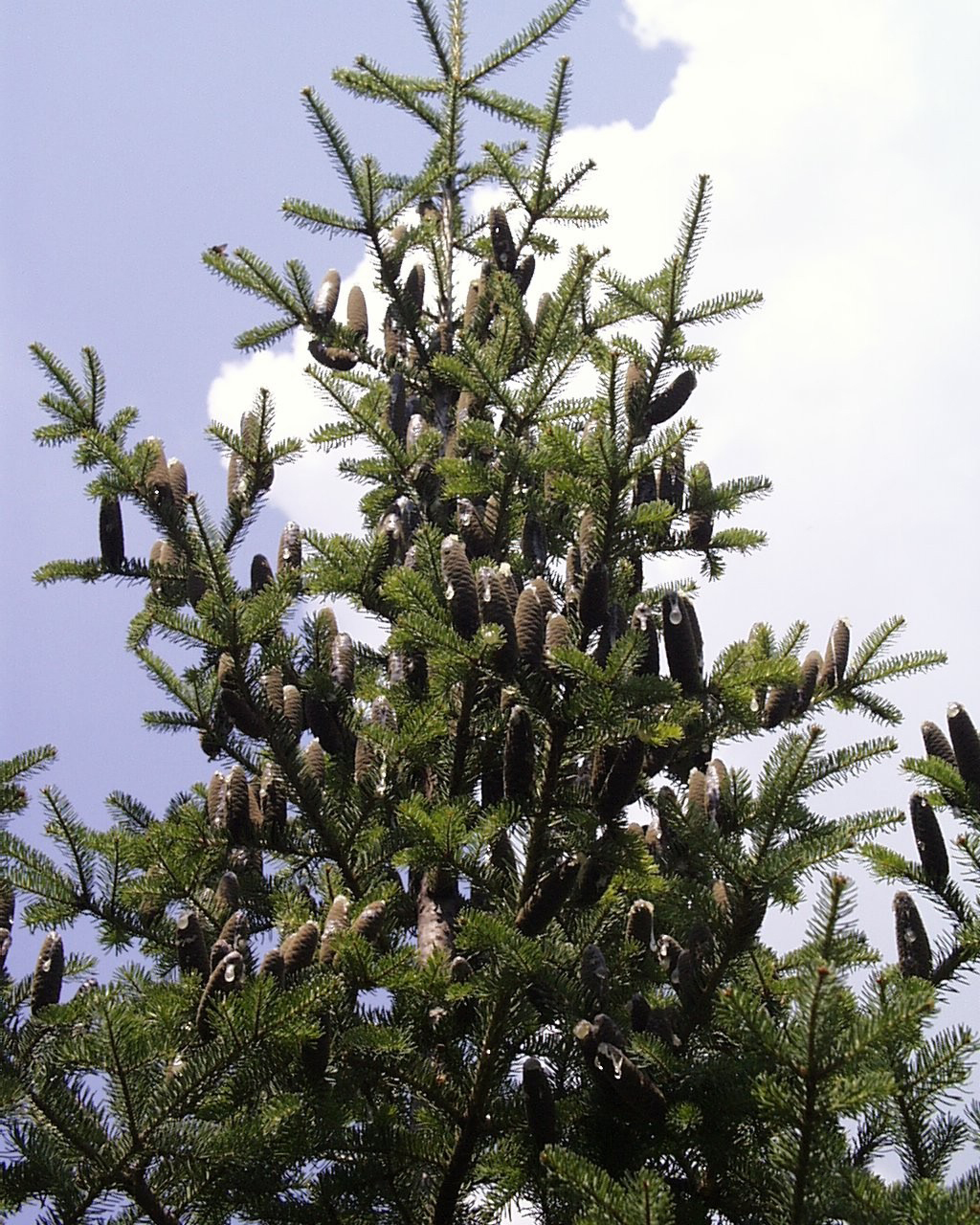 Balsam firAbies balsamea
Nearby on the shelf
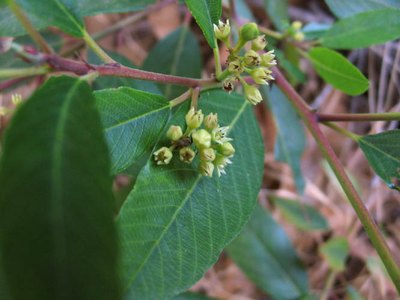 California buckthornRhamnus Californica
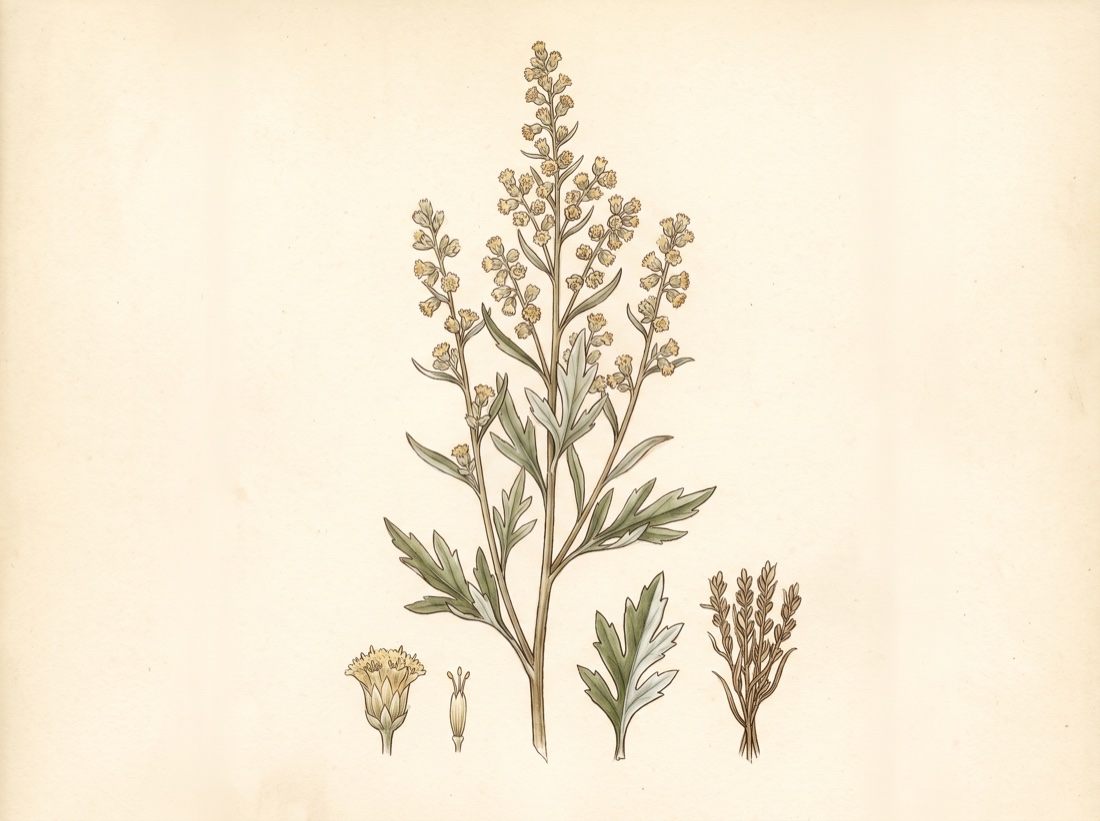 California mugwortArtemisia douglasiana
 California poppyEschscholzia californica
 California SpikenardAralia californica
 CamelthornAlhagi maurorum
 Camphor treeCinnamomum camphora
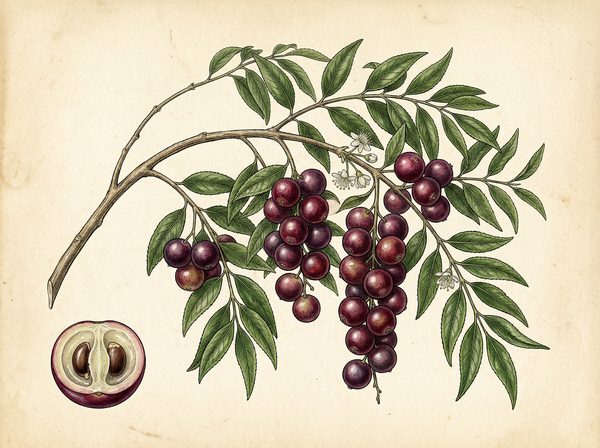 Camu CamuMyrciaria dubia
 Canada fleabaneErigeron canadense
The whole plate is in the library. The compass, Compare, the Sky of eleven hundred plants and the formulary open with an email address and a password, free, with the formula builder and its safety engine. Herbert without limit, his formulating, clients, the handouts and the labels are the paid room.
Open the library, free