Western Herbalism
Canella
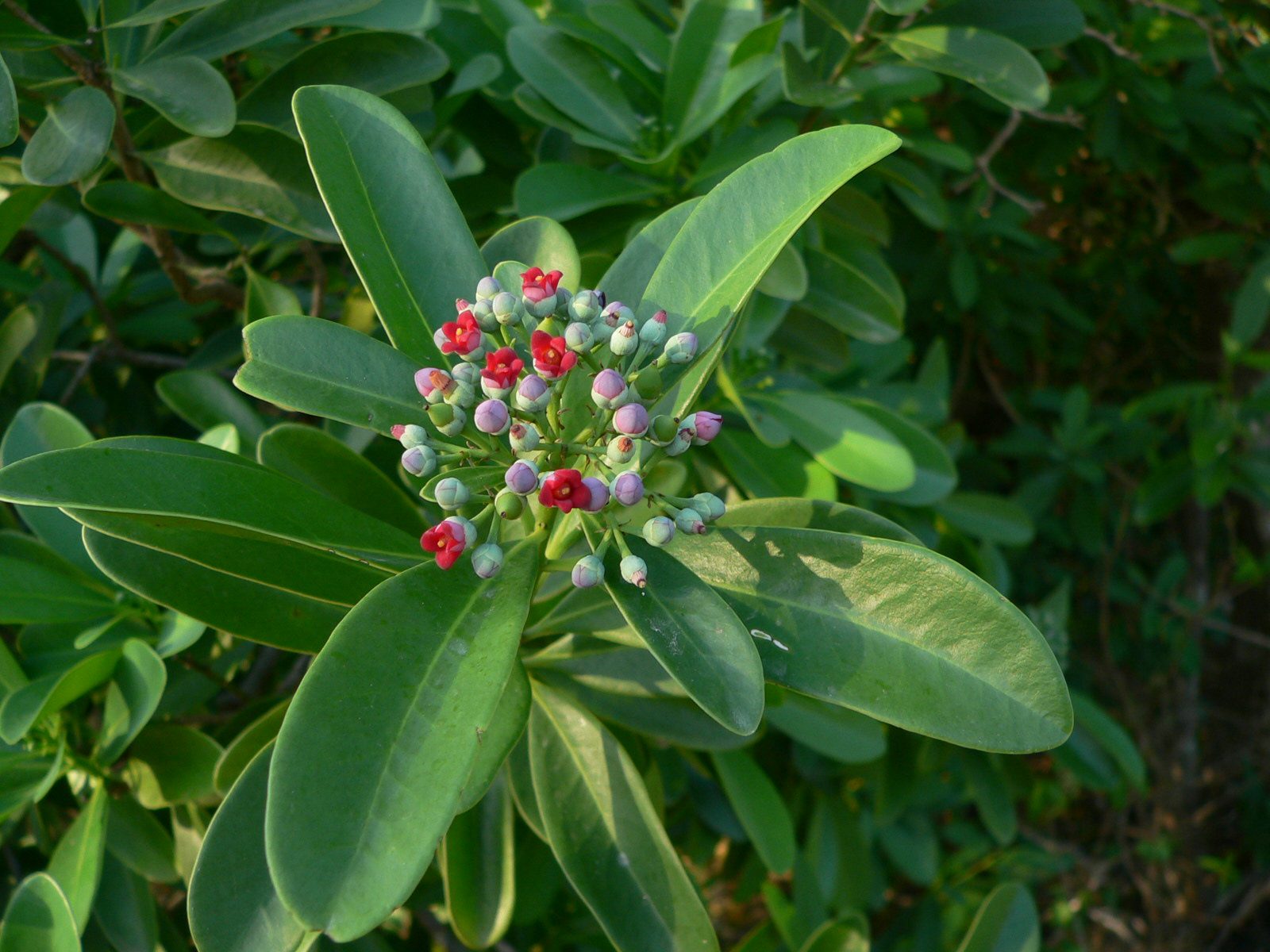
Canella alba
Also known as Wild cinnamon, White cinnamon, Cinnamon bark, Bahama whitewood, Canella bark, White wood tree, Wild cinnamon tree.
Canella is the aromatic inner bark of a slender evergreen tree native to the West Indies and Florida, long harvested in quills for use as a spice and medicine. In the physiomedicalist and earlier eclectic traditions it was classed among the warming aromatic stimulants, valued both for its own carminative action and as a flavoring agent that made bitter or astringent compounds more tolerable to take. It is closely related in use, though not in family, to true cinnamon.

Ask Herbert about Canella. Herbert is the master herbalist inside Bountiful Herbs: he answers from this plate and eleven hundred others, with dosing, pairing and cautions. Your first ten questions are free.
Ask HerbertActions
Indications what the tradition reached for it in
- Atonic dyspepsia with cold, sluggish digestion
- Flatulent colic
- Poor appetite
- Nausea associated with cold stomach
- General debility with cold, damp constitution
- Cold extremities from sluggish peripheral circulation
- Mouth ulcers and gum soreness (as a gargle or mouthwash)
- Used to warm and improve palatability of compound bitter or astringent formulas
- Scurvy and general nutritive debility (historical use)
Specific indications
Cold, sluggish digestion with flatulence, belching and a sensation of chilliness centered in the stomach
Used as a warming aromatic corrigent to make bitter or astringent compound formulas more agreeable and more actively stimulating
Safety
Pregnancy: Not well studied in pregnancy; avoid medicinal doses beyond culinary use as a precaution given its warming, stimulant character.
The record lists 3 contraindications; open the plate in the library to read them in full.
In practice
Canella bark is reached for chiefly as a warming aromatic to rouse a cold, sluggish stomach: the picture is one of flatulence, dull appetite, belching and a sense of chill or heaviness in the epigastrium, often in a patient whose constitution runs cold and damp generally.
Dosing as the sources wrote it
| Preparation | As written | Metric |
|---|---|---|
| Powdered bark | 0.5-2 g daily, divided, in water or honey | 500-2000 mg |
| Tincture (1:5, 45%) | 1-4 mL three times daily | 1-4 mL |
| Compound formula component | small proportion (5-10%) added to bitter or astringent compound powders and tinctures | |
| Dose, 10 to 40 grains. | 648-2592 mg |
Doses are reproduced from the sources for practitioners and are not a recommendation for any person.
From the sources
Overview. Canella is the aromatic inner bark of a slender evergreen tree native to the West Indies and Florida, long harvested in quills for use as a spice and medicine. In the physiomedicalist and earlier eclectic traditions it was classed among the warming aromatic stimulants, valued both for its own carminative action and as a flavoring agent that made bitter or astringent compounds more tolerable to take. It is closely related in use, though not in family, to true cinnamon.
Clinical Notes. Canella bark is reached for chiefly as a warming aromatic to rouse a cold, sluggish stomach: the picture is one of flatulence, dull appetite, belching and a sense of chill or heaviness in the epigastrium, often in a patient whose constitution runs cold and damp generally.
Properties and Uses. The bark is an aromatic stimulant, leaving a resinous impression in the mouth. It warms the stomach and arouses local circulation; on which account, together with its flavor, it has been used as an adjuvant to tonic and cathartic preparations for atonic conditions, and to cover the taste and obviate the griping of purges. Its taste is unpleasant to most people of a nervous temperament, and the article deserves less consideration than has usually been given to it. Medical Herbalism journal and medherb.com The Physiomedical Dispensatory by William Cook, M.D., 1869
Action, Medical Uses, and Dosage. Stimulant, aromatic, stomachic, and tonic, and may be substituted in all cases for the canella, cascarilla, and cinnamon barks. It was highly recommended by its discoverer as an antiscorbutic. Thirty grains is the dose of the powdered bark. It is seldom used in this country. A vinous tincture (bark, ℥i to sherry wine, ℥viij) may be employed in drachm doses.
Drawn from Cook's Physio-Medical Dispensatory; King's American Dispensatory, 18th edition (Felter and Lloyd), and the Bountiful Herbs editorial.
Often paired with
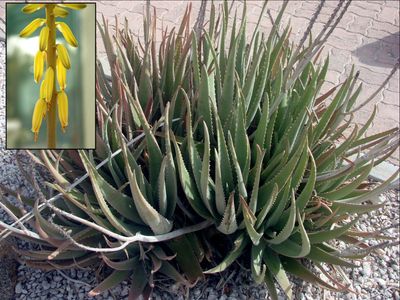 aloe veraAloe vera
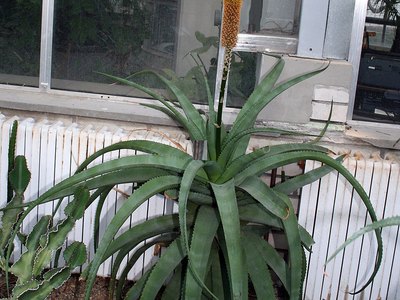 Socotrine aloesAloes socotrina
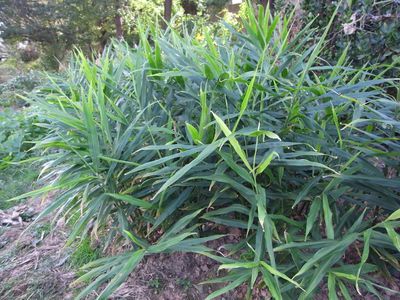 GingerZingiber officinale
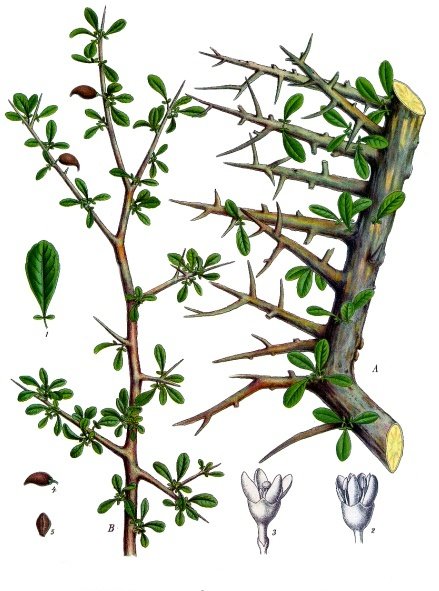 MyrrhCommiphora molmol
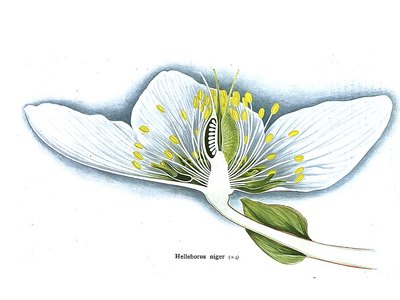 HelleborusHelleborus niger
Nearby on the shelf
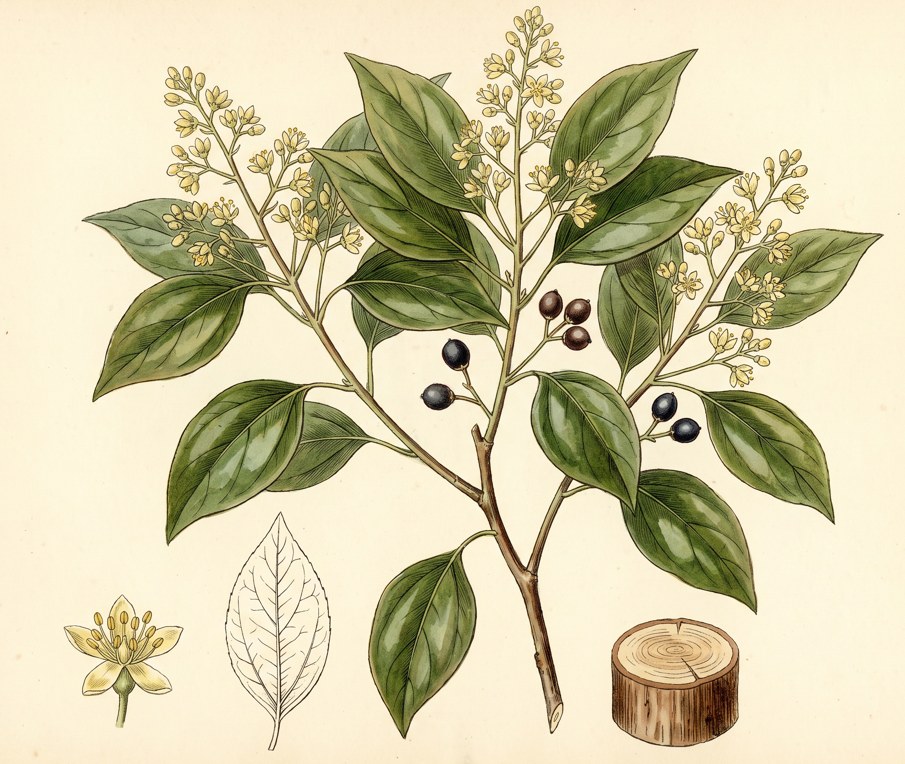 Camphor treeCinnamomum camphora
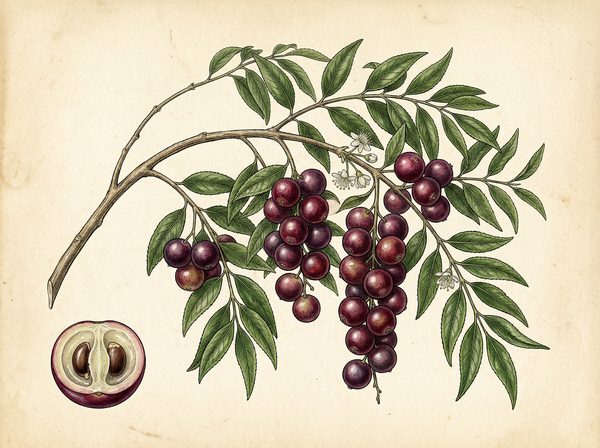 Camu CamuMyrciaria dubia
 Canada fleabaneErigeron canadense
 Canada thistleCirsium arvense
 Cang zhuAtractylodes lancea
 Capillary wormwoodArtemisia capillaris
 CarawayCarum carvi
 CardamomElettaria cardamomum
The whole plate is in the library. The compass, Compare, the Sky of eleven hundred plants and the formulary open with an email address and a password, free, with the formula builder and its safety engine. Herbert without limit, his formulating, clients, the handouts and the labels are the paid room.
Open the library, free