Western Herbalism
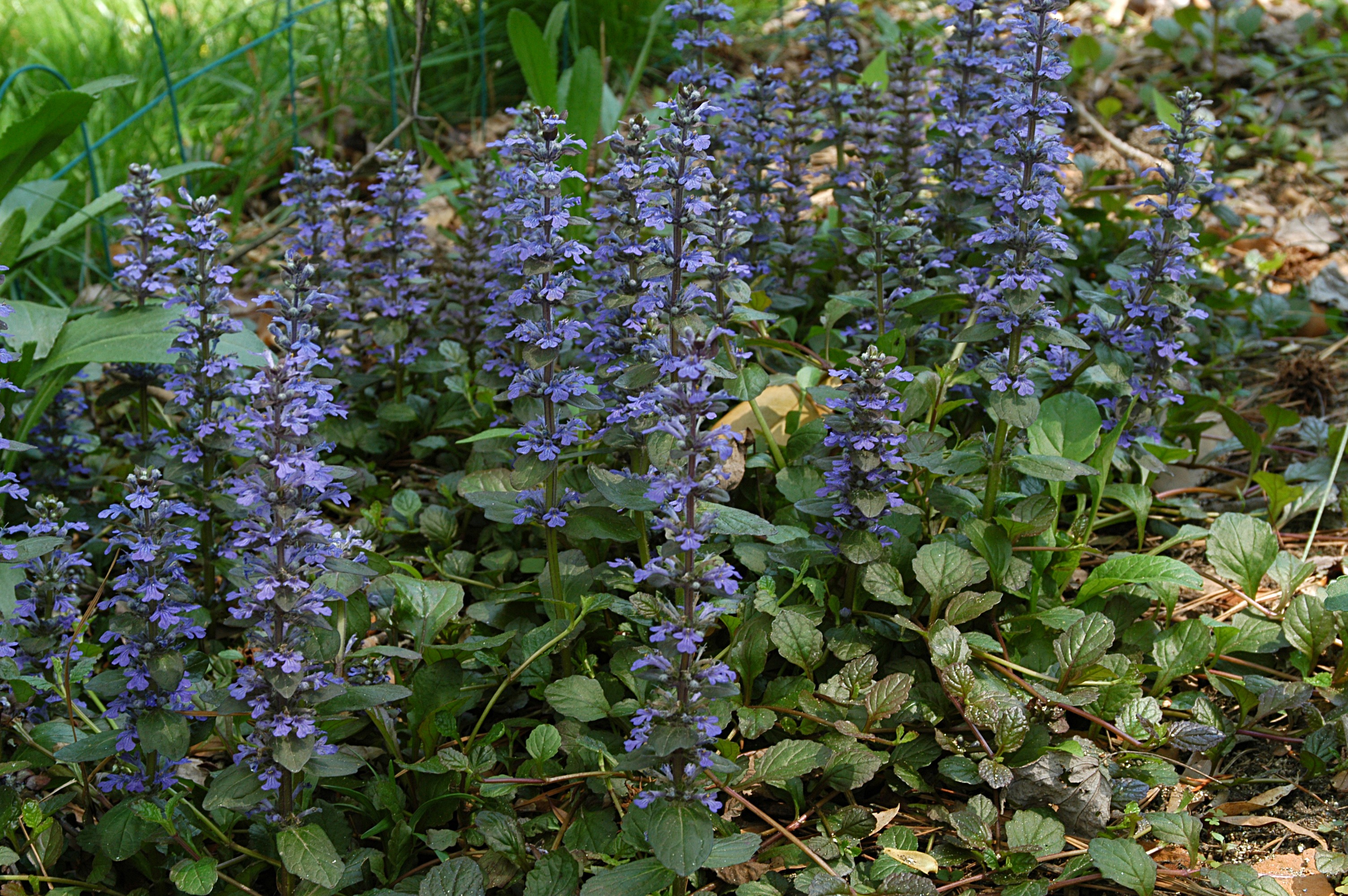
Bugle
Ajuga reptans
Traditionally a wound healer (carpenter's herb) Mild digitalis-like action on pulse without toxicity Limited modern clinical data Used in Austrian folk medicine as tea for respiratory disorders Hepatoprotective and wound-healing in recent studies

Ask Herbert about Bugle. Herbert is the master herbalist inside Bountiful Herbs: he answers from this plate and eleven hundred others, with dosing, pairing and cautions. Your first ten questions are free.
Ask HerbertActions
Indications what the tradition reached for it in
- Haemorrhages
- Thyroid-related symptoms
- Pharyngitis
- Biliary disorders
- Bleeding gums
- Incipient consumption
- Respiratory inflammation
- Mild hyperthyroidism
- Cough
- Bronchitis
- Minor wounds
- Skin inflammation
- Spitting of blood
- Anxiety
- Bleeding
- Diarrhea
- Hemorrhage
- Inflammation
- Insomnia
- Restlessness
- Wounds
- Respiratory complaints
- Excessive discharge
Safety
Pregnancy: Pregnancy Caution
Breastfeeding: Lactation (source flag notSafeInLactation)
The record lists 3 contraindications; open the plate in the library to read them in full.
Dosing as the sources wrote it
| Preparation | As written | Metric |
|---|---|---|
| Infusion | Infusion (1-4g dried herb/150-500ml water | 1000-4000 mg |
| 2-3x daily or frequently) | ||
| Tincture | Tincture (1:5 40% ethanol | |
| 2-5ml 2-3x daily) | 2-5 mL |
Doses are reproduced from the sources for practitioners and are not a recommendation for any person.
From the sources
Clinical Notes. Traditionally a wound healer (carpenter's herb) Mild digitalis-like action on pulse without toxicity Limited modern clinical data Used in Austrian folk medicine as tea for respiratory disorders Hepatoprotective and wound-healing in recent studies
indications. Bugle is traditionally indicated for: Haemorrhages, Thyroid-related symptoms, Pharyngitis, Biliary disorders, Bleeding gums, Incipient consumption, Respiratory inflammation, Mild hyperthyroidism, Cough, Bronchitis, Minor wounds, Skin inflammation, Spitting of blood, Anxiety, Bleeding, and 8 further conditions.
constituents. Notable constituents of Bugle include: Iridoid glycosides (8-O-acetylharpagide, harpagide, aucubin, catalpol), Flavonoids (isoquercitrin, luteolin, apigenin), Phenolic acids (p-coumaric acid, ferulic acid), Phytosterols (β-sitosterol, campesterol), Diterpenes (and others).
dose-reference. Reference preparation/dosing for Bugle: Infusion (1-4g dried herb/150-500ml water; 2-3x daily or frequently); Tincture (1:5 40% ethanol; 2-5ml 2-3x daily); Poultice/ointment topical
Nearby on the shelf
 Brown's peonyPaeonia brownii
 BuchuAgathosma betulina
 BuckbeanMenyanthes trifoliata
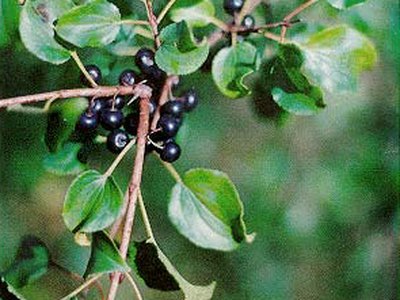 BuckthornRhamnus cathartica
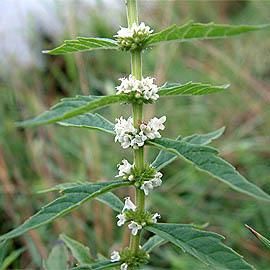 BugleweedLycopus virginicus
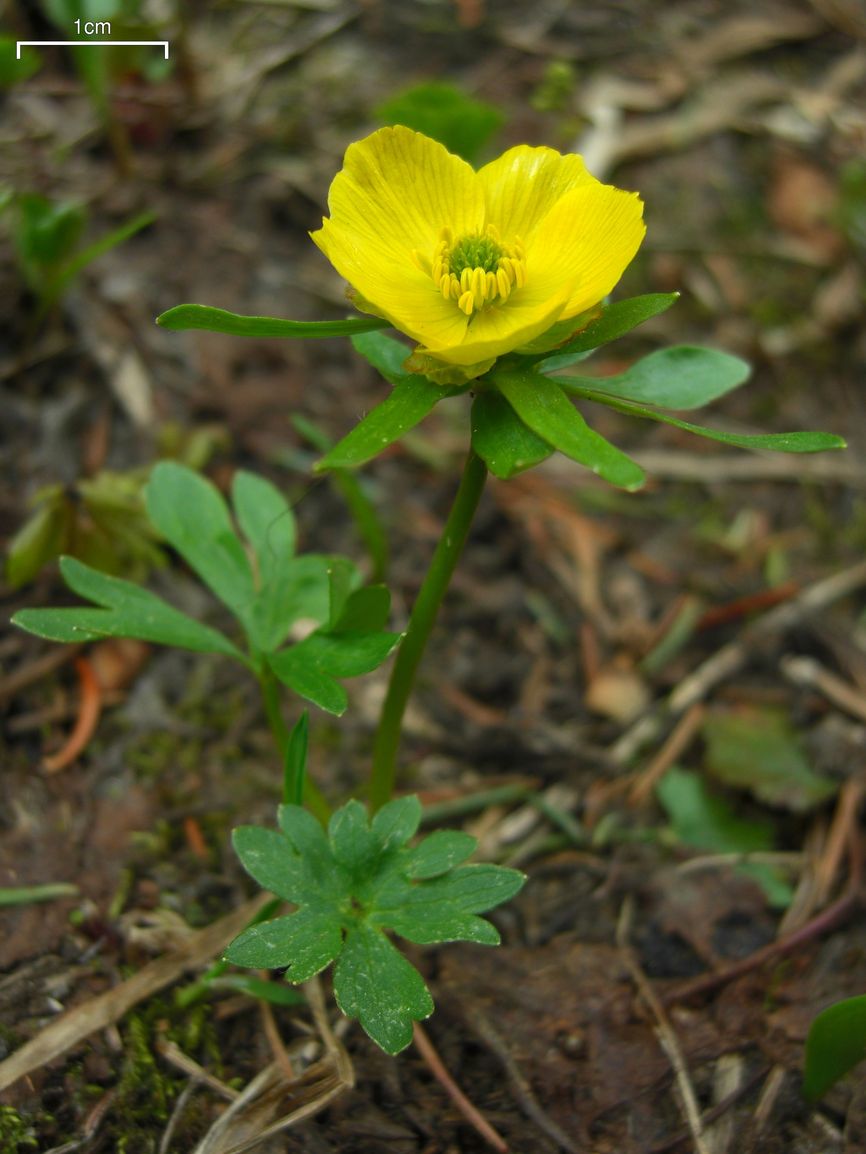 Bulbous buttercupRanunculus bulbosus
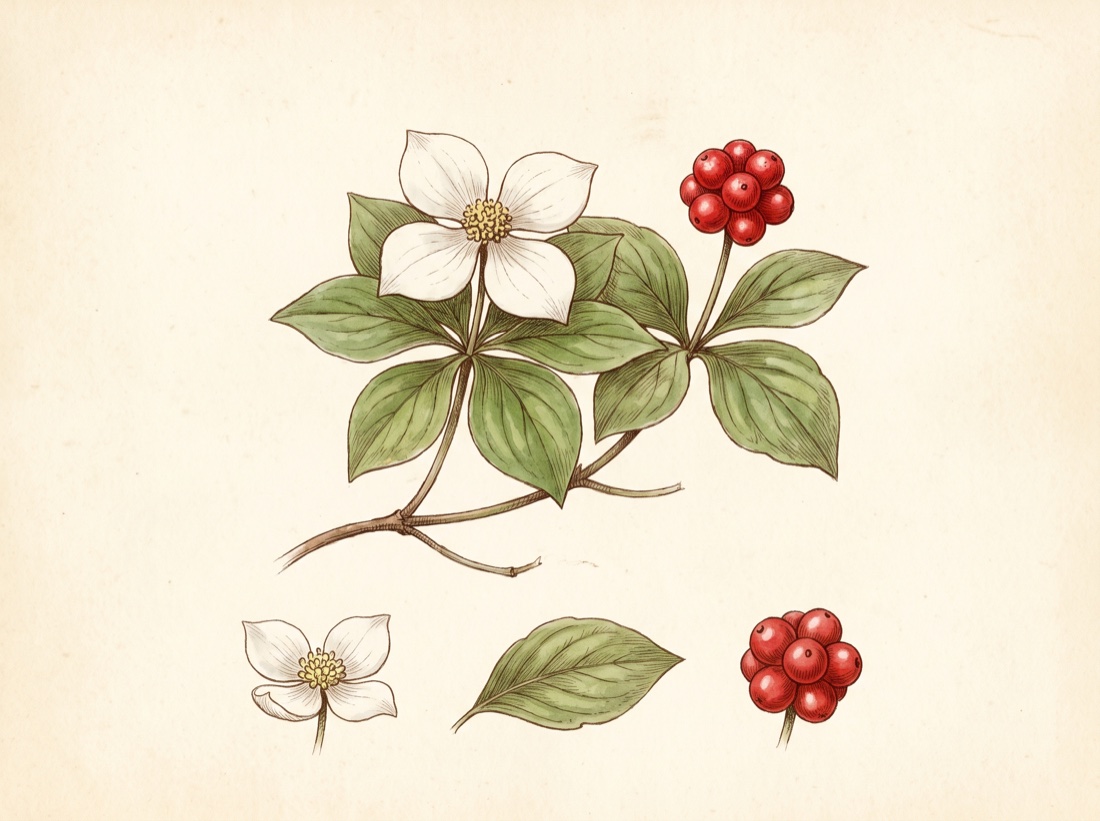 BunchberryCornus canadensis
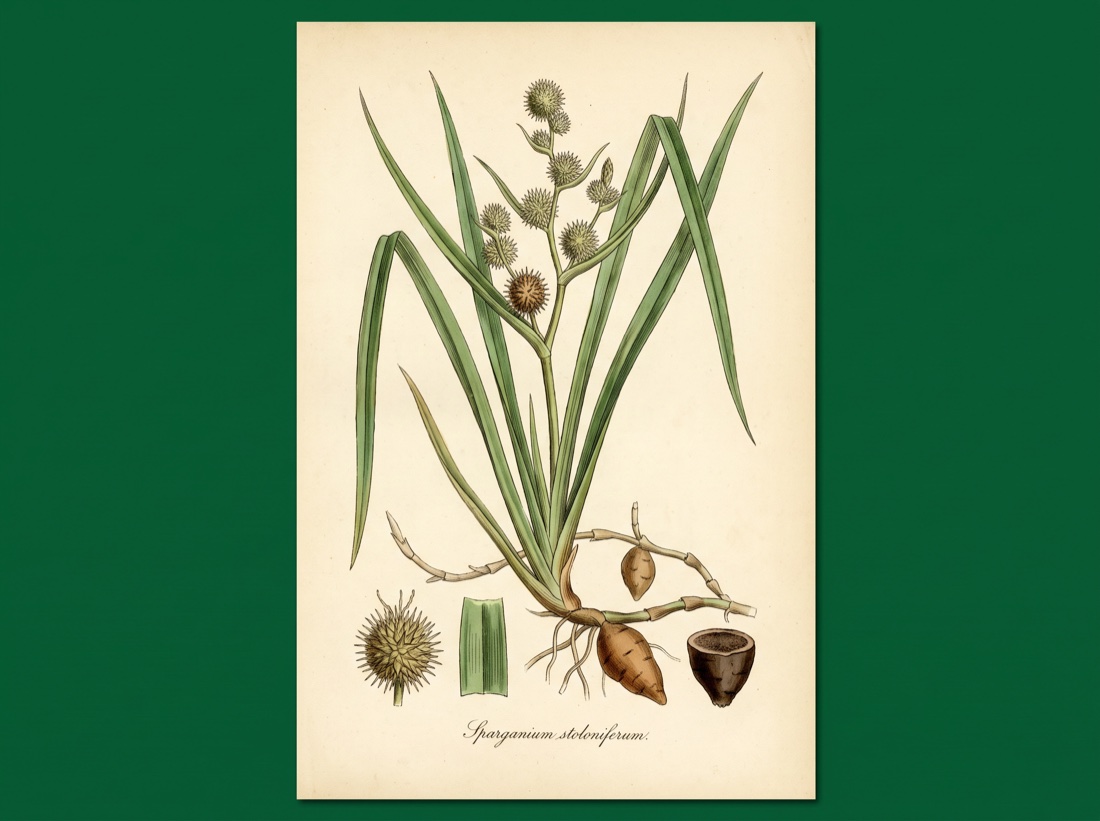 Bur-reed rhizomeSparganium stoloniferum
The whole plate is in the library. The compass, Compare, the Sky of eleven hundred plants and the formulary open with an email address and a password, free, with the formula builder and its safety engine. Herbert without limit, his formulating, clients, the handouts and the labels are the paid room.
Open the library, free