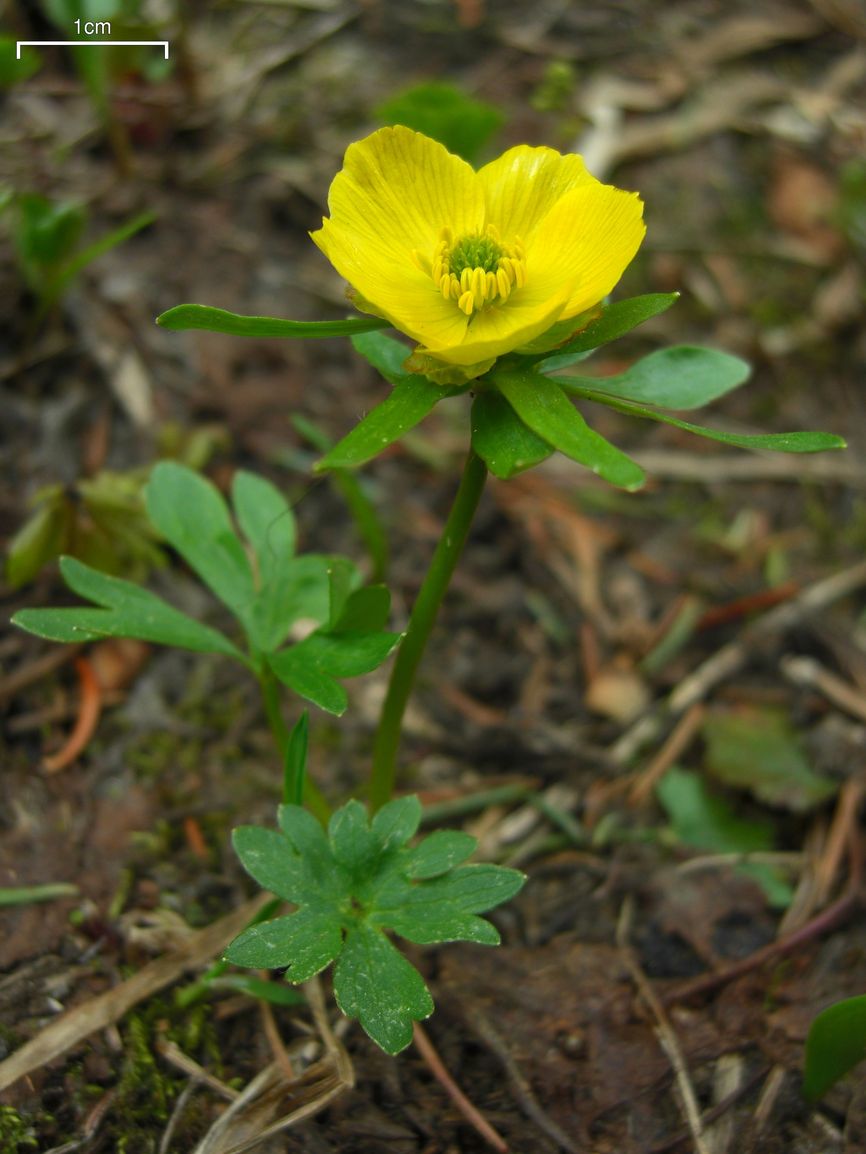
Western Herbalism
Bulbous buttercup
Ranunculus bulbosus
Also known as Crowfoot, St. Anthony's turnip, Butter-cress, Bulbous crowfoot, Buttercup.
Ranunculus bulbosus is a low perennial buttercup native to Europe and naturalized widely in North America, growing in meadows and disturbed ground. The fresh root and herb, intensely acrid when fresh, were used by nineteenth century eclectic physicians chiefly for herpetic and neuralgic conditions, most notably herpes zoster with its characteristic vesicles and burning nerve pain. It has little presence in modern herbal practice and is used, when at all, only as a well diluted tincture prepared from fresh material.

Ask Herbert about Bulbous buttercup. Herbert is the master herbalist inside Bountiful Herbs: he answers from this plate and eleven hundred others, with dosing, pairing and cautions. Your first ten questions are free.
Ask HerbertActions
Indications what the tradition reached for it in
- Herpes zoster with vesicular eruption
- Intercostal neuralgia
- Pleurodynia
- Aphthous or nursing sore mouth
- Rheumatic and myalgic pain
- Sciatica (traditional)
- Headache with sharp nerve pain (traditional)
- Chronic skin eruptions with burning pain (traditional)
Specific indications
Vesicular, burning eruption of herpes zoster with sharp, lancinating neuralgic pain following the nerve path
Deep, bruised, aching muscular pain in the chest wall or intercostal spaces, worse with pressure, movement, or coughing (pleurodynia)
Safety
Recognised toxicity. This plant carries a toxicity flag in the record; it is for trained practitioners only.
Low dose botanical. Used in drop doses in the classical practice; not a plant to dose freely.
Pregnancy: Limited safety data in pregnancy
The record lists 6 contraindications; open the plate in the library to read them in full.
In practice
The classic eclectic picture for this remedy is shingles: a band of grouped vesicles with sharp, burning, nerve-line pain, sometimes with residual neuralgia after the eruption fades. Felter and King both mention it for this pattern, and it was also given in very dilute infusion for nursing sore mouth and other irritated oral mucosa, an indication King is recorded as having found useful.
Dosing as the sources wrote it
| Preparation | As written | Metric |
|---|---|---|
| Tincture (1:10, fresh root, 65% alcohol) | 0.05-0.2 mL (1-4 drops) in water, three times daily | 0.05-0.2 mL |
| Diluted infusion (historical, oral mucosa) | used only as a very weak rinse or sip, practitioner-prepared, not for routine self-use | |
| The dose is a fraction of a drop, well diluted, every 2 to 4 hours. | ||
| Scudder (specific medication ... low-dose theory) | Dose, the fraction of a drop, very largely diluted with water | 0.02-0.02 mL |
Doses are reproduced from the sources for practitioners and are not a recommendation for any person.
From the sources
Overview. Ranunculus bulbosus is a low perennial buttercup native to Europe and naturalized widely in North America, growing in meadows and disturbed ground. The fresh root and herb, intensely acrid when fresh, were used by nineteenth century eclectic physicians chiefly for herpetic and neuralgic conditions, most notably herpes zoster with its characteristic vesicles and burning nerve pain. It has little presence in modern herbal practice and is used, when at all, only as a well diluted tincture prepared from fresh material.
Clinical Notes. The classic eclectic picture for this remedy is shingles: a band of grouped vesicles with sharp, burning, nerve-line pain, sometimes with residual neuralgia after the eruption fades. Felter and King both mention it for this pattern, and it was also given in very dilute infusion for nursing sore mouth and other irritated oral mucosa, an indication King is recorded as having found useful.
Specific indications and reasoning. (CROWFOOT.) Preparation: Prepare a tincture from the fresh root in the proportion of 5viij. to Alcohol 76° Oj. Dose, the fraction of a drop, very largely diluted with water. The remedy is exceedingly acrid, and must be used with care. Prof. King reports the cure of nursing sore mouth by its internal administration in small doses in infusion. It has also been employed as a stimulant to the vegetative processes, with reported good results. It should be thoroughly tested, and we will be obliged to any one of our readers for a report. Prescribe it in about the following proportion: By Tincture of Ranunculus, gtts. x.; Water, Siv. Dose, a teaspoonful.
Drawn from Scudder's Specific Medication and Specific Medicines; King's American Dispensatory, 18th edition (Felter and Lloyd), and the Bountiful Herbs editorial.
Nearby on the shelf
 BuckbeanMenyanthes trifoliata
 BuckthornRhamnus cathartica
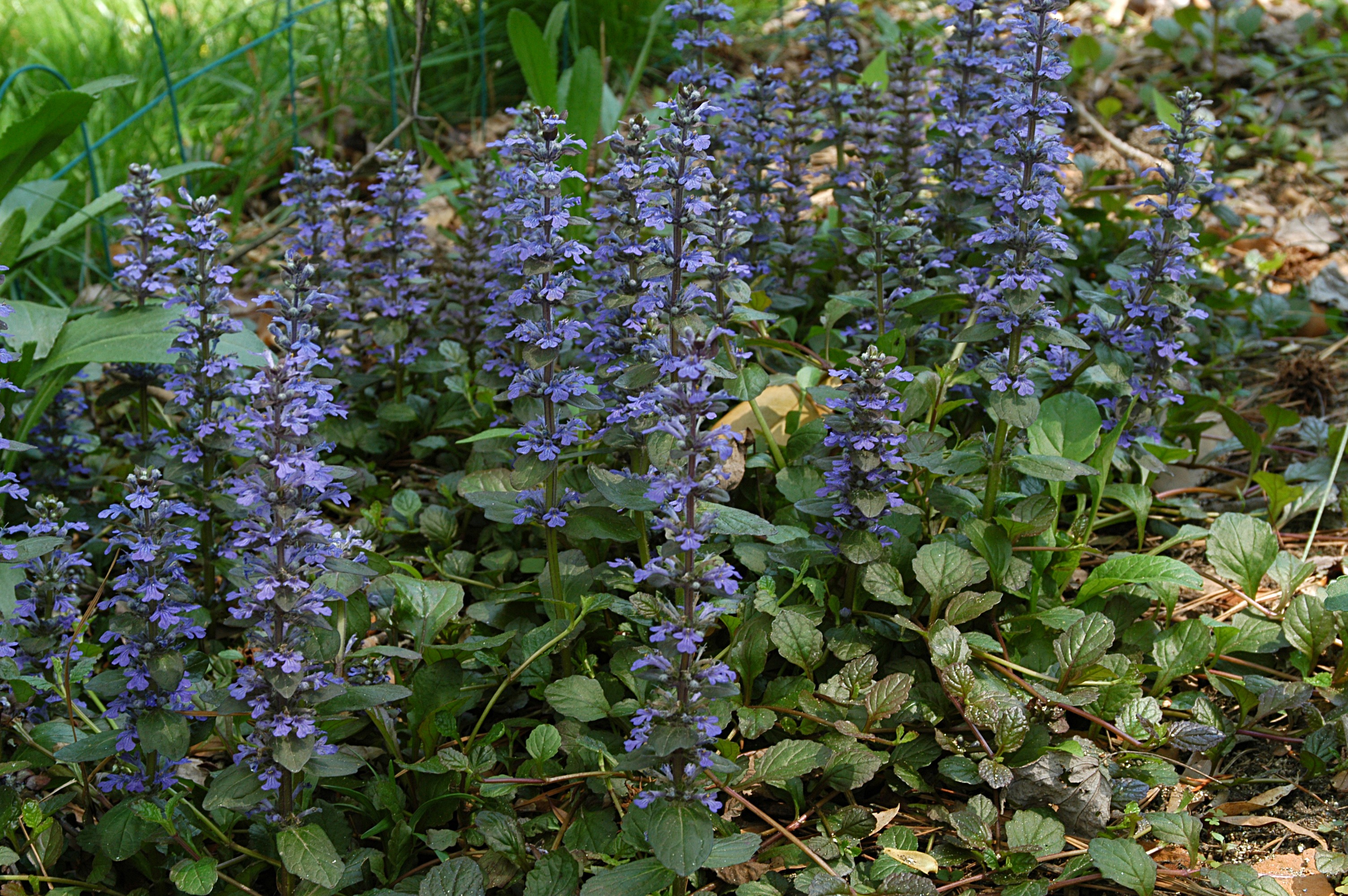 BugleAjuga reptans
 BugleweedLycopus virginicus
 BunchberryCornus canadensis
 Bur-reed rhizomeSparganium stoloniferum
 BurburDesmodium molliculum
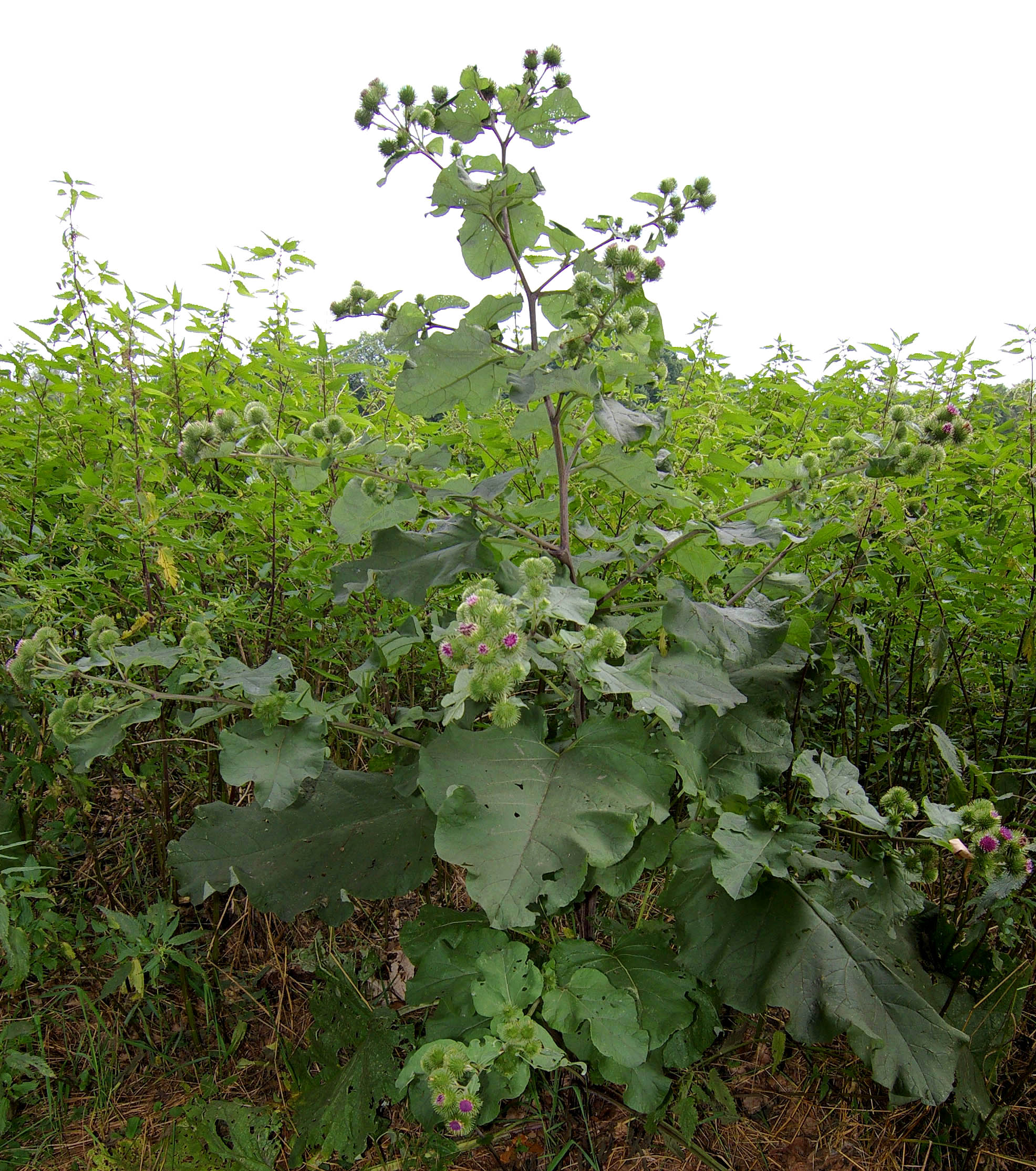 BurdockArctium lappa
The whole plate is in the library. The compass, Compare, the Sky of eleven hundred plants and the formulary open with an email address and a password, free, with the formula builder and its safety engine. Herbert without limit, his formulating, clients, the handouts and the labels are the paid room.
Open the library, free