Western Herbalism
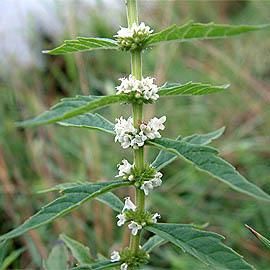
Bugleweed
Lycopus virginicus
Also known as Gypsywort, Water bugle, Bugle weed, Water horehound, Lycopus, Sweet Bugle, Paul’s Betony, etc. (see below).
Inhibits T4 -> T3, acts as TSH receptor antagonist, and blocks autoantibodies from binding Decreases heart rate while increasing contractile force of the heart Balances the autonomic nervous system and equalizes circulation

Ask Herbert about Bugleweed. Herbert is the master herbalist inside Bountiful Herbs: he answers from this plate and eleven hundred others, with dosing, pairing and cautions. Your first ten questions are free.
Ask HerbertActions
Indications what the tradition reached for it in
- Tuberculosis
- Hemorrhage of lungs (passive)
- Weak heart (w/ buildup of water in body)
- Pneumonia
- Hemoptysis
- Graves disease
- Hyperthyroidism
- Anxiety
- Copious sputum
- Bronchitis
- Cough (harsh)
- Bleeding
- Diarrhea
- Hemorrhage
- Insomnia
- Restlessness
- Respiratory complaints
- Excessive discharge
Safety
Pregnancy: Use with care in pregnancy
Breastfeeding: Not for use while breastfeeding
The record lists 4 contraindications; open the plate in the library to read them in full.
Dosing as the sources wrote it
| Preparation | As written | Metric |
|---|---|---|
| Infusion | 2 tsp-1 Tbs/cup TID | |
| Tincture (1:3) | 2-3 ml TID | 2-3 mL |
| Dry herb | 2-9 g/d | 2000-9000 mg |
| It may be used internally as a pill, in doses of from five to ten grains three times a day | 324-648 mg | |
| and may be used in doses of from twenty to forty drops three or four times a day | 0.4-0.8 mL | |
| Dose as a laxative, five to ten grains for infants, and fifteen to thirty grains for adults | 324-648 mg |
Doses are reproduced from the sources for practitioners and are not a recommendation for any person.
From the sources
Clinical Notes. Inhibits T4 -> T3, acts as TSH receptor antagonist, and blocks autoantibodies from binding Decreases heart rate while increasing contractile force of the heart Balances the autonomic nervous system and equalizes circulation
Therapy. Lycopus is sedative, subastringent, and tonic. No other drug exactly duplicates its value in circulatory disturbances. Apparently gits force is chiefly expended on the vascular structures and the sympathetic nervous system.
Therapy. It possesses tonic, sedative, astringent and narcotic proper. ties, and has been successfully used in incipient phthisis, hemoptysis, etc. It acts like digitalis in reducing the velocity of the pulse, but has no cumulative effects.
Properties and Uses. This herb has always been set down by writers as a mild narcotic, on which account I long avoided its use. Dr. J. Overholt, of Columbus City, Iowa, first assured me that there was absolutely no narcotic quality about it; and my confidence in his judgment led me to employ it, and myself and many others have verified his opinion.
Drawn from Cook's Physio-Medical Dispensatory; Scudder's Specific Medication and Specific Medicines; King's American Dispensatory, 18th edition (Felter and Lloyd); Ellingwood's American Materia Medica, Therapeutics and Pharmacognosy, and the Bountiful Herbs editorial.
Often paired with
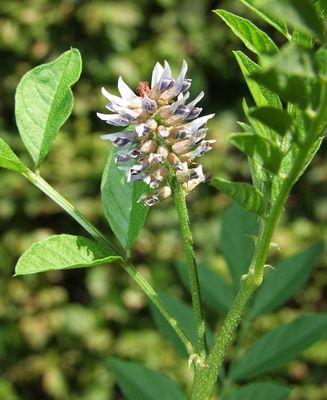 Licorice rootGlycyrrhiza glabra
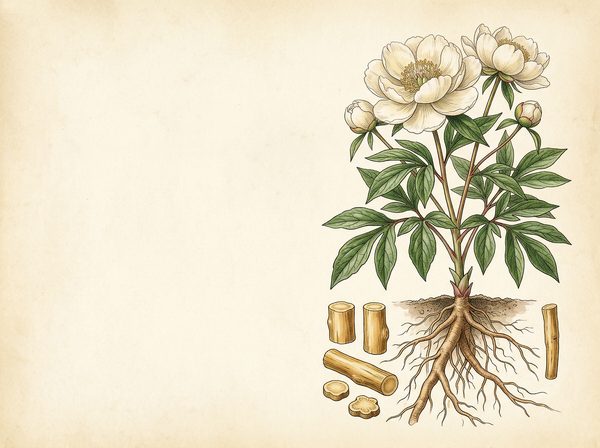 White PeonyPaeonia lactiflora
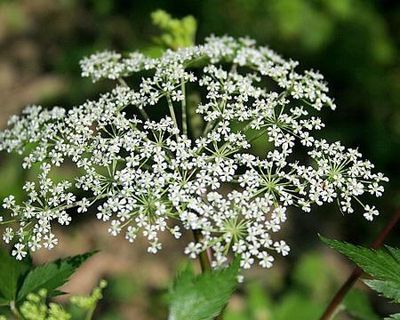 Dong QuaiAngelica sinensis
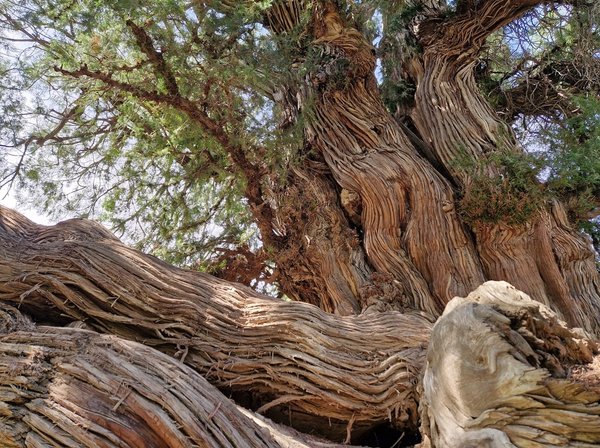 Bai Zi RenPlatycladus orientalis
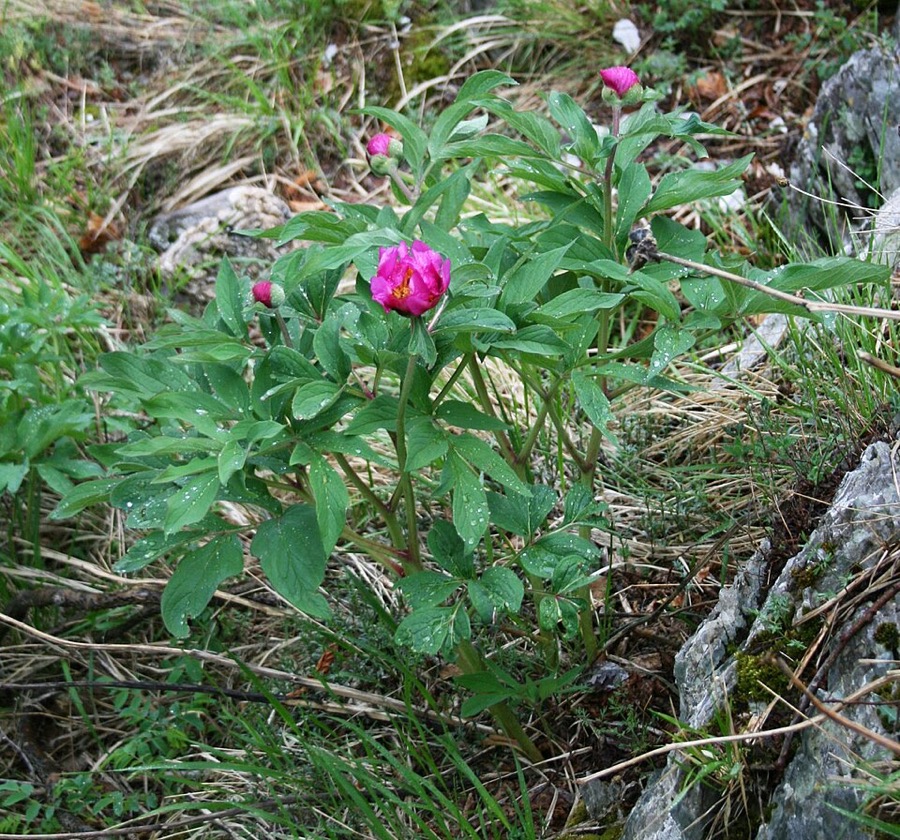 PeonyPeonia officinalis
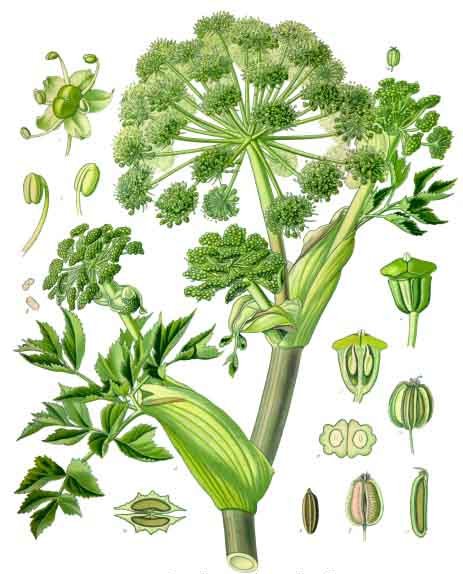 Garden AngelicaAngelica archangelica
Nearby on the shelf
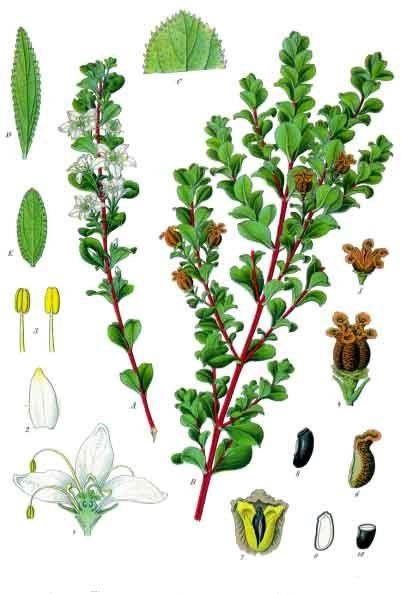 BuchuAgathosma betulina
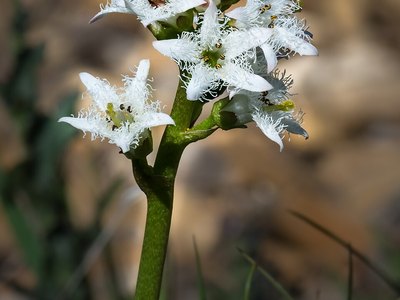 BuckbeanMenyanthes trifoliata
 BuckthornRhamnus cathartica
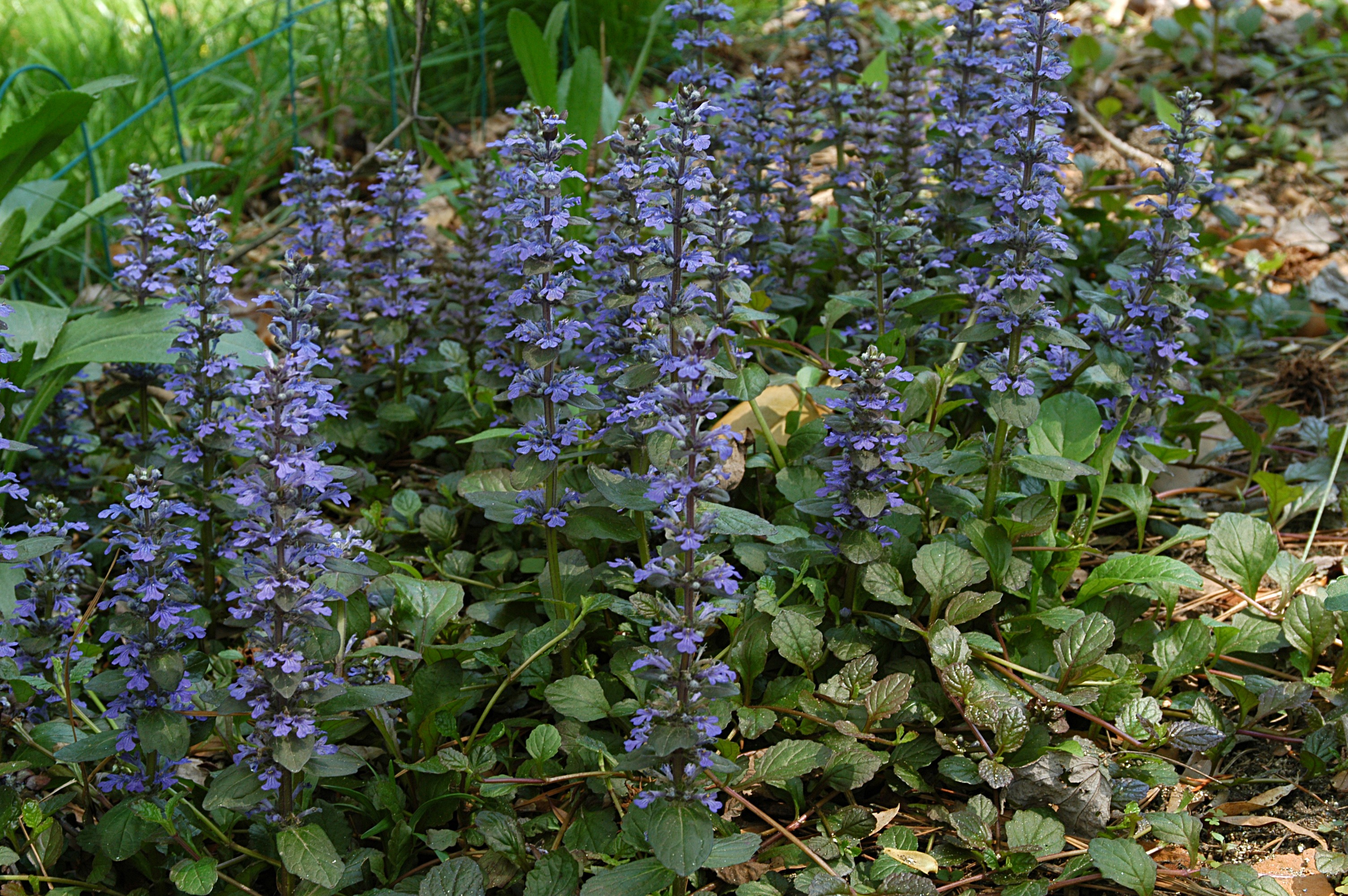 BugleAjuga reptans
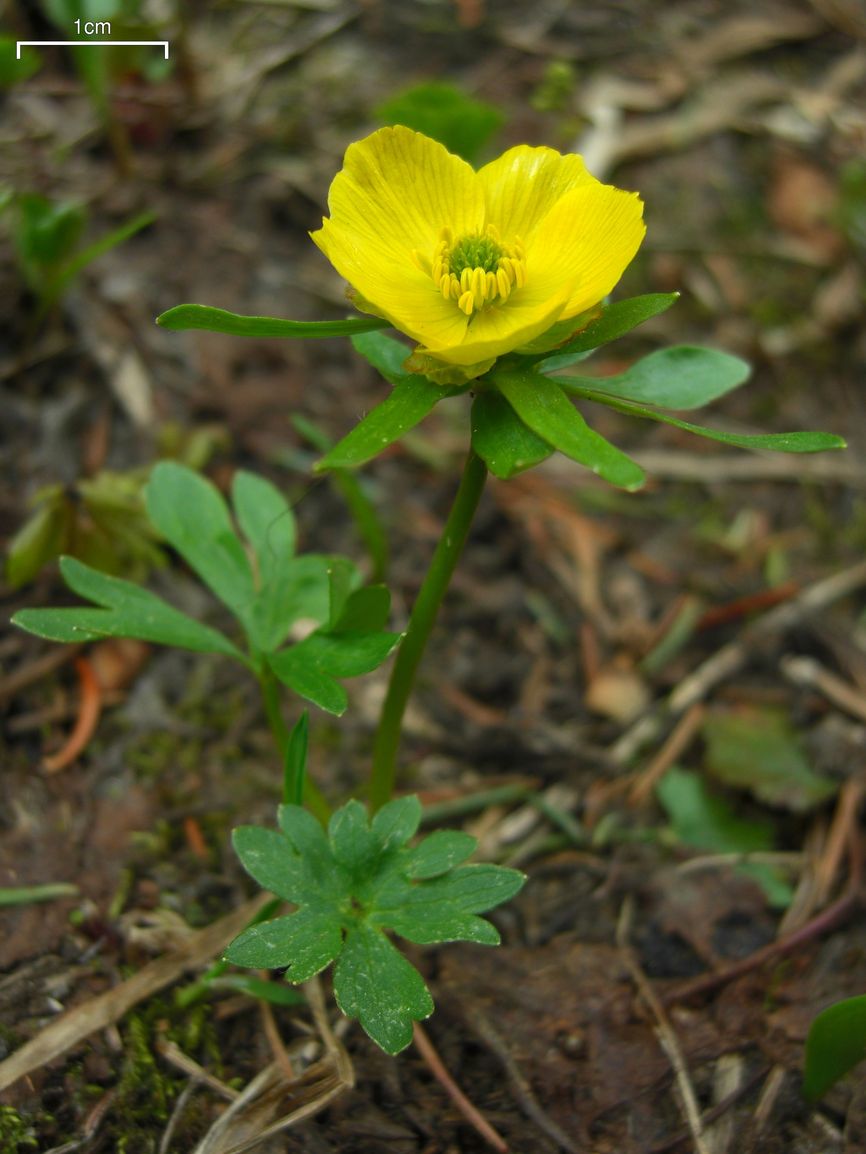 Bulbous buttercupRanunculus bulbosus
 BunchberryCornus canadensis
 Bur-reed rhizomeSparganium stoloniferum
 BurburDesmodium molliculum
The whole plate is in the library. The compass, Compare, the Sky of eleven hundred plants and the formulary open with an email address and a password, free, with the formula builder and its safety engine. Herbert without limit, his formulating, clients, the handouts and the labels are the paid room.
Open the library, free