Western and Ayurvedic herbalism
Brahmi
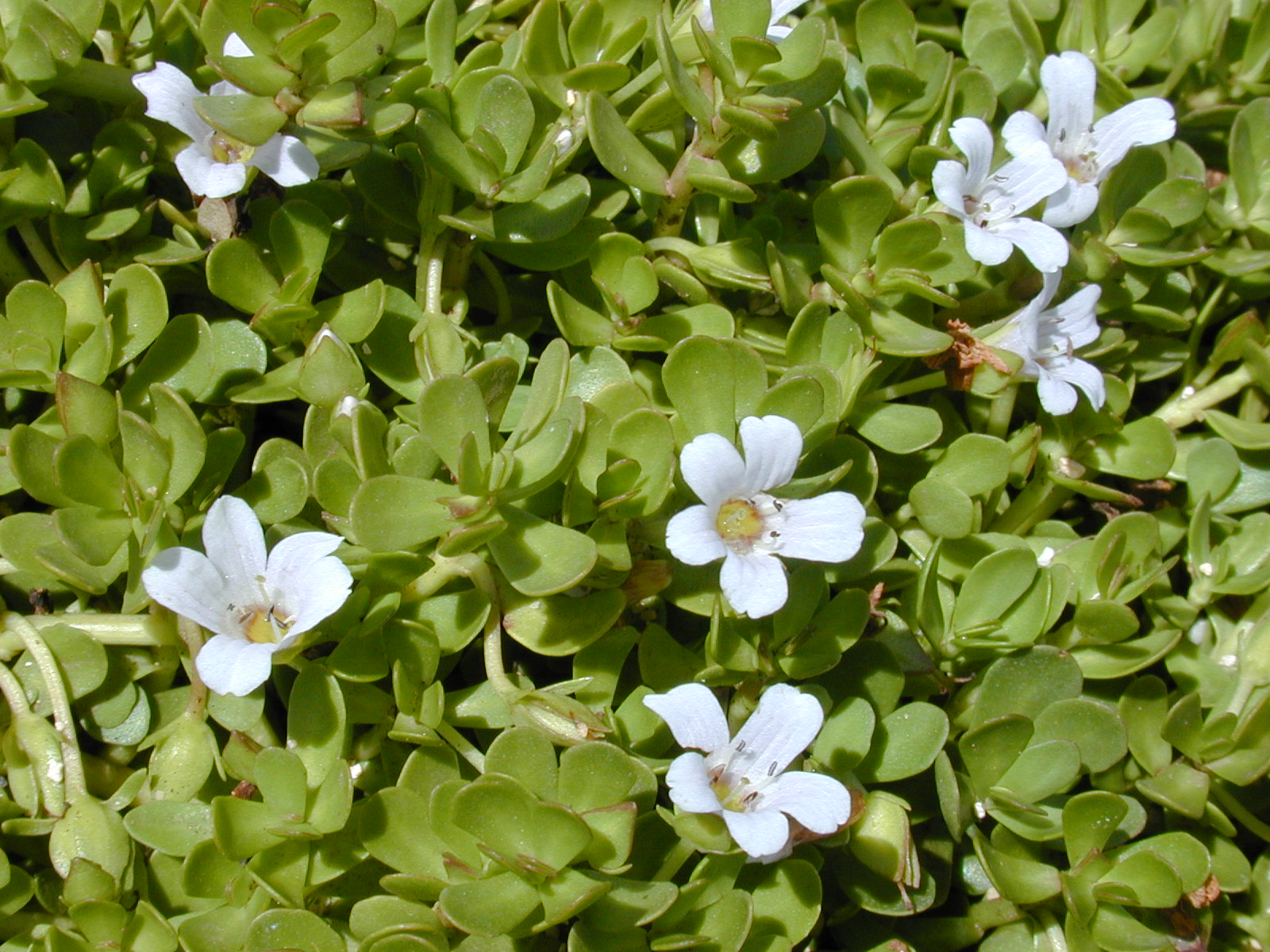
Bacopa monnieri
Also known as water hyssop, thyme-leaved gratiola, herb of grace, Indian pennywort (misapplied), Brahmi, Saraswati, Somavalli.
Bacopa monnieri is a small creeping succulent herb of wet ground, pond margins and paddy edges across the plains of India, from Punjab and Bengal to Kerala and Tamil Nadu. Ayurveda treats the whole plant as its foremost medhya rasayana, a cooling rejuvenative for the mind that sharpens memory, calms agitation and is safe enough for children and the elderly. The classical name Brahmi is also applied in some regions to Centella asiatica (Mandukaparni), and this file follows the pharmacopoeial identification of Brahmi as Bacopa.

Ask Herbert about Brahmi. Herbert is the master herbalist inside Bountiful Herbs: he answers from this plate and eleven hundred others, with dosing, pairing and cautions. Your first ten questions are free.
Ask HerbertActions
Indications what the tradition reached for it in
- Poor memory and slow recall
- Difficulty concentrating and learning, in students and adults
- Anxiety with mental restlessness
- Age-related cognitive decline
- Attention deficit in children (adjunct)
- Insomnia with an overactive mind
- Convalescence after illness with mental fatigue
- Epilepsy (traditional adjunct only)
- Irritable bowel with anxiety
- Headache from mental strain
- Hair loss and scalp heat (topical oil)
- Alzheimer's disease
- Aging
- Helicobacter pylori
- Allergies
- Parkinsons disease
- Asthma
- Brain injury
- Fatigue
- Peptic ulcer
- Diabetes
- Head trauma
- Irritable bowel syndrome
- ADHD
- Gastric ulcer
- Toxin exposure
- Bronchoconstriction
- Hypothyroidism
- Pain (chronic)
- Indigestion
Specific indications
A student or professional whose mind is hot, restless and scattered, who reads a page three times and retains nothing
An anxious pitta patient with a racing mind, irritability and light sleep who wants steadiness rather than sedation
An older person whose word finding and short-term recall are slipping while mood remains anxious rather than flat
A child who is bright but cannot settle, with poor attention and a tendency to tantrums
Safety
Recognised toxicity. This plant carries a toxicity flag in the record; it is for trained practitioners only.
Pregnancy: Limited safety data in pregnancy
The record lists 6 contraindications; open the plate in the library to read them in full.
In practice
Brahmi is the herb to reach for when the mind is overworked, overheated and unsteady: poor memory with anxiety, difficulty settling to study, irritability and light sleep in a pitta or vata-pitta patient.
In Ayurveda
Rasa: tikta (bitter), kashaya (astringent), madhura (sweet). Virya: sheeta (cooling). Vipaka: madhura (sweet). Guna: laghu (light), sara (mobile, flowing). Dosha: pacifies all three doshas, with a particular affinity for pitta and vata in the mind and nervous system. Prabhava: medhya rasayana: a specific rejuvenative for the intellect and memory. Karma: medhya (promotes intellect and memory); rasayana (rejuvenative); smritiprada (restores memory); ayushya (promotes longevity); nidrajanana (promotes sleep); unmadahara (relieves mania and psychosis); apasmarahara (relieves epilepsy); svarya (improves the voice); kushthaghna (relieves skin disease); shothahara (reduces swelling); hridya (supports the heart). Classical indications: smritibhramsha (loss of memory); unmada (insanity, psychosis); apasmara (epilepsy); anidra (insomnia); manasa roga (mental disorders); kushtha (skin disease); pandu (anemia); kasa and shvasa (cough and dyspnea); jvara (fever); visha (poisoning); prameha (urinary disorders). The whole creeping herb is used, fresh as swarasa (juice) or dried as churna. It is the leading herb in Brahmi ghrita and Saraswatarishta, and is prepared as kwatha, as taila for the head, and as standardized extracts in modern practice. Classical formulations: Brahmi ghrita, Saraswatarishta, Brahmi vati, Sarasvata churna, Brahmi rasayana, Brahmi taila, Smritisagara rasa. Described in: Charaka Samhita, Sushruta Samhita, Ashtanga Hridaya, Bhavaprakasha Nighantu, Dhanvantari Nighantu, Raja Nighantu, Kaiyadeva Nighantu, Ayurvedic Pharmacopoeia of India.
Dosing as the sources wrote it
| Preparation | As written | Metric |
|---|---|---|
| Churna | 3-6 g powdered whole plant daily with ghee or warm milk | 3000-6000 mg |
| Swarasa | 10-20 mL fresh juice daily | 10-20 mL |
| Ghrita | 5-10 g medicated ghee daily | 5000-10000 mg |
| Arishta | 12-24 mL twice daily after food | 12-24 mL |
| Standardized extract | 300-450 mg extract daily with food | 300-450 mg |
| Tincture (1:2-1:3) | 1-3 ml TID | 1-3 mL |
Doses are reproduced from the sources for practitioners and are not a recommendation for any person.
From the sources
Overview. Bacopa monnieri is a small creeping succulent herb of wet ground, pond margins and paddy edges across the plains of India, from Punjab and Bengal to Kerala and Tamil Nadu. Ayurveda treats the whole plant as its foremost medhya rasayana, a cooling rejuvenative for the mind that sharpens memory, calms agitation and is safe enough for children and the elderly. The classical name Brahmi is also applied in some regions to Centella asiatica (Mandukaparni), and this file follows the pharmacopoeial identification of Brahmi as Bacopa.
Clinical Notes. Best when used long-term Improves memory, learning & concentration Research indicates significant improvement in adults in verbal learning, memory consolidation and speed of early information processing Children w/ ADHD showed improvement in sentence repetition, logical memory, and learning Improves nerve impulse transmission and repairs damaged neurons Animal studies indicate that it has a protective effect against damage in astrocytes and also modulates the expression of enzymes involved in scavenging free radicals in brain Decreases fatigue and improves endurance Decreases bronchoconstriction likely d/t inhibiting calcium influx Stabilizes mast cells and inhibits prostaglandin synthesis Decreased age...
Clinical Notes. Brahmi is the herb to reach for when the mind is overworked, overheated and unsteady: poor memory with anxiety, difficulty settling to study, irritability and light sleep in a pitta or vata-pitta patient.
primary_action. Bacopa acts primarily as a nootropic and nervine, valued in Ayurveda as a medhya rasayana (mind-rejuvenating herb) to enhance memory, learning, concentration and overall cognition.
In formulas
Brahmi stands in 13 documented formulas in the library, among them Sārasvatāriṣṭa, Traikaṇṭaka Ghṛta, Brāhmī Ghṛta, Vastyāmayāntaka Ghṛta, Madhuyaṣṭyādi Taila, Mahā Viṣagarbha Taila.
Often paired with
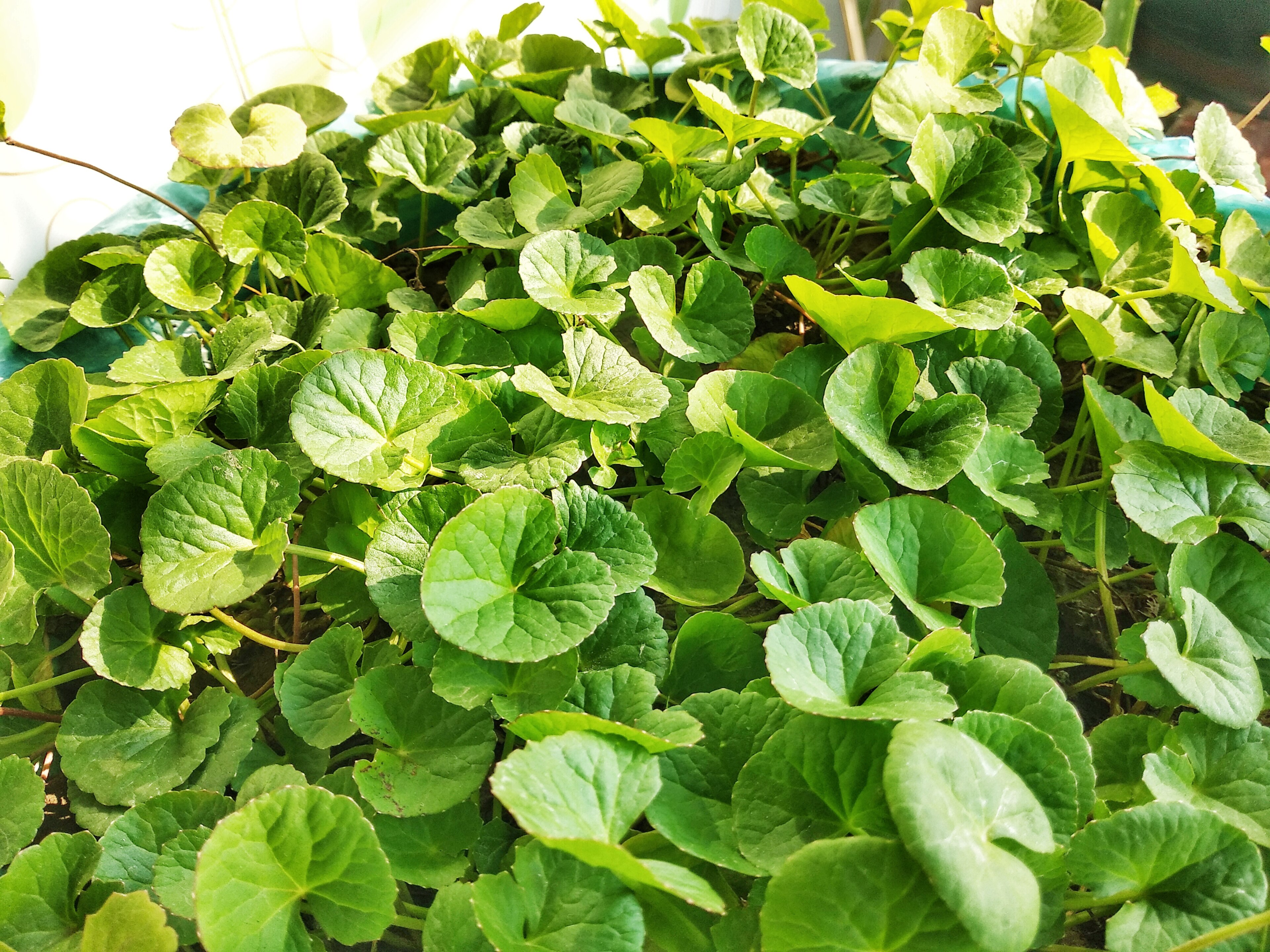 gotu kolaCentella asiatica
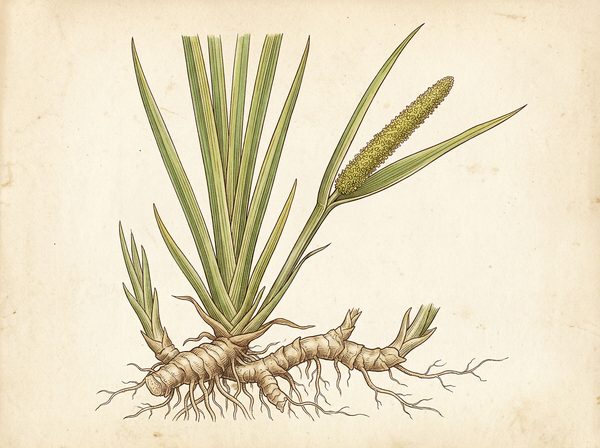 sweet flagAcorus calamus
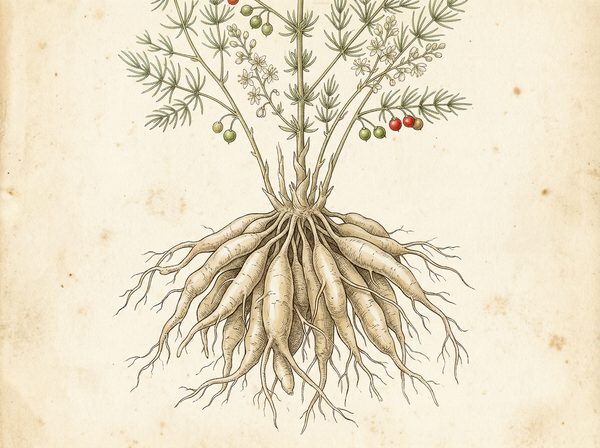 shatavariAsparagus racemosus
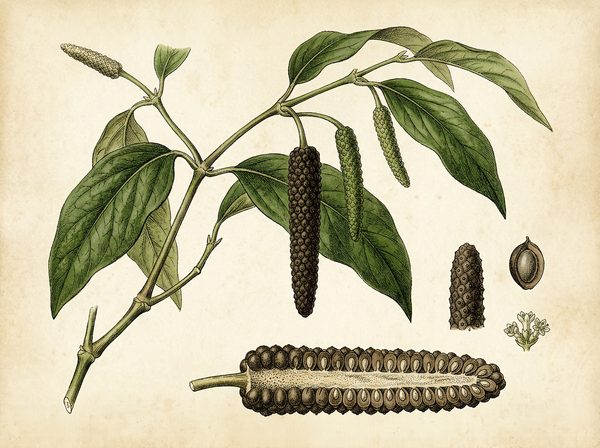 long pepperPiper longum
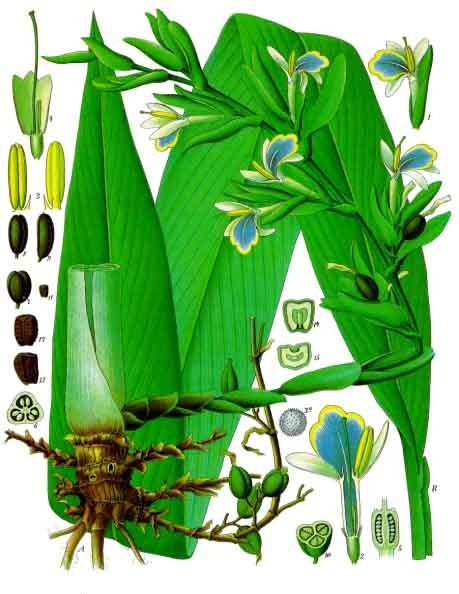 cardamomElettaria cardamomum
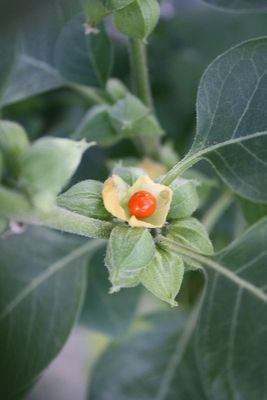 ashwagandhaWithania somnifera
Nearby on the shelf
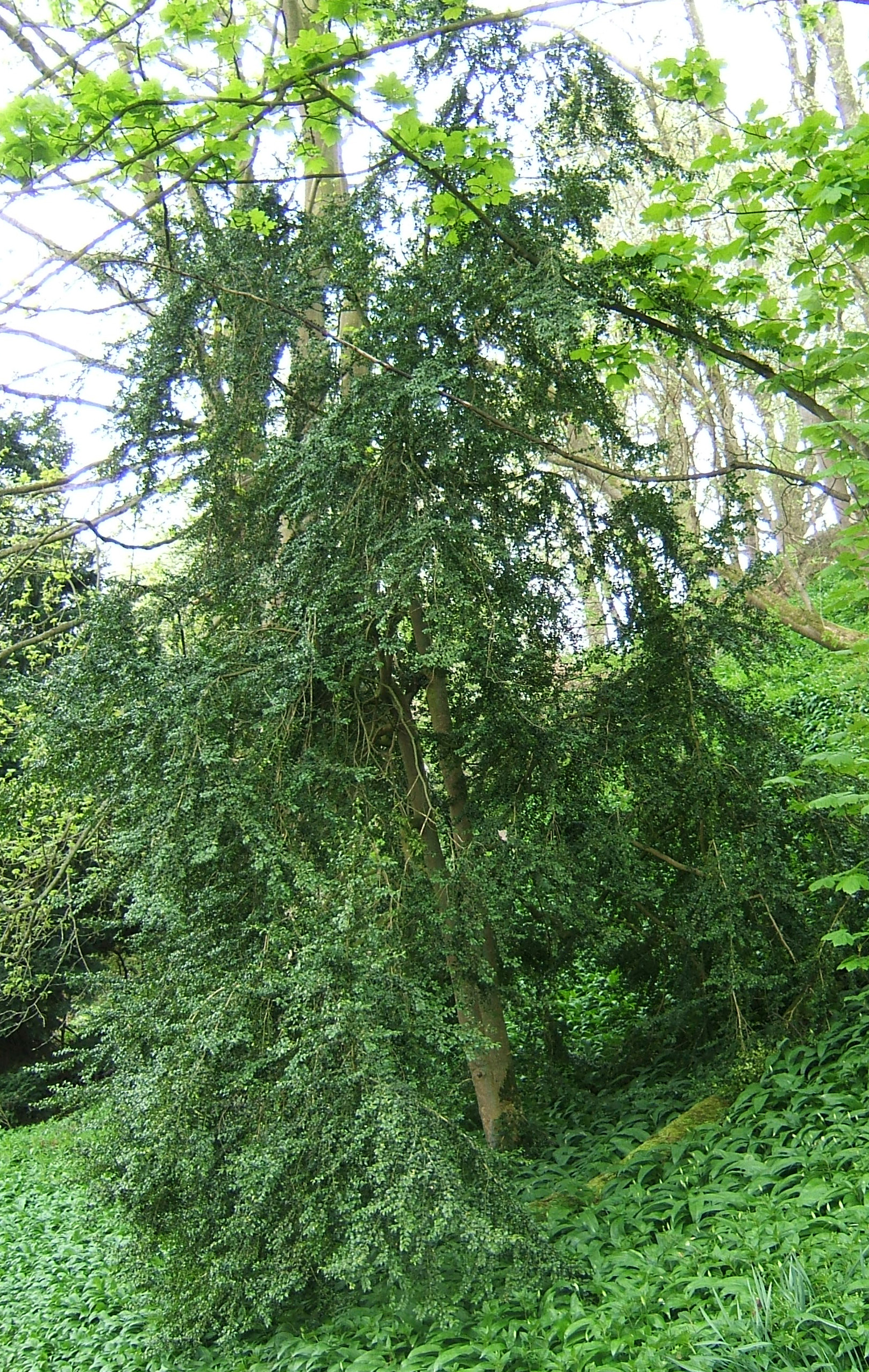 BoxBuxus
 Box myrtleMyrica esculenta
 Bracken FernPteridium aquilinum
 BrahmadandiTricholepis glaberrima
 Bristly luffaLuffa echinata
 Brome grassBromus ciliatus
 Broom snakeweedGutierrezia sarothrae
 Brown's peonyPaeonia brownii
The whole plate is in the library. The compass, Compare, the Sky of eleven hundred plants and the formulary open with an email address and a password, free, with the formula builder and its safety engine. Herbert without limit, his formulating, clients, the handouts and the labels are the paid room.
Open the library, free