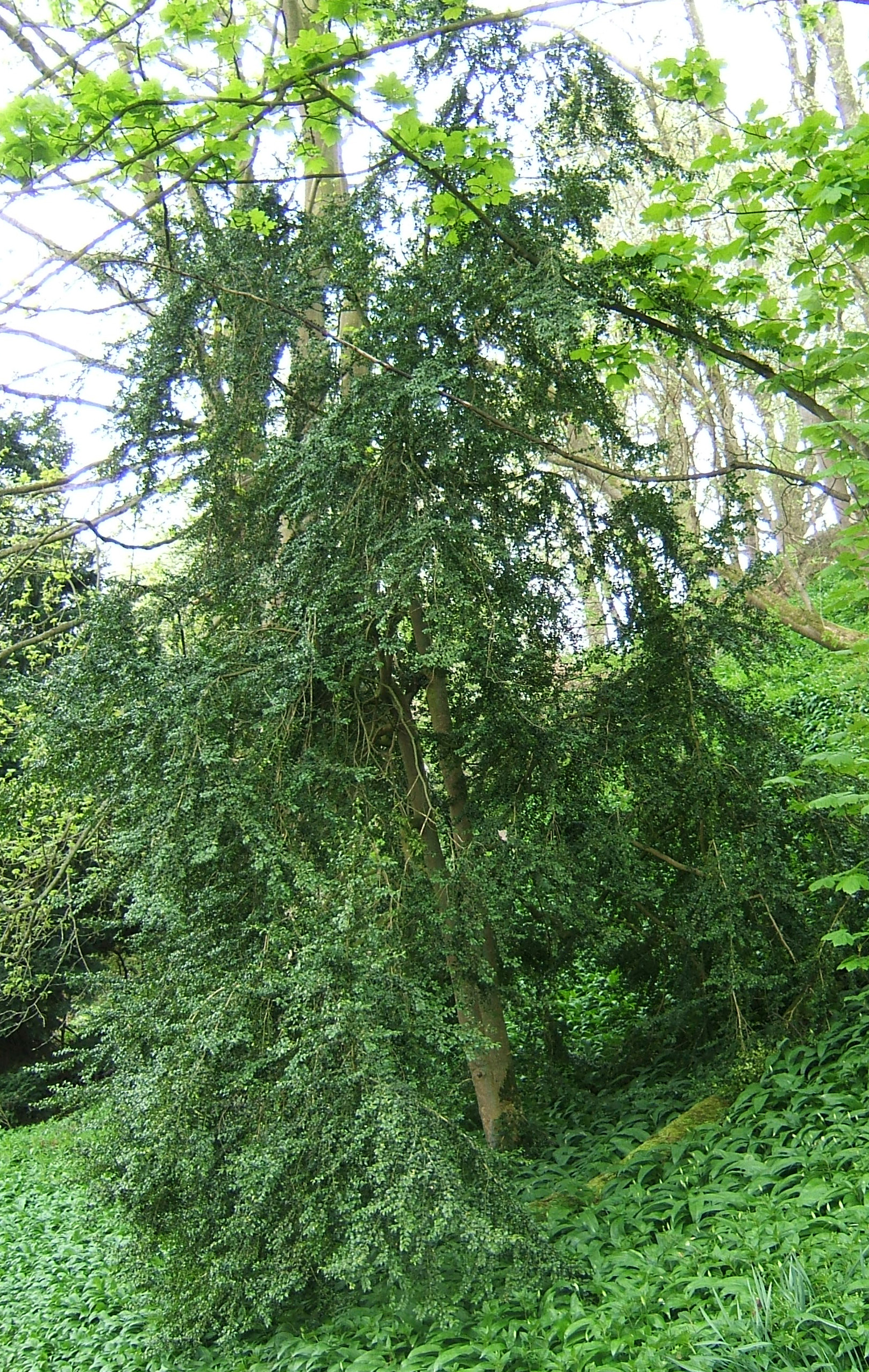
Western Herbalism
Box
Buxus
Also known as Boxwood, Common Box, European Box.
Buxus sempervirens, common box, is a small slow-growing evergreen tree or shrub of the family Buxaceae, native to southern Europe, North Africa and parts of western Asia, and long cultivated as an ornamental hedge plant. The leaves were the part used medicinally, chiefly by nineteenth century eclectic and European physicians who valued box as a bitter febrifuge and alterative, at times promoted as a substitute for cinchona bark when quinine was scarce or unavailable. Its use has almost entirely fallen away in modern practice because of its narrow margin of safety and the arrival of safer, better studied alternatives.

Ask Herbert about Box. Herbert is the master herbalist inside Bountiful Herbs: he answers from this plate and eleven hundred others, with dosing, pairing and cautions. Your first ten questions are free.
Ask HerbertActions
Indications what the tradition reached for it in
- Intermittent fever
- Chronic rheumatism
- Gout
- Liver congestion with sluggish digestion
- Skin eruptions attributed to impure blood
- Secondary syphilis (historic alterative use)
- Worm infestation (historic)
- Low-grade continued fever unresponsive to quinine
Specific indications
Recurrent low fevers in a patient for whom quinine has become unavailable or poorly tolerated, historically substituted with box leaf decoction
Chronic joint pain with a sluggish, congested liver picture, once treated with small alterative doses of the leaf
Safety
Recognised toxicity. This plant carries a toxicity flag in the record; it is for trained practitioners only.
Low dose botanical. Used in drop doses in the classical practice; not a plant to dose freely.
Pregnancy: Avoid in pregnancy: toxic steroidal alkaloid content with no modern safety data.
Breastfeeding: Avoid in lactation: no safety data and known toxic alkaloid content.
The record lists 7 contraindications; open the plate in the library to read them in full.
In practice
Box leaf appears in nineteenth century eclectic materia medica as a bitter, diaphoretic and mild alterative given for intermittent fevers, chronic rheumatism, and skin conditions thought to reflect an impure blood state.
Dosing as the sources wrote it
| Preparation | As written | Metric |
|---|---|---|
| Historic leaf decoction (obsolete, not recommended) | small doses only, historically 1-2 g dried leaf per cup, use discouraged | 1000-2000 mg |
| Historic tincture (obsolete, not recommended) | historically a few drops several times daily, use discouraged | |
| In doses of 10 or 20 grains of the powdered leaves, it proves an excellent vermifuge. | 1296-1296 mg | |
| a strong decoction | The dose of a strong decoction, or syrup, is from ½ fluid ounce to 1 fluid ounce, 3 or 4 times a day. | 14.79-29.57 mL |
Doses are reproduced from the sources for practitioners and are not a recommendation for any person.
From the sources
Overview. Buxus sempervirens, common box, is a small slow-growing evergreen tree or shrub of the family Buxaceae, native to southern Europe, North Africa and parts of western Asia, and long cultivated as an ornamental hedge plant. The leaves were the part used medicinally, chiefly by nineteenth century eclectic and European physicians who valued box as a bitter febrifuge and alterative, at times promoted as a substitute for cinchona bark when quinine was scarce or unavailable. Its use has almost entirely fallen away in modern practice because of its narrow margin of safety and the arrival of safer, better studied alternatives.
Clinical Notes. Box leaf appears in nineteenth century eclectic materia medica as a bitter, diaphoretic and mild alterative given for intermittent fevers, chronic rheumatism, and skin conditions thought to reflect an impure blood state.
Drawn from King's American Dispensatory, 18th edition (Felter and Lloyd), and the Bountiful Herbs editorial.
Nearby on the shelf
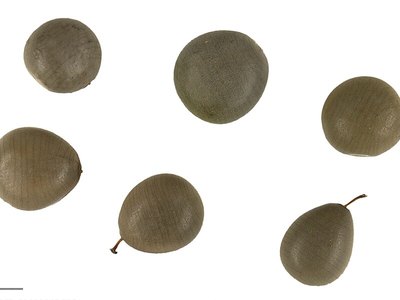 BonducCaesalpinia bonducella
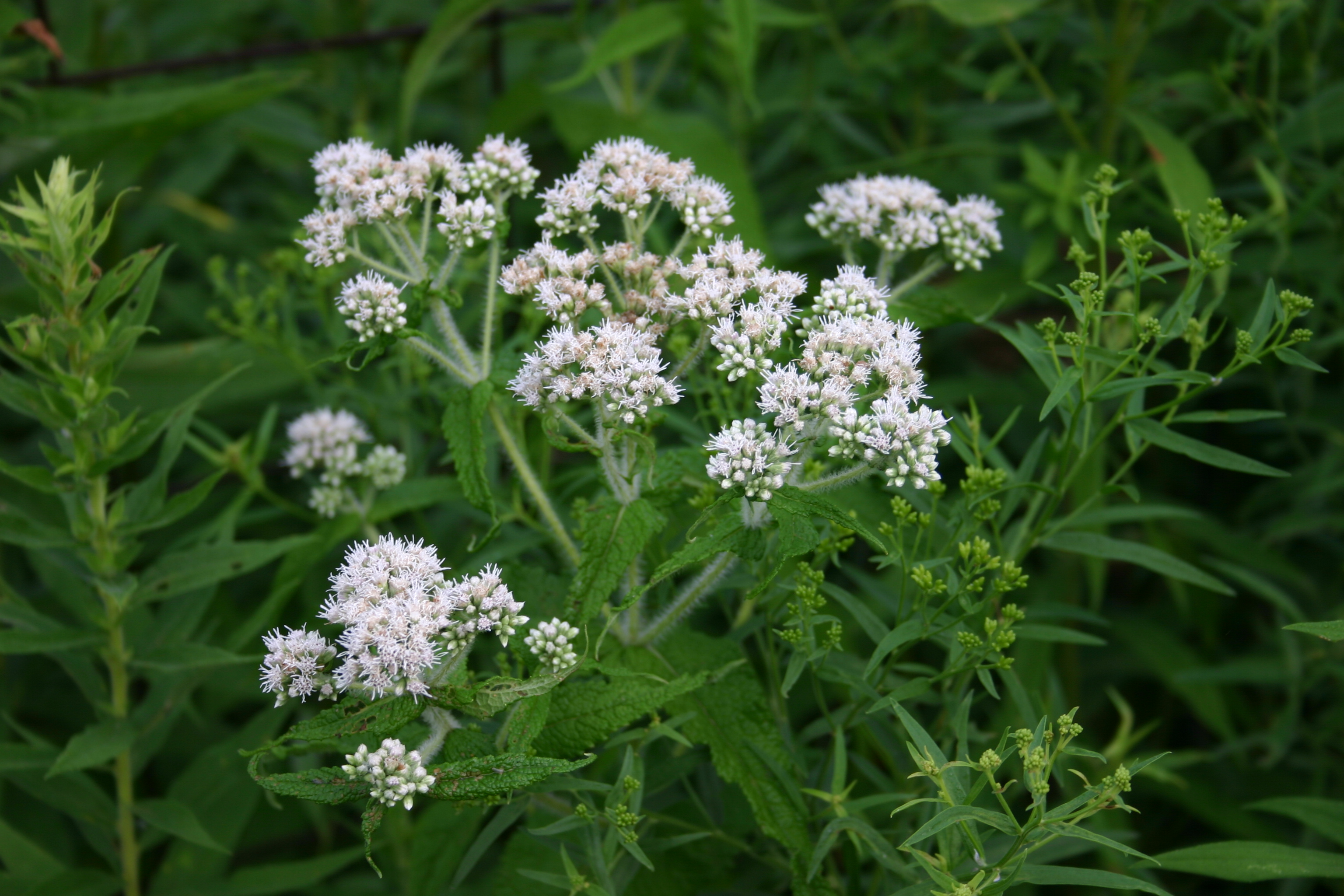 BonesetEupatorium perfoliatum
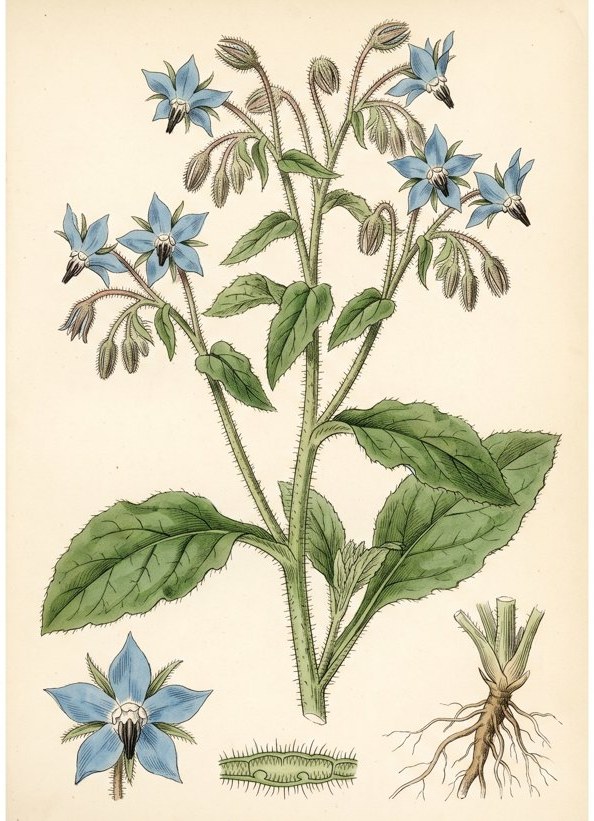 BorageBorago officinalis
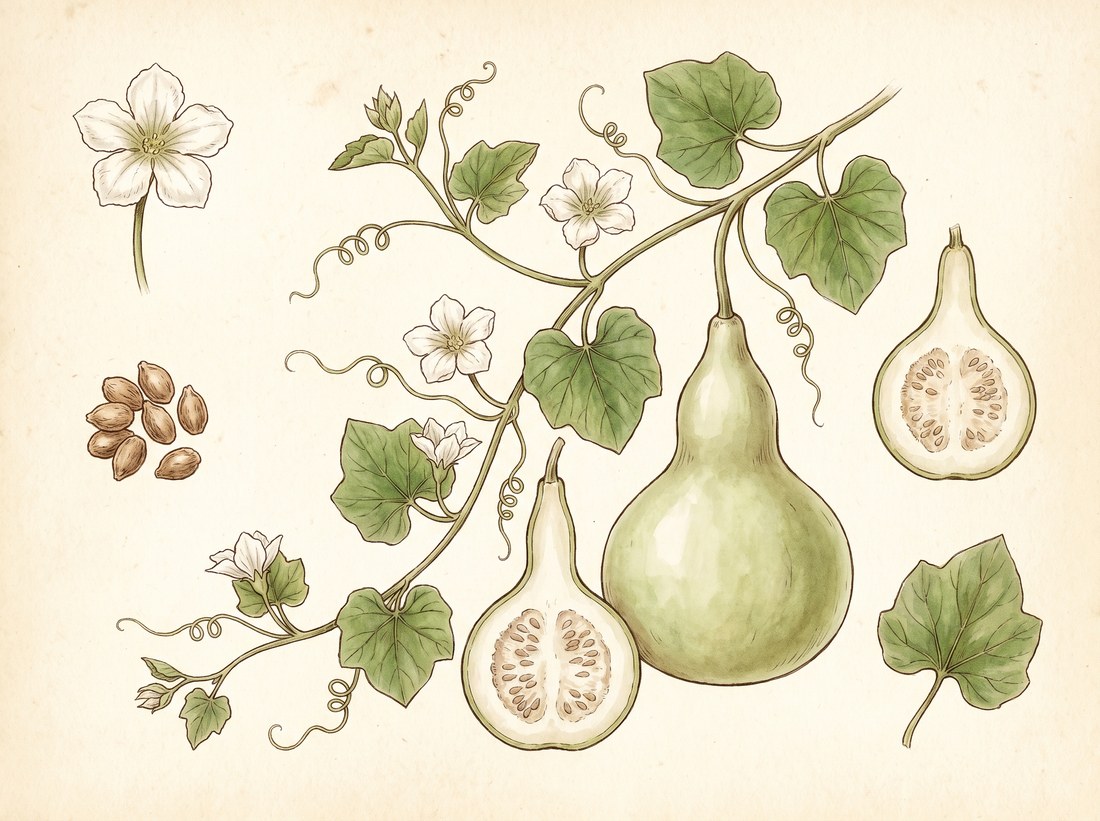 Bottle gourdLagenaria siceraria
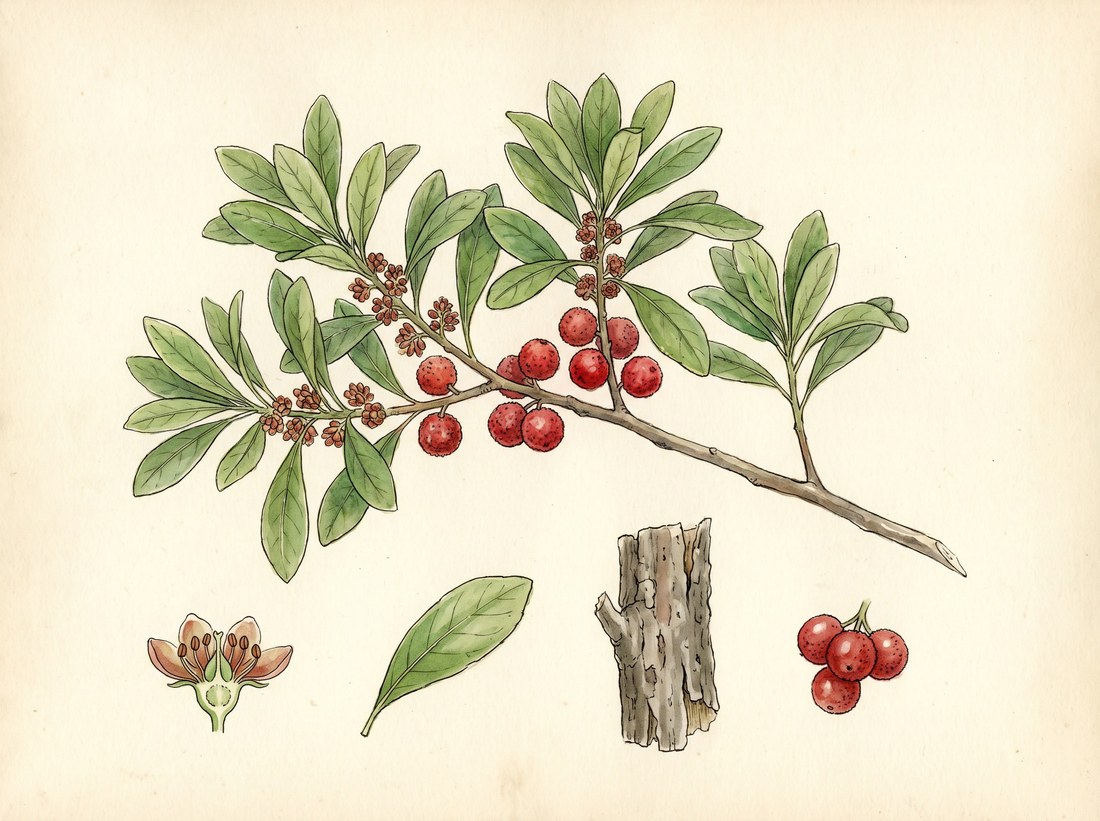 Box myrtleMyrica esculenta
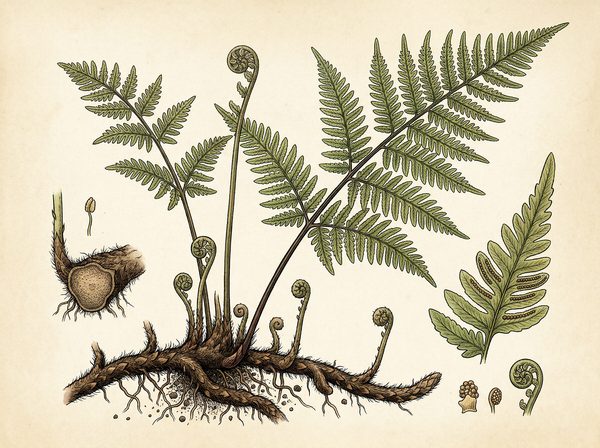 Bracken FernPteridium aquilinum
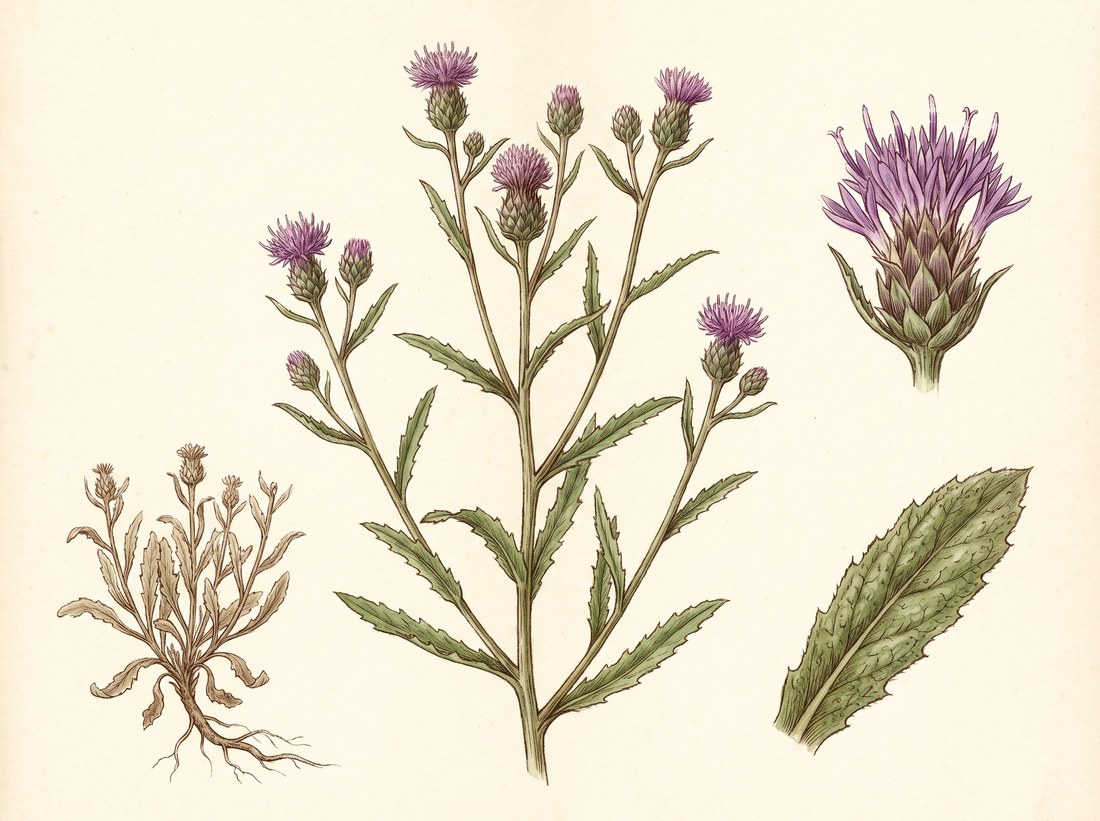 BrahmadandiTricholepis glaberrima
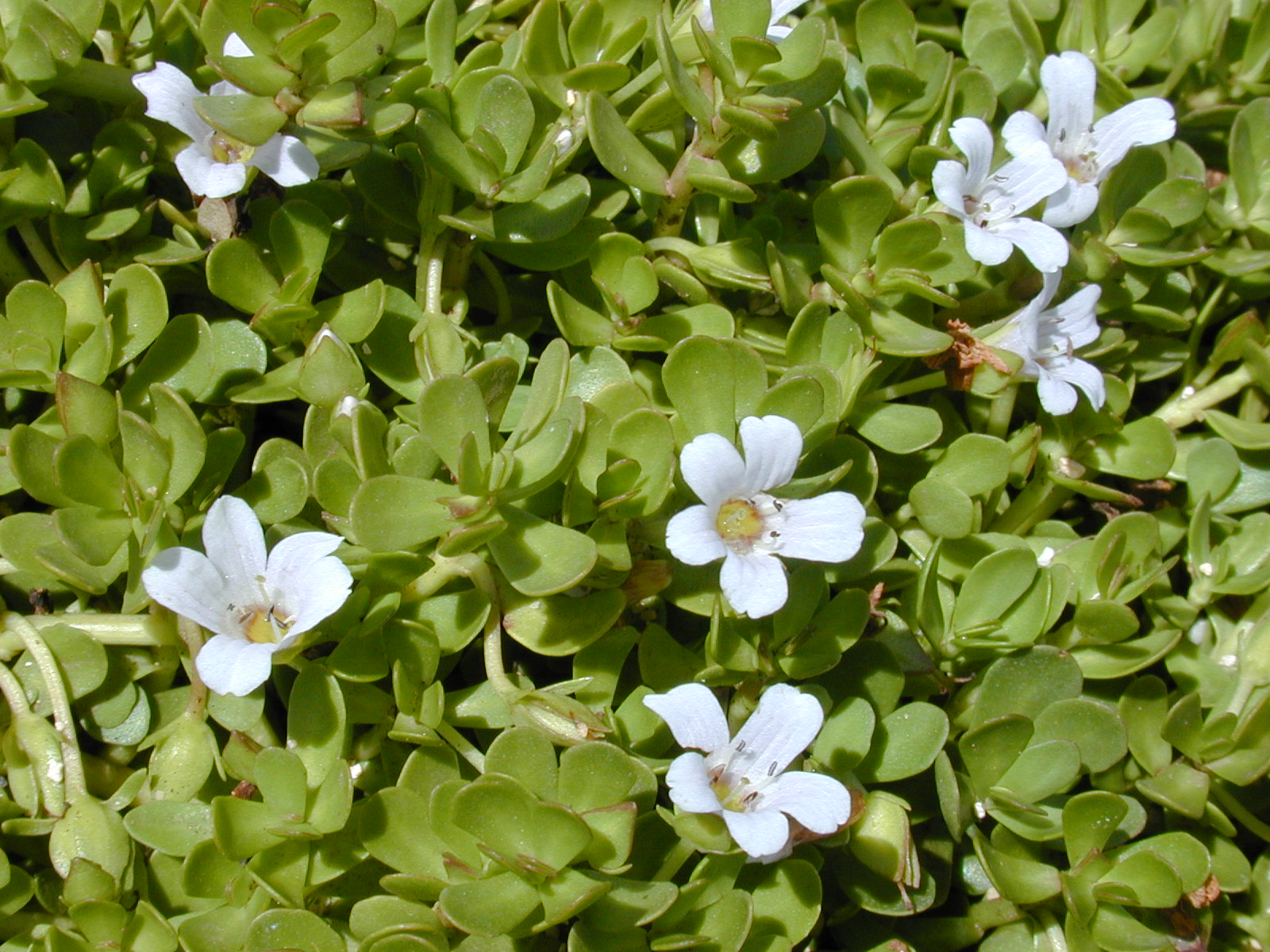 BrahmiBacopa monnieri
The whole plate is in the library. The compass, Compare, the Sky of eleven hundred plants and the formulary open with an email address and a password, free, with the formula builder and its safety engine. Herbert without limit, his formulating, clients, the handouts and the labels are the paid room.
Open the library, free