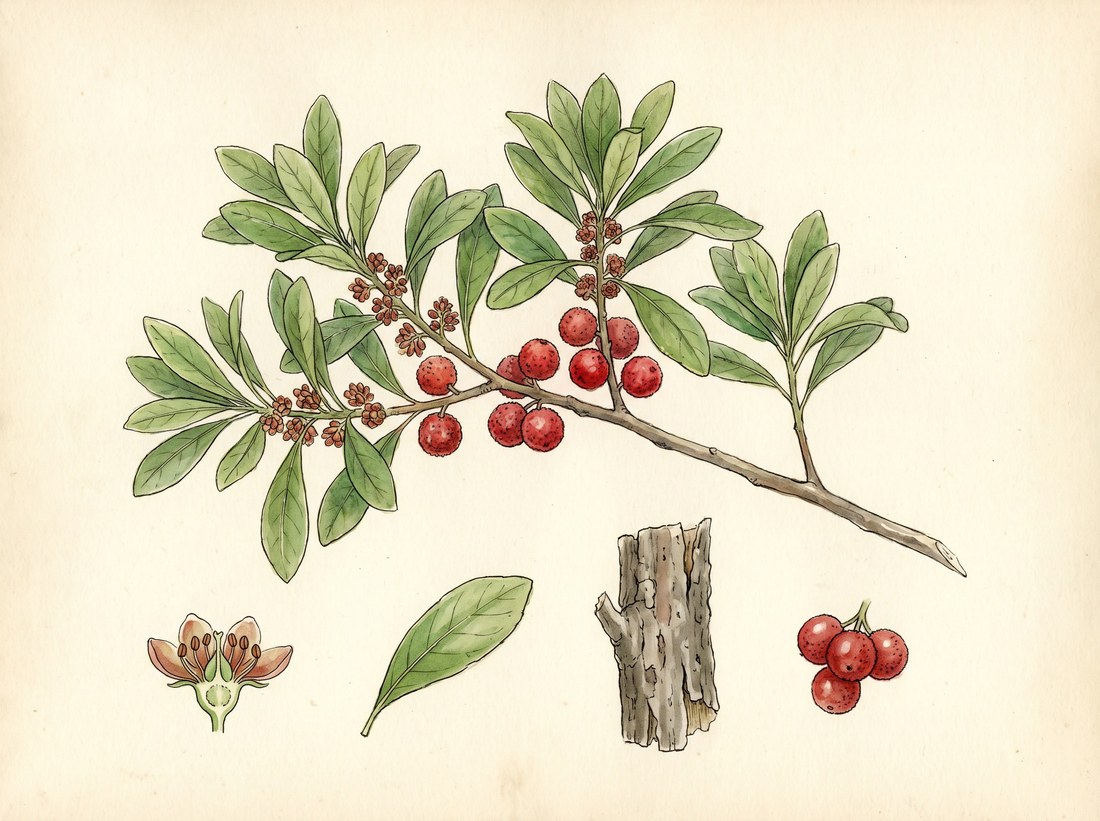
Ayurvedic Herbalism
Box myrtle
Myrica esculenta
Also known as Indian bayberry, kaphal, Himalayan bayberry, Katphala, Somavalka, Kaitarya.
Katphala is a small evergreen tree of the outer Himalaya, growing between about 900 and 2,100 meters from Kashmir and Himachal Pradesh through Uttarakhand, Nepal and Sikkim to Meghalaya and the hills of the northeast. Its rough grayish bark is the drug and its small sour red fruits, kaphal, are a much loved wild fruit of the hill people. Ayurveda classes the bark as a pungent, bitter, astringent, warming drug for kapha in the chest and head: the classical children's cough remedy, a fever herb, an astringent for diarrhea and the throat, and one of the standard errhine powders for headache.

Ask Herbert about Box myrtle. Herbert is the master herbalist inside Bountiful Herbs: he answers from this plate and eleven hundred others, with dosing, pairing and cautions. Your first ten questions are free.
Ask HerbertActions
Indications what the tradition reached for it in
- Cough with copious sputum in children and adults
- Chronic bronchitis and mild asthma (adjunct)
- Allergic and chronic rhinitis with postnasal drip
- Fever with respiratory catarrh
- Diarrhea and dysentery
- Sore throat, hoarseness and tonsillitis (gargle)
- Gingivitis, bleeding gums and toothache (tooth powder)
- Sinus headache and heaviness of the head (snuff)
- Hemorrhoids with loose stools
- Leukorrhea (bark decoction)
Specific indications
A child with a loose, rattling cough, runny nose and mild fever, given the bark powder with honey in the classical way
A dull, heavy frontal headache with blocked sinuses that clears when a pinch of the powder is snuffed
Chronic sore throat and hoarse voice in a speaker or singer with postnasal catarrh, treated by gargle
Loose stools with mucus in a cold, damp patient who also has a productive cough
Safety
The record lists 7 contraindications; open the plate in the library to read them in full.
In practice
The Ayurvedic practitioner uses Katphala where kapha collects in the respiratory tract: wet cough, wheeze, chronic nasal drip, hoarseness, and the low fevers that accompany them. Katphaladi churna, the bark with Pippali, Shunthi and Vacha or with Karkatashringi, is a classic children's formula for cough and cold, given with honey.
In Ayurveda
Rasa: katu (pungent), tikta (bitter), kashaya (astringent). Virya: ushna (heating). Vipaka: katu (pungent). Guna: laghu (light), tikshna (sharp). Dosha: pacifies kapha and vata; aggravates pitta in excess. Karma: kaphahara (clears kapha and mucus); kasahara (relieves cough); shvasahara (relieves dyspnea); jvaraghna (reduces fever); grahi (absorbent, checks diarrhea); deepana (kindles digestion); shirovirechana (clears the head, as errhine); kanthya (benefits the throat and voice); vedanasthapana (relieves pain); shothahara (reduces swelling); krimighna (anthelmintic); stambhana (astringent, checks discharge); mutrasangrahaniya (reduces urine flow). Classical indications: kasa (cough); shvasa (asthma and dyspnea); pratishyaya and pinasa (rhinitis and chronic catarrh); jvara (fever); aruchi (loss of taste); atisara and pravahika (diarrhea and dysentery); mukharoga and dantaroga (mouth and dental disease); kantharoga (throat disorders); shiroroga (headache and heaviness of the head); arsha (hemorrhoids); prameha (urinary disorders); shotha (swelling); yonisrava (vaginal discharge). The dried stem bark is the drug, given as churna with honey for cough and fever, as kwatha for diarrhea and as a gargle for the mouth and throat, and blown into the nose as a fine powder (pradhamana nasya) for headache and heaviness of the head. The bark is also chewed with betel and used in tooth powders. The sour red fruit is eaten fresh and made into a cooling drink in the hills. Classical formulations: Katphaladi churna, Katphaladi kwatha, Pushyanuga churna, Katphala churna (pradhamana nasya), Brihat Katphaladi kwatha, Katphala twak gargle. Described in: Charaka Samhita, Sushruta Samhita, Ashtanga Hridaya, Bhavaprakasha Nighantu, Dhanvantari Nighantu, Raja Nighantu, Kaiyadeva Nighantu, Ayurvedic Pharmacopoeia of India.
Dosing as the sources wrote it
| Preparation | As written | Metric |
|---|---|---|
| Churna | 1-3 g powdered bark twice daily with honey | 1000-3000 mg |
| Kwatha | 50-100 mL decoction of bark twice daily | 50-100 mL |
| Gargle | 50-100 mL warm decoction as a gargle two to three times daily | 50-100 mL |
| Pradhamana nasya | 0.1-0.25 g fine bark powder blown into the nostrils once daily | 100-250 mg |
| Katphaladi churna | 1-3 g compound powder twice daily with honey | 1000-3000 mg |
Doses are reproduced from the sources for practitioners and are not a recommendation for any person.
From the sources
Overview. Katphala is a small evergreen tree of the outer Himalaya, growing between about 900 and 2,100 meters from Kashmir and Himachal Pradesh through Uttarakhand, Nepal and Sikkim to Meghalaya and the hills of the northeast. Its rough grayish bark is the drug and its small sour red fruits, kaphal, are a much loved wild fruit of the hill people. Ayurveda classes the bark as a pungent, bitter, astringent, warming drug for kapha in the chest and head: the classical children's cough remedy, a fever herb, an astringent for diarrhea and the throat, and one of the standard errhine powders for headache.
Clinical Notes. The Ayurvedic practitioner uses Katphala where kapha collects in the respiratory tract: wet cough, wheeze, chronic nasal drip, hoarseness, and the low fevers that accompany them. Katphaladi churna, the bark with Pippali, Shunthi and Vacha or with Karkatashringi, is a classic children's formula for cough and cold, given with honey.
Ayurvedic Profile. Rasa: katu (pungent), tikta (bitter), kashaya (astringent). Virya: ushna (heating). Vipaka: katu (pungent). Guna: laghu (light), tikshna (sharp). Dosha: pacifies kapha and vata; aggravates pitta in excess.
Conservation. Wild populations across the Himalaya are declining from destructive bark harvesting and habitat loss; the species is regarded as vulnerable in several Indian states and sustainably sourced bark should be insisted on.
In formulas
Box myrtle stands in 4 documented formulas in the library, among them Bṛhat Phala Ghṛta, Arimedādi Taila, Balā Taila, Kāṅkāyana Guṭikā.
Often paired with
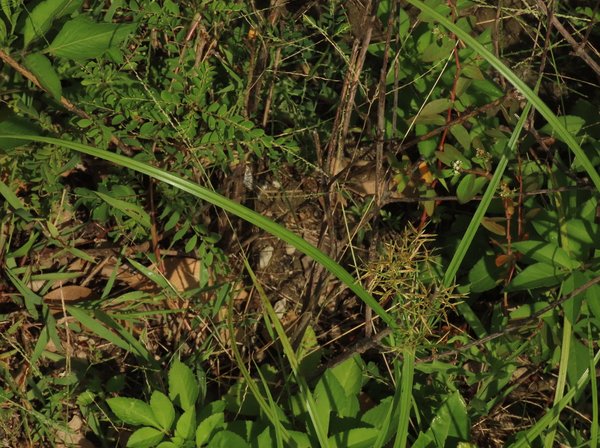 nut grassCyperus rotundus
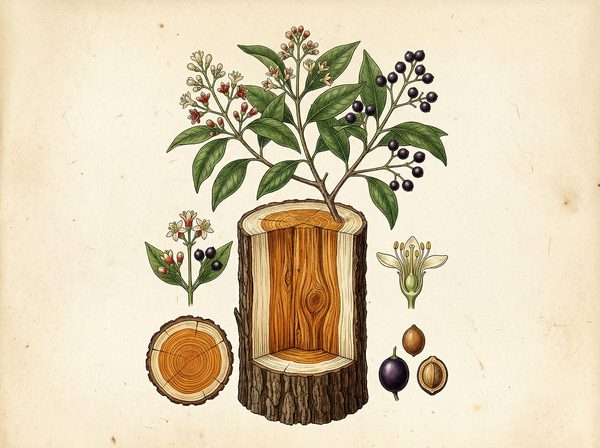 sandalwoodSantalum album
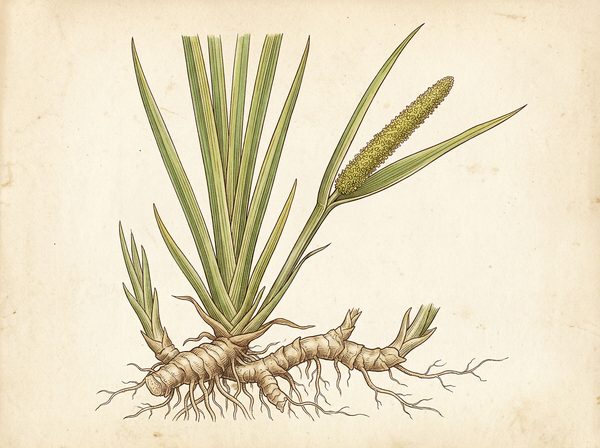 sweet flagAcorus calamus
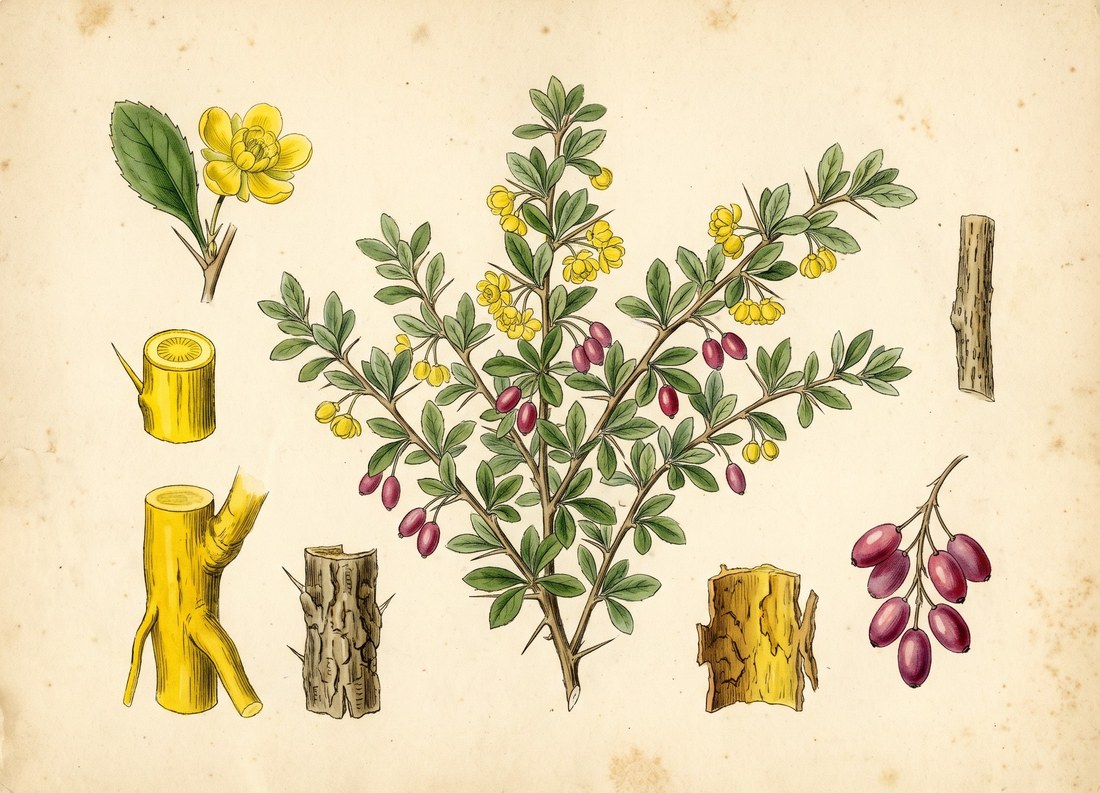 Indian barberryBerberis aristata
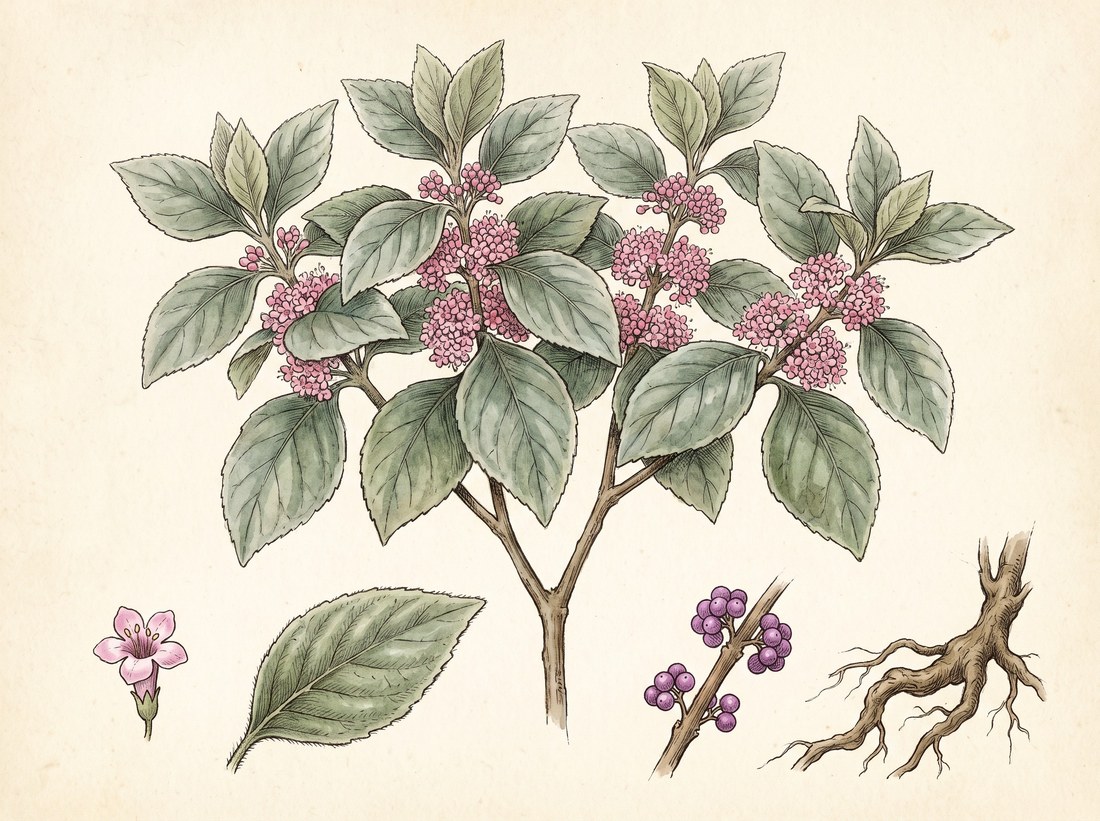 beautyberryCallicarpa macrophylla
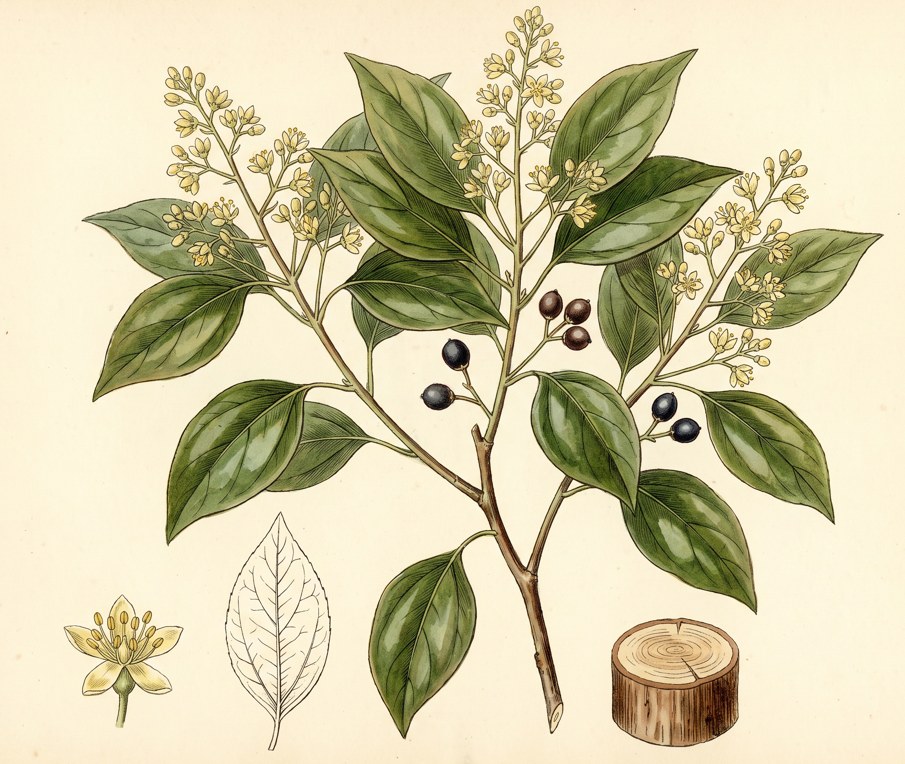 camphor treeCinnamomum camphora
Nearby on the shelf
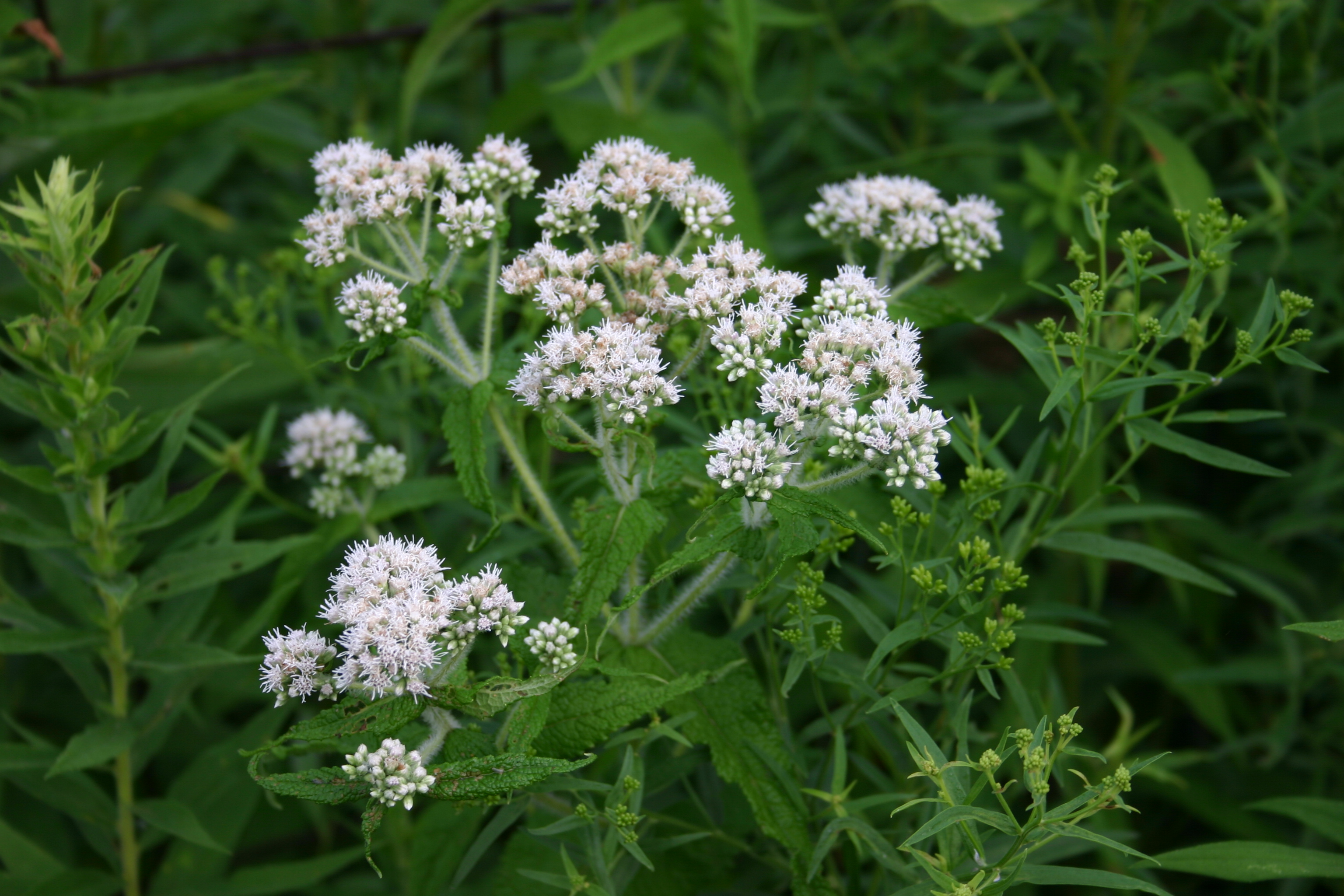 BonesetEupatorium perfoliatum
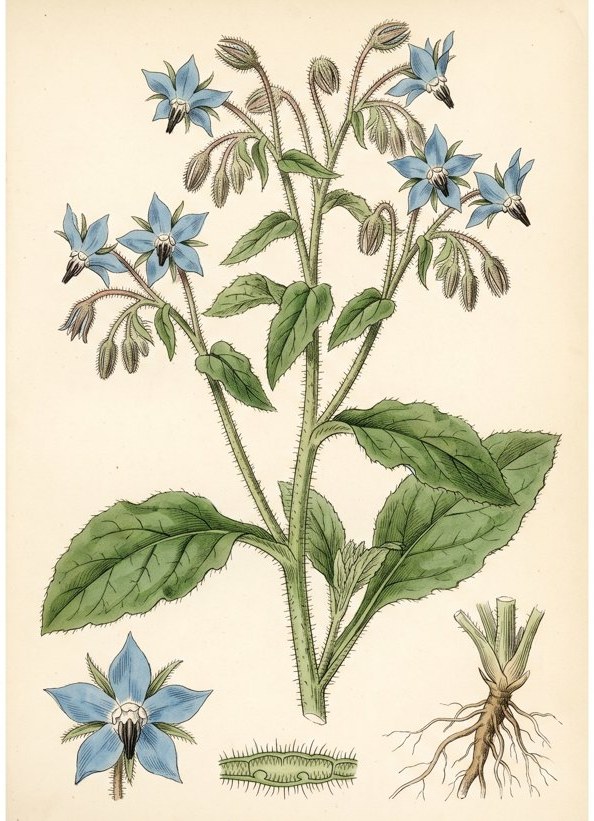 BorageBorago officinalis
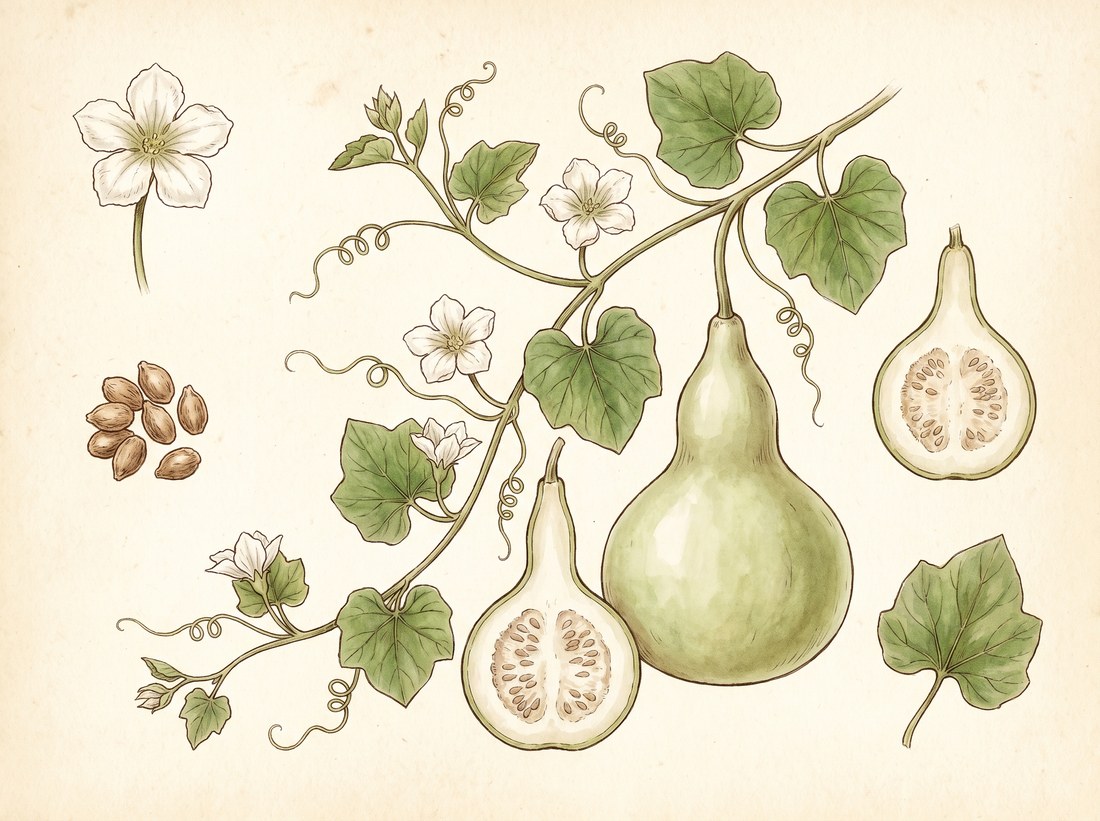 Bottle gourdLagenaria siceraria
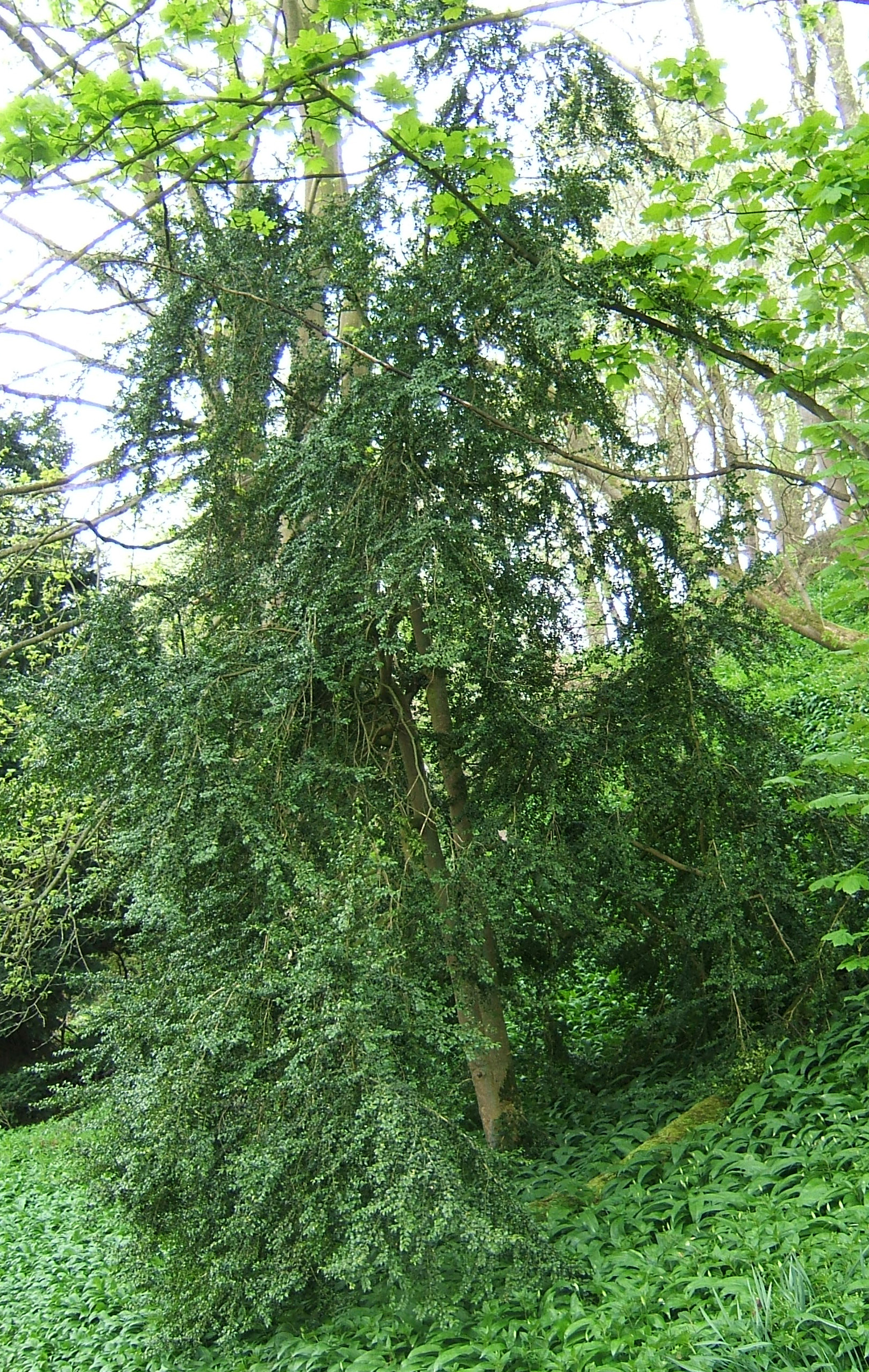 BoxBuxus
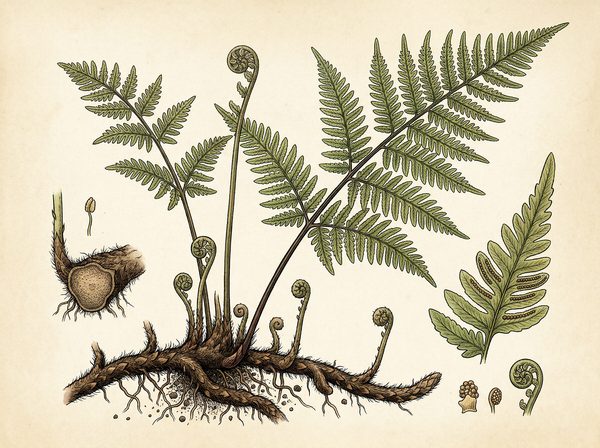 Bracken FernPteridium aquilinum
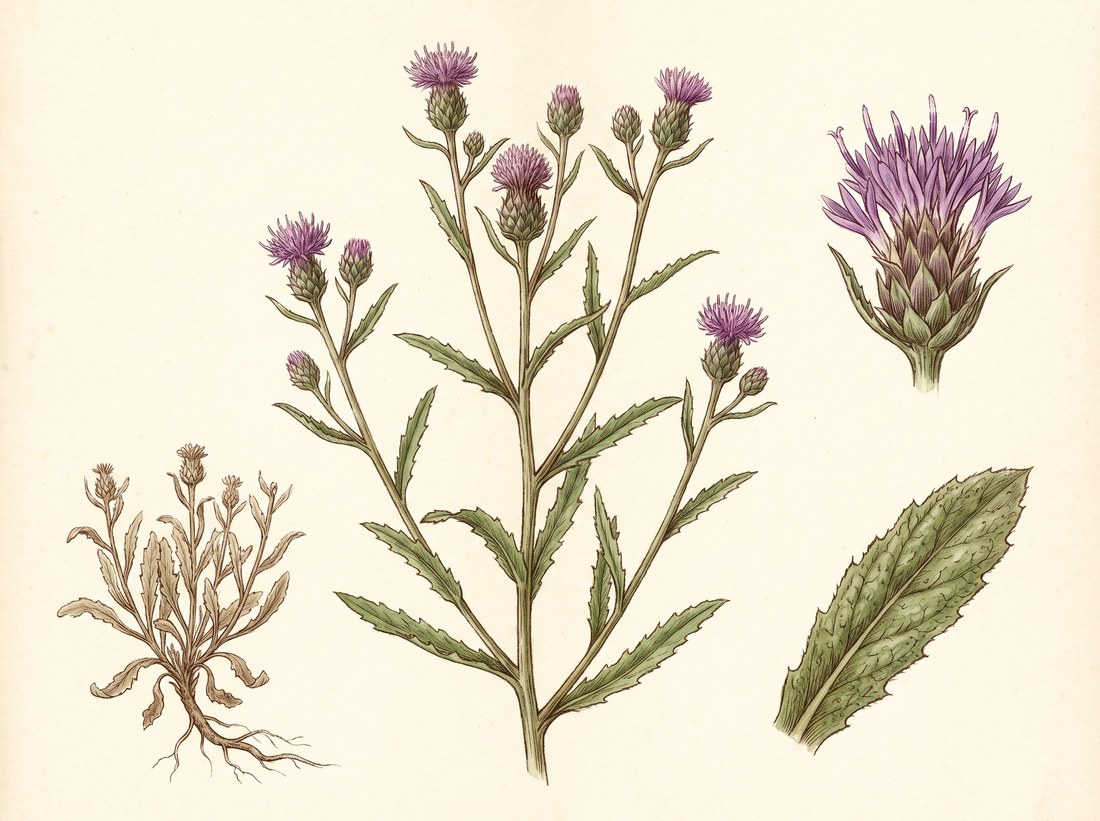 BrahmadandiTricholepis glaberrima
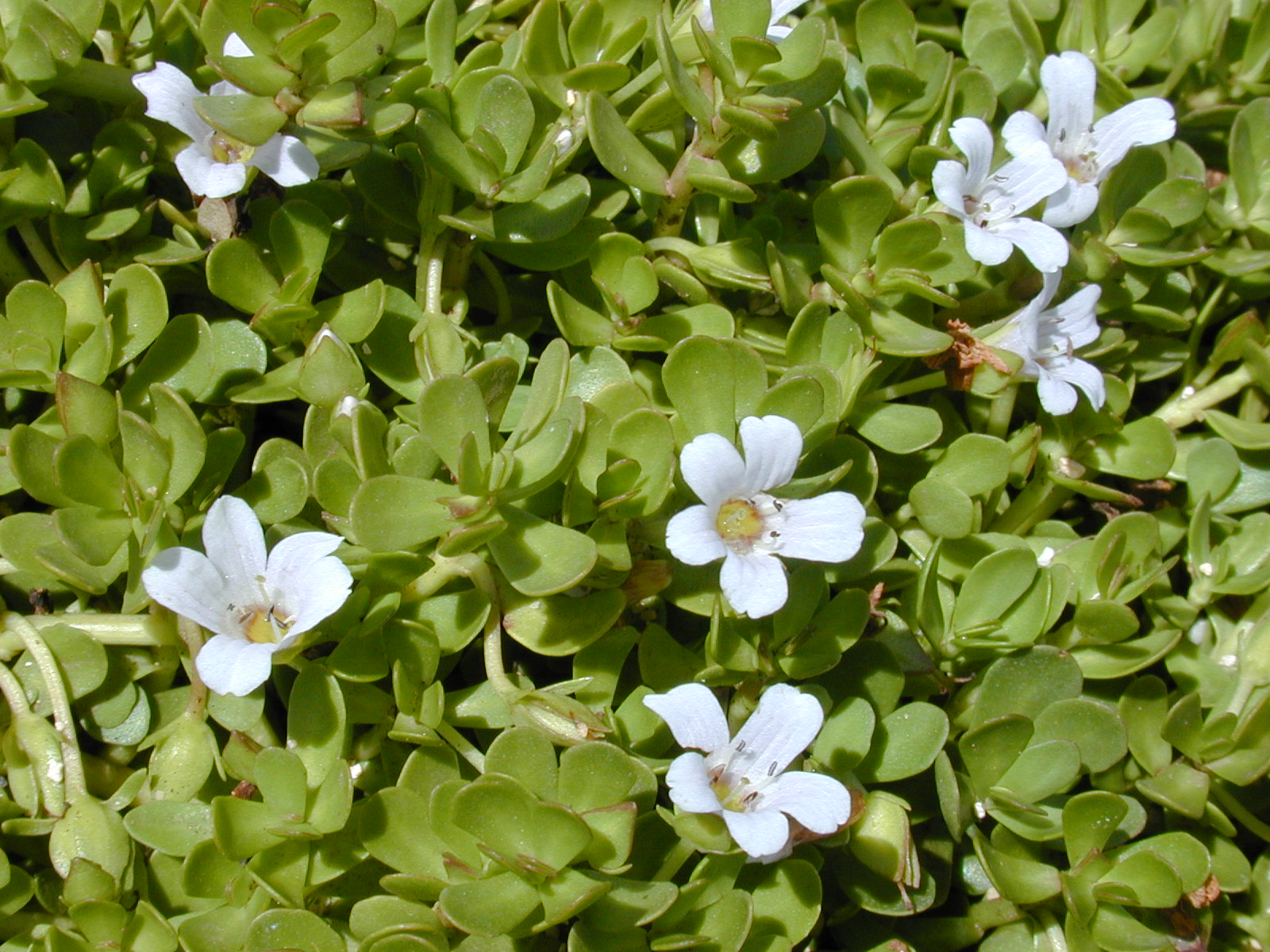 BrahmiBacopa monnieri
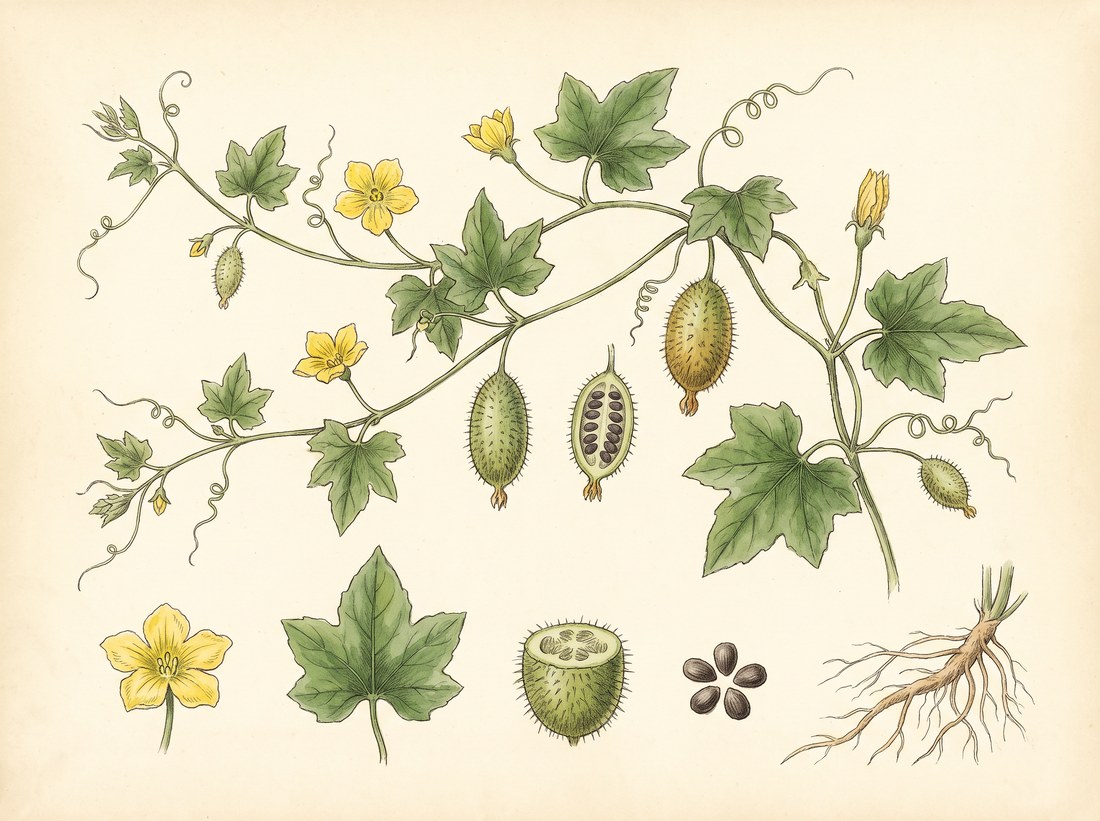 Bristly luffaLuffa echinata
The whole plate is in the library. The compass, Compare, the Sky of eleven hundred plants and the formulary open with an email address and a password, free, with the formula builder and its safety engine. Herbert without limit, his formulating, clients, the handouts and the labels are the paid room.
Open the library, free