Western, Chinese and Ayurvedic herbalism
Bitter melon
Momordica charantia
Also known as bitter gourd, karela, balsam pear, Karavellaka, Karavella, Karavalli.
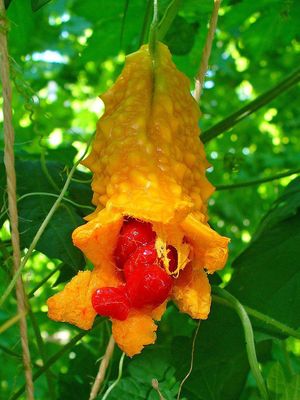
Momordica charantia is a fast-growing annual vine of the cucumber family with deeply lobed leaves and warty, oblong green fruits that split open when ripe to show scarlet seed arils, cultivated as a vegetable in every part of India and across the tropics. Ayurveda calls the fruit Karavellaka and uses it as a bitter, light, cleansing food-medicine for prameha, worms, skin disease and jaundice; in modern practice it is the best known Ayurvedic vegetable for blood sugar.

Ask Herbert about Bitter melon. Herbert is the master herbalist inside Bountiful Herbs: he answers from this plate and eleven hundred others, with dosing, pairing and cautions. Your first ten questions are free.
Ask HerbertActions
Indications what the tradition reached for it in
- Type 2 diabetes and prediabetes (adjunct)
- Metabolic syndrome with central obesity
- Fatty liver with poor appetite
- Chronic skin disease with itching and heat
- Intestinal worms in children (leaf juice)
- Chronic constipation with sluggish digestion
- Recurrent boils and acne
- Dyslipidemia (adjunct)
- Chronic low-grade fever with poor appetite
- Anemia with weak digestion (traditional)
- Wounds and ulcers (topical leaf paste)
- Diabetes (type II)
- Hyperglycemia
- Atonic digestive tract
- Psoriasis
- Debility
- Fatigue
- Loss of appetite
- Dyspepsia
- Weakness
- Skin conditions
- Diabetes
- Cancer
Specific indications
A heavy, sluggish kapha patient with rising blood sugar, a sweet tooth and a coated tongue who has not yet reached the point of needing medication
The diabetic with a fatty liver, poor appetite and itchy skin who wants a food-based measure that also works as medicine
A child with worms, a swollen belly and low-grade fever for whom the bitter leaf juice with honey is the household remedy
Not the thin, dry, anxious vata diabetic, who loses weight and strength on bitter melon and does better with Amalaki and Shatavari
Safety
Low dose botanical. Used in drop doses in the classical practice; not a plant to dose freely.
Pregnancy: Avoid in pregnancy: the AHPA Botanical Safety Handbook places the plant in class 2b, and seed and high dose fruit extracts have caused uterine bleeding and abortion in animal studies, though the cooked vegetable in ordinary food amounts is eaten by pregnant women across Asia.
Breastfeeding: Lactation category=no data
The record lists 9 contraindications; open the plate in the library to read them in full.
In practice
Karavellaka is a food first and a medicine second, and that is its strength. Reach for it in the kapha picture of prameha: the overweight, sluggish patient with rising sugars, a heavy body and a sweet craving, who can eat the cooked vegetable daily or take the fresh juice of one or two small fruits on an empty stomach in the morning.
In Ayurveda
Rasa: tikta (bitter), katu (pungent). Virya: ushna (heating) according to the pharmacopoeia; some nighantus describe the fruit as hima (cooling). Vipaka: katu (pungent). Guna: laghu (light), ruksha (dry). Dosha: pacifies kapha and pitta; may aggravate vata in excess or in thin, dry patients. Karma: deepana (kindles digestion); pachana (digests ama); bhedana (loosens the bowel); krimighna (anthelmintic); pramehaghna (reduces urinary disorders and diabetes); kushthaghna (clears skin disease); jvarahara (reduces fever); raktashodhana (purifies blood); pittasaraka (drains bile); kaphahara (reduces kapha); medohara (reduces fat). Classical indications: prameha (urinary disorders including diabetes); krimi (worms); kushtha (chronic skin disease); pandu (anemia); jvara (fever); arochaka (loss of appetite); kamala (jaundice); vrana (wounds and ulcers); rakta vikara (blood disorders); shvasa and kasa (dyspnea and cough); medoroga (obesity). The unripe fruit is the chief drug, eaten as a vegetable, pressed for fresh juice (swarasa), or dried and powdered as churna; the leaf juice is used for worms and fever and the leaf paste externally for skin disease. Seeds are used sparingly and with care. Classical formulations: Karavellaka swarasa, Karavellaka churna, Madhumehantaka churna (compound), Karavellaka patra swarasa, Karavellaka lepa. Described in: Charaka Samhita, Sushruta Samhita, Bhavaprakasha Nighantu, Dhanvantari Nighantu, Raja Nighantu, Kaiyadeva Nighantu, Ayurvedic Pharmacopoeia of India.
Dosing as the sources wrote it
| Preparation | As written | Metric |
|---|---|---|
| Swarasa | 10-20 mL fresh fruit juice once daily on an empty stomach | 10-20 mL |
| Churna | 2-3 g dried fruit powder twice daily before meals | 2000-3000 mg |
| Patra swarasa (leaf juice) | 5-10 mL fresh leaf juice with honey once daily for worms | 5-10 mL |
| Standardized extract | 500-1000 mg fruit extract twice daily with meals | 500-1000 mg |
| Kalka, topical | 5-10 g leaf paste applied to skin lesions once daily | 5000-10000 mg |
| Juice | fresh pressed 1-3 oz BID-TID |
Doses are reproduced from the sources for practitioners and are not a recommendation for any person.
From the sources
Overview. Momordica charantia is a fast-growing annual vine of the cucumber family with deeply lobed leaves and warty, oblong green fruits that split open when ripe to show scarlet seed arils, cultivated as a vegetable in every part of India and across the tropics. Ayurveda calls the fruit Karavellaka and uses it as a bitter, light, cleansing food-medicine for prameha, worms, skin disease and jaundice; in modern practice it is the best known Ayurvedic vegetable for blood sugar.
Clinical Notes. Increases digestive enzyme secretion Increases cellular uptake and peripheral glucose utilization Decreases hepatic gluconeogenesis and increases hepatic glycogen synthesis Inhibits guanylate cyclase, which catalyzes cGMP synthesis, which signals cell proliferation (inhibiting the enzyme decreases cell proliferation) Increases cellular uptake and peripheral glucose use Decreases hepatic gluconeogenesis Increases hepatic glycogen synthesis
Clinical Notes. Karavellaka is a food first and a medicine second, and that is its strength. Reach for it in the kapha picture of prameha: the overweight, sluggish patient with rising sugars, a heavy body and a sweet craving, who can eat the cooked vegetable daily or take the fresh juice of one or two small fruits on an empty stomach in the morning.
indications. Bitter melon is traditionally indicated for: Diabetes (type II), Hyperglycemia, Atonic digestive tract, Psoriasis, Debility, Fatigue, Loss of appetite, Dyspepsia, Weakness, Skin conditions.
In formulas
Bitter melon stands in 4 documented formulas in the library, among them Mahā Viṣagarbha Taila, Bṛhat Viṣamajvarāntaka Lauha, Bṛhat Sarvajvarahara Lauha, Blood Sugar Support Formula.
Often paired with
 black nightshadeSolanum nigrum
 nirgundiVitex negundo
 punarnavaBoerhavia diffusa
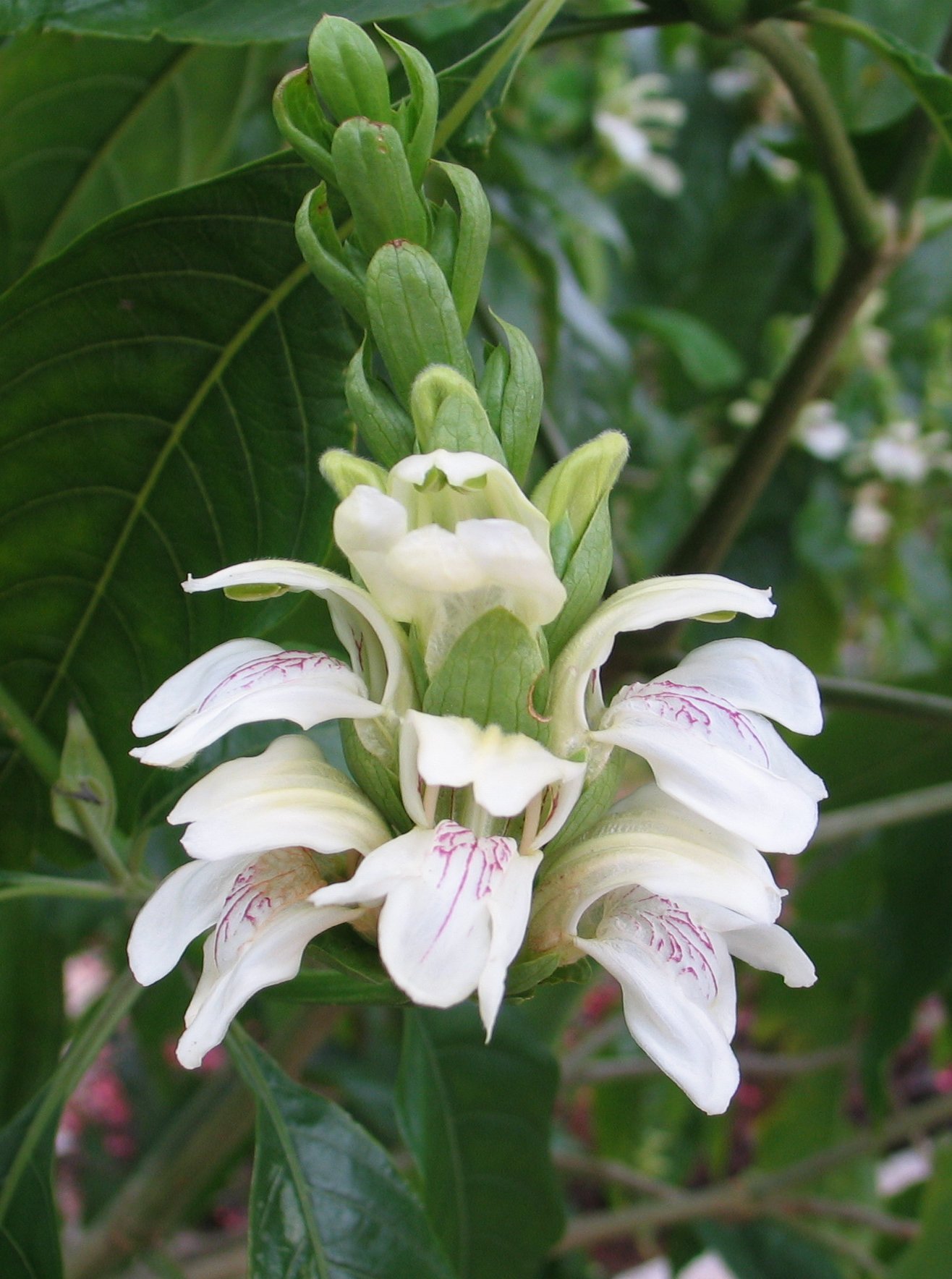 vasakaAdhatoda vasica
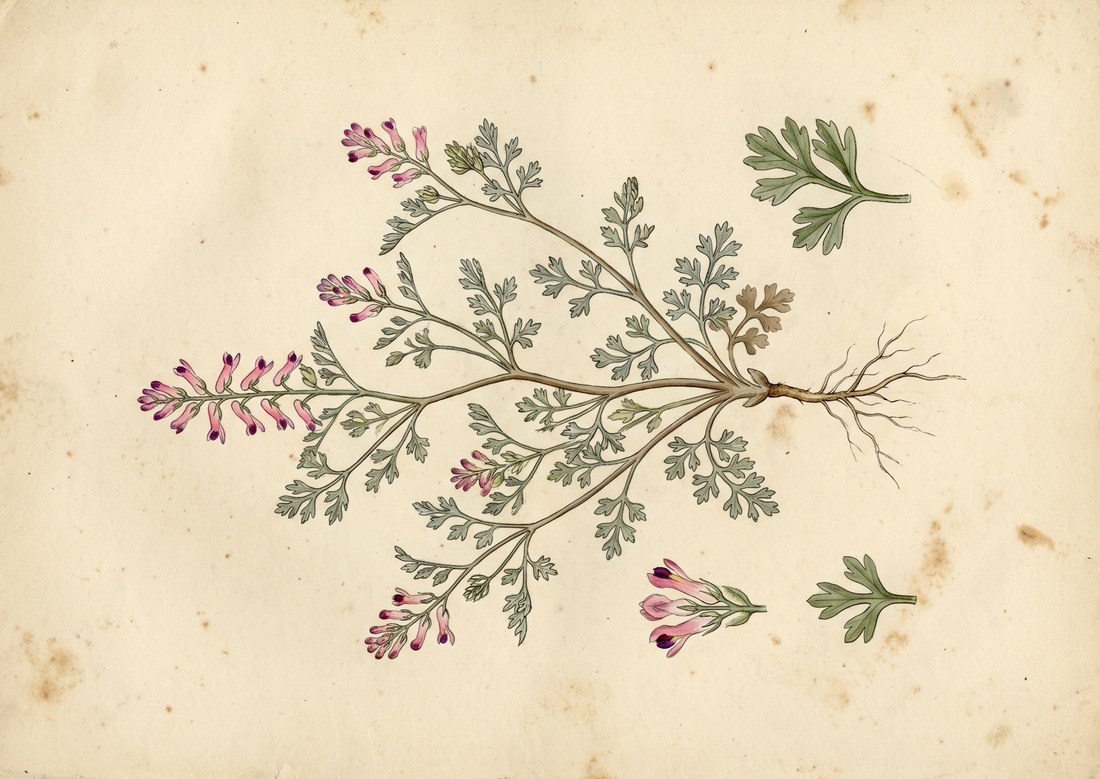 Indian fumitoryFumaria indica
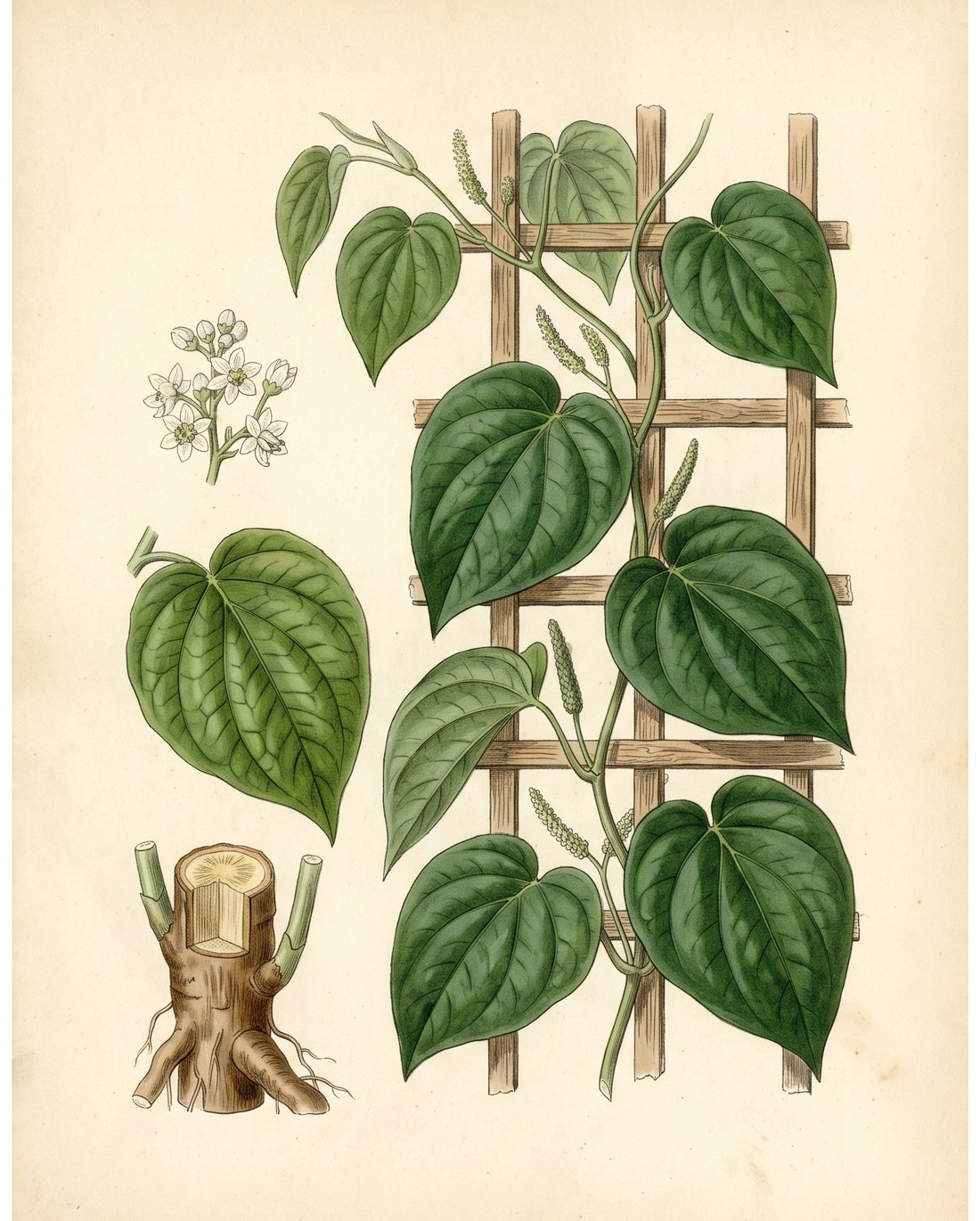 betel leafPiper betle
Nearby on the shelf
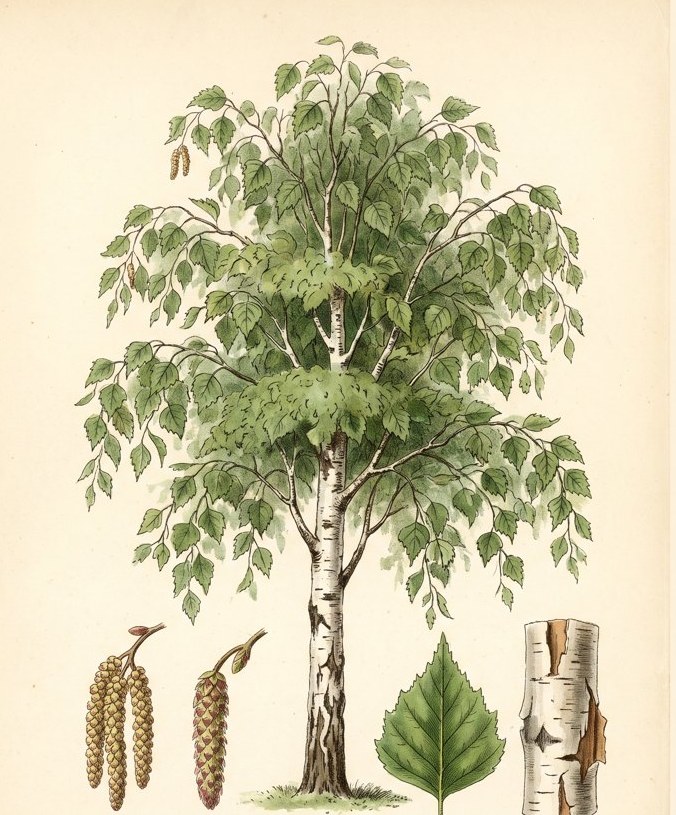 BirchBetula pendula
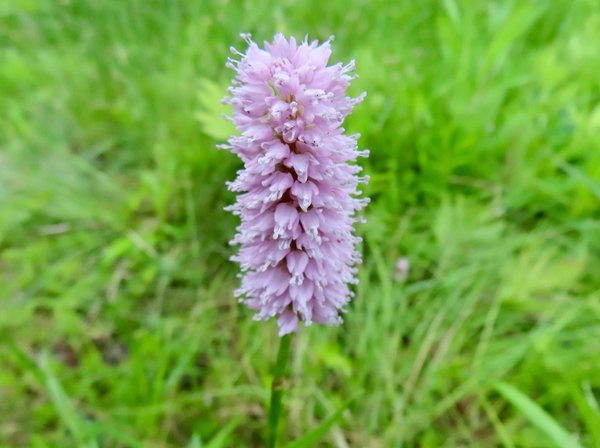 BistortPersicaria bistorta
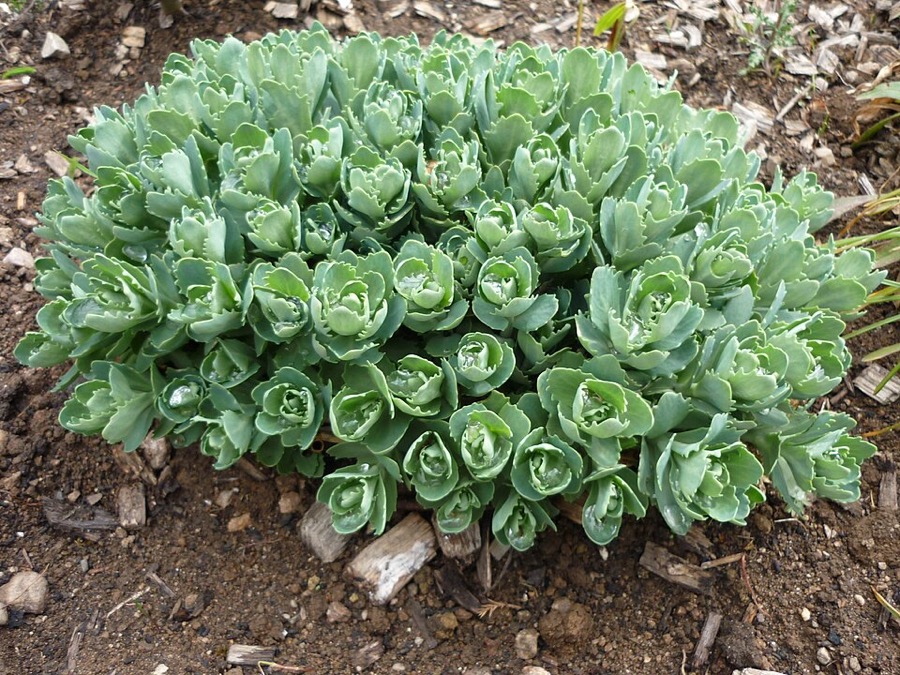 Biting stonecropSedum
 Bitter candytuftIberis amara
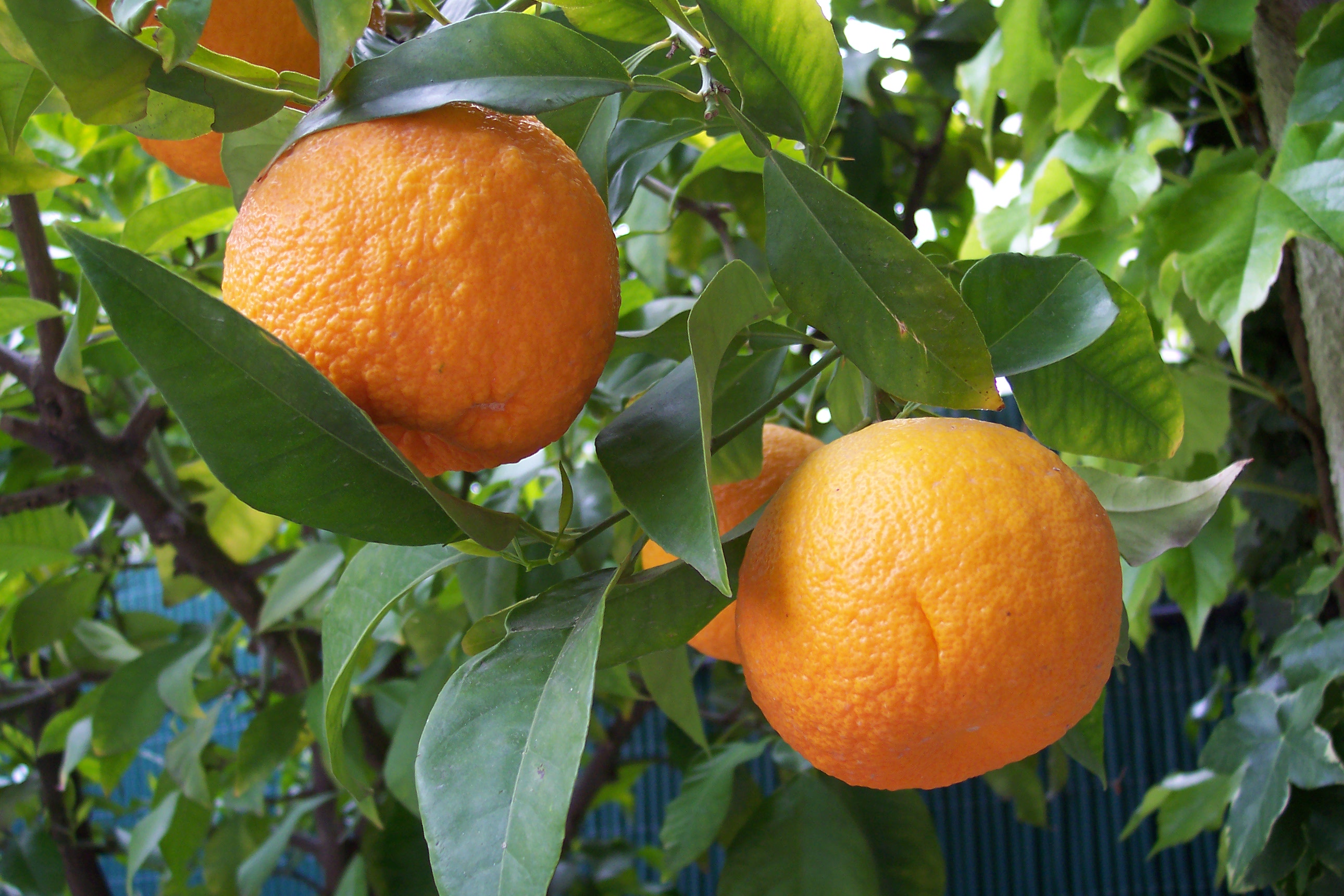 Bitter OrangeCitrus aurantium
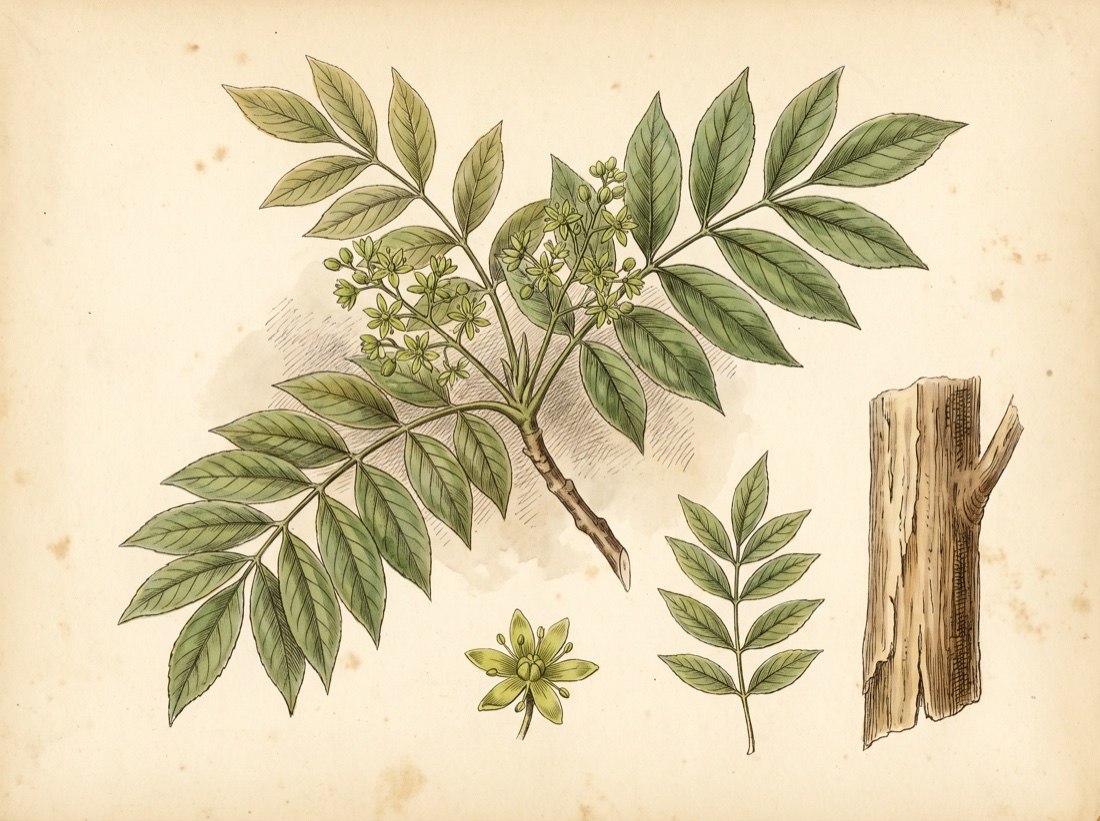 BitterwoodPicrasma excelsa
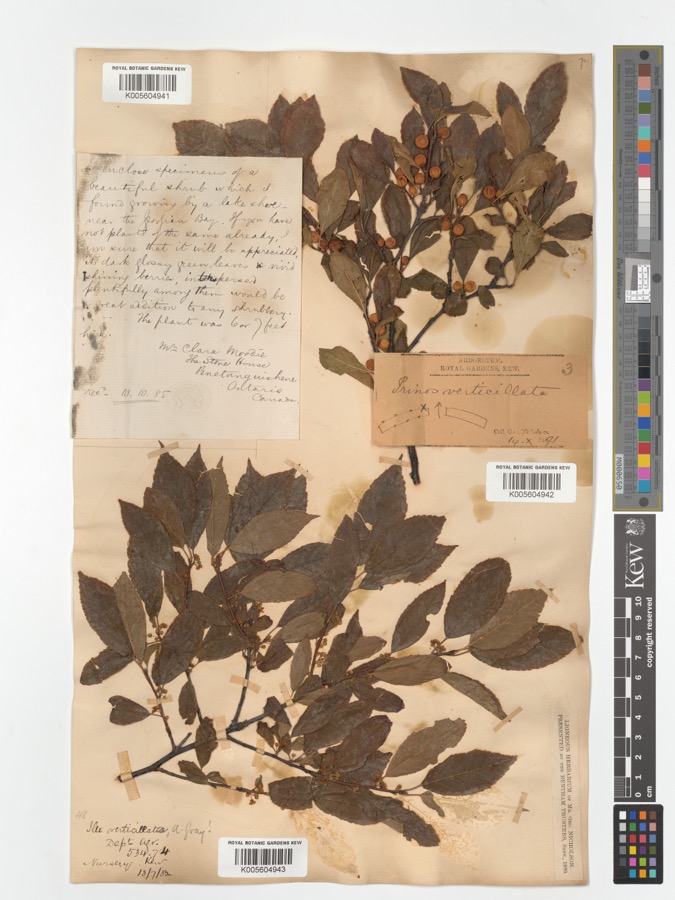 Black alderPrinos verticillatos
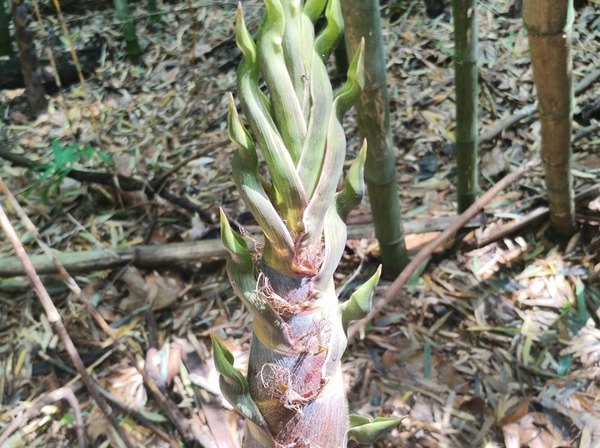 Black BambooPhyllostachys nigra
The whole plate is in the library. The compass, Compare, the Sky of eleven hundred plants and the formulary open with an email address and a password, free, with the formula builder and its safety engine. Herbert without limit, his formulating, clients, the handouts and the labels are the paid room.
Open the library, free