Western Herbalism
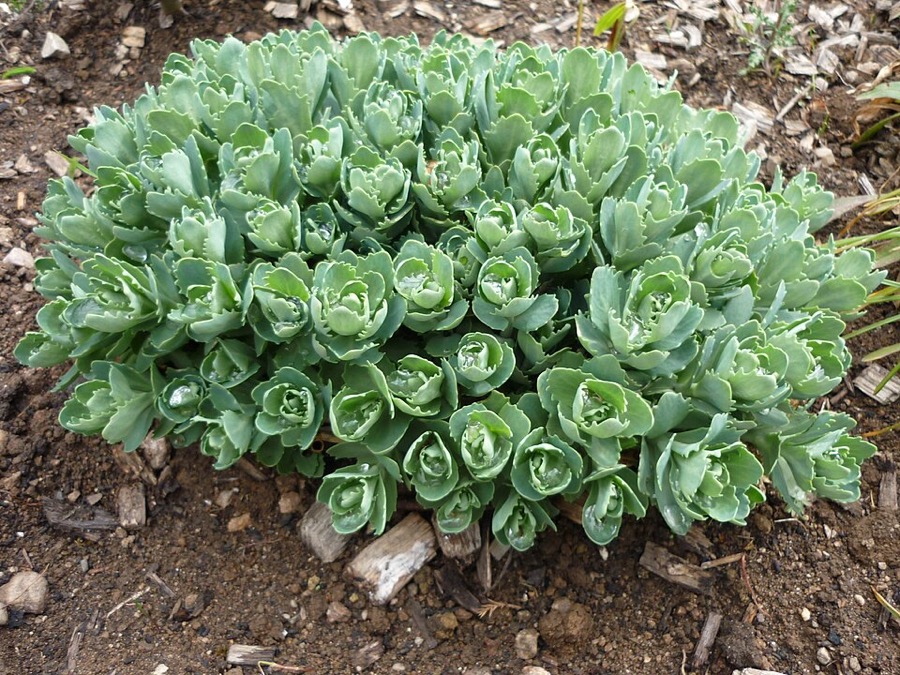
Biting stonecrop
Sedum
Also known as Wallpepper, Mossy stonecrop, Gold moss stonecrop, Small houseleek.
Sedum acre is a low, mat-forming succulent of the stonecrop family, native to Europe and widely naturalized in North America on dry banks, walls, and rocky ground. Its small, fleshy, acrid-tasting leaves gave it the old name biting stonecrop and wallpepper. The fresh aerial parts were the part used by nineteenth century eclectic and folk practitioners, chiefly as a topical application, with occasional cautious internal use noted in older herbals.

Ask Herbert about Biting stonecrop. Herbert is the master herbalist inside Bountiful Herbs: he answers from this plate and eleven hundred others, with dosing, pairing and cautions. Your first ten questions are free.
Ask HerbertActions
Indications what the tradition reached for it in
- Warts
- Corns and calluses
- Hemorrhoids (external)
- Chilblains
- Scurvy (historic folk use)
- Intermittent fevers (historic folk use)
- Epilepsy (historic folk use, unsubstantiated)
- Minor skin ulcers
- Toothache (folk, chewed leaf)
Specific indications
Small, hard, discrete warts on the hands or fingers calling for the bruised fresh leaf or expressed juice applied repeatedly
Corns and calluses on the feet treated with the fresh crushed plant bound on overnight
Safety
Low dose botanical. Used in drop doses in the classical practice; not a plant to dose freely.
Pregnancy: Avoid internal use in pregnancy; the plant's irritant and historically reputed emmenagogue-adjacent folk uses have no modern safety data to support use.
Breastfeeding: Avoid internal use during lactation given lack of safety data and known gastrointestinal irritant potential.
The record lists 5 contraindications; open the plate in the library to read them in full.
In practice
This is primarily a topical folk remedy rather than a modern internal medicine. The fresh, bruised leaf or its expressed juice was applied directly and repeatedly to warts and corns, the acrid sap acting as a mild caustic that irritates and eventually helps slough the lesion; results in the old literature were considered variable and required patience over days to weeks.
Dosing as the sources wrote it
| Preparation | As written | Metric |
|---|---|---|
| Fresh leaf, topical | bruised fresh leaf or expressed juice applied directly to the lesion once or twice daily | |
| Fresh juice, topical | apply to warts or corns twice daily, avoiding surrounding healthy skin | |
| Internally, the expressed juice has been used in doses of from 1 to 2 fluid drachms, taken in beer or wine. | 3.7-7.39 mL |
Doses are reproduced from the sources for practitioners and are not a recommendation for any person.
From the sources
Overview. Sedum acre is a low, mat-forming succulent of the stonecrop family, native to Europe and widely naturalized in North America on dry banks, walls, and rocky ground. Its small, fleshy, acrid-tasting leaves gave it the old name biting stonecrop and wallpepper. The fresh aerial parts were the part used by nineteenth century eclectic and folk practitioners, chiefly as a topical application, with occasional cautious internal use noted in older herbals.
Clinical Notes. This is primarily a topical folk remedy rather than a modern internal medicine. The fresh, bruised leaf or its expressed juice was applied directly and repeatedly to warts and corns, the acrid sap acting as a mild caustic that irritates and eventually helps slough the lesion; results in the old literature were considered variable and required patience over days to weeks.
Drawn from King's American Dispensatory, 18th edition (Felter and Lloyd), and the Bountiful Herbs editorial.
Nearby on the shelf
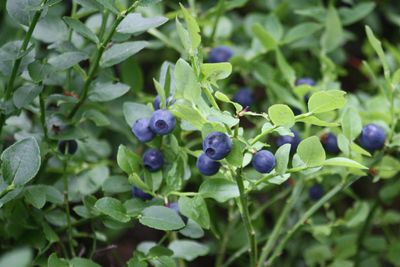 BilberryVaccinium myrtillus
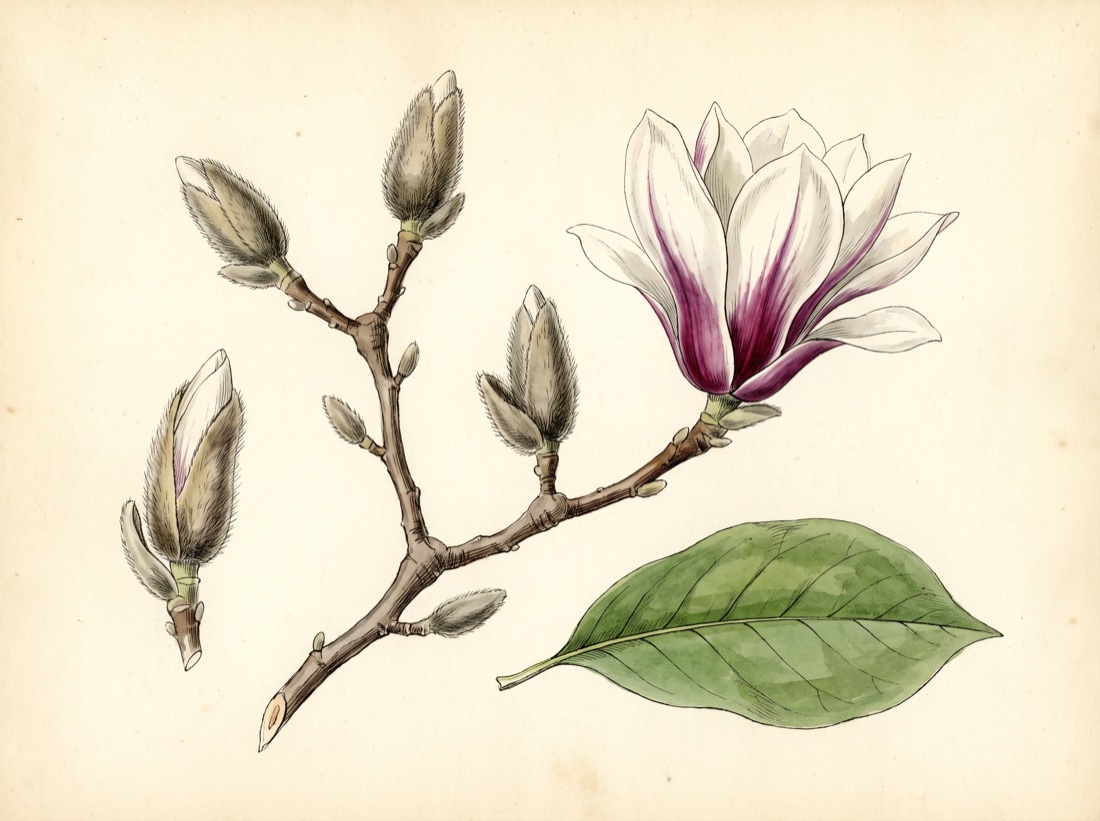 Biond's magnoliaMagnolia biondii
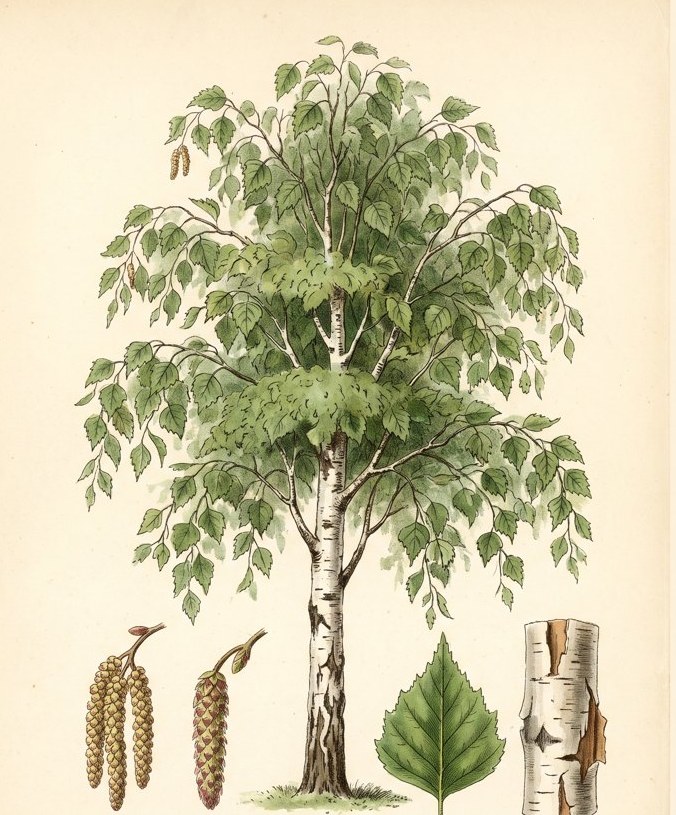 BirchBetula pendula
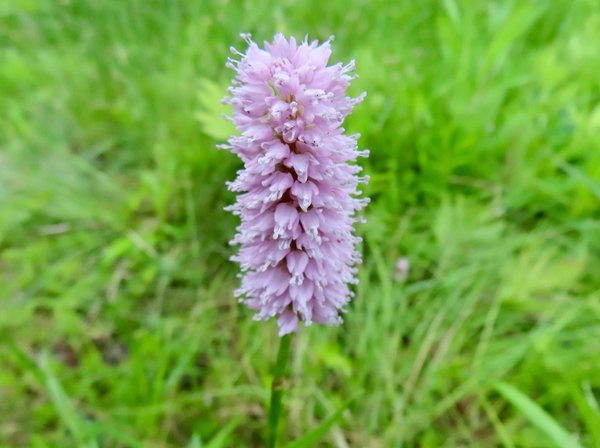 BistortPersicaria bistorta
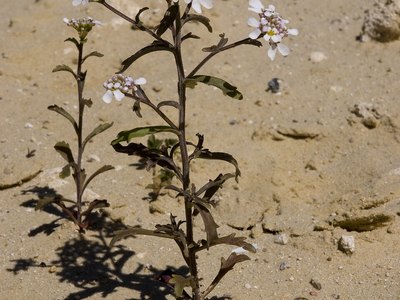 Bitter candytuftIberis amara
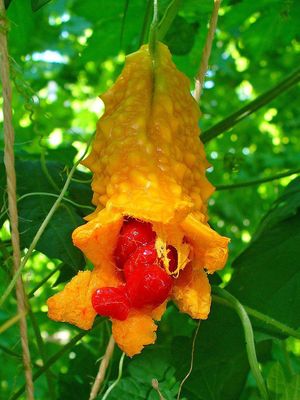 Bitter melonMomordica charantia
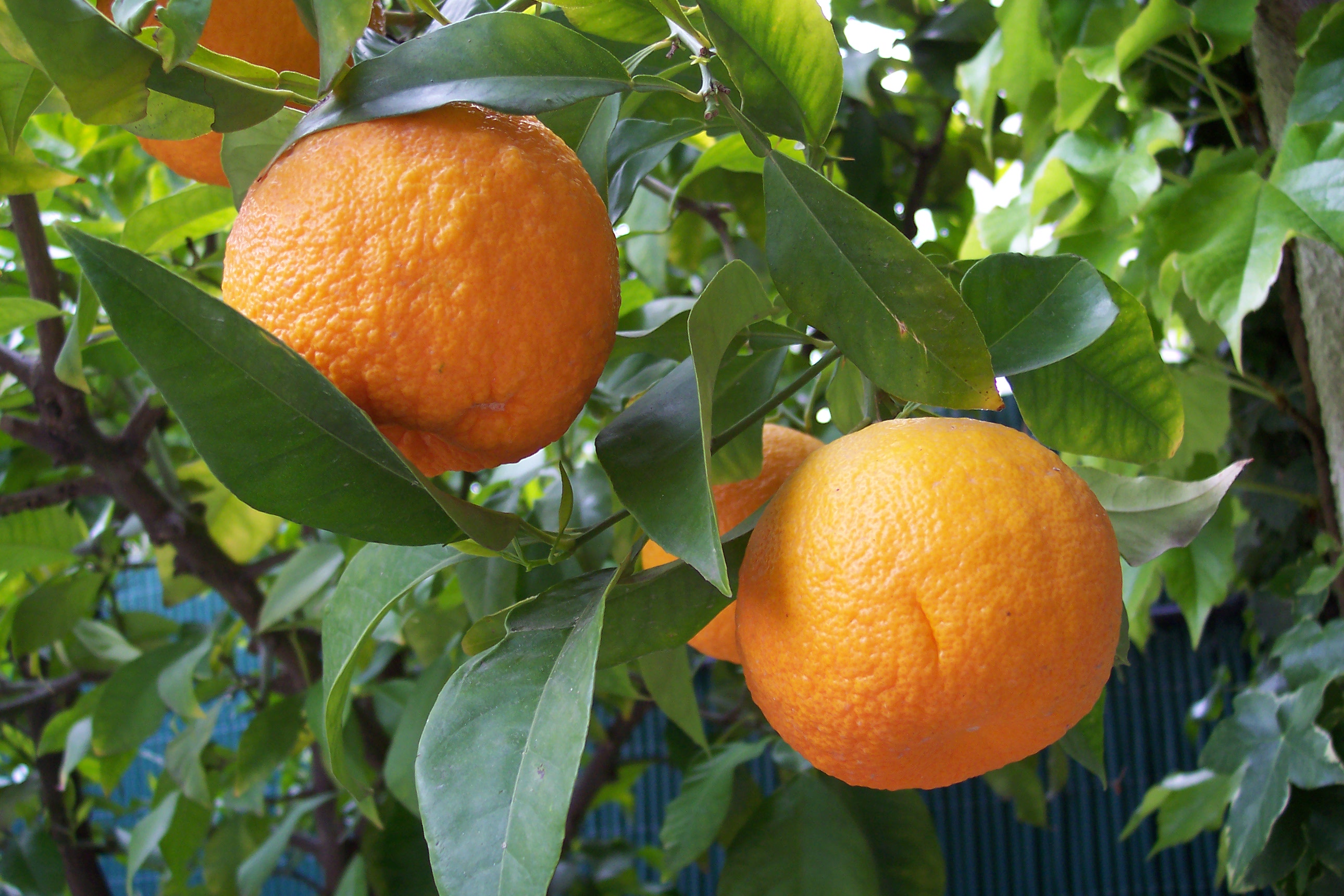 Bitter OrangeCitrus aurantium
 BitterwoodPicrasma excelsa
The whole plate is in the library. The compass, Compare, the Sky of eleven hundred plants and the formulary open with an email address and a password, free, with the formula builder and its safety engine. Herbert without limit, his formulating, clients, the handouts and the labels are the paid room.
Open the library, free