Western Herbalism
Bitterwood
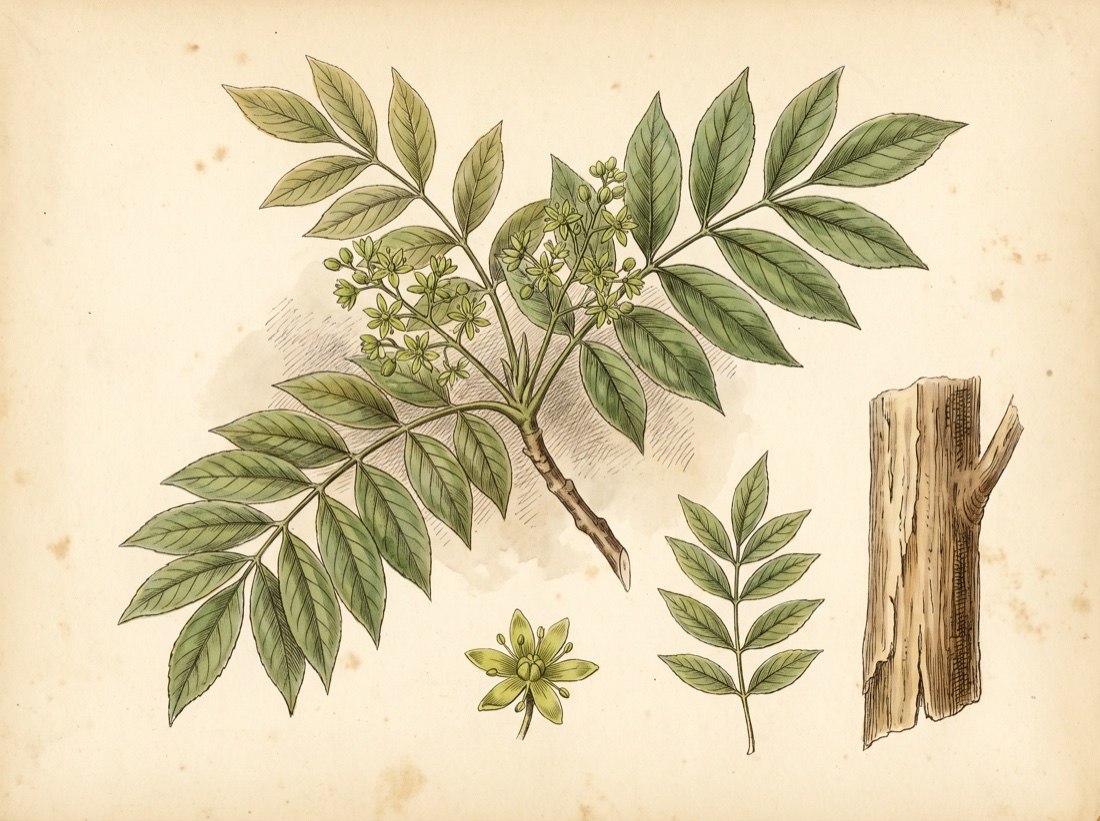
Picrasma excelsa
Also known as Jamaican Quassia, Quassia excelsa Sw, Surinam Quassia, Quassia, Bitter-wood, Bitter-ash.
The wood and bark are both medicinal, though the former is most used. It is an intense bitter, less relaxing than stimulating, expending its influence mainly upon the digestive organs, but scarcely affecting the circulation.

Ask Herbert about Bitterwood. Herbert is the master herbalist inside Bountiful Herbs: he answers from this plate and eleven hundred others, with dosing, pairing and cautions. Your first ten questions are free.
Ask HerbertActions
Indications what the tradition reached for it in
- Anorexia
- Dyspepsia
- Nematode infestation (by oral
- Rectal administration
- Pediculosis (by topical application
- Specifically for atonic dyspepsia with loss of appetite
Safety
The record lists 3 contraindications; open the plate in the library to read them in full.
Dosing as the sources wrote it
| Preparation | As written | Metric |
|---|---|---|
| Q 491 Dried wood 0.3-0.6 g by cold infusion three times daily | 300-600 mg | |
| (G6, G7) Concentrated Quassia Infusion (BPC 1959) 2 -4 mL | 2-4 mL | |
| Tincture of Quassia (BP 1948) 2 -4 mL | 2-4 mL | |
| Dose, one to two fluid drachms | 3.7-7.39 mL |
Doses are reproduced from the sources for practitioners and are not a recommendation for any person.
From the sources
Properties and Uses. The wood and bark are both medicinal, though the former is most used. It is an intense bitter, less relaxing than stimulating, expending its influence mainly upon the digestive organs, but scarcely affecting the circulation.
Description. Natural Order, Simarubaceae. This is the Quassia excelsa of Linnaeus, though the genuine plant is the Quassia amara. The species amara is a large shrub, or low tree, inhabiting Surinam; while the excelsa is a lofty tree with a very large trunk, and is found in Jamaica and other portions of the West Indies.
Drawn from Cook's Physio-Medical Dispensatory, and the Bountiful Herbs editorial.
Often paired with
 QuassiaQuassia amara
 Prickly AshZanthoxylum americanum
 BayberryMyrica cerifera
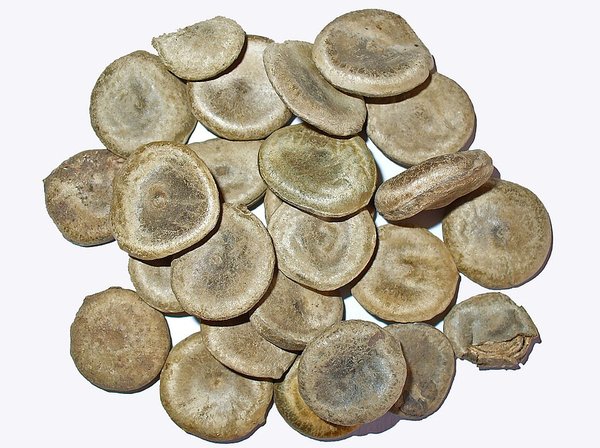 Nux VomicaStrychnos nux-vomica
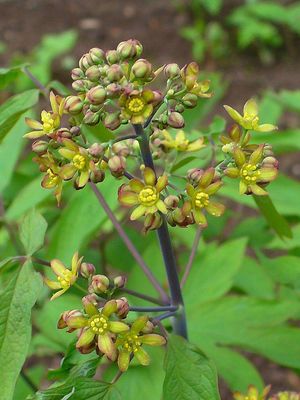 Blue cohoshCaulophyllum thalictroides
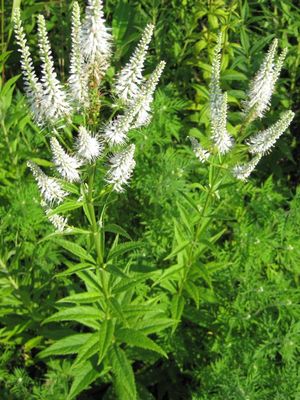 Culver's rootVeronicastrum virginicum
Nearby on the shelf
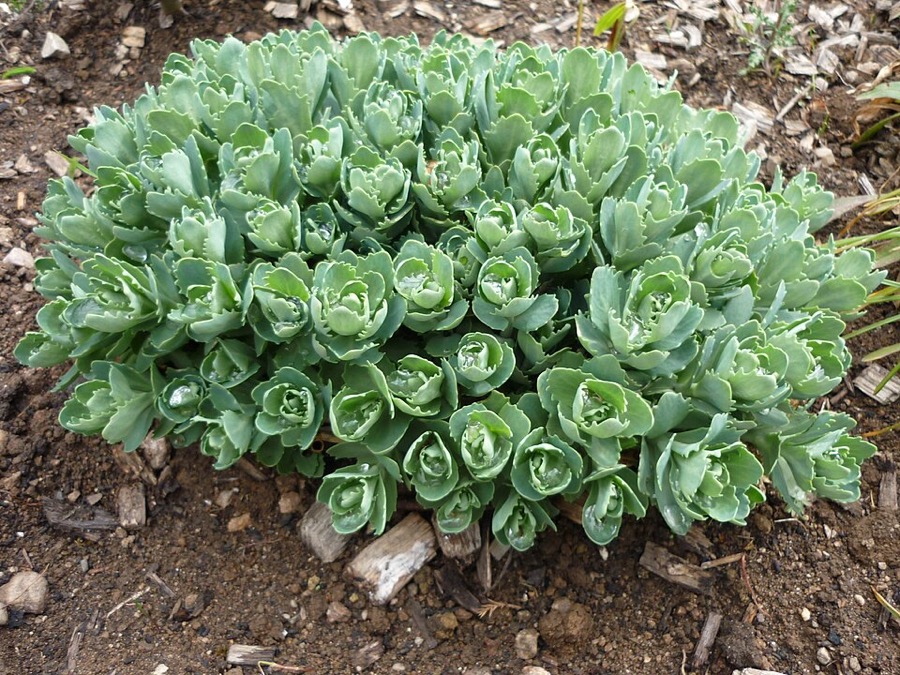 Biting stonecropSedum
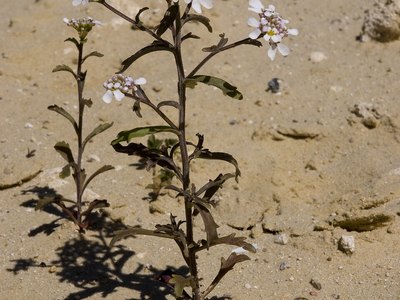 Bitter candytuftIberis amara
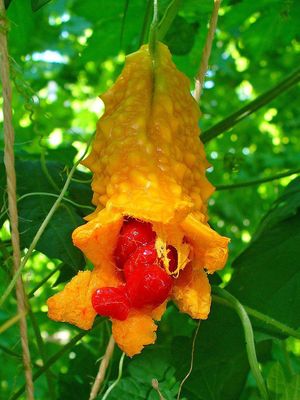 Bitter melonMomordica charantia
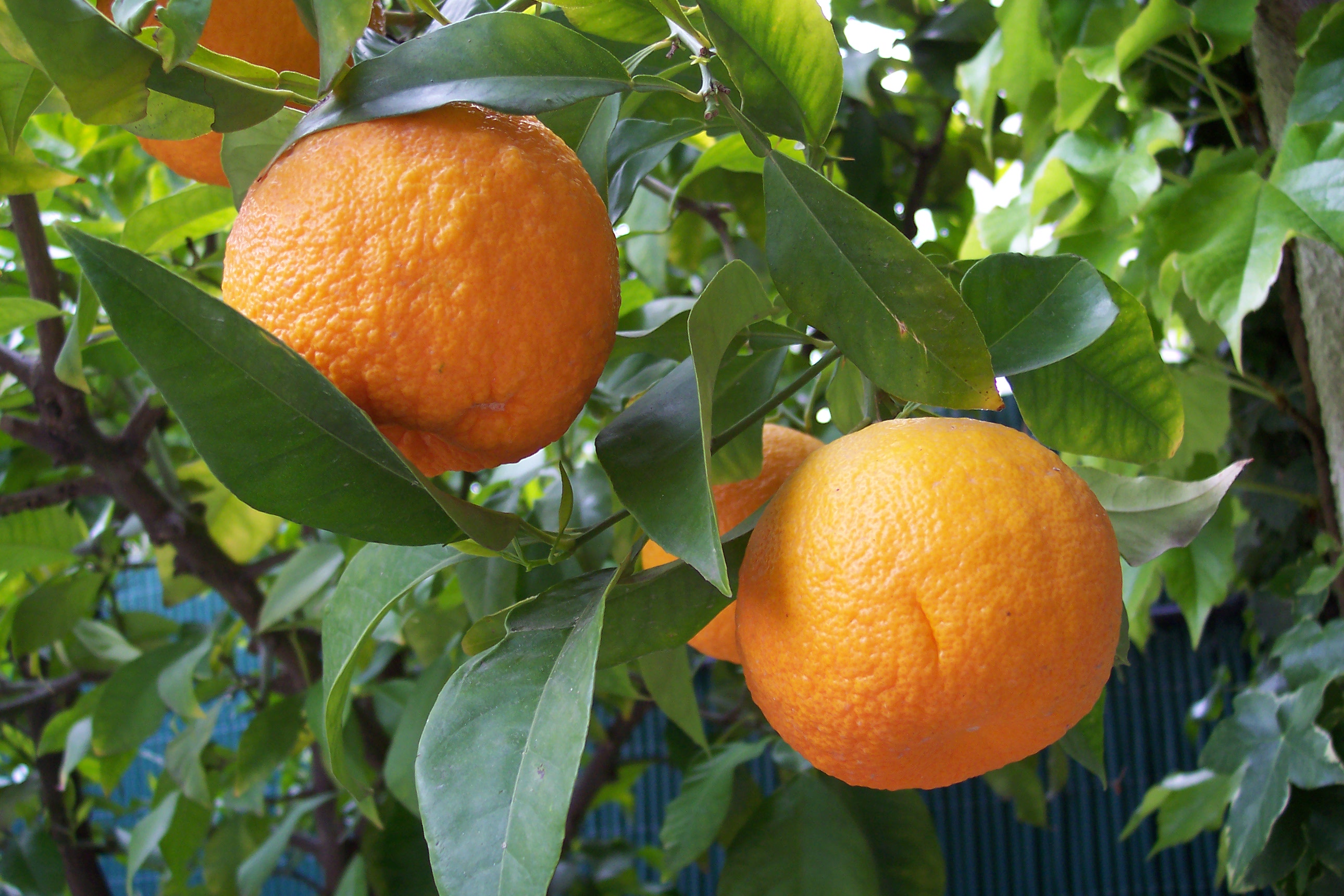 Bitter OrangeCitrus aurantium
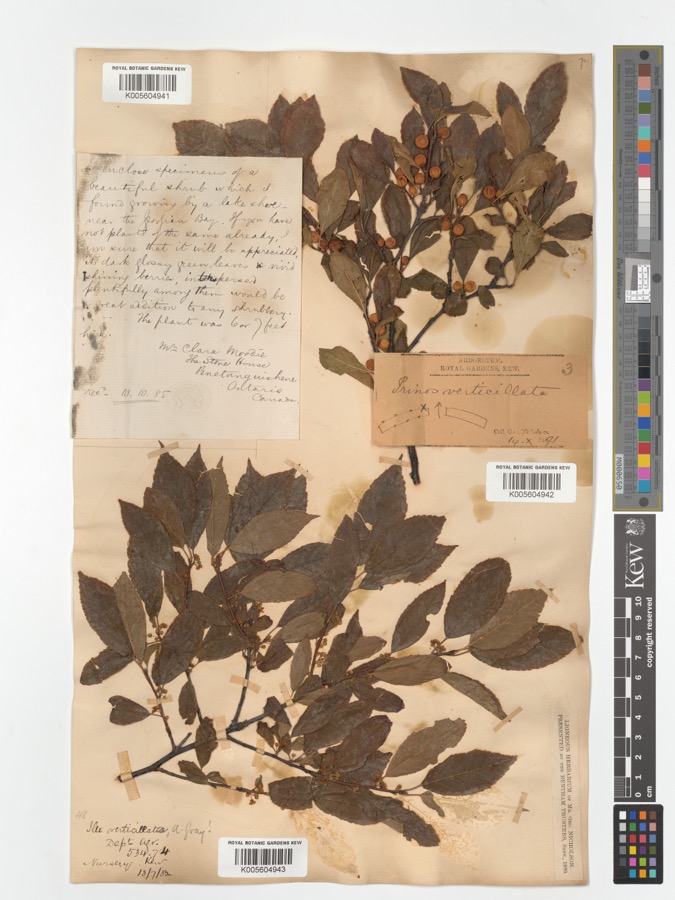 Black alderPrinos verticillatos
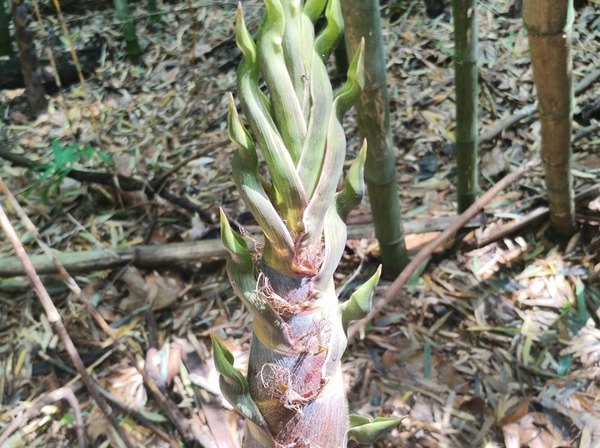 Black BambooPhyllostachys nigra
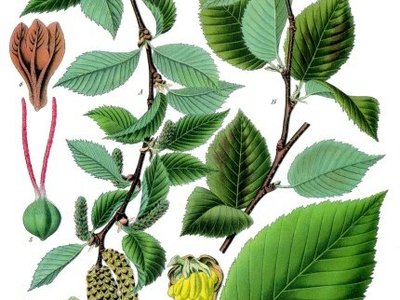 Black birchBetula Lenta
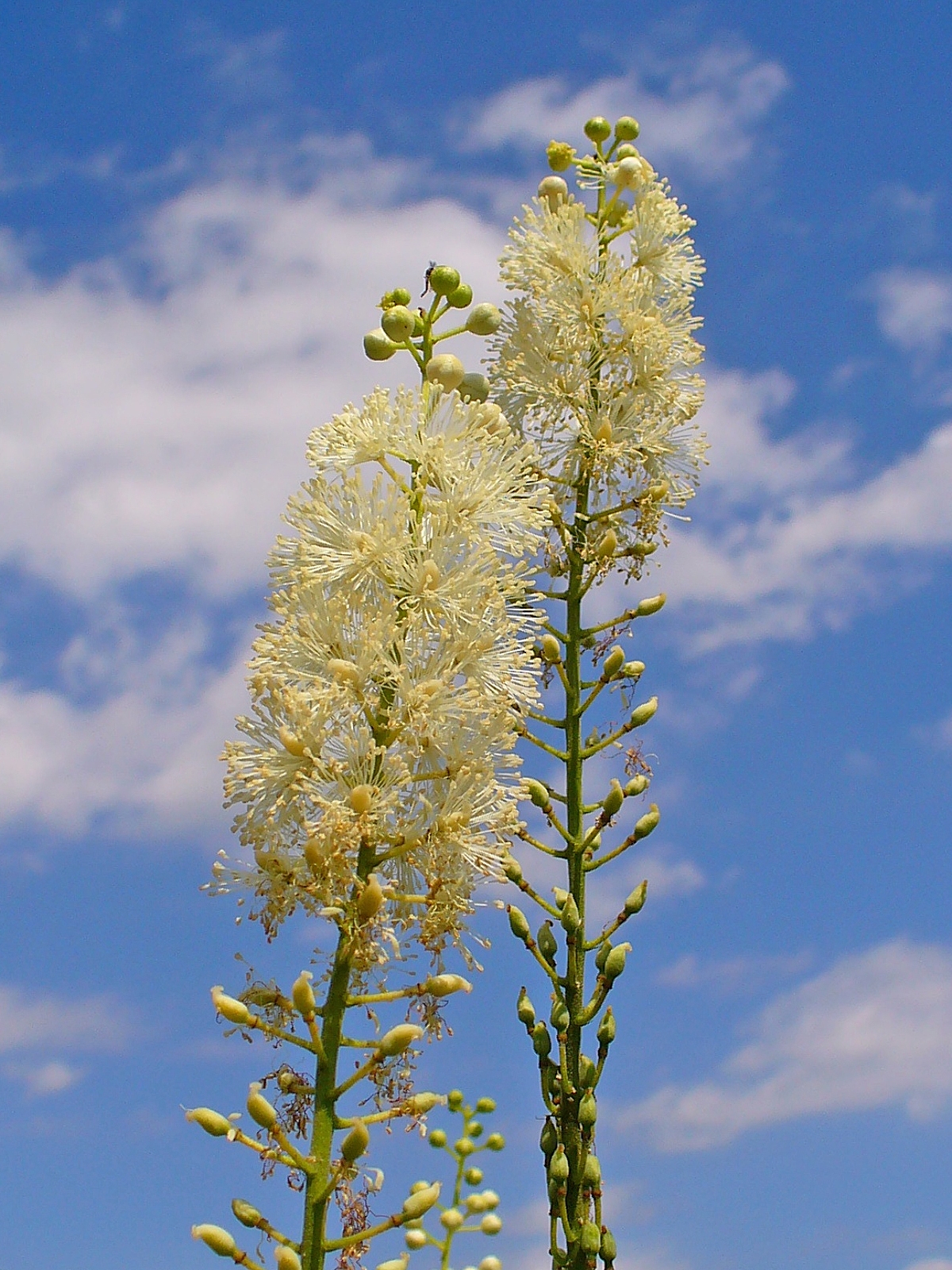 Black cohoshActaea racemosa
The whole plate is in the library. The compass, Compare, the Sky of eleven hundred plants and the formulary open with an email address and a password, free, with the formula builder and its safety engine. Herbert without limit, his formulating, clients, the handouts and the labels are the paid room.
Open the library, free