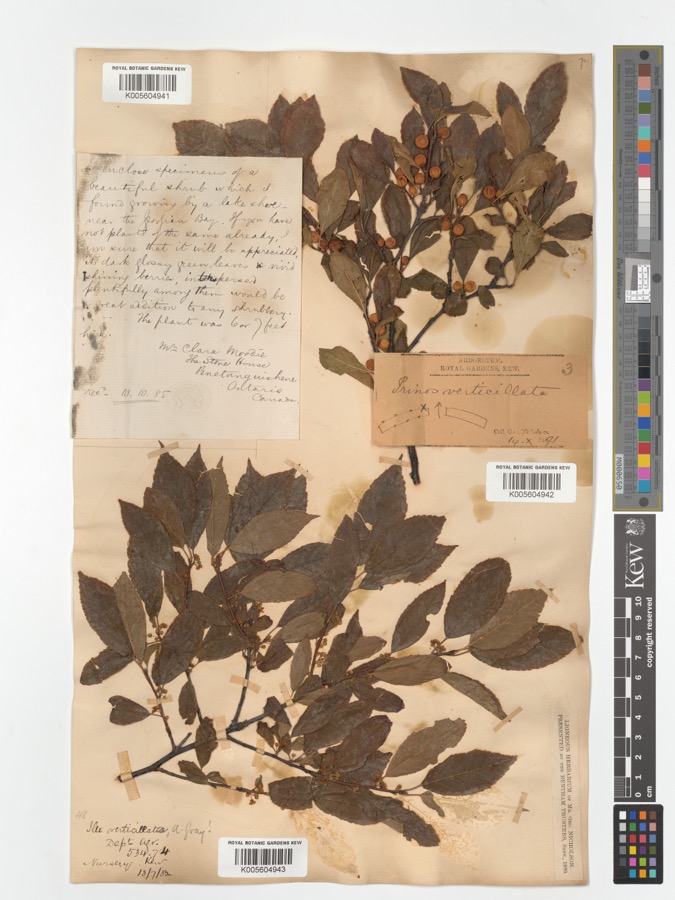
Western Herbalism
Black alder
Prinos verticillatos
Also known as Winterberry, Fever bush, Michigan holly, Virginia winterberry, Winter-berry, Feverbush.
Ilex verticillata, long known to older American practitioners under the name Prinos verticillatus, is a deciduous holly of eastern North American swamps and wet woodlands, easily recognized in winter by its bright red berries held on bare branches. The bark of the root and stem is the part gathered for medicine. Physiomedicalist and Eclectic physicians of the nineteenth century regarded it as one of the more dependable bitter astringent tonics for chronic, atonic skin conditions and debilitated states, and it was widely confused in the popular mind with the true alders (Alnus species) because of the shared common name.

Ask Herbert about Black alder. Herbert is the master herbalist inside Bountiful Herbs: he answers from this plate and eleven hundred others, with dosing, pairing and cautions. Your first ten questions are free.
Ask HerbertActions
Indications what the tradition reached for it in
- Chronic atonic skin disease
- Eczema and herpetic eruptions
- Indolent, slow-healing ulcers
- Gangrenous or foul-smelling wounds
- Scrofula
- Intermittent fever
- Chronic diarrhea
- General debility with poor appetite
- Convalescence after wasting illness
- Jaundice associated with sluggish digestion
Specific indications
Chronic, indolent skin eruptions in a patient with relaxed, weak tissue tone and poor healing
Foul, gangrenous or unhealthy ulcers calling for a strong astringent wash rather than an internal remedy alone
Safety
Low dose botanical. Used in drop doses in the classical practice; not a plant to dose freely.
Pregnancy: Not for use in pregnancy
Breastfeeding: Avoid in lactation for the same reason: absence of any safety data.
The record lists 4 contraindications; open the plate in the library to read them in full.
In practice
Black alder bark was reached for when the tissues looked weak, relaxed, and slow to heal rather than hot or inflamed, in keeping with the physiomedical habit of reading tone before reaching for a remedy.
Dosing as the sources wrote it
| Preparation | As written | Metric |
|---|---|---|
| Decoction (internal) | 15-30 g dried bark per 500 mL water, decocted, in divided doses through the day | 15000-30000 mg |
| Tincture (1:5, 40-50%) | 2-4 mL three times daily | 2-4 mL |
| Topical wash | strong decoction applied as a lotion or compress to ulcers and skin eruptions, two to three times daily | |
| Dose (bark), 5 to 60 grams. | 5000-60000 mg | |
| Dose, 5 to 60 drops. | 0.1-1.2 mL | |
| Two drachms of the powdered bark and | Two drachms of the powdered bark and 1 drachm of golden-seal, infused in a pint of boiling water, and, when cold, taken in the course of a day, in doses of a wineglassful, and repeated daily, has proved very valuable in dyspepsia. | 3888-3888 mg |
Doses are reproduced from the sources for practitioners and are not a recommendation for any person.
From the sources
Overview. Ilex verticillata, long known to older American practitioners under the name Prinos verticillatus, is a deciduous holly of eastern North American swamps and wet woodlands, easily recognized in winter by its bright red berries held on bare branches. The bark of the root and stem is the part gathered for medicine. Physiomedicalist and Eclectic physicians of the nineteenth century regarded it as one of the more dependable bitter astringent tonics for chronic, atonic skin conditions and debilitated states, and it was widely confused in the popular mind with the true alders (Alnus species) because of the shared common name.
Clinical Notes. Black alder bark was reached for when the tissues looked weak, relaxed, and slow to heal rather than hot or inflamed, in keeping with the physiomedical habit of reading tone before reaching for a remedy.
Action and Therapy. Black alder is tonic, astringent and alterative, and especially effective as the latter. Many alterative syrups contain black alder. The berries are cathartic and vermifuge. Tincture of black alder and specific medicine hydrastis form an excellent tonic in atonic dyspepsia, when debility is marked and there is a tendency to diarrhea.
Properties and Uses. The bark is stimulating and relaxing, mild in action, and chiefly influencing the secernent organs. It is properly a tonic alterant of a mild grade; and though by some classed as an astringent, it is rather laxative, though leaving behind that slightly consolidated condition common to stimulating tonics.
Drawn from Cook's Physio-Medical Dispensatory; Scudder's Specific Medication and Specific Medicines; King's American Dispensatory, 18th edition (Felter and Lloyd); Felter's Eclectic Materia Medica, Pharmacology and Therapeutics, and the Bountiful Herbs editorial.
Nearby on the shelf
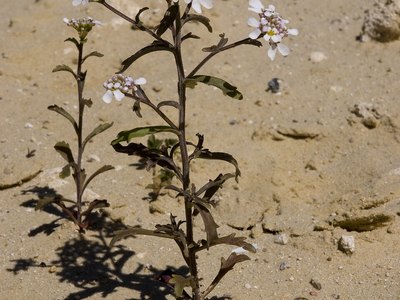 Bitter candytuftIberis amara
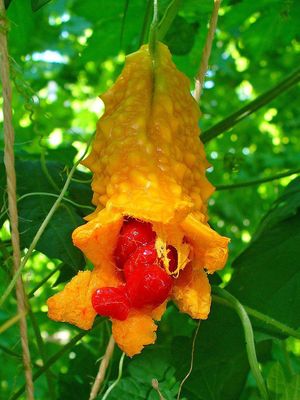 Bitter melonMomordica charantia
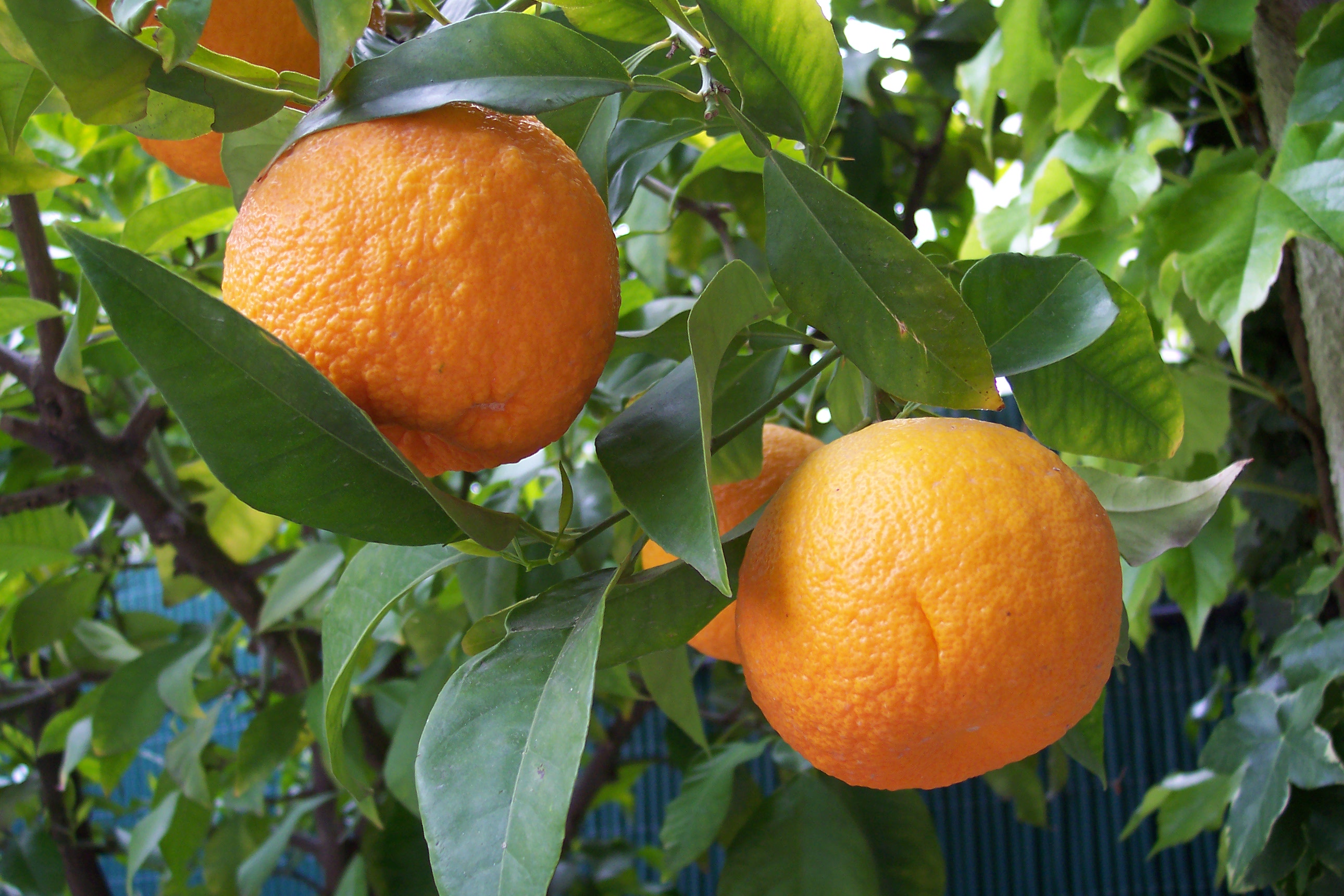 Bitter OrangeCitrus aurantium
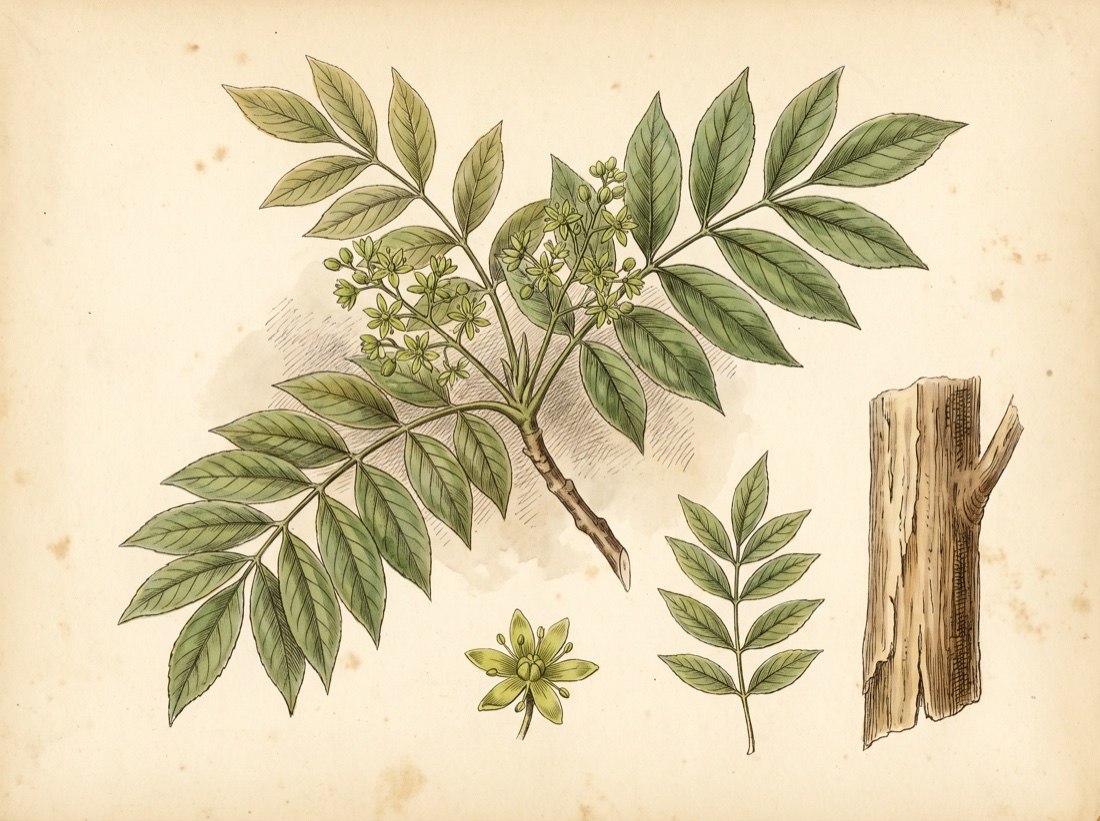 BitterwoodPicrasma excelsa
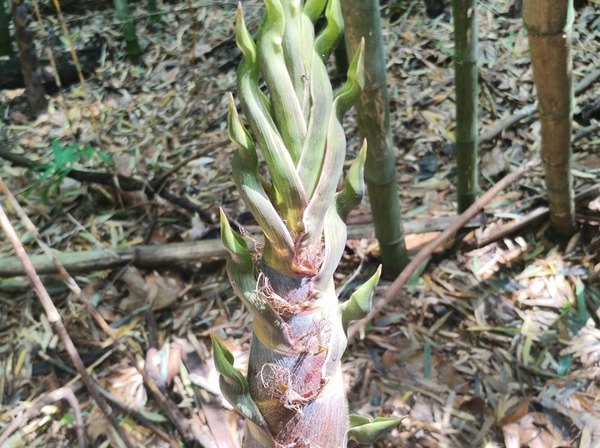 Black BambooPhyllostachys nigra
 Black birchBetula Lenta
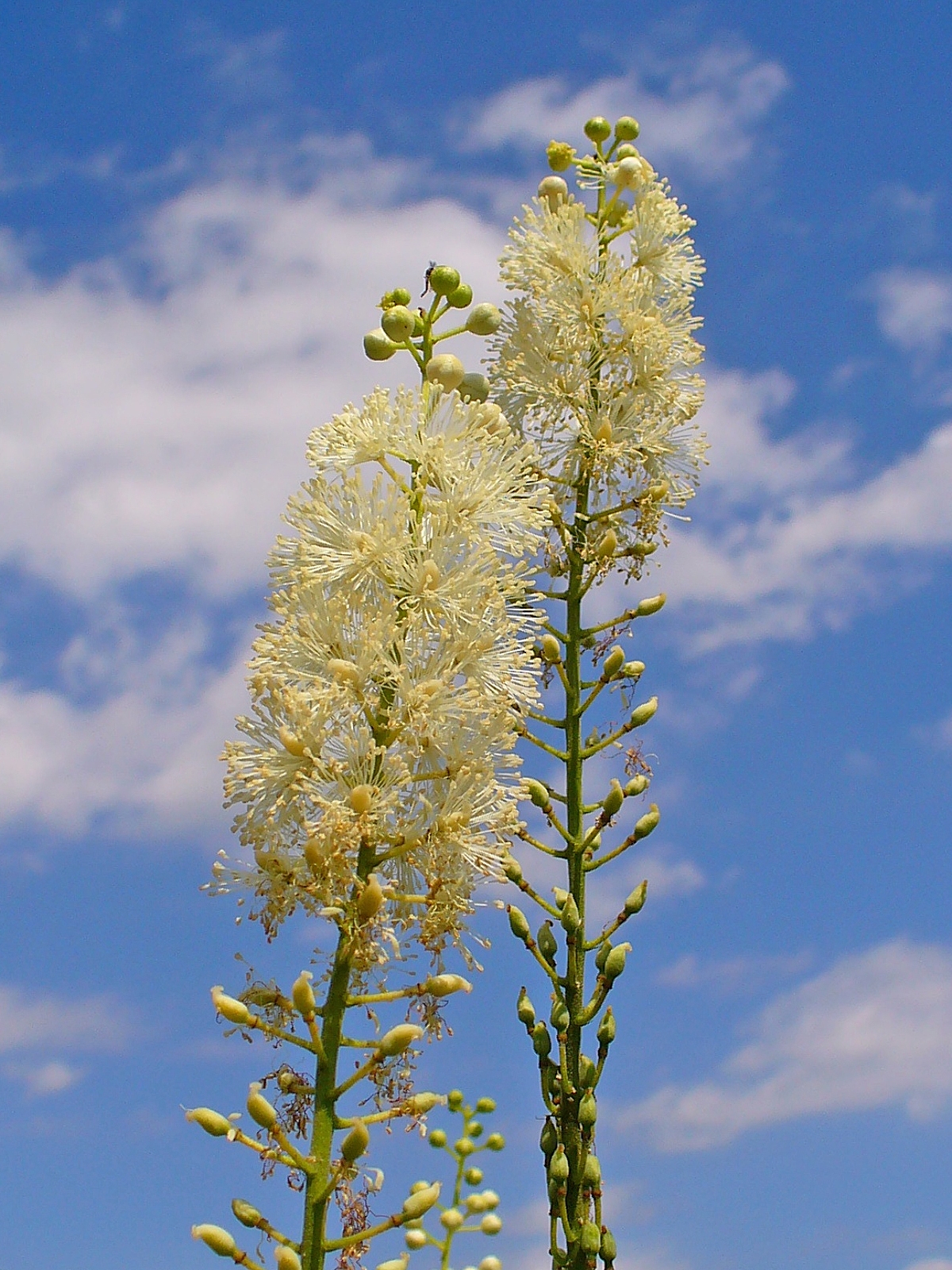 Black cohoshActaea racemosa
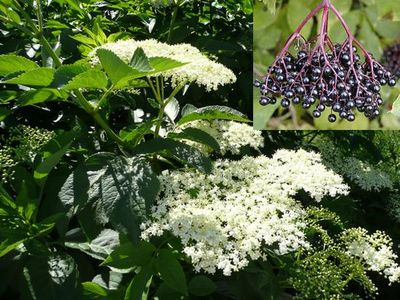 Black elderSambucus nigra
The whole plate is in the library. The compass, Compare, the Sky of eleven hundred plants and the formulary open with an email address and a password, free, with the formula builder and its safety engine. Herbert without limit, his formulating, clients, the handouts and the labels are the paid room.
Open the library, free