Western Herbalism
Birch
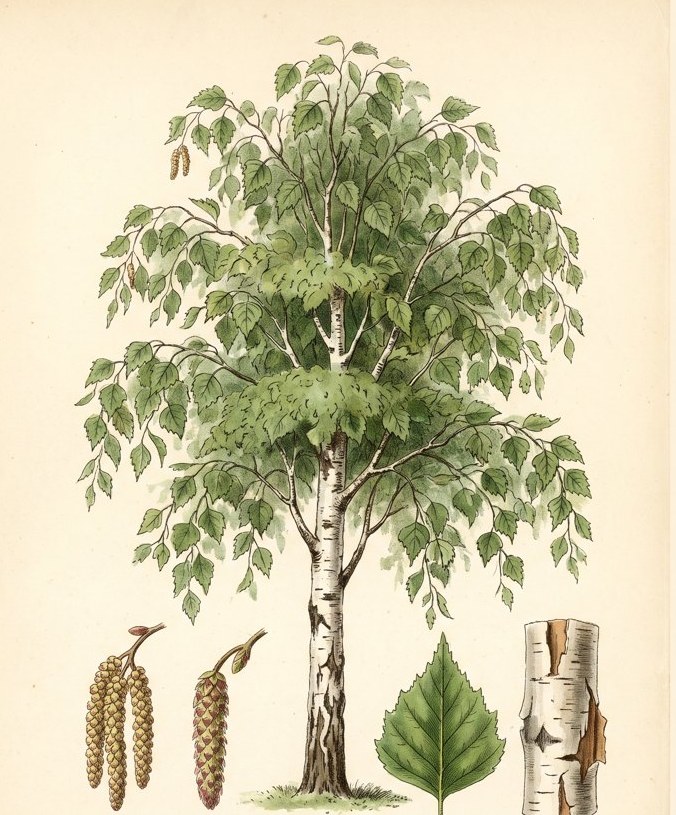
Betula pendula
Also known as Silver Birch, Betula, White Birch.
Traditional use established for at least 30 years primarily leaf used as mild diuretic for urinary flushing adequate fluid intake required not for self-treatment of serious conditions consult doctor if symptoms like fever, dysuria, blood in urine persist assessment notes potential adjunct for rheumatic complaints, gout

Ask Herbert about Birch. Herbert is the master herbalist inside Bountiful Herbs: he answers from this plate and eleven hundred others, with dosing, pairing and cautions. Your first ten questions are free.
Ask HerbertActions
Indications what the tradition reached for it in
- Urinary tract infection
- Flushing of urinary tract
- Renal gravel
- Gout
- Kidney stone
- Rheumatic complaints
- Arthritis
- Minor urinary tract complaints
- Bacterial and inflammatory diseases of urinary passages
- Renal ailments
- Bleeding
- Diarrhea
- Edema
- Fluid retention
- Inflammation
- Urinary disorders
- Infection
- Urinary complaints
- Excessive discharge
Safety
The record lists 2 contraindications; open the plate in the library to read them in full.
Dosing as the sources wrote it
| Preparation | As written | Metric |
|---|---|---|
| Herbal tea: 2-3 g comminuted leaf in 150 ml boiling water, up to 4x daily | 2000-3000 mg | |
| powdered leaf: 650 mg 2x daily | 650-650 mg | |
| dry extract | dry extract (DER 3-8:1 water): 0.25-1 g 4x daily | 250-1000 mg |
| liquid extract fresh leaf | liquid extract fresh leaf (1:2-2.4 water): 15 ml 2-3x daily | 15 mL |
| stabilised liquid extract | stabilised liquid extract (1:1 50-60% ethanol): 2.5 ml 3x daily | 2.5-2.5 mL |
| duration | duration 2-4 weeks |
Doses are reproduced from the sources for practitioners and are not a recommendation for any person.
From the sources
Clinical Notes. Traditional use established for at least 30 years primarily leaf used as mild diuretic for urinary flushing adequate fluid intake required not for self-treatment of serious conditions consult doctor if symptoms like fever, dysuria, blood in urine persist assessment notes potential adjunct for rheumatic complaints, gout
indications. Birch is traditionally indicated for: Urinary tract infection, Flushing of urinary tract, Renal gravel, Gout, Kidney stone, Rheumatic complaints, Arthritis, Minor urinary tract complaints, Bacterial and inflammatory diseases of urinary passages, Renal ailments, Bleeding, Diarrhea, Edema, Fluid retention, Inflammation, and 4 further conditions.
Synonym. White Birch. This agent has been quite extensively used in Europe from the time of the Middle Ages. One of the old writers ... Dragendorff ... says the bark is given in malarial fevers, in dropsy, gout, disease of the lungs; also in abscesses, and in skin diseases and itch, and where there is excessive sweating of the feet.
constituents. Notable constituents of Birch include: Flavonoids (hyperoside, quercetin glycosides, kaempferol glycosides, myricetin glycosides), phenolic acids (chlorogenic acid, caffeic acid), tannins, triterpenes, essential oil, vitamins (ascorbic acid), minerals (potassium.
Drawn from Ellingwood's American Materia Medica, Therapeutics and Pharmacognosy, and the Bountiful Herbs editorial.
Often paired with
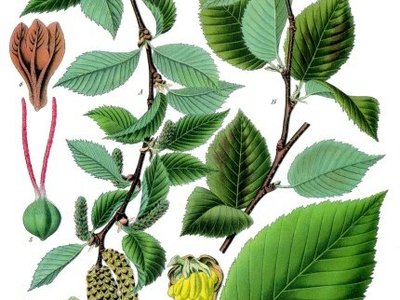 Black birchBetula Lenta
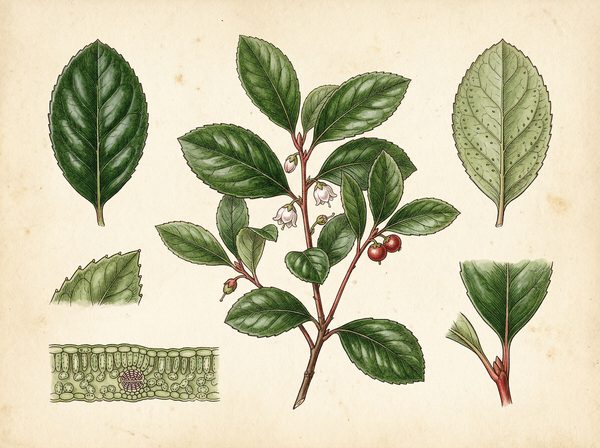 WintergreenGaultheria procumbens
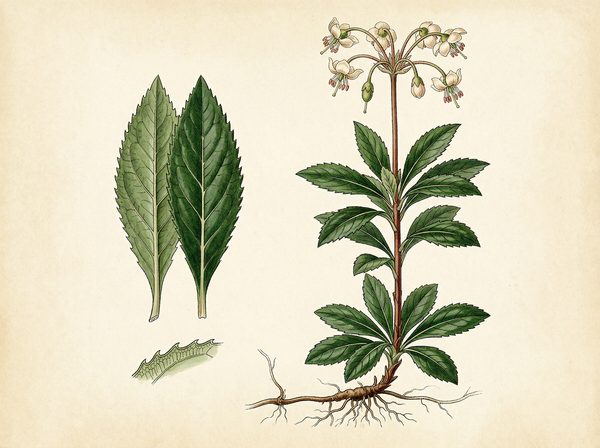 PipsissewaChimaphila umbellata
Nearby on the shelf
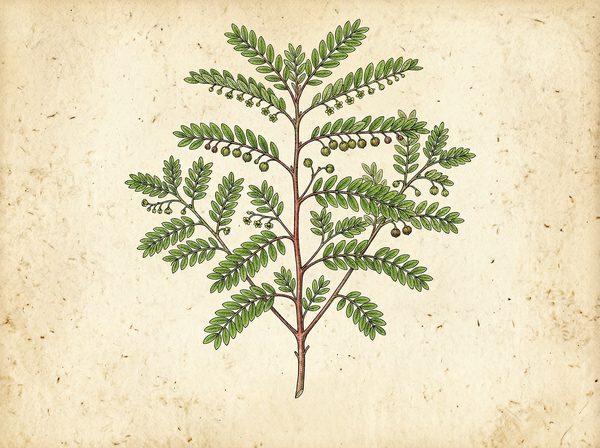 BhumyamalakiPhyllanthus niruri
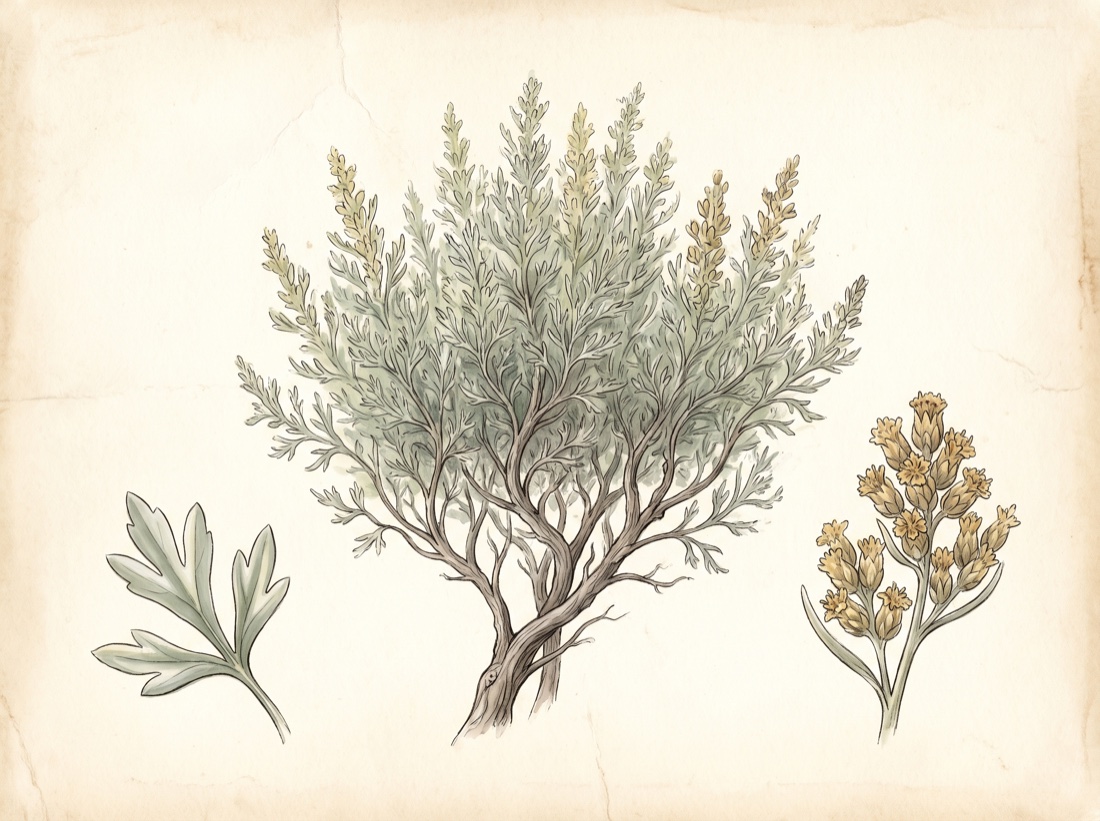 Big sagebrushArtemisia tridentata
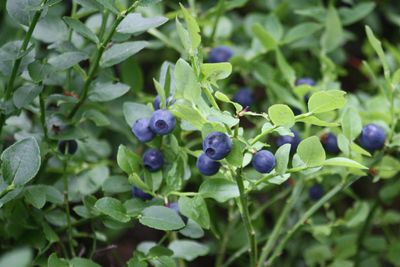 BilberryVaccinium myrtillus
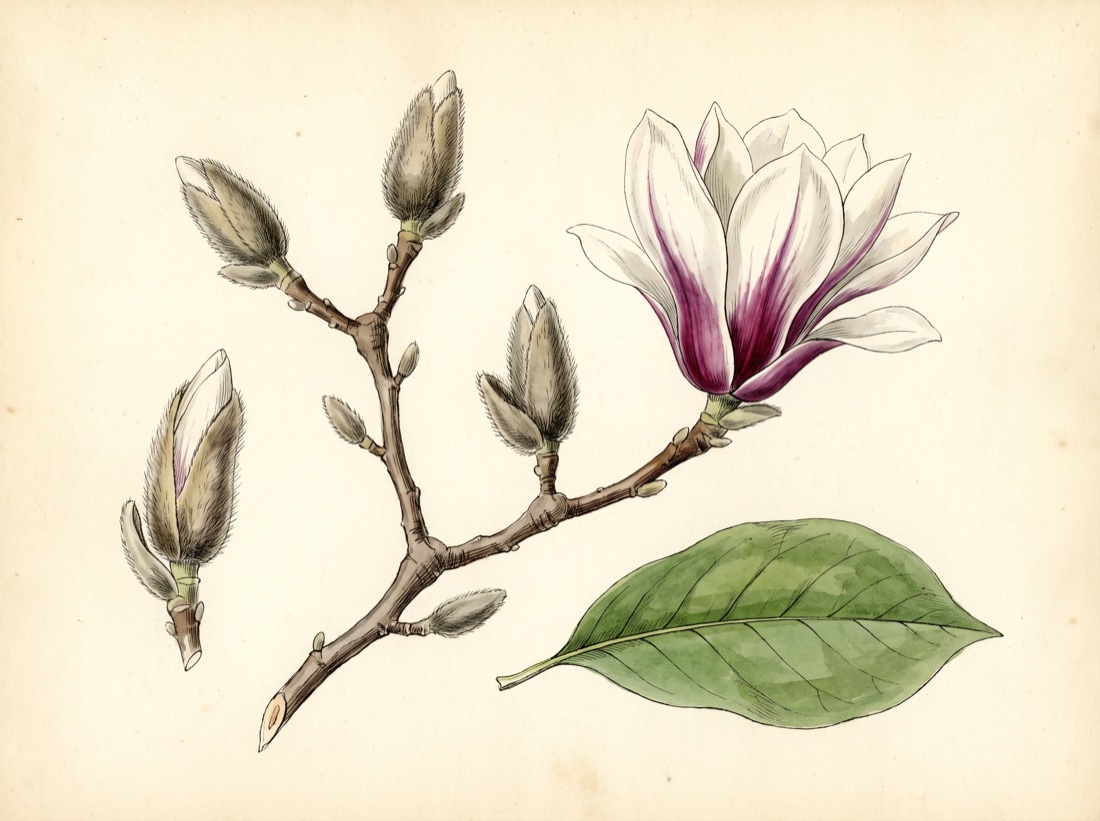 Biond's magnoliaMagnolia biondii
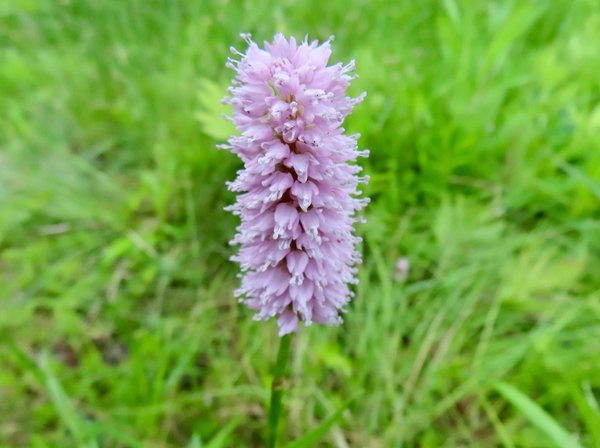 BistortPersicaria bistorta
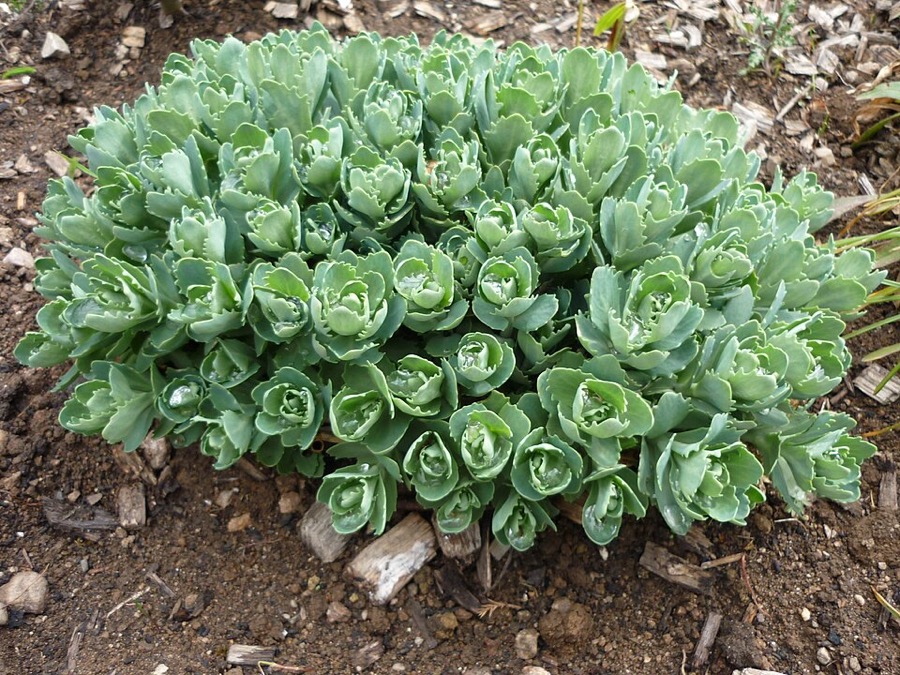 Biting stonecropSedum
 Bitter candytuftIberis amara
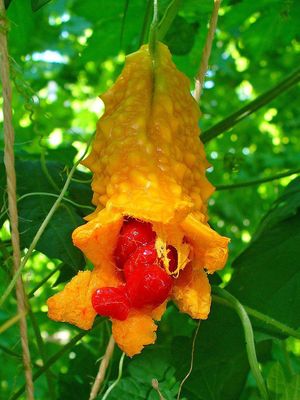 Bitter melonMomordica charantia
The whole plate is in the library. The compass, Compare, the Sky of eleven hundred plants and the formulary open with an email address and a password, free, with the formula builder and its safety engine. Herbert without limit, his formulating, clients, the handouts and the labels are the paid room.
Open the library, free