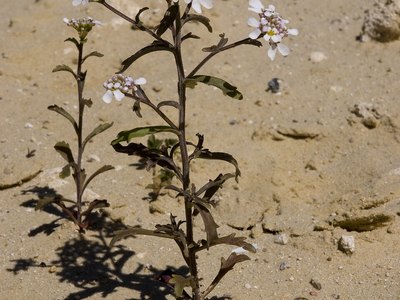
Western Herbalism
Bitter candytuft
Iberis amara
Also known as Iberis, Rocket candytuft.
Bitter candytuft is a small annual or biennial plant in the mustard family, native to southern and central Europe and long cultivated as a garden ornamental. The whole flowering herb, and sometimes the seed, is the part used medicinally. It entered nineteenth century Eclectic practice as a bitter tonic and reputed cardiac and respiratory remedy, and in the twentieth century it found a more secure place as one component of a well known fixed herbal combination used for functional digestive complaints.

Ask Herbert about Bitter candytuft. Herbert is the master herbalist inside Bountiful Herbs: he answers from this plate and eleven hundred others, with dosing, pairing and cautions. Your first ten questions are free.
Ask HerbertActions
Indications what the tradition reached for it in
- Functional dyspepsia
- Irritable bowel syndrome
- Flatulent colic
- Postprandial bloating and fullness
- Loss of appetite
- Sluggish digestion
- Gastritis with reduced appetite
- Bronchial asthma (historical eclectic use)
- Cardiac dyspnea in the elderly (historical eclectic use)
- Gouty and rheumatic complaints (historical eclectic use)
Specific indications
Epigastric fullness and bloating that worsens after meals, with a sense of sluggish digestion
Cramping, gas-distended abdomen with variable bowel habit, as seen in functional bowel disorders
Older eclectic sources reserved it for labored cardiac breathing with a weak, irregular pulse, a use not supported by modern evidence
Safety
Pregnancy: Avoid in pregnancy, as reliable safety data are lacking.
Breastfeeding: Avoid in lactation, as reliable safety data are lacking.
The record lists 2 contraindications; open the plate in the library to read them in full.
In practice
In contemporary practice, bitter candytuft is rarely prescribed as a single agent. It is best known today as one of nine herbs in a proprietary German liquid combination widely used for functional dyspepsia and irritable bowel syndrome, where it is credited with normalizing gastric motility, both stimulating a sluggish stomach and calming excessive spasm, an effect consistent with its bitter and mildly antispasmodic character.
Dosing as the sources wrote it
| Preparation | As written | Metric |
|---|---|---|
| Powdered herb (historical Eclectic dose) | 65-195 mg (1-3 grains) up to three times daily | 65-195 mg |
| Tincture (1:5) | 0.3-1 mL (historically given as drop doses) up to three times daily | 0.3-1 mL |
| Liquid extract in fixed combination products | as directed on the specific commercial preparation, typically taken before or with meals three times daily | |
| Tinctura Iberis Amarae | Dose, five drops, increased or decreased as indicated. | 0.1-0.1 mL |
Doses are reproduced from the sources for practitioners and are not a recommendation for any person.
From the sources
Overview. Bitter candytuft is a small annual or biennial plant in the mustard family, native to southern and central Europe and long cultivated as a garden ornamental. The whole flowering herb, and sometimes the seed, is the part used medicinally. It entered nineteenth century Eclectic practice as a bitter tonic and reputed cardiac and respiratory remedy, and in the twentieth century it found a more secure place as one component of a well known fixed herbal combination used for functional digestive complaints.
Clinical Notes. In contemporary practice, bitter candytuft is rarely prescribed as a single agent. It is best known today as one of nine herbs in a proprietary German liquid combination widely used for functional dyspepsia and irritable bowel syndrome, where it is credited with normalizing gastric motility, both stimulating a sluggish stomach and calming excessive spasm, an effect consistent with its bitter and mildly antispasmodic character.
Therapy. The most direct action of this remedy is upon an enlarged heart, where there is functional weakness. It lessens the force of the heart's action, controlling violence and irritability. It overcomes the dyspnea of these cases, the vertigo and general sense of weakness, with other reflex symptoms. In bronchitis, asthma, dyspnea, and in jaundice or dropsy, all of cardiac origin, it is said to be one of our best agents, in some cases acting magically. Galen used it in rheumatic affections. The agent has not received the attention it is said to deserve.
Drawn from Ellingwood's American Materia Medica, Therapeutics and Pharmacognosy, and the Bountiful Herbs editorial.
Nearby on the shelf
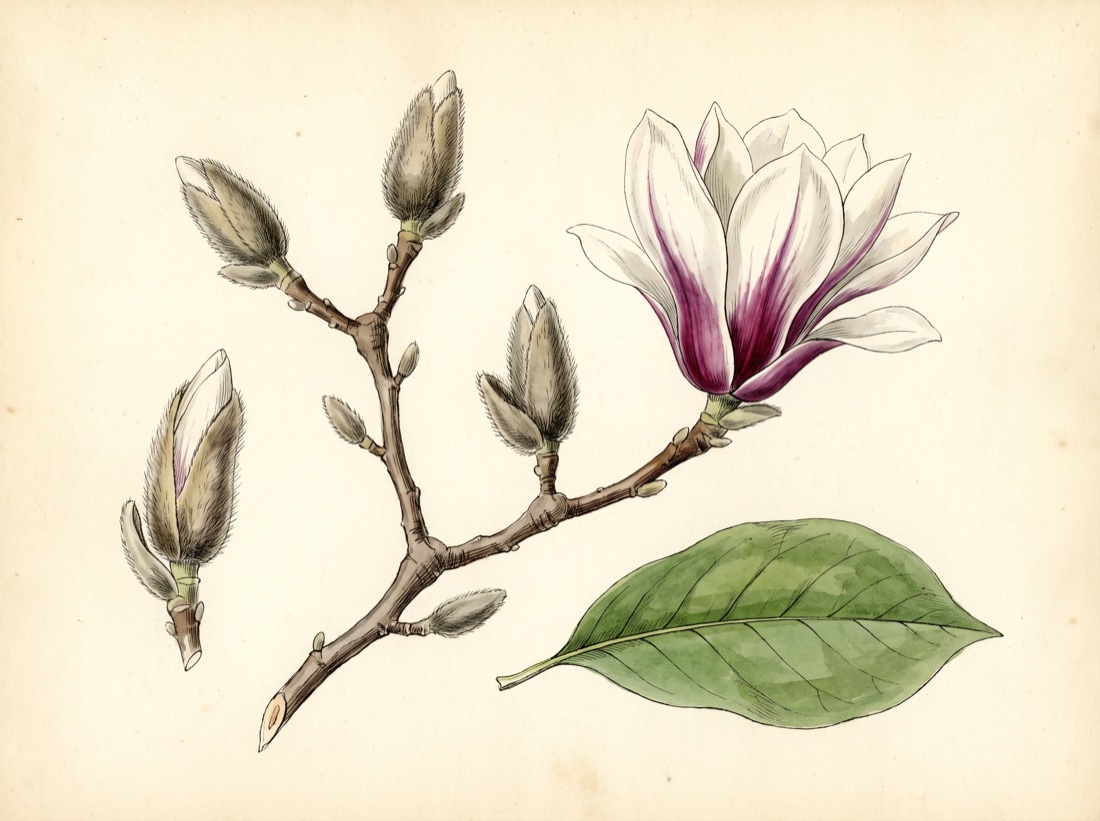 Biond's magnoliaMagnolia biondii
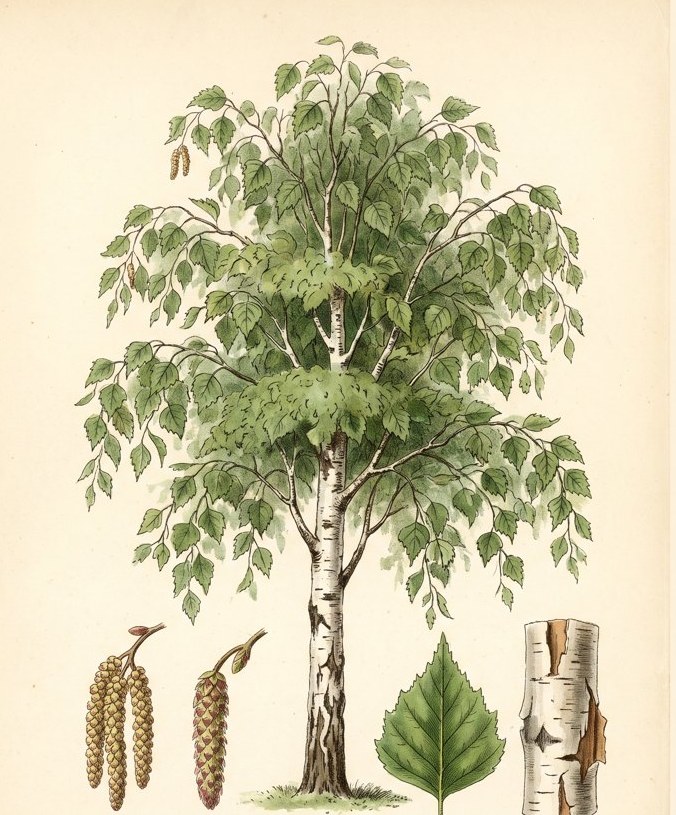 BirchBetula pendula
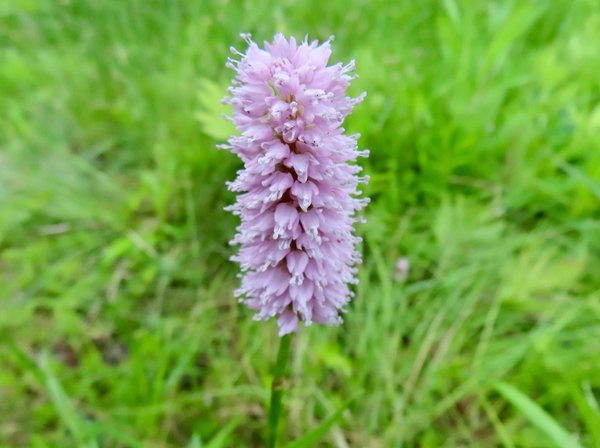 BistortPersicaria bistorta
 Biting stonecropSedum
 Bitter melonMomordica charantia
 Bitter OrangeCitrus aurantium
 BitterwoodPicrasma excelsa
 Black alderPrinos verticillatos
The whole plate is in the library. The compass, Compare, the Sky of eleven hundred plants and the formulary open with an email address and a password, free, with the formula builder and its safety engine. Herbert without limit, his formulating, clients, the handouts and the labels are the paid room.
Open the library, free