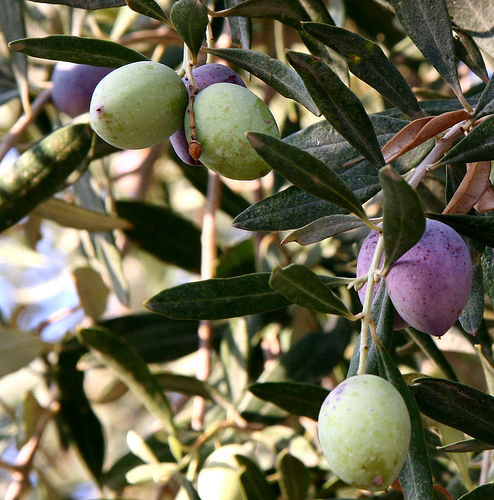
Western Herbalism
Olive
Olea europaea
Also known as Olive Leaf.
Ph. Eur. monograph requires minimum 5% oleuropein Traditional febrifuge for malaria/fever Clinical trials support mild hypotensive and hypolipidemic effects Not a potent/toxic herb Assessment Report

Ask Herbert about Olive. Herbert is the master herbalist inside Bountiful Herbs: he answers from this plate and eleven hundred others, with dosing, pairing and cautions. Your first ten questions are free.
Ask HerbertActions
Indications what the tradition reached for it in
- T. rubrum
- Campylobacter jejuni
- Helicobacter pylori
- Candida
- Trichophyton mentagrophytes
- K. pneumoniae
- Fungal rash
- Osteoarthritis
- Tinea infections
- Respiratory infection
- Staphylococcus aureus (methicillin-resistant)
- Bacterial infections
- Microsporum canis
- HIV-1 replication and transmission
- Gastrointestinal infection
- Viral infections
- E. coli
- Urinary tract infection
- Fungal infections
- Pseudomonas
- Hypertension
- Rheumatoid arthritis
- Thrush
- HIV/AIDS
- Skin irritations
- Debility
- Fatigue
- Infection
- Loss of appetite
- Dyspepsia
Safety
Pregnancy: Pregnancy and Lactation=lack of data
Breastfeeding: Pregnancy and Lactation=lack of data
The record lists 1 contraindication; open the plate in the library to read them in full.
Dosing as the sources wrote it
| Preparation | As written | Metric |
|---|---|---|
| Tincture (1:2)-1:5 | 3-5 ml TID | 3-5 mL |
| Infusion | 1-2 tsp/c TID | |
| Capsule | dried aqueous extract, 500-1,000 mg BID | 500-1000 mg |
| HTN | 500mg BID | 500-500 mg |
| Decoction/tea: 5-10 g dried leaf daily (2-3x 150-200 ml) | 5000-10000 mg | |
| Powdered leaf: 600-1200 mg daily | 600-1200 mg |
Doses are reproduced from the sources for practitioners and are not a recommendation for any person.
From the sources
Clinical Notes. Ph. Eur. monograph requires minimum 5% oleuropein Traditional febrifuge for malaria/fever Clinical trials support mild hypotensive and hypolipidemic effects Not a potent/toxic herb Assessment Report
Therapy. Olive oil or sweet oil is a nutritive and laxative for children. It must be given in doses of one or two tablespoonful. It can be flavored and rendered palatable. It may be given whenever irritating substances are retained in the intestinal tract and when convulsions are present from gastro-intestinal irritation.
action_anticancer. Both inflammatory and cancer cell models have shown that olive leaf polyphenols are anti-inflammatory and protect against DNA damage initiated by free radicals; evidence for the protective effect of olive polyphenols for cancer in humans remains anecdotal and clinical trials are required to substantiate these claims.
indications. Olive is traditionally indicated for: T. rubrum, Campylobacter jejuni, Helicobacter pylori, Candida, Trichophyton mentagrophytes, K. pneumoniae, Fungal rash, Osteoarthritis, Tinea infections, Respiratory infection, Staphylococcus aureus (methicillin-resistant), Bacterial infections, Microsporum canis, HIV-1 replication and transmission, Gastrointestinal infection, and 23 further conditions.
Drawn from Ellingwood's American Materia Medica, Therapeutics and Pharmacognosy, and the Bountiful Herbs editorial.
In formulas
Olive stands in 25 documented formulas in the library, among them Hypertension Support Formula.
Often paired with
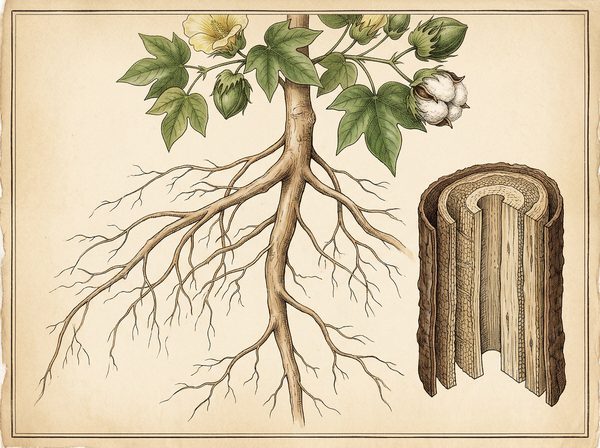 Levant cottonGossypium herbaceum
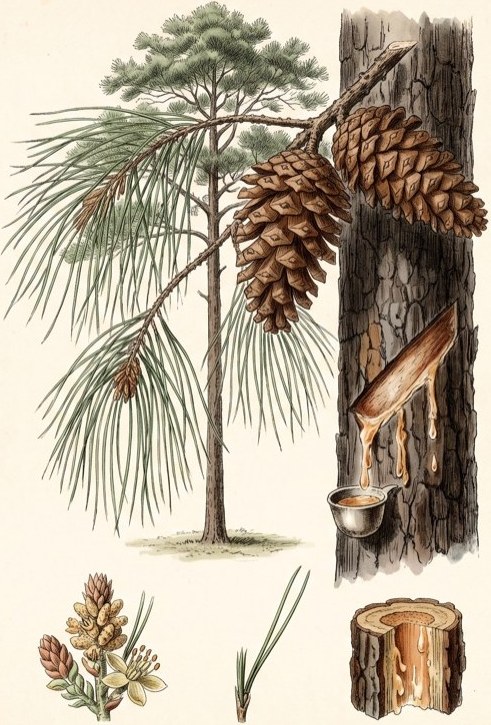 TurpentineOleum Terebinthinae
 flaxLinum usitatissimum
 AlmondAmygdala
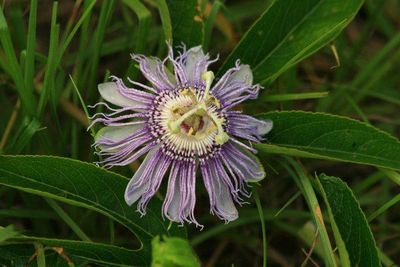 Passion FlowerPassiflora incarnata
Nearby on the shelf
 OcotilloFouquieria splendens
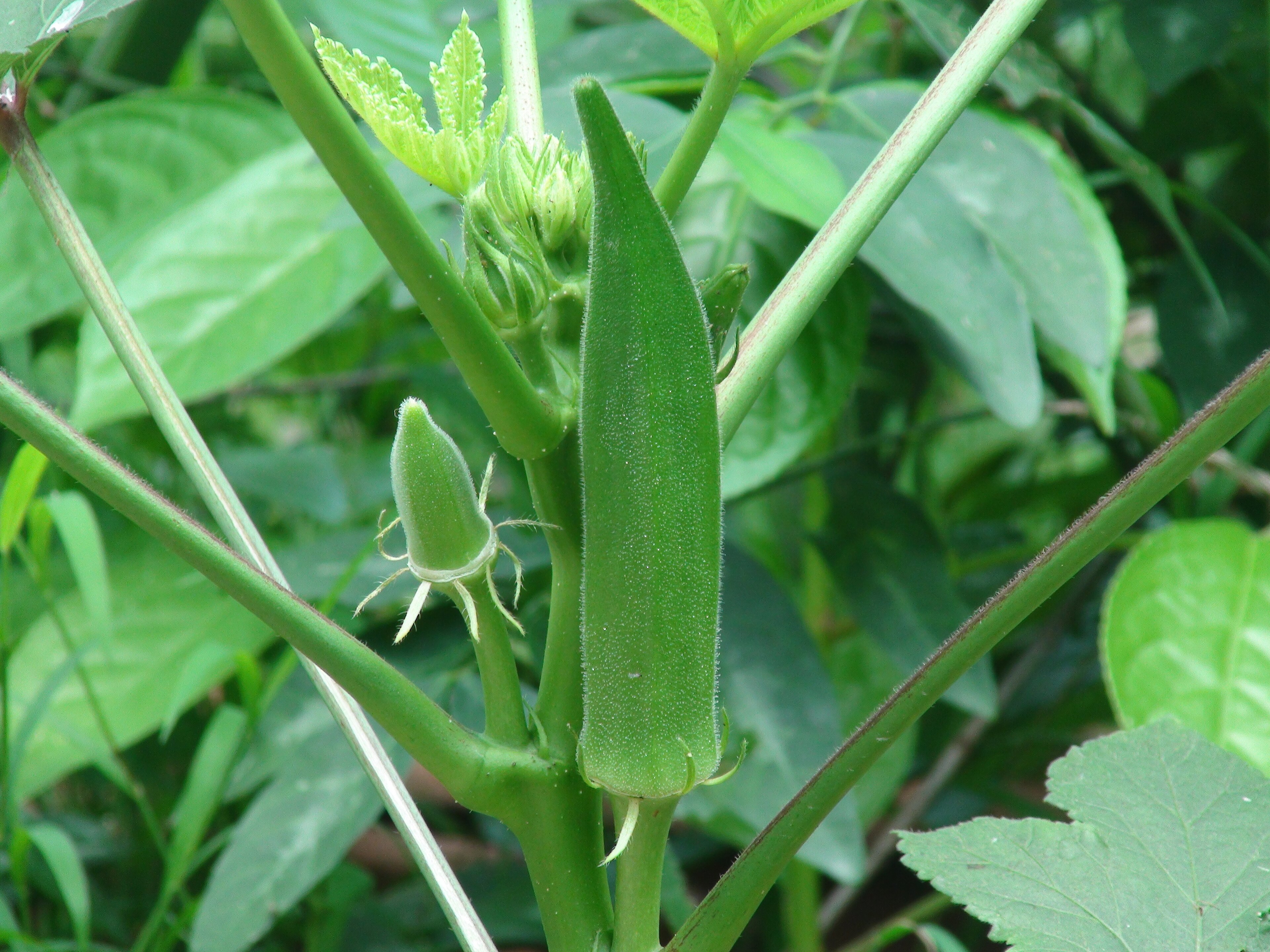 OkraHibiscus Esculentus
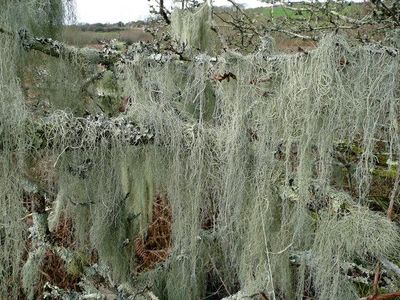 Old man's beardUsnea spp.
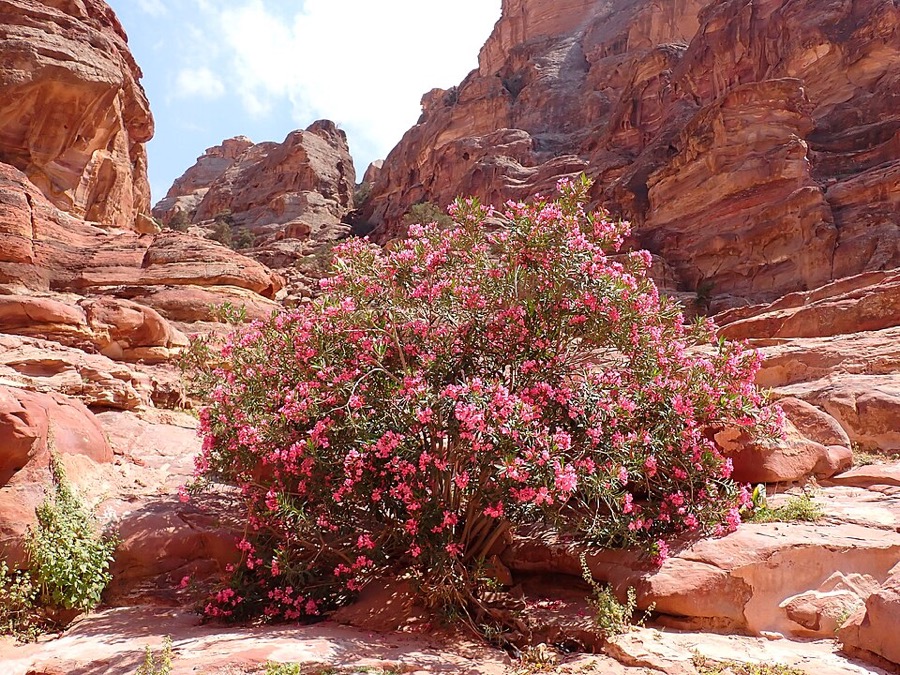 OleanderOleander
 OnionAllium cepa
 Opium poppyPapaver somniferum
 OrangeOrange
 OreganoOriganum vulgare
The whole plate is in the library. The compass, Compare, the Sky of eleven hundred plants and the formulary open with an email address and a password, free, with the formula builder and its safety engine. Herbert without limit, his formulating, clients, the handouts and the labels are the paid room.
Open the library, free